Native Ohio Plants To Grow Instead Of Thirsty Vegetables In Full Sun
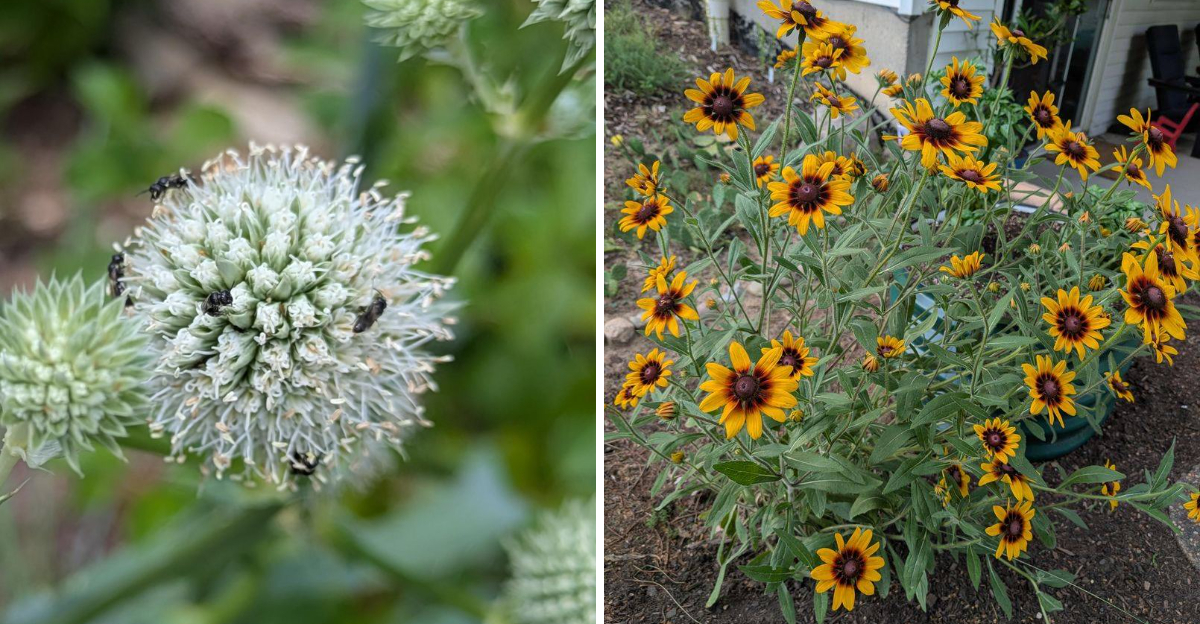
That sunny vegetable bed can start the season full of promise.
By August, it may feel like a second job. The hose comes out again. Weeds rush into every open gap. Tomato cages lean, squash leaves look tired, and the whole bed demands more weekend attention than anyone planned to give it.
A full-sun patch does not have to stay that needy.
Ohio native plants can turn that same space into a lower-water planting that still feels productive. The harvest changes, of course.
Instead of baskets of vegetables, the garden produces nectar, seeds, structure, color, movement, and habitat for pollinators, songbirds, and beneficial insects.
Once established, well-matched natives usually ask for far less irrigation than thirsty annual vegetables. They still need care at the start, but their roots are built for the local climate in a way most summer crops are not.
So which native plants can take over a sunny Ohio bed without turning August into a watering marathon?
Start with tough, sun-loving species that look good and work hard after the vegetable season has worn you out.
1. Plant Butterfly Weed In Lean Soil
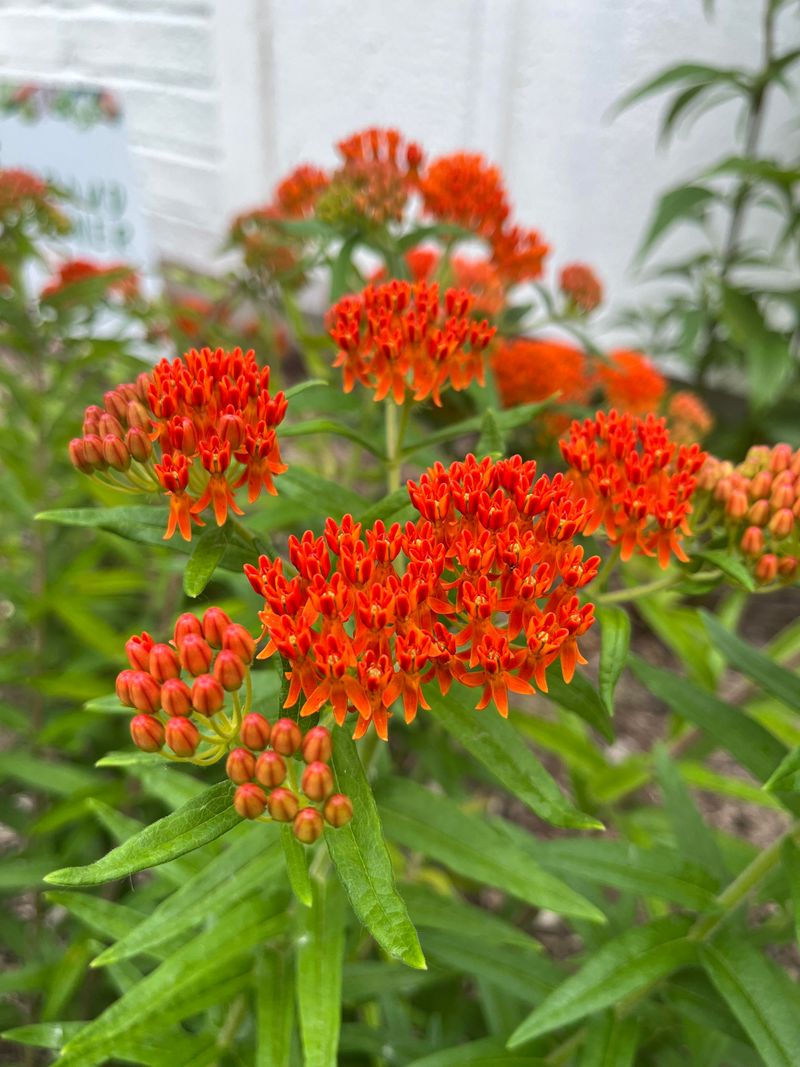
Orange flowers make this plant impossible to ignore.
Butterfly weed, Asclepias tuberosa, brings a bright summer display to dry, sunny Ohio beds without asking for rich soil or constant irrigation.
The flower clusters appear in vivid orange, sitting above narrow green leaves that stay much neater than many taller milkweeds.
Lean soil is the secret. This plant performs best where drainage is sharp and fertility stays modest.
A former vegetable bed may be too rich at first. Years of compost, manure, and steady watering can create conditions that feel generous to tomatoes but heavy to this plant.
Drainage matters more than pampering. Wet soil around the crown can cause trouble much faster than a dry spell.
Plant it high rather than low. A slight crown rise helps water move away from the base.
Avoid moving it later. The deep taproot gives it excellent drought tolerance but makes transplanting difficult.
Water during the first season. Young plants still need help while roots settle into the soil.
Back off after establishment. By the second full growing season, a well-sited plant should handle dry Ohio stretches with much more confidence.
Mark the spot in spring. Butterfly weed emerges late, and an unmarked crown can be mistaken for empty space.
Monarchs use it as a host plant. Native bees and butterflies also visit the flowers for nectar.
Butterfly weed is not the plant for damp, heavily amended soil.
Give it sun, lean ground, and patience, and it turns a dry bed into one of summer’s brightest native displays.
2. Give Purple Coneflower Open Sun
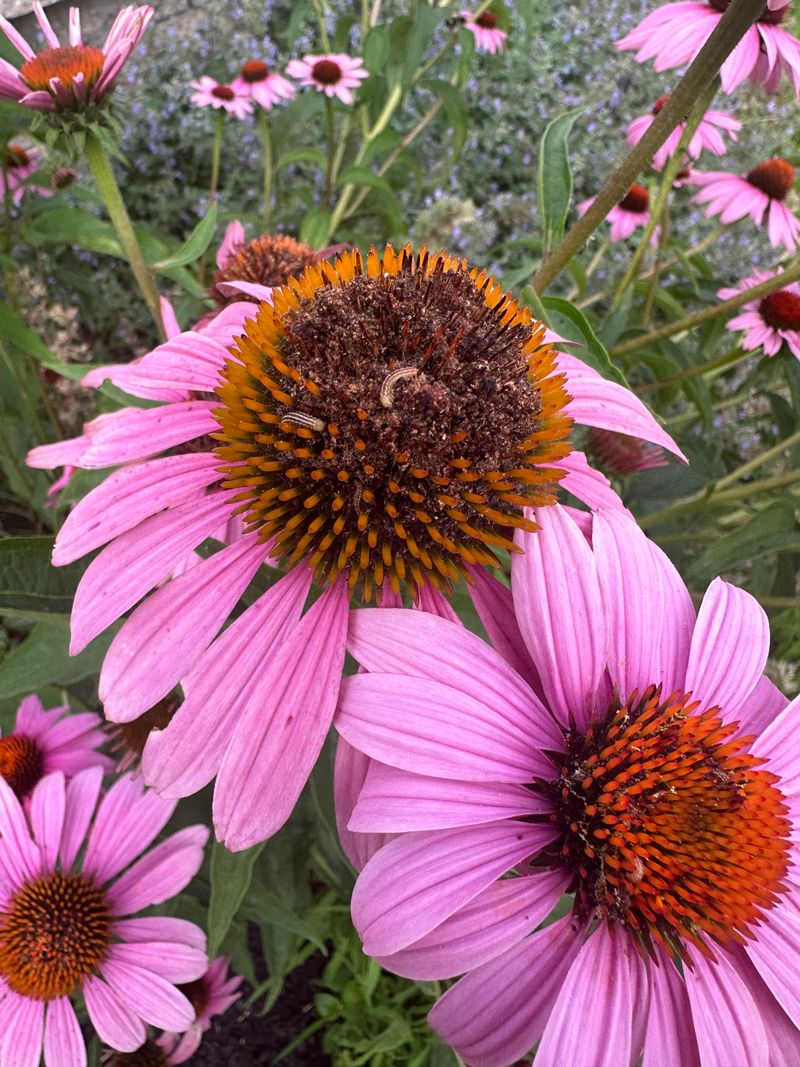
Purple coneflower brings structure to the old vegetable bed.
Known botanically as Echinacea purpurea, this Ohio native stands upright through summer with lavender-pink petals surrounding raised bronze cones. It looks bold from a distance and still feels useful up close, especially when pollinators start working the flowers.
Open sun keeps it strong. Too much shade can lead to leaning stems and fewer blooms.
Your Ohio Garden Changes Every Week. Your Plan Should Too.
Gardening in Ohio changes quickly throughout the season. Every Friday you’ll receive a simple weekly plan showing exactly what to plant, prune, fertilize, harvest, and protect so you never miss the right timing.
Average soil is enough. Overly rich ground can make plants tall, leafy, and floppy.
That matters in converted vegetable beds. Soil that once pushed heavy annual crops may need time to mellow before this plant stands at its best.
Spacing helps. Give plants about eighteen to twenty-four inches of room so air can move between stems.
Good airflow reduces mildew pressure. Humid Ohio summers can bring powdery foliage problems in crowded plantings.
Water young plants consistently. Establishment care matters, even for tough natives.
Avoid daily shallow watering later. Established plants perform better with deeper roots and less surface dependence.
Leave some seedheads standing. Goldfinches often cling to the cones and pick through the seeds in fall and winter.
Cut only what looks truly spent or diseased. Too much cleanup removes food and winter interest.
Expect modest reseeding. New seedlings may appear nearby and help the planting look fuller over time.
Deer may browse in some areas. Rural sites with heavy pressure may need protection.
Purple coneflower earns its place because it bridges beauty and function.
It gives a sunny Ohio bed flowers in summer, seeds in fall, and a strong visual anchor long after vegetables would be finished.
3. Let Little Bluestem Handle Dry Heat
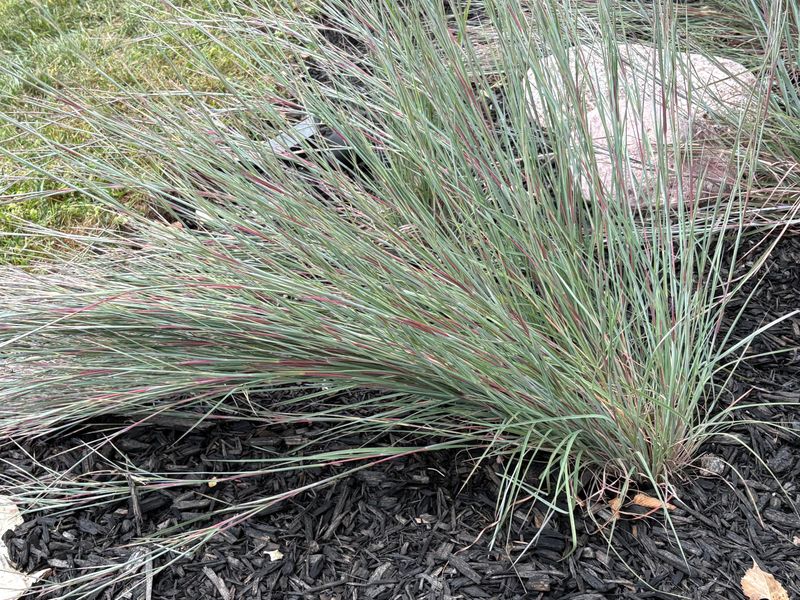
Little bluestem gets better as summer gets harder.
This native grass, Schizachyrium scoparium, stands in tidy clumps with narrow blue-green blades that handle full sun and dry soil beautifully once established.
In a former vegetable bed, it adds movement, color, and structure without asking for the same water budget as annual crops.
The habit stays clumping. It does not run aggressively through the bed by rhizomes. That makes placement easier. Each plant forms its own defined fountain of foliage.
Give it room. Eighteen to twenty-four inches between plants allows clumps to fill in without crowding. Do not fertilize. Rich soil produces weak, floppy growth and reduces the upright character gardeners want.
Lean soil brings out the best color. Dry, modest ground helps the plant stay compact and strong. First-year plants can look underwhelming. Roots are doing important work while the top growth catches up.
Resist overwatering during that stage. Too much water can create a loose habit and reduce resilience. Fall is the real show. Foliage shifts into copper, rust, orange, and burgundy tones as temperatures drop.
Winter structure lasts. Dried stems hold through cold weather and keep the bed from looking empty. Birds use the seedheads. The standing clumps provide food and light cover during lean months.
Cut back in late winter or early spring. Leaving stems through winter gives the garden more value.
Little bluestem is a smart replacement for thirsty summer crops because it thrives on restraint. Once settled, it turns August heat into texture instead of trouble.
4. Use Prairie Dropseed Along Edges
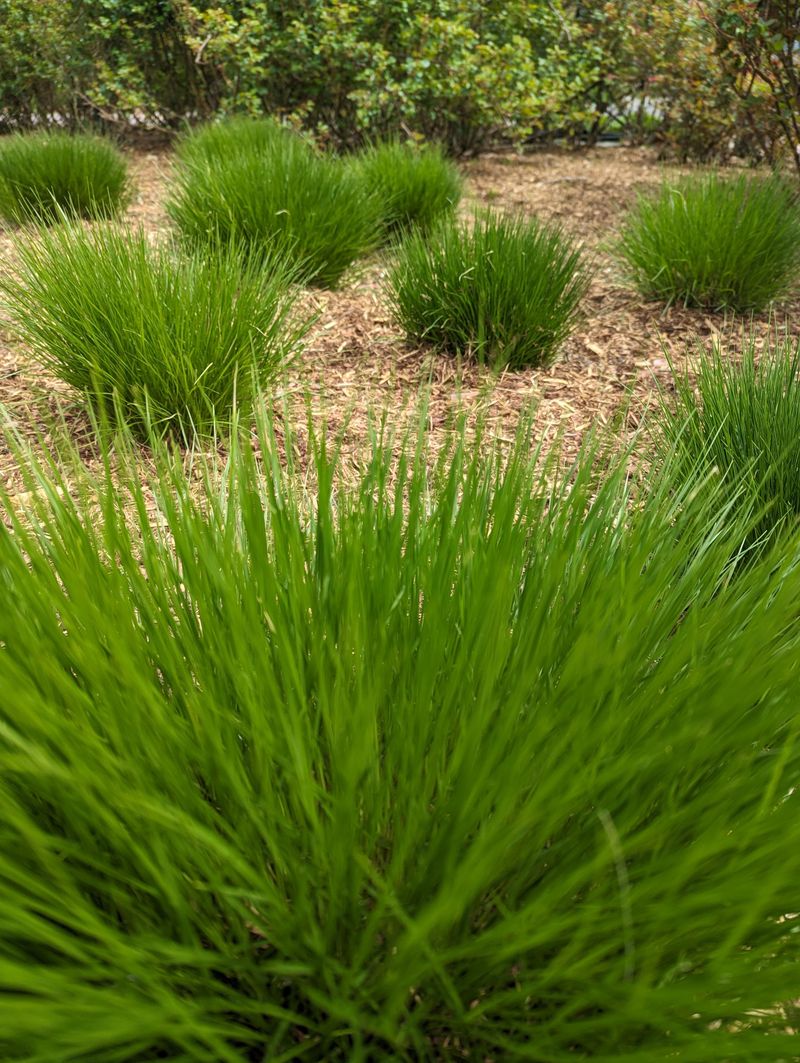
Prairie dropseed brings a softer kind of toughness.
This Ohio native grass, Sporobolus heterolepis, forms a fine-textured mound that looks graceful along paths, bed fronts, and sunny borders. It is especially useful where a former vegetable bed needs an intentional edge instead of a loose, weedy outline.
The foliage is threadlike. Each clump arches outward in a neat fountain shape. Mature plants need space. Give them two feet or more so the mound can develop properly.
Do not crowd the edge. A cramped prairie dropseed loses the elegant shape that makes it valuable. Dry, well-drained soil suits it best. Wet or compacted ground can slow growth and weaken the plant.
Establishment is slow. Expect this grass to take a couple of seasons before it looks full and settled. That slow start is normal. The plant is not failing just because it does not explode with growth in year one.
Water steadily during establishment. Young roots need support through hot spells. Reduce irrigation later. Once mature, the plant handles dry periods with far less fuss.
The late-summer flowers are airy. Their fine panicles float above the mound without overwhelming nearby plants.
The fragrance can surprise people. Some gardeners notice a warm, popcorn-like scent from the flowers. Weed around young clumps carefully. Slow establishment leaves open soil where weeds can move in early.
Prairie dropseed is not flashy in the way vegetables or big blooms can be. It is better for design. It gives a sunny Ohio bed a clean, durable edge that still supports the native planting around it.
5. Add Rattlesnake Master For Structure
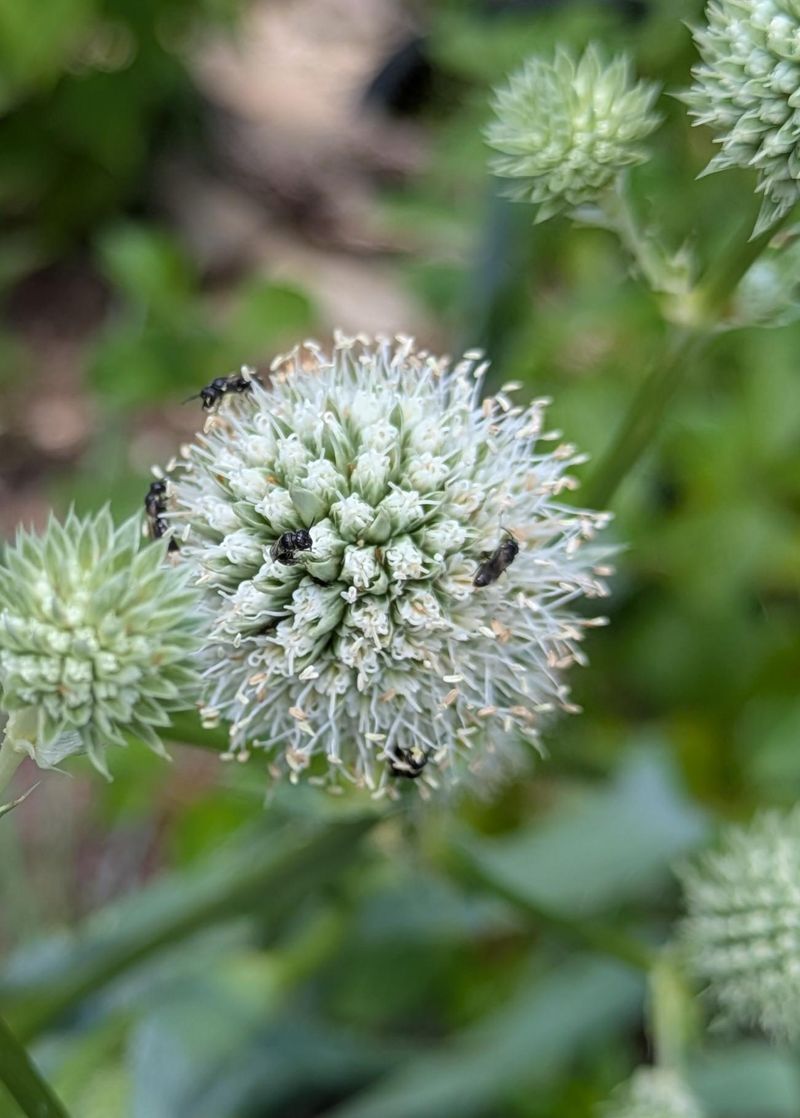
Rattlesnake master brings instant architecture.
This native perennial, Eryngium yuccifolium, looks different from almost everything else in a sunny Ohio bed. Its sword-like leaves form a bold basal rosette, while rounded silvery flower heads rise on tall stems in summer.
The shape is the reason to plant it. It breaks up softer flowers and grasses with something sculptural. Full sun keeps the plant strong. Too much shade reduces the crisp, upright form.
Dry, lean soil is ideal. Rich vegetable-bed soil can push growth that feels too lush and less refined. Give it space at the base. Mature plants can spread about two feet wide before bloom stems rise higher.
Blooming stems may reach several feet. Place it where height adds drama instead of blocking a walkway.
Pollinators love the flower heads. Native bees, wasps, flies, and beetles often gather on the blooms.
That insect activity is valuable. Beneficial insects use native plantings as feeding and hunting territory.
Water the first season. Deep roots still need time to establish.
Avoid heavy fertilizer. This plant looks best when it does not grow too soft.
Wear gloves for maintenance. The foliage looks sharper than it feels, but mature clumps deserve respect.
Leave some stems after bloom. They add interesting structure as the season moves toward fall.
Rattlesnake master is not a background filler.
It is the plant that makes the whole bed look designed, especially when paired with grasses and lower flowering natives.
6. Fill Gaps With Black-Eyed Susan
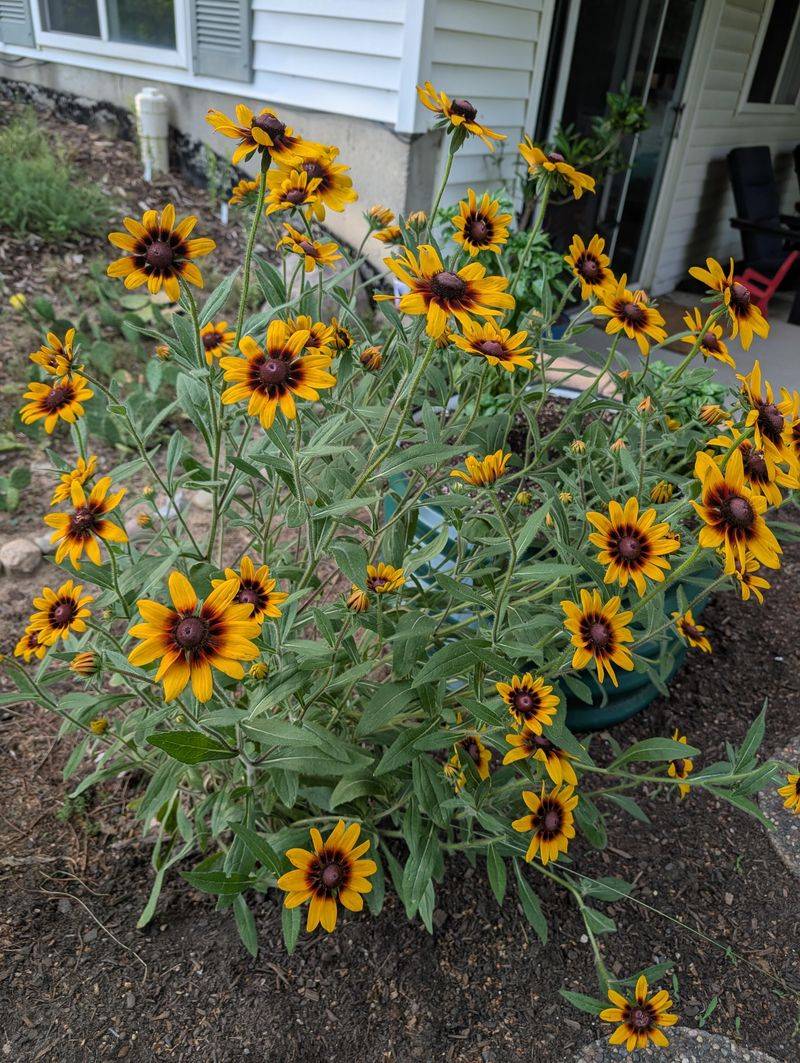
Black-eyed Susan keeps a new planting cheerful.
Rudbeckia hirta is useful during the transition from vegetable bed to native border because it grows quickly, blooms brightly, and fills space while slower plants establish. Golden petals around dark centers bring a classic Ohio summer look to full sun.
This plant is a fast helper. It can make a young native bed feel full before grasses and long-lived perennials mature.
Average soil works well. Too much fertility can create leafy growth with fewer flowers.
Spacing still matters. Plants set too close together can develop mildew in humid weather.
Twelve to eighteen inches is a practical starting range. The bed fills without becoming a damp thicket.
Bloom season is generous. Flowers can carry from early summer into fall with decent conditions.
Pollinators visit steadily. Bees and butterflies use the blooms during the warmest part of the season.
Seedheads feed birds later. Goldfinches and other seed eaters often work through the dried centers.
Leave some stems standing. The garden gains wildlife value and winter texture.
Deadhead selectively. Removing some spent flowers controls reseeding, while leaving others helps the planting renew itself.
Expect short-lived behavior. This species often acts more like a biennial or short-lived perennial than a permanent clump.
That is not a flaw. Its reseeding habit helps it remain present in sunny, open beds.
Black-eyed Susan is the bridge plant.
It brings fast color while the deeper-rooted, longer-lasting natives build the foundation of the new planting.
7. Carry Fall Color With Stiff Goldenrod
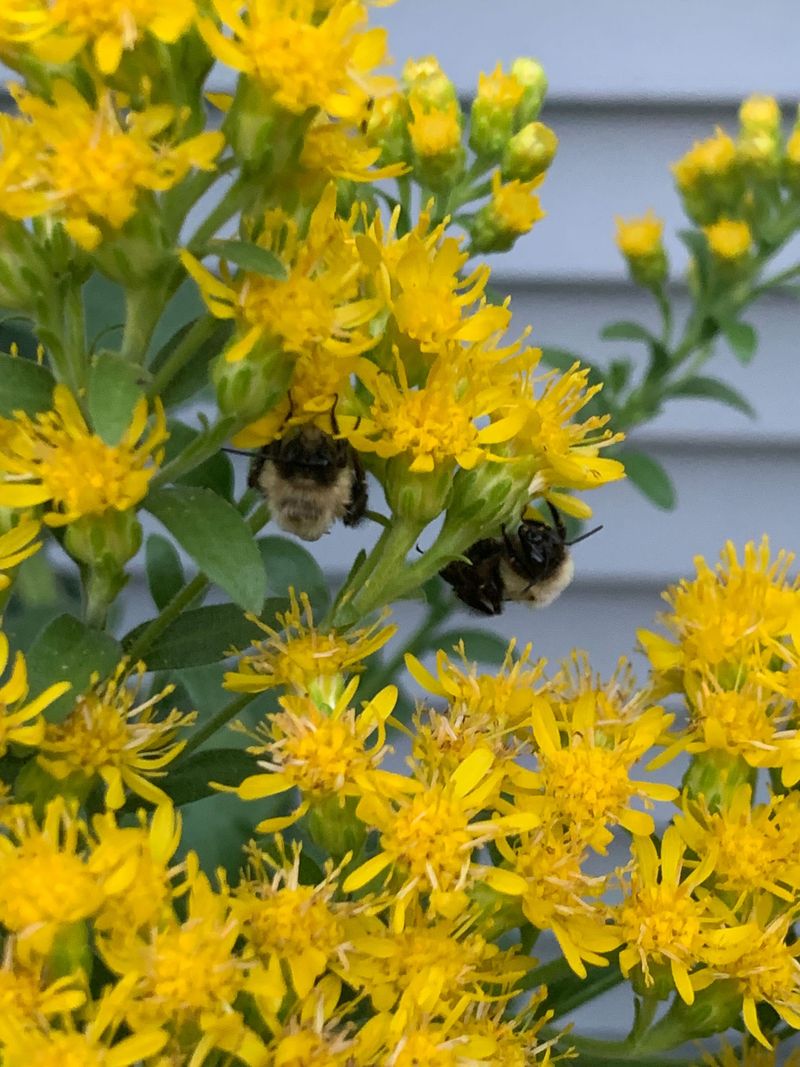
Stiff goldenrod keeps the bed alive late.
Known as Oligoneuron rigidum and sometimes listed under Solidago rigida, this native brings flat-topped yellow flower clusters just when many summer plants are slowing. In an Ohio garden, that late-season timing is a major advantage.
The color arrives when pollinators still need fuel. Monarchs, native bees, and late butterflies often use goldenrods heavily before colder weather.
The habit is upright and clumping. It spreads more politely than many people expect when placed in dry, well-drained soil.
Full sun is best. Strong light helps the stems stay sturdy and the flowering display more complete.
Dry soil is not a problem after establishment. This makes it well suited to a bed no longer receiving vegetable-level irrigation.
Pair it with grasses. Little bluestem turns copper just as stiff goldenrod brings gold, and the combination looks deliberate.
Give plants enough room. Two to three feet of space lets clumps develop without crowding.
Divide every few years when needed. That keeps the planting tidy and helps manage spread.
Leave seedheads standing into winter. They add structure and can support wildlife.
Do not blame it for hay fever. Goldenrod pollen is heavy and insect-carried, while ragweed is usually the real airborne culprit at the same time of year.
Water new plants through the first season. Drought tolerance comes after roots settle.
Stiff goldenrod turns a fading bed into a fall resource.
It proves that a full-sun planting can stay colorful after the vegetable harvest would have ended.