What Standing Water In Your North Carolina Garden Beds Really Means For Your Soil Health
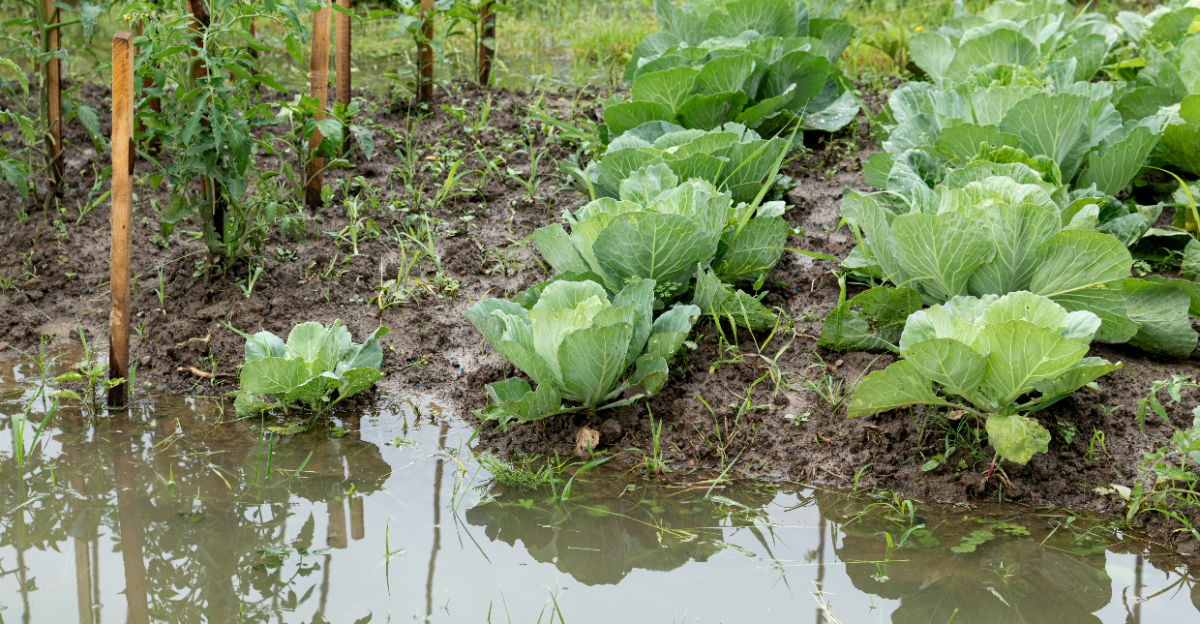
Your North Carolina tomato bed has turned into a shallow rice paddy, and that damp-basement smell rising off the mulch is not random. It’s chemistry.
Waterlogged soil pushes oxygen out and lets anaerobic bacteria move in, which is exactly why roots start declining before you notice a single wilted leaf.
Piedmont clay swells shut like a closed fist, coastal sand fools you with fast drainage until a hardpan layer traps water underneath, and mountain soil compacts into something closer to pavement. Three regions, three different traps.
None of that is bad luck. It’s a diagnosis waiting to be read, and this guide hands you the translation.
Poor Soil Drainage And Compaction
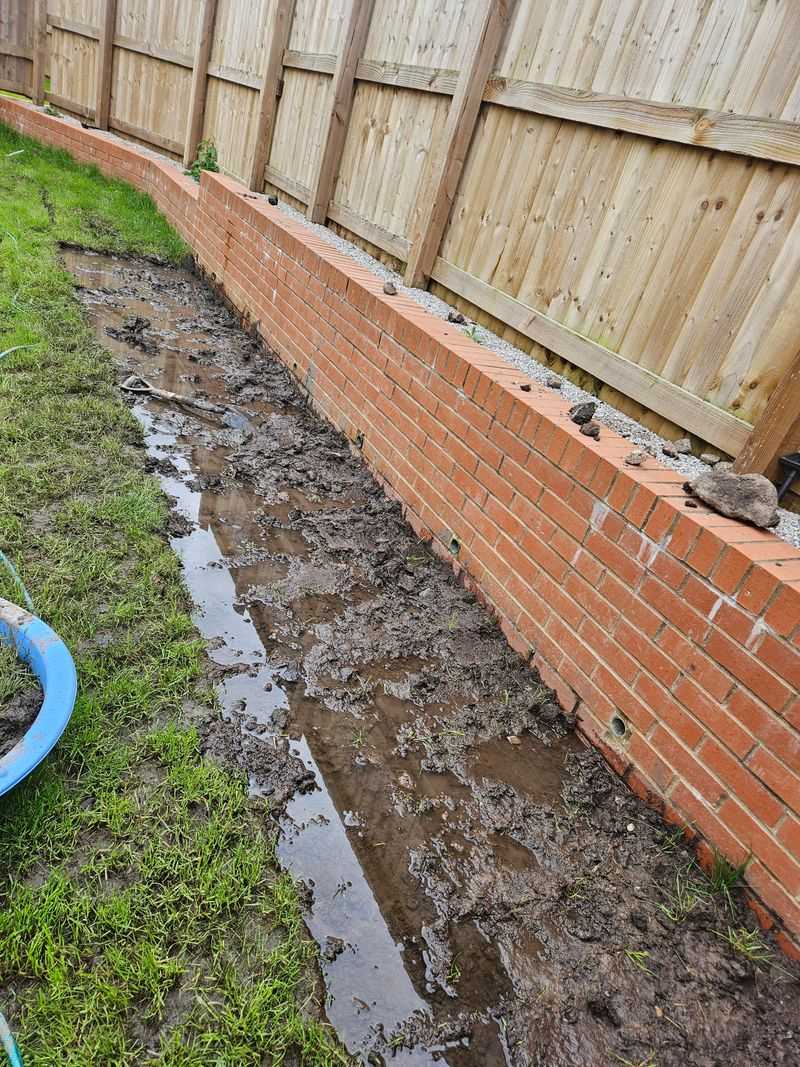
Soggy soil after rain is not bad luck. It is your garden telling you something important about what lies beneath the surface.
Compacted soil is one of the most common reasons standing water builds up in North Carolina garden beds. When soil particles are pressed tightly together, water has nowhere to go. It just sits on top, pooling between your plants.
Heavy clay soils, common across the Piedmont region, are especially prone to compaction. Clay particles are tiny and pack together easily. Once compacted, even moderate rainfall can create puddles that last for days.
Foot traffic is a major culprit. Walking on garden beds crushes the air pockets that healthy soil needs. Those air pockets act like tiny drainage channels, helping water move down through the layers.
Compaction also happens when you work wet soil too soon after rain. Tilling or digging soggy ground destroys soil structure. The damage can last an entire growing season.
Organic matter is your best defense. Adding compost, aged bark, or shredded leaves loosens compacted ground over time. It creates space between particles so water can drain naturally.
Raised beds are another practical solution for badly compacted areas. Building up the soil level gives water a better path downward. Many North Carolina gardeners swear by this method in their clay-heavy backyards.
Poor drainage and compaction are fixable problems. Once you understand what is happening underground, you can start making changes that benefit your soil health for years ahead.
Common Causes Of Waterlogged Garden Beds
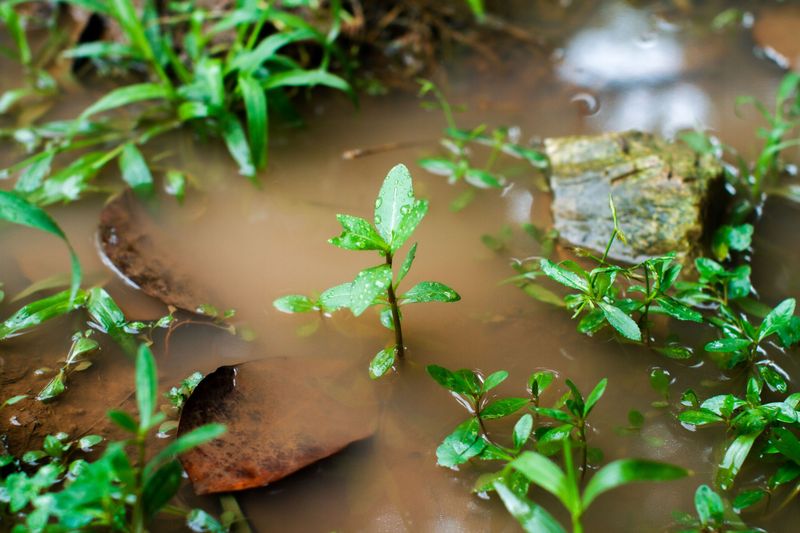
Standing water does not appear out of nowhere. Several specific conditions work together to turn your garden bed into a temporary pond.
Hardpan is one sneaky cause many gardeners overlook. It is a dense layer of compacted soil sitting a few inches below the surface. Water drains through the top layer, then hits hardpan and stops cold.
Downspout placement is another big factor in many yards. When gutters empty near garden beds, the volume of water overwhelms the soil fast. Redirecting downspouts even a few feet away can make a noticeable difference.
Slope matters more than most people realize. Flat or low-lying garden beds collect runoff from surrounding areas. If your bed sits at the bottom of a gentle slope, it absorbs water from a much larger surface area.
Poorly amended soil is also a frequent offender. Soil that lacks organic matter drains slowly because it has no structure. Without structure, particles clog together and block water movement downward.
Your North Carolina Garden Changes Every Week. Your Plan Should Too.
Gardening in North Carolina changes quickly throughout the season. Every Friday you’ll receive a simple weekly plan showing exactly what to plant, prune, fertilize, harvest, and protect so you never miss the right timing.
Overwatering is a human-made cause that often goes unnoticed. Automated irrigation systems sometimes run on schedules that do not account for recent rainfall. Checking soil moisture before watering is a simple habit that saves a lot of trouble.
Soil pH imbalance can affect drainage indirectly. When pH is off, microbial activity slows down. Fewer microbes mean less organic breakdown, which means tighter, less permeable soil over time.
Identifying the actual cause in your specific bed is the first step toward lasting improvement in your soil health.
Impact Of Excess Moisture On Root Health
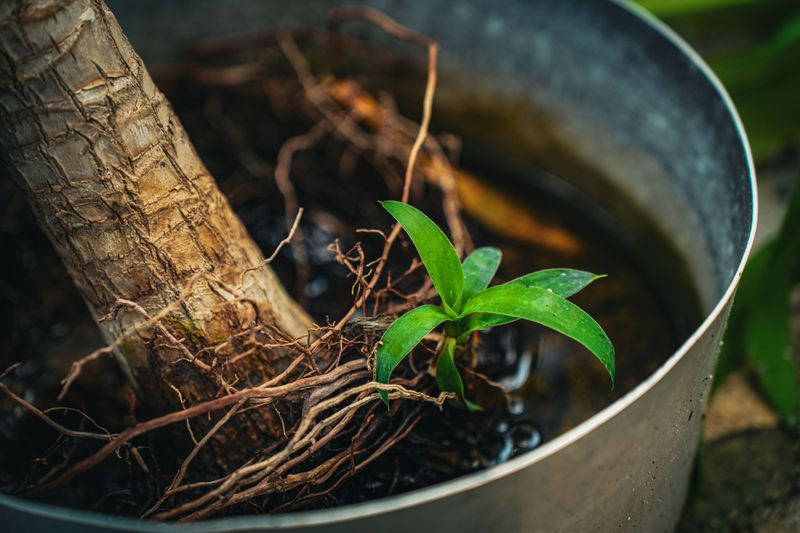
Roots need two things to survive: water and air. When soil stays saturated too long, one of those disappears completely.
Waterlogged soil pushes oxygen out of the spaces between particles. Roots begin to weaken without that oxygen. Even plants that look fine above ground can be struggling badly below the surface.
Root decline is the most common result of prolonged wet conditions. Fungal pathogens like Phytophthora thrive in saturated environments. They target weakened roots quickly, spreading through the soil from plant to plant.
Yellowing leaves are often the first visible sign of root trouble. Gardeners sometimes mistake this for a nutrient problem and add fertilizer. But adding nutrients to a plant with damaged roots does little to help.
Wilting is another confusing symptom. A plant sitting in soggy soil may wilt as if it needs water. The roots are damaged and cannot transport moisture upward, even when surrounded by it.
Beneficial soil microbes also suffer in waterlogged conditions. Many helpful bacteria and fungi require oxygen to function. When they disappear, soil health declines rapidly and plants lose natural support systems.
Young seedlings are especially vulnerable to excess moisture. Their root systems are small and shallow, making them quick to suffer when drainage fails. Even a short period of standing water can set seedlings back significantly.
Protecting root health means protecting your entire garden. Addressing standing water early prevents underground damage that can take a full season to recover from.
Testing And Improving Soil Drainage
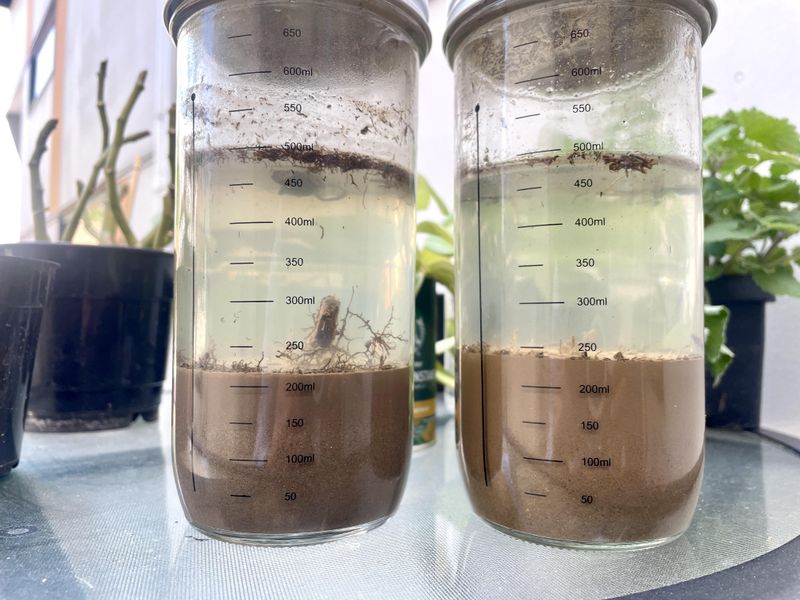
You do not need fancy equipment to figure out how well your soil drains. A simple hole and a bucket of water tell you almost everything.
The percolation test is the go-to method for home gardeners. Dig a hole about 12 inches deep and 12 inches wide. Fill it with water and watch how fast it disappears.
Well-draining soil absorbs water at roughly one inch per hour. If your hole still holds water after four hours, drainage is a real problem. That slow rate confirms your soil needs structural improvement.
Adding compost is the most effective first step for most beds. Work two to three inches of compost into the top 12 inches of soil. Repeat this process each season and watch drainage improve gradually over time.
Agricultural gypsum helps break up clay soils without changing pH. It works by improving the structure of clay particles. Many North Carolina gardeners use it specifically because local soils tend to run heavy and dense.
French drains are a more involved fix for chronic wet spots. A trench filled with gravel and a perforated pipe redirects water away from the problem area. This solution works especially well in low-lying beds near structures.
Mulching also plays a surprisingly important role in drainage improvement. A thick layer of organic mulch protects soil structure from heavy rain impact. It slows surface runoff and gives water more time to absorb properly.
Testing before fixing saves time, money, and frustration. Knowing your actual drainage rate helps you choose the right solution for your specific soil health situation.
Plants That Tolerate Wet North Carolina Soil
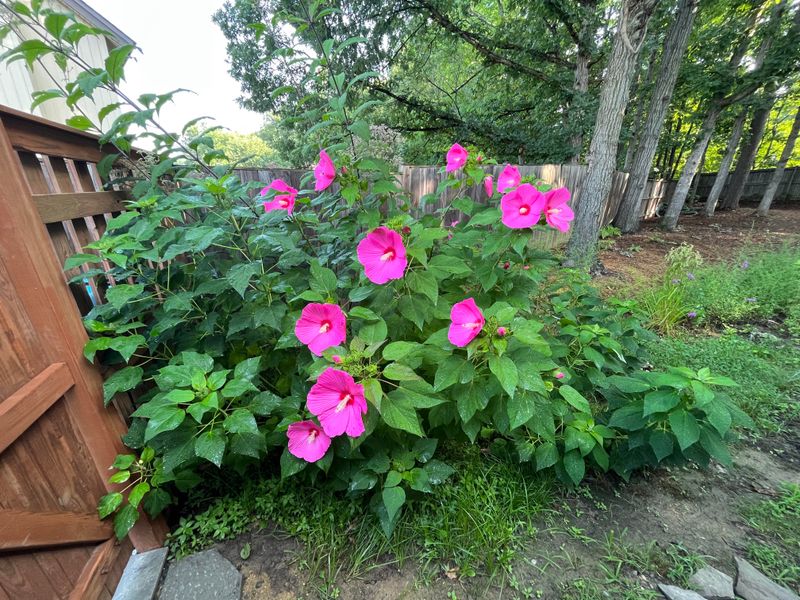
Sometimes the smartest move is not fighting your soil, but working with it. Certain plants are built for exactly the wet conditions your North Carolina garden already has.
Swamp rose mallow is a showstopper for boggy spots. Its large pink blooms can reach dinner-plate size by midsummer. Native to the southeastern United States, it handles standing water with ease.
Cardinal flower is another native that loves moist ground. Its brilliant red spikes attract hummingbirds from late summer into fall. Plant it along a wet bed edge and watch the pollinators arrive.
Louisiana iris thrives in consistently wet conditions across the coastal plain. These striking blooms come in deep purple, blue, and gold. They spread naturally over time, filling problem areas with color.
Buttonbush is a native shrub worth knowing for seriously wet spots. It produces unusual white spherical flowers that bees absolutely love. Planted at the edge of a low-lying bed, it anchors soil and absorbs excess moisture.
Switchgrass and river oats are native grasses that handle both wet and dry periods gracefully. They add texture and movement to a garden while stabilizing soggy ground. Both species are low-maintenance once established.
Soft rush is a grasslike plant perfect for the wettest corners. It grows in clumps and tolerates standing water for extended periods. Pair it with cardinal flower for a naturalistic, low-effort planting scheme.
Choosing moisture-tolerant plants turns a drainage problem into a design opportunity. Your soggy bed can become one of the most interesting spots in your entire yard.
Long Term Fixes For Chronic Standing Water
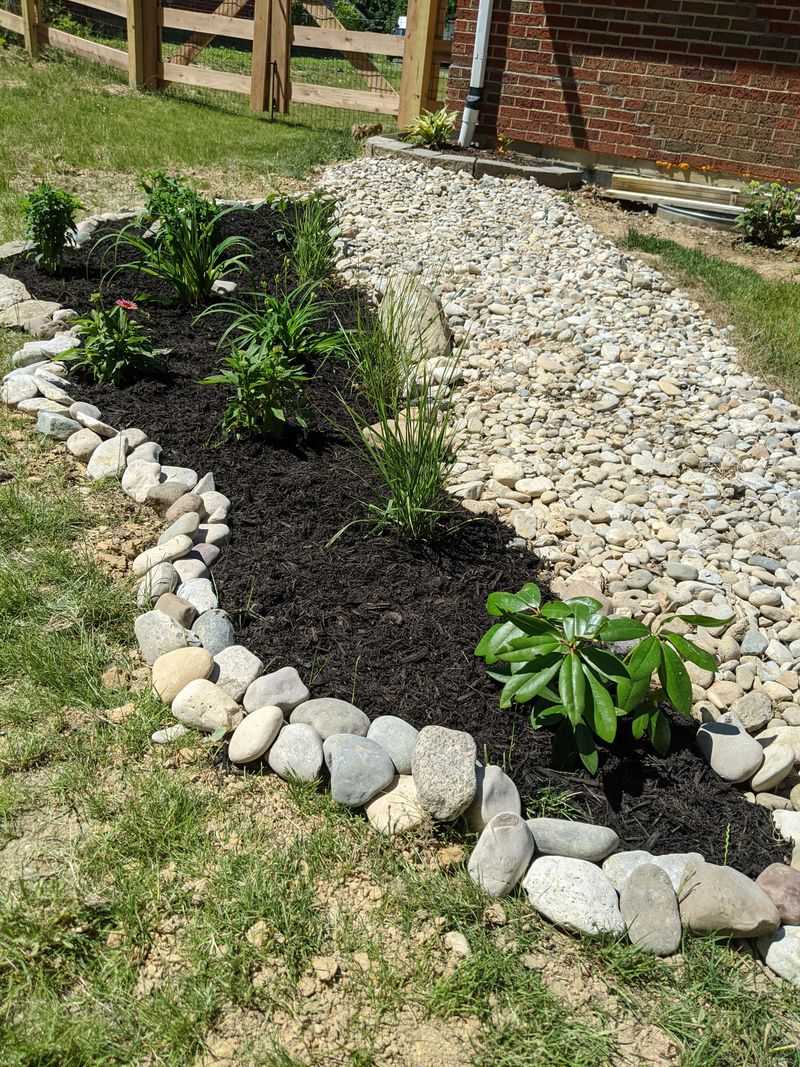
Chronic standing water is not a seasonal inconvenience. Left unaddressed, it quietly undermines your soil health year after year.
Rain gardens are one of the most effective long-term solutions available to homeowners. A rain garden is a shallow depression planted with deep-rooted native species. It captures runoff, holds it briefly, and lets it filter slowly into the ground.
Installing a rain garden 10 to 15 feet from your house protects your foundation too. The deep roots of native plants break up compaction naturally over time. This approach improves drainage across a wide area, not just one bed.
Berms and swales are earthworks that redirect water before it reaches problem beds. A berm is a raised mound of soil that acts as a barrier. A swale is a shallow channel that guides water toward a desired drainage point.
Permeable pathways between beds also reduce runoff significantly. Replacing solid concrete or packed gravel with wood chips or pea gravel allows water to sink in. This small change can reduce puddle formation throughout the yard.
Subsurface drainage systems are worth considering for serious cases. A licensed landscaper can install a network of perforated pipes below your beds. These carry excess water away from the root zone automatically after each rain event.
Soil biology improvements take time but deliver lasting results. Regular additions of compost, worm castings, and organic mulch rebuild microbial communities.
Healthy microbial activity creates the kind of open, permeable structure that prevents standing water from forming. Solving chronic drainage problems protects your investment in your garden and restores lasting soil health.