Why Colorado Experts Warn Against Planting Juniper Too Close To Your House
Flames can spread faster than most people expect near a single overgrown shrub. Juniper hides a serious secret many Colorado homeowners never question. Its oils ignite hot and fast, catching you off guard.
Wildfire investigators keep flagging this stubborn plant beside houses across dry regions. Colorado’s dry climate turns your landscaping choices into real risk.
Dense, tangled branches trap brittle needles that ignite within seconds. Wind easily carries sparks straight toward your siding and rooflines. Firefighters call juniper among the riskiest shrubs you can plant.
Homeowners rarely notice sudden trouble until embers are airborne near your home. Distance from your house always matters more than you realize. Every extra foot of clearance changes how a fire behaves.
Specialists warn that a single hedge can quickly affect your entire property. Nothing about this particular concern sits still for long. You need to see exactly why this shrub carries such a high fire risk.
1. Juniper Oils Catch Fire Fast
Juniper smells wonderful for a specific reason rooted in its chemistry. The plant is packed with natural oils that produce that sharp, woodsy scent people love in wreaths and candles.
Those same oils are highly flammable once exposed to heat or flame. A single spark landing on a juniper branch can ignite it almost instantly, even when the shrub looks perfectly green and healthy.
Wildfire researchers note that juniper is highly flammable under fire conditions because of how readily it burns. Juniper’s resin content tends to remain fairly stable even during dry periods, though overall foliage moisture can still shift with drought conditions.
This means a juniper planted close to your house carries fire risk in every season, not only during summer months. Even a mild January afternoon with low humidity can create surprisingly dangerous conditions around an unsuspecting home.
These stored oils also cause juniper to burn with an intense, fast-moving flame once ignited. That rapid combustion is precisely what worries fire safety professionals when juniper sits near a structure.
Speed matters during a fire, and juniper offers very little warning before flames spread. Because of this behavior, keeping combustible vegetation, including juniper, well clear of structures aligns with widely cited defensible space guidance.
That distance gives firefighters a meaningful buffer and slows how quickly flames can travel toward siding, porches, or rooflines.
Homeowners who understand this year-round chemistry may reconsider how close they let juniper grow. Small adjustments in placement can meaningfully reduce risk without requiring homeowners to abandon the plant entirely.
2. Branches Trap Embers Near Walls
Picture a windy fire day with embers drifting through the air like tiny, glowing snowflakes. They land on everything nearby, including the dense branches of a juniper pressed against your house.
Juniper’s thick, layered canopy behaves almost like a net designed to catch debris. Embers settle between branches and stay there, smoldering quietly before eventually bursting into flame.
This process is known as ember cast, and it ranks among the leading causes of home ignition during wildfires. Fire behavior research generally supports this pattern in similarly dry climates.
Your Colorado Garden Changes Every Week. Your Plan Should Too.
Gardening in Colorado changes quickly throughout the season. Every Friday you’ll receive a simple weekly plan showing exactly what to plant, prune, fertilize, harvest, and protect so you never miss the right timing.
When juniper sits directly against a wall, trapped embers have almost no distance left to travel before reaching your siding. The narrow gap between shrub and structure quickly becomes a significant ignition risk.
Homes with juniper touching or nearly touching exterior walls face significantly higher risk during red flag warning days. Wind drives embers deep into the canopy, and the dense growth holds them firmly in place.
This combination allows small embers to smolder undetected for extended periods before flames appear. Trimming lower branches and pulling shrubs away from walls can reduce this hazard considerably.
Even a few feet of clearance gives embers fewer hidden pockets to settle into. Homeowners who address this gap early may prevent a slow-building ember problem from becoming a sudden structural fire.
Small maintenance choices around spacing often carry outsized importance when wildfire conditions arrive unexpectedly.
3. Brittle Needles Pile Up As Fuel
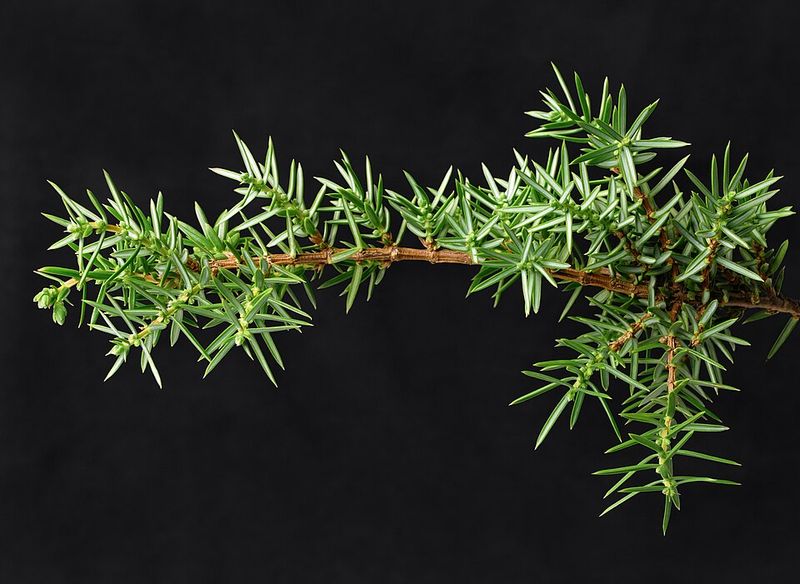
Juniper constantly sheds its older needles, and those needles do not simply disappear. They pile up underneath and inside the shrub, forming a thick mat of dry, combustible material.
Unlike plants that drop leaves onto open ground, juniper holds brittle needles within its own canopy. That means the fuel source stays hidden, sitting right against your house season after season.
A mature juniper can accumulate years of needle buildup deep inside its branches. Homeowners rarely notice this because the outer layer of green growth covers everything happening beneath it.
When that interior debris eventually catches fire, it burns fast and hot from the inside out. By the time flames appear on the shrub’s exterior, the fire has often already established itself.
Removing dry interior growth is considered part of proper defensible space maintenance, though the process is tedious and time-consuming. Many homeowners skip this step entirely, leaving accumulated dry debris sitting just inches from their walls.
Juniper shrubs are known to accumulate substantial dry needle debris inside their canopy over time. This discovery often surprises homeowners who assumed their shrubs looked healthy from the outside.
Cleaning out that debris on a regular basis can meaningfully reduce this hidden risk over time. Replacing juniper with fire-resistant alternatives offers an even safer long-term option for many properties.
Either approach requires intention, but both address a danger that stays invisible until conditions turn severe. Awareness of this buildup gives homeowners a real chance to act before wildfire season arrives.
4. Roots Often Grow Close To The Foundation
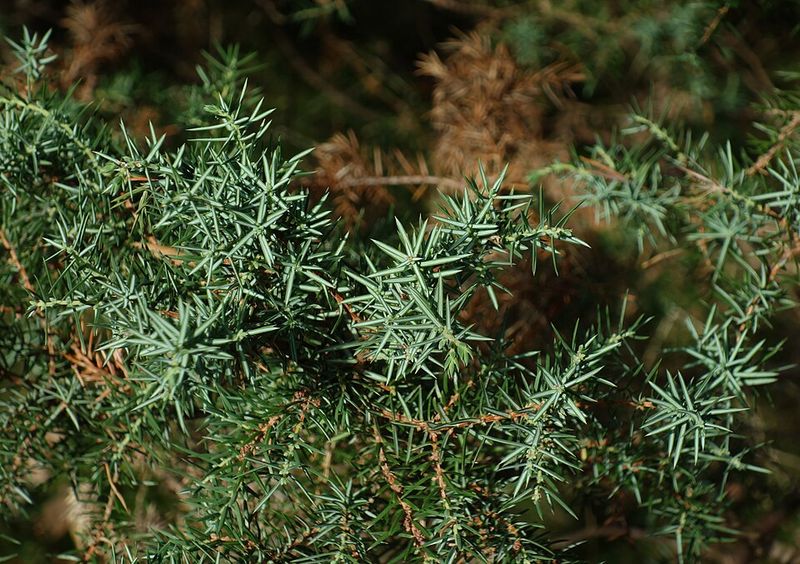
Most people focus on what grows above ground when planting a juniper. The roots, however, tell a different story that unfolds slowly beneath your feet.
Juniper roots can spread aggressively outward, often reaching distances equal to the plant’s full canopy width. When planted close to a house, those roots tend to head directly toward the foundation.
Over several years, roots can work their way into small existing cracks in concrete or masonry. This gradual process weakens a foundation’s structural integrity in ways that become expensive to repair later.
In Colorado’s freeze-thaw climate, root intrusion becomes an even more pressing concern for homeowners. Water follows these root channels, freezes during winter months, and expands, widening cracks with each passing season.
This cycle causes progressive damage that often goes unnoticed until problems become significant. Foundation repair costs can be significant in severe cases, though outcomes vary by property.
Preventing root intrusion through thoughtful plant placement is far more affordable than addressing damage after the fact.
General landscaping guidance often recommends keeping large shrubs, including juniper, several feet from a foundation wall. That spacing allows roots to develop naturally without placing pressure on a home’s structural base.
Homeowners who plan ahead can enjoy juniper’s appearance without risking long-term damage to their property.
A small adjustment in planting distance today may prevent a costly structural surprise years down the road. Thinking below the surface, not just above it, leads to smarter landscaping decisions overall.
5. Flames Can Reach Eaves And Siding Quickly
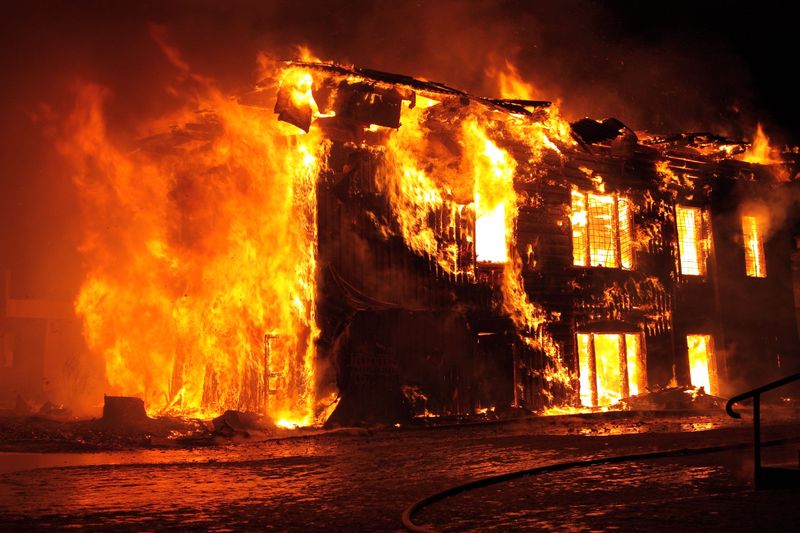
Eaves rank among the most vulnerable spots on any home during a wildfire event. They create a sheltered pocket where heat and flames can concentrate, and they are often built from wood.
A juniper planted beneath or beside an eave gives fire a direct ladder toward that weak point. Flames travel upward quickly, and a burning shrub can push fire into an eave gap within seconds.
Once fire enters the eave, it often moves swiftly into the attic space above. Attic fires spread rapidly because the enclosed area traps heat and feeds oxygen to the growing blaze.
Siding presents an equally serious vulnerability, especially older wood or composite materials that lack fire ratings. A burning juniper pressed against siding can ignite the wall before any smoke alarm even triggers.
Post-fire investigations in mountain communities have sometimes identified vegetation placement, including ornamental shrubs, as a contributing factor in structural losses.
In these cases, the juniper effectively acted as a bridge between the landscape and the building envelope. Choosing fire-resistant plants for the zone directly adjacent to a home offers a straightforward way to break that bridge.
Experts consistently recommend keeping the first five feet around any structure largely free of combustible vegetation. This buffer zone gives flames far less opportunity to reach vulnerable eaves and siding directly.
Homeowners who reassess this narrow perimeter often find it is the easiest area to improve. Small changes near the building envelope can meaningfully lower the odds of structural fire damage during future wildfire events.
6. Junipers Ignite Hotter Than Most Shrubs

Not all shrubs behave the same way when it comes to fire behavior. Juniper consistently ranks among the hottest-burning landscape plants found across the western United States.
The combination of dense growth, oil-rich tissue, and accumulated dry material makes juniper a fuel source that burns with more intensity.
Fire behavior research indicates juniper tends to burn with more intensity than many common landscaping alternatives. That extra heat matters considerably when a shrub sits close to a house.
Higher temperatures mean faster ignition of nearby materials, including wood framing, vinyl siding, and window frames. Junipers also tend to produce large, dramatic flame columns once fully ignited.
Those tall flames can reach elevated parts of a structure that a lower-burning shrub would rarely threaten. Firefighters often describe the experience of a burning juniper as intense and remarkably fast.
The shrub can go from smoking to fully engulfed in a very short window under favorable wind conditions. Replacing juniper with lower-oil, less-dense alternatives like native grasses or rock mulch near a home changes the entire fire dynamic.
Cooler-burning landscapes give structures a genuine fighting chance once embers begin to arrive. That difference can ultimately influence whether a home survives a nearby wildfire event.
Homeowners weighing this tradeoff may find that appearance matters less than long-term safety. Choosing plants based on fire behavior, not just visual appeal, reflects a more resilient approach to landscaping.
Small substitutions near a structure can meaningfully shift the odds during future high-risk fire seasons.
7. Experts Flag It In Defensible Zones
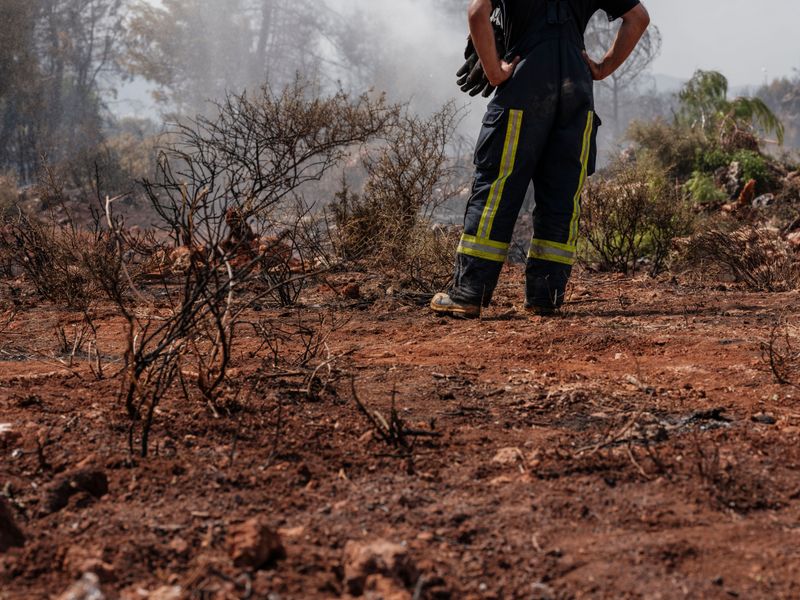
Defensible space is not just a buzzword tossed around by fire officials. It represents a science-backed strategy for giving your home a survivable buffer when wildfire approaches your neighborhood.
Zone 1 in the defensible space model covers the area from the foundation to thirty feet from your structure. Experts are clear that juniper generally has no place within this critical zone.
Colorado’s fire mitigation specialists frequently flag juniper as one of the top problem plants encountered during home assessments. Homeowners are often surprised to learn that their landscaping has become a notable fire risk factor.
Fire mitigation guidance commonly discourages dense, oil-rich shrubs like juniper within zone 1. These guidelines are based on real fire behavior data collected from wildfires that have burned through residential areas.
During fire assessments, inspectors evaluate plant species, spacing, and proximity to structures. Juniper positioned near a house often results in a recommended removal before a home can receive a passing score.
Many local fire districts offer defensible space assessments, which can be a valuable step for homeowners to consider. That single visit can reveal risks homeowners have lived beside for years without noticing.
Fixes are often simpler and less costly than most people initially expect. Taking this step early can help homeowners avoid potentially higher costs later.
Understanding zone 1 requirements gives every homeowner a clearer path toward long-term wildfire resilience.
8. Colorado’s Climate Amplifies The Danger
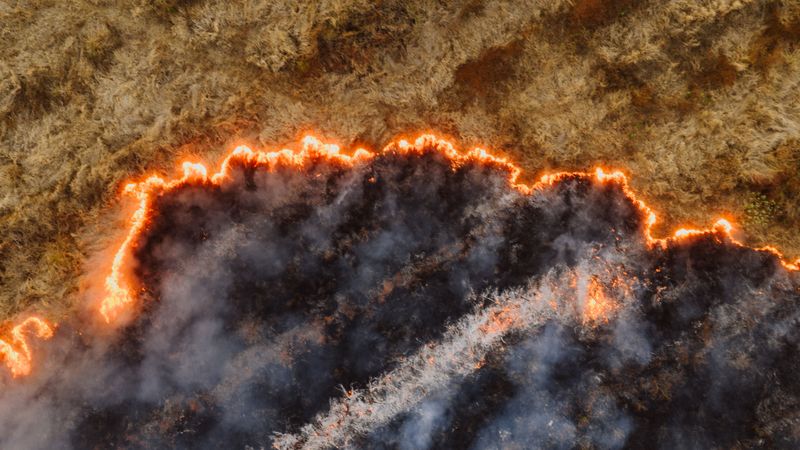
Colorado’s landscape creates conditions that can make ordinary shrubs behave in unusual ways during dry stretches. Low humidity is common across much of the state, especially along the Front Range and into the foothills.
This dryness pulls moisture out of plant tissue faster than in many other regions. Juniper, already prone to drying quickly, tends to lose even more of its internal moisture under these conditions. High elevation adds another layer to this pattern.
Thinner air and stronger sun exposure can accelerate evaporation from leaves and needles throughout the growing season.
Add frequent wind events, which tend to sweep through many Colorado communities, and the drying process often speeds up further. Wind also tends to fan small flames into larger ones with surprising speed.
When these climate factors combine, they may create an environment where fuel sources like juniper stay in a heightened state of readiness for much of the year.
This does not mean every juniper shrub poses the same level of concern in every location, since factors like irrigation, shade, and spacing can influence outcomes.
Still, homeowners in drier parts of Colorado may want to pay closer attention to how climate patterns interact with the plants they choose.
Understanding these regional tendencies can help residents make more informed landscaping decisions. Local fire officials often point to climate as one contributing factor among several when evaluating defensible space around homes.
Recognizing how weather patterns influence plant behavior offers a useful starting point for anyone reassessing their property’s overall fire readiness this season.