What Happens If You Prune Oregon Hydrangeas Too Late In The Season
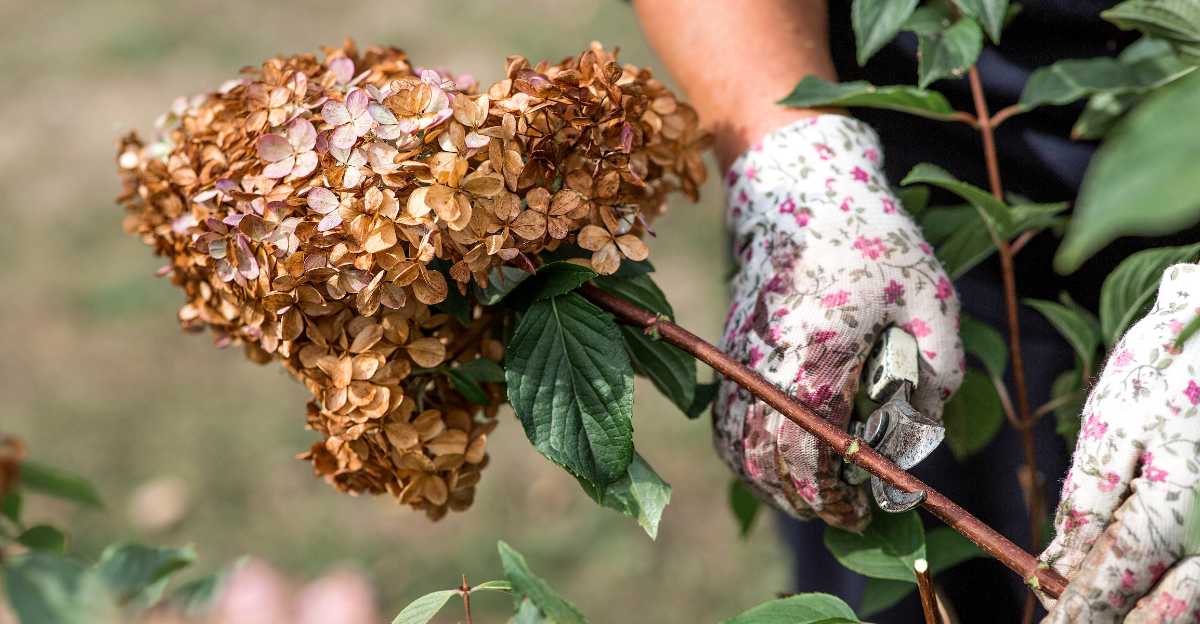
Pruning hydrangeas in Oregon can feel a little like playing garden roulette. Snip at the wrong time, and next summer’s flower show may never make it past the starting gate.
Oregon’s mild, wet winters and varied growing zones can make timing tricky, since some hydrangeas bloom on old wood while others set buds on new growth. Cut too late in the season and you might remove the stems carrying next year’s blooms.
Even worse, fresh cuts can push tender growth that gets zapped by an early cold snap. The good news is that a late pruning mistake does not always spell disaster.
Your plant may grow vigorously, just with fewer flowers for a season. Knowing your hydrangea type, watching the weather, and understanding how buds form can save you a lot of regret.
Before you grab the pruners, let’s look at what late-season pruning really does in an Oregon garden.
1. Late Pruning Can Remove Next Year’s Flower Buds
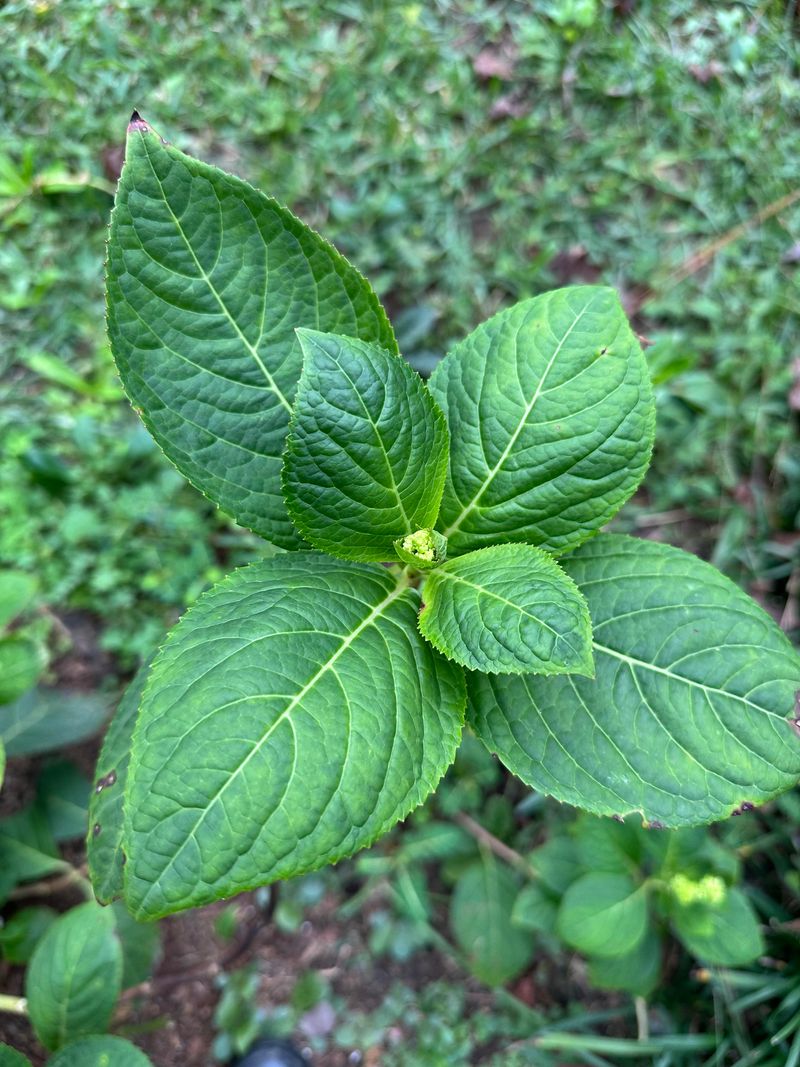
Most hydrangeas grown in the Pacific Northwest bloom on what gardeners call “old wood.” That means the flower buds for next summer actually start forming on the current season’s stems before the plant goes dormant.
If you prune too late in the fall, those buds are already there, sitting quietly on the branches, waiting for spring.
Cutting them off is one of the most common mistakes home gardeners make. You might not even realize the buds are there because they are tiny and easy to miss.
By the time most people notice the problem, it is already too late to fix it.
The best time to prune most hydrangeas in Oregon is right after they finish blooming in late summer. That window gives the plant enough time to form new buds before the cold sets in.
Waiting until October or November puts those future flowers at serious risk.
Some varieties, like Endless Summer, bloom on both old and new wood, so they are a little more forgiving. But classic bigleaf and oakleaf hydrangeas are very sensitive to late pruning.
If you are not sure which type you have, it is always safer to prune earlier rather than later. A quick check of the plant tag or a simple online search can help you figure out your variety before you reach for the shears.
2. Fresh Growth May Not Survive Oregon’s First Frosts
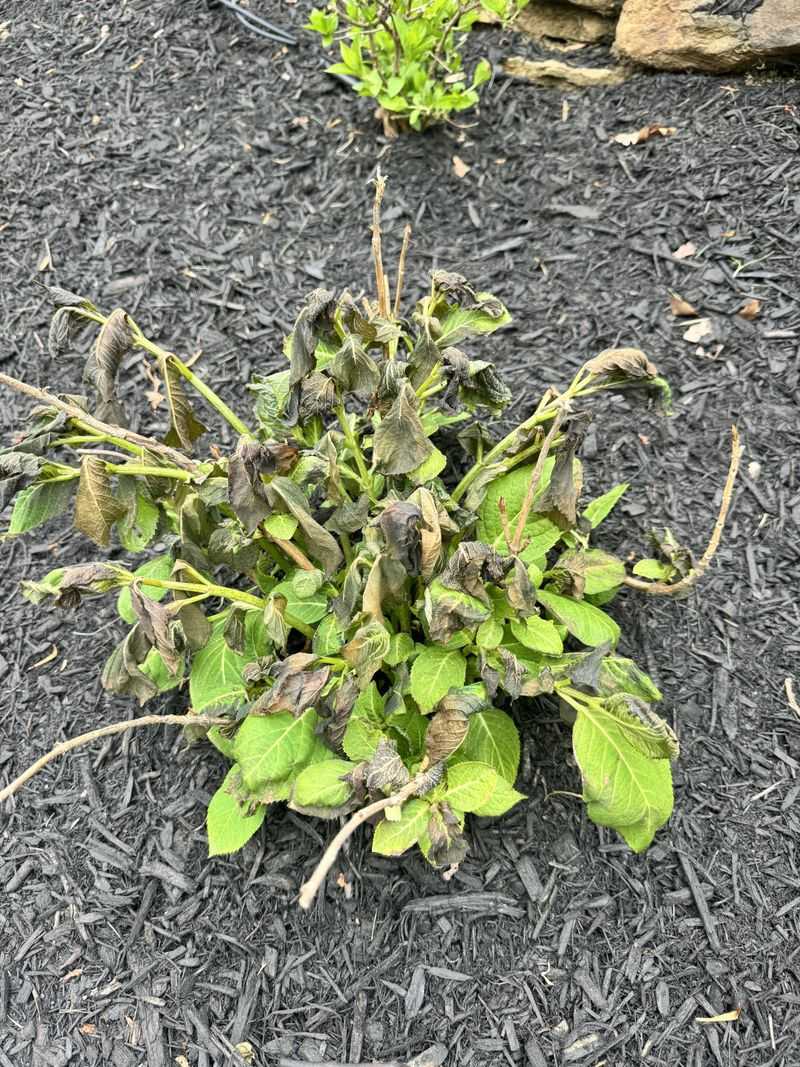
Pruning late in the season often wakes a plant up at the wrong time. When you cut stems, the plant responds by pushing out fresh new growth.
That sounds like a good thing, but it is actually a serious problem when cold weather is just around the corner.
New growth is soft and tender. It has not had time to toughen up or prepare for freezing temperatures.
When the first frost arrives, those fragile new shoots take the hardest hit. They can turn black, wilt, and shrivel up almost overnight.
In Oregon, the first frost can sneak up fast. Some parts of the state see freezing temperatures as early as late September or October.
Your Oregon Garden Changes Every Week. Your Plan Should Too.
Gardening in Oregon changes quickly throughout the season. Every Friday you’ll receive a simple weekly plan showing exactly what to plant, prune, fertilize, harvest, and protect so you never miss the right timing.
That does not leave much time for new growth to survive if it was triggered by a late pruning session.
Gardeners in higher elevation areas or eastern parts of the state face this risk even more than those along the coast. The coast tends to stay milder longer, but inland areas can get hit with frost much earlier than expected.
Paying attention to your local frost dates is one of the smartest habits a gardener can build.
Most county extension offices publish frost date guides for free, and they are a great resource for planning your pruning schedule around the actual weather in your area.
3. Fewer Blooms Can Be The Result Next Summer
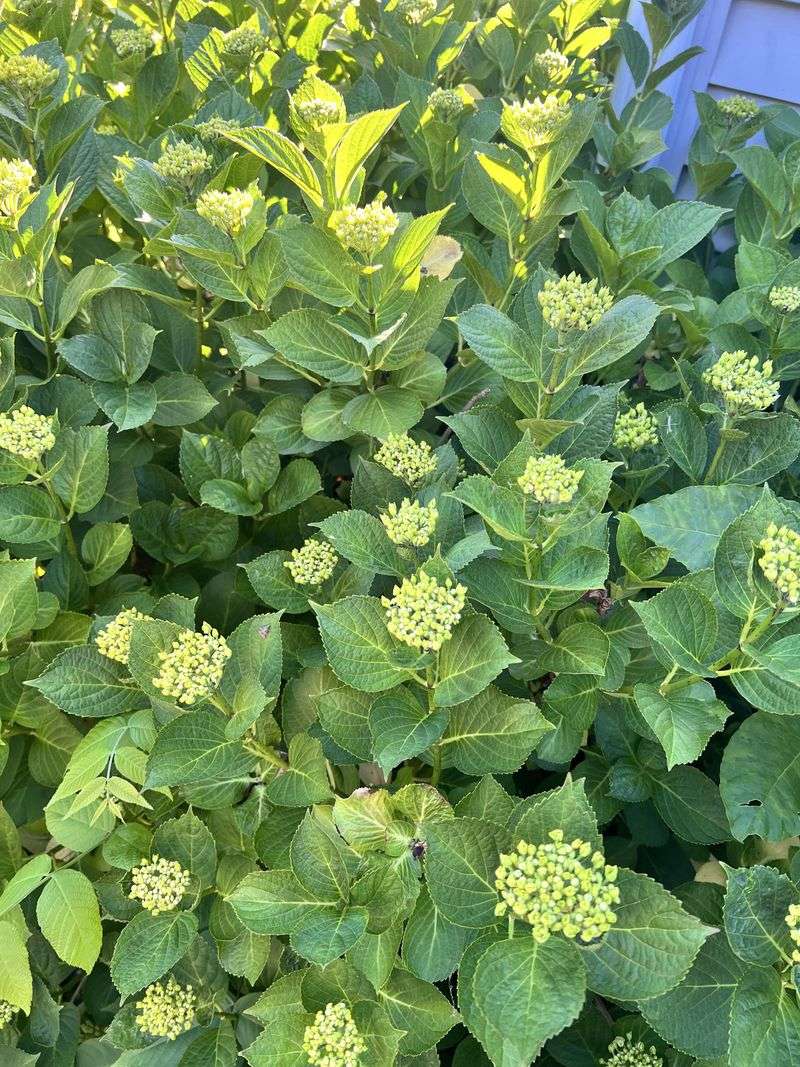
One of the most frustrating outcomes of late pruning is walking outside in July and seeing a hydrangea full of leaves but almost no flowers. After waiting all winter and spring, a nearly bloomless shrub is a real letdown.
The good news is that understanding why it happens can help you avoid it.
When buds are removed by late pruning, the plant simply has nothing to bloom from on old wood varieties.
It may eventually push out some new growth and even a few late blooms, but the display will be much smaller than what you would normally expect.
Some plants skip blooming almost entirely after a heavy late pruning.
Fewer blooms also affect how the plant looks in the overall landscape. Hydrangeas are often used as focal points in gardens, and when they underperform, the whole yard can feel a little flat.
Neighbors and visitors who admired your garden the year before might notice the difference right away.
Protecting next summer’s bloom starts with smart fall decisions. Resist the urge to tidy up the plant too aggressively late in the year.
Light deadheading, which means removing just the old dried flower heads, is usually safe and will not affect next year’s blooms.
Save any major shaping or cutting back for late winter or very early spring, before new growth appears but after the worst cold has passed.
4. Late Cuts Can Delay The Plant’s Winter Preparation
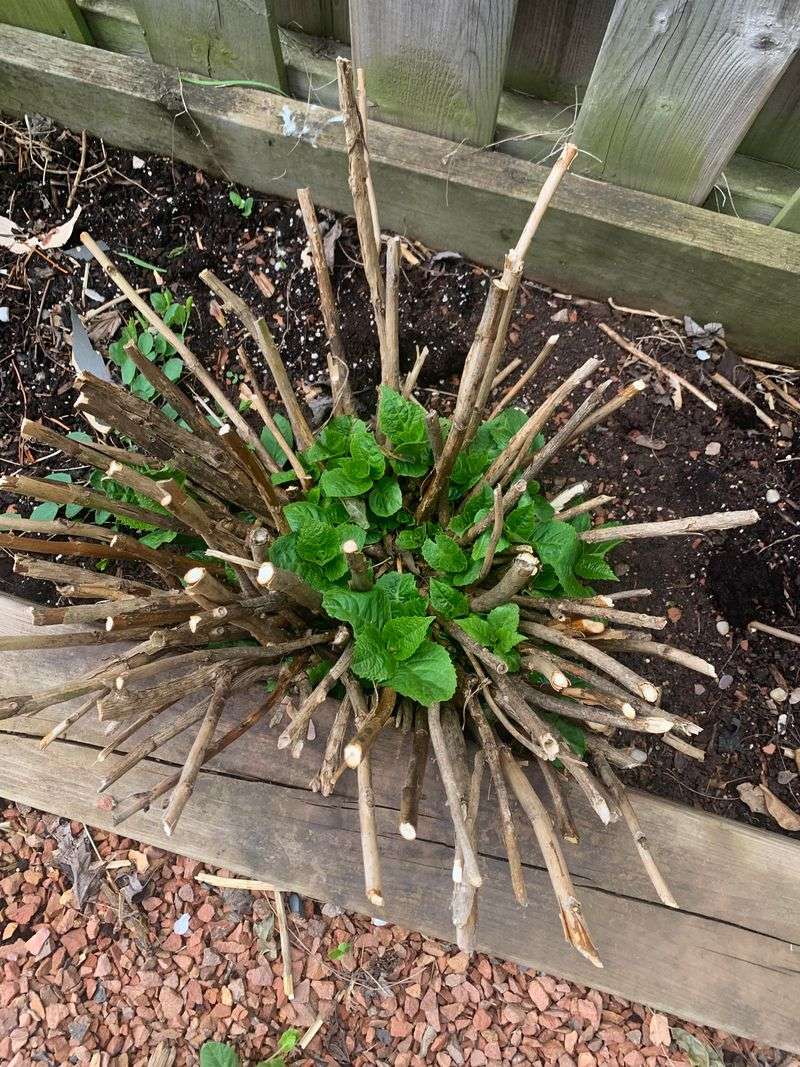
Plants have a natural rhythm. As days get shorter and temperatures drop, hydrangeas start shutting down for the season.
They slow their energy use, move nutrients into their roots, and get ready to rest through the winter. This process is called going dormant, and it is essential for the plant’s long-term health.
Pruning late in the season can interrupt that process. When you cut stems, the plant senses the wound and tries to respond by growing.
That response pulls energy away from the root system and sends it back up to the branches. Instead of preparing for winter, the plant is suddenly trying to heal and grow at the same time.
That divided attention can leave the plant less prepared for cold temperatures. A hydrangea that has not fully gone dormant is more vulnerable to frost damage, stem cracking, and general cold stress.
The roots may also be less protected because the plant did not have time to store enough energy reserves before the ground froze.
Letting your hydrangea go through its natural dormancy process without interruption is one of the best things you can do for it. Once the leaves have dropped and the plant looks fully dormant, you know it has had time to prepare.
At that point, minor cleanup is fine, but heavy pruning should still wait until late winter or very early spring for the best results.
5. Healthy Stems Help Protect Future Flowers
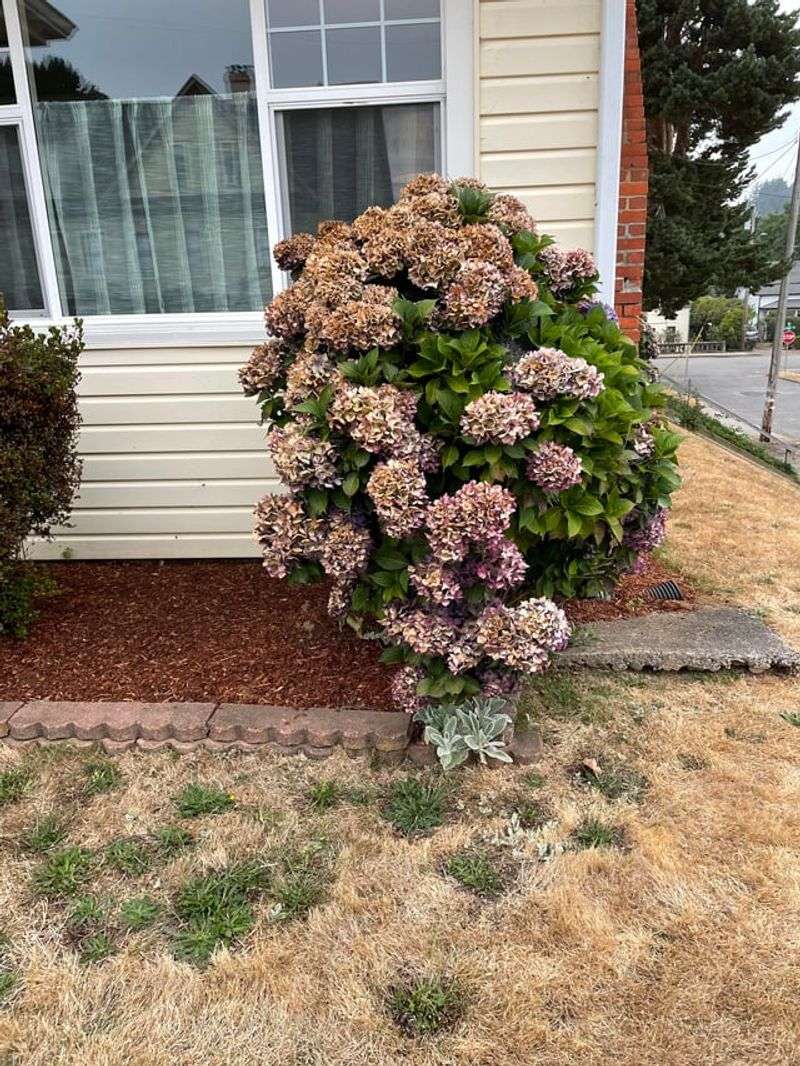
Here is something many gardeners do not realize: leaving the old stems and dried flower heads on your hydrangea through the winter actually helps protect the plant. Those dried blooms and sturdy stems act like a small shield against frost and wind.
They trap a little warmth and keep the most vulnerable parts of the plant slightly insulated.
When you prune too late and cut those stems back, you remove that natural protection right when the plant needs it most.
The crown of the plant, where new growth will emerge in spring, becomes more exposed to harsh winter conditions.
In colder parts, that exposure can cause real setbacks. Many experienced Oregon gardeners intentionally leave their hydrangeas mostly untouched through the fall and winter. The dried flower heads might not look tidy, but they serve a real purpose.
Come spring, once the danger of frost has passed, that is the ideal time to clean things up and cut back any withered or damaged wood.
Healthy stems that have been allowed to mature fully through the growing season are also stronger and more resistant to breakage from snow or ice.
Late pruning removes those toughened stems and leaves behind weaker, newer growth that is far less able to handle winter weather.
Keeping the structure of the plant intact through the cold months sets it up for a much stronger comeback when warm weather returns.
6. Pruning At The Wrong Time Creates Extra Stress
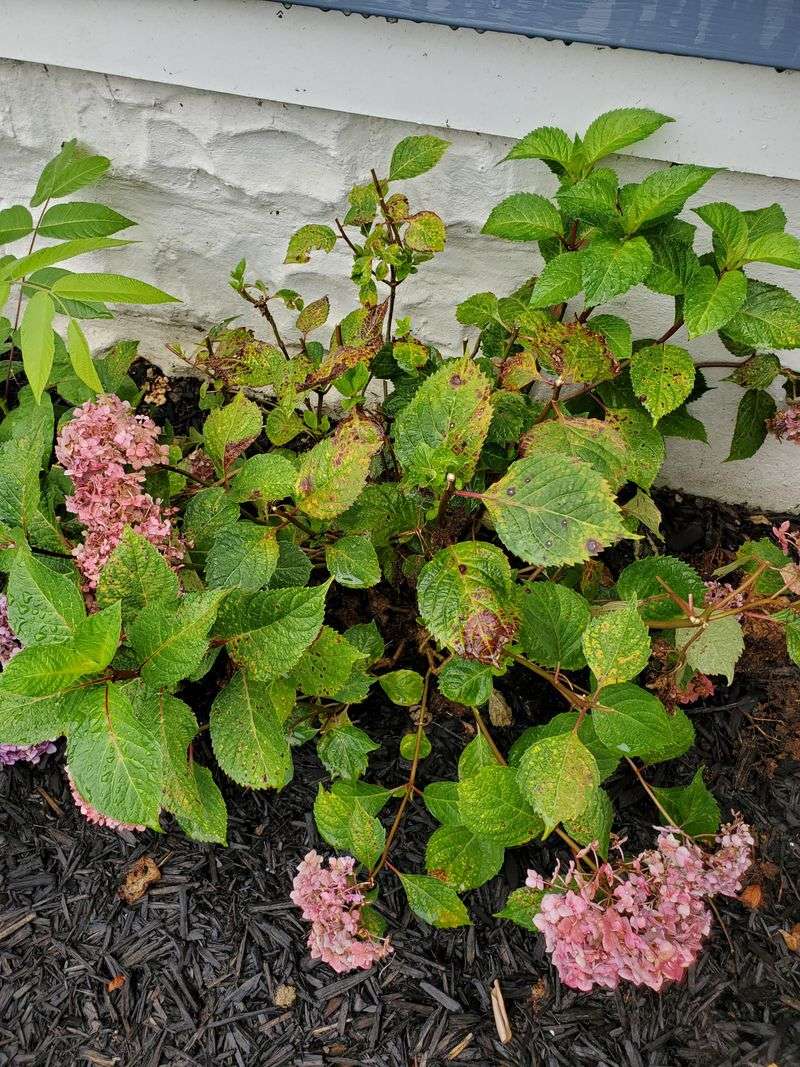
Plants go through stress just like people do. When something disrupts their normal routine, they have to work harder to recover.
Pruning at the wrong time of year is one of the most common sources of unnecessary stress for hydrangeas.
Late pruning forces the plant to deal with two challenges at once. First, it has to heal the fresh cuts on its stems.
Second, it has to keep preparing for winter at the same time. Doing both things at once drains the plant’s energy reserves and can weaken it heading into the coldest months of the year.
A stressed plant is also more likely to have problems in the spring. It may be slower to wake up from dormancy, produce fewer leaves, or be more vulnerable to pests and diseases.
Some plants bounce back quickly, but others can take a full growing season or more to fully recover from the effects of poorly timed pruning.
Avoiding this kind of stress is simple once you know the right timing. For most hydrangeas in Oregon, the safest pruning window is right after the blooms fade in late summer.
If you miss that window, hold off until late winter or very early spring. Skipping a year of heavy pruning is far better than pushing the plant through unnecessary stress right before the cold season hits.
Your patience will be rewarded with a healthier, fuller plant the following year.
7. New Shoots May Not Have Time To Harden Off
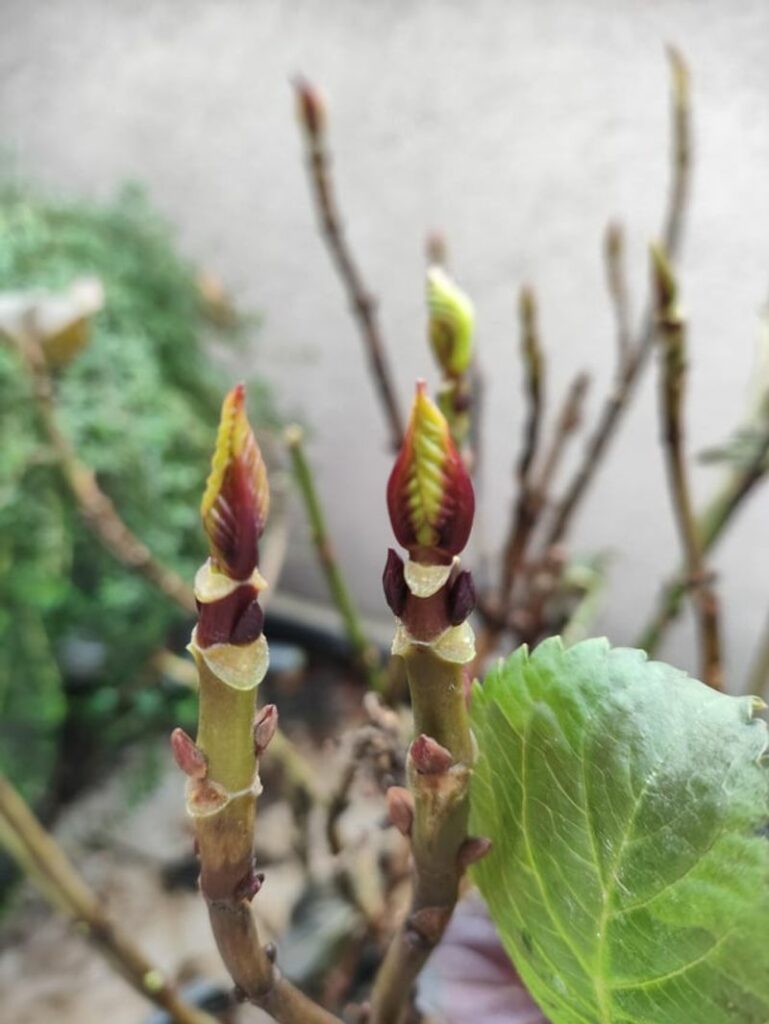
Hardening off is the process where new plant growth gradually toughens up and becomes able to handle cold temperatures. It takes time.
Stems that are soft and green in late summer need several weeks of slowly cooling temperatures before they can handle frost without damage.
When pruning happens too late, any new shoots that sprout in response simply do not have enough time to go through that hardening process. They stay soft and vulnerable right up until the first freeze arrives.
At that point, those tender shoots have almost no defense against the cold.
You can think of it like sending someone outside in a t-shirt during a snowstorm. The protection just is not there.
New shoots that have not hardened off will often turn brown or black after a frost, and they may not recover. In some cases, the damage can reach down into the stem itself, causing problems that do not show up until spring.
Gardeners who prune in late September or October in our state often see this exact problem play out. The plant tries to respond to the pruning by growing, but the weather does not cooperate.
Giving your hydrangea the full growing season to mature its stems naturally is always the better approach. Strong, fully hardened stems are one of the best signs that your plant is truly ready for whatever winter brings.
8. A Light Cleanup Is Better Than Heavy Pruning
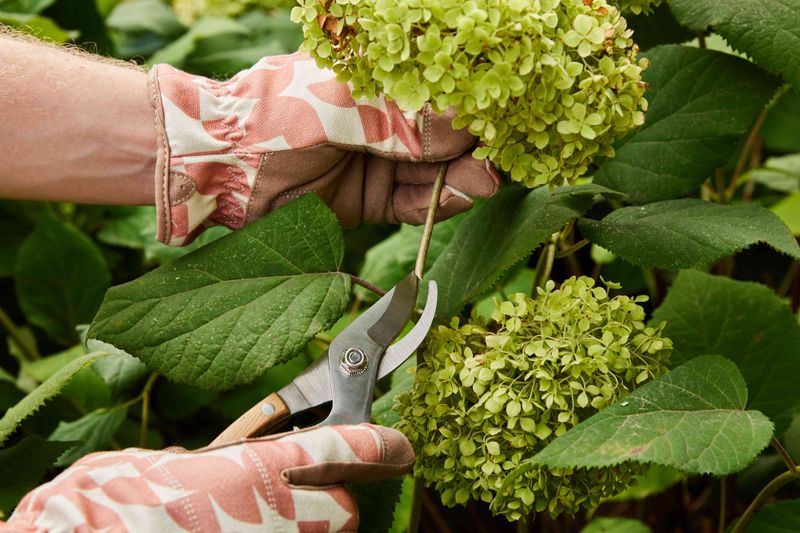
If you feel the urge to do something to your hydrangeas in the fall, a light cleanup is a much safer choice than a heavy pruning session. Removing spent flower heads, clearing away any broken or obviously damaged stems, and tidying up the base of the plant are all low-risk tasks that can be done without harming next year’s blooms.
The key difference is that light cleanup does not remove healthy stem tissue. You are just taking away what is already finished or damaged.
The main structure of the plant, including those precious old wood buds, stays completely intact and ready to bloom when spring arrives.
Using clean, sharp tools also matters a lot. Dull or dirty pruning shears can crush stems instead of cutting them cleanly, which makes it harder for the plant to heal.
Wiping your blades with rubbing alcohol before and after use helps prevent the spread of disease between plants.
Think of fall cleanup as maintenance rather than pruning. You are just helping the plant look a little neater while keeping everything that matters safe.
Then, when late winter rolls around, you can reassess what actually needs to be cut back. By that point, you will be able to see clearly which stems made it through the winter and which ones did not.
That makes your pruning decisions much easier, more accurate, and far less risky for the overall health of your hydrangeas.