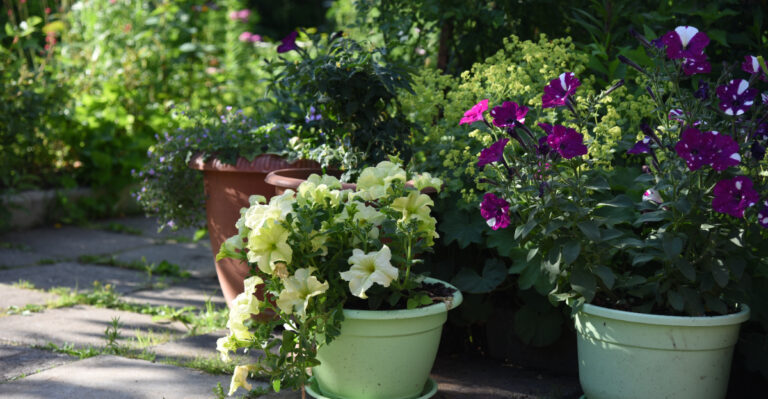
Hacks To Get Your Oregon Petunias Blooming Like Crazy Before Summer’s Over
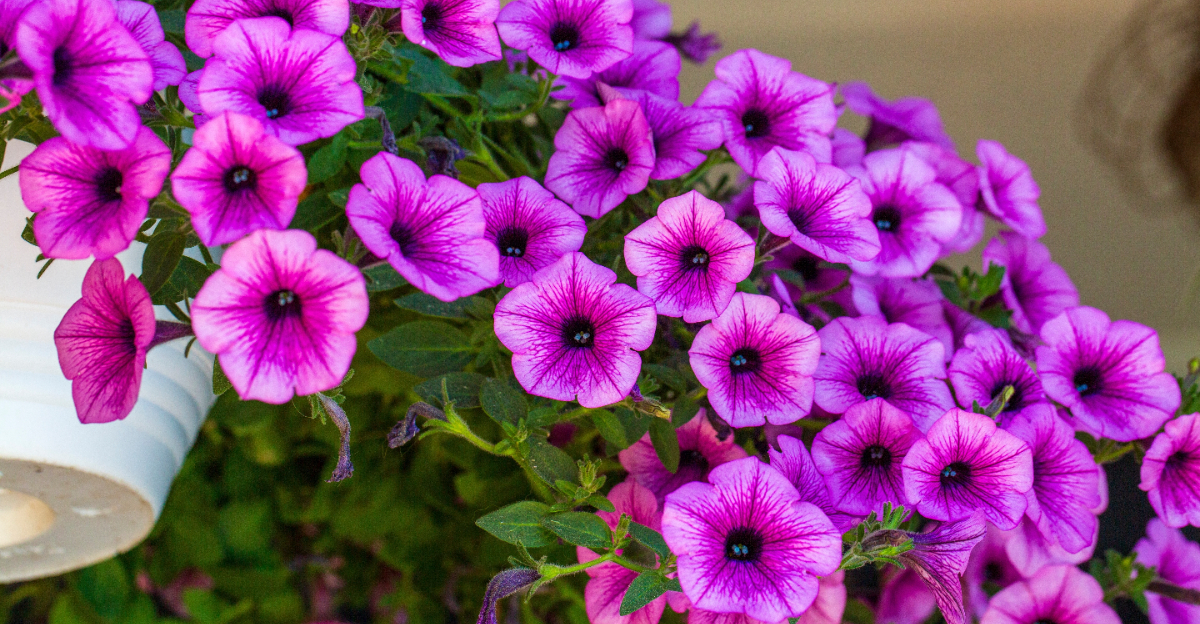
Petunias can start the season looking like the star of every porch, basket, and border. Then summer gets going, and suddenly the flowers slow down while the stems stretch in every direction.
Oregon’s mix of cool mornings, warm afternoons, and sudden dry spells can make that shift even more noticeable. The good news is that tired petunias are not always finished.
They often just need the right kind of attention at the right time. A little cleanup, better watering, and smarter feeding can bring back the color without making the job feel overwhelming.
The trick is knowing what actually helps and what only looks helpful for a day. Give your petunias the care they are craving now, and they can still put on a bright, cheerful show before summer slips away.
1. Pinch Off Spent Blooms Before They Set Seed
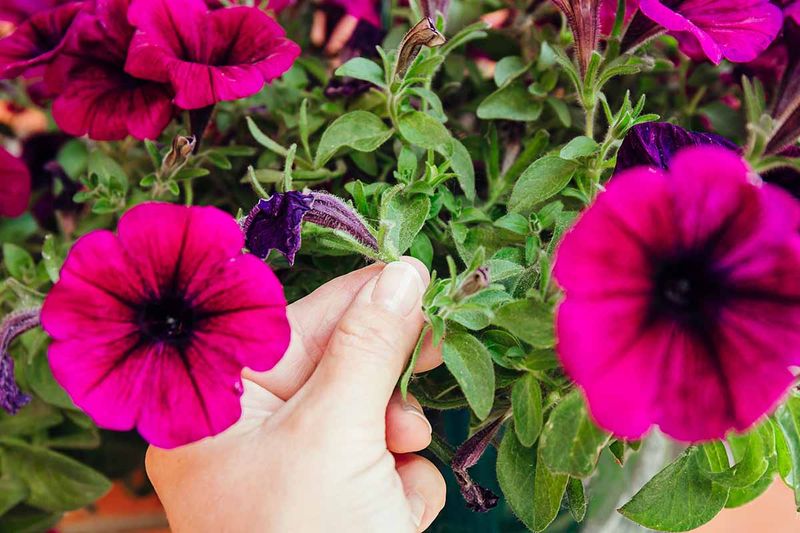
Most gardeners know to deadhead flowers, but petunias are sneaky. They look like they drop their petals cleanly, but the base of the bloom is still attached and quietly forming a seed pod.
That seed pod is the real problem. Once a plant starts putting energy into making seeds, it slows down flower production almost immediately.
Pinching off spent blooms every few days keeps the plant focused on what you actually want: more flowers. It only takes a minute or two per pot.
Just squeeze the base of the old bloom between your fingers and pull it free. You want to remove the whole flower head, not just the petals that fall off on their own.
This habit makes a noticeable difference within about a week. You will start to see new buds forming along the stems where you removed the old blooms.
The plant basically gets the message that its job is not done yet. Keep up the routine every two to three days, and your plants will reward you with a fresh wave of color.
It is one of the easiest and most effective things you can do to extend the blooming season well into late summer and early fall in our region.
2. Cut Back Leggy Stems For A Fresh Flush
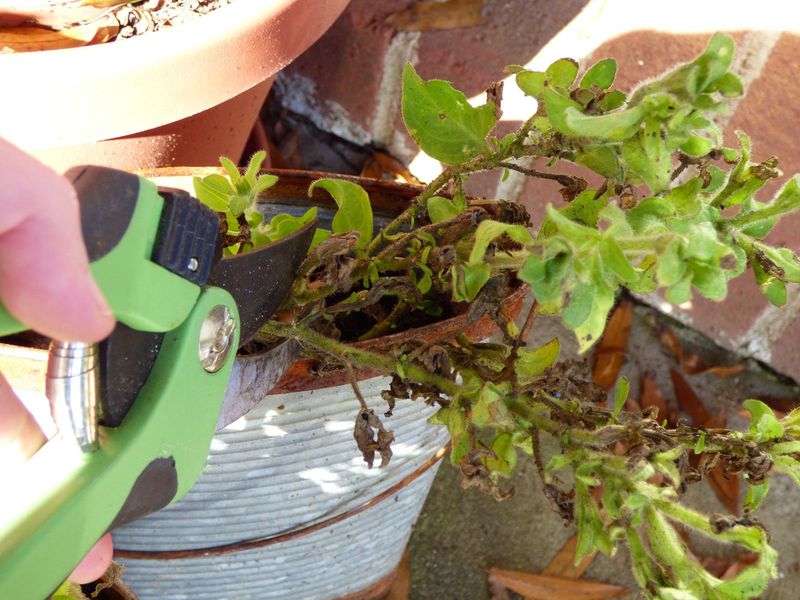
By midsummer, petunia stems can get long, floppy, and bare at the base. It looks a little sad, honestly.
Those stretched-out stems might still have a bloom or two at the very tip, but the rest of the plant looks tired and sparse. A good cutback is exactly what it needs.
Trim leggy stems back by about one-third to one-half their length. Use clean scissors or small pruning shears.
Cut just above a leaf node, which is the small bump where a leaf connects to the stem. This signals the plant to branch out and produce new growth from that point.
More branches mean more blooms.
After cutting, give the plant a good drink of water and a dose of balanced fertilizer. Within one to two weeks, you should see fresh green growth pushing out from the cut areas.
In another week or so after that, buds will follow. Yes, the pot will look a little bare right after trimming, and that can feel discouraging.
Your Oregon Garden Changes Every Week. Your Plan Should Too.
Gardening in Oregon changes quickly throughout the season. Every Friday you’ll receive a simple weekly plan showing exactly what to plant, prune, fertilize, harvest, and protect so you never miss the right timing.
But trust the process. The regrowth comes in thicker and bushier than before, and the new blooms are often more vibrant too.
In our state, late July and early August are great times to do this cutback so plants have enough warm days to recover and rebloom before fall.
3. Feed Containers Every Couple Of Weeks
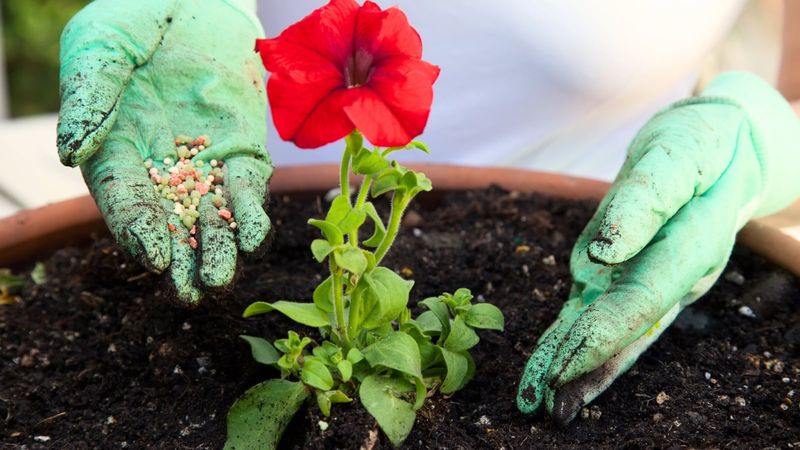
Container-grown petunias are hungry plants. Unlike flowers planted in the ground, potted petunias cannot reach out for extra nutrients.
Every time you water, some of those nutrients wash right out the drainage holes at the bottom of the pot. That means you have to keep replacing them on a regular schedule.
A balanced liquid fertilizer works really well for this. Look for something with equal or near-equal numbers on the label, like a 10-10-10 or a bloom-booster formula with higher phosphorus.
Phosphorus is the nutrient most responsible for flower production, so a fertilizer labeled for flowering plants is a smart pick. Feed your containers every ten to fourteen days throughout the rest of the growing season.
Slow-release granules can also help as a backup, but liquid fertilizer gets into the roots faster and gives quicker results when blooms are slowing down. Do not overdo it, though.
Too much nitrogen will push lots of leafy green growth but fewer flowers. Follow the label directions and stick to a routine.
Consistency is the key here. Plants that get fed regularly look fuller, bloom more, and stay healthier overall.
In our state, where summer temperatures can shift quickly, keeping up with feeding helps your petunias stay strong and colorful right up until the first cool snap of fall arrives.
4. Give Petunias More Sun Before Fall Creeps In
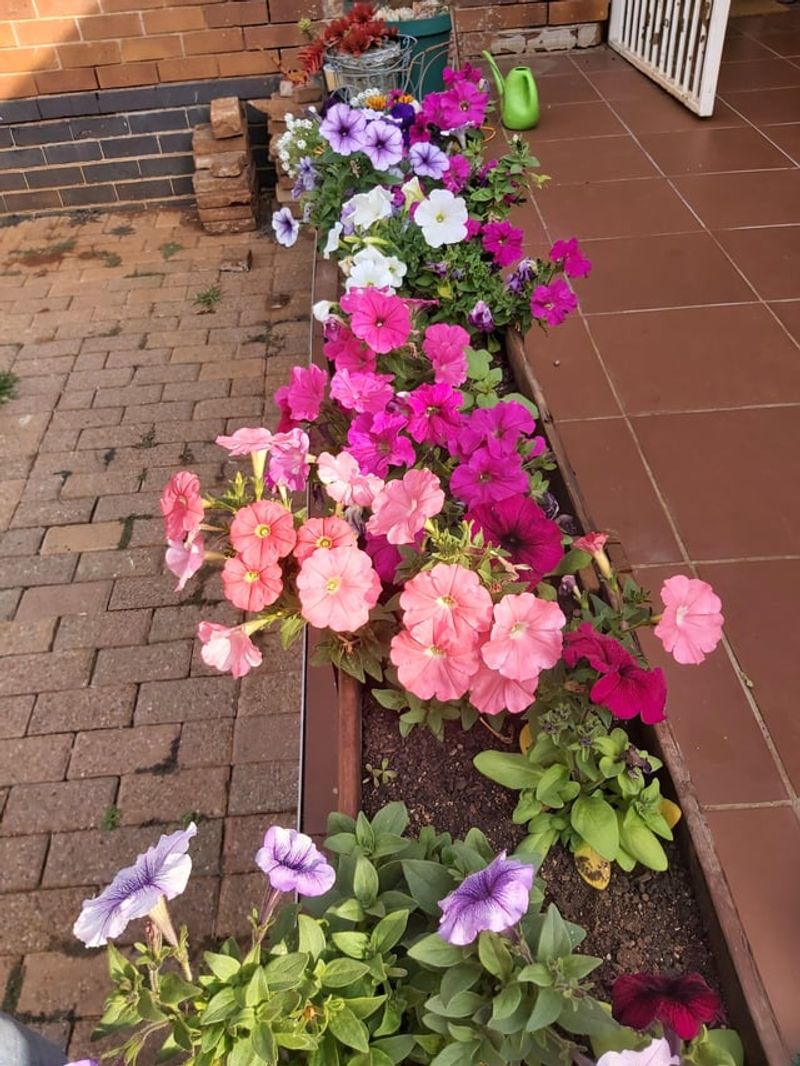
Petunias are sun lovers, plain and simple. They want at least six hours of direct sunlight every day to bloom their best.
In the northern regions of our state, late summer days are getting shorter, and shade from nearby trees or structures can creep in without you noticing. That lost light adds up fast.
Take a look at where your containers are sitting right now. Are they still getting the same sun exposure they had in June?
Trees that were bare in spring are now full of leaves, and that can shift the shade patterns in your yard significantly. Moving a pot just a few feet can make a real difference in how much sun it catches each day.
If your petunias are in hanging baskets, try rehooking them in a sunnier spot on your porch or fence. For plants in the ground, you cannot move them, but you can trim nearby branches that are blocking light.
South-facing and west-facing spots tend to hold the most afternoon sun in late summer, which is exactly what petunias need to push out a final round of blooms.
Even one or two extra hours of sun per day can perk up a sluggish plant noticeably.
Do not underestimate how much a simple position change can do for a struggling pot of flowers late in the season.
5. Water Deeply Instead Of Giving Quick Sprinkles
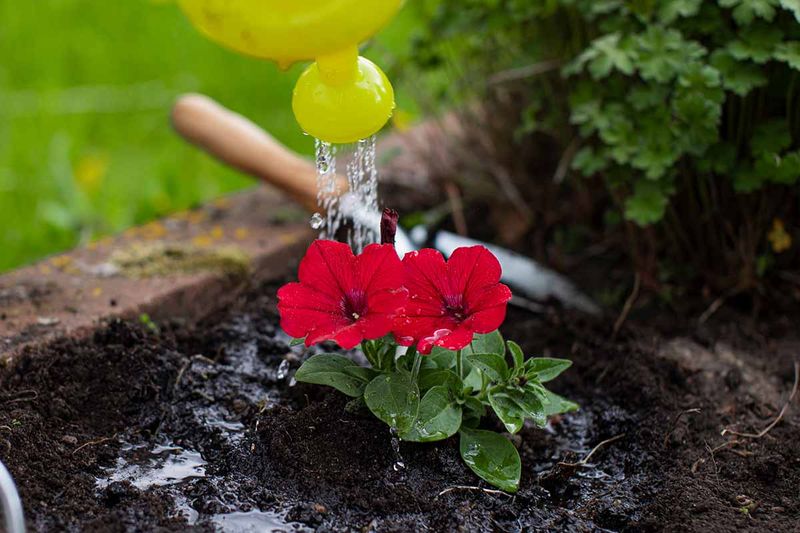
Shallow watering is one of the most common mistakes gardeners make with petunias. When you just sprinkle the surface, the water does not reach deep into the root zone.
The roots then stay near the top of the soil, where they are more exposed to heat and drying out. That kind of stress slows blooming fast.
Deep watering encourages roots to grow downward into the cooler, more stable soil. Water slowly and thoroughly until you see it coming out of the drainage holes at the bottom of the pot.
For ground-planted petunias, water at the base of the plant for a full minute or two. The goal is to wet the entire root zone, not just the top inch of soil.
Let the soil dry out slightly between waterings, but do not let it go bone dry. Stick your finger about an inch into the soil.
If it feels dry at that depth, it is time to water again. In our state, late summer days can still bring some real heat, so you may need to water every day or every other day for containers.
Morning watering is best because it gives foliage time to dry before evening, which helps prevent mold and disease.
Deep, consistent watering keeps plants healthy, strong, and focused on producing blooms rather than struggling to survive dry spells.
6. Don’t Let Hanging Baskets Dry Out Completely
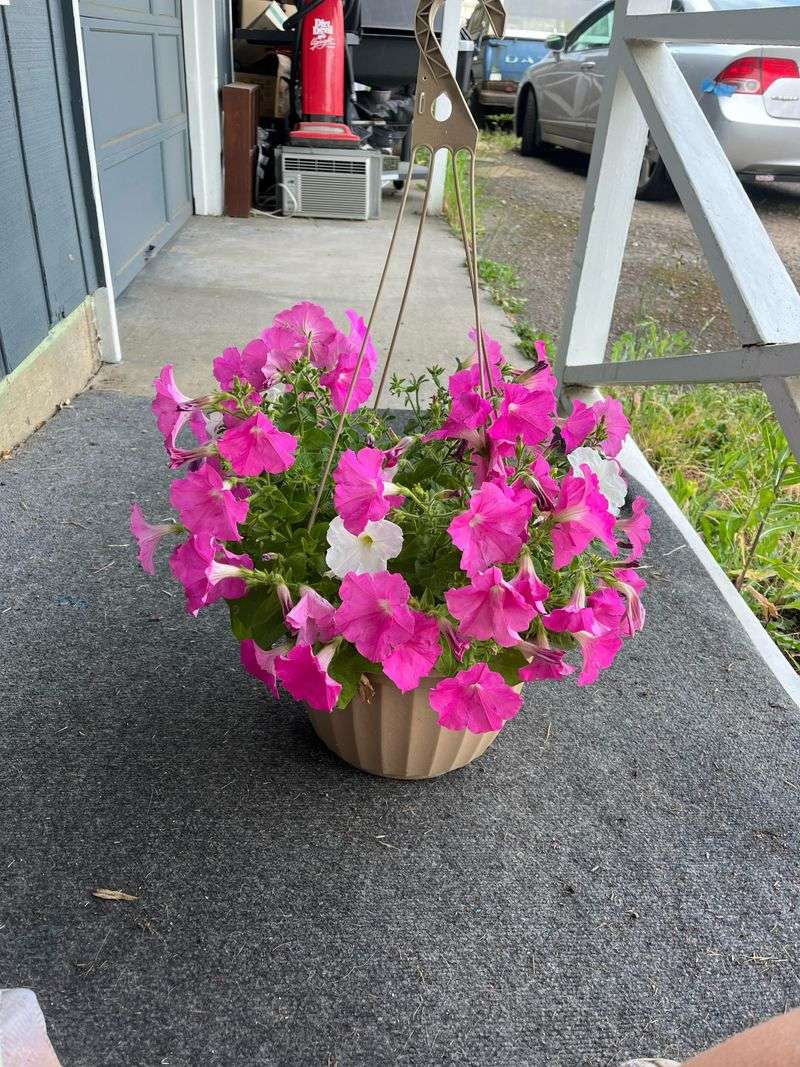
Hanging baskets dry out faster than almost any other type of planting. They are exposed to air on all sides, wind pulls moisture away quickly, and the small volume of soil holds less water to begin with.
Petunias in hanging baskets can go from perfectly moist to bone dry in just a few hours on a hot late-summer afternoon.
Check your baskets at least once a day during warm spells. Lift the basket slightly with one hand.
If it feels very light, it needs water right away. A well-watered basket will feel noticeably heavier.
This simple weight check becomes second nature after a few days and takes only a second to do.
When you do water, water until it drips freely from the bottom of the basket. That ensures the whole root ball got a drink, not just the top layer.
Adding a small amount of water-retaining crystals to the soil when you replant can also help slow down drying between waterings. Some gardeners also use a saucer clipped under the basket to hold a little extra moisture.
Petunias that dry out completely tend to drop blooms and go dormant quickly, especially as the season winds down.
Keeping that moisture consistent is one of the most important things you can do to keep hanging basket petunias blooming strong all the way to the end of summer in our state.
7. Remove The Seed Pod, Not Just The Dead Petals
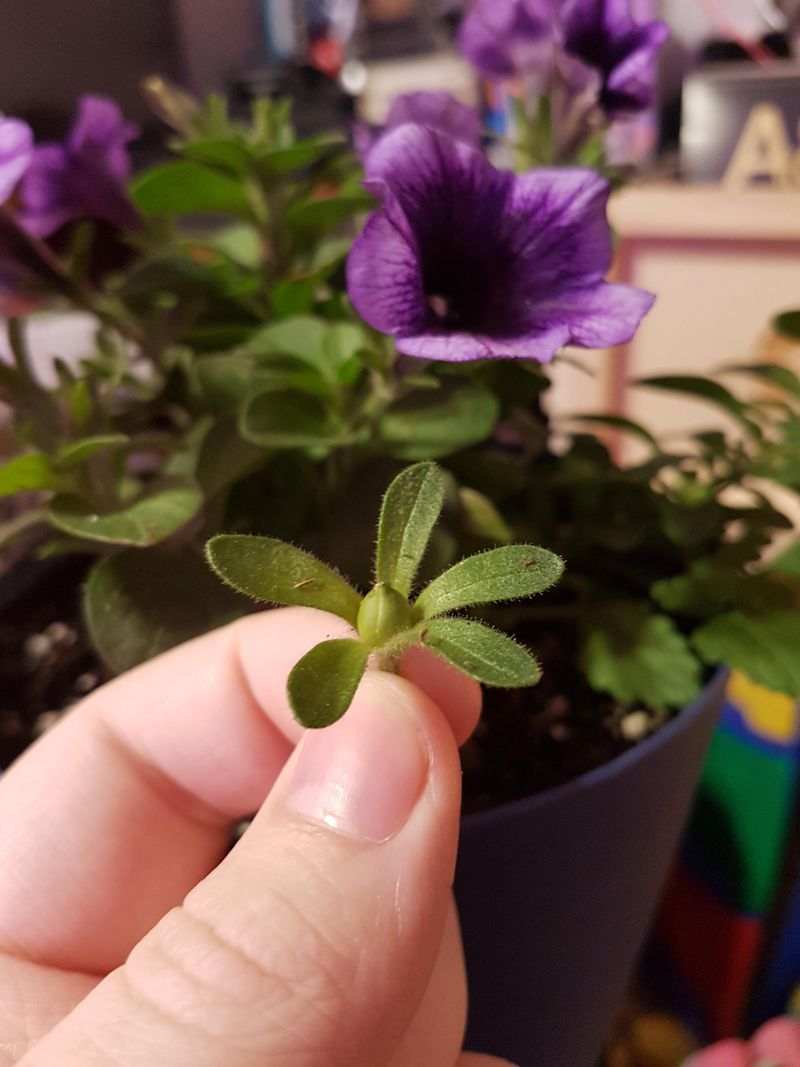
Here is something that surprises a lot of people who are new to growing petunias. The petals fall off on their own, but that does not mean the job is done.
Behind those fallen petals, there is a small green pod forming at the base of the flower. That pod is where the seeds develop, and it is the real energy drain on the plant.
When a petunia forms a seed pod, it shifts its focus completely. Instead of putting energy into new buds and flowers, it puts everything into maturing those seeds.
From the plant’s point of view, its mission is accomplished once seeds form. Your job is to interrupt that process by removing the seed pod before it matures.
Look for a small, round, or slightly pointed green bump right where the flower attached to the stem. Pinch or snip that off completely.
Do this every couple of days when you are doing your regular deadheading rounds. It takes a little more attention than just knocking off fallen petals, but the payoff is huge.
Plants that have their seed pods consistently removed keep blooming much longer than those that are left to go to seed naturally.
This one small habit can add weeks of extra blooms to your petunias before our state’s cooler fall weather finally puts the season to rest.
8. Trim One Section At A Time So The Pot Still Looks Full
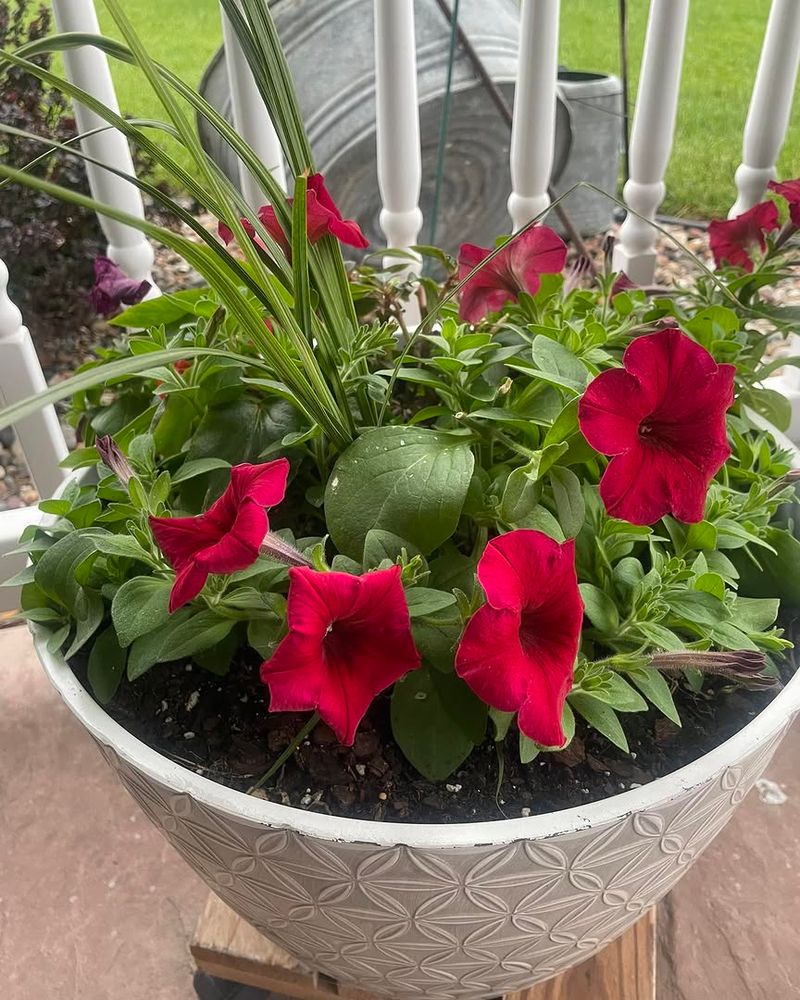
Cutting back a whole pot of petunias at once can leave it looking pretty rough for a week or two. If your pots are in a visible spot like a front porch or entryway, that bare look can be frustrating.
There is a smarter way to handle it that keeps things looking good while still giving the plant the renewal it needs.
Try trimming just one-third to one-half of the pot at a time. Cut back one section of stems while leaving the other sections untouched and blooming.
A week or so later, trim the next section. By rotating through the pot this way, you always have some color showing while other parts are recovering and pushing out new growth.
This staggered approach works especially well for large containers and window boxes where visual appeal really matters. It also reduces the stress on the plant compared to cutting everything at once.
Each trimmed section gets to recover with the support of the rest of the plant still actively growing and photosynthesizing. Think of it like giving the plant a rolling renovation instead of a full shutdown.
By the time the last section is trimmed and recovering, the first section you cut will already be blooming again.
It is a simple rhythm that keeps your pots looking full and colorful from now until the end of the growing season in our region.