Why You Should Never Hose Down These Plants At Night In Arizona
An Arizona garden can look desperate after sunset.
The day has been brutal. The porch still radiates heat. Leaves look dusty, pots feel warm, and the whole yard seems ready for relief.
Reaching for the hose at night feels kind, almost like giving the garden a cool drink and a quick rinse at the same time.
The problem starts after the spray stops.
Once the sun drops, wet leaves, flower clusters, and plant crowns can stay damp for hours. Monsoon humidity, still air, dense growth, and mineral-heavy water make that late rinse more stressful for certain plants than it looks.
The issue is not water itself. Arizona plants absolutely need steady moisture through summer.
The issue is where the water lands and how long it stays there.
So which plants should you stop hosing down after dark?
Start with the garden favorites that trap moisture in leaves, flowers, crowns, and crowded growth when they should be drying out before night settles in.
1. Roses Hold Water Deep In The Canopy
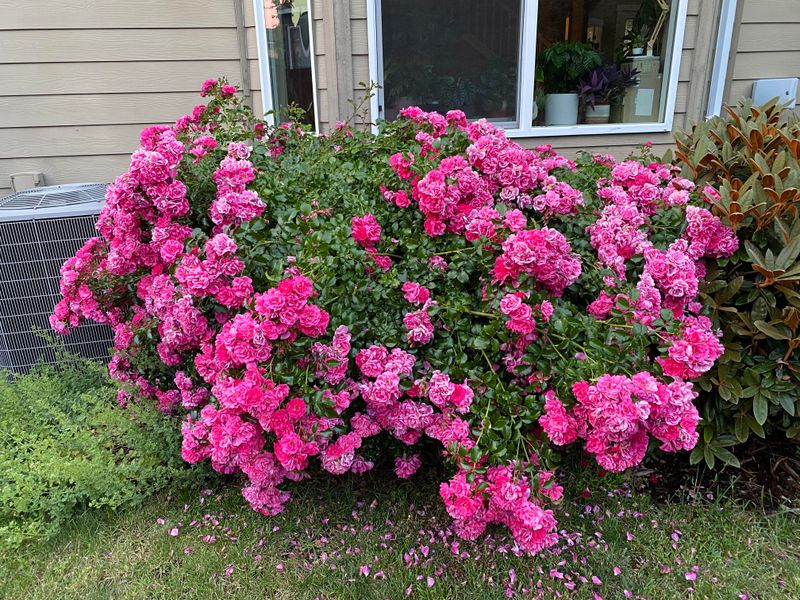
Roses can trap a surprising amount of water.
Their layered canes, dense inner leaves, and packed flower clusters create little pockets where air barely moves after sunset. Spray the whole shrub at night, and that water can sit inside the canopy far longer than expected.
Arizona heat does not erase the problem. Warm, still nights can hold moisture around leaves and petals, especially during monsoon season.
That lingering dampness can make leaf and flower problems more likely. Browning petals, spotted foliage, yellowing leaves, and soft flower tissue may all become harder to manage when the plant stays wet too long.
Mineral-rich water adds another annoyance. Repeated overhead spraying can leave pale deposits on leaves and petals.
That residue is not disease, but it can dull the plant’s appearance and make real symptoms harder to spot.
Water roses at the root zone instead. Drip emitters or a slow hose at soil level give roots moisture without soaking the canopy.
Place emitters around the active root area, not pressed tightly against the crown.
Prune lightly for airflow. Avoid opening the shrub so much that canes get scorched by harsh summer sun.
Remove spent blooms and fallen petals. Old plant debris holds moisture and invites trouble.
A morning rinse can help with dust or small pests when needed.
Nighttime hosing is the habit to break, because roses need dry leaves as much as they need deep water.
2. Tomatoes And Peppers Splash Trouble Upward
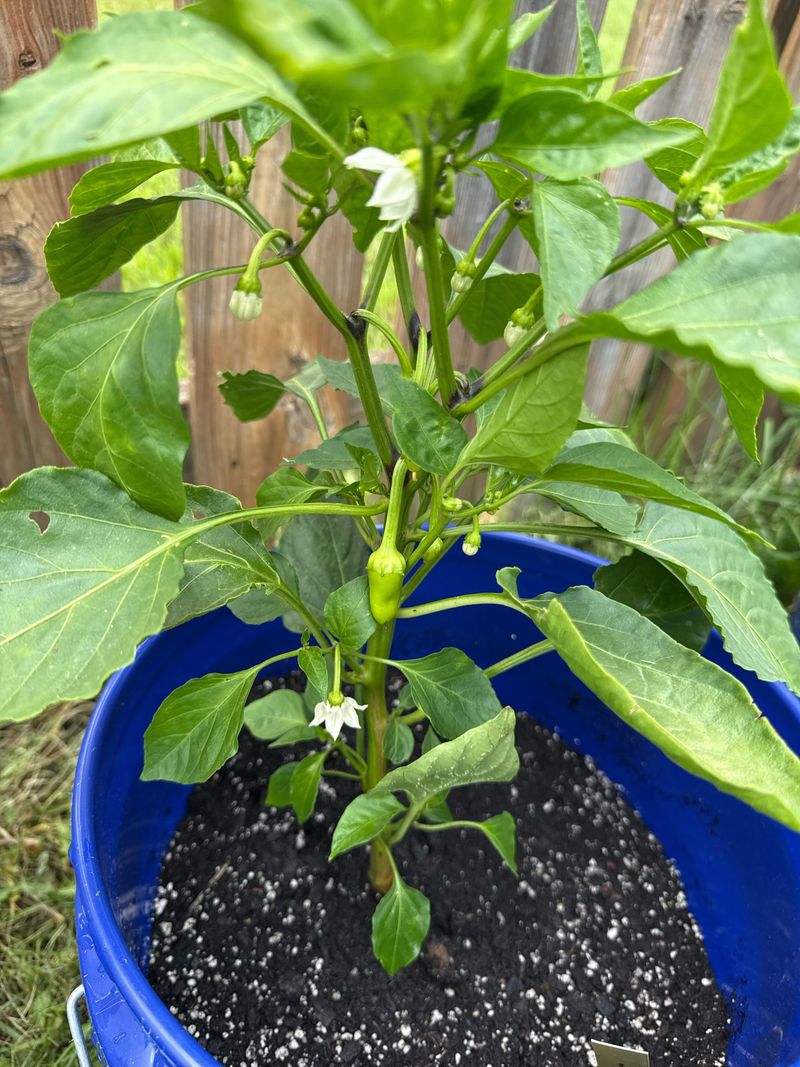
Tomatoes and peppers need root moisture, not a nighttime shower.
A strong hose spray aimed at the whole plant hits soil, mulch, and old leaves at the base. That splash can move soil particles and plant debris onto the lower foliage, right where many problems begin.
The lower leaves are already vulnerable. They sit close to the ground, get less airflow, and often carry the first signs of stress.
Wet foliage overnight adds more pressure. During humid monsoon periods, leaves may not dry quickly enough before morning.
Tomatoes and peppers can also look stressed for several reasons. Heat, mites, nutrient imbalance, sunscald, water swings, and root problems can all create confusing symptoms.
Your Arizona Garden Changes Every Week. Your Plan Should Too.
Gardening in Arizona changes quickly throughout the season. Every Friday you’ll receive a simple weekly plan showing exactly what to plant, prune, fertilize, harvest, and protect so you never miss the right timing.
That is why the watering method matters. Do not add splash and wet leaves to a plant already fighting August conditions.
Use drip tubing, a soaker hose, or a carefully aimed hose at soil level.
Water slowly enough that the root zone actually absorbs moisture. Fast runoff does not help fruit development.
Stake or cage plants to improve airflow. Upright plants dry faster and are easier to inspect.
Remove leaves touching the soil. This reduces the bridge between ground debris and foliage.
Mulch helps too. A clean mulch layer softens splash and keeps soil moisture steadier.
Tomatoes and peppers still need consistent water in Arizona heat.
They simply need that water delivered below the leaves, not sprayed across the plant after dark.
3. Basil Spots Fast In Warm Humidity
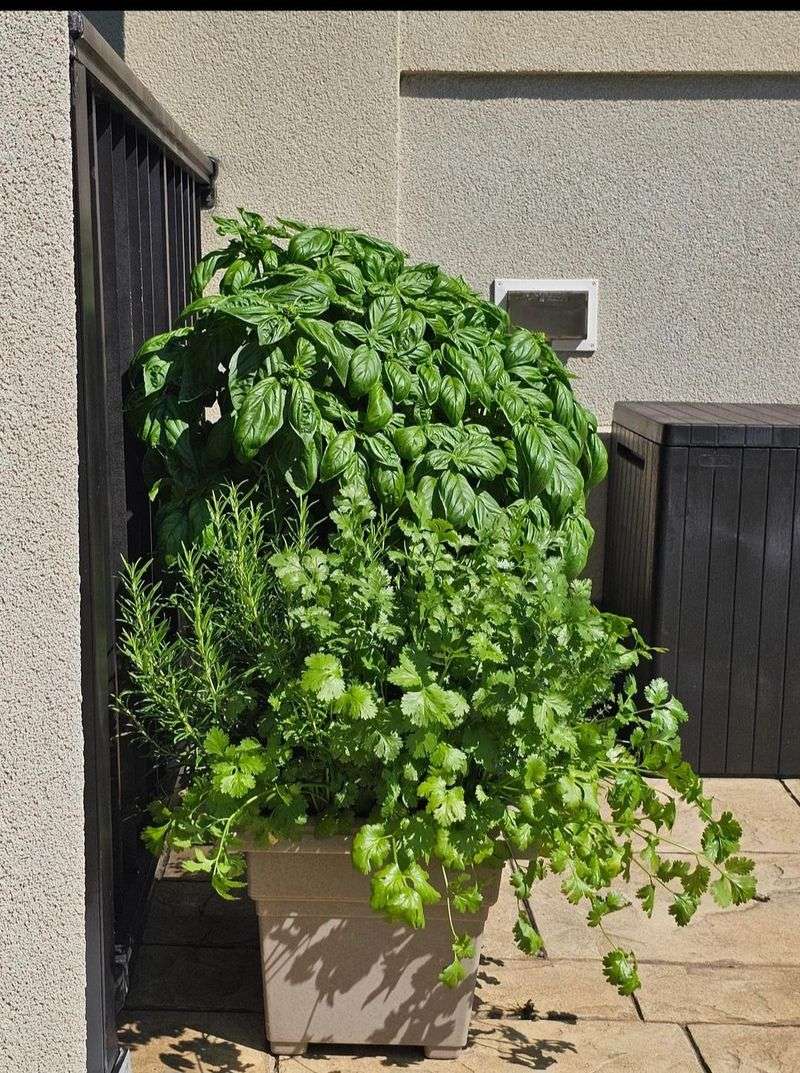
Basil reacts quickly when leaves stay wet.
This summer herb loves warmth, but warm plus damp is a different story. After a nighttime hose-down, basil’s tender leaves can hold moisture into the night, especially when plants are crowded or tucked into a still corner of the patio.
Dark leaf spots can appear fast. Yellowing around damaged areas may follow.
Weak lower growth can also show up when the plant stays dense and humid inside.
Not every basil spot comes from watering. Heat stress, pests, sun injury, and nutrient problems can also cause trouble.
Still, keeping foliage dry is one of the easiest ways to reduce avoidable stress.
Water the potting mix or soil directly. Basil roots need moisture, but the leaves do not need a nightly rinse.
Container basil may need water often during Arizona summer. That does not mean the foliage should be drenched each time.
Water until excess drains from the pot. Then let the surface dry slightly before watering again.
Harvest regularly. Cutting stems encourages fresh growth and keeps the plant from becoming a thick, stagnant mound.
Space plants so air moves between them. Crowded basil stays damp longer.
Remove affected leaves with clean tools. Do not leave spotted leaves piled under the plant.
Morning is the safer time for any light rinse. Leaves have hours to dry before night.
Basil is generous when treated well.
Keep the water at its feet, and the plant is far more likely to keep producing fragrant leaves through the heat.
4. Geraniums And Begonias Trap Water In Flowers
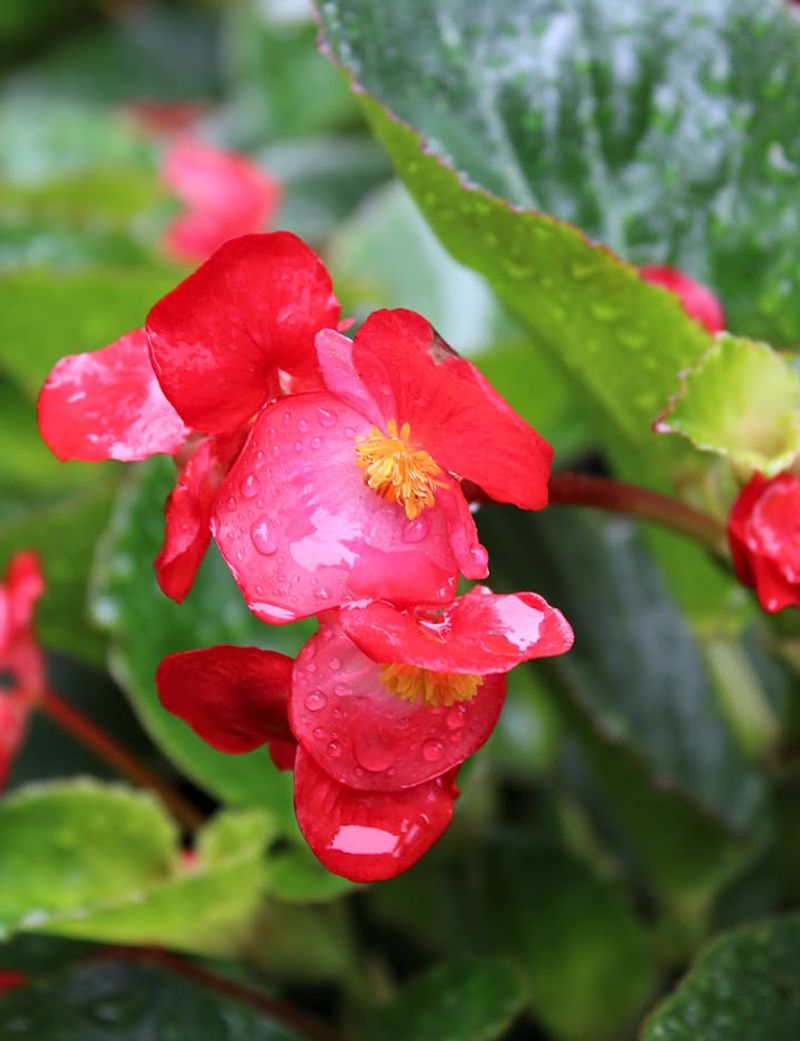
Some blooms hold water like little cups.
Geraniums and begonias are both popular for Arizona patios, especially in spots with some shade or protection. Their flowers are beautiful, but layered petals and dense clusters can trap moisture after a nighttime spray.
That trapped water may sit between petals for hours. In a still patio corner, it can remain there even longer.
Aging flowers are especially vulnerable. Older petals break down faster when they stay damp.
Browning inside the bloom cluster is a warning sign. Collapsing flowers or grayish fuzzy growth may point to moisture-related problems.
Natural fading can look similar, so compare fresh blooms with older ones before assuming the worst.
Containers add another layer. Many patio pots sit under overhangs, against walls, or in corners where airflow is limited.
Saucers can make the situation worse. Standing water beneath a pot keeps roots too wet while flowers remain damp above.
Water the potting mix directly. Avoid pushing a hose stream into the flowers.
Empty saucers after irrigation. Roots need moisture, not a stagnant bath.
Trim often. Removing old blooms reduces the amount of soft tissue that can hold moisture.
Give pots more space. A few extra inches between containers can improve airflow.
Move them away from airless corners during humid stretches.
Geraniums and begonias can thrive in containers, but their flowers need a dry night.
A soil-level watering routine keeps the color going with fewer soggy-petal surprises.
5. Zinnias And Crowded Annuals Need Dry Leaves
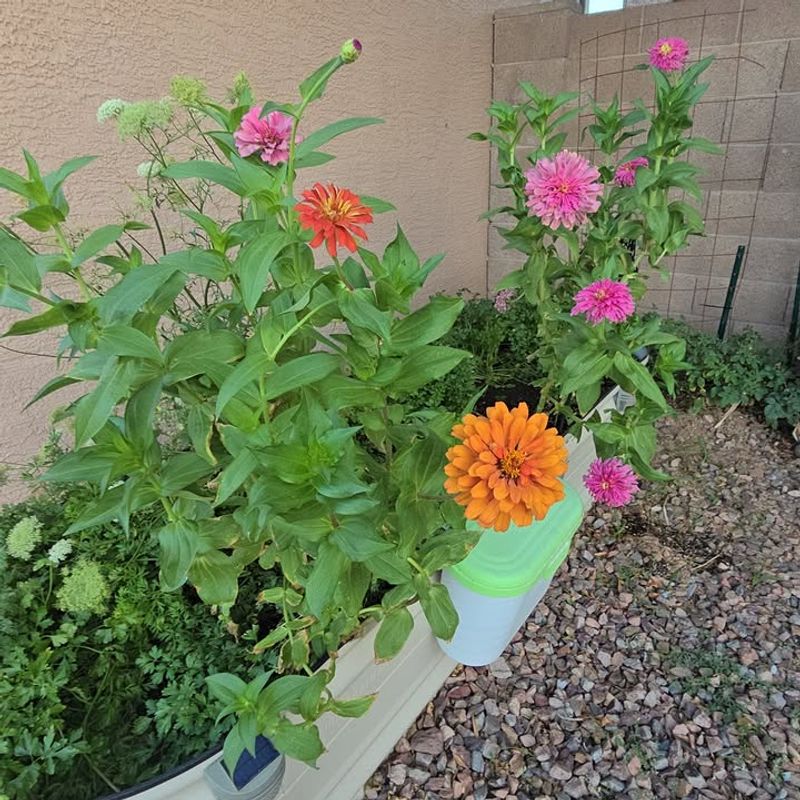
Zinnias bring fearless color to hot gardens.
They also get crowded fast. Stems overlap, leaves press together, and the center of a planting can become dense enough to hold moisture after an evening spray.
This is where nuance matters. Nighttime hosing is not the simple cause of powdery mildew.
Powdery mildew can develop without free water sitting on the leaves. Crowding, susceptible varieties, poor airflow, and weather patterns matter more.
The real concern with a nighttime spray is trapped moisture and splash. Dense annual plantings can stay wet at the center, and water can move debris from one plant to another.
That can favor leaf spots, stem issues, and general decline in a crowded bed.
Water zinnias at the soil surface. Let the roots drink while the leaves stay dry.
Space plants generously from the start. Good spacing does more than any late rescue effort.
Thin weak or crowded stems. Air needs to move through the planting.
Choose disease-resistant varieties when available. Genetics can make a real difference.
Remove heavily damaged leaves. Do not let them sit on the soil beneath healthy growth.
Mulch lightly to reduce splash. Keep it from piling against stems.
Trim spent flowers. Cleaner plants have less old tissue to hold moisture.
Zinnias do not need pampering to bloom in heat.
They need sun, space, root-zone water, and enough airflow to dry before the night gets heavy.
6. Cucumbers, Squash And Melons Need Nuance
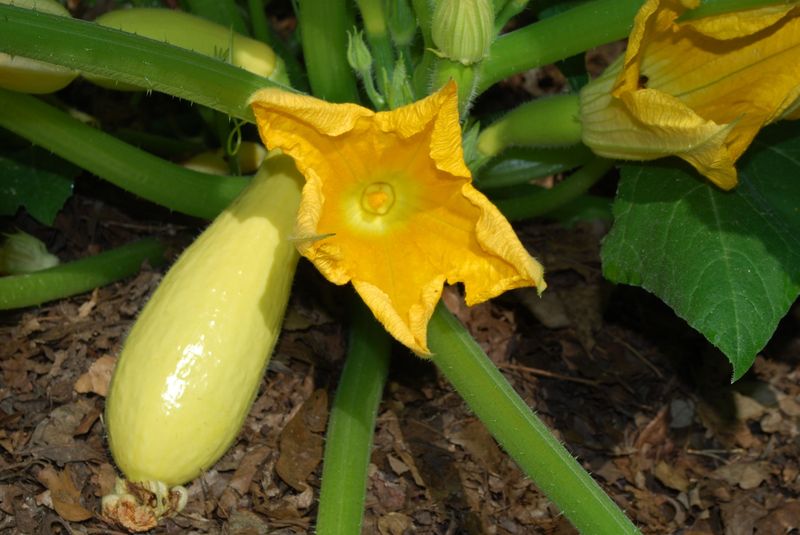
Cucurbits create their own jungle.
Cucumbers, squash, pumpkins, and melons grow wide, stack leaves over leaves, and form shaded pockets where moisture lingers. A nighttime hose shower can leave that canopy wet long after the rest of the garden looks dry.
Broad leaves shed water sideways. Much of the spray may miss the root zone entirely.
That means the foliage looks drenched while the soil underneath still has uneven moisture.
Splash can also move soil and debris onto lower leaves. Crowded vines are especially prone to that problem.
Powdery mildew needs careful explanation here too. It is common on cucurbits, but wet leaves are not required for it to appear.
Still, prolonged dampness can favor other leaf and stem problems. It also makes the planting harder to inspect accurately.
Use drip lines or soaker hoses under the canopy. Water should reach the soil where roots can use it.
Check emitters often. A clogged emitter under dense vines can go unnoticed until the plant wilts.
Guide vines apart where possible. A little spacing improves airflow and makes harvest easier.
Avoid soaking flowers and small fruit unnecessarily. Wet blooms can break down faster in warm conditions.
Water deeply rather than splashing leaves. Cucurbits need plenty of moisture during fruiting, but the roots are the target.
Remove diseased debris from the planting. Do not let old leaves pile under the canopy.
These plants can grow vigorously through Arizona heat with enough water.
The safest water is slow, steady, and delivered below the leaf layer.
7. Agaves, Aloes And Cacti Need Dry Crowns
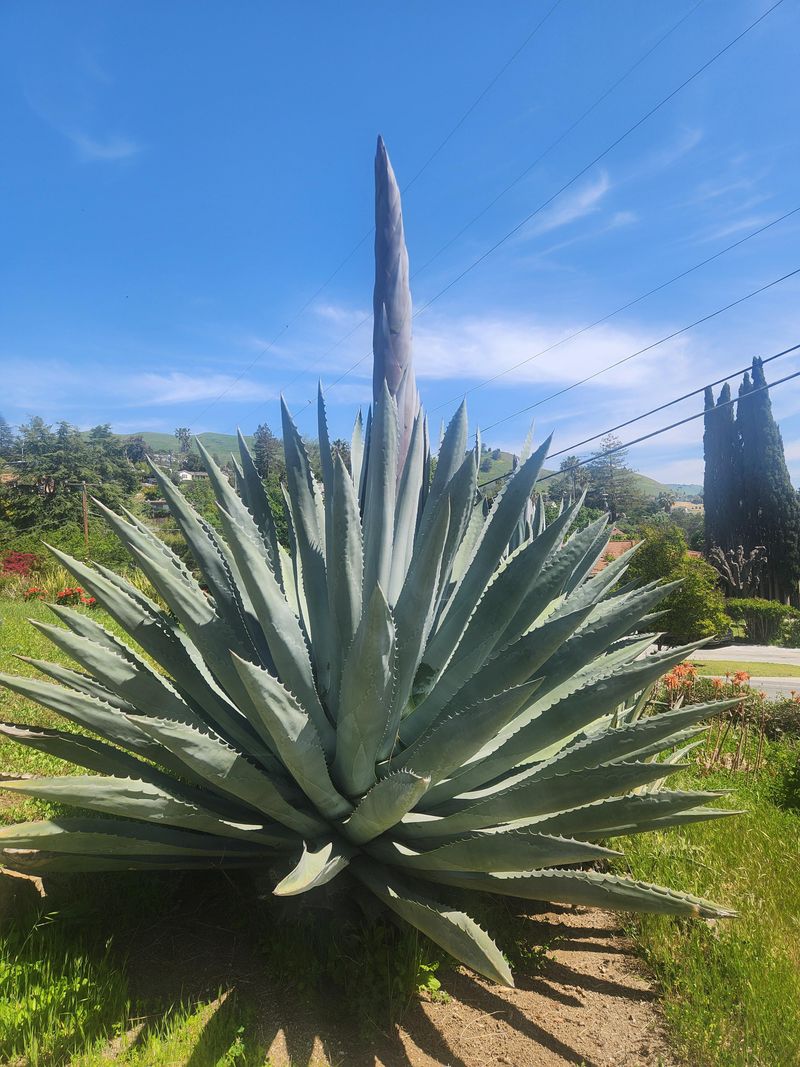
Succulents have a different problem.
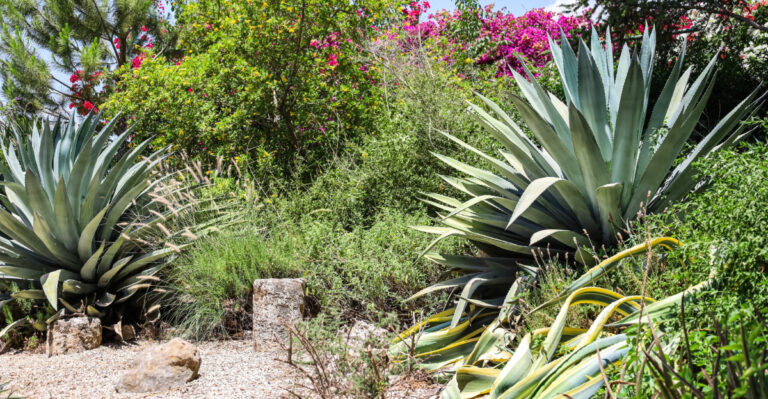
Agaves and aloes form rosettes that naturally funnel water toward the center. Cacti and other succulents have crowns, stems, pads, and damaged spots where excess moisture can linger. A single monsoon storm is normal. Repeated nighttime soaking with a hose is not the same thing.
The crown is the sensitive point. Water that sits there too long can create stress.
Poor drainage increases risk. Wet soil plus a wet crown is much worse than a brief rinse.
Containers need special attention. Succulent pots must drain fast and never sit in saucers full of water.
In-ground plants should be graded so water moves away from the base. Pooling water invites trouble.
Do not aim the hose into rosettes at night. That fills the very spot that needs to dry.
Water the soil around the root zone instead. Let moisture move down, not collect in the center.
Keep mulch and debris away from crowns. Organic material against succulent bases holds moisture too long.
Use gritty soil in containers. Standard moisture-holding potting mix can be too heavy.
Some cacti may need forceful water for pests such as cochineal scale. Do that early in the morning and target the pest directly.
Let plants dry thoroughly afterward. Avoid adding extra irrigation to already soaked soil.
Desert plants are built for heat and seasonal rain.
They are not built for repeated crown flooding after sunset.