The Cabbage Worm Mistakes Making Fall Brassica Problems Worse In Ohio
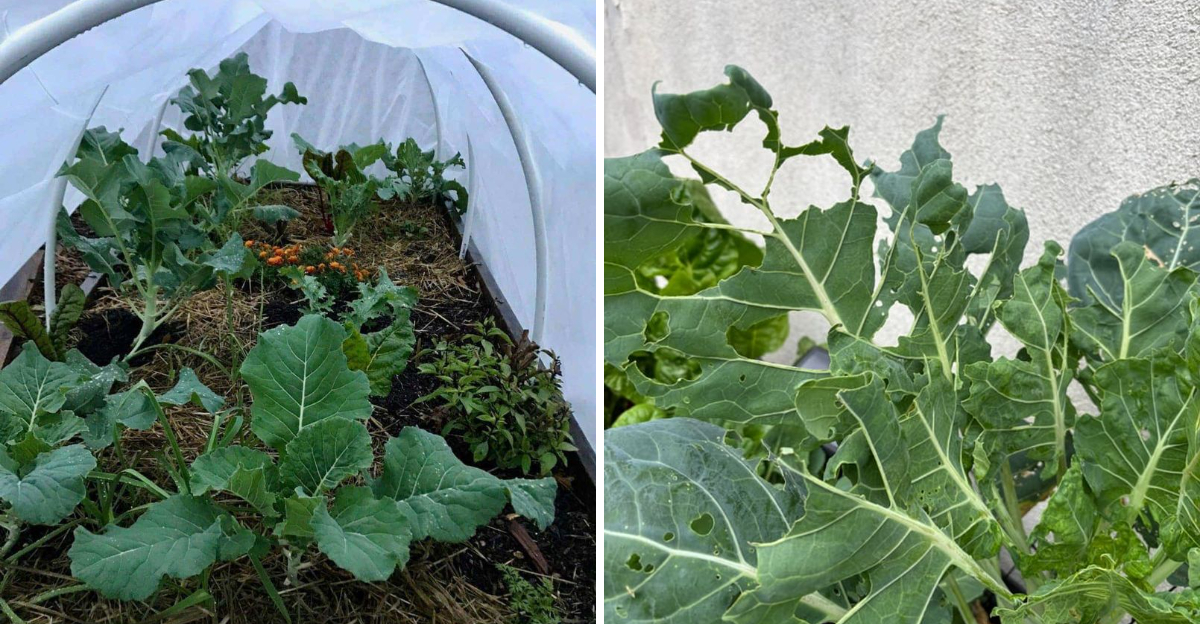
Fall brassicas can make an Ohio garden feel hopeful again.
After summer crops slow down, a fresh row of broccoli, cabbage, kale, cauliflower, or Brussels sprouts looks crisp, green, and full of promise.
Late August transplants settle into cooling days, and everything seems on track for a strong autumn harvest.
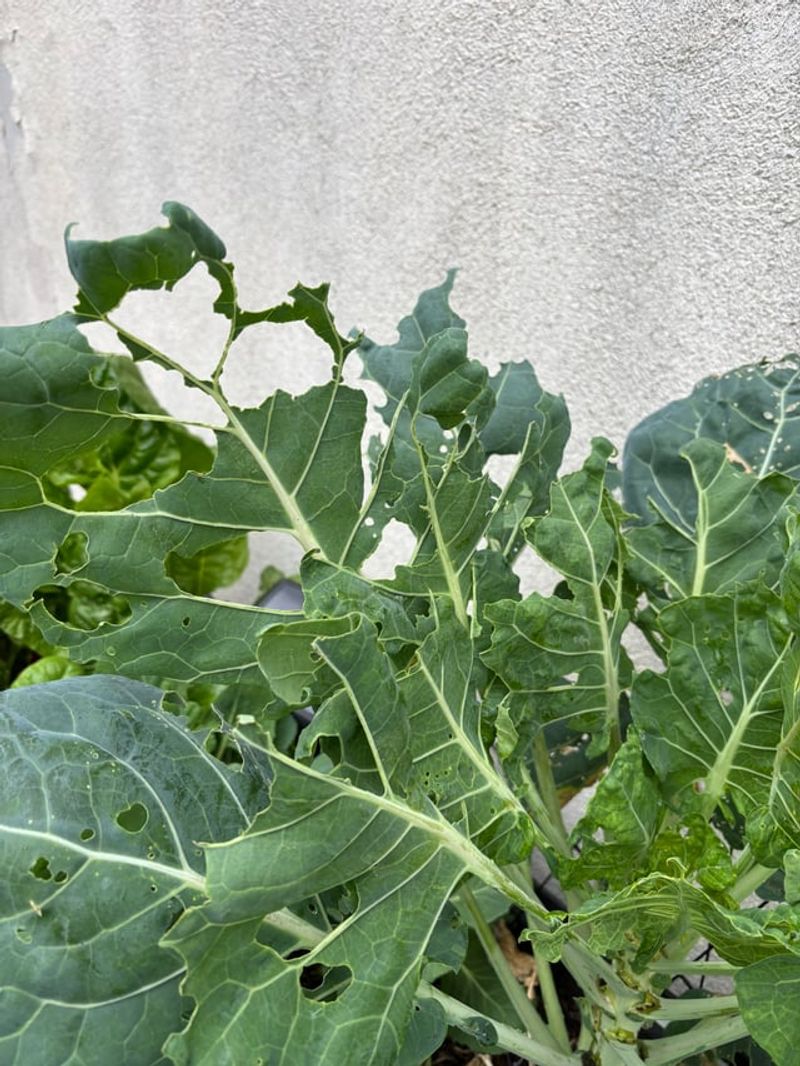
Then the holes appear.
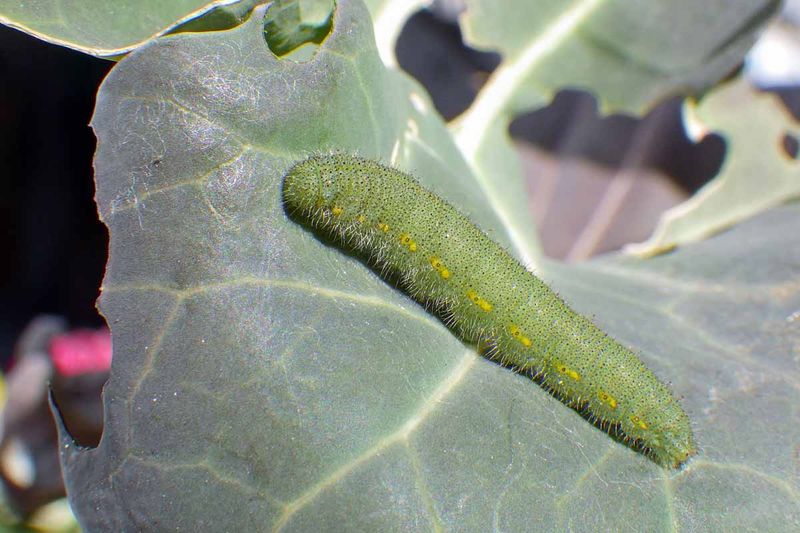
At first, they look small enough to ignore. A few ragged bites on an outer leaf. A little green caterpillar tucked along a vein.
A white butterfly drifting over the row like it has no bad intentions at all. A week later, the damage has doubled, the central leaves look chewed, and the plants suddenly seem much less secure.
The problem is not just the caterpillars.
It is the timing, scouting, row cover habits, spray coverage, and follow-up mistakes that let small populations turn into a real fall brassica headache.
Cabbage worms, loopers, and related caterpillars are manageable, but they reward gardeners who look early and respond carefully.
So which mistakes make cabbage worm problems worse in Ohio fall gardens?
Start with the quiet ones that happen before the holes look serious.
1. Waiting For Large Holes To Appear
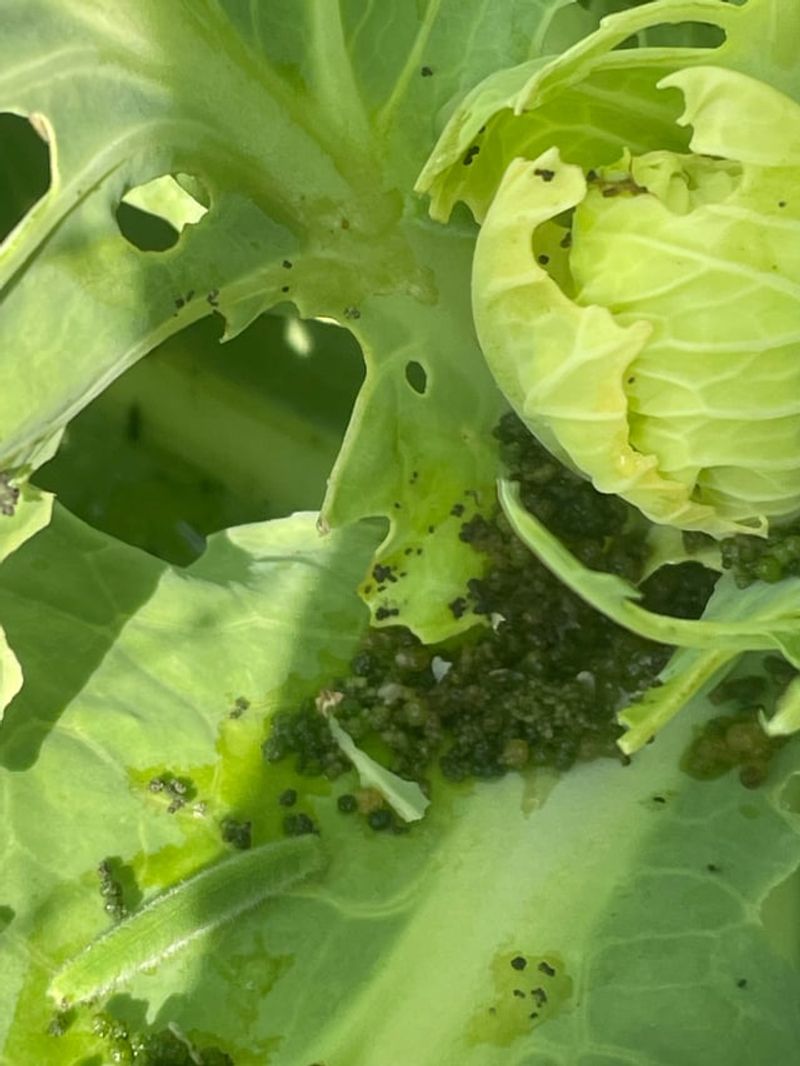
Big holes mean the caterpillars already had time to eat.
That is the first mistake. Gardeners often wait until the damage looks obvious, but by then the larvae are larger, hungrier, and harder to manage. Young brassica transplants do not have much spare leaf area, so a few days of feeding can matter.
Start scouting as soon as transplants go in. Do not wait for the plants to look damaged.
Small holes are an early warning. Ragged edges, tiny windowpane patches, and faint chewing marks deserve attention.
Look for eggs before larvae hatch. Imported cabbageworm butterflies often leave pale yellow eggs on leaf surfaces.
Cabbage looper eggs can be harder to notice. They are small, rounder, and easy to miss during a quick glance.
A few minutes every day or two is enough. The key is consistency, not a long inspection once a week.
Young plants need extra protection. A seedling or fresh transplant can lose valuable growth quickly.
Outer-leaf chewing is less urgent than center damage. The growing point and developing head matter most.
Do not ignore a pattern that spreads. One leaf with a few bites is different from new damage every morning.
Early action can be simple. Hand removal, egg crushing, row cover repair, or a well-timed treatment works better before caterpillars mature.
Waiting gives them the advantage.
The best cabbage worm control starts before the cabbage looks like lace.
2. Skipping The Leaf Undersides
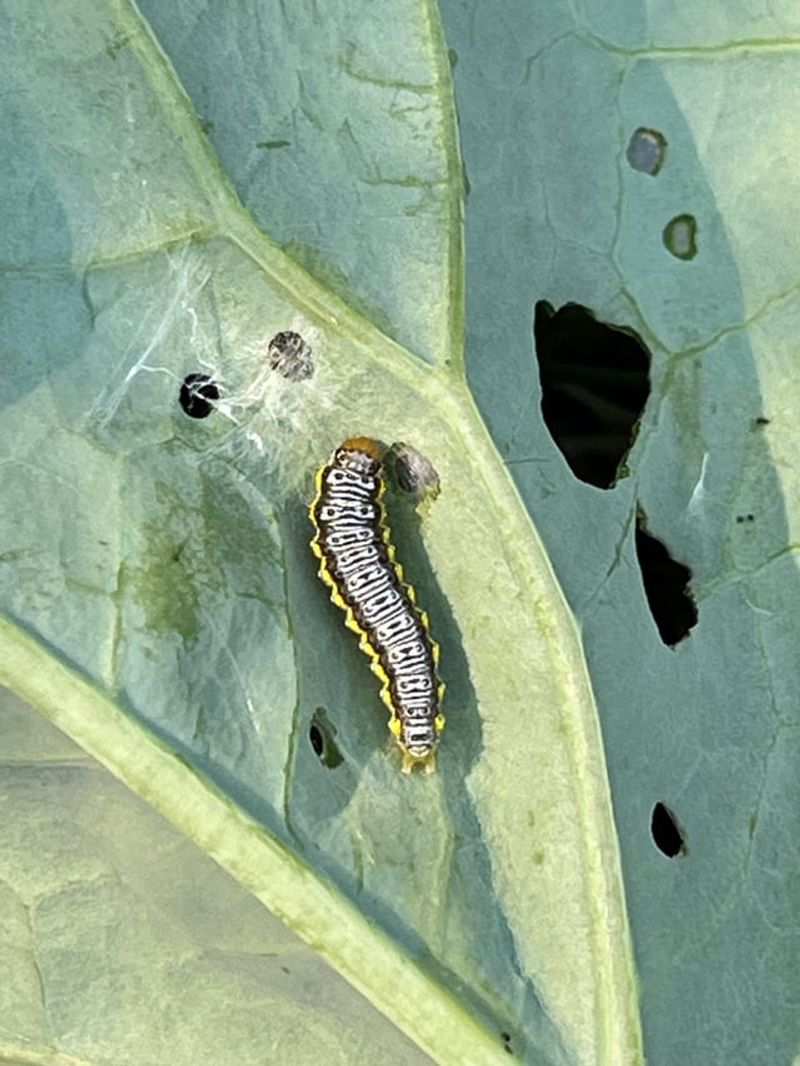
The underside of the leaf is where the story usually starts.
A quick glance across the top of broccoli or cabbage leaves can miss the eggs, tiny larvae, and early feeding signs that matter most. Caterpillars often begin life tucked away from sun, rain, and casual observation.
Flip leaves during every check. This one habit can change the whole season.
Start low on the plant. Lower leaves near the soil can hide early damage and droppings.
Your Ohio Garden Changes Every Week. Your Plan Should Too.
Gardening in Ohio changes quickly throughout the season. Every Friday you’ll receive a simple weekly plan showing exactly what to plant, prune, fertilize, harvest, and protect so you never miss the right timing.
Then move upward. New growth near the center often attracts the most damaging feeding.
Open curled or overlapping leaves. A protected fold can hold eggs or small larvae.
Look along the veins. Green caterpillars blend beautifully with brassica leaves.
Watch for frass. Dark pellet-like droppings often appear before the caterpillar is easy to spot.
Trace the droppings. Frass on an outer leaf may point toward a larva tucked deeper inside.
Check the central growth carefully. Caterpillars feeding there can damage the part of the plant you most want to harvest.
Heading crops need extra attention. Cabbage, cauliflower, and Brussels sprouts have tight folds where larvae can hide.
Do not rush the inspection. A fast top-only scan creates false confidence.
Leaf undersides are not a minor detail.
They are where a manageable problem often hides before becoming an obvious one.
3. Confusing The Three Main Caterpillars
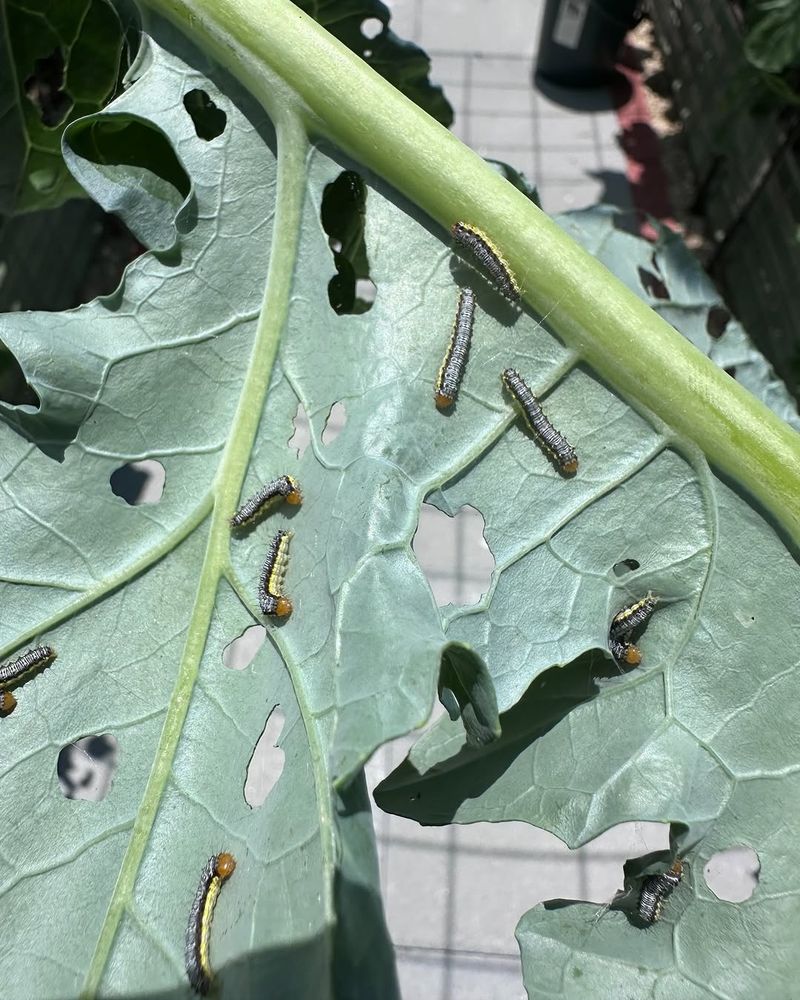
Not every green caterpillar is the same.
Ohio fall brassicas can attract imported cabbageworms, cabbage loopers, and cross-striped cabbageworms. They all chew brassica leaves, but their appearance and habits differ enough that identification helps you respond better.
Imported cabbageworms are velvety green. They often have a faint yellow stripe and move in a steady crawl.
Their adult form is familiar. The white butterfly with dark markings drifting around the garden is not just decorative.
Cabbage loopers move differently. They arch their bodies in a looping motion as they inch forward.
Loopers are usually smooth green. They may feed higher on the plant and can become fairly large.
Cross-striped cabbageworms look more dramatic. They can have pale green or yellowish bodies with dark crossbands.
They often feed in groups. That makes their damage feel sudden and intense.
Young cross-striped larvae can attack tender centers. Heading crops can suffer quickly when clusters move into protected growth.
Identification affects timing. Small larvae are easier to manage than large ones, no matter the species.
It also affects expectations. A lone imported cabbageworm does not behave exactly like a cluster of cross-striped cabbageworms.
You do not need expert-level knowledge. A careful look at color, movement, and feeding pattern tells you plenty.
Treating every caterpillar as identical can lead to sloppy timing.
Knowing the culprit helps you decide how urgently to act and where to look next.
4. Adding Row Cover After Egg Laying
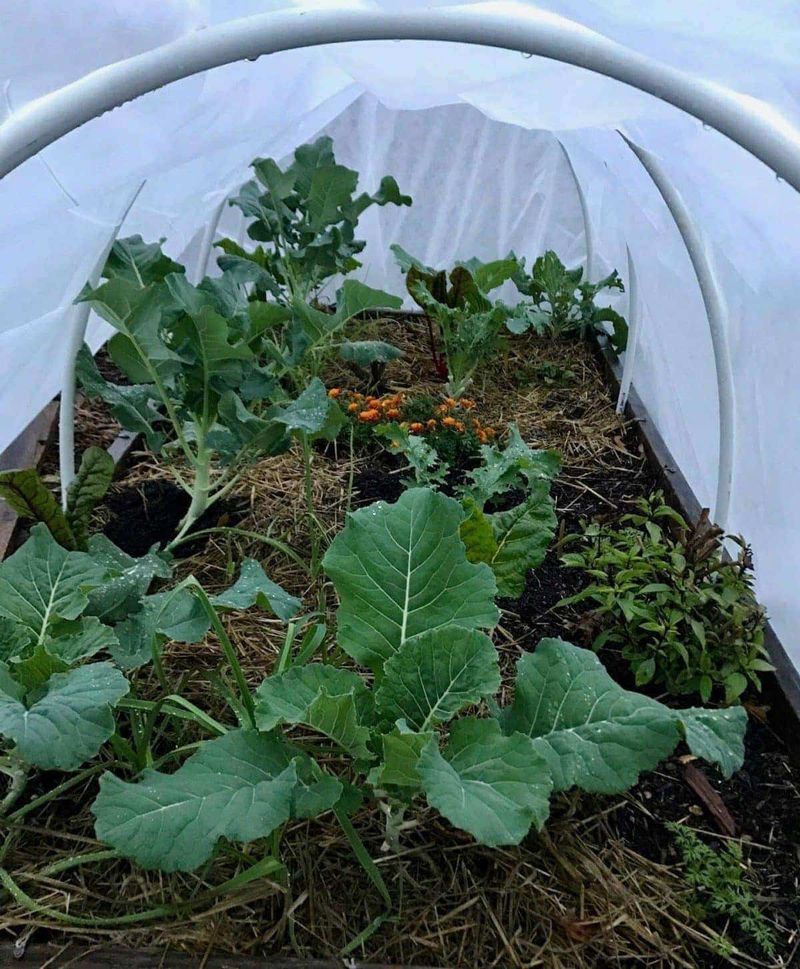
Row cover works only when it starts clean.
Floating row cover can be one of the best tools for fall brassicas, but it must go on before butterflies and moths reach the crop. Covering plants after eggs are already present simply traps the future caterpillars inside with their food.
Inspect plants before covering. Every transplant should be checked closely on both sides of the leaves.
Remove eggs first. A covered egg still hatches.
Look for tiny larvae too. Small caterpillars can be easy to miss near veins or central leaves.
Cover immediately after planting when possible. The less open time, the fewer chances adults have to lay eggs.
Do not cover weedy brassica relatives. Wild mustard and other mustard-family weeds near the bed can attract pests and complicate the area.
Clean the bed before transplanting. Removing host weeds reduces the local landing zone for egg-laying adults.
Rotate brassicas when possible. Planting in a fresh bed reduces pest and disease pressure from the previous crop.
Do not assume nursery plants are pest-free. Transplants can occasionally arrive with eggs or tiny larvae already present.
Inspect again a few days after covering. Any missed larvae will start feeding under protection.
Row cover is prevention, not correction.
It is powerful when installed before the pests arrive and frustrating when used after they are already inside.
5. Leaving Row Cover Edges Loose
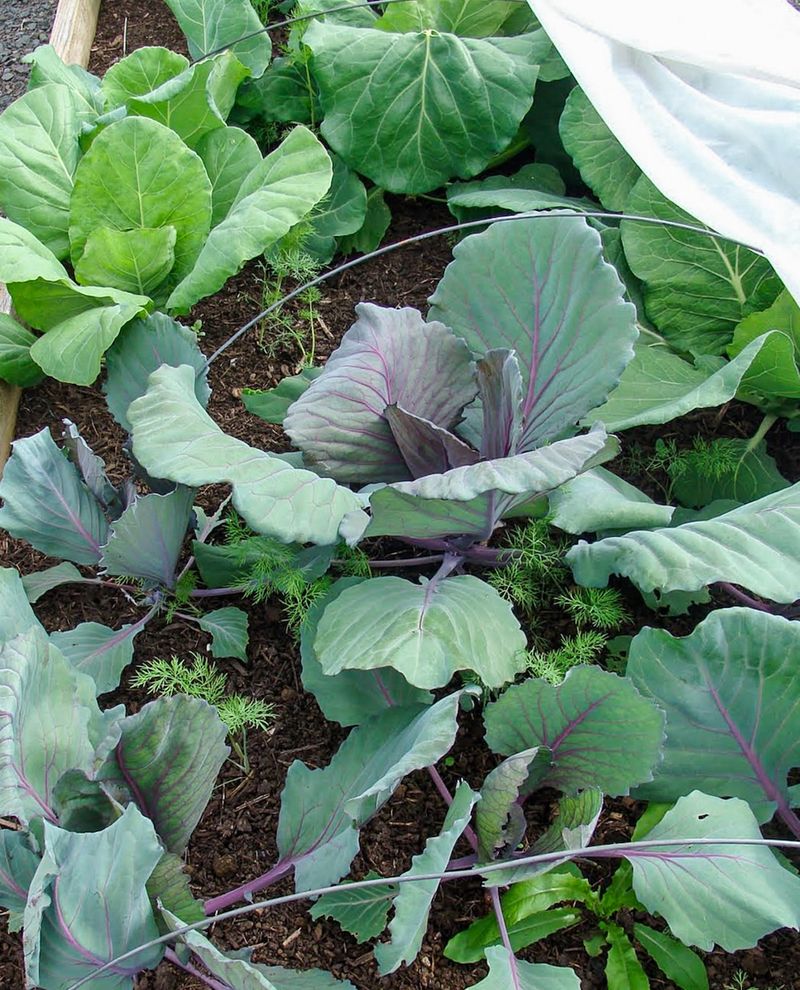
A loose edge is an open door.
Row cover can look secure from a distance while still leaving small gaps along the soil line. Butterflies and moths do not need a grand entrance. A lifted corner, loose seam, or uncovered end can be enough.
Seal the entire perimeter. The cover should meet the ground continuously.
Burying edges is secure. A few inches of soil can hold fabric firmly through wind and rain.
Garden staples can help. Use enough of them to prevent gaps between anchor points.
Boards, bricks, or sandbags also work. The weight should hold the fabric down without tearing it.
Corners deserve special attention. They lift first and are easy to overlook.
Overlap seams generously. Two pieces of row cover should not meet with a narrow crack between them.
Use hoops when possible. Fabric resting directly on leaves can create problems as plants grow.
Hoops also protect the canopy. They keep the cover from pressing on tender centers.
Check after storms. Wind can shift fabric and open gaps overnight.
Repair tears quickly. A small rip can allow enough access for a new round of egg laying.
Do not set it once and forget it. Growing plants can push fabric up and loosen the edges.
Row cover fails from the edges inward.
A well-sealed cover can prevent a lot of caterpillar pressure, while a loose one can quietly become a pest tent.
6. Spraying Without Full Leaf Coverage
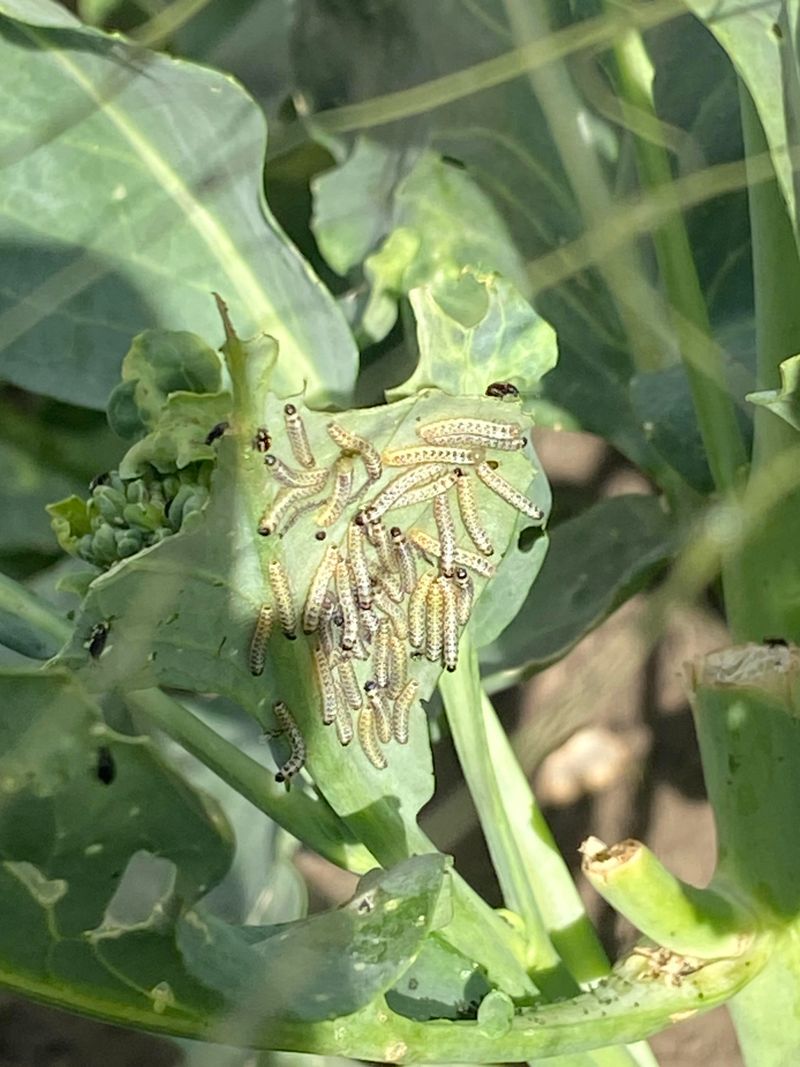
A quick spray across the top is not enough.
Many gardeners reach for a caterpillar product and treat only the upper leaf surfaces. That misses the places larvae often feed: undersides, folded leaves, and protected central growth.
Coverage has to match the pest. Caterpillars must contact or eat treated tissue, depending on the product.
Aim under the leaves. Tilt the nozzle upward and move slowly enough to coat hidden surfaces.
Open folded leaves when practical. A larva tucked inside a fold may avoid casual spray.
Reach the plant center. Heading crops need coverage where young leaves are packed tightly.
Treat small larvae first. Younger caterpillars are easier to manage than large, mature feeders.
Hand-pick large caterpillars before spraying. Dropping them into soapy water stops damage immediately.
Time applications for dry weather. Rain can wash products from the leaf surface.
Repeat only according to the label. Product rates and intervals matter.
Do not spray during pollinator activity when avoidable. Brassicas may flower nearby, and garden beneficials should be protected.
Wear protective gear listed on the label. Even lower-risk products need careful handling.
Spraying is not magic.
It only works when the right product reaches the right feeding sites at the right stage.
7. Stopping Checks After One Treatment
One successful treatment does not end the season.
Caterpillar pressure can return quickly in late summer and early fall. Adult butterflies and moths continue moving through Ohio gardens as long as weather and host plants allow. New eggs can appear after yesterday’s cleanup.
Keep scouting every few days. Do not wait for the second wave to become obvious.
Look at new growth first. Tender leaves are attractive and easily damaged.
Check the row cover again. A tear, loose edge, or uncovered watering session can restart the problem.
Watch after warm sunny stretches. Adult activity often increases when conditions turn pleasant.
Do not rely on memory. A row that was clean last week may not be clean today.
Mark treatment dates. This helps you follow label intervals and avoid unnecessary applications.
Note what you found. Eggs, tiny larvae, large larvae, and frass tell different stories.
Inspect after heavy rain. Products may need reapplication according to their labels, and covers may shift.
Hand-pick between treatments. Small daily actions can reduce the need for stronger responses.
Stay engaged through harvest. Cabbage worms do not politely disappear because the calendar says fall.
Consistency matters more than intensity.
A good cabbage worm plan is a routine, not a one-time rescue.
8. Ignoring Weeds In The Mustard Family
The crop row is not the only host zone.
Mustard-family weeds near the garden can support the same pests that later move onto broccoli, cabbage, kale, and cauliflower. A tidy brassica bed surrounded by host weeds is still inviting trouble.
Look along fences and paths. Weedy edges often hold the plants gardeners forget to check.
Watch for wild mustard. It can attract egg-laying adults before your crop is even planted.
Shepherd’s purse can also matter. Small weeds may still function as pest hosts.
Remove host weeds before transplanting. That reduces nearby places for caterpillars to begin.
Keep the area clean through fall. New weeds can appear after rain and cooler weather.
Do not let weeds flower and seed. Future weed pressure creates future pest habitat.
Pull weeds gently near young transplants. Disturbing brassica roots can stress plants.
Use mulch carefully. A light layer can reduce weed germination without hiding pests or keeping soil too wet.
Check compost edges. Volunteer brassicas or mustard relatives can appear in rich disturbed spots.
A garden is more than the planted row.
Cleaning up nearby host weeds removes the backup habitat that keeps cabbage worm pressure coming.