Why Indiana Homeowners Keep Facing Sudden Lawn Browning
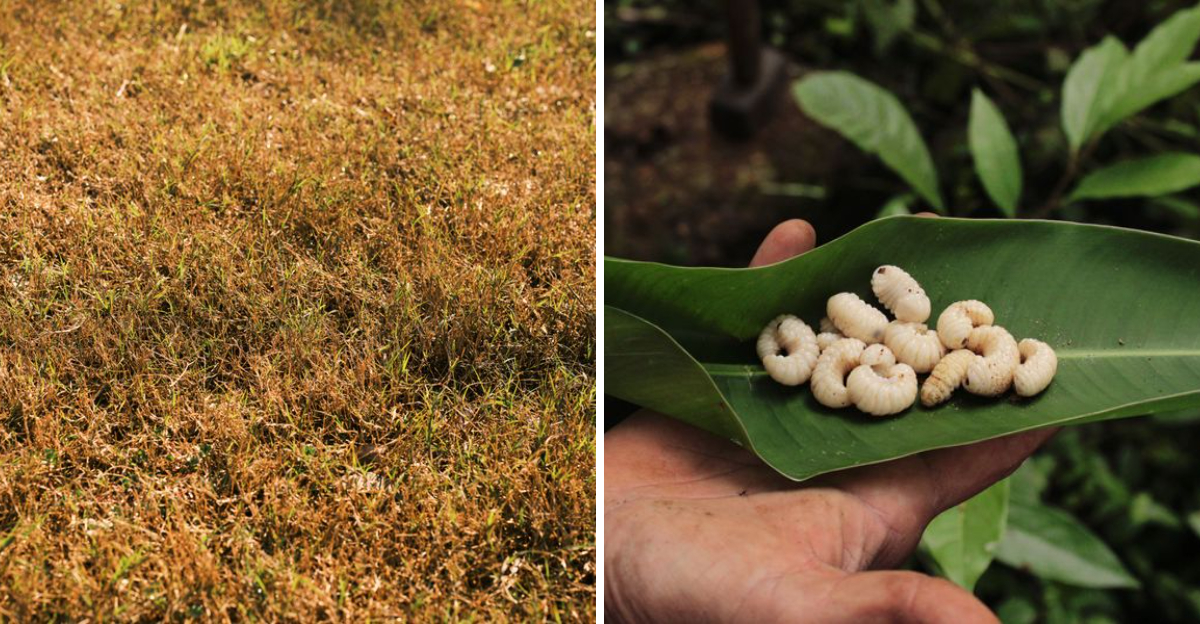
Green disappears overnight, and you actually wake up feeling puzzled. Patches spread quickly across your yard like scattered shadows. Curiosity builds before you even know what changed your grass.
Indiana homeowners like you notice this happen every season. Heat presses down hard while your clay soil holds moisture unevenly. Rain visits your Indiana lawn, then vanishes completely.
Fungus spreads slowly while grubs work through your roots underground. Drought stress can resemble disease, puzzling even you completely. Nothing about your entire lawn’s problem ever stays simple or predictable.
That unpredictable climate creates challenges for homeowners like you. Answers exist, hidden deep inside symptoms you may have overlooked completely.
Color, texture, and pattern each reveal a different culprit to you. Understanding these signals helps you separate a quick fix from lasting trouble.
Every single brown patch tells you a specific, traceable story. You’re about to learn exactly what your lawn is saying.
1. The Most Common Causes Of Sudden Brown Patches
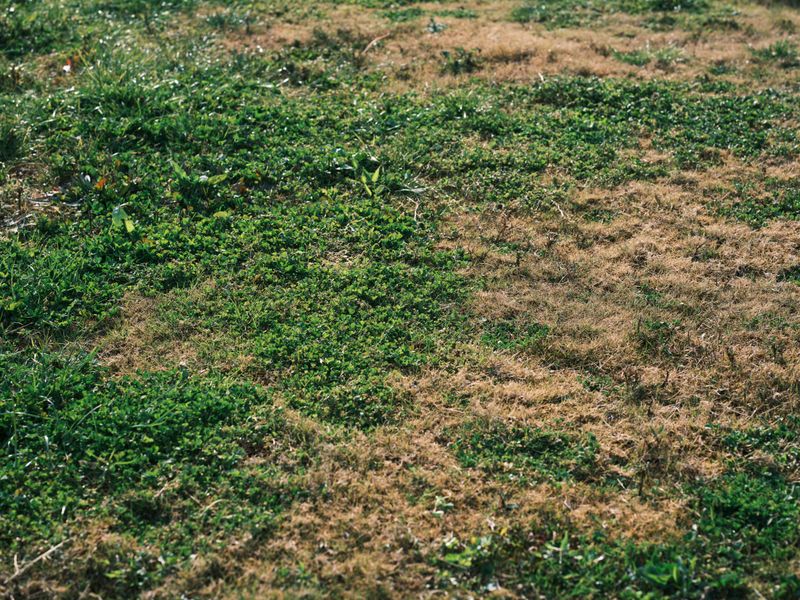
Your lawn looked fine on Tuesday, and by Friday it looks like something went seriously wrong. Sudden brown patches are one of the top complaints from Indiana homeowners every single summer.
The most frequent cause is drought stress, which hits fast when temperatures spike above 90 degrees. Grass goes dormant to protect itself, and that dormancy looks a lot like damage.
Fungal disease is another big player, especially after stretches of humid, rainy weather. Brown patch fungus thrives in warm nights above 70 degrees combined with wet grass blades.
Lawn browning in Indiana can also come from lawn burn caused by fertilizer applied too heavily. Nitrogen overload scorches the roots and turns large sections tan almost overnight.
Dog urine is a surprisingly common culprit that creates small, circular brown patches ringed by dark green grass. The high nitrogen in urine essentially burns the soil in concentrated spots.
Thatch buildup blocks water from reaching roots during dry spells. A thick thatch layer traps heat and moisture at the surface, making the grass above it struggle.
Compacted clay soil, common across central Indiana, prevents water from soaking in deeply. Shallow roots then dry out fast during any short dry spell.
Identifying which cause is affecting your yard is the first step toward fixing it. Each problem has a different solution, and treating the wrong one wastes time and money.
2. How To Tell Fungus From Drought Stress
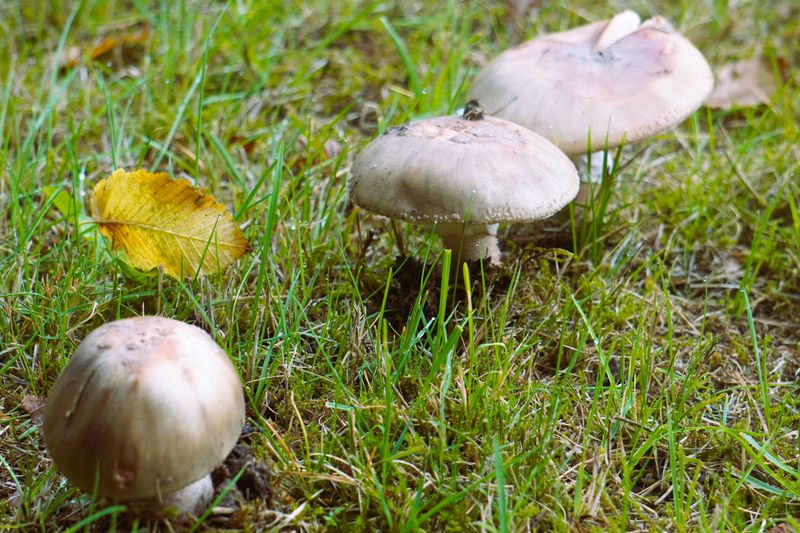
Fungus and drought stress look almost identical at first glance, but they behave very differently up close. Knowing which one you have saves you from treating the wrong problem entirely.
Drought stress turns grass a uniform tan or straw color across large open areas. The browning follows sun exposure patterns, hitting south-facing slopes and open areas hardest.
Fungal disease, by contrast, creates circular or irregular patches with distinct edges. You might notice a smoky gray ring around the brown zone, especially early in the morning.
Grab a handful of brown grass and tug gently on it. Drought-stressed grass pulls up with its roots still attached, while fungus-damaged grass snaps off easily at the base.
Your Indiana Garden Changes Every Week. Your Plan Should Too.
Gardening in Indiana changes quickly throughout the season. Every Friday you’ll receive a simple weekly plan showing exactly what to plant, prune, fertilize, harvest, and protect so you never miss the right timing.
Check the timing of your watering schedule too. If your lawn browns despite consistent irrigation, fungus is a much more likely suspect than water shortage.
Look at the grass blades themselves under good light. Fungal infection often leaves tan lesions with brown or purple borders on individual blades before the whole patch turns brown.
Indiana’s humid summers create ideal conditions for diseases like brown patch, dollar spot, and pythium blight. These spread fast when nighttime temperatures stay warm and dew lingers on blades.
Switching to morning watering helps prevent fungal spread by letting grass dry out before evening. Knowing the difference between these two problems is the key to saving your lawn quickly.
3. Grub Damage And Other Hidden Culprits
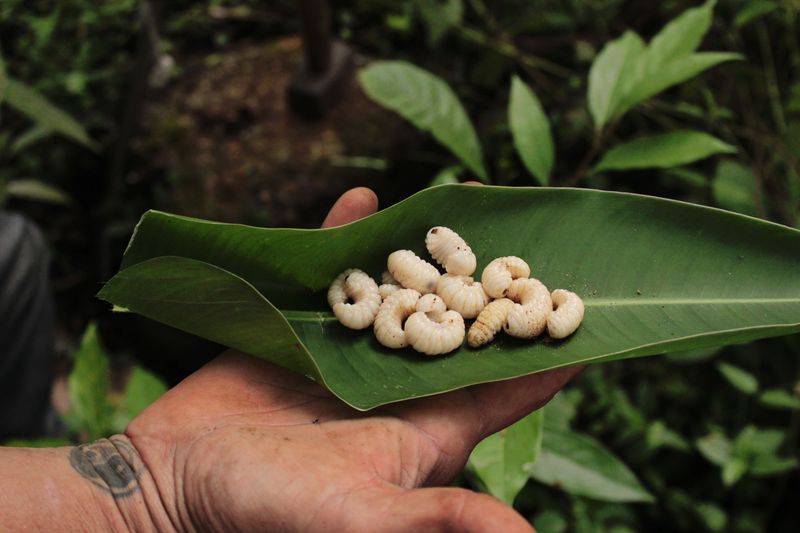
Sometimes the real trouble is happening underground where you cannot see it at all. Grub damage is sneaky, and by the time you notice brown patches, the roots are already gone.
Japanese beetle and masked chafer larvae are the most common grub species across Indiana. They feed on grass roots through late summer, severing the connection between soil and blade.
The telltale sign of grub damage is turf that rolls back like a loose carpet. If you can lift the damaged section with your hands, grubs are almost certainly underneath.
Skunks and raccoons digging up your lawn overnight are another clue. These animals are actually hunting grubs and will tear up large areas searching for a meal.
Chinch bugs are another hidden culprit that many homeowners overlook completely. These tiny insects suck moisture from grass stems, leaving behind yellow and brown patches that spread outward from hot, sunny areas.
Billbug larvae also feed on grass roots in Indiana, causing damage that mimics drought stress. Their presence is often confirmed by finding small, legless white larvae near the thatch layer.
Mole tunnels running beneath your lawn can also disrupt roots and cause browning along their paths. The raised ridges and soft spots in your turf are the giveaway signs.
Checking for these hidden culprits early gives you the best shot at treating the lawn before damage spreads across the whole yard.
4. Why Timing And Weather Make A Difference In Indiana
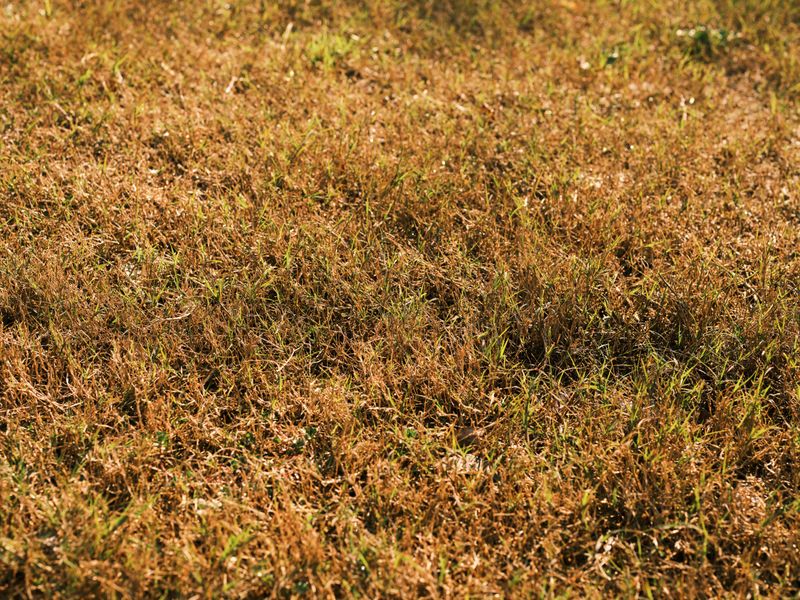
Indiana weather is notoriously unpredictable, and your lawn reacts to every shift in temperature and rainfall. Timing matters more than most homeowners realize when it comes to sudden browning.
Lawn browning in Indiana peaks in July and August when heat stress combines with inconsistent summer rainfall. Grasses like Kentucky bluegrass and tall fescue are especially sensitive to this pressure.
A stretch of 90-degree days after a wet spring sets up the perfect conditions for both drought stress and fungal disease. The lawn gets confused by the rapid shift in conditions.
Cool-season grasses go dormant naturally during intense heat, which is a built-in survival mechanism. This dormancy can look alarming but is actually the lawn protecting itself from permanent harm.
Spring brown patches often signal a different set of problems, including snow mold from winter and early-season fungal activity. Indiana winters leave behind moisture under matted grass that breeds disease quickly.
Fall is when grub damage becomes most visible, even though the larvae have been feeding since late spring. Homeowners often blame fall drought when grubs are the actual culprit.
Watering at the wrong time of day also plays a role in how weather affects your lawn. Evening watering leaves blades wet overnight, which meaningfully increases fungal disease risk during humid Indiana summers.
Syncing your lawn care routine with seasonal patterns gives your grass the best chance of staying healthy through every weather swing Indiana throws at it.
5. Quick Tests You Can Do At Home
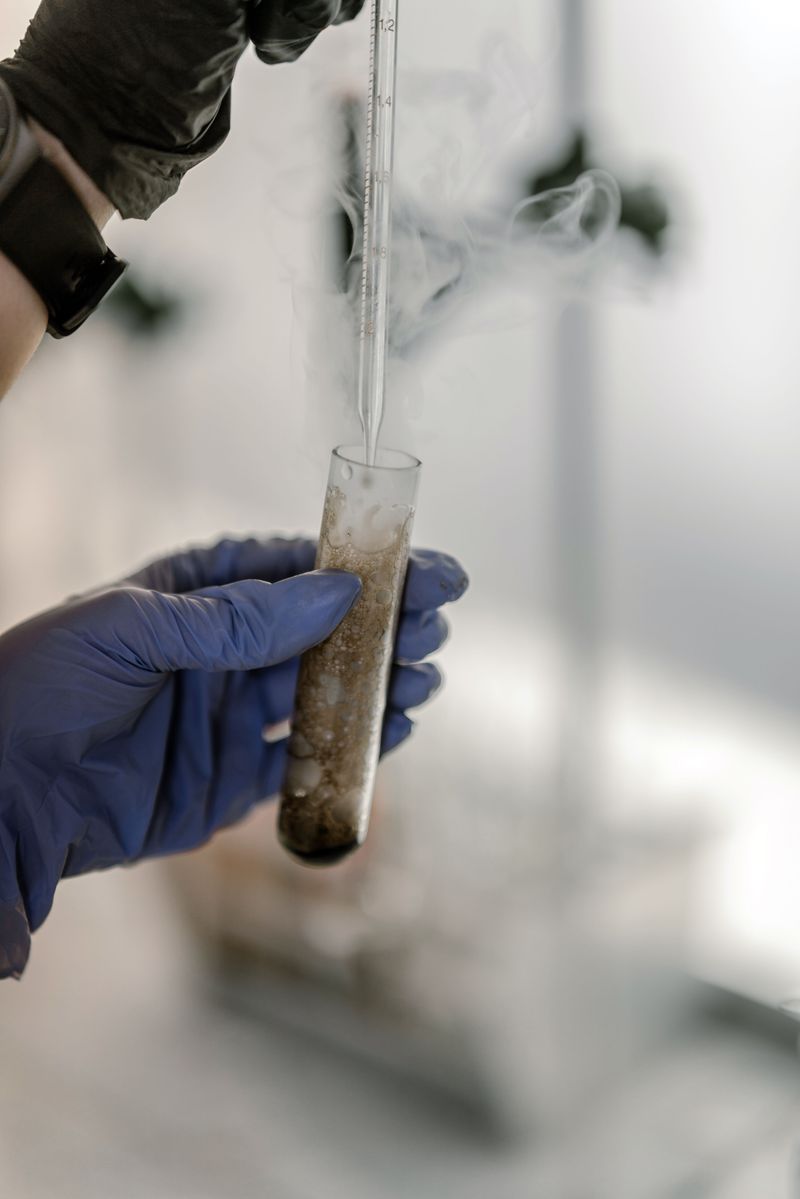
You do not need a lab or a lawn professional to figure out what is wrong with your grass. A few simple at-home tests can point you toward the right answer fast.
The screwdriver test checks for soil moisture and compaction at the same time. Push a standard screwdriver six inches into the soil where grass looks brown and notice how hard it is.
If the screwdriver slides in easily, your soil has moisture and the browning is likely fungal or insect-related. If it barely moves, drought stress or soil compaction is your problem.
Try the tug test next to check for grub damage. Grab a handful of brown grass near the edge of a patch and pull firmly to see if it lifts like a mat.
For fungal disease, check your lawn at sunrise when dew is still present. Look for white or gray powdery coating on blades, which confirms active fungal growth in the area.
The coffee can irrigation test measures how evenly your sprinkler covers the lawn. Place several cans across the yard, run your system, and measure how much water each one collects.
Uneven coverage often explains why some sections brown while others stay green. Adjusting your sprinkler heads based on this test can notably improve lawn health beneath the surface.
These tests cost nothing and take under ten minutes, giving you real answers before you spend money on treatments that may not match your actual problem.
6. When To Treat It Yourself And When To Call A Pro
Knowing when to grab a product off the shelf and when to call for backup is a skill every homeowner needs. Some lawn problems respond great to DIY care, while others require professional tools.
Minor fungal patches smaller than a dinner plate can often be treated with an over-the-counter fungicide from your local garden center. Apply it early in the morning and avoid watering for the time period listed on the product label.
Grub infestations covering large sections of the lawn are usually a sign that the population is too large for a basic fix. A professional can apply a targeted treatment at the right soil depth.
If brown patches keep returning in the same spots year after year, something systemic is wrong. Recurring problems often involve soil chemistry, drainage issues, or persistent pest pressure that needs expert diagnosis.
Soil testing through Purdue Extension is a smart step before spending money on any treatment. The test is affordable and tells you exactly what your soil is missing or has too much of.
Lawn care professionals in Indiana can also use diagnostic tools like moisture meters and fungal culture tests. These give a much more precise answer than visual inspection alone can provide.
Act quickly if your brown patches are spreading rapidly across the yard. Fast-spreading damage often means a living organism
Sudden lawn browning in Indiana is fixable, but acting quickly and choosing the right approach makes all the difference in saving what is left of your yard.
7. Soil Compaction And Its Role In Lawn Decline
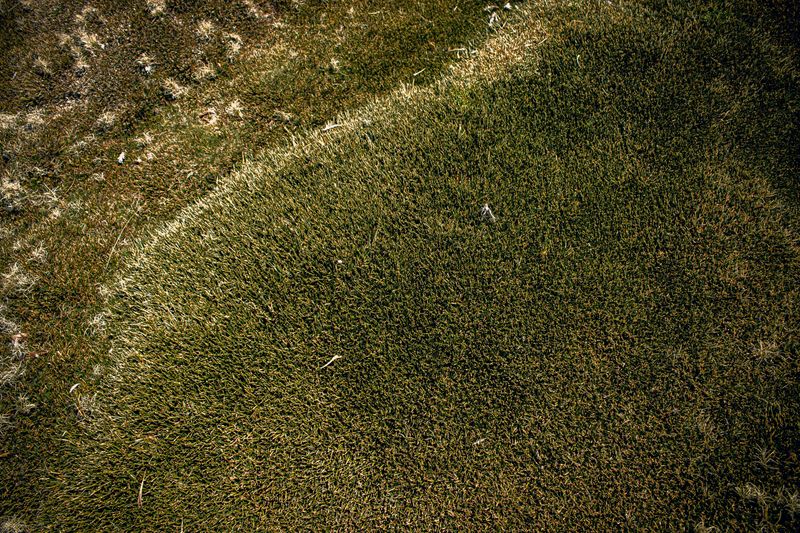
Clay soil is everywhere in Indiana, and it packs down harder than almost any other soil type. Once compacted, it becomes nearly impossible for water and air to reach grass roots below the surface.
Foot traffic, heavy lawn equipment, and even rainfall can compact Indiana soil over time. The result is a dense layer that grass roots simply cannot push through to find moisture.
Compacted lawns often brown in irregular patterns that follow high-traffic areas. Paths where kids run, parking areas, and spots near gates tend to go brown first during dry spells.
Aeration is the most effective solution for compacted Indiana soil. A core aerator pulls small plugs of soil out of the ground, creating channels for water, air, and nutrients to flow through.
Fall is the best time to aerate cool-season grass in Indiana. The soil is workable, temperatures are dropping, and grass has time to recover before winter sets in.
After aerating, topdressing with a thin layer of compost helps break up clay structure over time. This is a long-term fix that improves your soil quality season after season.
Many homeowners skip aeration because it looks a little messy right after the process. But those soil plugs break down in a week or two and noticeably improve lawn health beneath the surface.
Treating compaction early keeps your grass rooted deeply enough to survive the heat and dry spells that hit Indiana every single summer without fail.
8. Thatch Buildup And Why It Stresses Your Grass
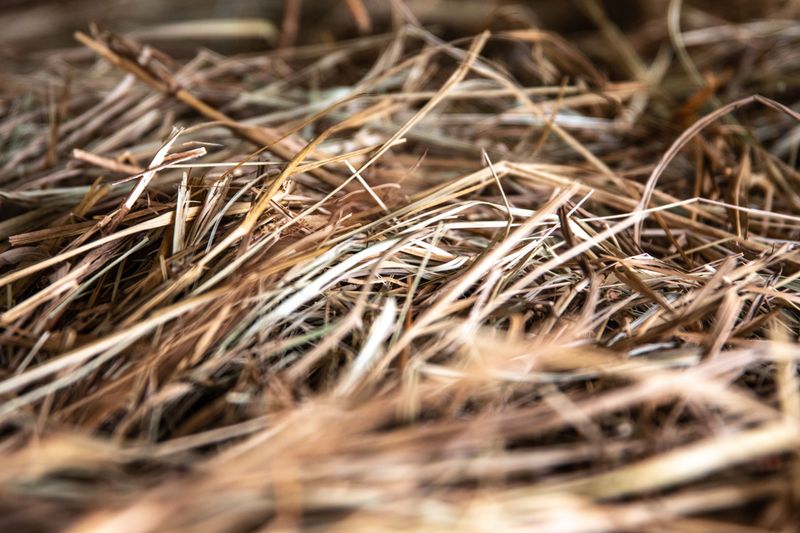
Thatch is the layer of decomposed stems, roots, and organic material that builds up between your grass blades and the soil surface. A thin layer is normal and even helpful, but too much becomes a serious problem.
When thatch exceeds half an inch, it starts blocking water from soaking into the soil below. Grass roots begin growing up into the thatch layer instead of down into the soil, making them extremely vulnerable to heat.
Lawns with heavy thatch brown out faster during dry spells because their roots have almost no access to deep soil moisture. The thatch itself dries out quickly and acts like insulation against rain.
Kentucky bluegrass and other dense, spreading grasses common in Indiana lawns are notorious for building thatch fast due to their horizontal growth patterns. Indiana homeowners with these grass types should check thatch depth every spring.
Dethatching with a power rake or vertical mower removes the excess layer and lets your lawn breathe again. It looks rough immediately after, but the lawn recovers within a few weeks.
Overwatering actually accelerates thatch buildup by encouraging shallow root growth. Cutting back on irrigation frequency and watering deeply instead trains roots to grow down where they belong.
Topdressing after dethatching speeds up microbial activity in the soil. Those microbes naturally break down organic matter and keep thatch from accumulating as fast the following season.
Staying on top of thatch is one of the most overlooked ways to keep your Indiana lawn from browning unexpectedly during summer heat.
9. Watering Mistakes That Speed Up Browning
Believe it or not, overwatering and underwatering can produce almost identical symptoms in your lawn. Both lead to brown patches, and both are extremely common mistakes Indiana homeowners make.
Watering too frequently but too shallowly keeps moisture near the surface and encourages roots to stay shallow. When heat spikes, those shallow roots dry out within a day or two.
Watering deeply two to three times per week is far more effective than light daily watering. This approach pushes roots down into cooler, more stable soil where they can access moisture during dry stretches.
Evening watering is another mistake that creates serious problems during Indiana summers. Wet grass blades sitting overnight in warm, humid air are the perfect breeding ground for fungal disease.
Morning watering between five and ten in the morning is widely recommended for lawn health. Grass gets moisture when it needs it most, and the sun dries the blades before nightfall.
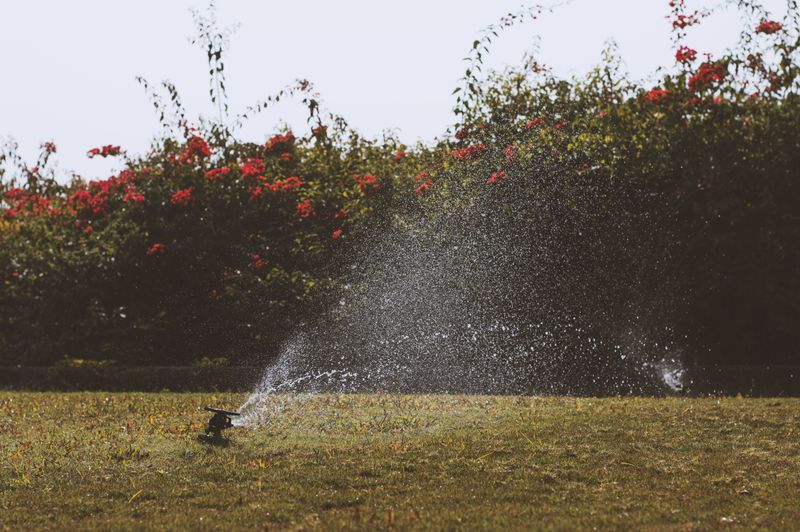
Sprinkler coverage gaps are also a sneaky cause of browning that many people never check. If your system has a coverage gap, that section will brown first during any dry period.
Pressure issues in irrigation systems can cause some heads to underperform without any visible sign of malfunction. Running your system manually and walking your yard while it runs helps catch these hidden gaps.
Fixing your watering habits costs nothing but a little attention, and it often solves browning problems without any additional products or treatments needed at all.