Tiny Bugs Are Swarming Indiana Window Screens This Fall
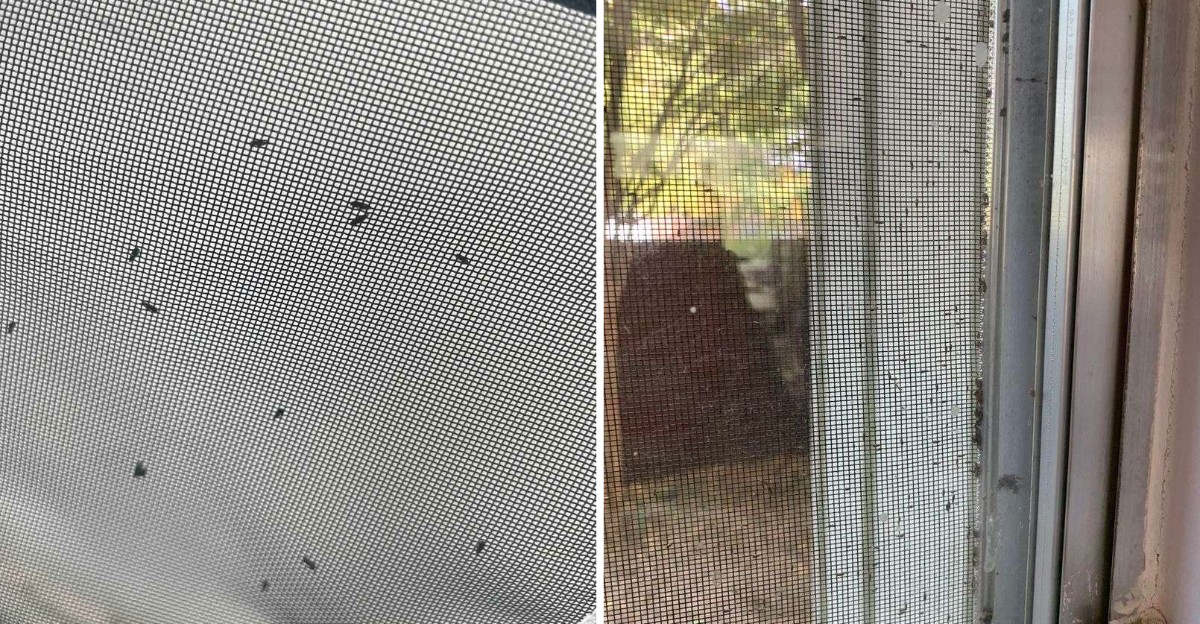
Fall in Indiana smells like apple pie, crunchy leaves, and bonfire smoke drifting across the yard. Then you glance at your window and notice the screen seems to be moving.
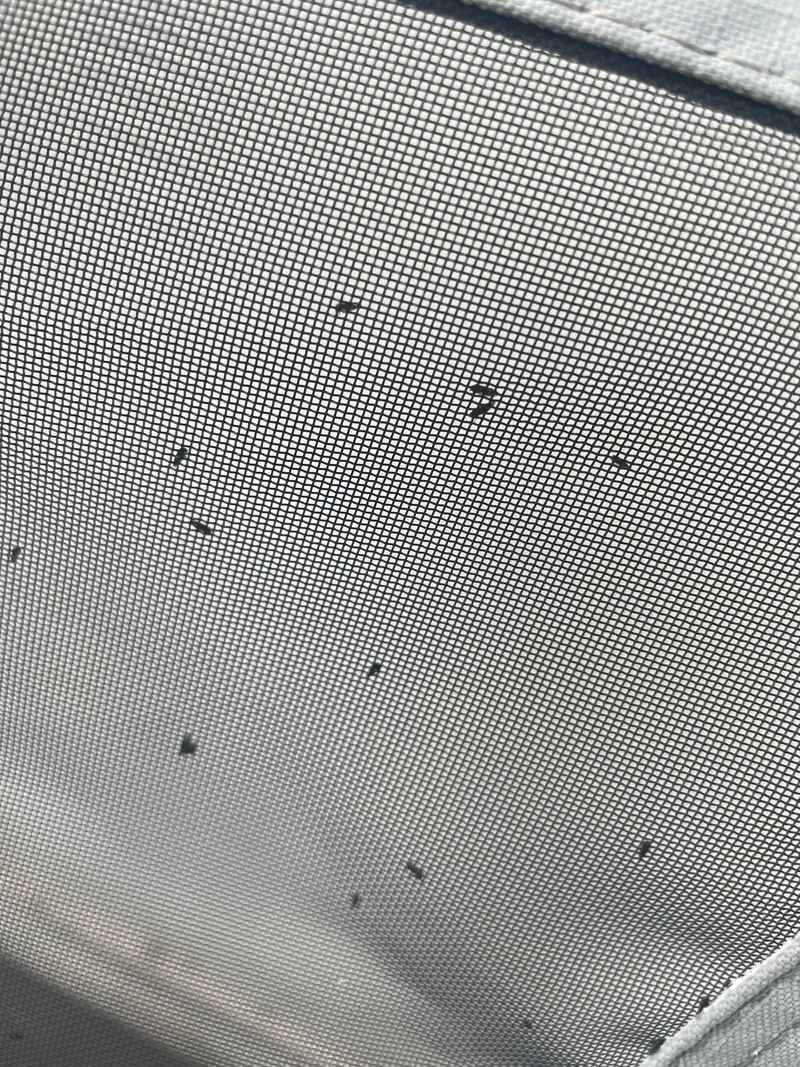
Look closer, and dozens of tiny specks are crawling, hopping, and clustering along the mesh. Some are even sneaking inside to explore your curtains.
Each fall, many Indiana homeowners share the same puzzled frown. Nobody invited these guests, yet they tend to show up around the same time each year. They seem to love sunny walls, pale siding, and any gap wider than a pencil point.
Brushing them away helps for about three seconds. The swarm has a perfectly natural explanation. Somewhere outside, a tree is probably laughing at your window screens.
Sap-Sucking Insects Tied To One Tree
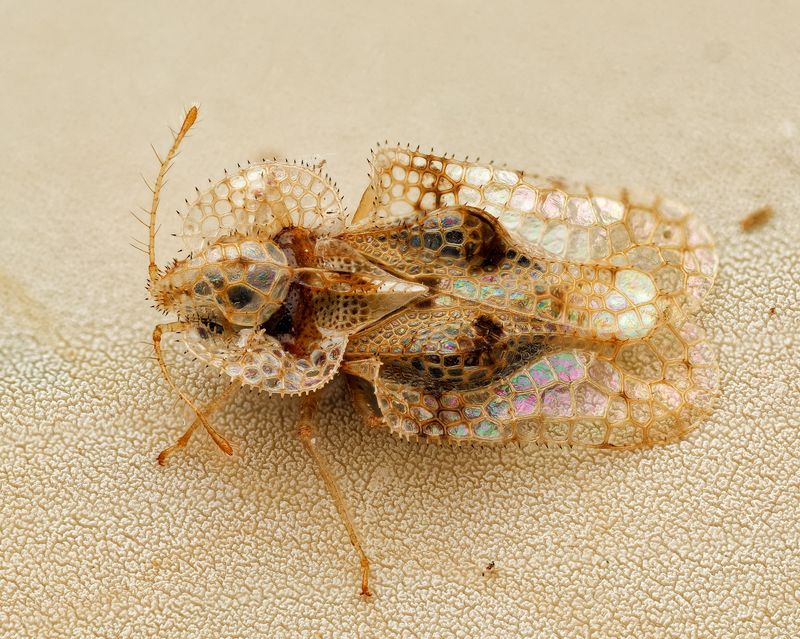
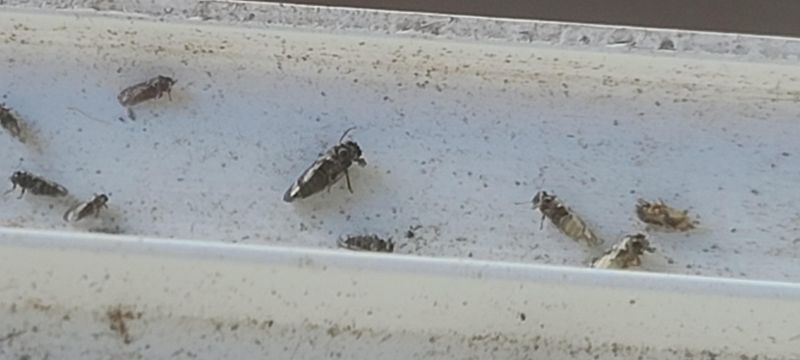
Those specks crawling across your screen are most likely hackberry psyllids, tiny sap-sucking insects related to aphids. They measure about one-eighth of an inch, so they slip through gaps with ease.
Look closely and you will see a little brownish body with clear, mottled wings folded like a tent. Some people mistake them for gnats or tiny cicadas at first glance.
Their life cycle is tied to hackberry trees, which are common across Indiana in yards, parks, and along creeks. Females lay eggs on the leaves in spring.
When the young hatch, they feed on the leaves and cause small bumps called nipple galls. If your hackberry leaves look warty, you have found their nursery.
By early fall, the adults leave those galls and go looking for a cozy place to spend the winter. Tree bark cracks work fine, but houses look even better.
Your window screen happens to sit right between the outdoors and a warm living room. That makes it an easy resting spot for a bug seeking shelter.
Here is a fun fact to share at dinner. Psyllids are sometimes called jumping plant lice because they can hop surprisingly far for their size.
So if a speck seems to vanish when you reach for it, it probably just leaped away. Knowing who you are dealing with is the first step toward peace at home.
Check the nearest big tree with gray, warty bark to confirm your suspicion. Chances are good a hackberry is standing within a block of your windows.
September Flights Toward Warm Houses
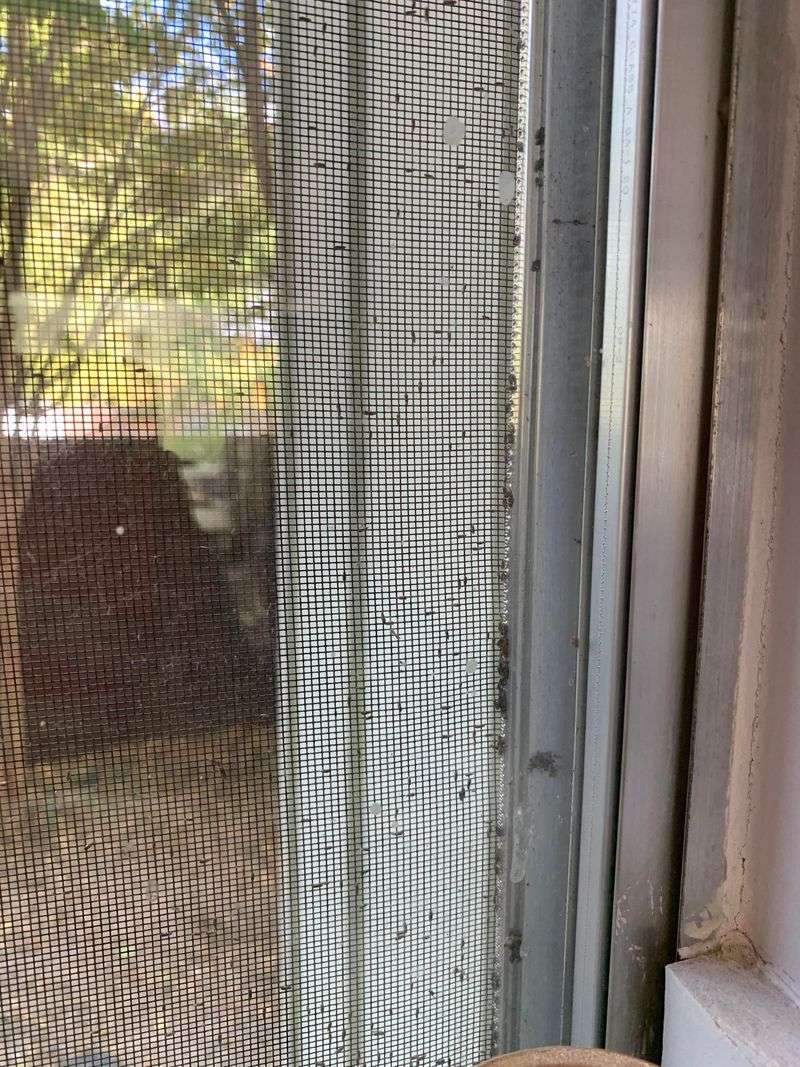
Picture a crisp September afternoon, sunlight warming the south side of your house. That warm wall is a spot psyllids tend to favor.
Adults usually start appearing in September and stay active into October across Indiana. Cooler nights push them to hunt for protected spots quickly.
Warm, sunny days after a chilly night often bring the biggest crowds. The bugs become active in the heat and drift toward bright, sun-soaked surfaces.
Light colors seem to attract them too, so white siding and pale trim may look speckled. Screens on the sunny side of the house usually collect the most.
Wind also plays a role in where they land. A breezy day can carry clouds of them from a nearby hackberry straight onto your porch.
Your Indiana Garden Changes Every Week. Your Plan Should Too.
Gardening in Indiana changes quickly throughout the season. Every Friday you’ll receive a simple weekly plan showing exactly what to plant, prune, fertilize, harvest, and protect so you never miss the right timing.
The swarm season does not last forever, so a little patience pays off. Once hard frosts arrive, most of the adults settle down and stop flying.
Many hide in bark crevices until spring, when they return to fresh hackberry leaves. The cycle then starts again, right on schedule for next fall.
Keeping a simple calendar note can help you plan ahead. Mark late August as the time to inspect screens before the crowds show up.
Think of it like knowing when the school bus comes each morning. A little timing awareness saves a lot of frustration later.
Some years bring bigger swarms than others, depending on weather and tree health. A mild, dry summer can mean more psyllids waiting at your windows.
The Bug Spray Mistake Inside The House
Grabbing a can of bug spray feels like the natural reaction when your screens turn speckled. Unfortunately, that quick fix usually causes more trouble than it solves.
Indoor insecticides do little against a steady stream of new arrivals from outside. You might clear a window in the morning, only to see fresh bugs by lunch.
Spraying also leaves chemical residue on sills, curtains, and surfaces where kids and pets spend time. That is a lot of risk for a harmless pest.
Some folks try spraying the hackberry tree itself, hoping to stop the problem at the source. Large trees are hard to cover, and the effort rarely pays off.
Those sprays can also harm helpful insects like lady beetles and lacewings. Those good bugs may feed on psyllids and help keep their numbers down.
Another common error is pressing or rubbing the bugs into light fabrics or walls. Crushed psyllids can leave small stains that are annoying to scrub away.
Leaving windows open on warm fall days is a sneaky mistake as well. Even a tiny tear or loose screen frame invites a whole crowd indoors.
A calmer approach works better for most homes. Focus on blocking entry points and removing bugs gently instead of reaching for harsh chemicals.
Your wallet will thank you, and so will the lady beetles in your garden. Sometimes the smartest move is simply doing less.
Talk with a local extension office before trying any tree treatment. Purdue Extension experts can explain if a treatment even makes sense for your yard.
Simple Cleanup For Cluttered Screens
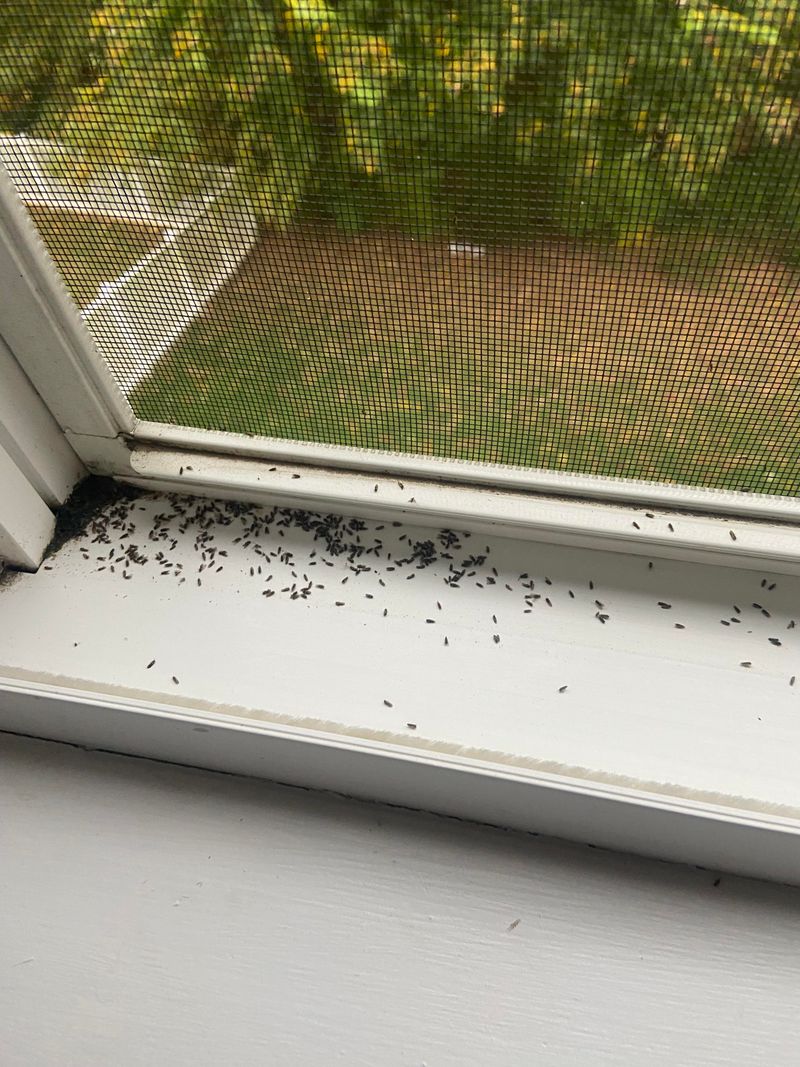
The best tools for this job are probably already in your closet. A vacuum cleaner with a hose attachment is your new best friend.
Run the hose slowly over indoor screens, sills, and window corners where psyllids gather. Empty the canister or toss the bag outside right away.
For outside screens, a garden hose with a gentle spray works nicely. Rinse from the top down so bugs wash away rather than into cracks.
A soft brush or lint roller handles smaller clusters on curtains and blinds. Roll lightly so you lift the bugs instead of pressing them into fabric.
Soapy water in a spray bottle can help on outdoor surfaces. Mix a few drops of dish soap with water and mist the bugs directly.
Wipe window frames afterward with a damp cloth to remove leftover residue. Clean glass and screens make it easier to spot new arrivals too.
Try to clean in the late afternoon when activity slows down. The bugs are sluggish then, which makes them easier to catch.
Kids can pitch in with the lint roller, turning cleanup into a quick game. Count how many specks each person collects for a silly household contest.
Repeat the routine every few days during peak season. Steady cleanup keeps numbers low until frost sends the swarms into hiding.
Keep a small handheld vacuum near your busiest window for quick touch-ups. Five minutes a day beats one giant cleaning session on Saturday.
A Harmless Nuisance For People Or Pets
Take a deep breath, because these little visitors are more annoying than dangerous. Psyllids do not sting pets or spread disease, and bites are rare.
They generally do not chew wood or eat your food, and they do not reproduce inside homes. Indoors, they simply wander around until they dry out.
Your hackberry tree will be fine too, even if its leaves look lumpy. Those galls are mostly a cosmetic issue and rarely harm a healthy tree.
Some leaves may drop a little early in heavy years. The tree bounces back each spring with fresh growth and plenty of shade.
The biggest real problem is the itchy feeling of seeing bugs on everything. A few people also notice mild skin irritation after brushing against swarms.
Washing your hands and wearing long sleeves outside helps if you feel sensitive. Most folks, though, just find them tickly and a bit gross.
In nature, psyllids serve as food for birds, spiders, and helpful insects. Your backyard chickadees might actually enjoy the fall buffet.
Seeing the bigger picture can make the swarm feel less like a problem. It is simply part of how Indiana trees and insects share the seasons.
Picture each tiny speck as a nervous houseguest looking for a warm couch. They mean no harm, even if their manners need some work.
Share that fact with worried neighbors who think something is seriously wrong. A quick explanation can turn worry into polite eye rolls.
Tighter Screens For Next Autumn
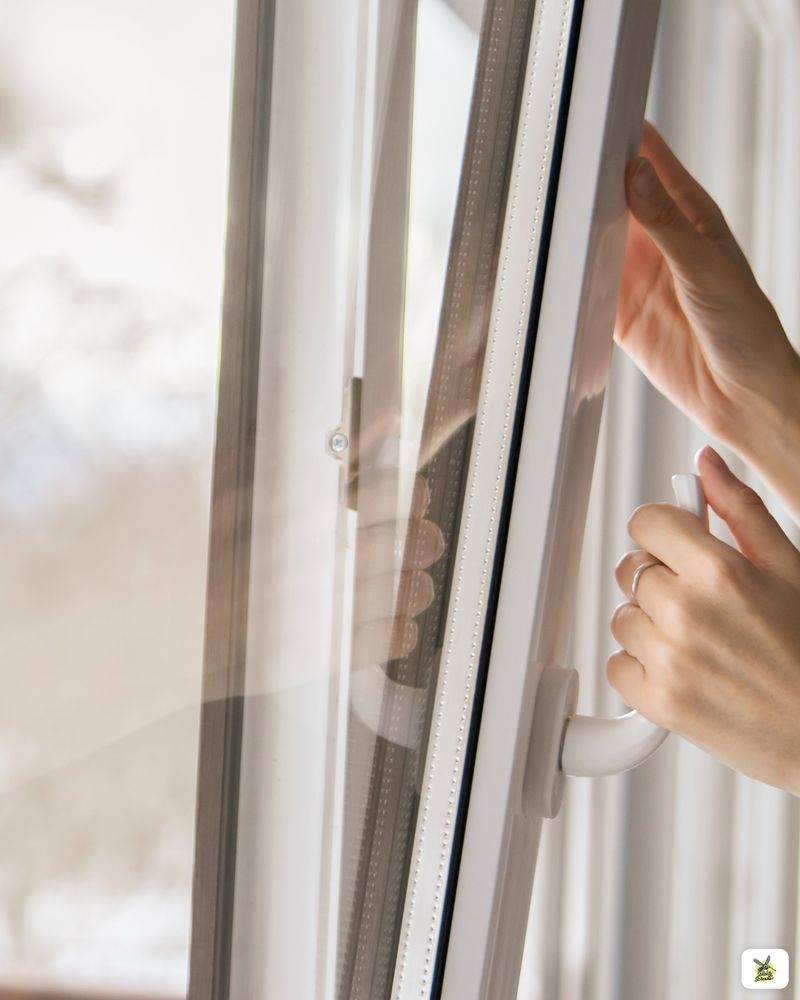
Next year can look very different if you prepare before the first cool nights. A little work in August pays off all autumn long.
Many standard window screens have openings large enough for psyllids to squeeze through. Consider upgrading to fine mesh, sometimes sold as no-see-um screening.
Check every screen for small tears, bent frames, or gaps along the edges. Patch kits from the hardware store fix minor holes in minutes.
Seal cracks around window frames, doors, and vents with fresh caulk. Weatherstripping along doors blocks another favorite entry route.
Keep windows closed on warm, sunny days during peak swarm weeks. Running a fan or air conditioner can keep rooms comfortable instead.
Planting choices matter too when you add new trees. If you want shade, consider maples, oaks, or other species that psyllids ignore.
Removing a healthy hackberry just for the bugs is usually not worth it. The tree still offers shade, wildlife food, and strong roots.
Your neighbors may also have hackberries, so teamwork helps. Sharing screen tips down the street means fewer bugs for everyone.
Write yourself a reminder to check screens around mid-August each year. Future you will be grateful when the windows stay clear.
Outdoor lights near doors can draw insects close, especially at dusk. Switching to yellow bulbs may cut down on evening visitors.
Finally, brush off bugs before stepping inside after yard work. Psyllids love hitching rides on shirts, hats, and backpacks.