Fall-Planted Trees Root Faster In Indiana Than Spring-Planted Ones
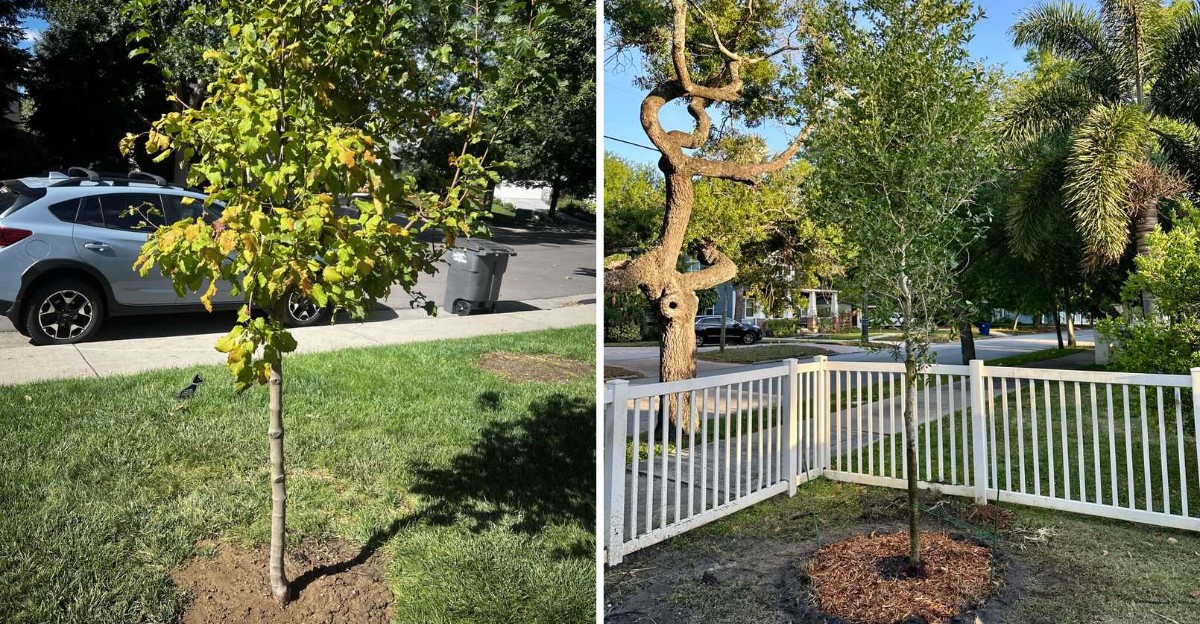
September in Indiana means dry corn husks, fallen apples, and somebody’s first pot of chili on the stove. The air turns crisp, the sky gets bluer, and your dusty garden gloves suddenly feel useful again.
Most folks treat spring as the grand opening for yard projects, like a shop with balloons tied out front. Yet the ground under your boots is quietly running a better sale right now, with no crowds at all.
Warm soil, cool air, and soft autumn rain make a cozy setup for anything settling into new ground. Picture a heated blanket for roots while everyone above ground is digging out sweaters and pumpkin spice.
Your neighbors may raise an eyebrow when you start digging holes in the middle of October. Just smile, wave your shovel, and let them guess if you’re burying treasure or hiding snacks from squirrels.
Root Growth That Continues After Leaf Drop
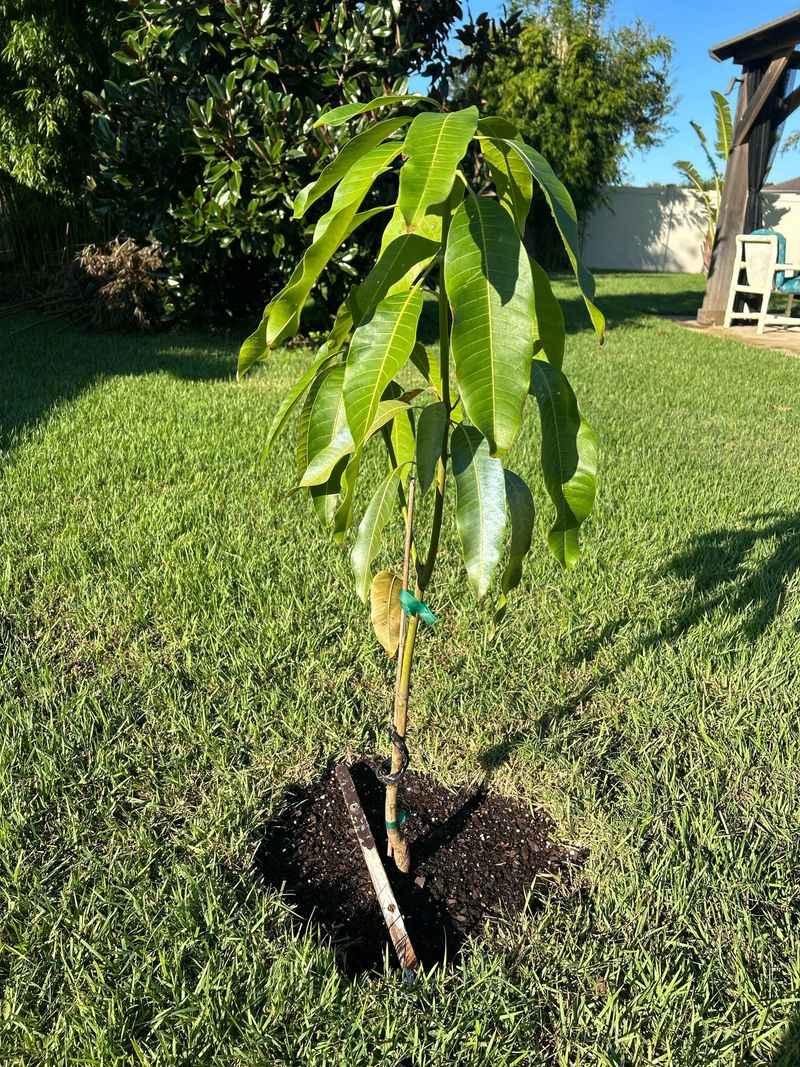
Here is a secret your maple would share if it could talk about its winter plans. Its roots keep working hard long after those bright orange leaves land on your lawn.
Leaves stop making food in autumn, but the underground part of a young tree runs on its own schedule. Roots grow whenever soil stays above about 40 degrees, and Indiana soil often stays that warm well into November.
Air temperature drops fast in fall, while soil cools slowly, like a pool that stays warm after sunset. That gap gives new trees weeks of quiet growing time without the stress of hot summer sun.
Spring-planted trees face a tougher deal because they must grow leaves and roots at the same moment. Then July heat arrives, and those tiny roots struggle to keep up with thirsty leaves above.
A fall-planted tree skips that rush by spending its energy below ground first. By the time spring buds open, it already has a head start of fresh roots reaching into the soil.
Extension experts across the Midwest point to this pattern as a big reason fall planting works so well. Some trees can add a surprising amount of new root growth before the ground finally freezes.
Want proof you can see with your own eyes? Gently pull back mulch near a fall-planted tree next April, and you may spot fresh white root tips.
Those pale tips are brand new growth, busy grabbing water and food. Think of them as the tree’s welcome mat for a strong first summer.
Species Suited To An Indiana Fall Planting
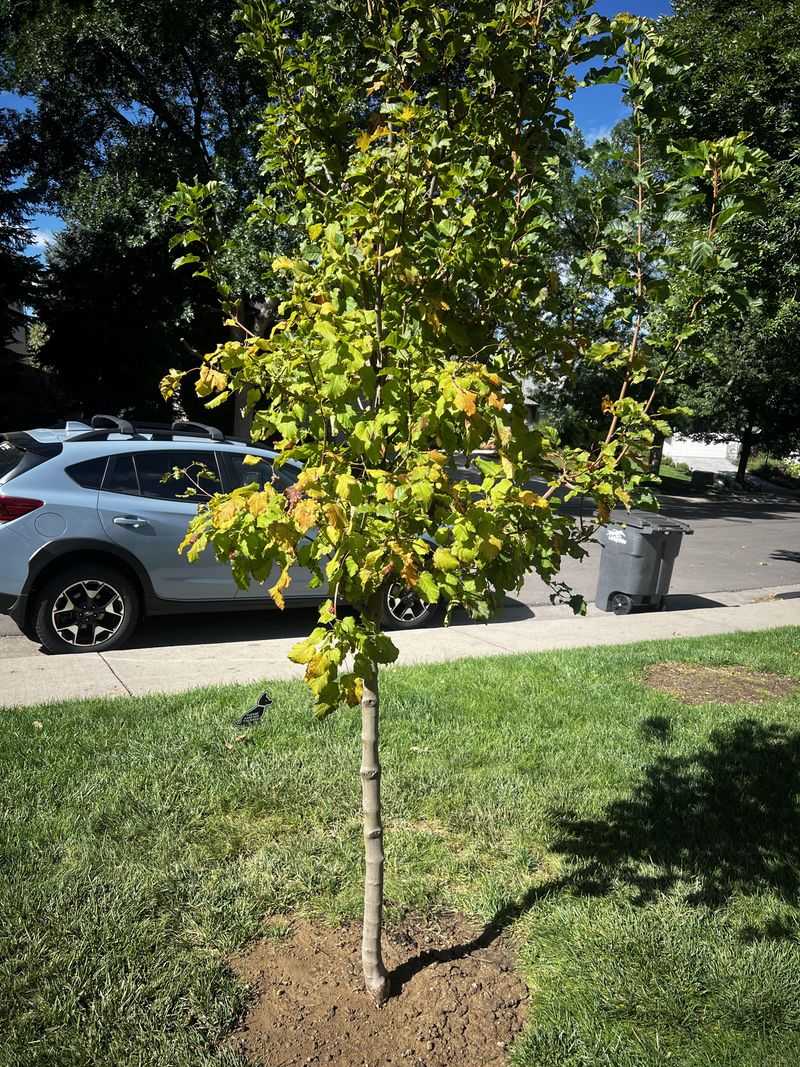
Picture a casting call for tough, easygoing trees that shrug off an Indiana winter. Plenty of popular choices line up for the part, and most are easy to find at local nurseries.
Maples top the list, including red maple, sugar maple, and the smaller Freeman maple hybrids. Their fibrous roots spread fast in cool soil, so they settle in with little fuss.
Lindens, often sold as basswood or littleleaf linden, are another steady pick for fall. Honeylocust, hackberry, and Kentucky coffeetree also handle Indiana clay and wind like seasoned farmhands.
Your Indiana Garden Changes Every Week. Your Plan Should Too.
Gardening in Indiana changes quickly throughout the season. Every Friday you’ll receive a simple weekly plan showing exactly what to plant, prune, fertilize, harvest, and protect so you never miss the right timing.
Crabapples make a cheerful choice if you want spring flowers without waiting years for a big tree. Serviceberry, a native with sweet June berries, also roots well when planted in early autumn.
Evergreens like spruce and white pine do best planted early, ideally by late September. Their needles keep losing water all winter, so they need extra weeks to grow roots before the freeze.
Container trees and balled-and-burlapped trees both work in fall, as long as roots look healthy. Skip any pot where roots circle tightly around the edge like a coiled garden hose.
Fun fact: the Kentucky coffeetree got its name because early settlers roasted its seeds as a coffee substitute. Please do not try this at home, since raw seeds are toxic and taste nothing like a latte.
Before buying, check the tag for your hardiness zone, which is 5 or 6 across most of Indiana. A friendly chat with the nursery staff can also point you toward trees that love your exact yard.
Trees Better Left For Spring
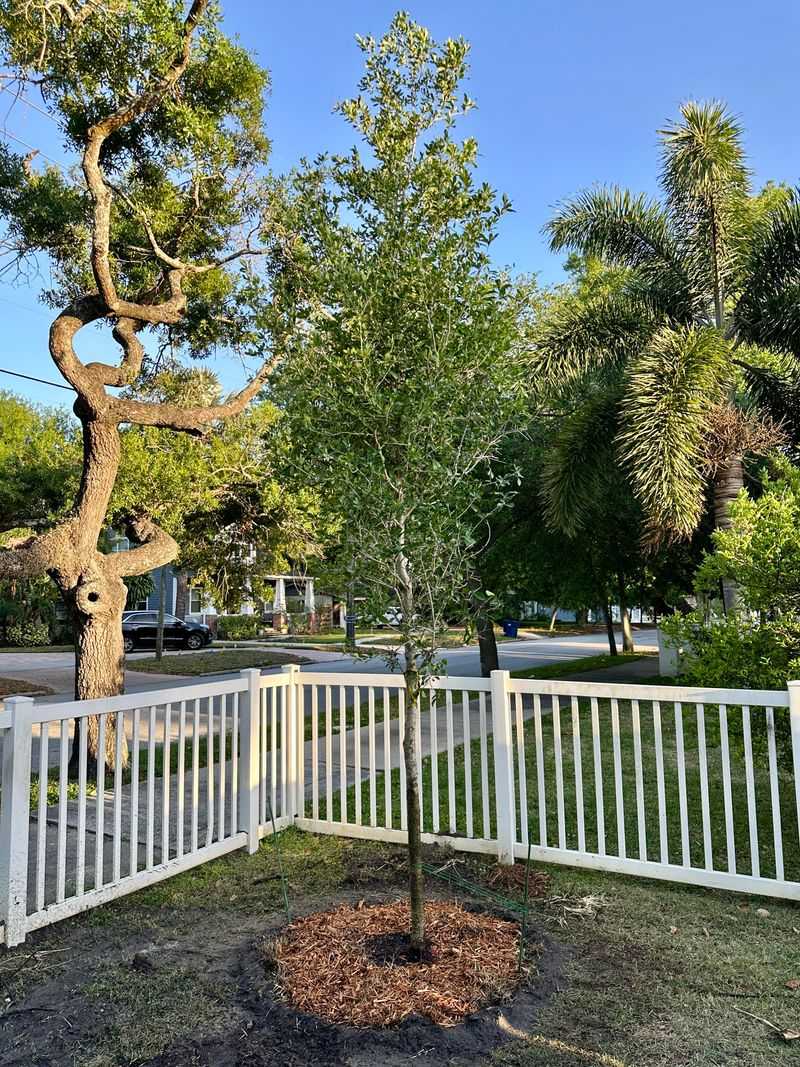
Not every tree enjoys a fall move, and a few are downright fussy about it. Think of them as the cats of the tree world, happiest when the timing is their idea.
Oaks with deep taproots, especially red oak and pin oak, often struggle when planted in autumn. Their roots grow slowly in cool soil, so they head into winter with a weak grip.
Birch, sweetgum, and bald cypress also land on most Midwest spring-only lists. Tulip poplar, Indiana’s state tree, belongs there too, so save that proud choice for April.
Magnolias and flowering dogwoods can be touchy as well, since their fleshy roots dislike cold, wet ground. Hornbeam and yellowwood round out the group that prefers warming spring soil.
What makes these trees so picky about the calendar? Many have fewer fine roots, so they need warm soil and a long season to recover.
Planting them in October is a bit like starting a new job the day before vacation. They barely unpack before everything shuts down.
Winter can also push frozen soil upward, a process called frost heave, which loosens weak new roots. Slow-rooting trees suffer the most because they have little grip on the surrounding soil.
If your heart is set on an oak or birch, jot a reminder for next April. Early spring gives these trees a full growing season before their first Indiana winter tests them.
Meanwhile, you can prepare the spot this fall by clearing grass and loosening the soil. Come spring, the site will be ready the moment the ground thaws.
Planting Depth At The Root Flare
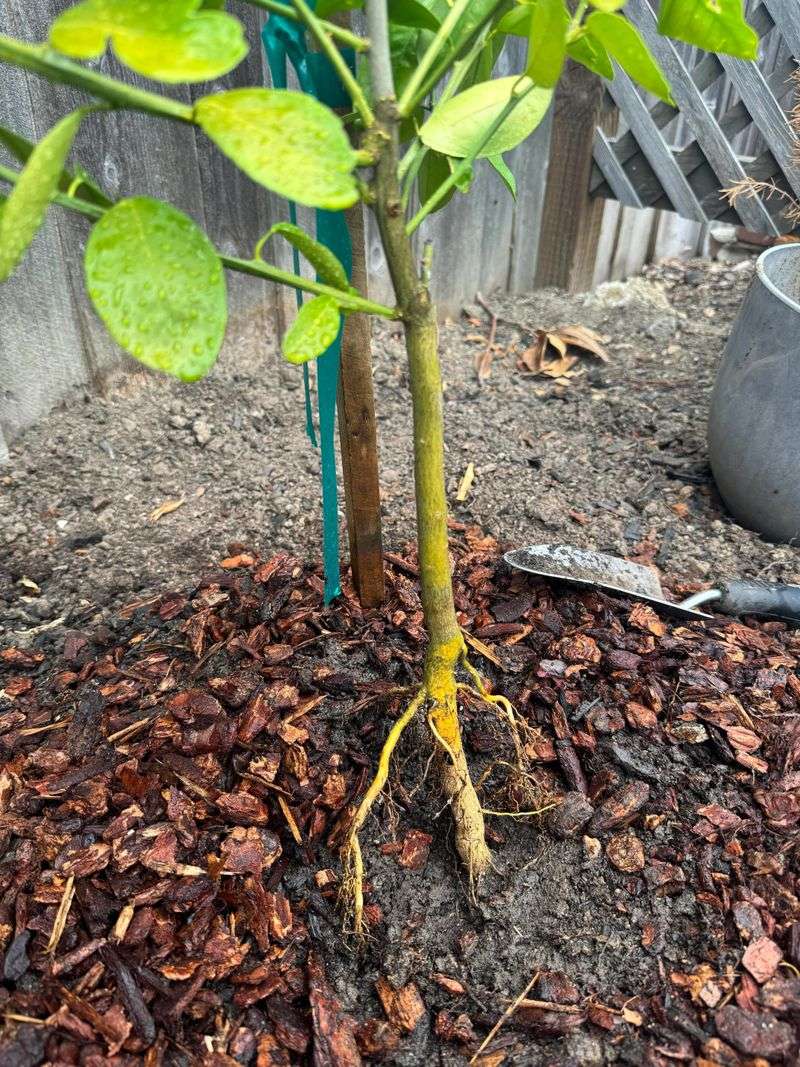
Ask any arborist about the most common planting mistake, and you will likely hear the same answer. Trees get buried too deep, often by folks with the kindest intentions.
The root flare is the spot where the trunk widens as it meets the roots. It should sit right at ground level or even an inch or two above it.
Nursery trees often arrive with extra soil piled over the flare, hiding it from view. Before digging, gently scrape away soil at the top of the root ball until you find it.
Now grab your shovel and dig a hole two to three times wider than the root ball. Keep the depth no deeper than the root ball’s height, measured from the flare down.
A wide, shallow hole lets young roots stretch sideways into loose soil, which is how they naturally grow. Most tree roots live in the top 12 to 18 inches of ground, not deep down.
Set the tree in place and lay a shovel handle across the hole as a quick level. The flare should line up with the handle or peek slightly above it.
Indiana clay soil makes this step extra important, since heavy soil holds water around buried trunks. A trunk sitting too low can rot or grow girdling roots that restrict the tree years later.
Backfill with the same soil you removed, skipping bags of fancy compost in the hole. Roots that grow in rich backfill tend to stay put instead of exploring the native ground.
Watering Through Late Fall Until Freeze-Up
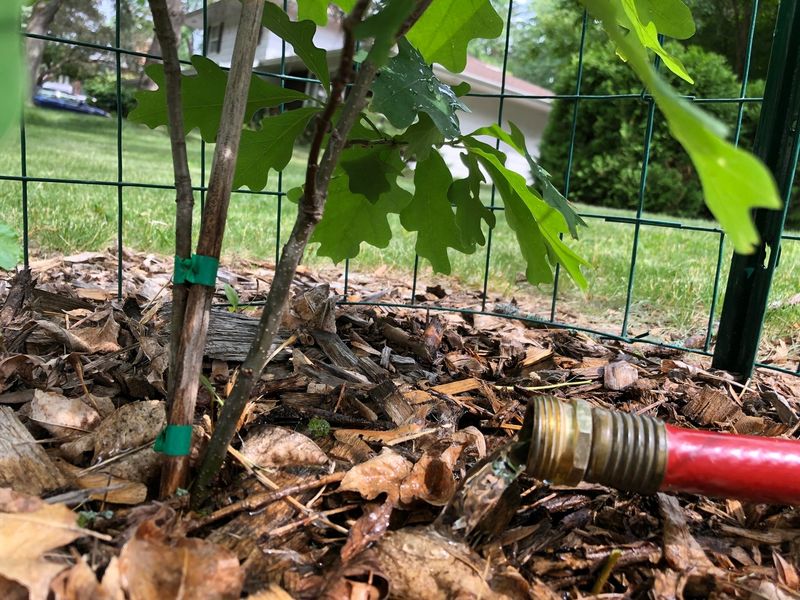
Cool weather tricks a lot of gardeners into putting the hose away way too early. Your new tree is still thirsty, even when the air feels like hoodie season.
Roots growing in fall need steady moisture to push into fresh soil. Aim for about one inch of water each week, counting rainfall, until the ground freezes solid.
A simple rain gauge from the hardware store helps you track what the sky delivers. If a week passes with little rain, give the tree a slow, deep drink.
Deep watering beats a quick sprinkle every time, since shallow water only reaches the surface. Let a hose trickle at the base for 15 to 20 minutes, or use a watering bag.
Here is an easy test: push a finger or screwdriver about two inches into the soil. If it comes out dry, water; if it feels muddy, wait a few more days.
Too much water can be just as harmful as too little in Indiana clay. Soggy soil squeezes out air, and roots need oxygen to grow just like we do.
Keep watering until late November or early December, when the top few inches of soil freeze. After that, roots rest, and the hose can finally take its winter nap in the garage.
Evergreens deserve one extra-generous soak right before freeze-up. Their needles give off moisture through the cold months, and a well-watered tree handles harsh January winds much better.
Stick a calendar note on the fridge as a reminder. Your tree cannot text you when it gets thirsty, after all.
Mulch Rings Kept Off The Trunk
Drive through any Indiana subdivision in fall, and you may spot a strange sight called a mulch volcano. Brown mulch gets heaped high against the trunk, like a tree wearing a giant turtleneck.
It may look tidy, but that cozy pile causes real trouble over time. Wet mulch against bark invites rot, insects, and mice searching for a winter snack.
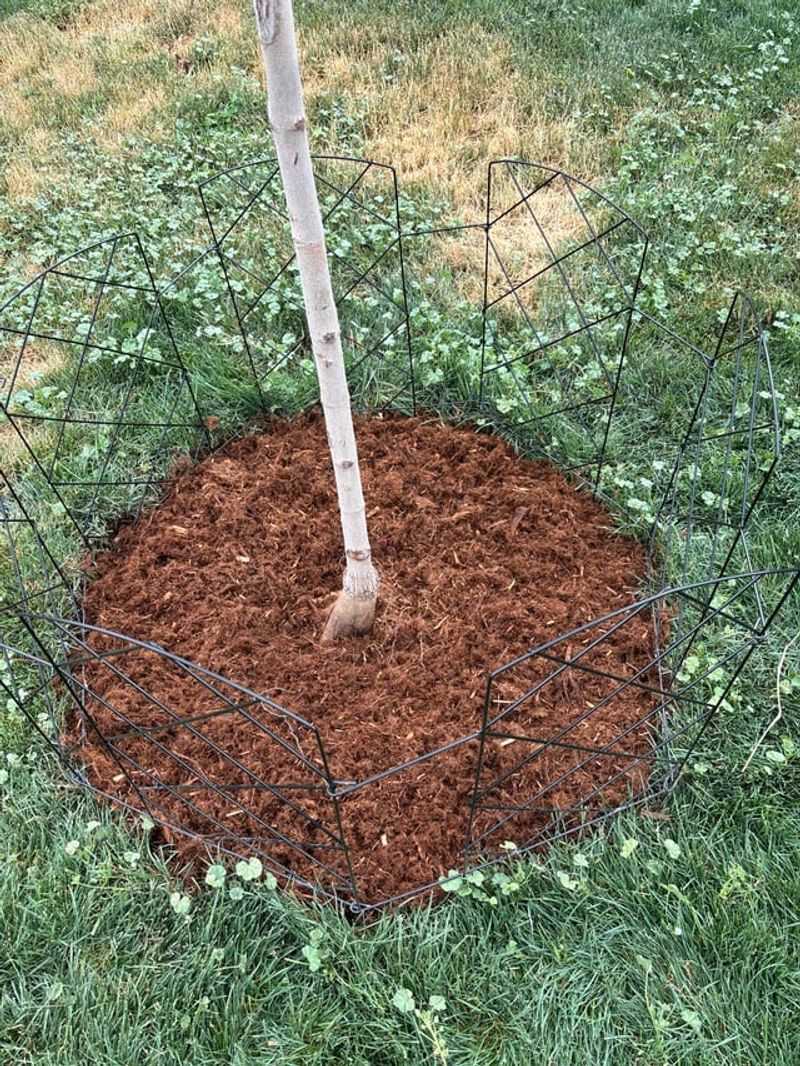
A better plan is a flat ring, shaped more like a doughnut than a cone. Spread mulch two to three inches deep, stretching out at least three feet from the trunk.
Then pull it back so there are three to four inches of bare space around the bark. Your root flare should stay visible, just like it was on planting day.
Shredded hardwood, pine bark, and wood chips from local tree crews all make great choices. Many Indiana tree services even drop off free chips if you ask nicely.
Mulch acts like a fluffy blanket that keeps soil temperatures steady during fall and winter. It also holds in moisture, so your watering efforts last longer between drinks.
Another perk is fewer bumps from lawn mowers and string trimmers, which can scar thin young bark. A wide ring keeps the grass, and the equipment, at a safe distance.
Over time, mulch breaks down and feeds the soil with rich organic matter, much like a forest floor. Top it off each fall, but rake away old layers if it gets too thick.
Keep it low and wide. Give the trunk room to breathe, and your tree will reward you for years.