How To Identify A Brown Recluse Spider Web In Your Nebraska Home Or Yard
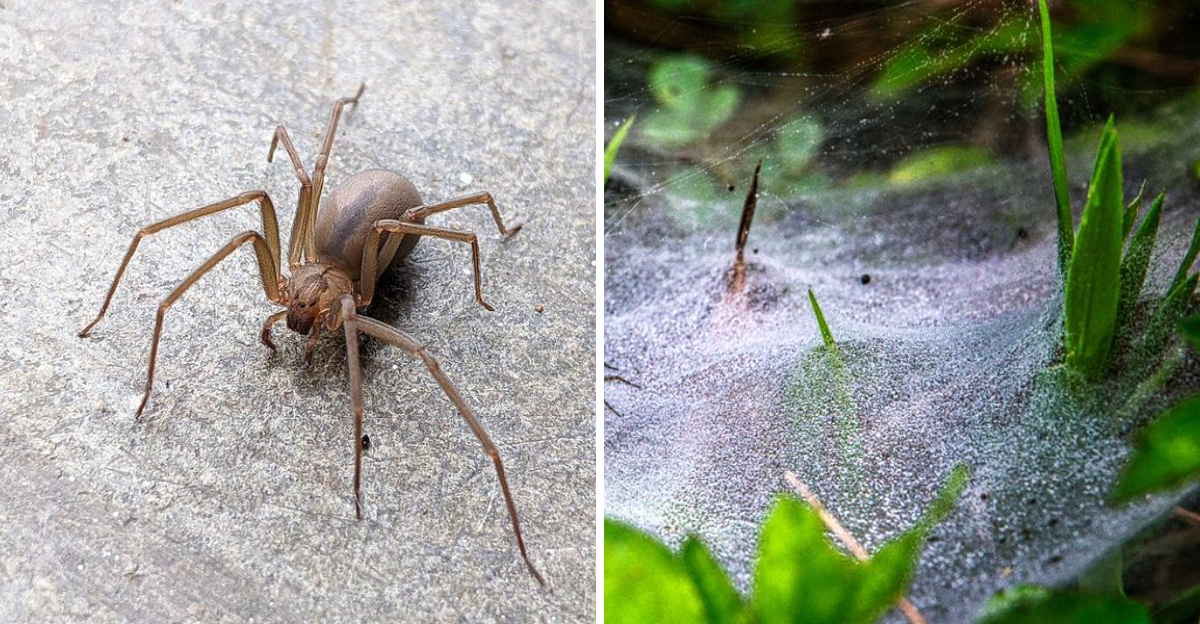
That web hidden behind your water heater might not be innocent. Something near your baseboards could be more concerning than it seems. Brown recluse spiders spin webs unlike anything you expect to find.
Basements and garages across Nebraska can offer cover, even where sightings remain uncommon. Shy does not mean safe once bites happen unexpectedly.
Bites from this recluse can cause a localized skin reaction in some cases. Most homeowners never notice until symptoms start appearing. Your instincts might tell you a web looks ordinary.
Trust that instinct less than you think you should. Certain conditions in Nebraska can create hiding ground for recluse spiders, though confirmed populations remain limited.
Cracks and clutter in your home become potential nurseries. People often mistake these webs for common types. This mistake could lead to an unnecessary and painful bite.
Knowing what to look for changes everything you thought. You need this knowledge before you encounter that web again.
1. Look For Messy, Irregular Webs
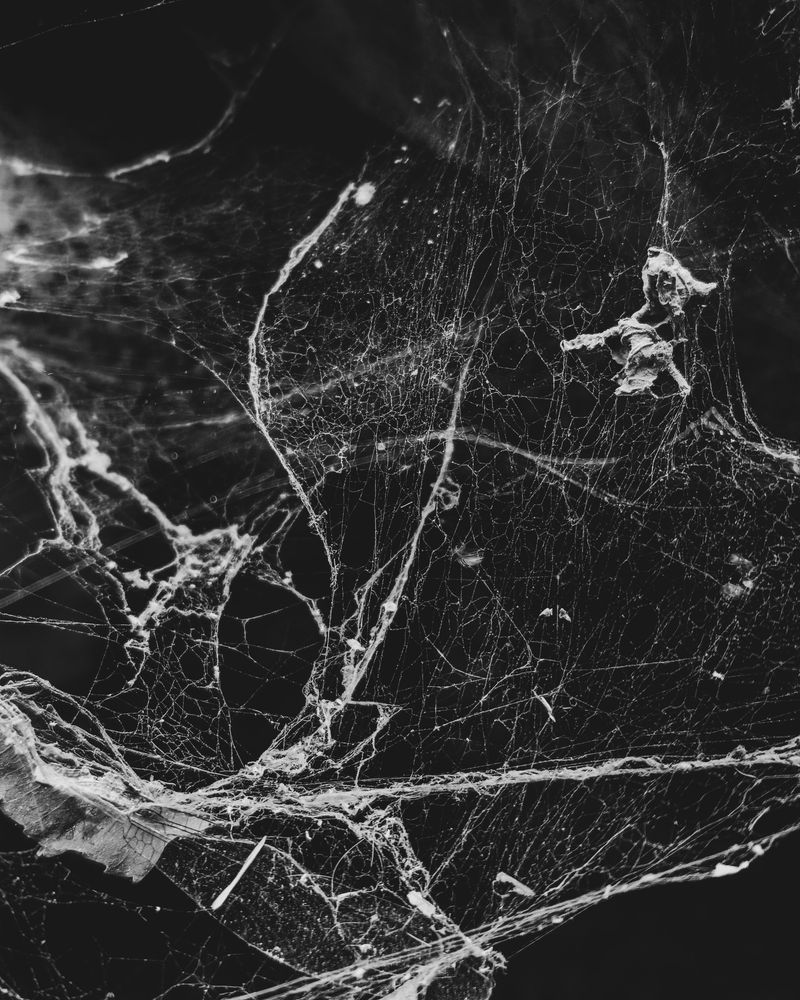
Forget the perfect spiral you see in cartoons. A brown recluse spider web looks nothing like that tidy design.
Brown recluse webs are chaotic and completely random. No two strands seem to follow any pattern or plan.
If you shine a flashlight into a dark corner and see a jumbled mess of threads, pay attention. That disorganized tangle is a classic calling card of this spider.
Most people expect spider webs to look elegant or symmetrical. Brown recluse webs break every rule of that expectation.
The threads go in every direction, crossing over each other without any clear center point. It looks almost like someone sneezed silk into a corner.
Other common spiders, like orb weavers, build recognizable wheel-shaped webs. The brown recluse skips all that craftsmanship entirely.
Spotting a messy, irregular web is your first clue that something unusual may be living nearby. That clue alone should prompt a closer inspection of the area.
Take note of where you find these webs. Dark, undisturbed spots are the spider’s favorite real estate.
Once you recognize the chaotic look, you will start noticing these webs in places you never checked before. Trust your instincts when a web just looks wrong.
2. Check Dark Corners Like Closets Or Garages
Garages and closets are prime real estate for brown recluse spiders. These eight-legged tenants love spots that humans rarely disturb.
Think about the last time you cleaned behind your garage shelves. If the answer is never, you might have company back there.
Brown recluse spiders actively seek out low-traffic zones. Closets full of old shoes or seasonal gear are practically five-star hotels for them.
The darker the corner, the more attractive it is. These spiders genuinely avoid light and human activity whenever possible.
Grab a flashlight and slowly scan the upper corners of your garage. Look for that messy, irregular webbing clinging between walls and shelving units.
Closets present a different challenge because we reach in without looking. Shaking out shoes and checking coat pockets before wearing them is a smart habit to build.
Your Nebraska Garden Changes Every Week. Your Plan Should Too.
Gardening in Nebraska changes quickly throughout the season. Every Friday you’ll receive a simple weekly plan showing exactly what to plant, prune, fertilize, harvest, and protect so you never miss the right timing.
Garages face an added risk when people store firewood, garden tools, and old boxes inside, especially in regions where brown recluse activity has been reported. Each of those items creates a cozy hiding spot.
When searching these areas, move slowly and use a long tool to disturb webs before reaching in. Your hands will thank you later.
Pay special attention to corners near the floor and ceiling. Brown recluse spiders are not picky about height, but undisturbed edges are their preference.
Identifying a brown recluse spider web in these spots early gives you a real advantage. Early identification makes the problem easier to manage.
3. Notice Thin, Off-White Webbing
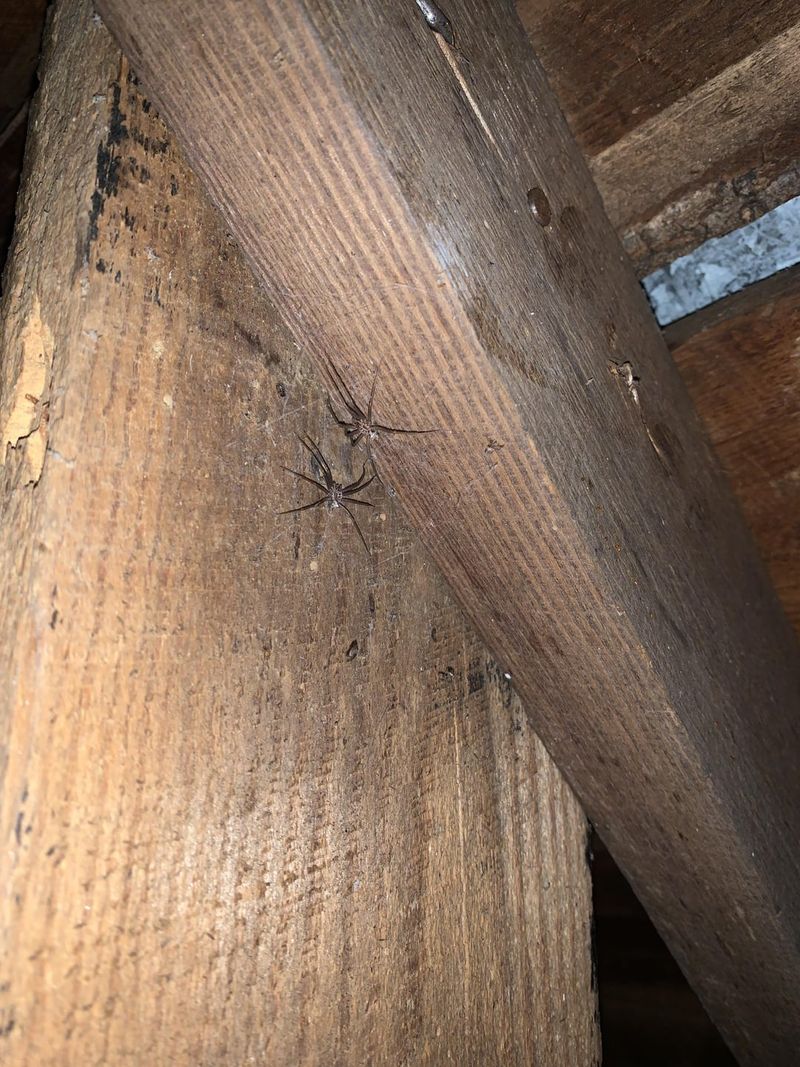
Color is one of the fastest clues you have. Brown recluse webbing tends to look thin and off-white, almost like pale cotton wisps.
Healthy orb weaver webs can look bright and almost silvery in sunlight. Brown recluse webbing looks dull and slightly yellowish by comparison.
When light hits the strands at just the right angle, the color becomes more obvious. That faint cream or off-white tone is worth remembering.
The threads are also surprisingly fine. They do not catch the light the way thick decorative webs do in Halloween displays.
Running a flashlight beam along a baseboard or shelf edge can reveal these pale strands. They tend to blend into dusty surfaces, which makes them easy to miss.
Some people mistake these webs for old, abandoned cobwebs. The key difference is that brown recluse webs are actively maintained and often have a retreat tube nearby.
Some brown recluse webs include a small silk retreat where the spider rests during the day. Spotting that structure alongside a messy web can support identification, though it is not present in every case.
Look for webbing that appears almost translucent in certain lighting conditions. That sheer, delicate quality sets it apart from the thicker webs of larger spiders.
Training your eye to spot off-white, thread-like webbing takes a little practice. Once you see it once, you will always recognize that distinctive pale color.
4. Spot Small, Loosely Woven Patches
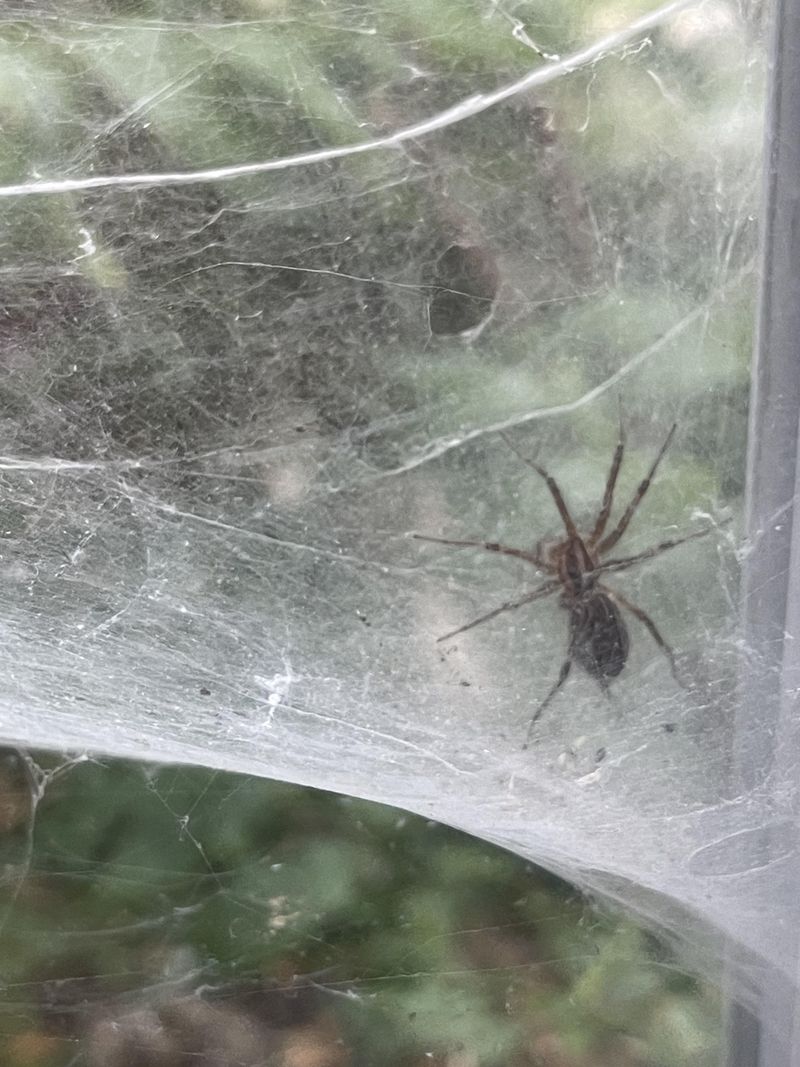
Size matters when identifying these webs. Brown recluse webs are typically small and cover only a limited patch of space.
You are not looking for a dramatic, large web stretching across a window frame. These patches are often no bigger than your outstretched hand.
The weaving is loose, meaning you can see right through the web without any trouble. There are no tight, layered sections that block your view.
Most spider webs are built to catch insects in midair. Brown recluse webs work differently because the spider hunts on foot rather than waiting in the center.
That hunting style explains why the web patches look incomplete. They serve more as a home base than a food trap.
When you spot a small, airy patch of silk tucked into a low corner, take a second look. The loose construction is a major identifying feature.
Cobwebs left by common house spiders can look similar, but they tend to collect more dust. A fresher-looking patch with little debris may signal recent activity.
Brown recluse spiders often build these patches near the floor. That low placement makes them easy to overlook during a casual room scan.
Checking along baseboards, behind furniture legs, and under shelving units can reveal these small patches. A systematic search beats a quick glance every single time.
Spotting these loosely woven patches early is one of the best ways to identify a brown recluse spider web before the spider surprises you.
5. Search Near Boxes And Firewood
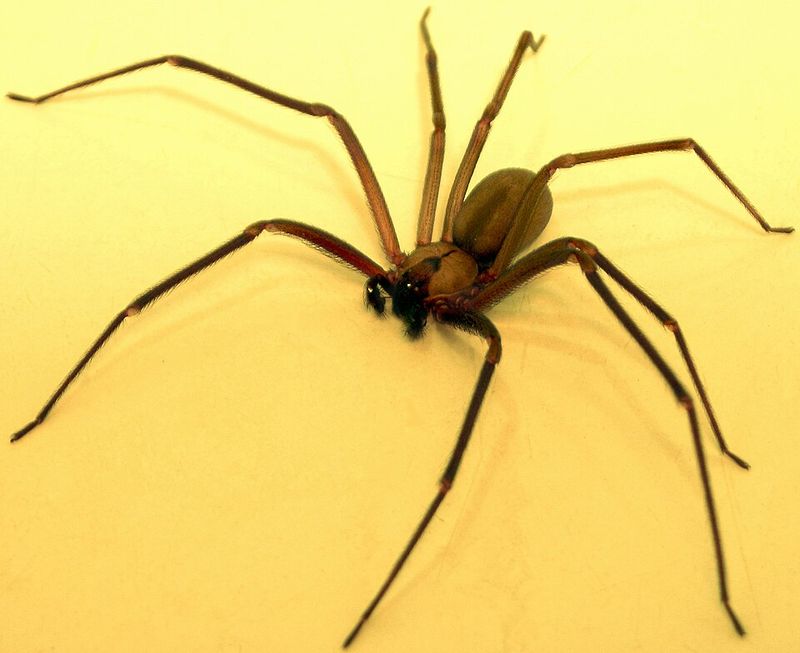
Stacked boxes are like apartment buildings for brown recluse spiders. Each gap between boxes is a potential home.
Cardboard is especially attractive because it holds warmth and creates tight spaces. Basements full of storage boxes can become prime hunting grounds for this spider, particularly in areas with confirmed sightings.
Firewood stacked indoors creates the same problem. Bark crevices and gaps between logs are perfect hiding spots for spiders and their webs.
Many people get bitten while moving firewood without gloves. The spider feels threatened by sudden movement and reacts defensively.
Before you grab a log or lift a box, pause and look first. A quick visual scan takes only a moment and could prevent a painful encounter.
Wearing thick gloves when handling firewood is one of the simplest protective habits you can adopt. It costs almost nothing and adds a real layer of safety.
When checking boxes, look at the undersides and the gaps where two boxes meet. Webs often form in those tight, sheltered spaces rather than on open surfaces.
Old boxes that have sat untouched for months are more likely to attract spiders. The longer something sits still, the more attractive it becomes to a brown recluse.
Try to store firewood outside whenever possible, away from your home’s foundation. Bringing wood inside only when you need it reduces the chance of hitchhikers coming along.
Reducing clutter around stored boxes is another smart move. Open, organized spaces give spiders fewer places to build undisturbed webs.
6. Examine Basements And Crawl Spaces
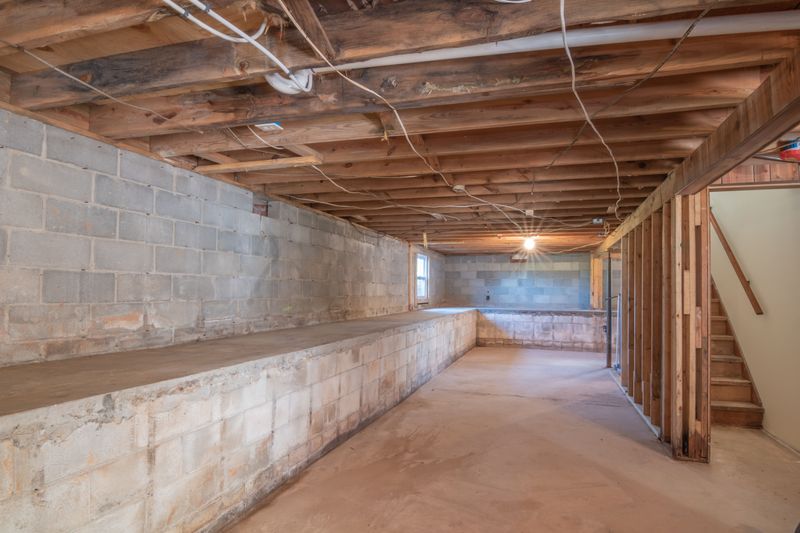
Basements and crawl spaces are practically designed for brown recluse spiders. Low light, high humidity, and minimal foot traffic check every box on their wish list.
Nebraska homes with older foundations often have cracks and gaps that create even more hiding opportunities.
Crawl spaces are especially tricky because most homeowners rarely enter them. Long stretches of time can pass before anyone notices what has been building down there.
When you do enter a crawl space, wear long sleeves and gloves without exception. Protecting your skin costs nothing and prevents a lot of potential grief.
Shine your flashlight along the walls at floor level first. Brown recluse webs often appear near the base of concrete or block walls.
Look for the pale, wispy threads clinging to rough surfaces. Concrete and cinder block textures give the silk plenty of anchor points to grip.
Basement corners near utility pipes are another hotspot. The warmth from pipes attracts insects, which in turn attracts spiders looking for an easy meal.
Check behind your water heater, furnace, and any stored equipment. These appliances create warm microclimates that spiders find very appealing.
If you find multiple webs in your basement, that may suggest more than one spider is present, though it isn’t conclusive on its own. That distinction matters when deciding how to respond.
Identifying a brown recluse spider web in these lower-level spaces gives you critical information. Early detection down there can protect your whole household above.
7. Watch For Webs Low To The Ground
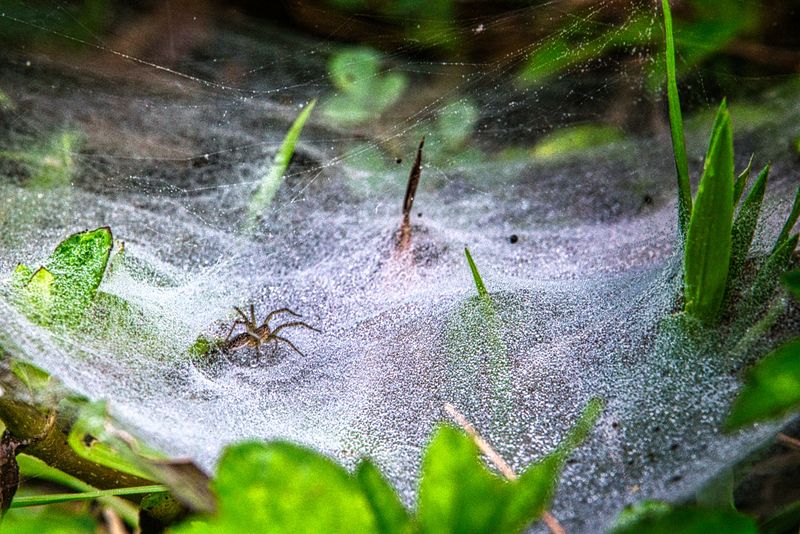
Height tells you a lot about which spider built a web. Brown recluse spiders almost always build their webs close to the floor.
Unlike barn spiders or garden spiders that weave high up, the brown recluse stays low. This ground-level preference is a reliable identification clue.
Scan baseboards, the undersides of furniture, and the gaps beneath appliances. Those low zones are where brown recluse activity concentrates most heavily.
Beds placed directly on the floor without a frame create another low-level risk. The spider can easily wander into bedding from floor level without any climbing required.
Keeping beds on raised frames and away from walls is a practical prevention strategy. That small change reduces the chance of a nighttime encounter.
When searching your Nebraska home, get down to floor level with your flashlight. What looks clear from standing height often looks very different from ground level.
Low furniture like ottomans and low bookshelves deserve special attention. Webs tucked beneath these pieces are easy to miss during regular cleaning routines.
In the yard, brown recluse spiders may build near the base of outdoor structures. Decks, sheds, and stacked lumber all create low, sheltered zones they favor.
Outdoor webs near ground level tend to collect more debris and leaf litter. That extra material can actually help you spot them more easily in natural light.
Consistently checking low areas gives you a major edge in spotting these webs. The spider counts on you looking everywhere except the floor.
8. Identify Sparse, Non-Sticky Strands
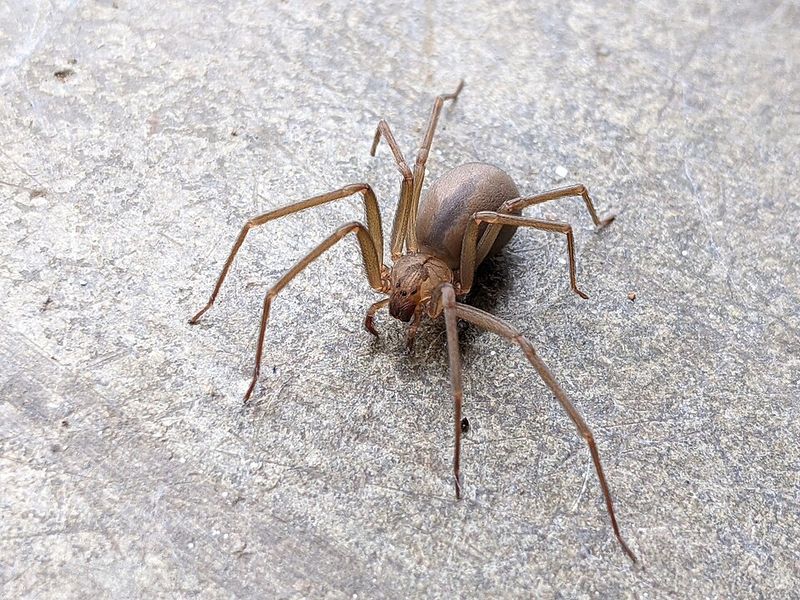
Touch is a surprising clue, but you should never touch a web bare-handed. Instead, use a pencil or stick to test the strand’s texture gently.
Brown recluse webs are not sticky like the webs of orb weavers or black widows. The strands feel dry and almost brittle when disturbed.
Most people assume all spider webs are sticky, designed to trap flying insects. Brown recluse webs break that assumption completely.
The non-sticky quality exists because this spider hunts by chasing prey on foot. The web serves as shelter and a signal system, not a trap.
When a pencil passes through a brown recluse web, the strands snap or crumble rather than stretch and cling. That dry, fragile behavior is a key identifier.
Sticky webs from other spiders will grab the pencil tip and stretch elastically. The difference between the two reactions is quite obvious once you experience both.
Sparse is another word that describes these webs perfectly. There are wide gaps between strands and no dense layering anywhere in the structure.
Imagine a web that looks like it ran out of material halfway through construction. That incomplete, airy appearance is intentional for the brown recluse.
Finding sparse, non-sticky strands in a low, dark corner of your Nebraska home is a strong combined signal, regardless of your location. Each feature alone is a clue, but all together they form a clear picture.
Knowing how to identify a brown recluse spider web through these strand qualities puts real knowledge in your hands. That knowledge is your best first line of defense.