Do This 5-Minute Dahlia Job This Week For Even Bigger Blooms In Washington
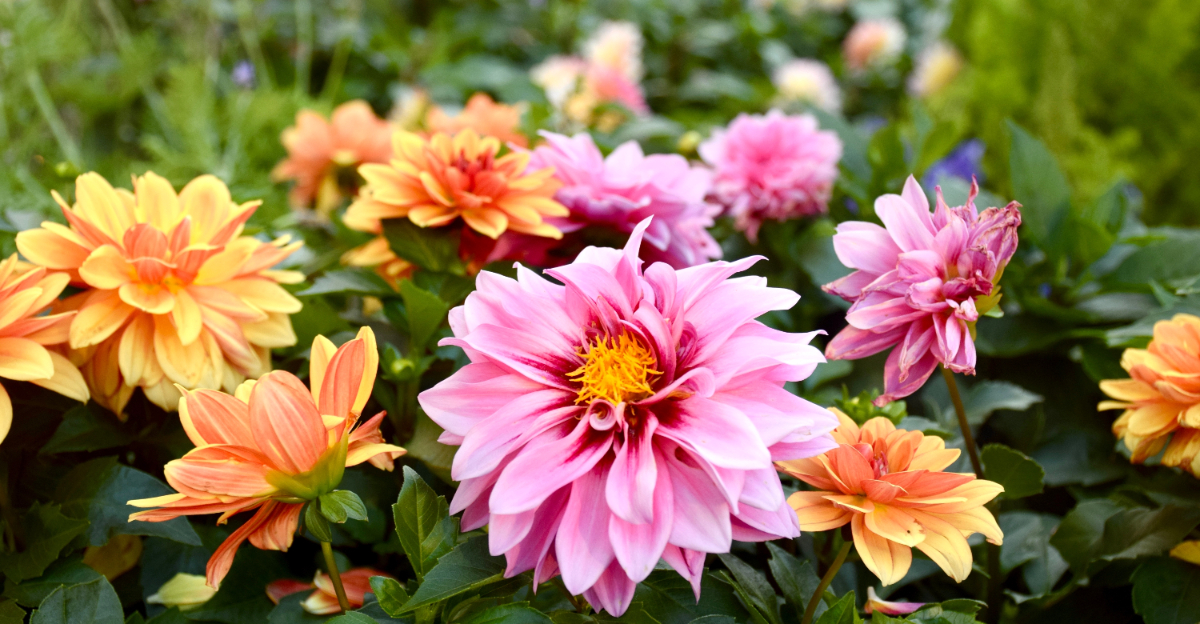
Something hidden in your dahlia patch is drawing energy from your best bloom. Tiny side buds sit quietly, drawing strength away from the flower that matters most.
Snap them off, and everything changes within days. Washington gardeners already know this trick, and their blooms show it.
Growers across Washington say disbudding turns average stems into standout blooms. Nothing about this task requires special tools or many hours of effort.
Minutes are enough to redirect a plant’s entire focus. Energy that once scattered now pours into a single commanding bloom.
Size increases, color deepens, and petals push outward with force. Neighbors notice before you even mention what you did.
Confidence builds fast once you see the difference yourself. Timing matters, though, and waiting too long weakens the results.
Right now, your dahlias are primed for this exact move. Missing this window can mean smaller blooms later in the season.
Why This Simple Job Makes Such A Big Difference
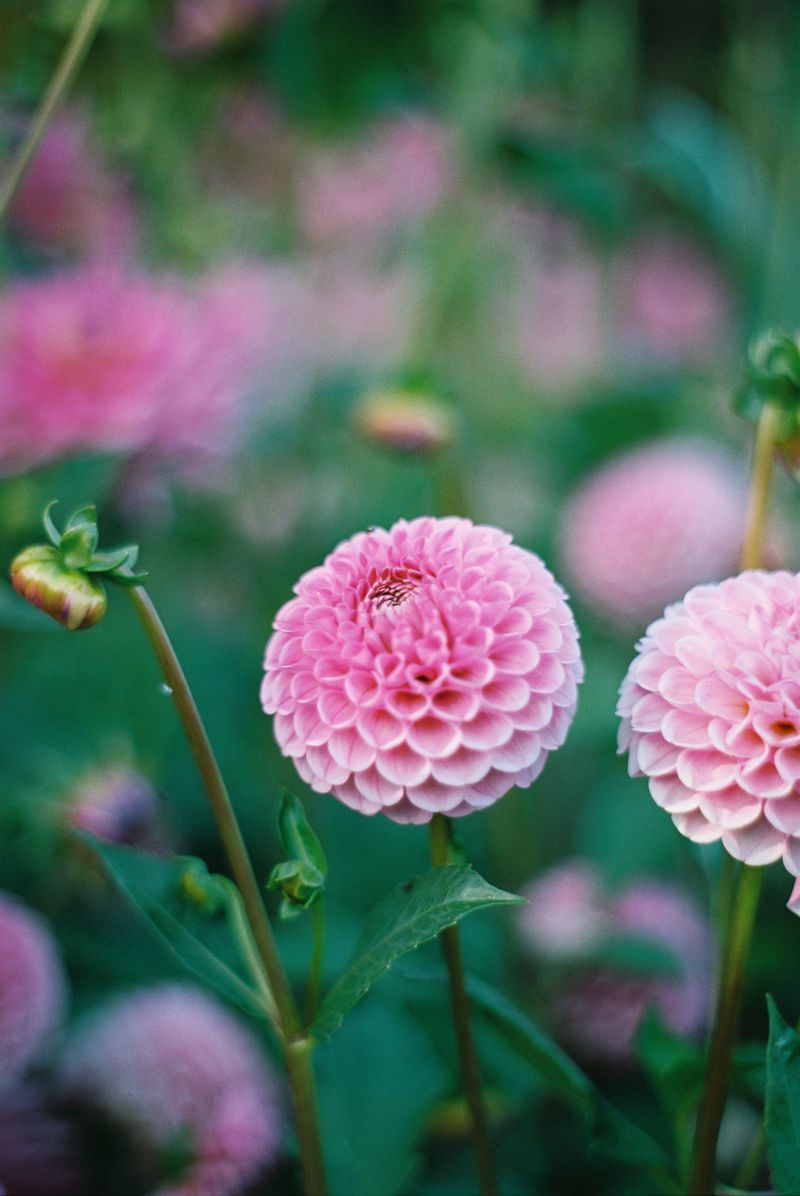
One small change can transform your entire dahlia garden. Disbudding is that change, and it costs you nothing but a few minutes.
When a dahlia plant grows, it pushes energy into every bud it produces. That energy gets split many ways, which means every flower ends up smaller.
Removing the smaller side buds directs the plant’s power toward the main bloom. The result is one flower that grows notably larger than it would have otherwise.
Think of it like watering one tree instead of ten seedlings. The single tree grows tall and strong fast.
Washington gardeners deal with a shorter warm season than growers in some southern states. That makes every bloom count even more here.
Disbudding helps you get the most impressive flowers possible before the season shifts. Your plants work smarter, not harder, because you guided them.
Many competitive dahlia growers have used this technique for years, and it’s common among flower show entrants. Winning growers often disbud their plants consistently.
You do not need any special tools or training to do this job. Your fingers are all the equipment required.
Once you try disbudding for the first time, you may wonder why you waited so long. Bigger, bolder blooms are just five minutes away.
What Disbudding Actually Means For Your Dahlias
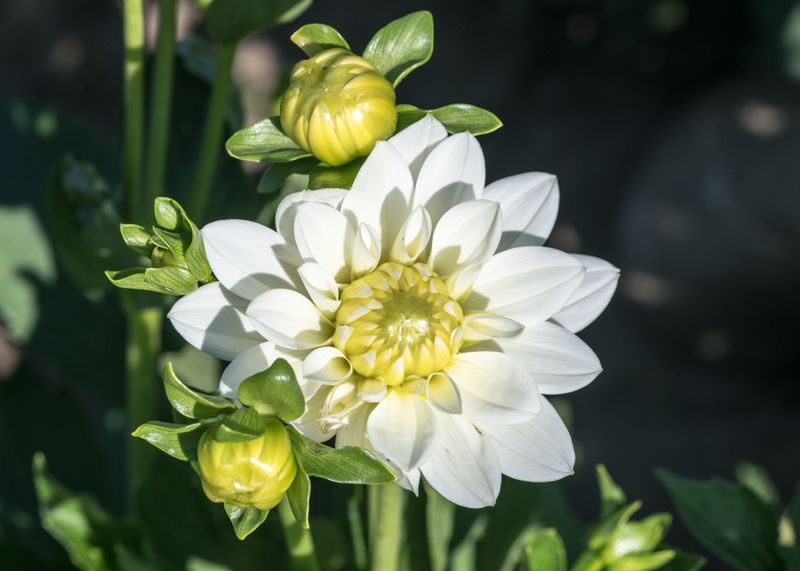
Disbudding sounds complicated, but the idea is simple. You are choosing one bud to win and removing the competition around it.
Each dahlia stem typically grows a central bud with two smaller buds flanking it. Those side buds are called lateral buds, and they draw energy away from the main show.
By pinching off the lateral buds early, you redirect the plant’s focus. The central bud gets a flood of nutrients and grows much faster.
The term comes from the action itself: removing buds before they develop into full flowers. It is a form of plant training that many gardeners have practiced for generations, according to gardening sources.
Dahlias are heavy feeders that produce a lot of buds naturally. That generosity actually works against you if you want large individual blooms.
Your Washington Garden Changes Every Week. Your Plan Should Too.
Gardening in Washington changes quickly throughout the season. Every Friday you’ll receive a simple weekly plan showing exactly what to plant, prune, fertilize, harvest, and protect so you never miss the right timing.
Left alone, a dahlia can produce many medium-sized flowers on one plant. Disbudding redirects that energy into fewer, noticeably larger blooms.
The plant is not harmed by this process at all. It simply redirects its energy in the direction you choose.
Some gardeners confuse disbudding with pruning, but they are different jobs. Pruning removes stems, branches, or unwanted growth to shape the plant, while disbudding removes buds before they open.
Both practices help your garden look its best in different ways. Mastering disbudding is the faster path to standout blooms in Washington this season.
How To Disbud In Under 5 Minutes
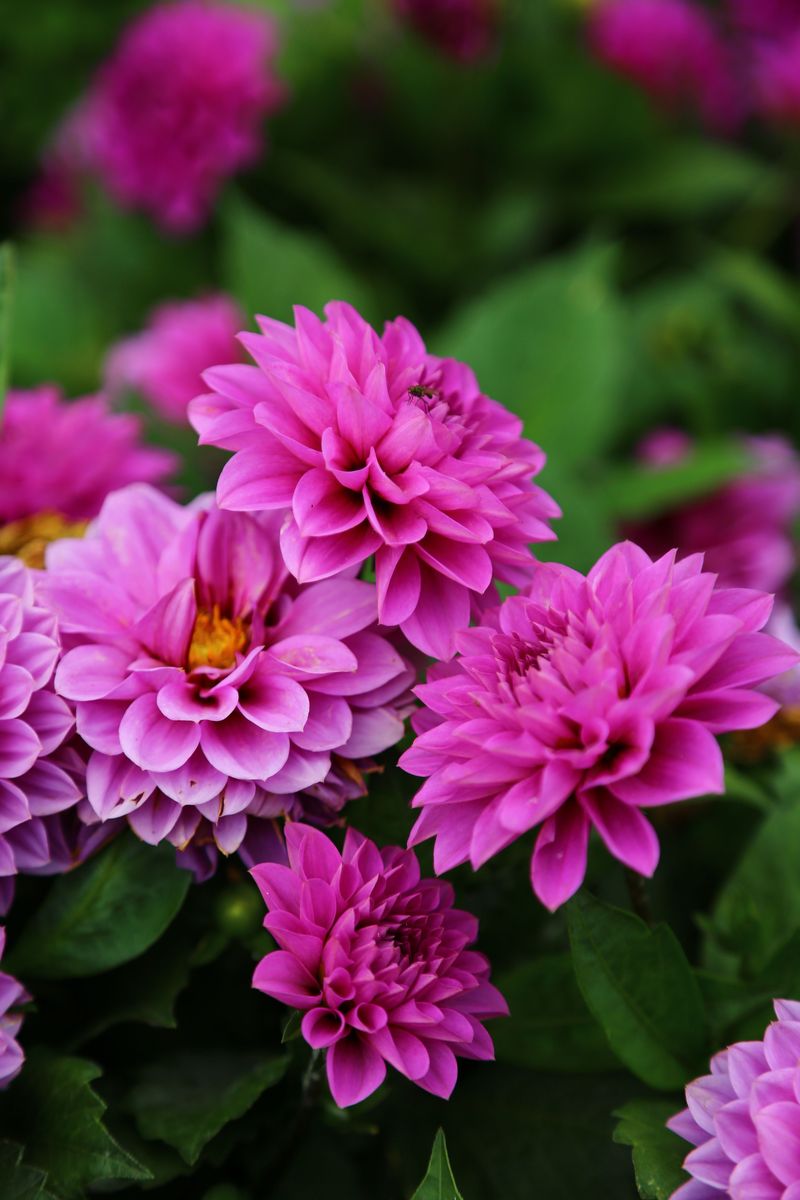
Grab a pair of clean garden gloves and head outside to your dahlia bed. You will finish this job before your morning coffee gets cold.
Walk along each plant and look for stems with a cluster of buds at the tip. You will spot a larger central bud with two smaller ones sitting just below it.
Pinch each side bud firmly between your thumb and forefinger. Pull it away with a quick, clean motion so no stub is left behind.
A stub left on the stem can invite disease, so remove the bud as close to the stem as possible. Clean hands or gloves help prevent anything from spreading between plants.
Work from the bottom of each plant up toward the tips. This gives you a clear view of every stem without missing any buds.
Most dahlia plants have roughly five to fifteen stems worth of attention at any given time, depending on plant age and variety. A medium-sized plant takes about thirty seconds on average to disbud completely.
You do not need scissors or pruning shears for this task. Fingernails and a light grip are more than enough.
Once you finish one plant, move to the next without overthinking it. Speed and consistency matter more than perfection here.
After one full pass through your garden, step back and review your work. Your dahlias already have a head start on producing the biggest blooms of your season.
Best Timing For Disbudding In Washington Gardens
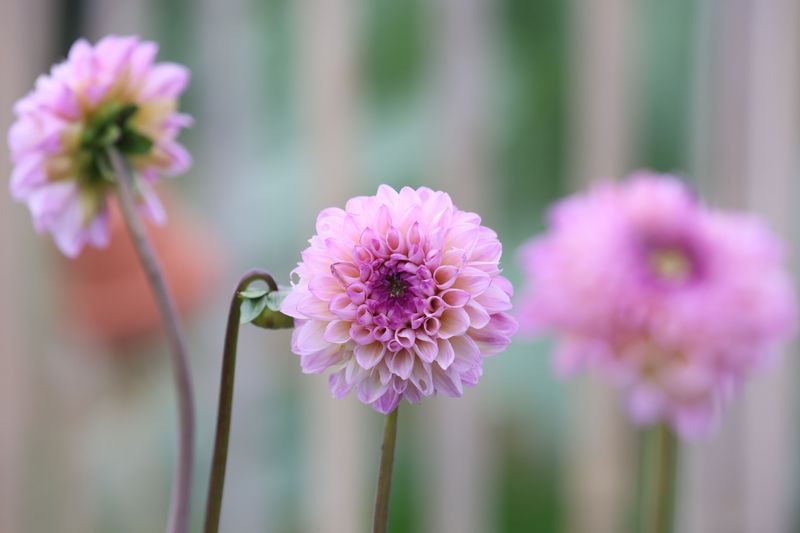
Timing is everything when it comes to disbudding your dahlias. Too early and the buds are hard to find; too late and you have wasted the plant’s energy.
In Washington, the sweet spot for disbudding usually falls between late June and early August, though exact timing can vary by planting date and local conditions. This lines up with when dahlias start forming their first serious round of buds.
The Pacific Northwest climate is mild and often cloudy, which can influence bud timing differently than in hotter, drier regions. That may give Washington gardeners a slightly different growing window to work with.
Check your plants every five to seven days during peak growing season. New buds form quickly, especially after a warm stretch of weather.
Morning is the best time to disbud because the plant is hydrated and the tissue snaps cleanly. Afternoon heat can make stems slightly wilted and harder to work with.
Watch for the moment when the central bud is clearly larger than its neighbors. That size difference tells you the plant has already chosen its favorite, and you are just backing its decision.
If you miss a round and the side buds have started opening, remove them anyway. It is never too late to redirect energy toward better blooms. Coastal areas of Washington may see slightly later bud development than inland zones.
Adjust your schedule based on what your specific garden is doing, not just the calendar. Consistent timing each week turns disbudding into a habit that pays off all season long.
Getting Longer Stems Perfect For Cutting And Arranging
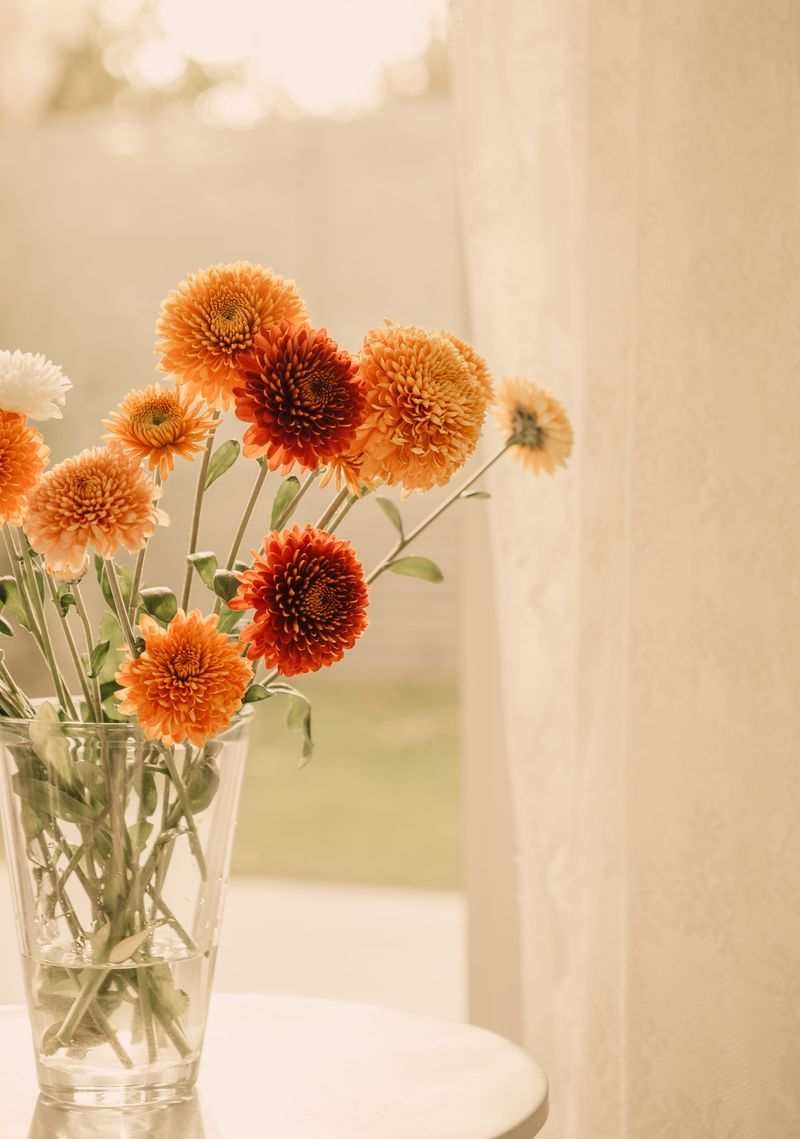
Long-stemmed dahlias are a top goal for cutting gardens. Disbudding is one of the fastest ways to grow stems that are long, strong, and vase-ready.
When side buds are removed, the plant stops branching its energy outward. Instead, it pushes growth upward along the main stem, making it longer and sturdier.
A well-disbudded dahlia can produce stems reaching eighteen to twenty-four inches or more, depending on variety. That length makes them well suited for tall arrangements and bouquets with real drama.
Long, clean stems are often prized in floristry. Growing them yourself means you get that same quality at home.
Cut your dahlias in the early morning when the stems are full of water. Place them immediately into a bucket of cool water to keep them fresh longer.
Recut the stems at an angle before placing them in a vase. This opens more surface area for water absorption and extends the life of each bloom.
Dahlia stems can last seven to ten days in a clean vase with fresh water. Changing the water every two days keeps things fresh and clean.
Longer stems also mean you can mix dahlias with other tall garden flowers more easily. Sunflowers, zinnias, and snapdragons pair well with large-headed dahlias in late summer arrangements.
Growing cut flowers with this kind of quality right in your backyard is one of gardening’s more satisfying rewards. Your next dinner table centerpiece is already growing outside your window.
Common Mistakes To Avoid When Disbudding
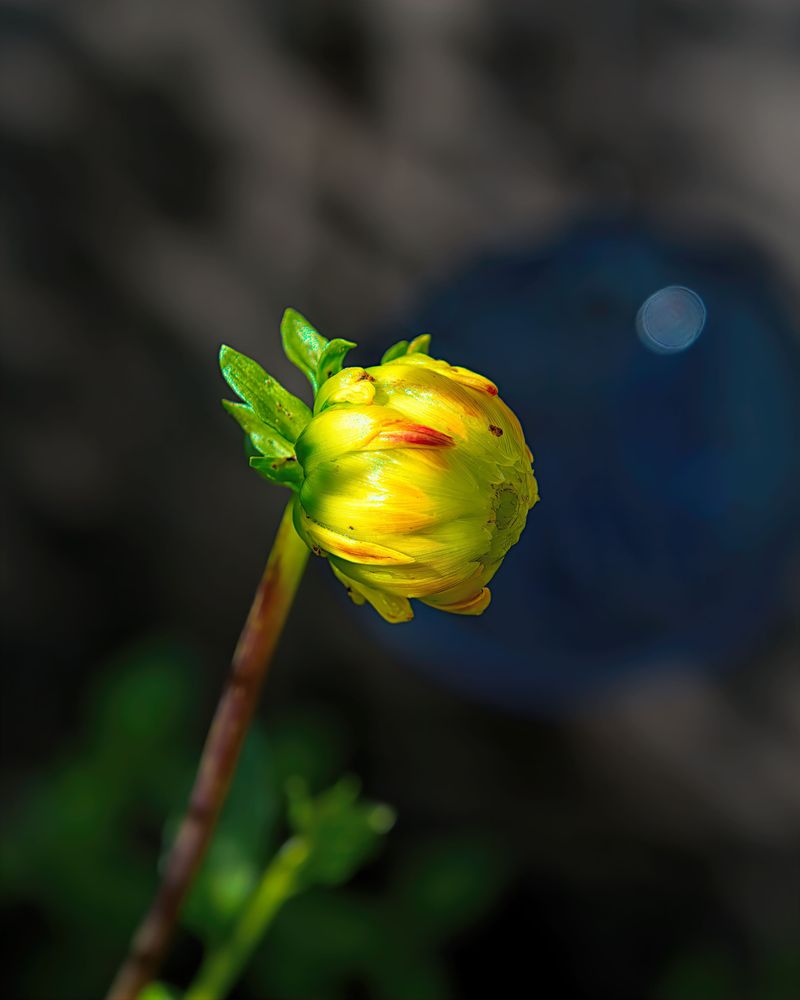
Even a simple job has its pitfalls, and disbudding is no exception. Knowing what not to do saves you time and protects your plants.
The most common mistake is waiting too long to remove the side buds. Once they have grown large, the plant has already spent energy on them.
Removing large buds late in the game is better than nothing, but the ideal window is when the lateral buds are still small and soft. Catching them early means maximum energy goes to the central bloom.
Another frequent error is leaving a stub on the stem after removal. Stubs create entry points for fungal issues, especially in Washington’s moist climate.
Always snap the bud off as close to the stem as possible. A clean removal heals faster and keeps the plant healthier throughout the season.
Some growers make the mistake of disbudding only once and forgetting about it. New lateral buds keep forming as the season continues, so regular checks are essential.
Skipping plants that look healthy is another trap. Every dahlia in your garden benefits from this technique, not just the struggling ones.
Over-handling the stems while working can bruise the tissue and slow growth. Be deliberate but gentle with each stem as you move through your garden.
Do not confuse the central bud with a lateral one and remove the wrong one. Take a second to look before you pinch, and you will avoid that mistake.