Most Arizona Homeowners Overlook This Native Shade Tree
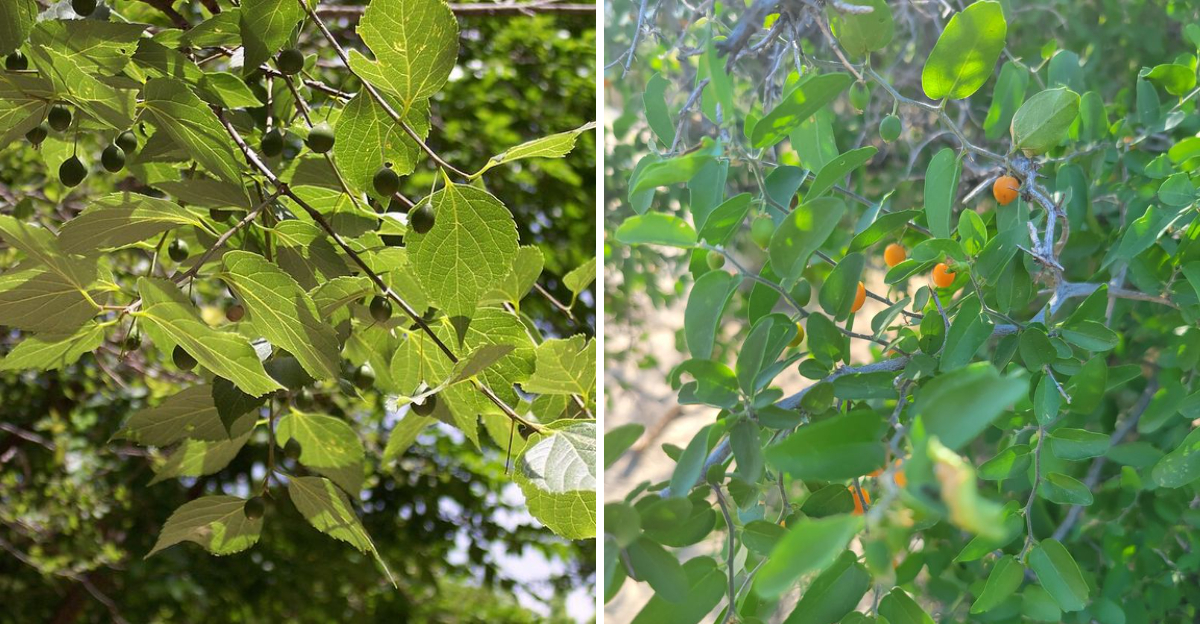
Shade becomes one of the most valuable things a yard can have during a desert summer. The right tree can make spending time outside feel completely different.
Most people choose familiar trees without looking at the native options first. That simple habit often causes them to miss a tree that naturally belongs in the desert.
Native trees have spent centuries adapting to heat, dry soil, and long periods without rain. They offer benefits that many popular landscape trees simply cannot match.
Arizona has a remarkable shade tree that still does not get the attention it deserves. Once people discover it, they often wonder why they overlooked it for so long.
A better choice may already be growing close to home.
Sometimes the smartest addition to a yard has been part of the desert all along.
1. Netleaf Hackberry Handles Desert Heat Well
Surviving triple-digit heat is no small feat for any plant. Netleaf Hackberry does it without drama.
Native to the Sonoran and Chihuahuan Desert regions, it evolved over thousands of years in conditions that would stress most ornamental trees.
Roots go deep. Canopy holds steady.
Even during the hottest weeks of July and August, this tree rarely shows signs of heat stress when it is properly established.
Hackberry bark is thick and textured, which helps protect the tree from sun scorch. Unlike shallow-rooted imports, it pulls moisture from deeper soil layers during dry spells.
Temperatures above 110 degrees Fahrenheit are not unusual in the low desert. Netleaf Hackberry handles those conditions better than most non-native species planted in similar spots.
One thing worth noting is that young trees need help getting through their first one or two summers. Once roots are established, the tree becomes significantly more self-sufficient.
It is not indestructible, but it is genuinely tough in ways that matter for desert gardening.
Choosing a heat-adapted native reduces long-term maintenance. Fewer interventions, less water, and less worry add up over time.
Hackberry earns its place in a yard by simply doing what it was built to do.
2. Broad Canopies Create Cooler Summer Shade
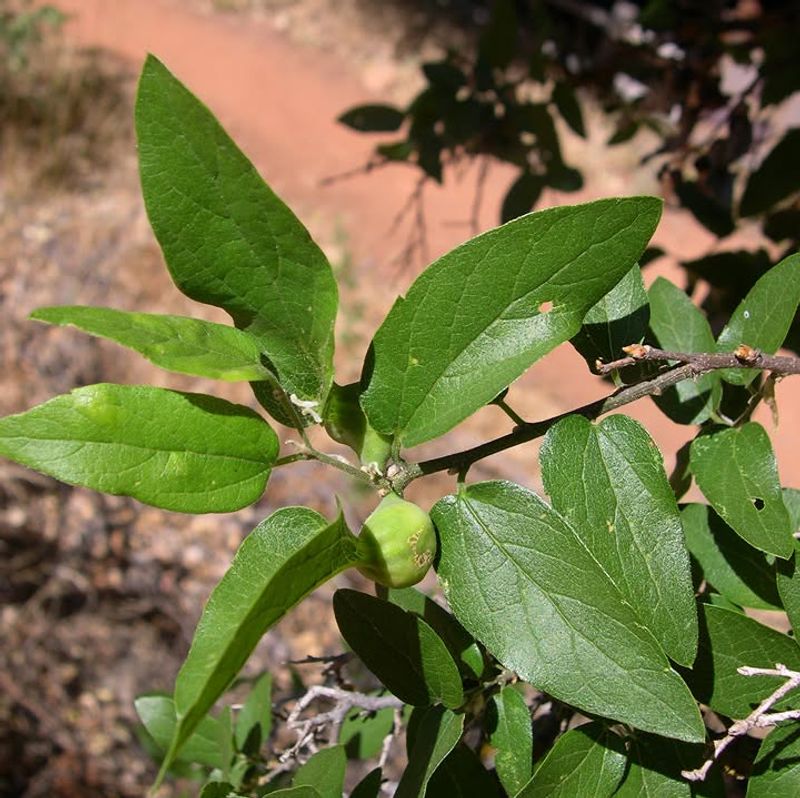
Shade is one of the most underrated features in a desert yard. A mature Netleaf Hackberry can spread its canopy wide enough to cool a significant patch of ground, a patio, or even part of a home’s exterior wall.
Canopy spread varies by tree and growing conditions, but mature specimens often reach 20 to 30 feet across. That kind of coverage makes a real difference on a 108-degree afternoon.
Unlike palms, which offer almost no useful shade, Hackberry grows a full, leafy canopy that blocks direct sun effectively. Sitting under one on a hot day feels noticeably cooler than standing in the open.
Deciduous by nature, the tree drops its leaves in winter. That seasonal rhythm actually works in your favor.
You get shade when summer heat peaks and sunlight when winter warmth is welcome.
Positioning matters. Planting Hackberry on the west or south side of a structure gives the most benefit during peak afternoon heat.
Your Arizona Garden Changes Every Week. Your Plan Should Too.
Gardening in Arizona changes quickly throughout the season. Every Friday you’ll receive a simple weekly plan showing exactly what to plant, prune, fertilize, harvest, and protect so you never miss the right timing.
A well-placed tree can reduce surface temperatures on walls and windows nearby.
Cooling benefits from tree shade are real but depend on canopy density, tree health, and placement. A stressed or poorly placed tree will not perform the same way.
With good siting and basic care, Hackberry earns its spot as a functional shade provider in hot, dry climates.
3. Well-Drained Soil Promotes Strong Roots
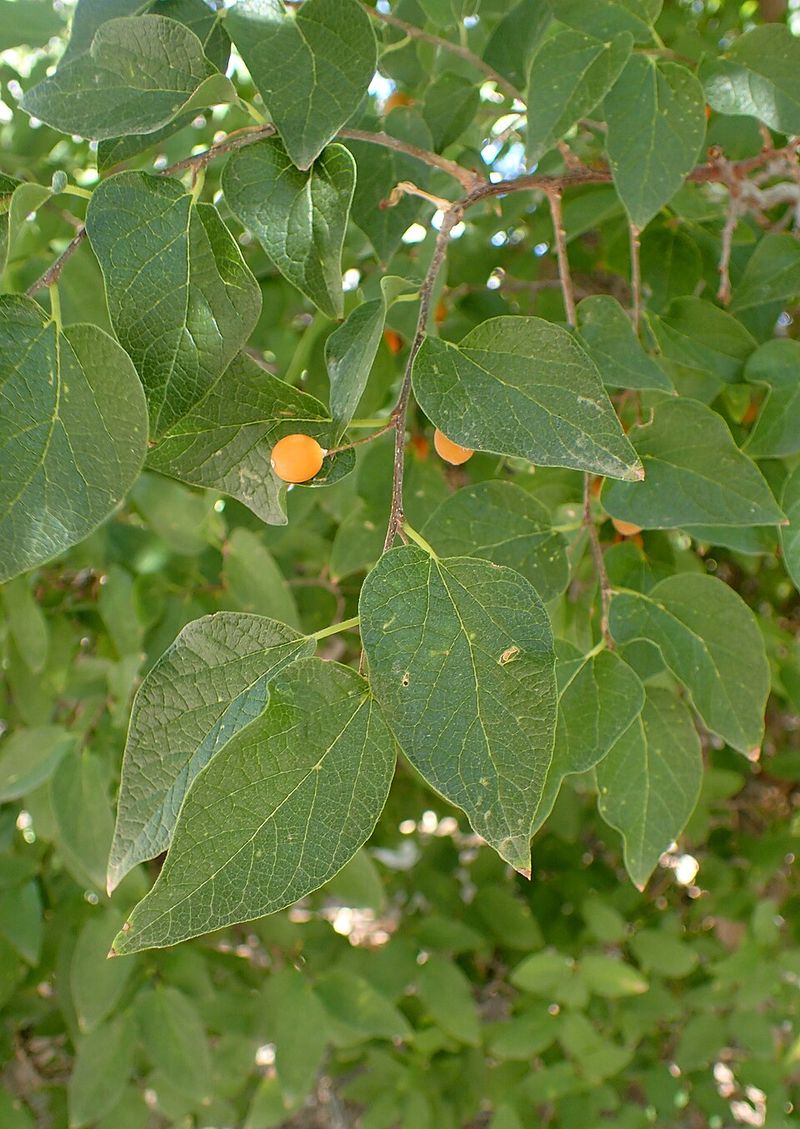
Roots need room to breathe. In compacted or waterlogged soil, even a tough native tree can struggle to establish properly.
Netleaf Hackberry performs best in well-drained, loose soil that lets water move through quickly.
Caliche layers are common in desert soils and can block root penetration. Breaking through that layer before planting gives roots a better path downward.
A simple soil probe can help you identify how deep the caliche sits.
Sandy loam and decomposed granite both work well for Hackberry. Heavy clay holds too much moisture and can lead to root problems, especially during monsoon season when rainfall is intense and prolonged.
Raised planting beds or berms can help in areas where drainage is poor. Elevating the root zone slightly keeps water from pooling around the trunk base after rain events.
Avoid adding too much organic matter to the planting hole. Native trees adapted to lean desert soils do not always benefit from rich amendments.
Overly rich soil can actually encourage shallow rooting rather than deep establishment.
Strong roots built in well-drained soil make the tree more stable and more drought-tolerant over time. Root health is the foundation of everything else.
Get the soil conditions right from the start, and the tree will have a much better chance of long-term success in your yard.
4. Deep Watering Establishes Young Plants
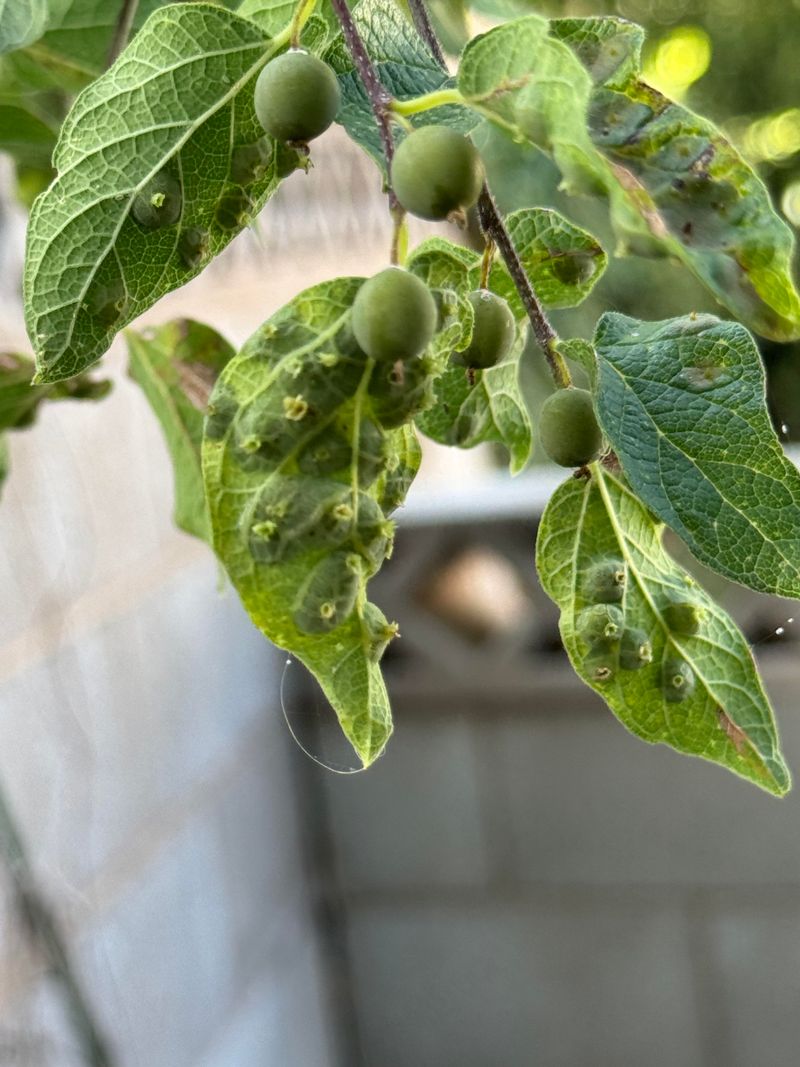
Young trees need water delivered deeply, not just sprinkled at the surface. Shallow watering trains roots to stay near the top of the soil, which makes the tree more vulnerable during dry stretches.
Deep watering means letting water soak down 18 to 24 inches into the soil. A slow trickle from a hose left at the base for 30 to 45 minutes works better than a quick spray over the entire area.
During the first summer, water every seven to ten days depending on heat and rainfall. Adjust based on how quickly the soil dries out in your specific location.
No two yards are exactly the same.
Monsoon rains can supplement watering during July and August, but they are not always reliable. Watching the soil and the tree together gives you better information than following a rigid schedule.
After the first or second year, established Hackberry trees need far less supplemental water. Reducing irrigation gradually encourages roots to reach deeper and become more self-sustaining over time.
Mulching around the base helps retain soil moisture between watering sessions. Keep mulch a few inches away from the trunk to avoid creating conditions that could lead to bark problems.
Deep, infrequent watering is one of the most important habits you can build during a tree’s early years in the ground.
5. Full Sun Supports Healthy Growth
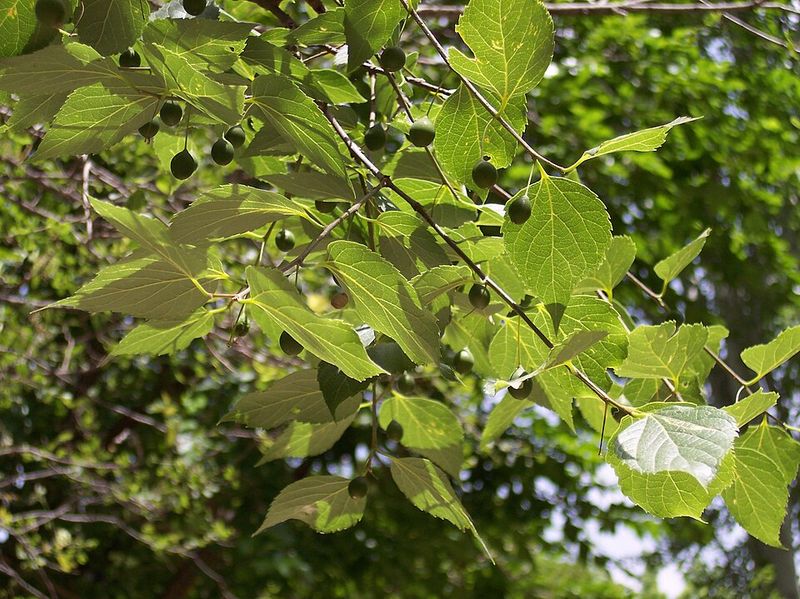
Full sun is where Hackberry thrives. No need to hunt for partial shade or shelter it from afternoon exposure.
Plant it in an open spot and let it grow without apology.
Six or more hours of direct sunlight per day is ideal. Less than that and growth slows, canopy density drops, and the tree may become more susceptible to pest pressure over time.
Most desert-adapted plants want sun, and Hackberry is no exception. Planting it in a shaded corner or under a roof overhang would work against its natural growth pattern.
Exposure to full sun also helps the wood harden properly. Soft, fast growth in low-light conditions can make branches weaker and more prone to breakage during monsoon storms.
One practical tip: avoid planting near structures that block morning light. East-facing exposure paired with full afternoon sun tends to produce strong, well-structured trees over time.
Growth rate in full sun is moderate. Expect roughly one to two feet of new growth per year under good conditions, though this varies with soil quality, water availability, and climate variations in your specific location.
Hackberry is not a fast-growing showstopper, but steady, sun-fueled growth builds a more durable tree. Patience pays off with this one.
6. Occasional Pruning Shapes A Strong Canopy
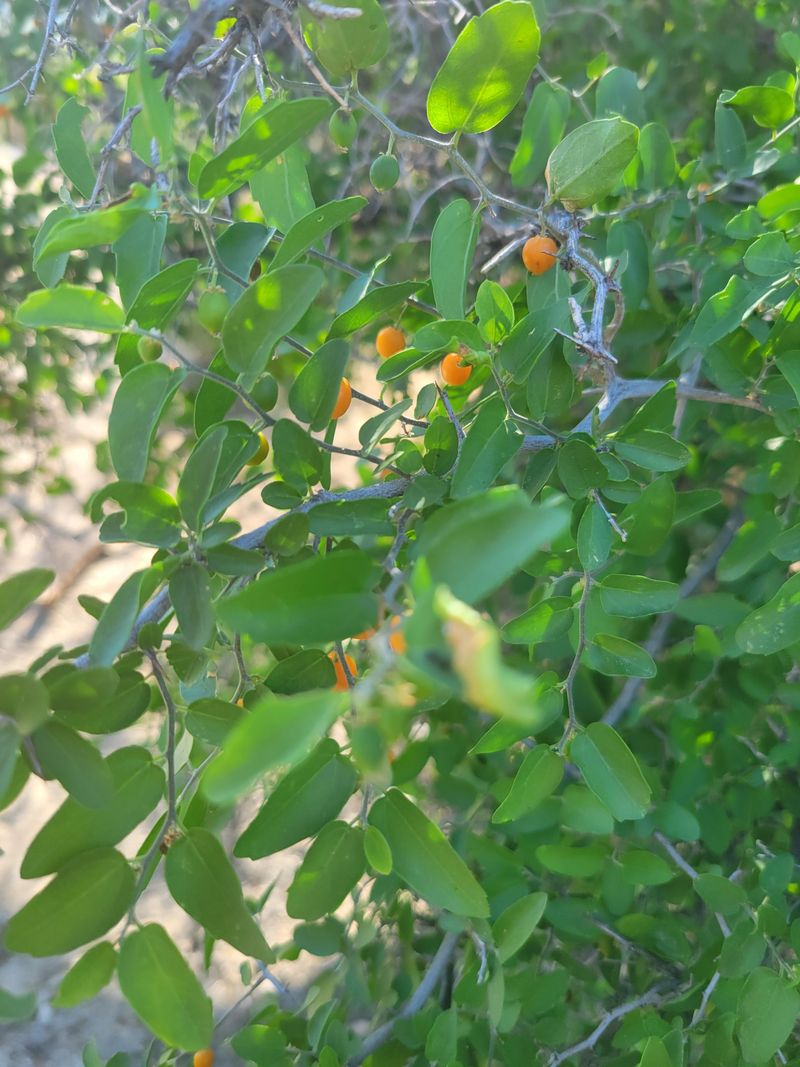
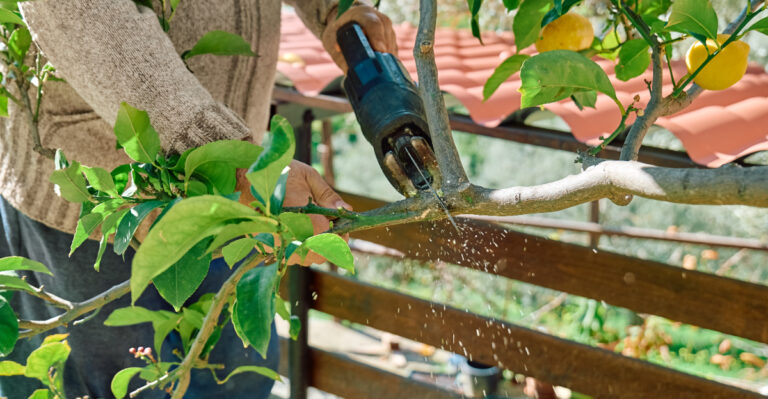
Pruning is not about making a tree look tidy. With Hackberry, smart pruning is about building a structure that holds up under wind, weight, and years of growth.
Start pruning young trees early to establish a clear central leader and remove crossing or rubbing branches. Catching these issues early costs far less effort than correcting them on a mature tree.
Remove no more than one-quarter of the live canopy in a single pruning session. Taking too much at once stresses the tree and can slow recovery, especially during hot weather.
Late winter or very early spring is generally a good window for major pruning before new growth begins. Light cleanup cuts can happen at other times of year if needed, but avoid heavy pruning during extreme heat.
Lower branches can be raised gradually over several years to improve clearance for foot traffic, vehicles, or sight lines. Raising the canopy too quickly can leave the trunk exposed to sunburn, so go slowly.
Sharp, clean tools make better cuts. Ragged cuts take longer to compartmentalize and can invite pest activity.
Wipe blades with isopropyl solution between trees if you are working on multiple plants in one session.
Pruning with intention, rather than just cutting for appearance, is what separates a well-structured tree from a messy one after a few seasons of growth.
7. Seasonal Berries Feed Local Wildlife
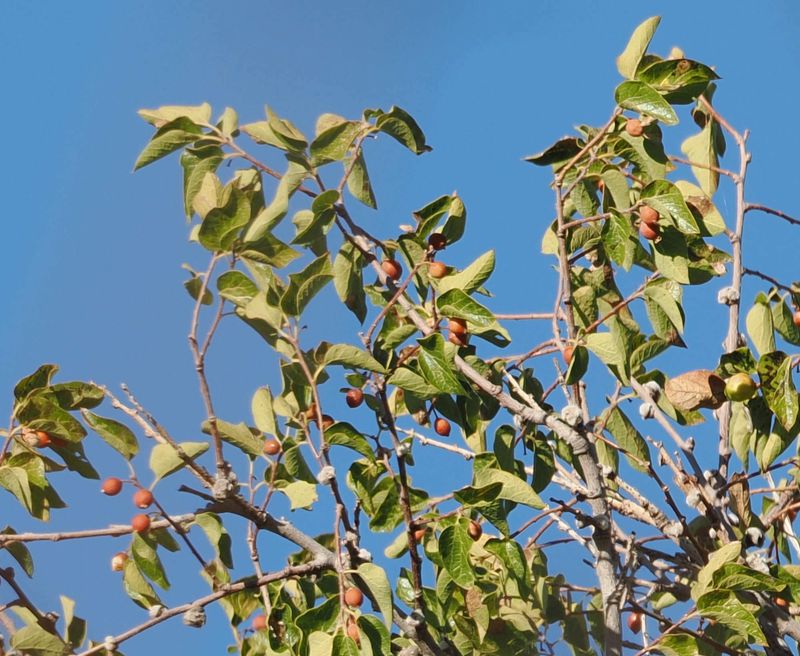
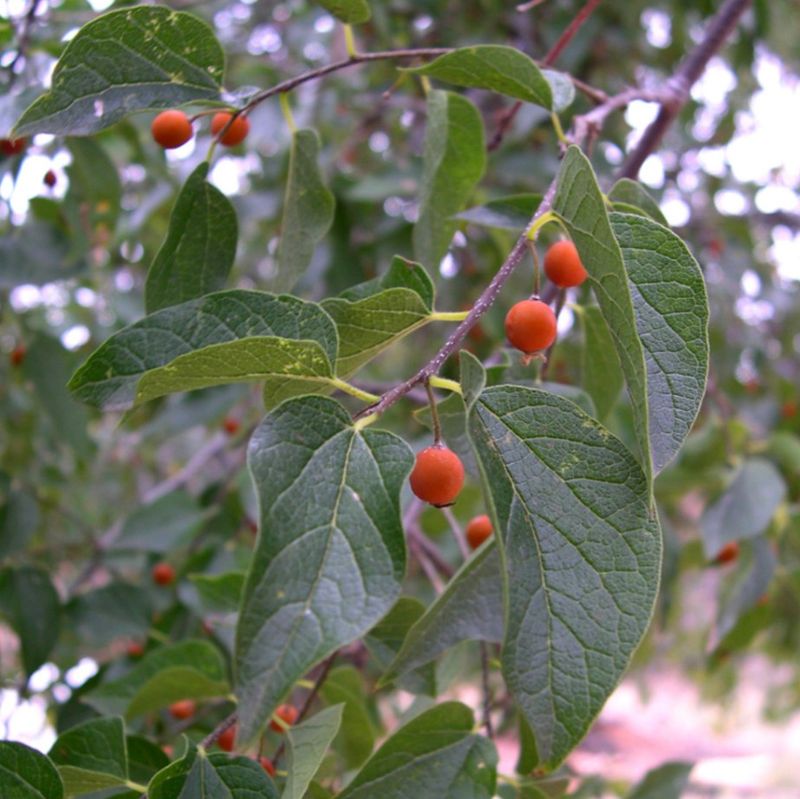
Come fall, Netleaf Hackberry loads up with small, fleshy berries that range from orange to deep red. Birds notice quickly.
Within days of ripening, the tree becomes a busy feeding station for a wide variety of species.
Cedar waxwings, mockingbirds, and phainopeplas are among the birds commonly seen feeding on Hackberry fruit across the desert Southwest. The berries are high in sugar and fat, making them valuable fuel during migration and cooler months.
Berries typically ripen between September and November, depending on location and weather patterns. Timing can shift by a few weeks in either direction based on that year’s monsoon and early fall temperatures.
Beyond birds, small mammals and insects also use Hackberry as a food source. Hackberry Emperor butterflies, in particular, depend on the tree as a larval host plant.
Supporting that life cycle adds ecological value that goes well beyond simple aesthetics.
Fallen berries can attract ground-feeding birds like thrashers and quail. Leaving a small area of natural ground cover beneath the tree supports that activity without requiring extra effort on your part.
Planting Hackberry is a practical way to support local wildlife without building a separate habitat feature.
One tree does a lot of work quietly, season after season, and that kind of layered benefit is exactly what makes native plants worth choosing in the first place.