Why San Diego Gardeners Are Banned From Moving Backyard Fruit This Month
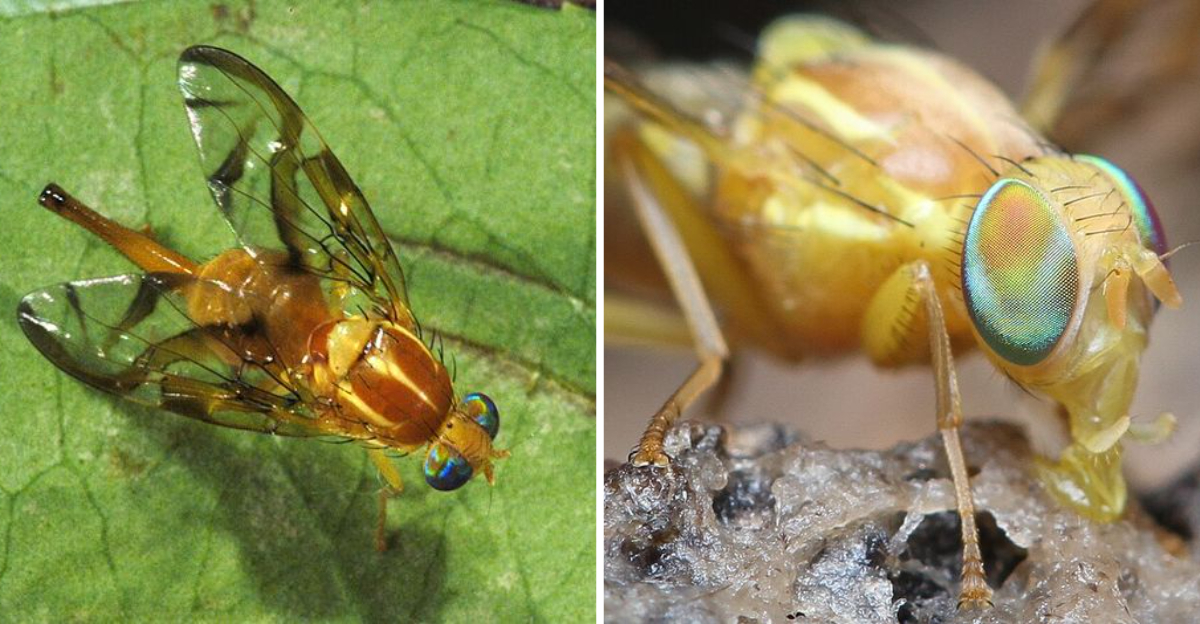
Backyards across San Diego just got a lot quieter when it comes to sharing fruit. Neighbors who once left baskets of lemons and avocados on porches are suddenly holding back, following rules many didn’t expect to face.
Something showed up in local trees that changed the rules overnight. Officials moved fast once they confirmed what they were dealing with, and the response has been anything but casual.
Restrictions are already in place across parts of the county, with more expected as inspectors trace how far this has spread. Anyone growing citrus, avocados, or mangoes at home is now part of this story, realizing it or not.
If there’s a fruit tree in your yard, this isn’t background noise. What’s happening right now could shape how San Diego gardeners grow, share, and protect their trees for years to come.
A Pest Detection Triggered This Sudden Regional Fruit Ban
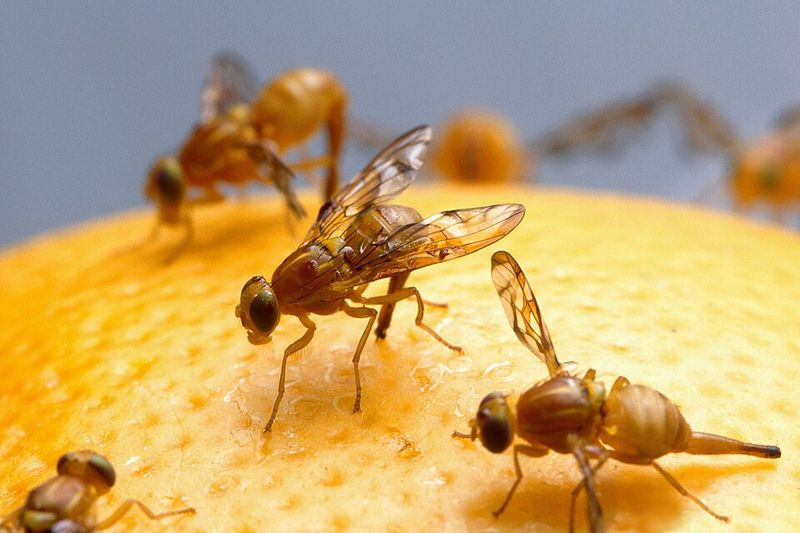
Few residents expected the response to move this fast. San Diego County agricultural officials confirmed detections of a destructive invasive pest, triggering an immediate regional fruit ban.
The ban on moving backyard fruit in San Diego caught many gardeners off guard. One day everything was normal, and the next, residents were told to leave their fruit where it falls.
Agricultural inspectors moved quickly once detections were confirmed. Speed matters enormously when an invasive species starts spreading through residential neighborhoods.
The pest in question lays eggs inside fruit, making infested produce nearly impossible to spot. That hidden threat is exactly why officials felt a full ban was necessary.
Fruit that looks perfectly healthy can already be carrying larvae deep inside its flesh. Carrying that fruit across town is like handing the pest a free ride to a new neighborhood.
San Diego has dealt with pest threats before, but this one escalated unusually fast. Officials say the rapid response is meant to stop a small problem from becoming a massive agricultural crisis.
Backyard gardeners are not being blamed for the outbreak. Experts believe the pest arrived through international travel or smuggled produce, not from local gardens.
The ban is a protective measure, not a punishment. Residents who follow the rules are genuinely helping protect San Diego farms, gardens, and the broader food supply.
Understanding why the ban exists makes it much easier to follow. Knowledge turns frustration into cooperation, and right now, cooperation is what officials need most.
Invasive Mexican Fruit Fly Detections Triggered Immediate Regional Restrictions
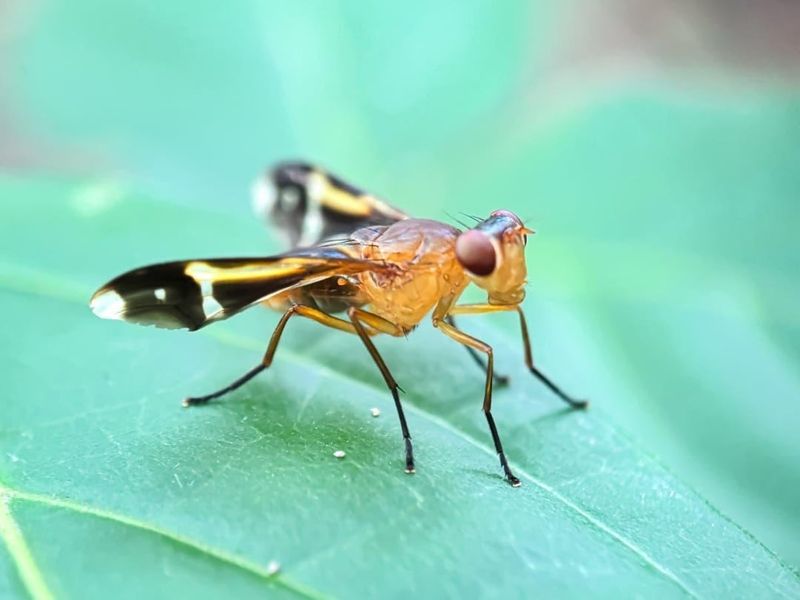
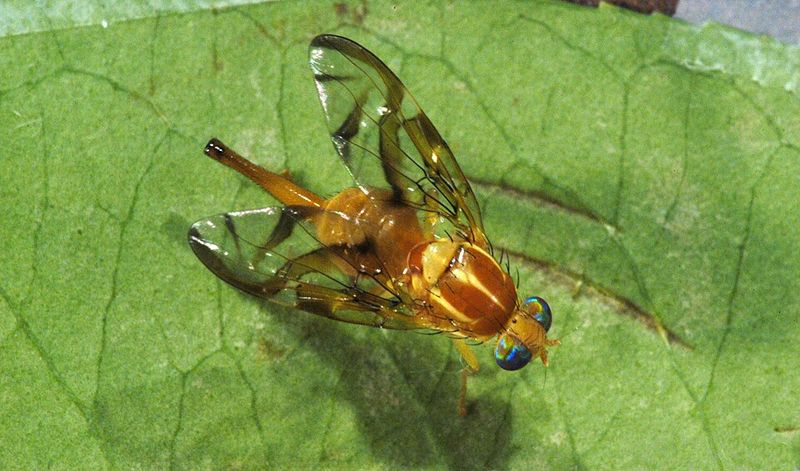
Meet the culprit behind the chaos. The Mexican fruit fly, known scientifically as Anastrepha ludens, is one of the most destructive agricultural pests in North America.
This insect is not a casual garden visitor. It targets dozens of fruit species, laying eggs inside the flesh where larvae feed and destroy the fruit from within.
Detection traps set by county inspectors caught multiple flies in residential zones. That discovery was enough to trigger immediate quarantine protocols across affected areas.
The Mexican fruit fly is native to Mexico and Central America. It has repeatedly attempted to establish itself in California, and officials treat every detection with serious urgency.
Your California Garden Changes Every Week. Your Plan Should Too.
Gardening in California changes quickly throughout the season. Every Friday you’ll receive a simple weekly plan showing exactly what to plant, prune, fertilize, harvest, and protect so you never miss the right timing.
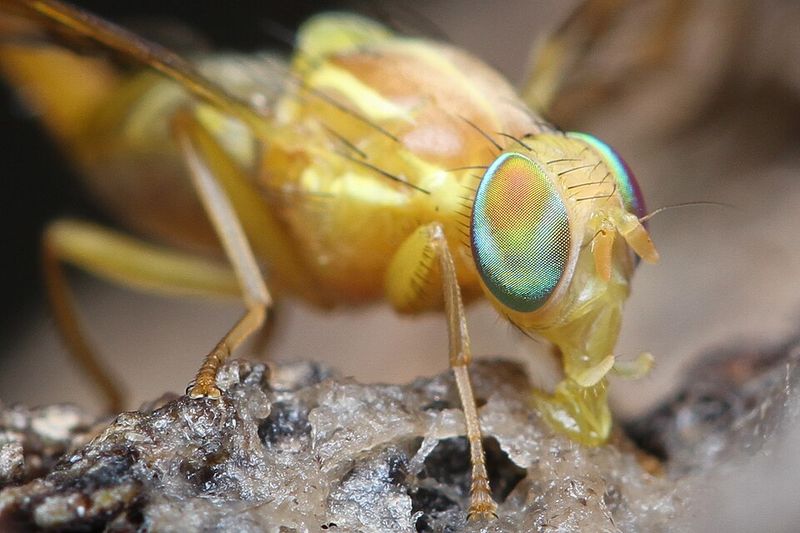
Adult flies look somewhat similar to common house flies, but they are slightly larger. Their wings have distinctive yellowish-brown banding that trained inspectors learn to identify quickly.
Females can lay hundreds of eggs during their lifetime. Each batch goes directly into ripening fruit, making a single fly capable of infesting a shocking amount of produce.
California has spent decades keeping this pest out of its borders. The state’s agriculture industry, worth billions annually, depends on staying free from established populations.
San Diego sits right at the border, making it especially vulnerable to new pest introductions. Inspectors in this region stay on high alert year-round for exactly this kind of threat.
Every confirmed detection triggers a response that moves with remarkable speed and coordination. That intensity reflects just how seriously agriculture officials take the Mexican fruit fly threat.
Over 50 Crop Types Face Risk From This Pest
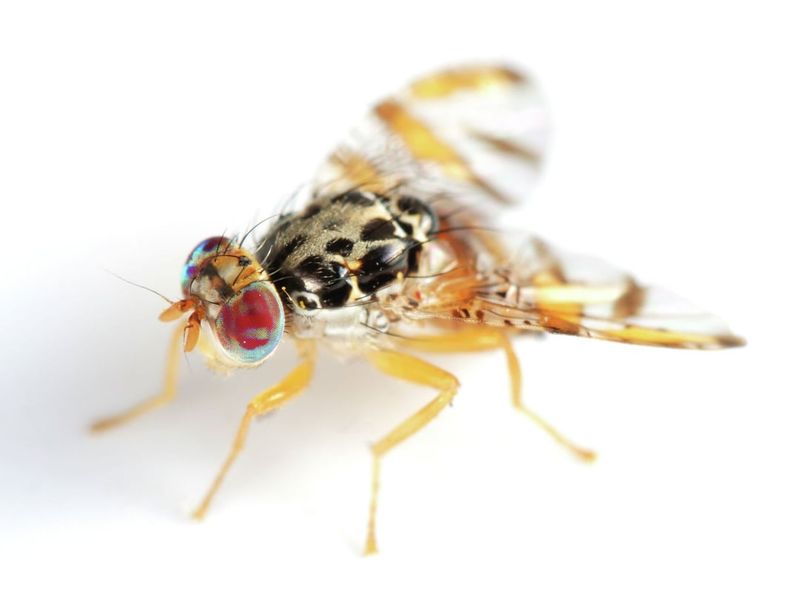
The list of crops at risk will surprise most people. The Mexican fruit fly targets a remarkably wide range of hosts, with a menu that includes over 50 different types of fruit.
Citrus is one of the most commonly affected categories. Oranges, grapefruits, lemons, and limes are all vulnerable, which is bad news for San Diego’s many backyard citrus growers.
Mangoes rank among the pest’s preferred hosts. San Diego has a growing community of mango enthusiasts, and their trees represent a significant risk if the fly establishes itself locally.
Stone fruits like peaches, plums, and nectarines are also on the target list. These crops are grown commercially throughout Southern California, making their protection a top priority.
Avocados, practically a symbol of San Diego living, are not immune either. A widespread infestation could devastate both backyard trees and commercial groves across the region.
Even some vegetables can be affected under the right conditions. That broader range makes containment far more complicated than a simple citrus-only quarantine would require.
Commercial growers in neighboring counties are watching San Diego closely. An established population here could spread northward, threatening farms throughout the entire state.
The economic stakes are staggering. California’s fruit and vegetable industry generates tens of billions of dollars each year, and a pest like this could trigger massive losses.
Protecting over 50 crop types requires every resident to play a role. Backyard gardeners are the first line of defense, and their cooperation makes a measurable difference.
Moving Backyard Fruit Can Spread Larvae To New Areas
Here is the part that trips most people up. There’s often no visible sign that a piece of fruit is already infested.
The Mexican fruit fly lays eggs just beneath the skin of the fruit. From the outside, infested produce looks identical to clean, safe fruit sitting right next to it.
When someone picks up a bag of backyard oranges and drives across town, those hidden larvae travel along. A new neighborhood gets exposed before anyone realizes what happened.
Larvae eventually mature and exit the fruit to pupate in soil. Once they reach the ground in a new location, the cycle starts all over again in fresh territory.
That transport chain is exactly how invasive pests expand their range so quickly. Each well-meaning gardener who shares fruit becomes an unintentional carrier without knowing it.
Officials are not suggesting anyone acted irresponsibly before the ban was announced. The problem is that this pest simply cannot be seen at the larval stage.
Even composting infested fruit in your own yard carries risk. Larvae can survive in backyard compost piles and emerge later to infest nearby trees.
The safest approach right now is to leave fallen fruit where it drops. Consuming or processing it on-site, by juicing, freezing, cooking, or running it through a garbage disposal, is what officials recommend instead.
Small actions taken by thousands of residents add up to enormous protection. Staying in place is the single most powerful thing a backyard gardener can do right now.
Quarantine Zones Restrict Fruit Transport Across San Diego County
Not every zip code in San Diego faces the same level of restriction. Quarantine zones are drawn based on where pest detections have actually occurred.
The California Department of Food and Agriculture works alongside county officials to define these boundaries. Zones can expand quickly if new detections appear outside the original area.
Inside a quarantine zone, residents cannot move host fruit off their property. That means no giving bags of lemons to neighbors, no dropping off avocados at a friend’s house.
Farmers markets within quarantine boundaries face strict rules too. Vendors must ensure their produce meets treatment or certification requirements before selling to the public.
Transporting fruit across zone boundaries without proper clearance is a legal violation. Violations can carry real consequences, and enforcement is taken seriously, especially at agricultural inspection checkpoints.
Residents can look up their specific address on the county agricultural commissioner’s website. The maps are updated regularly as the situation changes on the ground.
Some areas outside the core zone face buffer restrictions as a precaution. Even if your street is not inside the hot zone, nearby rules may still affect what you can do with your harvest.
Treatment options exist for growers who need to move fruit commercially. Approved cold treatment or other certified processes can clear fruit for transport under specific conditions.
Knowing exactly which zone you live in removes the guesswork entirely. A quick online search for your address takes less than two minutes and gives you clear, current answers.
Following The Ban Helps Protect Local Crops Long Term
Following the backyard fruit ban in San Diego is genuinely one of the most impactful things a resident can do this season. Compliance is not just about avoiding fines.
Every time a quarantine succeeds, it prevents a pest from gaining a permanent foothold. California has eradicated fruit fly infestations before, and collective action made those victories possible.
The 1990s saw a massive Mediterranean fruit fly outbreak in California. Aggressive quarantine measures, combined with widespread public cooperation, eventually eliminated that population before it caused permanent damage.
History shows that these battles can be won. But winning requires residents to take the rules seriously, even when the rules feel inconvenient or overly cautious.
Local farms depend on pest-free status to sell their produce across state lines. A single established population of invasive flies can trigger trade restrictions that cost growers millions.
Backyard trees and community gardens benefit from protection too. Keeping the pest out of residential areas means your own fruit trees stay healthy for years to come.
Officials plan to lift restrictions once the area is declared pest-free. That declaration requires a set number of weeks with no new detections in the monitored trapping network.
The faster residents comply, the faster the quarantine period ends. Cooperation shortens the timeline, while violations extend it for everyone in the affected area.
San Diego gardeners have a real chance to protect their community right now. Leaving that backyard fruit where it belongs is a small act with genuinely lasting impact.