The Most Underrated North Carolina Native Sedge For Downspout Edges That Stay Damp For Days
That damp strip beneath your gutter downspout probably feels like a lost cause by now. Every storm leaves it soaked for days, compacted, and stubbornly unfriendly to anything you try planting there.
Most homeowners across North Carolina just give up on that patch entirely, tossing mulch over it and hoping nobody notices. Yet one native ground cover has been thriving in exactly those puddled, root-choked conditions for generations.
It shrugs off standing water after heavy rain, then handles the dry stretches between storms without a fuss. Summer heat that leaves nearby shrubs wilting barely slows it down.
If that muddy corner near your downspout has been bothering you all season, there’s a simple fix waiting for you below.
A Quiet Native Sedge Solves This Damp Edge Problem
Soggy soil beside a downspout is one of the most frustrating spots in any yard. Most ornamental plants rot or fail there within a single season.
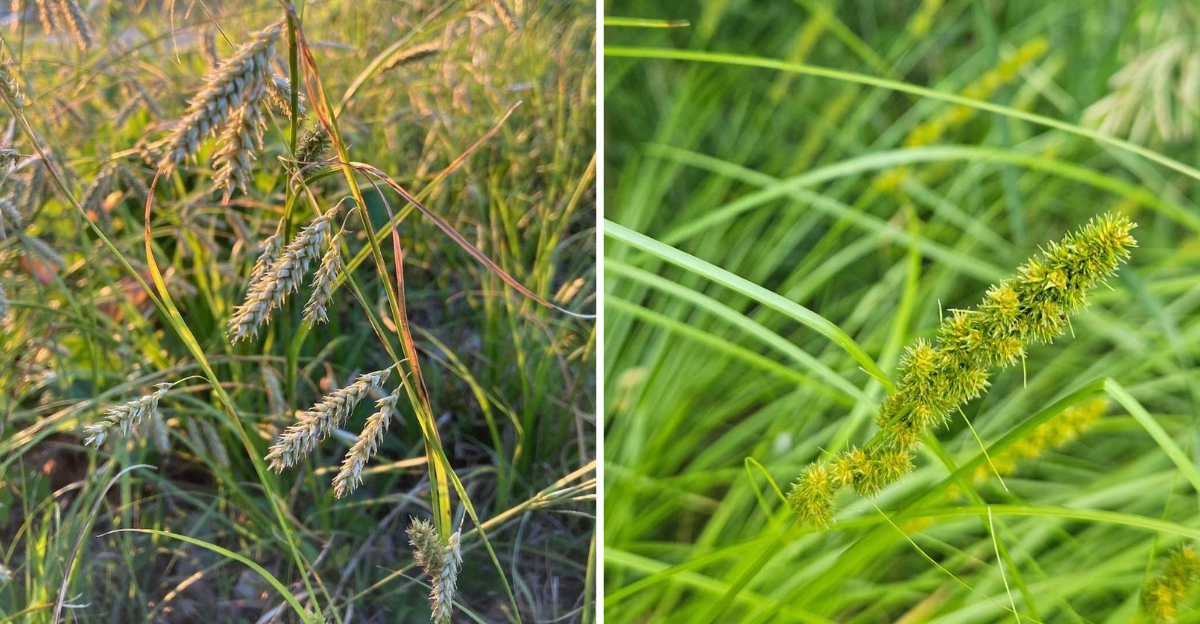
Cherokee Sedge steps in where many other plants struggle. This native sedge is built for exactly the kind of wet-then-dry cycle that downspout edges create.
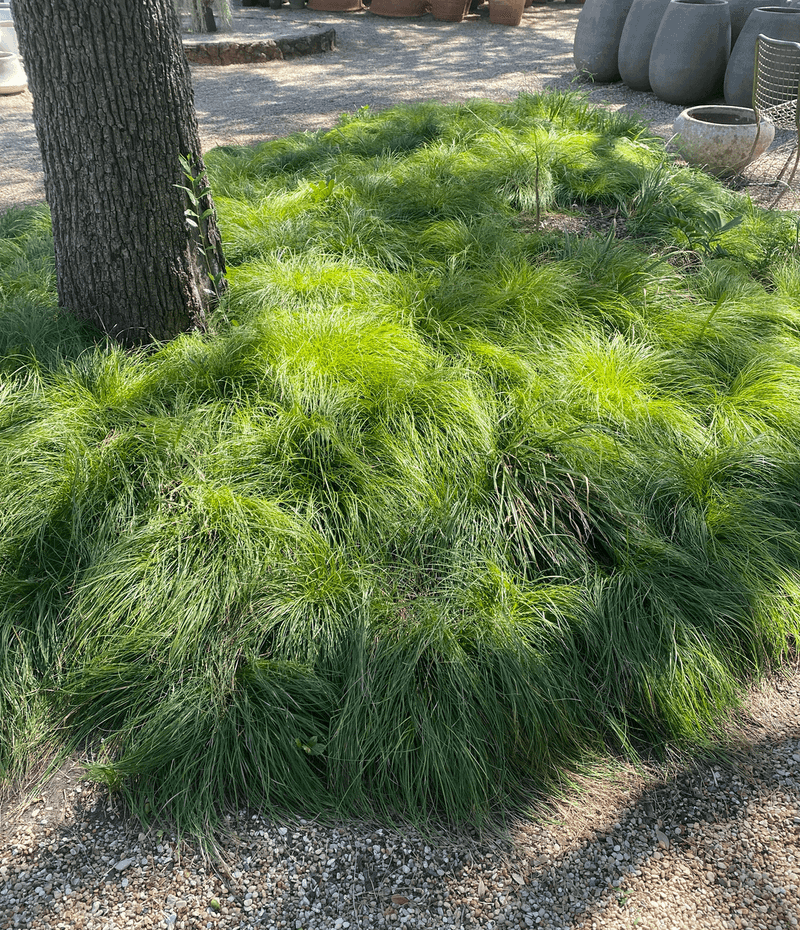
The plant forms dense, arching clumps of bright green foliage. Those clumps reach about two feet tall and spread slowly over time without becoming invasive.
Carex cherokeensis is native to the Southeast, including many counties across the Piedmont and coastal plain regions. Knowing a plant belongs to your region means it already understands your weather patterns.
It does not need coddling, amended soil, or specialty fertilizers to perform well. Gardeners who discover it often wonder why they struggled with other plants for so long.
This native clump-forming sedge holds up where runoff pools the longest. That makes it a natural fit for drainage-heavy edges near your home.
Planting Cherokee Sedge along a foundation edge creates a living buffer. That buffer absorbs water before it can pool against your home’s base.
That lush green planting quietly stands out, and it costs almost no effort to maintain. The right plant in the right place tends to look effortless.
Cherokee Sedge Thrives Where Downspout Runoff Lingers Longest
Runoff from a downspout does not just pass through quickly. It saturates the soil, sits for hours, and sometimes lingers for several days after a heavy summer storm.
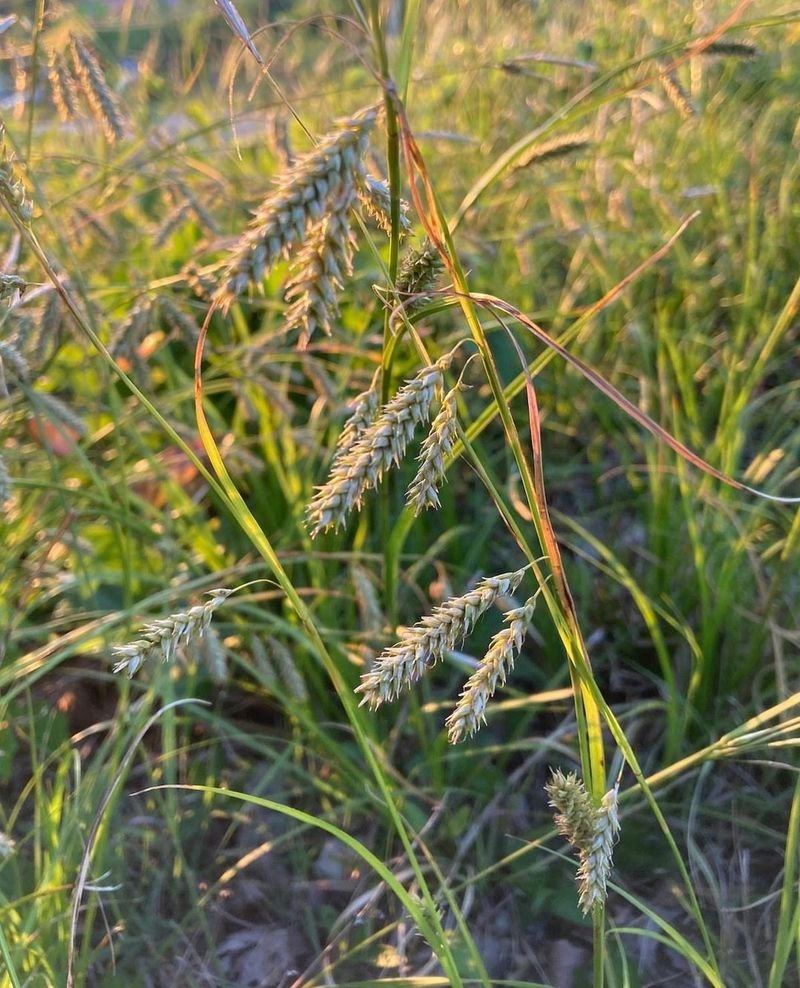
Cherokee Sedge handles that prolonged saturation without rotting at the roots. Many popular landscape plants simply cannot make that same claim.
The secret lies in how this sedge evolved. It grows naturally along quiet stream banks and low, flood-prone woodland edges where flooding is a regular seasonal event.
That evolutionary history means its root system is wired to tolerate oxygen-poor, waterlogged soil. Short wet spells feel almost routine to a plant adapted to stream margins.
Beyond just surviving, Cherokee Sedge actually looks its best when moisture is consistent. The foliage stays glossy and full rather than yellowing or curling.
Runoff zones beside homes are often compacted from foot traffic and construction. This sedge pushes through compacted ground better than most ornamental grasses or perennials.
Planting it directly in the splash zone beneath a downspout elbow gives the best results. Position the crown slightly above grade so standing water does not sit directly on the base.
Your North Carolina Garden Changes Every Week. Your Plan Should Too.
Gardening in North Carolina changes quickly throughout the season. Every Friday you’ll receive a simple weekly plan showing exactly what to plant, prune, fertilize, harvest, and protect so you never miss the right timing.
This resilient sedge quietly turns a problem spot into a design feature. A once-neglected corner becomes a tidy green border that holds up through the season.
Fibrous Roots Handle Repeated Wet And Dry Cycles
The wet-dry cycle beside a downspout is brutal for most plants. One week the soil is waterlogged, and the next it bakes into cracked clay.
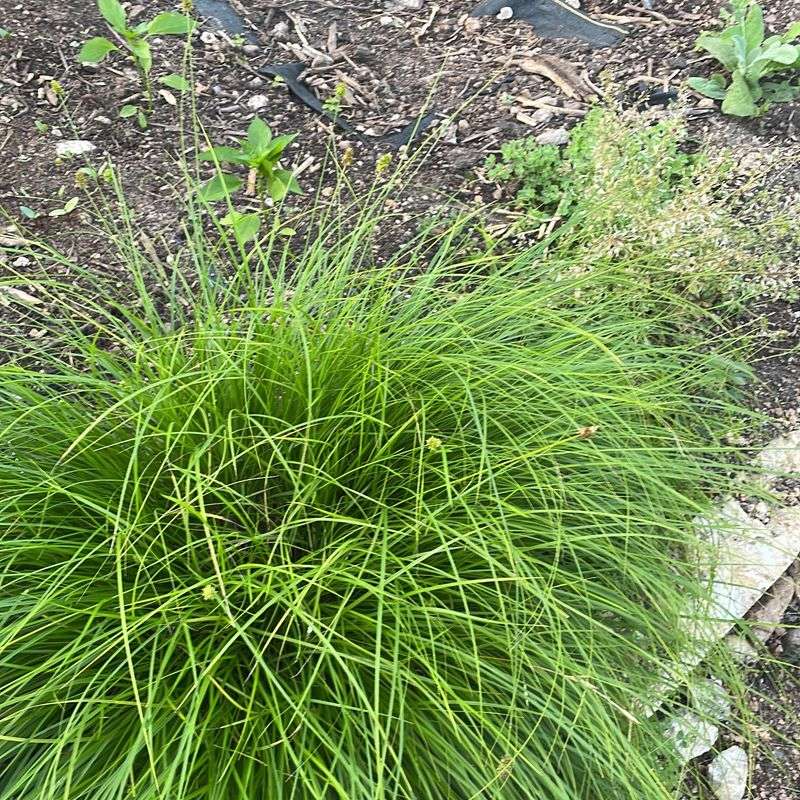
Cherokee Sedge has a fibrous root system that manages both extremes with surprising resilience. Those dense, thread-like roots spread wide and hold moisture even when the surface dries out fast.
Fibrous roots also bind soil particles together, which prevents erosion during heavy rain events. That erosion control becomes obvious after the first big storm passes through.
When water rushes off a roof and slams into bare soil, it carves channels and displaces mulch. A well-established clump of this sedge acts like a natural sponge and anchor combined.
During dry spells between rains, the root network pulls residual moisture from deeper soil layers. The plant may look slightly stressed but rarely collapses the way shallow-rooted annuals do.
Repeated wet-dry cycles actually seem to strengthen established clumps over time. Gardeners in the Piedmont region report that second and third year plants look noticeably fuller than newly planted ones.
Feeding those roots with a light layer of compost at planting time gives them a strong head start. After that first year, the roots take over and need almost no outside help.
Strong roots mean a strong plant, and a strong plant means less work for you every season. That trade-off is the whole point of choosing the right native.
This Sedge Requires Little Maintenance Once It Establishes
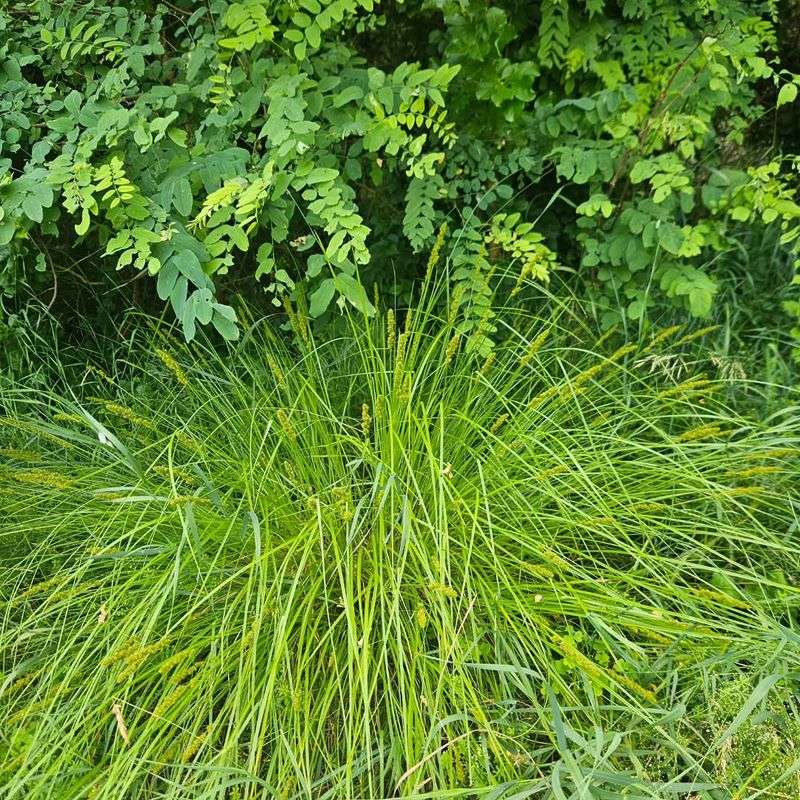
Some plants promise low maintenance but deliver constant headaches. Cherokee Sedge actually keeps its promise after the first growing season is done.
Establishment takes one full season of regular watering during dry stretches. After that, the plant largely fends for itself through rain, heat, and cold.
Pruning is optional and mostly cosmetic. Some gardeners cut the clump back to about four inches in late winter to encourage fresh, bright growth in spring.
Others skip cutting entirely and enjoy the soft, arching texture of older foliage through winter. Both approaches work because this sedge is genuinely forgiving about grooming habits.
Fertilizing is rarely necessary when the plant grows in naturally moist, organic-rich soil. A thin layer of compost applied once a year in spring is more than enough to keep it thriving.
Pest pressure on Cherokee Sedge stays low. Deer tend to ignore it, and common garden insects do not find it particularly appealing.
Dividing the clump every four to five years keeps it looking tidy and gives you free plants for other damp spots around the yard. Division is simple and takes about fifteen minutes with a sharp spade.
This sedge rewards a little patience with years of low-effort performance. Once it settles in, there’s little left to do but watch it fill in.
Sun To Part Shade Conditions Suit This Sedge Well
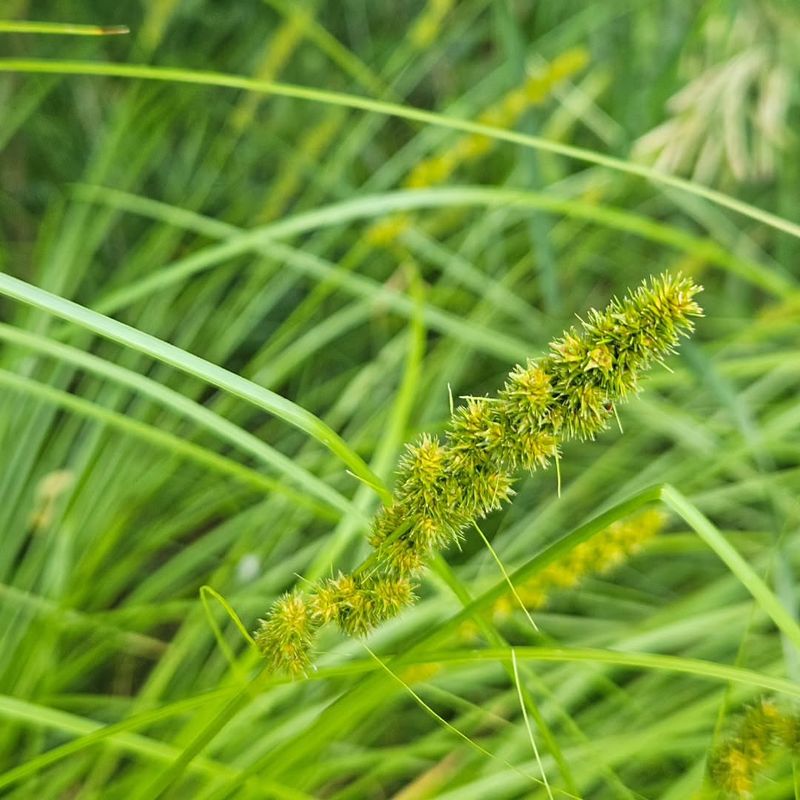
One of the biggest frustrations with wet-area plants is their strict light demands. Many thrive only in deep shade or full blazing sun, leaving mixed-light spots without good options.
Cherokee Sedge grows well across a wide light range. Full sun, part shade, and even fairly dense shade all produce healthy, attractive clumps in moist conditions.
Downspout edges often sit in tricky lighting situations. One side of a house may get morning sun while the other stays shaded for most of the afternoon.
This sedge adapts to both scenarios without complaint. The foliage stays green and upright whether it catches six hours of direct light or just two.
In full sun with consistent moisture, the blades take on a slightly brighter, more lime-green tone. In shadier spots, the color deepens to a rich forest green that looks elegant against mulch or stone.
That color flexibility makes it easy to use Cherokee Sedge as a unifying plant across different sides of a home. Using one species throughout creates a cohesive, designed look without a lot of planning effort.
Pairing it with shade-tolerant companions like ferns or native wild ginger creates a layered planting that looks intentional. Mixing textures always elevates a garden bed from basic to polished.
Flexible light tolerance is a rare and valuable trait in a moisture-loving plant. That adaptability alone makes Cherokee Sedge worth trying in nearly any damp edge situation.
Planting Tips For Success Along Damp Foundation Edges
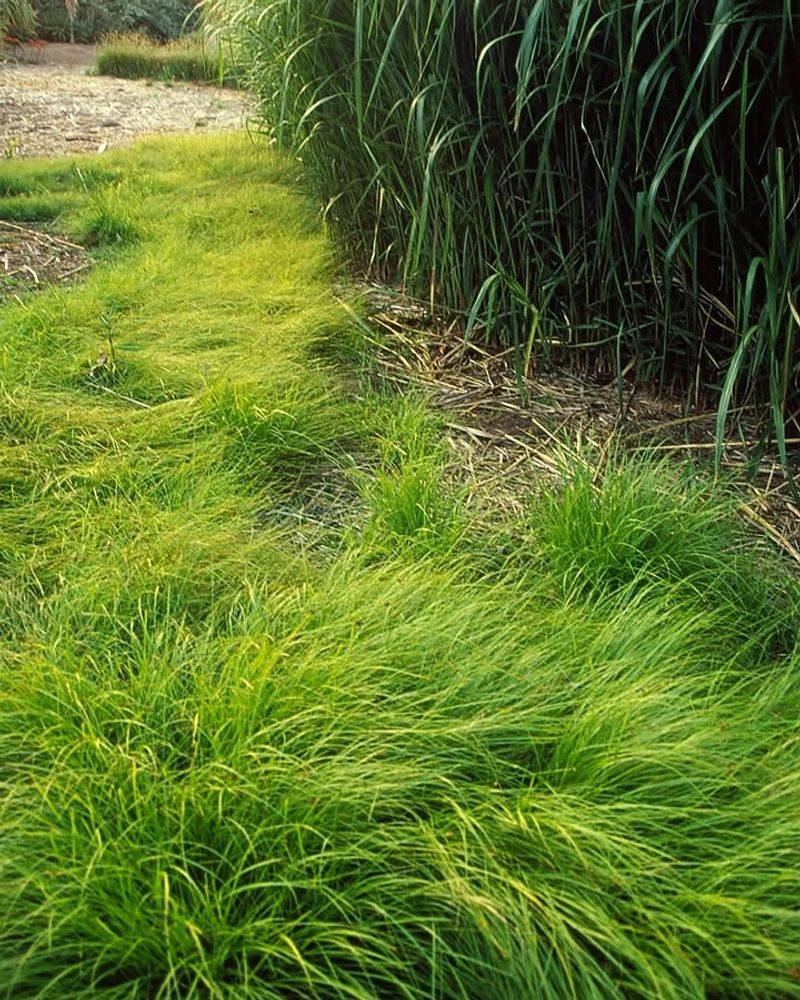
Getting Cherokee Sedge off to a strong start takes just a bit of prep work. The reward for that early effort is a plant that practically runs itself for years.
Start by loosening compacted soil in the planting area to a depth of about eight inches. Compacted ground slows root spread and limits the plant’s ability to handle heavy runoff effectively.
Mix in a generous handful of compost to improve drainage between wet events. Compost also feeds beneficial soil microbes that help roots establish faster in the first season.
Space plants about eighteen to twenty-four inches apart to allow for natural spread. Crowding them too close creates competition, while spacing them too far leaves gaps that weeds quickly fill.
Water deeply after planting and keep the soil consistently moist for the first eight weeks. Consistent moisture during establishment is one of the most important factors for long-term success.
Mulch the bed with two to three inches of shredded leaves or wood chips. Mulch holds moisture, moderates soil temperature, and suppresses weeds without smothering the crown.
Avoid piling mulch directly against the plant’s base. Leaving a small gap around the crown prevents rot and keeps air circulating at the soil surface.
This sedge responds quickly to a solid planting start. Get these steps right once, and the edge planting takes care of itself for seasons to come.