What Florida Gardeners Should Do With Hibiscus in August Before Fall Decline
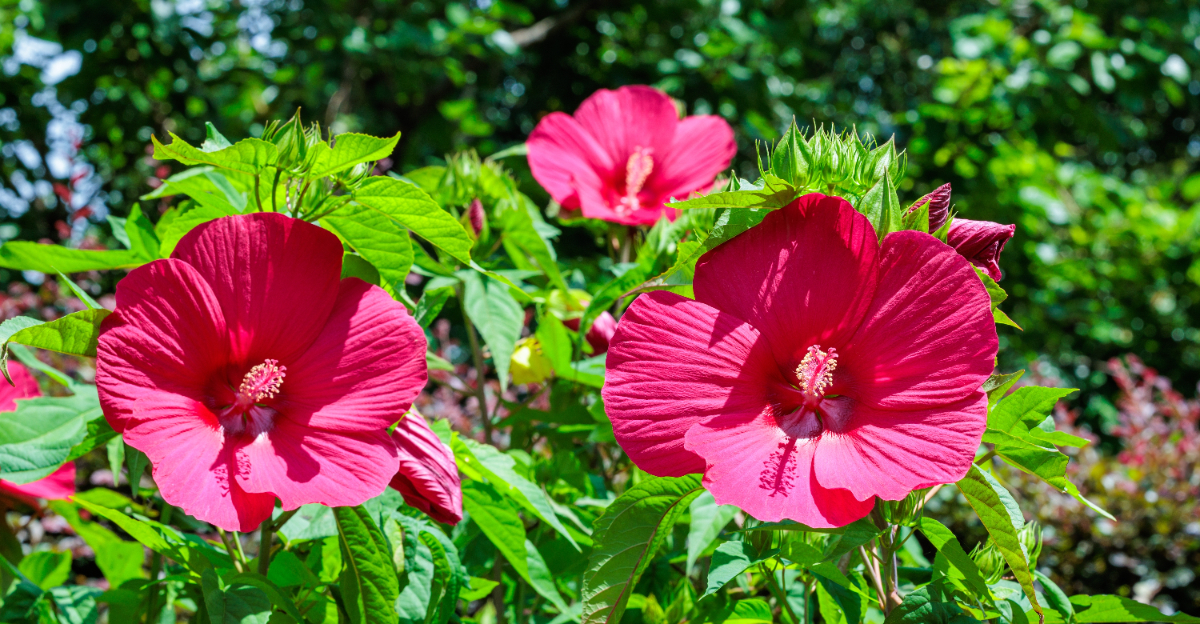
Florida hibiscus in August is at a crossroads most people miss entirely. The blooms are still coming, the plant looks capable, and nothing signals that anything needs doing.
That appearance is exactly what makes August the most overlooked month in the hibiscus calendar. What happens to hibiscus in August determines how it enters fall.
A plant that gets the right attention now arrives at the cooler months with strong root reserves, better structure, and the capacity to push one more flush of color before the season closes out.
A plant that gets ignored through August arrives at fall already behind.
The task is not complicated. It is just consistently skipped because hibiscus in August looks like it has everything figured out on its own.
It does not. August is the month hibiscus needs something specific, and fall is when the yard finds out whether it got it or not.
1. Cut Back Leggy Growth Before Fall Slows Recovery
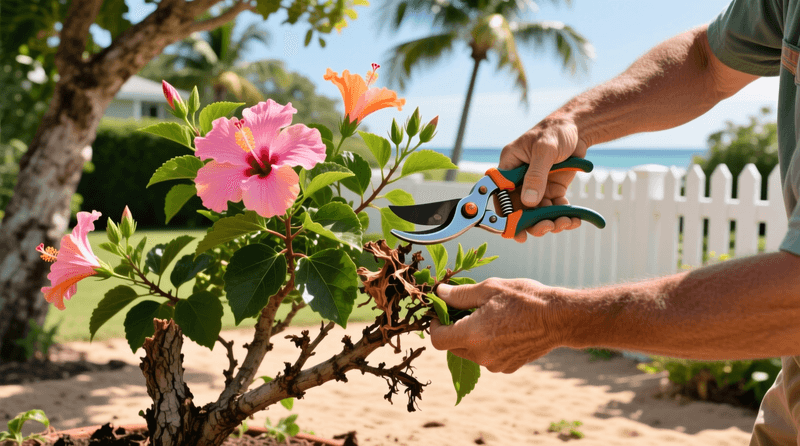
A single long shoot leaning well beyond the rest of the canopy is a useful signal worth paying attention to. Tropical hibiscus produces flowers on new growth, so some light shaping in August can encourage fresh branching.
However, that does not mean a hard cutback is the right move.
Light shaping means shortening a few overextended shoots, not removing large sections of the plant. Removing too much foliage during intense heat and heavy rainfall can stress roots and slow recovery.
A plant that has lost significant leaf cover also struggles to manage moisture and Florida temperature effectively.
Late-summer pruning carries another consideration. New shoots triggered by cutting tend to be soft and tender.
In northern and central parts of the state, those shoots may face cooler temperatures within weeks. Southern areas generally allow more time for new growth to harden before any cold risk appears.
Broken, rubbing, or clearly damaged branches are worth removing regardless of season. Clean, sharp tools reduce the risk of ragged cuts that take longer to seal.
Wipe blades with a clean cloth between plants to avoid transferring any residue from one shrub to another.
Skip the aggressive shaping if the plant looks stressed, recently transplanted, or pest-affected. A healthy, well-established shrub in a warm region handles light August pruning far better than one already working hard to cope with summer conditions.
2. Feed Lightly Without Forcing Tender New Shoots
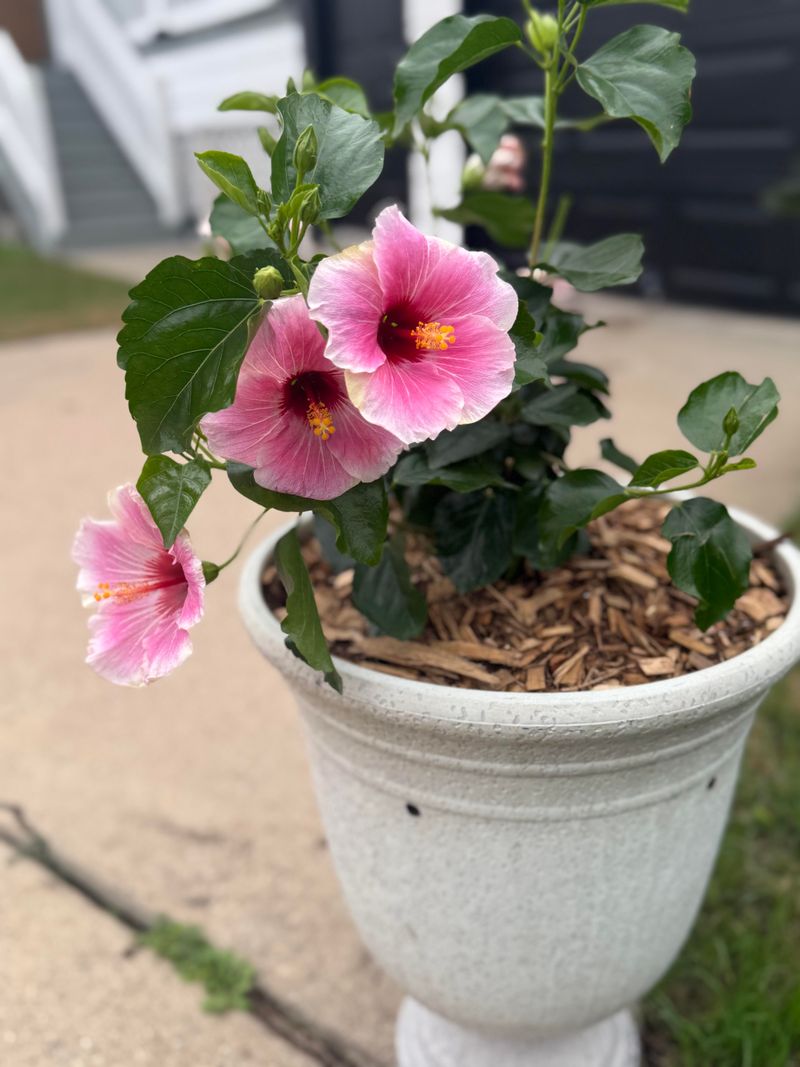
Standing beside a rain-soaked hibiscus with a bag of fertilizer in hand, it is worth pausing before reaching for the scoop. August feeding is not automatically necessary.
A plant that received a balanced application in June or early July may still have available nutrients in the soil.
Fertilizer decisions should account for plant age, pot size, recent feeding history, visible growth, and local soil conditions. Excessive nitrogen in late summer can push a flush of soft, fast-growing foliage.
That lush new growth can attract sap-feeding insects such as aphids and whiteflies, both of which are documented pests on hibiscus in warm, humid conditions.
Fertilizer cannot fix poor drainage, root stress, or an active pest problem. If yellowing leaves or slow growth are present, inspect the plant thoroughly and consider a soil test or advice from a local extension office before adding nutrients.
Your Florida Garden Changes Every Week. Your Plan Should Too.
Gardening in Florida changes quickly throughout the season. Every Friday you’ll receive a simple weekly plan showing exactly what to plant, prune, fertilize, harvest, and protect so you never miss the right timing.
Pale foliage has several possible causes, and feeding without a clear reason may do more harm than good.
Many counties across the state have fertilizer ordinances that restrict nitrogen and phosphorus applications during the rainy season, which often runs through September. Check Florida local rules before applying anything.
Avoid spreading granules on soggy soil or just before a forecast downpour, since heavy rain can wash nutrients away before roots absorb them.
3. Check Buds And Leaves For Late Summer Pests
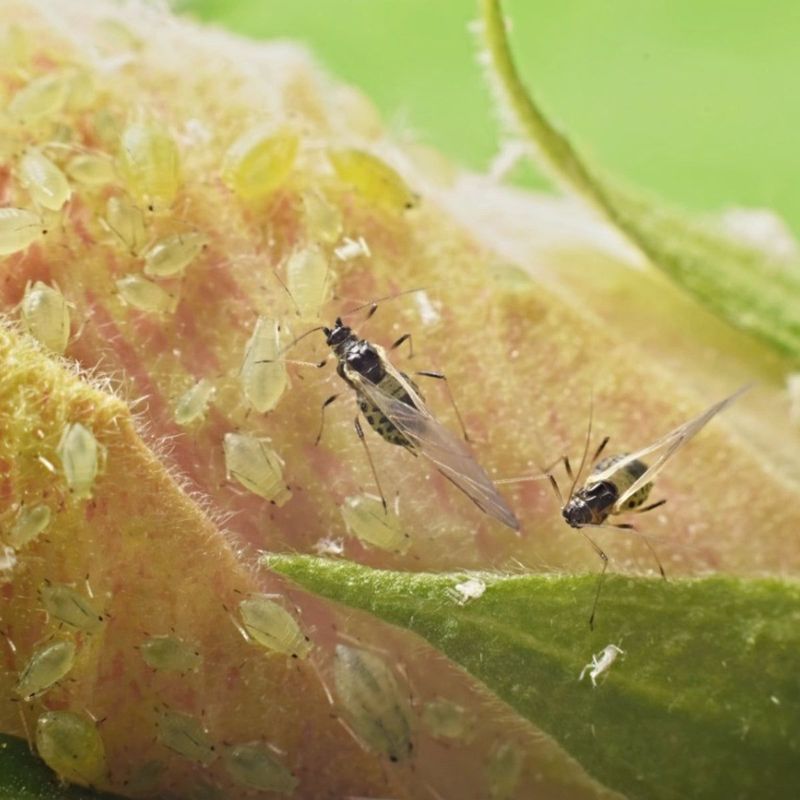
Peeling back a curled leaf or gently separating a crowded cluster of buds can reveal a lot. Late summer heat and humidity create favorable conditions for several pests documented on tropical hibiscus.
These include aphids, whiteflies, mealybugs, scales, thrips, and spider mites. Finding one of these early makes a meaningful difference.
Inspect tender shoot tips, the undersides of leaves, stem joints, flower buds, and any areas where foliage overlaps. Useful signs include sticky residue on leaves or nearby surfaces, or a dark powdery coating that may indicate sooty mold growing on honeydew.
Others include distorted or discolored buds, fine webbing, or small insect clusters visible to the naked eye.
Not every insect found on the plant is a pest. Beneficial insects visit hibiscus regularly, so correct identification matters before any response.
Extension resources from UF/IFAS offer identification guides that can help distinguish harmful from harmless visitors.
Integrated pest management favors the least disruptive effective option. A firm spray of water directed at affected areas can dislodge soft-bodied insects like aphids.
Insecticidal soap or horticultural oil may be appropriate in some cases, but both can damage foliage if applied during peak afternoon heat or against label directions. Always read the product label and follow it precisely.
Routine preventive spraying is not recommended and may disrupt beneficial insect activity.
4. Clear Spent Flowers Before Problems Spread
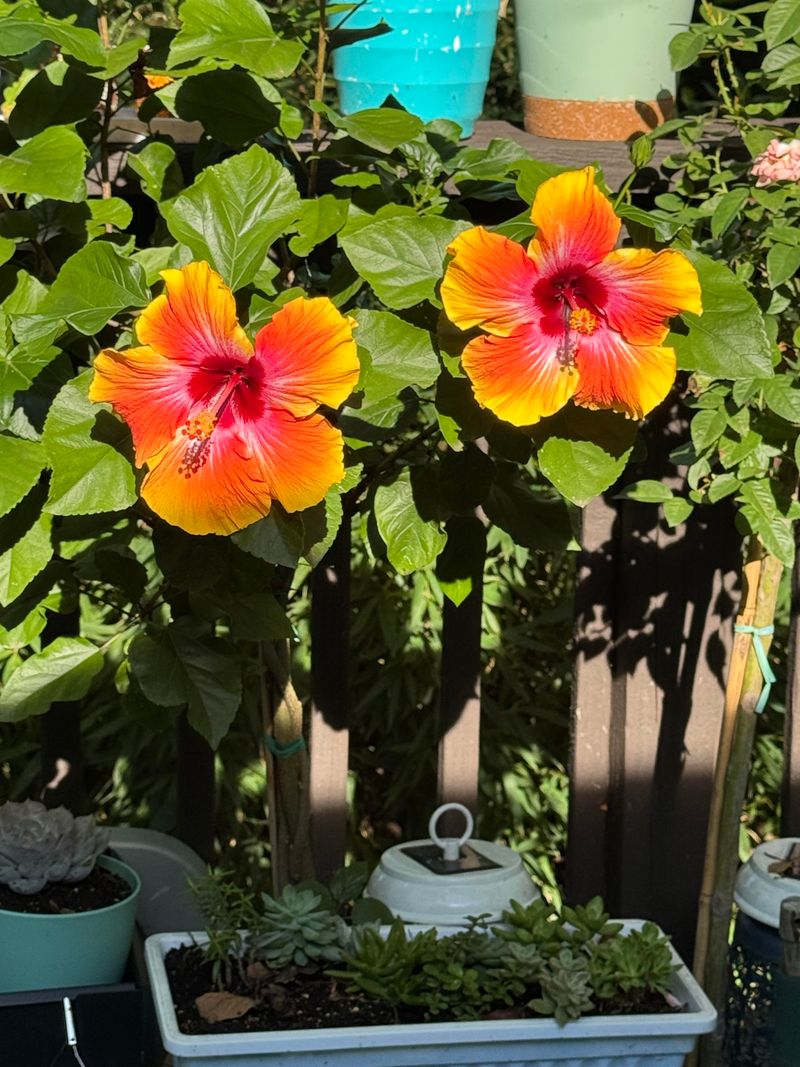
A faded flower resting softly among damp foliage is not automatically a problem. Tropical hibiscus blooms are naturally short-lived, often lasting only a day or two before dropping.
That is normal biology, not a sign that something has gone wrong.
Removing spent flowers and fallen petals can improve appearance and make closer inspection easier. During humid August conditions, wet debris trapped inside dense canopy growth deserves a second look.
Matted petals pressed against stems or buds can hold moisture against plant tissue longer than is ideal.
Bud drop is a separate issue and has several possible causes. Weather fluctuations, inconsistent watering, pest pressure, root stress, and the natural aging of mature buds can all lead to buds falling before they open.
Inspect dropped buds before assuming an infestation or disease is responsible.
Fallen material that shows discoloration, unusual texture, or signs of insect activity should not be placed back under the shrub as a mulch substitute. Bag it and dispose of it away from the garden.
Clean your hands and any tools used after handling suspect material.
Avoid stripping healthy buds or green foliage during cleanup. The goal is light sanitation and observation, not a full-scale removal of plant material.
A tidy base also makes it easier to spot new problems during your next visit to the garden.
5. Adjust Watering As August Rainfall Shifts
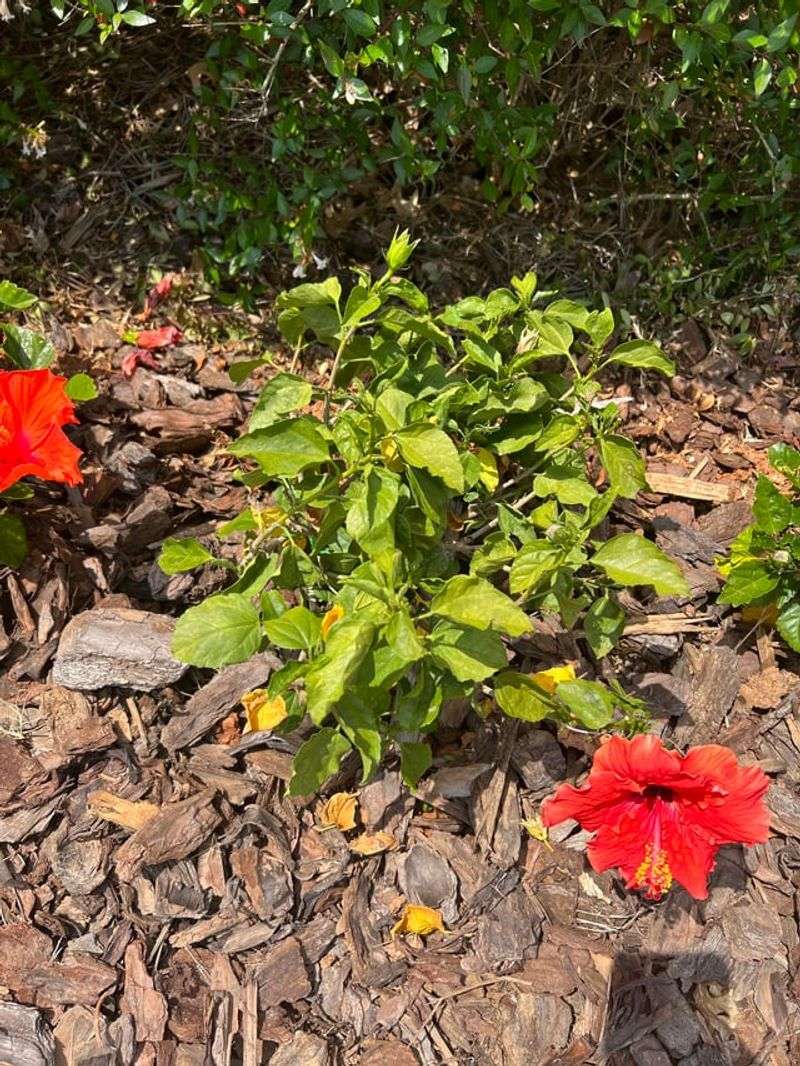
A dry-looking soil surface can hide saturated ground just a few inches below. August rainfall in warm growing Florida regions is often intense and unpredictable, arriving in heavy afternoon bursts that can soak the ground quickly.
A fixed irrigation schedule set during a drier period may deliver far too much water once the rainy season peaks.
Check the soil before adding water. Press two fingers a few inches into the ground near the root zone.
If it feels moist, skip the irrigation cycle. Roots sitting in constantly saturated soil can become stressed and less effective at delivering water and nutrients to the rest of the plant.
Container-grown hibiscus behaves differently from plants in the ground. Small pots can dry out rapidly between storms, while large or poorly draining containers may stay wet for days.
Check drainage holes regularly and empty any saucers or decorative outer pots that collect standing water after rain.
Wilting, yellowing, and leaf drop can each result from both too much and too little moisture, so symptoms alone do not confirm the cause. Direct irrigation toward the root zone rather than routinely soaking the foliage.
Morning watering, when it is needed, gives any accidental leaf moisture a chance to evaporate before evening humidity rises. Avoid a one-size-fits-all watering schedule regardless of weather conditions.
6. Keep Mulch Away From The Main Stems
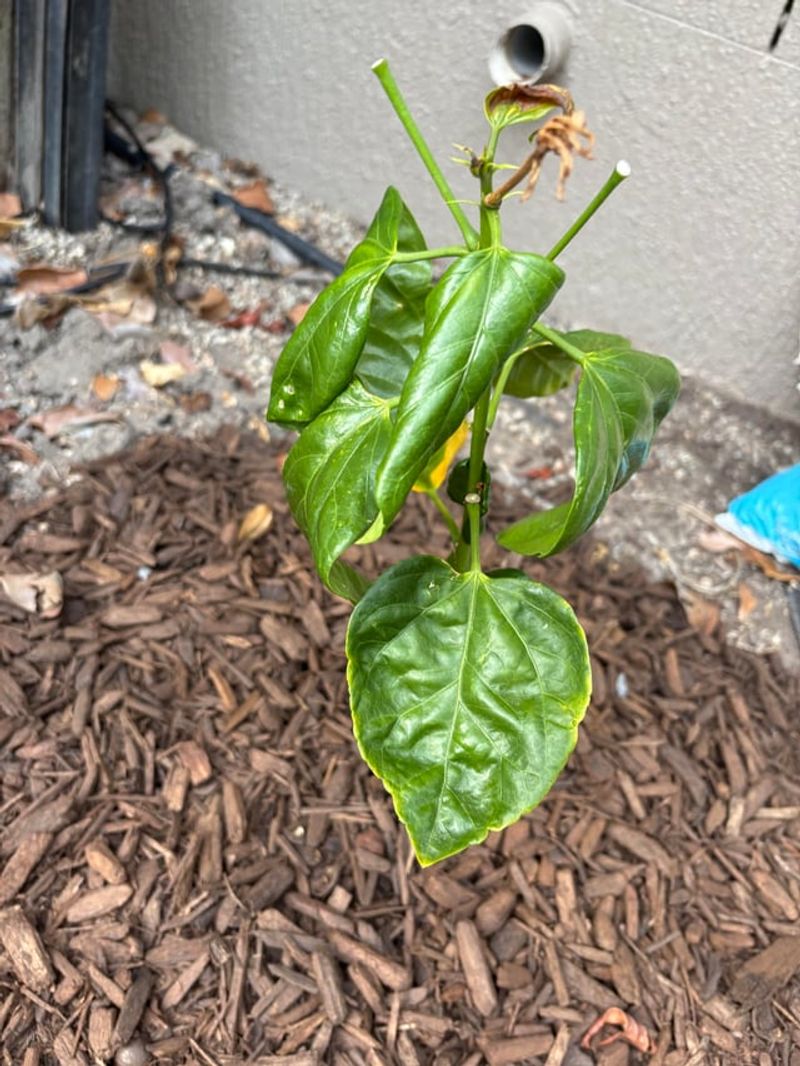
Mulch pressed tightly against a main stem is one of those small details that can quietly cause problems over time. A layer of organic mulch around in-ground hibiscus offers real benefits: it moderates soil temperature and slows moisture loss between rain events.
It also reduces competition from weeds near the root zone.
The trouble starts when mulch is piled too high or allowed to rest directly against the stem base or crown. Trapped moisture against plant tissue in humid August conditions can encourage rot and provide cover for insects.
Florida extension guidance consistently recommends keeping a clear gap between mulch and the base of any woody shrub.
After storms, wind, animals, or yard work can push mulch back against the stems. A quick check after each significant weather event takes very little time and can prevent a slow-developing issue.
Pull the material back gently to restore the gap.
Mulch cannot correct poor drainage or a chronically wet planting site. If water pools near the base after every rain, that is a drainage issue requiring a different solution.
When adding or refreshing mulch, avoid piling fresh grass clippings or unidentified plant debris around the base without knowing what it contains.
Composted or well-aged organic materials are generally safer choices, though local conditions and available materials vary from yard to yard.
7. Protect Container Hibiscus From Sudden Weather Swings
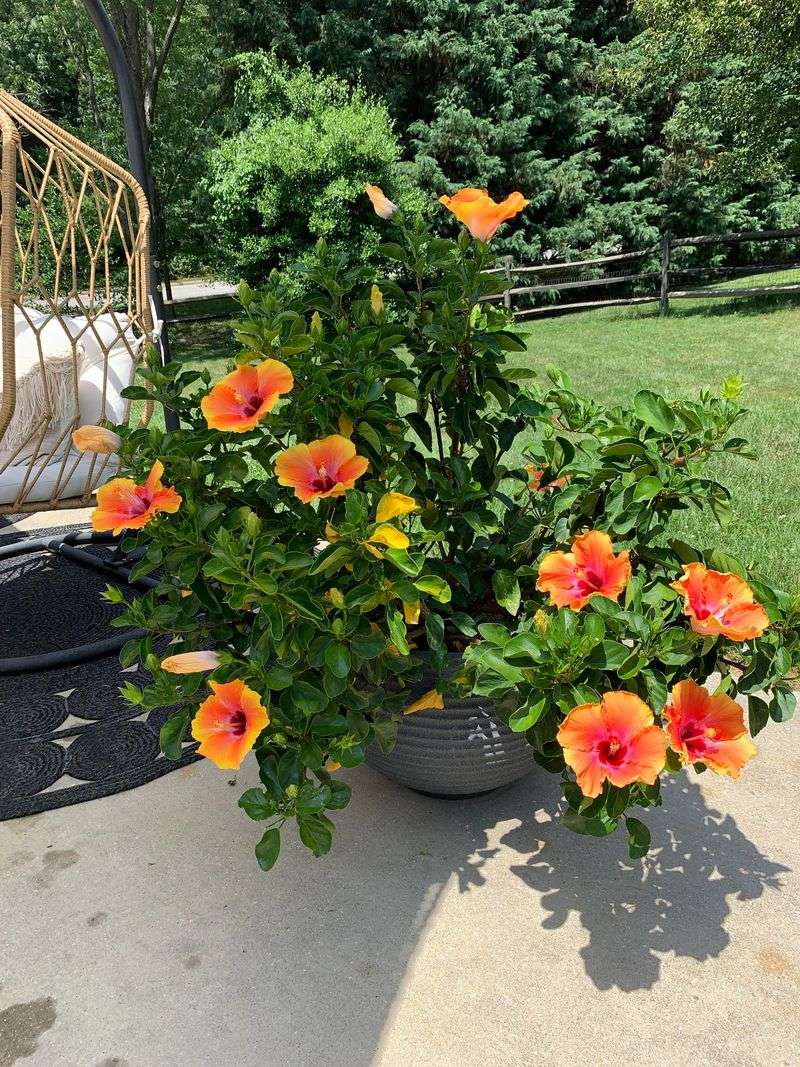
A heavy container sitting beneath a roof edge where runoff pours directly onto the pot during every storm is asking for trouble. Potted hibiscus responds quickly to environmental changes because the root zone has less buffer than in-ground soil.
Florida heat, wind, heavy rain, and cooler nights all register faster in a container.
Small pots dry out rapidly between storms, sometimes within a day in peak summer heat. Larger pots with poor drainage can stay waterlogged for days after a downpour.
Check drainage holes at the bottom of each container and clear any that are blocked. Remove standing water from saucers and decorative sleeves promptly.
Moving a pot to a sheltered spot before a severe storm is reasonable when the plant is manageable and the move is safe. Tall or top-heavy containers should be secured or moved to a location with some wind protection.
Be cautious about shifting a sun-adapted plant into deep shade just to avoid rain exposure. Extended low-light conditions reduce flowering and can weaken the plant over time.
Before moving a container near a porch, entryway, or indoor space, inspect it carefully for hitchhiking insects. Mealybugs and scales in particular can be easy to overlook on pot rims and drainage holes.
A thorough check before relocation prevents spreading a pest problem to other plants nearby.
8. Know Your Hibiscus Type Before Acting
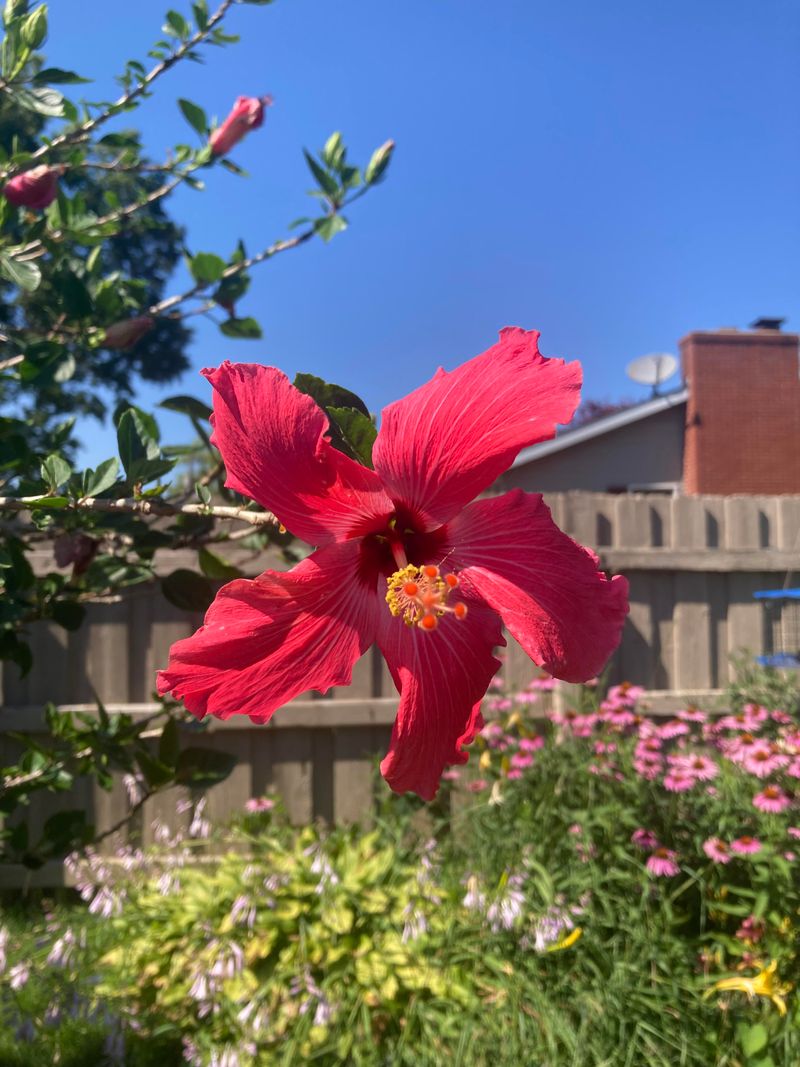
Before any August task makes sense, knowing which hibiscus is growing in the yard changes almost every decision. Tropical hibiscus, Hibiscus rosa-sinensis, is the species most commonly grown as a landscape shrub across warm regions of the state.
It is an evergreen in frost-free areas and can bloom through multiple seasons when conditions support it.
Native species such as swamp rose mallow and scarlet rosemallow follow a completely different rhythm. These plants are adapted to seasonal cycles and may decline to the ground during colder months as part of their normal life pattern.
That decline is not a problem to fix; it is how the plant is designed to behave.
Hardy hibiscus hybrids, which are bred for cold tolerance, also behave differently from their tropical relatives. Applying tropical hibiscus care instructions to a hardy type, or vice versa, can lead to unnecessary interventions that do more harm than good.
Roselle, grown for its edible calyces, is yet another distinct species with its own seasonal needs.
Mixing up care guidance across these different types is a common source of confusion, especially for newer Florida gardeners working from general online advice.
If the species is uncertain, a local nursery, cooperative extension office, or botanical garden can often help with identification. Getting that detail right first makes every step that follows more reliable and better suited to the actual plant in the ground.