7 Native North Carolina Plants That Fill Awkward Corners Around Rain Barrels Without Taking Over
Rain barrels solve one problem and quietly create another.
They catch water beautifully, save the garden during dry spells, and make every storm feel slightly more useful. Then you look at the ground around them.
One side is muddy. One corner is bare. The overflow pipe drips in a weird spot. The spigot needs access. The whole area somehow looks both practical and unfinished.
That little zone needs plants with manners.
Not floppy giants. Not aggressive spreaders. Not anything that hides the lid, blocks the hose, or turns a quick refill into a wrestling match with foliage.
The right native can soften the barrel, grip the soil, handle splash, and still leave the working parts easy to reach.
North Carolina has plenty of plants tough enough for moisture swings and polite enough for tight corners.
So which natives make a rain barrel setup look finished without taking over the whole scene?
Start with compact roots, tidy habits, and just enough charm to make the barrel look like part of the garden.
1. Dwarf Crested Iris Stays Low And Tidy
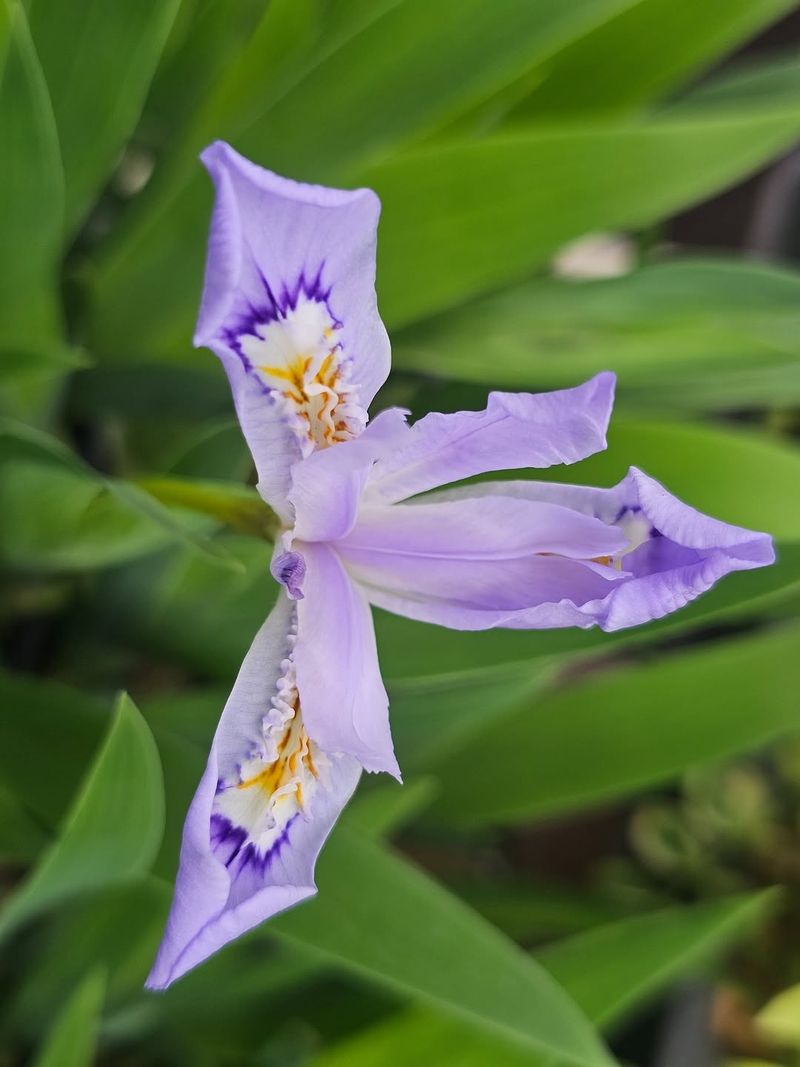
Dwarf crested iris is the small-space plant that understands the assignment.
It stays low, usually around 4 to 6 inches tall, so it can soften the base of a rain barrel without blocking the spigot, lid, stand, or overflow pipe.
That short height matters in a working corner. You still need to attach a hose, check the screen, clear debris, and reach down without pushing through a plant that acts much bigger than its job.
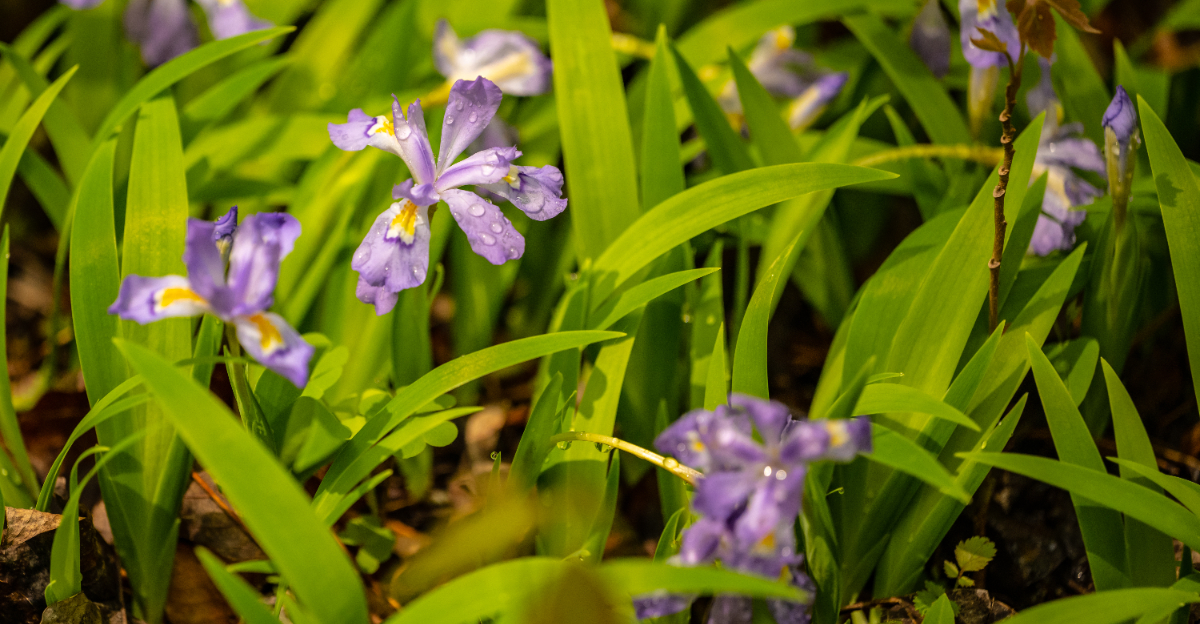
Spring is when it shows off. The flowers open in shades of violet, lavender, blue, and white, with crested markings that make each bloom look detailed and delicate.
Then the flowers pass, and the narrow fan-shaped leaves keep the planting tidy through the season.
Give dwarf crested iris dappled shade, morning sun, or bright filtered light. Harsh afternoon sun can scorch the foliage in warmer parts of North Carolina, especially beside siding, brick, or a reflective patio.
Plant it in moist, humus-rich soil that drains well after storms. It likes moisture, but it does not want to sit under the overflow stream like it volunteered for a roof-water dunk tank.
Space plants 6 to 8 inches apart along the quieter side of the barrel. They spread slowly by shallow rhizomes, which makes them useful but manageable.
Divide crowded clumps every few years. That keeps the patch fresh and gives you extras for another awkward corner that needs better behavior.
2. Foamflower Softens Shady Barrel Corners
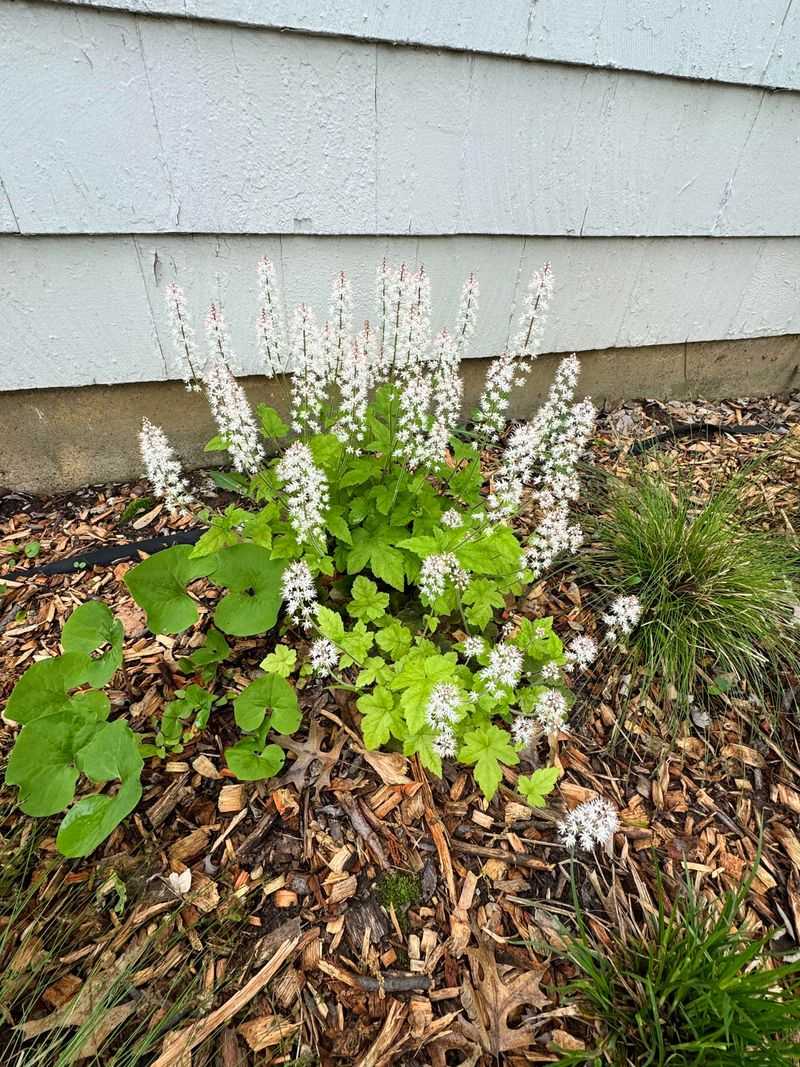
Foamflower makes a rain barrel corner feel less like equipment and more like a woodland edge.
That is useful, because barrels can look a little blunt on their own. Foamflower brings heart-shaped leaves, soft texture, and delicate spring flower spikes that rise just high enough to add interest without turning into a barrier.
Use it on the shaded side of the barrel, especially where the soil stays cool and lightly moist. A north- or east-facing setup can suit it well. Morning light is welcome. hot afternoon sun is not its favorite guest.
Your North Carolina Garden Changes Every Week. Your Plan Should Too.
Gardening in North Carolina changes quickly throughout the season. Every Friday you’ll receive a simple weekly plan showing exactly what to plant, prune, fertilize, harvest, and protect so you never miss the right timing.
The leaves form a low, attractive mat that helps cover bare soil around the barrel base. The flowers arrive in spring on slim stems, then the foliage carries the look through summer.
Clumping forms work best near maintenance zones. They stay neater and make it easier to keep access open around the spigot and overflow pipe. Spreading forms can fill a larger corner faster, but they may need a little editing near paths or pavers.
Add shredded leaves or leaf mold around new plants to hold moisture and mimic woodland soil. Keep the crowns visible, not buried under a soggy blanket of mulch.
Water new transplants during their first summer, especially during dry spells. Once established, foamflower can handle short dry periods, though it looks better when the soil stays evenly moist.
Plant it where splash is gentle rather than direct.
Foamflower is not a plant for drama. It is a plant for softening hard edges, filling shade, and making the rain barrel look like it belongs there.
3. American Alumroot Forms A Neat Clump
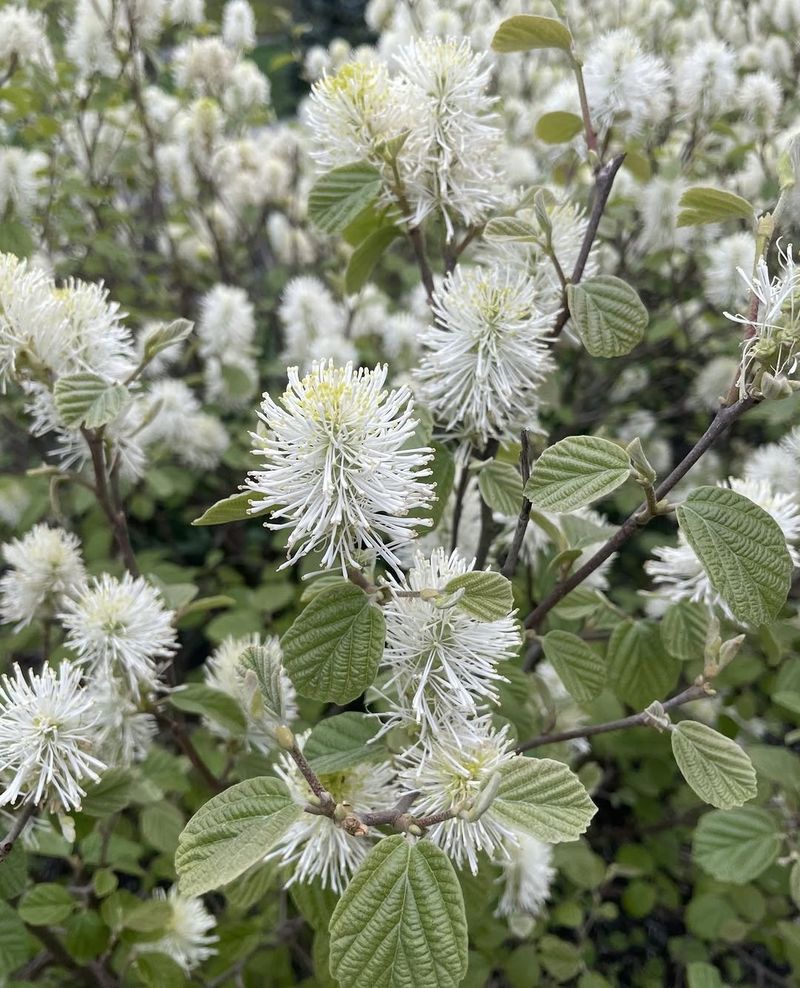
American alumroot is the neat little rosette that keeps its elbows in.
That makes it a great fit around a rain barrel. It forms a compact clump of scalloped, lobed leaves and stays where it is planted instead of sprawling across the maintenance path.
The spigot remains reachable. The lid stays visible. The corner looks planted, not crowded.
The foliage gives this native its staying power. In many North Carolina gardens, it can behave as evergreen to semi-evergreen, depending on winter wind, cold, and exposure.
Even when leaves look tired by late winter, fresh spring growth usually refreshes the clump quickly.
Late spring brings slender flower stalks above the foliage. The blooms are small and airy, but they add movement without taking up much space.
That vertical lift is perfect near a barrel because it gives the planting height without blocking access.
Drainage matters most. Alumroot can handle average moisture, but the crown does not want to sit in soggy soil after every overflow event.
Place it on a slightly raised edge of the rain barrel corner, especially if water drips regularly near the base. A small berm of amended soil can help keep the crown safer while still letting roots reach moisture.
Partial shade or morning sun works well. Avoid the harshest afternoon exposure in hot sites.
Cut old flower stalks after bloom if you want a cleaner look.
American alumroot brings order, foliage, and calm structure to a spot that often looks like an afterthought. Very tidy. Very useful.
4. Blue-Eyed Grass Fits Sunny Gaps
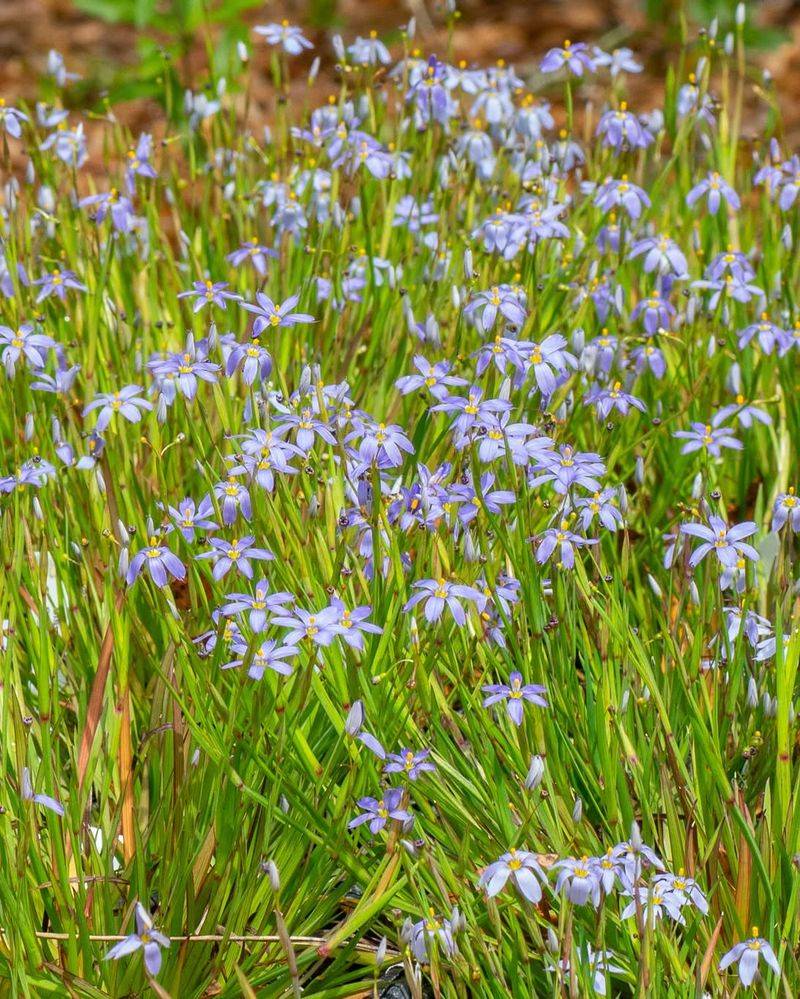
Blue-eyed grass is perfect for that bright little gap beside the rain barrel.
At first, it looks like a tiny ornamental grass. Then spring arrives, and violet-blue, star-shaped flowers open above the narrow leaves. The effect is cheerful without being loud, which suits a small corner that needs charm but not chaos.
This native works best on the sunny side of the barrel, especially where the ground drains after rain. It can handle average to moderately moist soil, but it does not want to sit in a puddle after every overflow.
That placement matters. Put blue eyed grass near the drier outer edge of the setup, not directly below the overflow pipe.
Full sun brings the best bloom. Light shade can still work, but too much shade may reduce flowers and make the plant less compact.
Most plants stay around 6 to 18 inches tall, depending on conditions. That size fills a gap without crowding the spigot or turning hose access into a small garden obstacle course.
The foliage stays fine-textured after bloom and blends easily with nearby clumping natives. It works especially well with alumroot, foamflower, and other low plants that keep their shape.
Blue-eyed grass may self-seed lightly. That can be charming in a loose planting, but a tight rain barrel corner needs a little editing. Pull extra seedlings while they are small.
Trim after the main bloom if you want fewer volunteers.
This plant brings sunny personality to bare spaces while still acting polite. A tiny flower show with good manners is always welcome.
5. Christmas Fern Adds Evergreen Structure
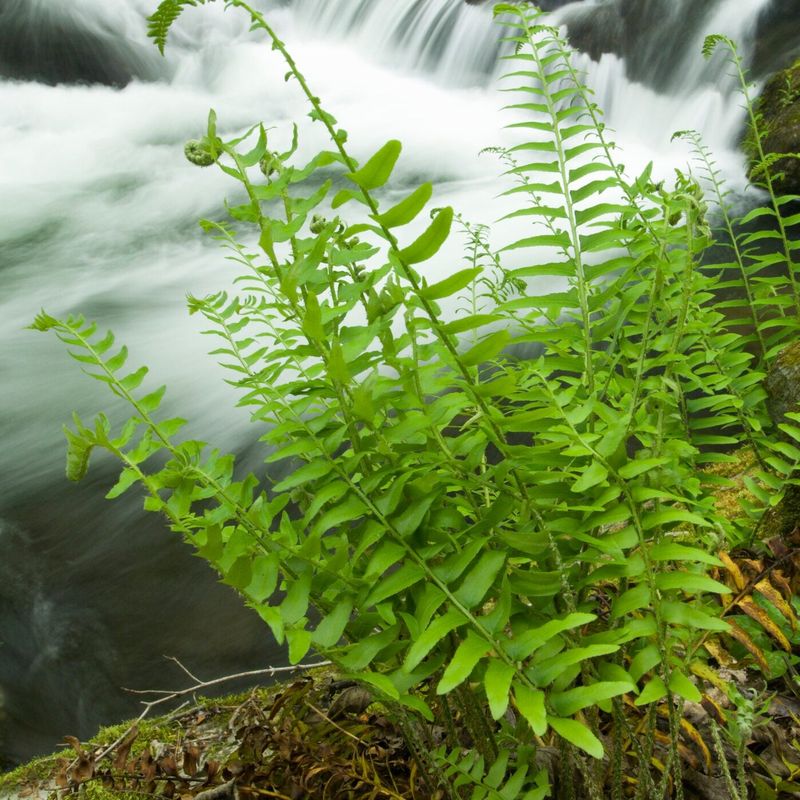
Christmas fern gives a rain barrel corner something sturdy to look at in winter.
That matters more than gardeners expect. Many perennials vanish after frost, but the barrel, stand, hose, and downspout stay visible. Without evergreen structure, the corner can look bare, muddy, and unfinished for months.
Christmas fern helps solve that. Its deep green fronds arch from a central crown and stay attractive through much of the cold season. The plant looks calm, clean, and woodland-natural without needing much attention.
Use it in partial to full shade. A north-facing wall, east side of the house, or shaded corner near trees can suit it well.
Moist, well-drained, humus-rich soil is ideal. Leaf litter around the base can help hold moisture and mimic the forest floor. Keep the crown clear, though. Heavy mulch packed over the center can cause problems.
Placement is the big detail. Mature fronds can reach 1 to 2 feet tall and wide, so do not plant the crown directly beside the spigot or overflow outlet.
Give it 12 to 18 inches of clearance from anything you need to touch. The fronds should soften the setup, not hide the working parts.
New fronds appear in spring and gradually take over as older fronds flatten or fade. Trim old growth when it looks tired, usually as new growth starts.
Avoid stepping near the crown during barrel maintenance. Wet soil compacts easily.
Christmas fern is dependable, handsome, and slow to misbehave. Exactly the energy a shady barrel corner needs.
6. Pink Muhly Keeps A Clumping Habit
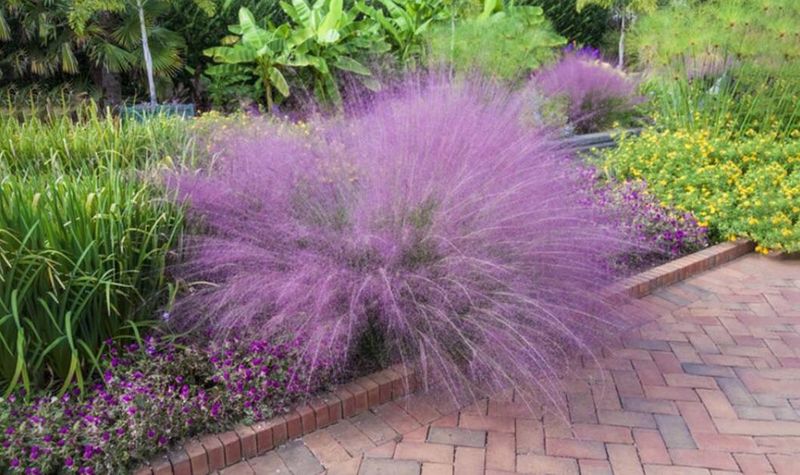
Pink muhly is the showy one that still knows how to behave.
Most of the year, it sits as a tidy clump of fine green blades. Then fall arrives, and the plant turns into a cloud of rosy-pink plumes that glows in low light. A rain barrel corner suddenly looks styled instead of merely useful.
The trick is giving it the right spot.
Pink muhly wants full sun and excellent drainage. It does not belong in the muddy drip zone or under a leaky overflow pipe. Use it on the sunny, drier edge of the barrel area, where soil dries between storms.
That makes it especially good for the outside corner of the setup, near a path, fence, or open bed where the plant can get enough light.
Mature clumps often reach 2 to 3 feet tall and wide. That is manageable, but only if you leave room from the start.
Plant it at least 2 to 3 feet from the barrel base, spigot path, and any walkway used for maintenance. Too close, and those graceful plumes become something you have to push aside every time you need water.
Pink muhly keeps a clumping habit and does not run through the bed. That is the whole reason it works near a functional space.
Water new plants during the first growing season. After establishment, it handles dry spells well.
Cut the clump back to 4 to 6 inches in late winter before fresh growth starts.
This plant gives a sunny barrel corner softness, color, and restraint. A rare little trio.
7. Partridgeberry Covers Small Shady Openings
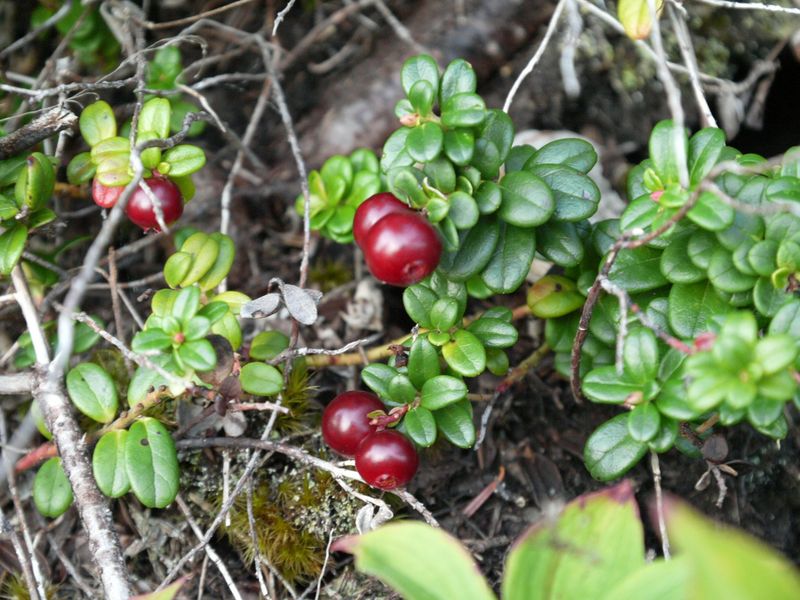
Partridgeberry is for the quietest little pockets around the rain barrel.
It creeps low to the ground, usually only 2 to 4 inches tall, and forms a glossy evergreen mat in the right conditions. That size makes it ideal for shaded gaps where taller plants would block access or look crowded.
The leaves are paired and rounded, with a polished look that makes the ground feel finished. Small white flowers appear in late spring to early summer, then red berries can follow and linger into the cooler months.
This is subtle beauty, not fireworks.
Partridgeberry wants woodland-style conditions. Give it partial to full shade, acidic humus-rich soil, and steady moisture that does not turn stagnant.
A shaded barrel corner can work beautifully if the soil is enriched with leaf mold and water drains after overflow events. It should feel gently moist, not swampy.
Keep it away from the main footpath. The stems are low and easy to step on when someone reaches for the spigot, checks the lid, or moves the hose.
Use it along the quieter edge of the barrel setup, where splash is mild and traffic is rare.
Growth is slow, so plant several starts if you want coverage sooner. Do not bury it under heavy mulch. A light layer of leaves is enough.
Partridgeberry is wonderfully patient, which is both its gift and its warning. It will not cover a corner overnight.
But once it settles in, it adds evergreen polish without pressure, bulk, or takeover behavior.