The One Thing California Bougainvillea Needs In August To Rebloom
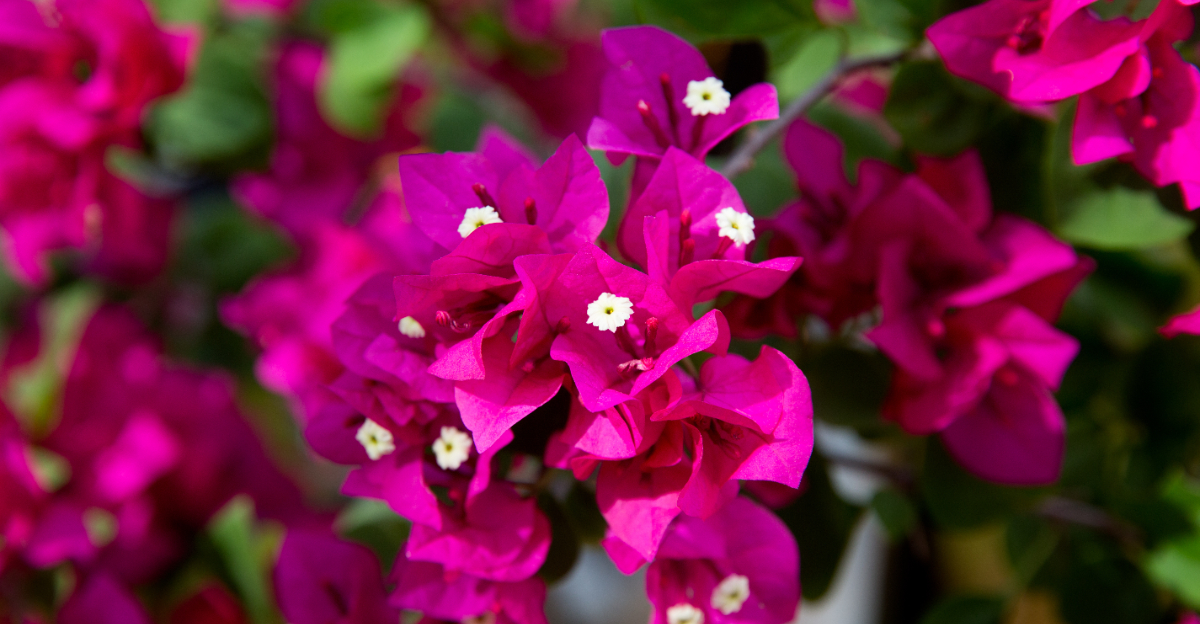
By August, a bougainvillea that looked spectacular earlier in summer may be all leaves, long stems, and very little color. California heat is not always the problem.
In fact, these sun-loving plants often thrive in hot weather, yet they can still pause their flower display when growth becomes too relaxed or uneven.
More water and fertilizer may seem like the obvious fix, but both can encourage extra foliage instead of another burst of blooms.
The real solution is simpler and far more targeted. It helps redirect the plant’s energy, tidy up tired growth, and encourage fresh flowering without putting it through a major overhaul.
Timing and technique matter, especially during the hottest part of the season.
Before making any changes, gardeners should know exactly what this plant needs in August, how much is enough, and which common mistake could delay its next colorful show.
1. Giving Faded Growth A Quick August Trim
August has a way of revealing which parts of a bougainvillea have done their job and which ones are ready for a second act.
Faded growth, those dull, papery stems that no longer hold any color, is a clear signal that the plant is ready for a nudge.
A quick trim in this area tells the plant to redirect its energy toward producing something fresh and new.
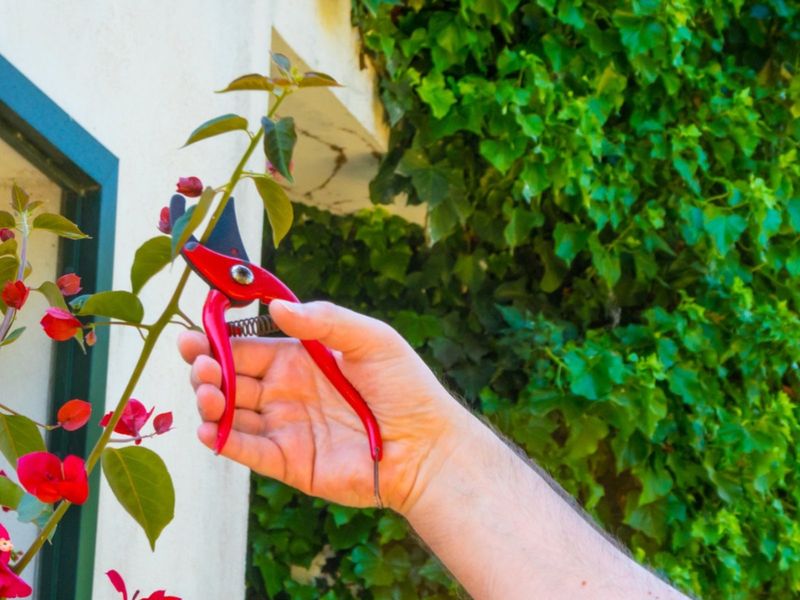
You do not need a lot of tools or a lot of time to do this right. A clean, sharp pair of pruning shears is really all you need.
Dirty or dull blades can damage the stem and invite problems, so wipe your shears with rubbing alcohol before you start.
Focus only on the sections that look tired or washed out. Cut just above a leaf node, which is the small bump where a leaf meets the stem.
That node is where new growth will push out from. Keeping your cuts small and targeted is the key to success here.
Most gardeners find that trimming faded growth takes less than twenty minutes on a mature plant. Do this in the early morning when temperatures are cooler.
Your plant will thank you with a fresh round of those bright, papery bracts in just a few weeks.
2. Snipping Spent Blooms Before They Steal The Show
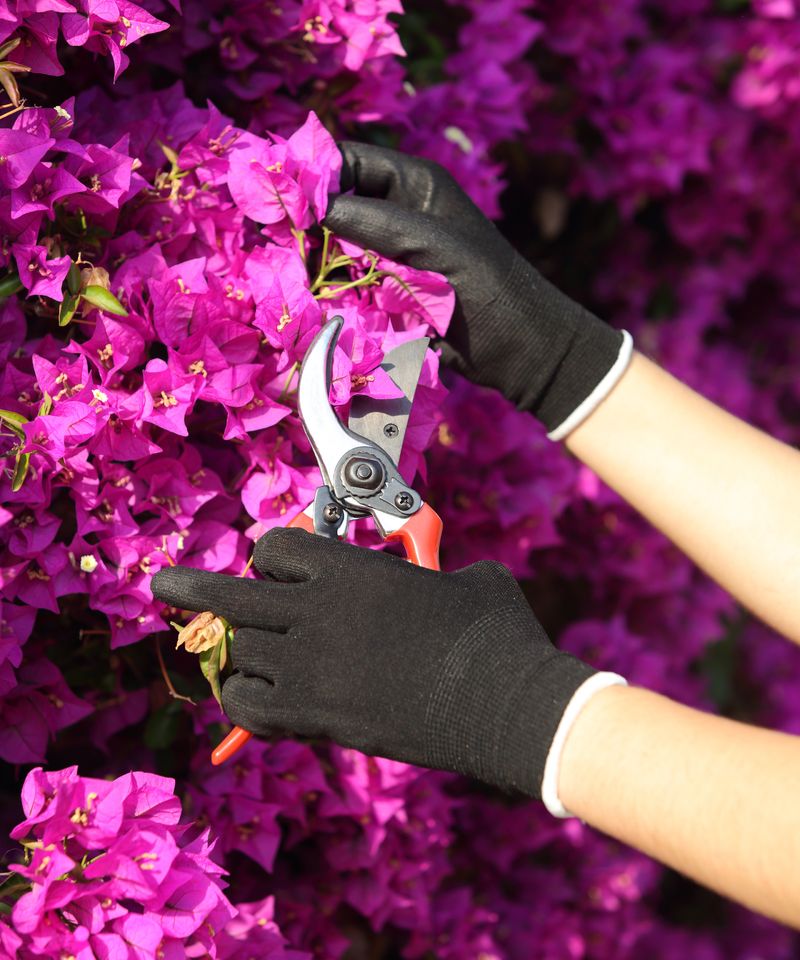
Spent blooms are sneaky little energy thieves. Once those bright bracts fade and dry up, they hold onto the stem and keep pulling resources away from new growth.
Removing them quickly is one of the easiest ways to push a bougainvillea back into bloom mode during August.
The science behind it is simple. When a flowering plant sees that its blooms are gone, it gets the message to produce more.
Leaving old blooms in place sends the opposite signal, making the plant think its work is done for the season. A quick snip changes that conversation entirely.
Work your way around the plant and look for clusters of papery, faded bracts that have lost their vibrant color. Snip them off just below the spent flower cluster, staying close to the stem without cutting into the main wood.
Your California Garden Changes Every Week. Your Plan Should Too.
Gardening in California changes quickly throughout the season. Every Friday you’ll receive a simple weekly plan showing exactly what to plant, prune, fertilize, harvest, and protect so you never miss the right timing.
You can do this with your fingers on very small clusters or use a pair of lightweight pruning shears for thicker stems. Try to remove spent blooms every week or two throughout August for the best results.
This habit keeps the plant focused on producing fresh color rather than holding onto what has already passed.
Northern California regions can see a strong second flush of blooms by late September with consistent deadheading.
3. Cutting Back Long, Floppy Vines Just A Little
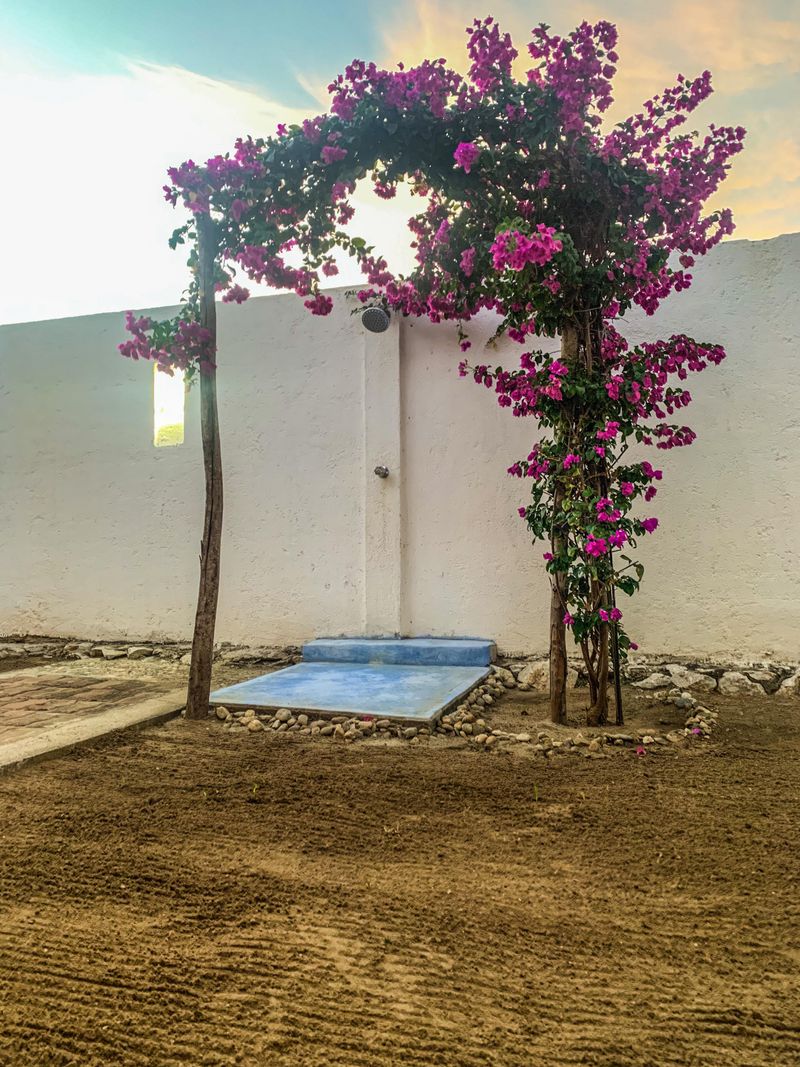
Long, floppy vines are one of the most common sights on a bougainvillea by midsummer. They stretch out in every direction, looking a little wild and untidy.
While that growth habit is part of the plant’s natural charm, those extra-long vines are not doing much for bloom production.
Here is a fun fact: bougainvillea blooms on new growth, not old wood. So those long, wandering vines that shot out earlier in the season have already had their moment.
Cutting them back by about one-third encourages the plant to push out shorter, bushier side shoots that will carry the next round of color.
Be careful not to go too far. Removing more than one-third of any vine in August can shock the plant during an already stressful time of year.
Keep your cuts light and consistent rather than dramatic. Use your shears to snip just above a leaf node so the plant knows exactly where to send new energy.
After trimming, give the plant a deep watering to help it recover and settle into its new shape.
Gardeners across the warmer inland valleys of California often see the fastest response to this kind of trim, sometimes spotting new growth within just seven to ten days of cutting back those floppy vines.
4. Leaving The Main Framework Completely Alone
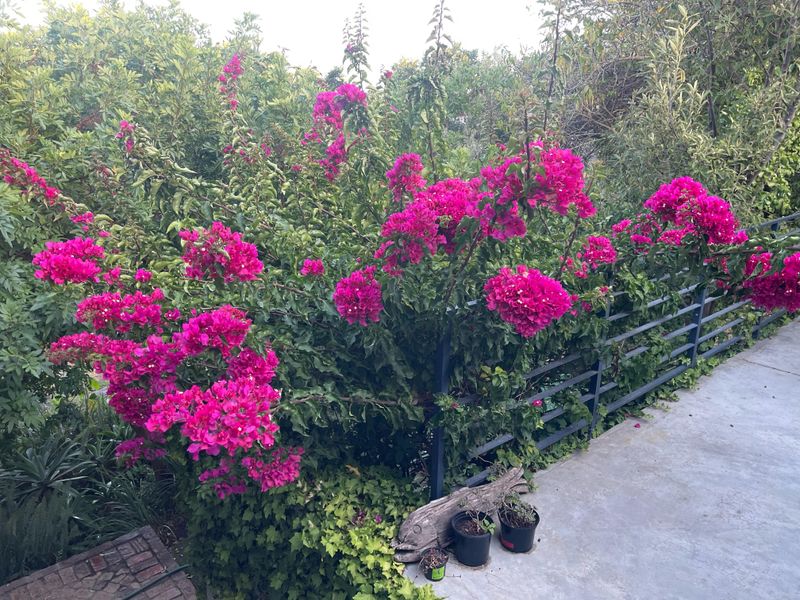
Every bougainvillea has a skeleton. It is made up of the thick, woody main branches that form the plant’s overall shape and structure.
These branches are the backbone of the whole operation, and they should never be touched during an August trim.
Removing main framework branches in summer puts enormous stress on the plant. It takes a very long time to recover from that kind of cut, and you are far more likely to lose the blooming season entirely than gain anything from it.
The goal in August is to encourage, not to overhaul.
Think of the main branches as the highways of the plant. All the nutrients, water, and energy travel through them to reach the smaller shoots and blooms.
Cutting into them disrupts that whole system. Instead, keep your shears focused only on the soft, newer growth that branches off from the main framework.
Those smaller side shoots are where the magic happens in terms of new blooms. If you are ever unsure whether a branch is part of the main framework, give it a gentle bend.
Main branches are stiff and woody, while newer growth bends more easily. Learning to tell the difference takes just a little practice, and it will protect your plant season after season.
Leaving the framework alone is one of the smartest things you can do.
5. Why A Light Trim Can Wake Up New Color
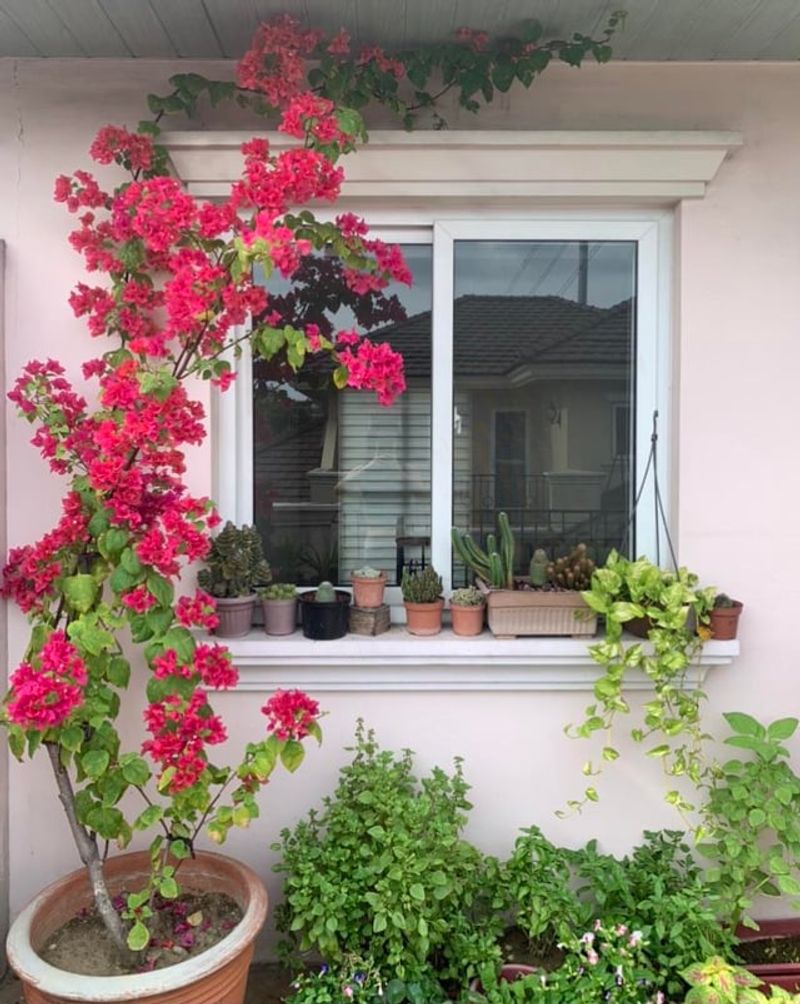
There is something almost magical about watching a bougainvillea respond to a well-timed trim. Within days of making those small, careful cuts, tiny green buds begin to appear along the stems.
A few weeks later, those buds open into the bright, papery bracts that make this plant so beloved across California.
The reason a light trim works so well comes down to plant biology. When you remove the tips of stems, you break what is called apical dominance.
That is the plant’s natural tendency to send most of its energy to the very tip of each shoot. Once that tip is gone, the energy spreads out to multiple side buds instead of just one.
More buds mean more blooms. It is that straightforward.
A single stem that gets trimmed correctly can produce three or four new flowering shoots where there was only one before. Over the entire plant, those numbers add up to a very impressive display.
The key is timing. August sits in that sweet window where the weather is still warm enough to push new growth but not so late in the year that the plant runs out of time to bloom before cooler weather arrives.
A light trim in early to mid-August gives the plant the maximum amount of time to respond and produce a second round of stunning color before fall.
6. Skipping The Heavy Pruning In Peak Heat
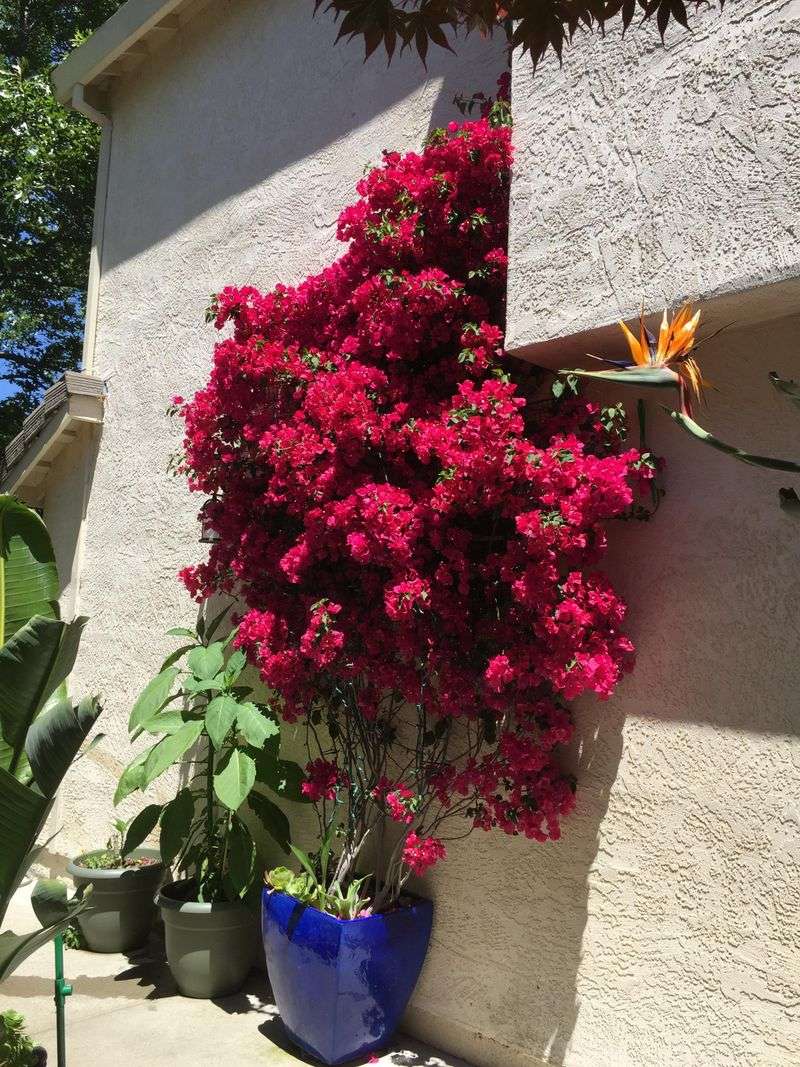
Peak summer heat in California is no joke. Temperatures in many areas regularly climb above 90 degrees Fahrenheit in August, and bougainvillea, tough as it is, still feels that pressure.
Heavy pruning during this time removes too much foliage at once and leaves the plant struggling to cope with both heat stress and recovery at the same time.
Foliage acts as shade for the plant’s own stems and root zone. When you remove large amounts of it in one session, you expose the woody branches to intense direct sun.
This can cause sunscald, which damages the bark and weakens the plant. It is much better to make small, gradual cuts rather than one big dramatic chop.
A good rule of thumb is to never remove more than twenty to twenty-five percent of the plant’s overall foliage in a single August session. If you feel like the plant needs more work than that, spread it out over several weeks.
Give the plant time to adjust between trimming sessions. Also, always trim in the early morning before the heat of the day builds up.
Cooler morning temperatures reduce stress on both you and the plant. Gardeners in the hot interior valleys of our state especially need to follow this guideline, as daytime heat there can be particularly intense and unforgiving for freshly pruned plants.
7. Keeping Fresh Cuts Small And Strategic
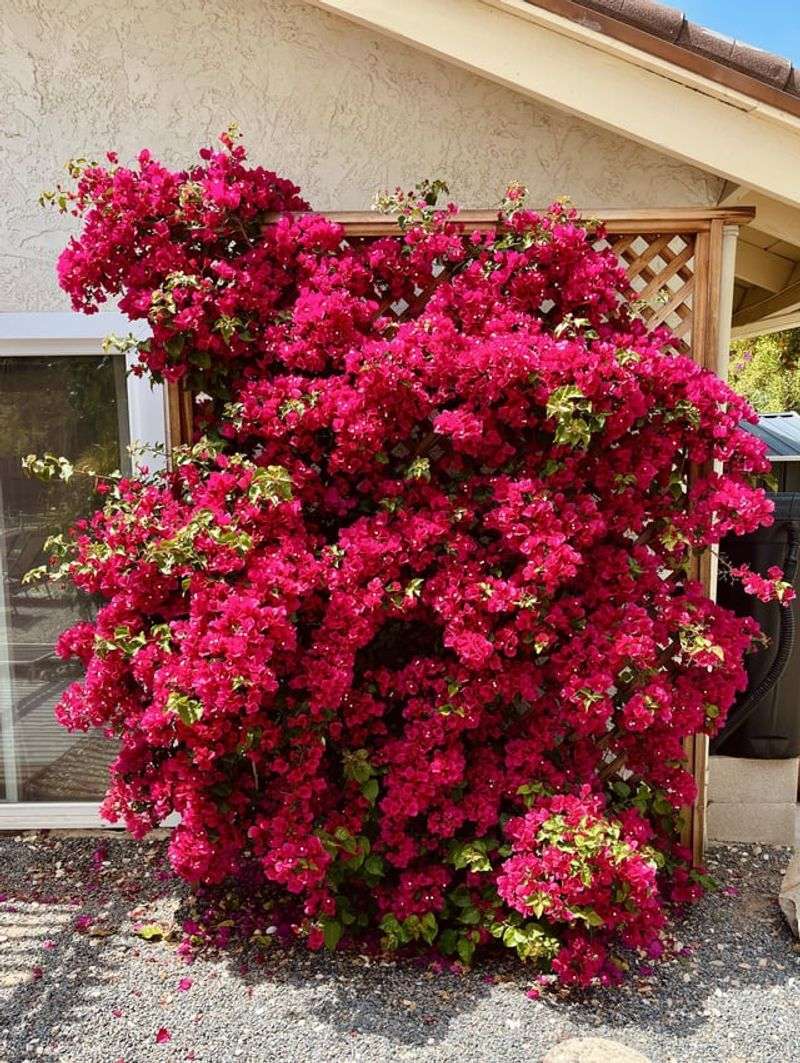
Small cuts are the secret weapon of a successful August trim. When each cut is made with purpose and placed in exactly the right spot, the plant responds faster and more generously than it would to random or heavy cutting.
Strategic trimming is really just about being intentional with every single snip.
The best place to cut is just above a leaf node, about a quarter inch above the node to be precise. Cutting too far above the node leaves a stub that can dry out and become a problem.
Cutting too close risks damaging the node itself, which is the very spot you are counting on to produce new growth.
Keep each individual cut short. You are generally looking at removing anywhere from two to six inches of stem per cut, depending on the length of the shoot.
This might feel like you are not doing very much, but the cumulative effect across the whole plant is significant.
After a full session of small, strategic cuts, a mature bougainvillea can have dozens of fresh growth points all activated at once.
That is what leads to the full, lush rebloom that makes neighbors stop and stare. Sharp shears make cleaner cuts, which heal faster and reduce the chance of any issues.
Check your shears before each session and sharpen or replace the blades as needed to keep every cut as clean as possible.
8. Pairing The Trim With Plenty Of Sunshine
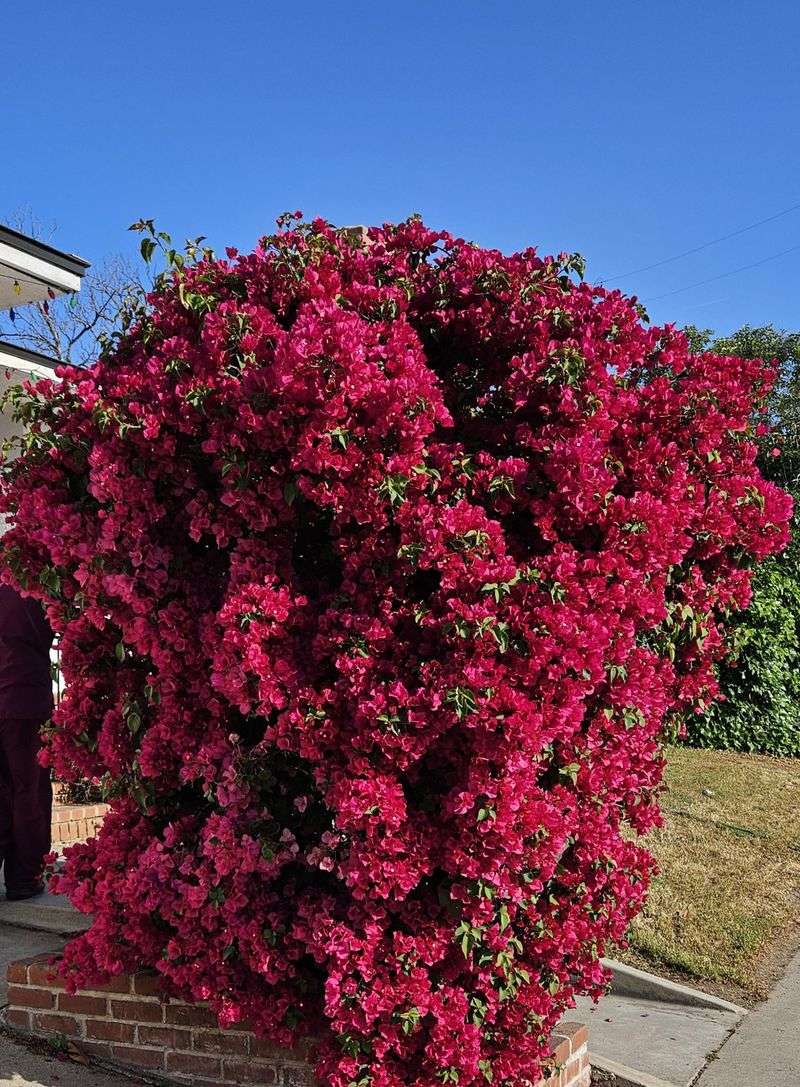
Sunshine is not just a bonus for bougainvillea, it is an absolute requirement. This plant was born in sun-drenched climates and has zero patience for shade.
Pairing your August trim with the right amount of direct light is what gives the whole process its power and turns a simple trim into a full-on bloom event.
Bougainvillea needs at least six hours of direct sunlight every day to bloom reliably. Eight to ten hours is even better.
If your plant sits in a spot that gets afternoon shade, a summer trim alone will not be enough to trigger a strong rebloom. Consider whether nearby trees or structures have grown to block light that the plant used to receive freely.
After trimming, the plant’s new growth will reach toward the sun naturally. Positioning is everything.
If you have a potted bougainvillea, August is a great time to move it into the sunniest corner of your patio or yard. For in-ground plants, trimming back any nearby shrubs or branches that cast shade can make a real difference.
Coastal California areas sometimes struggle with morning fog that limits sun exposure, so gardeners in those zones should be especially mindful of placement.
When a freshly trimmed bougainvillea gets the full benefit of long summer days with plenty of direct light, the rebloom can be absolutely breathtaking by mid to late September.