What It Means When Lizards Cover Your California Walls In A Heat Wave
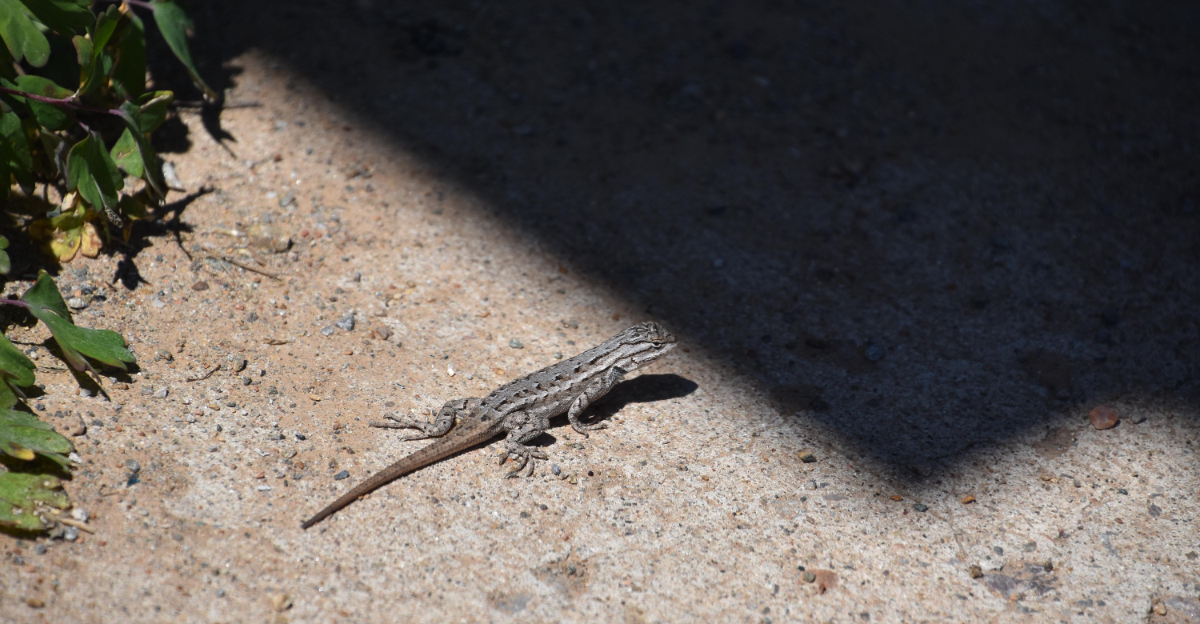
When California temperatures soar, a wall covered in lizards can look like something out of a nature documentary.
One may bask near a window, another may dart behind a drainpipe, and several more can appear by late afternoon.
Their sudden visibility is not random, and it does not necessarily mean your property has developed a reptile problem.
Heat changes where these quick backyard visitors rest, hunt, and regulate their body temperature, making certain surfaces far more attractive than others.
Walls can offer warmth, shade, insects, hiding spots, and easy access to cooler cracks nearby.
The pattern may also reveal something about conditions around your home that has nothing to do with the lizards themselves.
Before chasing them away or reaching for pest control, take a closer look at when they appear and where they gather. Those details can explain why your walls have become the busiest spot in the yard.
1. Hot Walls Turning Into Lizard Lounges
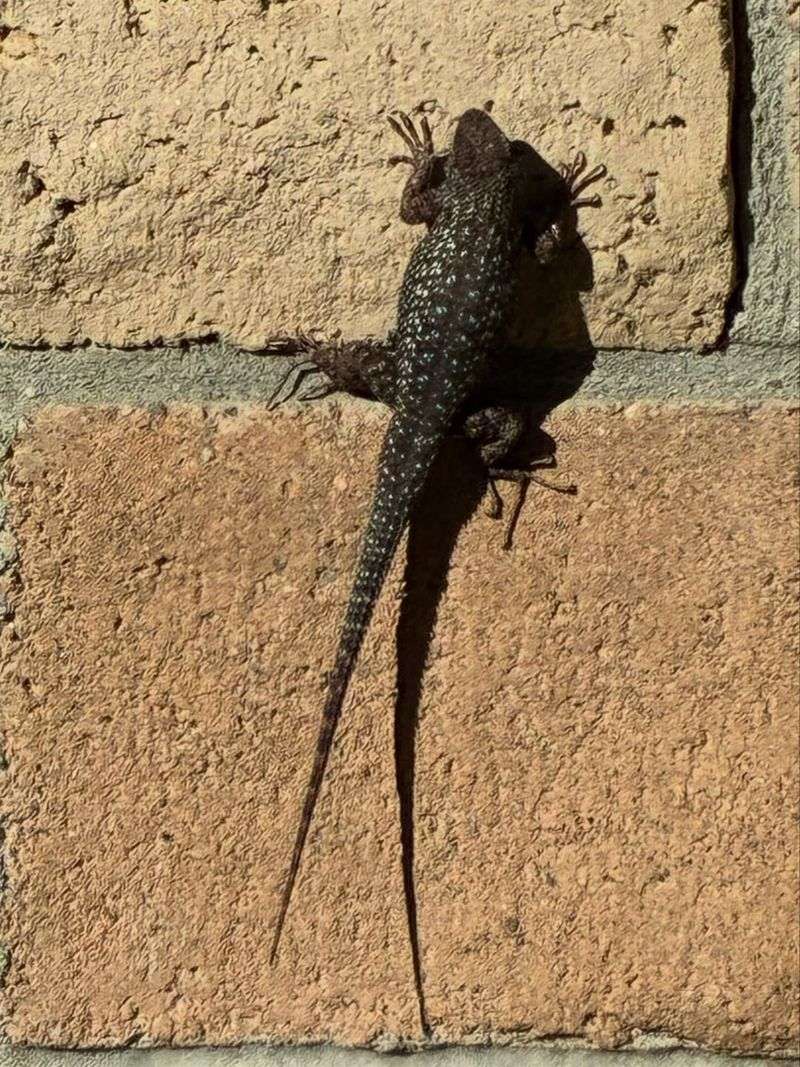
On a blazing summer afternoon, your walls are basically a free spa for lizards. Stucco, brick, and concrete absorb heat from the sun all day long.
By midmorning, those surfaces can reach temperatures that feel almost like a hot griddle.
Lizards are cold-blooded, which means they cannot make their own body heat. They depend entirely on outside sources to warm up their bodies.
A sun-soaked wall is one of the best heat sources available in your yard.
When a lizard presses its belly flat against a warm wall, it is pulling heat directly into its body. This process is called thermoregulation.
It helps lizards speed up their digestion, boost their energy, and stay sharp enough to hunt.
You might notice lizards doing tiny push-ups on the wall. That is actually a territorial display, not exercise.
Males do this to warn off rivals and impress females nearby.
The texture of rough walls also gives lizards a great grip. They can cling to nearly vertical surfaces with ease.
Their toe pads are designed to latch onto uneven materials like stucco or wood siding.
So when your wall looks like a lizard convention, it simply means the surface is warm, grippy, and perfectly positioned in the sun. Your house is doing lizards a big favor without even trying.
2. Why Sunny Siding Feels Like A Reptile Resort
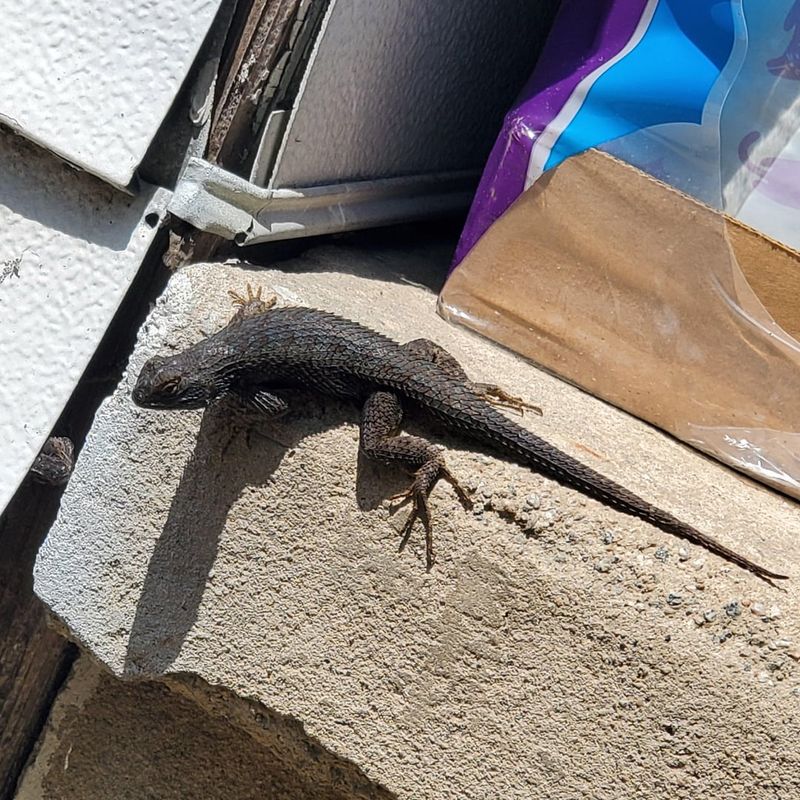
Wood siding has a special quality that lizards absolutely love. It holds warmth well and stays heated even after the direct sun shifts away.
During a heat wave, that makes your siding feel like a cozy retreat all day long.
Light-colored siding reflects some sun but still absorbs enough to stay warm. Dark siding absorbs even more heat and can stay warm well into the evening.
Either way, lizards find it useful at different times of day.
The cracks and grooves in older siding are especially attractive. Lizards can tuck themselves into small gaps to hide from hawks and cats while still staying warm.
It gives them safety and comfort at the same time.
Southern and western-facing walls get the most sun exposure throughout the day. Lizards know this instinctively and tend to gather on those sides of the house more than on shaded north-facing walls.
Your California Garden Changes Every Week. Your Plan Should Too.
Gardening in California changes quickly throughout the season. Every Friday you’ll receive a simple weekly plan showing exactly what to plant, prune, fertilize, harvest, and protect so you never miss the right timing.
In California, the most common wall visitor is the western fence lizard. These small, spunky reptiles are built for hot, dry conditions.
They thrive in exactly the kind of environment a sun-baked wall provides.
Having several lizards on your siding at once is actually a sign of a healthy local population. It means your property offers the warmth, shelter, and food they need to stick around all summer long.
3. Lizards Chasing Bugs Right Up Your Walls
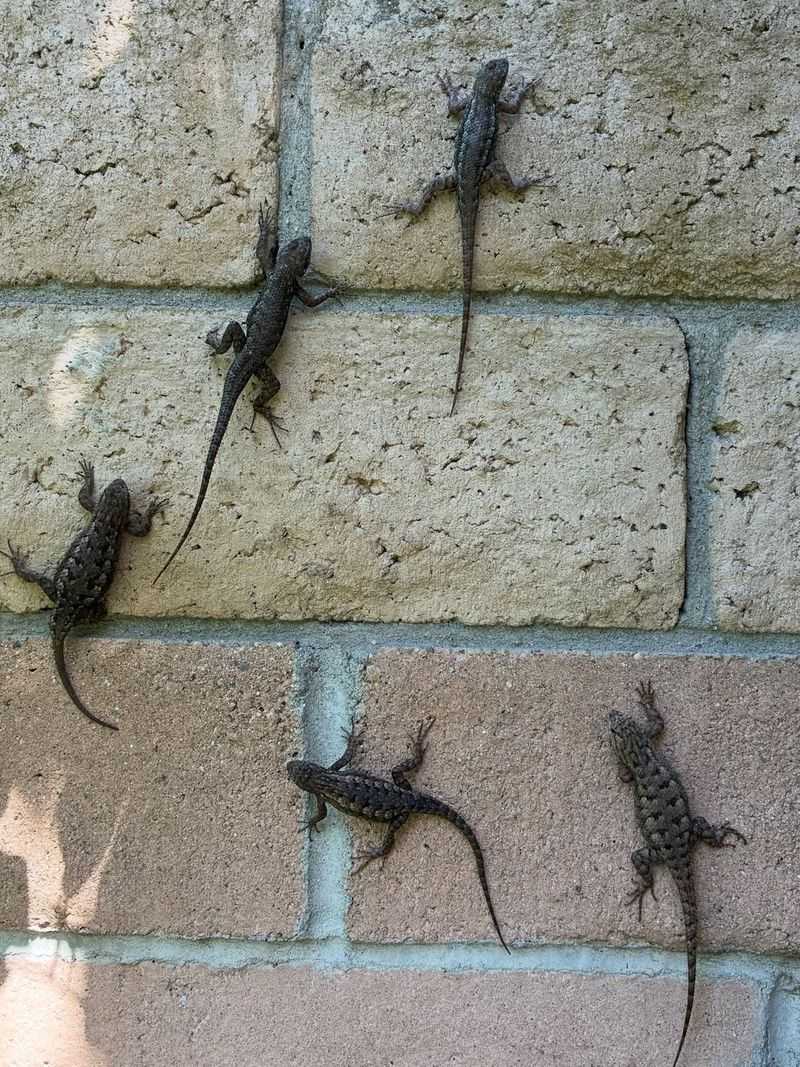
Your wall is not just a sunbathing spot. For many lizards, it is a full-service hunting ground.
Walls collect all kinds of small insects throughout the day, especially near windows, vents, and light fixtures.
Ants, beetles, flies, and small moths all travel along wall surfaces. Lizards have sharp eyes that can detect even the tiniest movement from several feet away.
Once they lock onto a target, they move fast.
During a heat wave, insects become more active and more visible. They seek out the same warm surfaces that lizards enjoy.
This creates a perfect overlap where predator and prey end up in the same place at the same time.
Lizards are surprisingly quick hunters. A western fence lizard can snatch a small bug in a fraction of a second.
Their sticky tongues and quick reflexes make them very efficient at catching prey on flat, open surfaces.
Walls also give lizards a clear line of sight. Unlike hunting in tall grass or leaf litter, a smooth wall lets them spot bugs easily from a distance.
That makes walls one of the most productive hunting zones in your yard.
If you see a lizard sitting very still on your wall and then suddenly darting sideways, it is almost certainly chasing a meal. Your wall is basically serving as their personal dinner table every single day.
4. Cool Cracks Offering A Break From The Heat
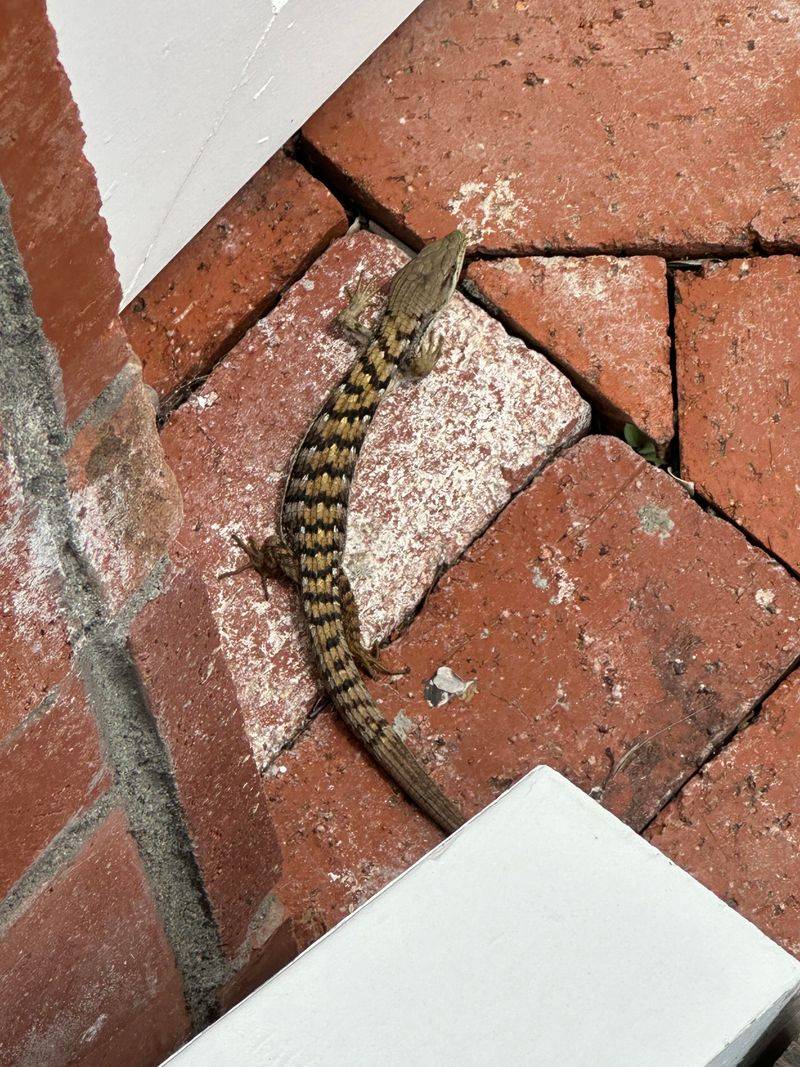
Not every lizard on your wall is there to soak up heat. Some are doing the opposite.
During the hottest part of the day, lizards need to cool down just as much as they need to warm up.
Cracks and gaps in your walls offer shaded, slightly cooler microhabitats. A lizard can slip into a narrow gap and drop its body temperature quickly.
This is just as important as basking for their overall health.
Thermoregulation is a two-way process. Lizards move in and out of warm and cool spots throughout the day to keep their body temperature in a safe range.
Your wall, with its mix of sun and shadow, is perfect for this.
Old stucco walls often have small cracks near the base or around window frames. These spots stay shaded for most of the day.
Lizards use them as resting spots between hunting trips and basking sessions.
Brick walls are especially useful because the mortar between bricks can crumble slightly over time. This creates tiny ledges and gaps that lizards use as both shelter and lookout points.
If you notice a lizard disappearing into a crack and reappearing later, it is managing its own comfort level. Your wall is offering it a built-in temperature control system.
That is a pretty clever use of your home’s exterior, honestly.
5. Porch Lights Serving Up An All-Night Buffet
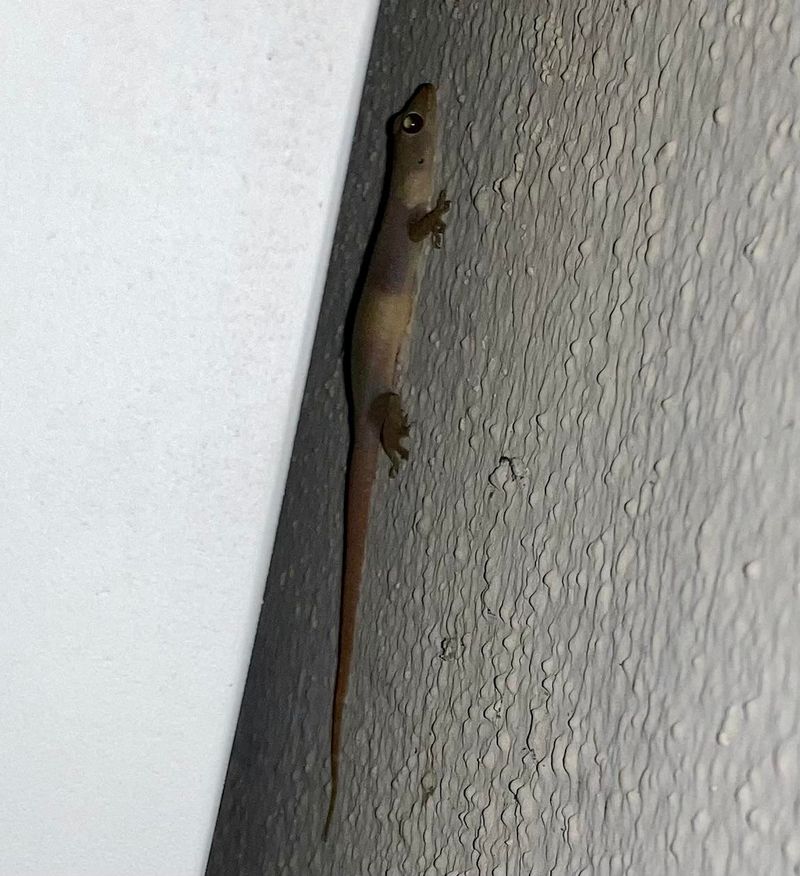
Once the sun goes down, your porch light becomes one of the most popular spots on your property for lizards. Light sources attract moths, gnats, beetles, and a dozen other flying insects after dark.
Lizards know this and show up ready to eat. Most lizards in California are active during the day, but some will push their schedule into the early evening if the temperature is still warm enough.
A heat wave keeps the air warm long after sunset, which extends their hunting window.
Porch lights and outdoor wall-mounted fixtures create a reliable insect gathering zone every night. A lizard that figures this out has basically found a guaranteed food source.
Some lizards return to the same light every evening like clockwork.
This behavior is especially common in the warmer inland areas of the state. The nights there stay hot and dry, which keeps insects flying and lizards active much later than usual.
It is a heat wave bonus for reptiles.
You might spot a lizard sitting motionless just below a porch light, waiting. They are patient hunters.
They let the bugs come to them instead of chasing each one down.
If you want to attract more lizards to help with pest control, leaving an outdoor light on near a wall is one easy way to do it. Your porch light is doing double duty as a bug trap and a lizard feeder.
6. Watered Gardens Pulling Lizards Closer To Home
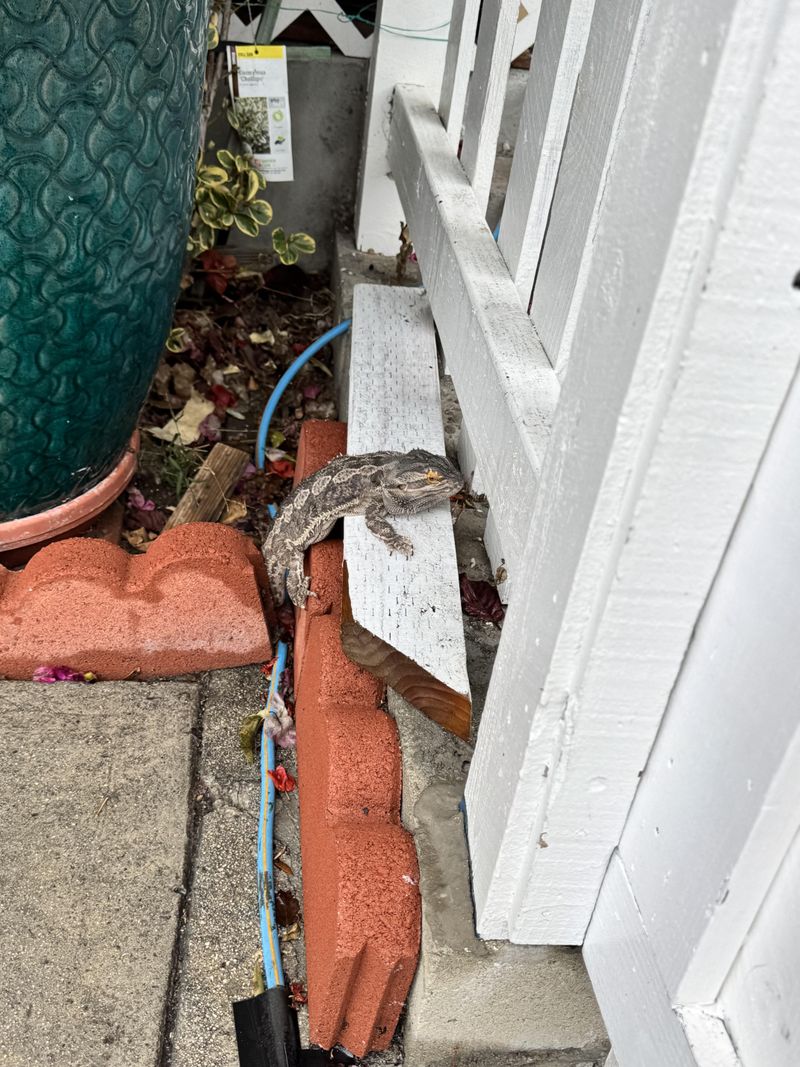
During a heat wave, water becomes scarce across most of California. Gardens and lawns that get regular watering stand out like an oasis in a dry landscape.
That moisture pulls lizards in from surrounding areas.
Watered soil is cooler than dry, cracked earth. Lizards will often hang around garden beds because the ground nearby stays a bit more comfortable.
The plants also offer shade, which adds to the appeal.
Moisture in the soil brings out earthworms, pill bugs, and small beetles. These are all foods that lizards enjoy.
A well-watered garden is basically a grocery store for reptiles during a heat wave.
Drip irrigation systems are especially attractive. They keep soil damp in small patches, which creates little pockets of insect activity.
Lizards patrol these damp zones regularly because bugs are reliably present there.
Walls and fences that border a garden get extra lizard traffic for this reason. The lizard can bask on the warm wall and then drop down into the cool, bug-rich garden whenever it wants.
That combination is hard to beat. Keeping your garden watered during a heat wave is not just good for your plants. It also supports the local lizard population by keeping their food supply active.
Your irrigation habits have a bigger impact on local wildlife than you might expect.
7. Why Morning And Evening Bring The Biggest Crowds
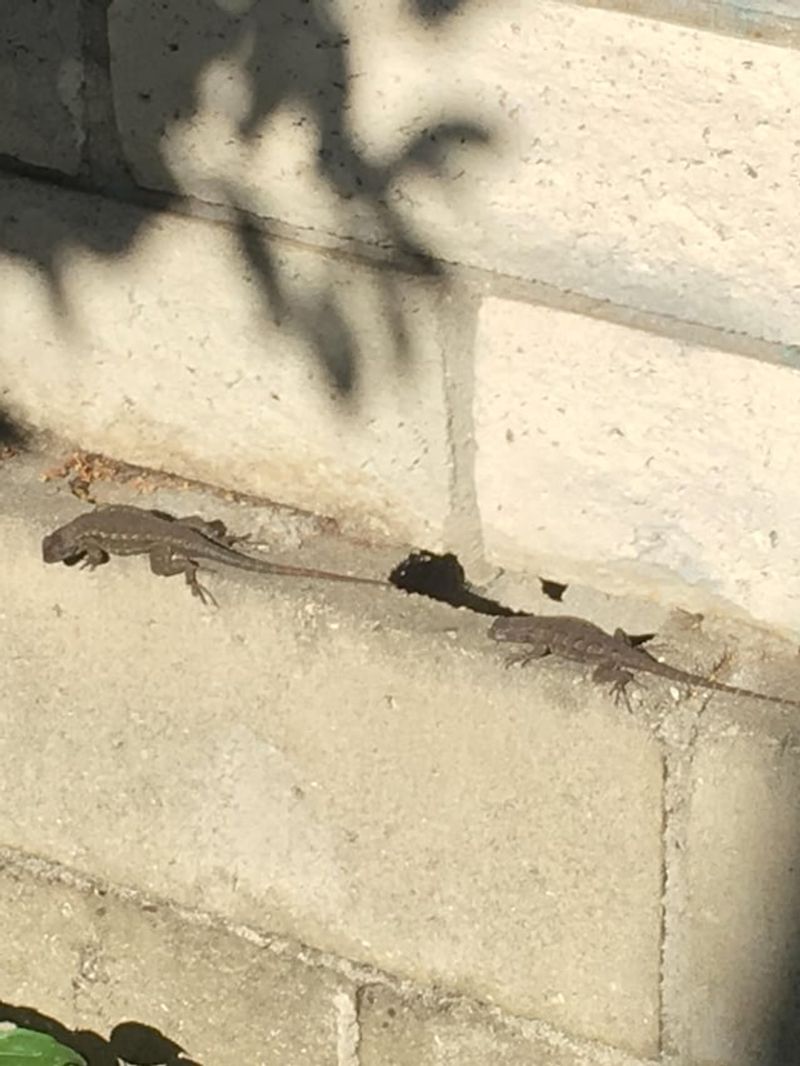
If you check your walls right after sunrise or just before sunset, you will likely see the most lizard activity of the day. These two windows are prime time for lizard behavior, especially during a heat wave.
In the morning, lizards emerge from overnight hiding spots with cool bodies and empty stomachs. They need to warm up quickly before they can hunt or move fast enough to escape predators.
Walls facing east catch the first rays of sunlight, making them the first stop of the day.
By early afternoon during a heat wave, walls can get dangerously hot even for lizards. They retreat to shaded cracks or move under plants to avoid overheating.
Activity drops off significantly during peak heat hours.
As the sun angles lower in the late afternoon, west-facing walls light up again. Lizards return to bask, hunt, and be social.
Evening is also when territorial males are most active, doing their push-up displays to defend their patch of wall.
This two-peak pattern is consistent across most of California, from the northern coastal counties all the way down to the desert-adjacent communities in the south. Heat waves stretch out both peaks by keeping temperatures high longer.
Watching your walls in the morning and evening is the best way to get a sense of how many lizards actually live in your yard. You might be surprised by just how many are calling your property home.
8. What All Those Lizards Say About Your Bug Population
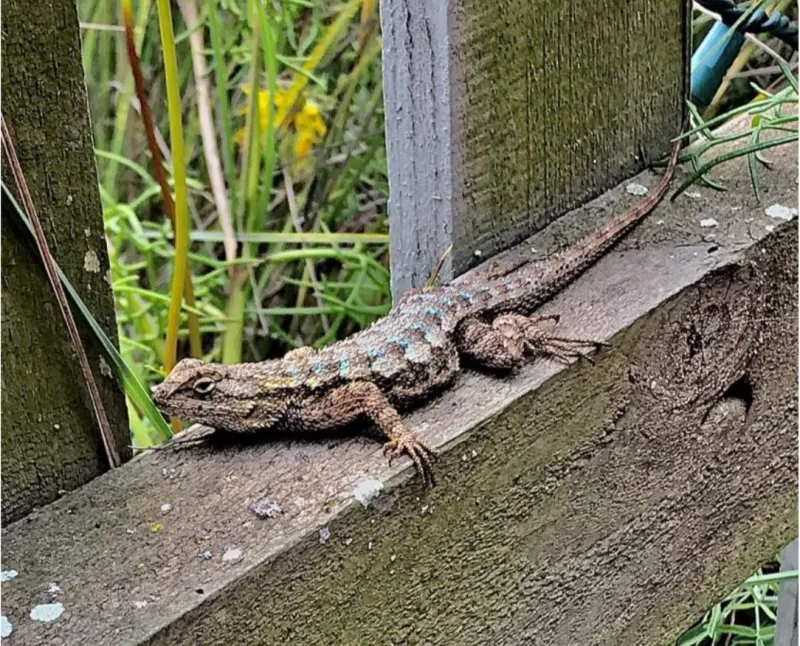
A wall covered in lizards is sending you a clear message about your yard’s insect population. Lizards do not hang around where food is scarce.
If they are gathering on your walls in large numbers, bugs are plentiful nearby.
This is actually good news for most homeowners. It means your garden and yard have a thriving ecosystem.
Insects are a foundational part of that system, and lizards are one of the natural checks that keep bug numbers balanced.
Common prey species include ants, aphids, small beetles, flies, and moths. If your garden has any of these, lizards will find it.
During a heat wave, insect activity increases, which draws even more lizards to the area.
A healthy lizard presence can reduce the need for pesticides. Studies have shown that lizards consume large numbers of insects daily.
One western fence lizard can eat dozens of bugs in a single day under the right conditions.
However, if you are seeing an unusually large number of lizards, it might be worth checking your garden for a pest problem. A surge in lizard activity sometimes signals a surge in the insects they are tracking.
Overall, lizards on your walls are a sign of balance. Your yard is alive and functioning the way a healthy outdoor space should.
Those little reptiles are working hard every day to keep your garden in check, free of charge.