A Fast-Spreading Cucumber Disease Is Affecting Illinois Gardens This Summer
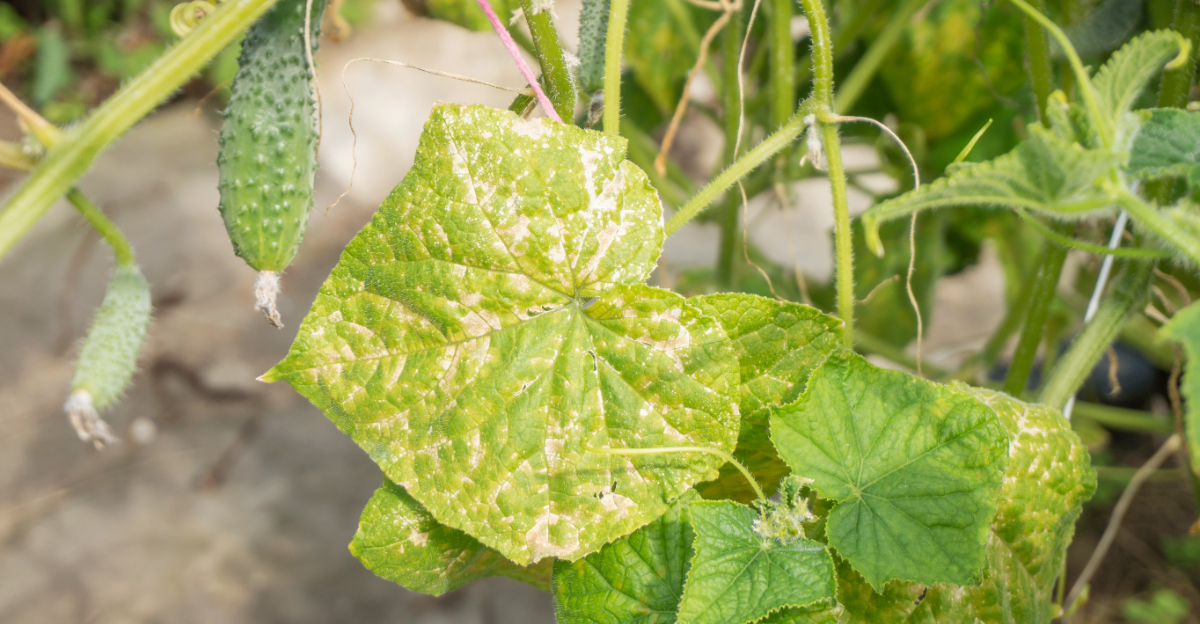
White patches are creeping across your cucumber leaves overnight. Illinois gardeners are watching healthy vines fade within days. Warm afternoons and cool nights work against your plants.
Cucumbers that looked strong last week now look weak. Nobody warned you before your leaves started curling inward. Pale blotches creep across your foliage faster than expected.
Summers here in Illinois seem to accelerate this shift. Your plants are already signaling trouble you can’t see.
Ignoring these early signs invites bigger losses for you. Fewer healthy leaves eventually mean less harvest for you.
Catching this early changes everything about your outcome. Waiting even a few days could cost you dearly. Understanding what is happening puts you back in control.
Mystery aside, your garden is shifting faster than you realize. Answers exist, but only if you look closely enough. Time matters more than most gardeners realize right now. The choice now belongs to you.
What Powdery Mildew Is And Why It Spreads In August
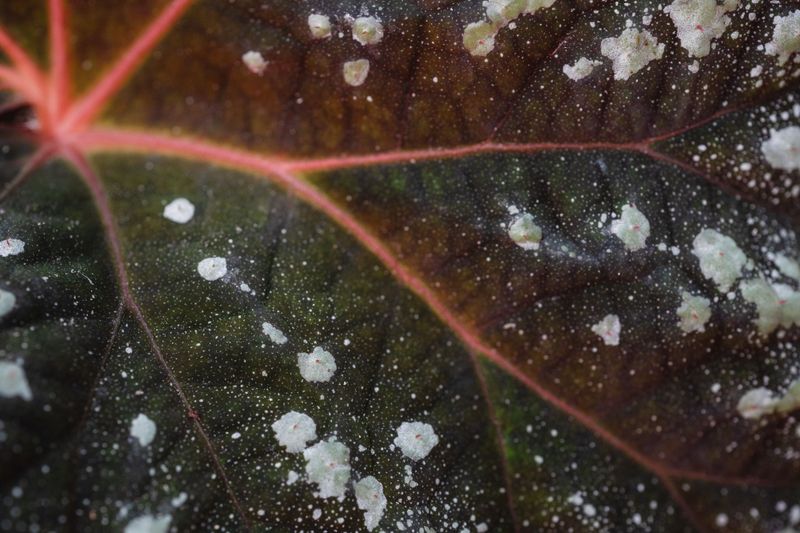
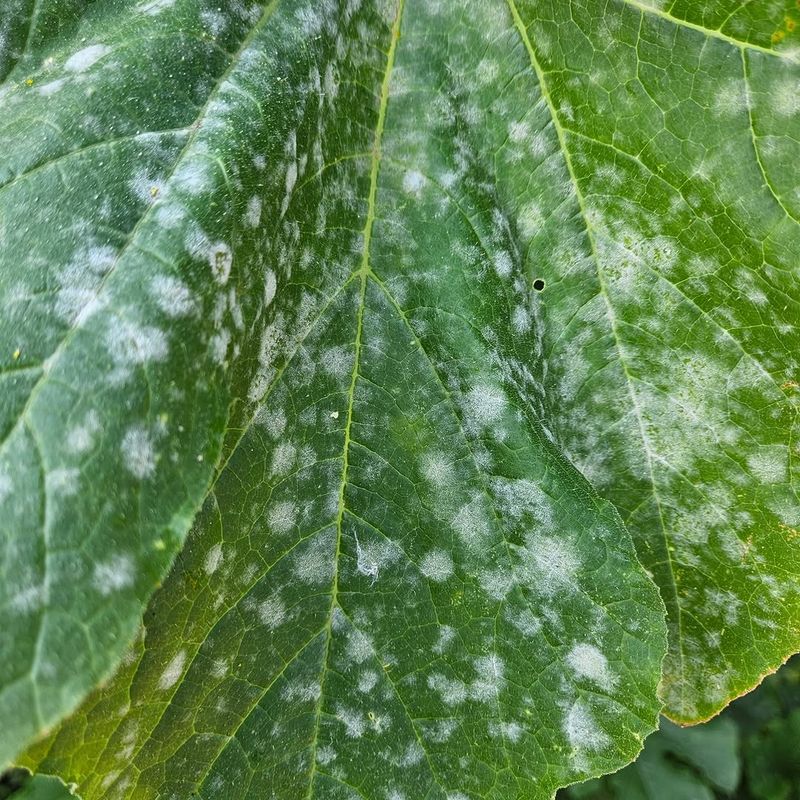
White powder on your cucumber leaves is not dust. Powdery mildew is a fungal disease caused by Podosphaera xanthii, a pathogen that targets cucurbit plants hard.
Spores travel through the air with surprising speed. One infected plant can spread the fungus across an entire garden bed within days.
August in Illinois creates favorable conditions for this disease. Warm daytime temperatures between 70 and 80 degrees, paired with cooler nights, give the fungus exactly what it craves.
Unlike most fungi, powdery mildew does not need wet leaves to spread. Dry conditions with moderate humidity are enough to trigger an outbreak.
The fungus feeds on plant tissue by sending root-like structures into leaf cells. It pulls nutrients out while leaving behind that chalky white coating everyone recognizes.
Spores are microscopic and travel on wind currents, insects, and even your own clothing. Gardeners unknowingly carry them from plant to plant without realizing it.
Once established, the fungus reproduces rapidly. A small patch on one leaf can become a full-blown infection across multiple plants within a week.
Illinois gardens are especially vulnerable this time of year because warm days and cool nights create ideal conditions for the fungus. Fluctuating temperatures have created near-ideal conditions for powdery mildew to spread rapidly.
Understanding what you are dealing with is the first step toward stopping it. Knowledge is your best early weapon against this fast-moving garden problem.
Early Signs To Watch For On Cucumber Leaves
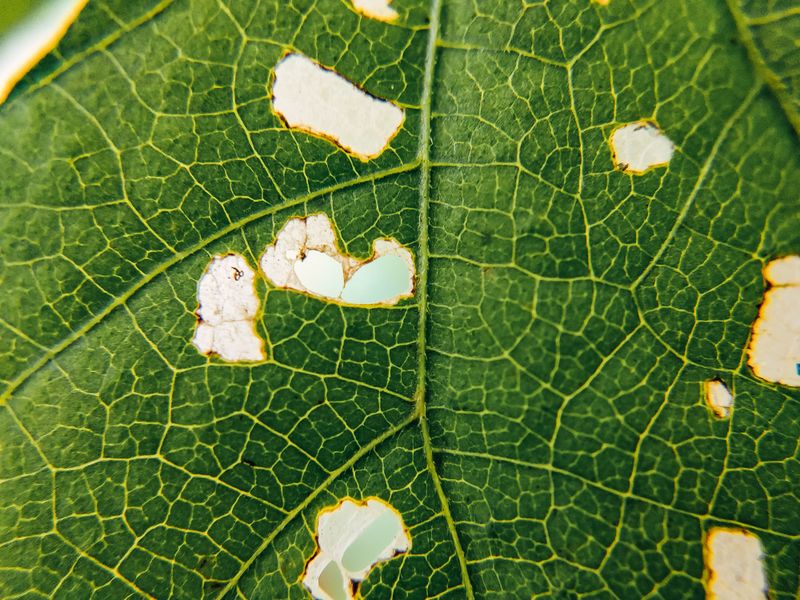
Catching this disease early can save your entire harvest. The first signs are easy to miss if you are not paying close attention to your plants.
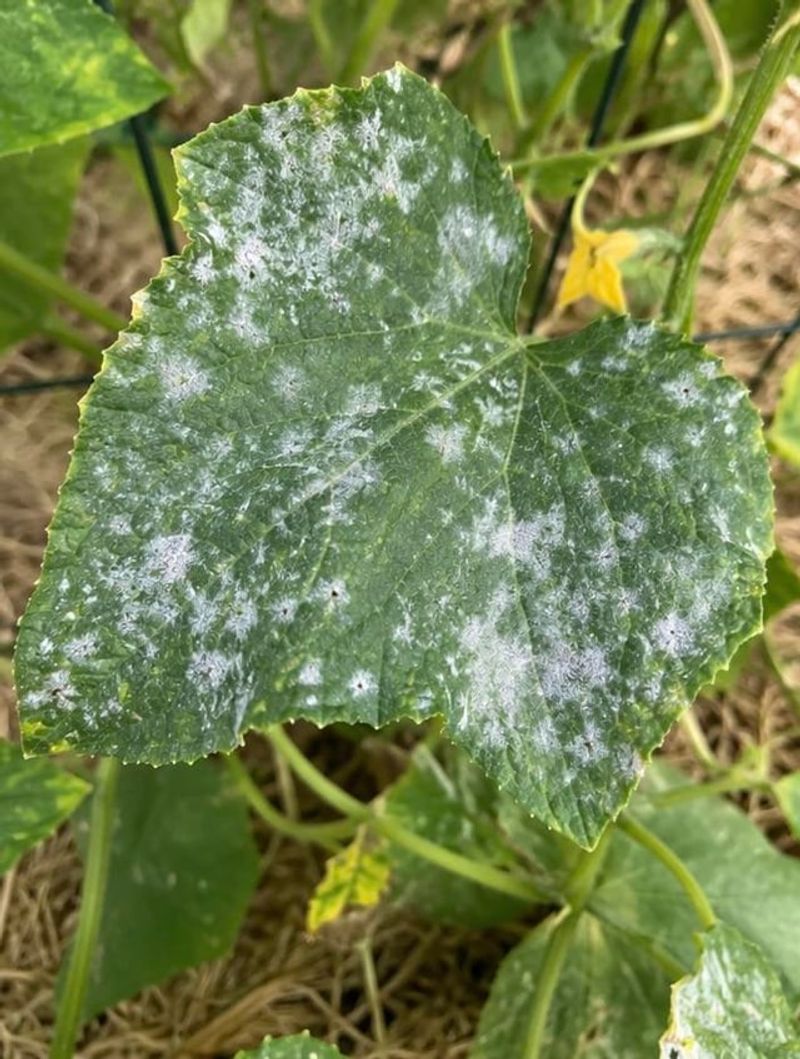
Look for small, circular white spots on the upper surface of older leaves first. These spots look almost like someone flicked flour onto the foliage.
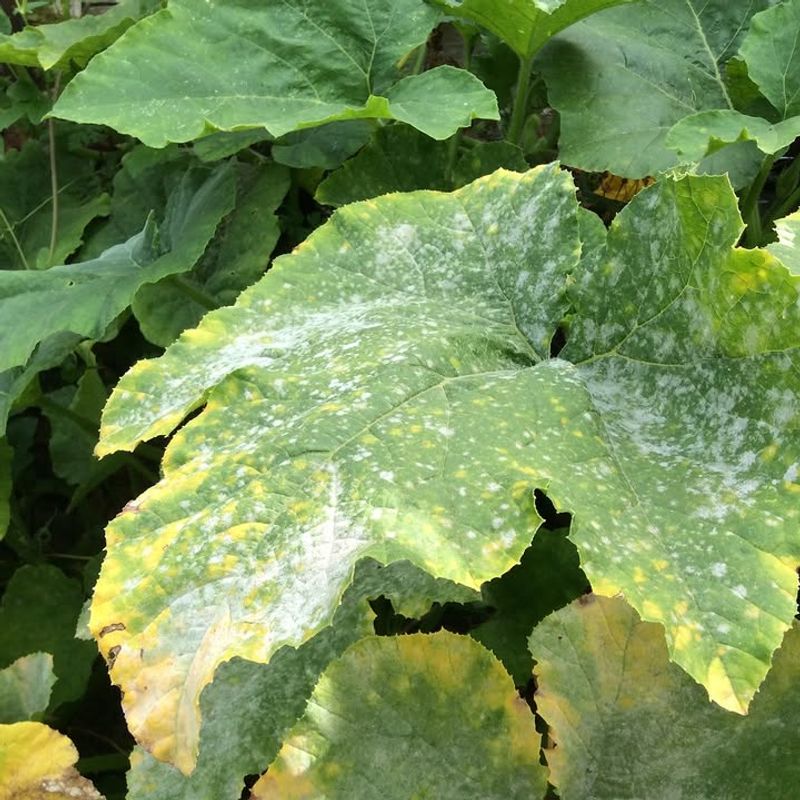
Within a few days, those spots grow and merge together. Soon the entire leaf surface gets covered in that signature chalky coating.
Younger leaves tend to show symptoms a bit later than mature ones. The fungus typically starts on established foliage before moving to newer growth at the tips.
Your Illinois Garden Changes Every Week. Your Plan Should Too.
Gardening in Illinois changes quickly throughout the season. Every Friday you’ll receive a simple weekly plan showing exactly what to plant, prune, fertilize, harvest, and protect so you never miss the right timing.
Flip the leaf over and check the underside too. Powdery mildew often starts on the bottom surface before becoming visible from above.
Infected leaves may start to curl slightly at the edges. You might also notice a faint yellow discoloration spreading outward from the white patches.
Stems can also show signs of infection in advanced cases. White powdery patches on stems mean the disease has moved well beyond the leaves.
A cucumber disease affecting Illinois gardens this summer may already be reducing yields for some home growers. Even young transplants are not safe from infection if conditions are right.
Check your garden every two to three days during August. Spotting mildew early gives you a real fighting chance before it takes over completely.
Why Humidity And Shade Make It Worse
Not all gardens are affected equally by powdery mildew. Where your cucumbers grow matters just as much as how you care for them.
Shaded areas with limited airflow create favorable conditions for this fungus. Plants crowded together trap moisture and create humid microclimates that favor spore growth.
When leaves stay damp from morning dew without drying out quickly, the fungus gets extra time to establish itself. Shade slows evaporation and keeps that moisture lingering far too long.
Humidity between 50 and 90 percent is the sweet spot for powdery mildew growth. Illinois summers regularly hit those numbers, especially in August and into September.
Dense planting is another major factor that gardeners overlook. When cucumber vines grow too close together, air cannot move freely between them.
Poor circulation means spores settle on leaves instead of blowing away. That settling is all the fungus needs to start a new colony.
Raised beds in open, sunny spots tend to fare much better than in-ground rows near fences or trees. Sunlight and airflow are natural defenses that cost nothing.
Watering habits also play a role in how bad the problem gets. Overhead watering in the evening leaves foliage wet overnight, giving spores extra hours to germinate.
Adjusting your garden layout next season could reduce outbreaks significantly. Good spacing and sun exposure are two of the simplest protections you can give your plants.
How The Disease Impacts Fruit And Plant Health
Powdery mildew does not just look bad on your plants. It actively weakens them from the inside out over time.
Infected leaves lose their ability to photosynthesize properly. When that process slows down, the entire plant receives less energy to grow and produce fruit.
Cucumbers on infected plants tend to develop more slowly than healthy ones. Fruits may end up smaller, misshapen, or bitter-tasting when the plant is under fungal stress.
Severe infections cause leaves to yellow and dry out prematurely. Once enough foliage drops, the plant cannot support fruit development at all.
Vines weakened by mildew also become easier targets for other problems. Secondary bacterial infections and pest infestations often follow close behind a powdery mildew outbreak.
Fruit skin can even crack or develop rough texture when the plant is struggling. These cosmetic issues make cucumbers less appealing even if they are technically still edible.
Heavily infected plants may stop producing new flowers entirely. No flowers means no new cucumbers, which can shorten your harvest window significantly.
A cucumber disease affecting Illinois gardens this summer may already be reducing yields for some home growers. In severe, untreated cases, infections can spread enough to significantly reduce a harvest within a couple of weeks.
The damage compounds fast when treatment is delayed. Acting within the first few days of spotting symptoms is what separates a partial harvest from a total loss.
Treatment Options Worth Trying
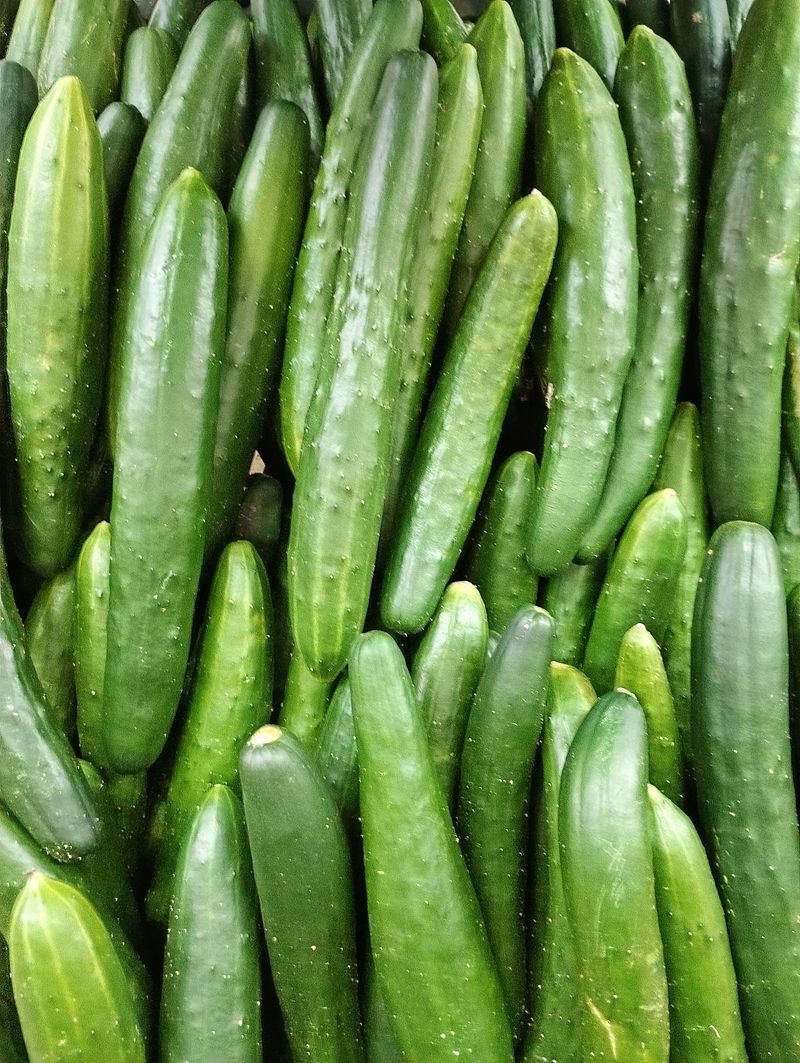
Powdery mildew is treatable when caught in time. You have several effective options, from pantry staples to store-bought sprays.
Baking soda mixed with water and a drop of dish soap is a classic home remedy. Spray it directly on affected leaves every five to seven days for best results.
A mixture of one tablespoon baking soda per quart of water works well for mild infections. Make sure to coat both the top and underside of every leaf you treat.
Neem oil is another popular option that gardeners swear by. It disrupts the fungal life cycle and also helps deter common garden pests at the same time.
Potassium bicarbonate-based fungicides are considered more effective than baking soda by many plant experts. These products change the pH on the leaf surface, making it hostile to fungal growth.
Sulfur-based fungicides from your local garden center offer strong protection for serious outbreaks. Follow label directions carefully, since sulfur can burn foliage if applied in extreme heat.
Remove and bag any heavily infected leaves before spraying. Leaving them on the plant keeps the spore count high and makes treatment less effective overall.
Milk diluted with water at a 40-60 ratio has shown promising results in some early research, though findings remain limited. It sounds strange, but the proteins in milk appear to create an unfavorable environment for mildew.
Consistency is what makes any treatment plan succeed. Skipping applications gives the fungus time to recover and spread further.
Prevention Steps For Next Season
Prevention beats treatment every single time in the garden. Planning ahead for next season can help you avoid the frustration of another outbreak.
Start by choosing mildew-resistant cucumber varieties for your next planting. Many seed companies now label varieties specifically bred to resist fungal pressure.
Varieties like Diva and Marketmore 76 have strong resistance ratings, and some sources also list Spacemaster as moderately resistant, worth confirming with your seed supplier.
Rotate your crops so cucumbers do not grow in the same bed two years in a row. Rotation starves leftover spores in the soil of their preferred host plant.
Give each plant at least 18 to 24 inches of space when planting. Extra room between plants dramatically improves airflow and reduces humidity buildup around the foliage.
Train vines to grow vertically on a trellis instead of sprawling on the ground. Vertical growing increases sun exposure and keeps leaves drier throughout the day.
Water at the base of the plant in the morning rather than from above. Drip irrigation is an excellent way to keep foliage dry while still hydrating roots well.
Apply a light layer of mulch around the base of each plant. Mulch reduces soil splash, which can carry spores from the ground up onto lower leaves during rain.
A cucumber disease affecting Illinois gardens this summer is a reason to plan ahead. Next year, a few small changes can make all the difference for your harvest.