Illinois Gardeners Are Finding Jumping Worms In Mulch Piles This Month
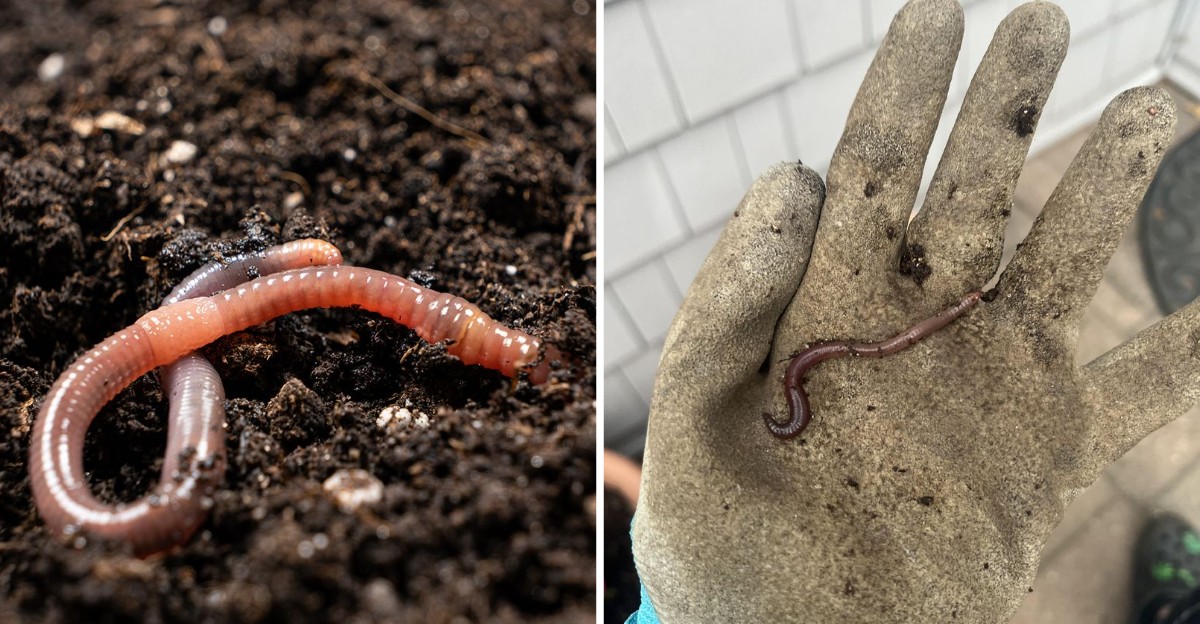
Your mulch pile may be hiding a visitor that moves faster and thrashes harder than any worm you’ve handled before. Illinois soil has become ground zero for a sudden population spike nobody saw coming this planting season.
Gardeners across the state keep noticing something off about the texture and smell of their soil after turning it over. Thrashing movements and a strange metallic sheen on the surface set this creature apart from anything native to backyards here.
Compost bins, garden centers, and fishing bait shops all share a hidden connection to how fast this spread has traveled. Nothing about its arrival came with warning signs, yet clues have been sitting in plain view for weeks now.
Local extension offices across Illinois are fielding a steady stream of calls from people who suspect their yard is no longer just theirs. You’ll want to know exactly what you’re looking at before you touch that pile with your bare hands again.
The Wriggling Culprit Behind Illinois Mulch Pile Surprises
The creature causing all the fuss is Amynthas agrestis and its close cousins, better known as jumping worms or crazy snake worms. They arrived in the United States from East Asia and have been spreading through the Midwest for years.
What sets them apart is behavior. Touch one and it thrashes violently, flipping and snapping like a tiny whip instead of slowly retreating the way a nightcrawler does.
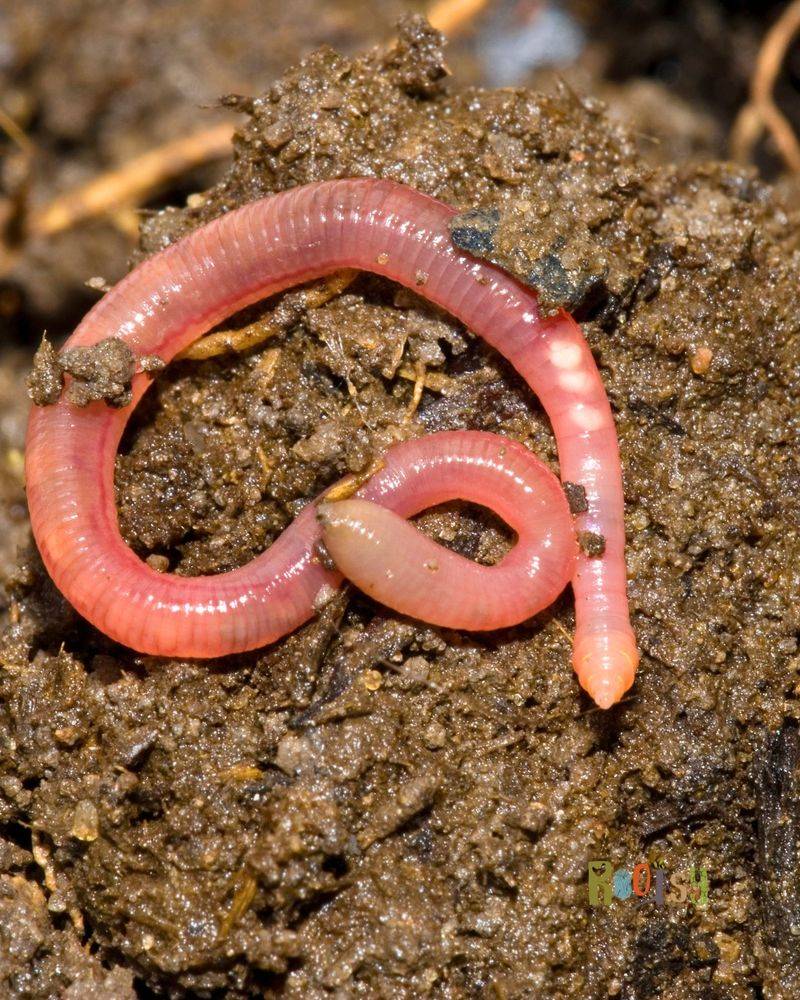
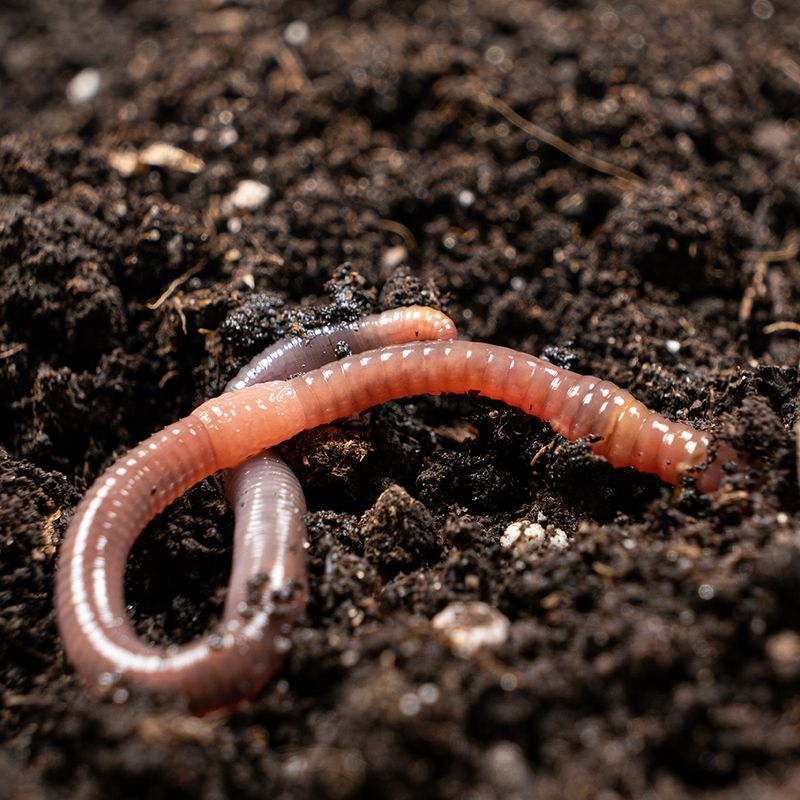
They are also easy to identify once you know the trick. Look for a smooth, milky-white band called the clitellum that wraps completely around the body and sits flush with the skin.
On a European earthworm, that band is raised, pinkish, and does not circle the whole body. Jumping worms tend to be darker, with a glossy, almost metallic sheen along their backs.
Mulch piles are prime real estate for them. Loose organic matter stays moist, warms quickly in spring, and gives them endless food without much digging required.
Because they feed near the surface, they rarely build the deep vertical burrows that improve drainage. Instead they graze through the top few inches and turn everything into loose granules.
Illinois gardeners often meet them for the first time in a delivered mulch load or a shared pile of leaf litter. One shovelful erupts into movement and the mystery solves itself.
Fun bit of trivia: their frantic wriggling is thought to be an escape response against predators, and it works surprisingly well on startled humans holding shovels.
Late Summer Timing And The Sudden Population Boom
Timing explains why so many Illinois gardeners are noticing worms right now rather than in March. Jumping worms hatch from tiny cocoons in spring, stay small and easy to overlook, then grow fast through summer.
By August and September they reach full size and reproductive maturity all at once. A bed that seemed fine in June suddenly feels alive underfoot.
Warm soil and regular rain speed everything along. The stretch of humid weather Illinois gets in late summer is close to ideal for their growth cycle.
Your Illinois Garden Changes Every Week. Your Plan Should Too.
Gardening in Illinois changes quickly throughout the season. Every Friday you’ll receive a simple weekly plan showing exactly what to plant, prune, fertilize, harvest, and protect so you never miss the right timing.
Numbers matter here. Researchers have counted well over a hundred worms per square meter in heavily infested ground, which is far more biomass than native soil can comfortably support.
Adults produce cocoons about the size of a poppy seed, tan or brown, blending in perfectly with soil crumbs. Those cocoons overwinter easily through Illinois cold snaps.
The adults themselves do not survive winter, which is why spring feels quiet. Everything resets from cocoons, and the cycle builds again toward this same late-season peak.
Practical takeaway for gardeners: late summer is the best window for identification, but it is also the riskiest time to move soil. Every wheelbarrow load may be carrying cocoons.
If you are planning to divide perennials or share plants with friends, consider waiting or washing roots thoroughly. A little patience now saves a neighbor a lot of frustration next year.
Marking a calendar reminder for early July inspections gives you a head start next season, catching worms while populations are still small.
Coffee Ground Soil And What It Means For Roots
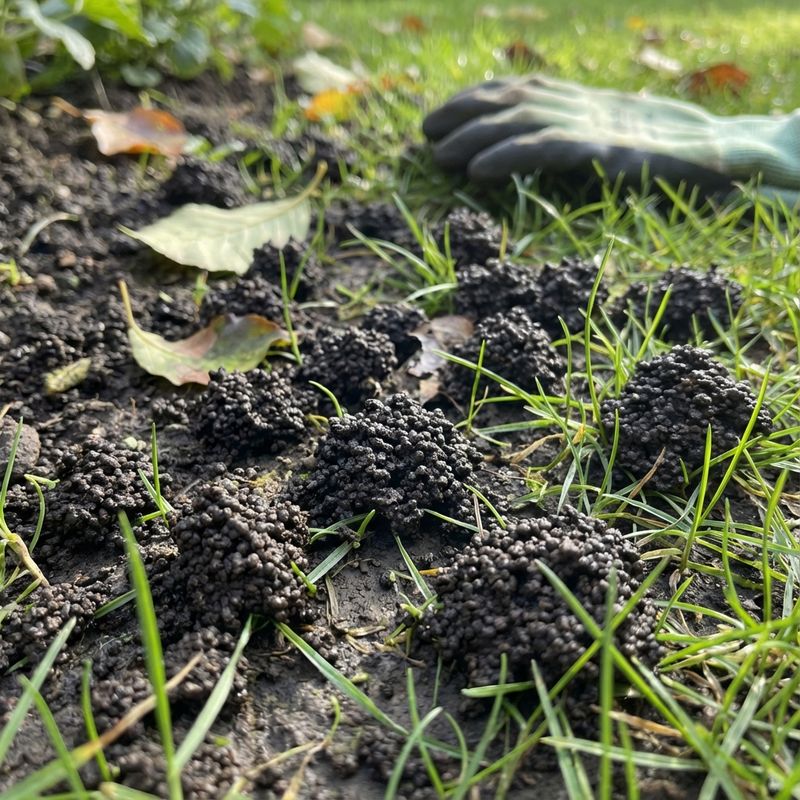
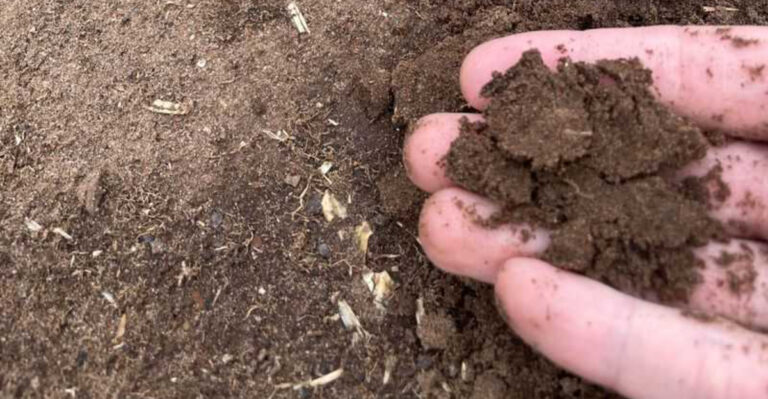
Scoop up a handful of infested soil and it falls apart instantly. The texture looks and feels like dry coffee grounds, loose and pebbly with no clumping at all.
Those granules are worm castings. Jumping worms process leaf litter and mulch so aggressively that they strip away the spongy layer plants depend on.
Healthy garden soil holds together because of structure built by roots, fungi, and slow decomposition. Castings pile up without that binding, so water runs straight through.
Shallow-rooted plants notice first. Hostas, ferns, wildflowers, and young shrubs start wilting between waterings even when rainfall seems adequate.
Nutrients become another problem. Castings release minerals in a quick burst that washes away before roots can grab much of it.
Erosion follows on slopes and along walkways. Loose granules shift with heavy rain, exposing root crowns and leaving bare patches where mulch used to sit.
Illinois woodland gardeners often see the biggest change. Native spring ephemerals like trillium and bloodroot rely on that leafy duff layer, and losing it hits them hard.
What helps is rebuilding structure from the top down. Compost worked gently into planting holes, plus a coarse mulch like wood chips rather than fine shredded bark, slows the breakdown rate.
Deeper watering less often encourages roots to chase moisture downward. Grouping thirsty plants together also makes irrigation more efficient.
None of that removes the worms, but it keeps your plants steady while you work on the bigger picture. Soil recovery is slow, patient work.
The Mulch Sourcing Mistake Most Gardeners Make
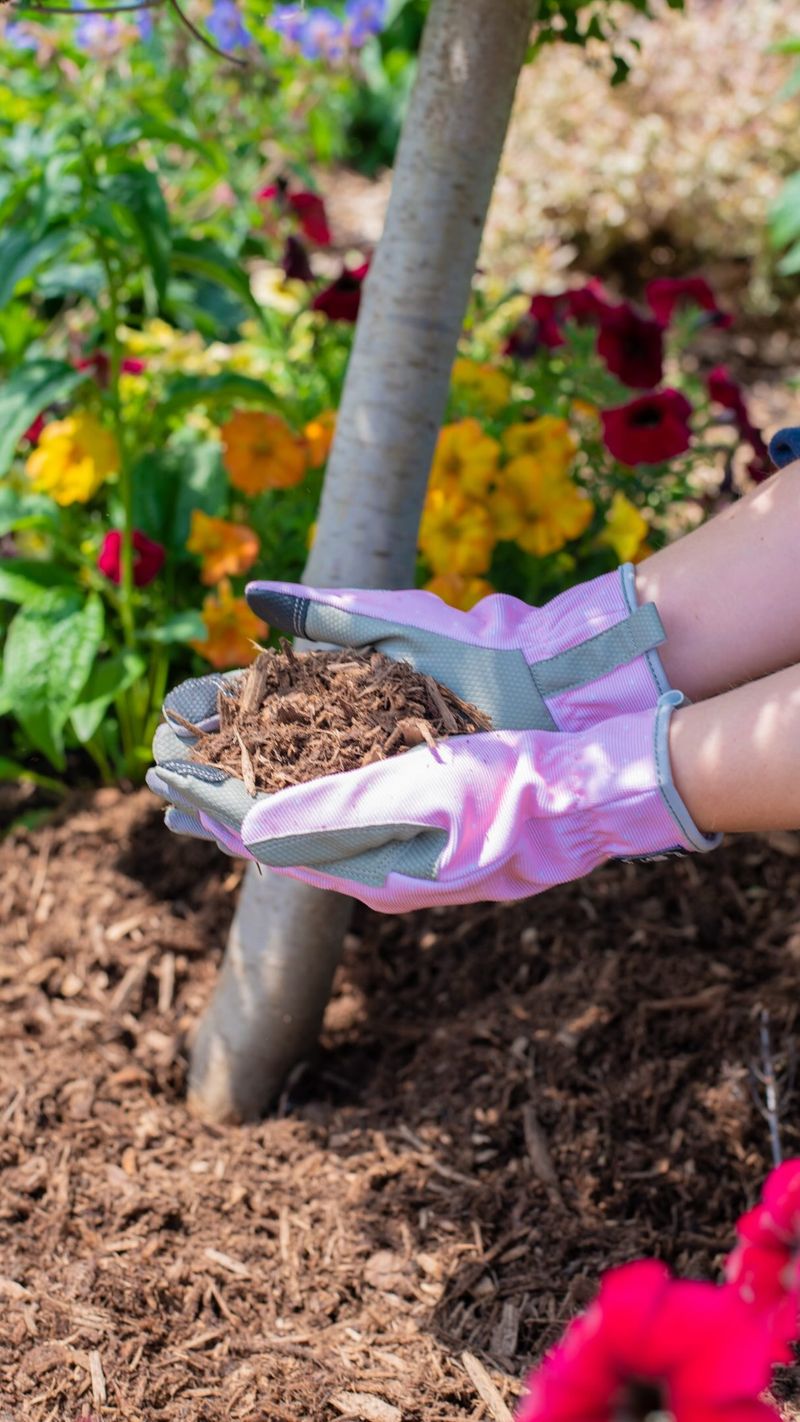
Cheap mulch feels like a win until it comes with passengers. The most common way jumping worms reach a new Illinois yard is a delivered load of bulk mulch, compost, or topsoil.
Free piles from unknown sources carry the highest risk. So do informal plant swaps, curbside leaf giveaways, and that bucket of soil a coworker insisted you take.
Bagged mulch is generally safer because of how it is processed and stored. Bulk material sitting on open ground can pick up cocoons from below even if it started clean.
Compost that reached and held temperatures above 104 degrees Fahrenheit for at least three days handles cocoons well, while piles that never heated up do not.
Asking questions is a reasonable move. Suppliers who understand their product will tell you whether material was properly composted and how long it sat outdoors.
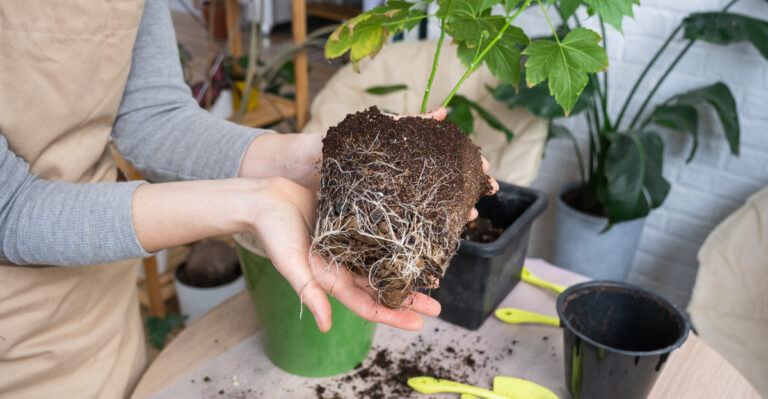
Another overlooked route is potted nursery stock. Cocoons hide in root balls, and a single container plant can seed a whole new colony.
Bare-rooting perennials before planting solves that. Rinse soil off the roots, inspect what washes away, and dispose of the rinse water away from garden beds.
Tool hygiene deserves a mention too. Knocking soil off shovels, tillers, and boots before leaving a site keeps cocoons from hitching a ride between properties.
Gardeners who treat mulch sourcing with the same care they give seed selection tend to stay ahead of the problem far longer than those who chase bargains.
Hands On Reduction Methods That Actually Help
There is no product on the shelf labeled for jumping worm control, which forces gardeners back on physical methods instead. What gardeners do have are simple physical methods that reduce numbers season after season.
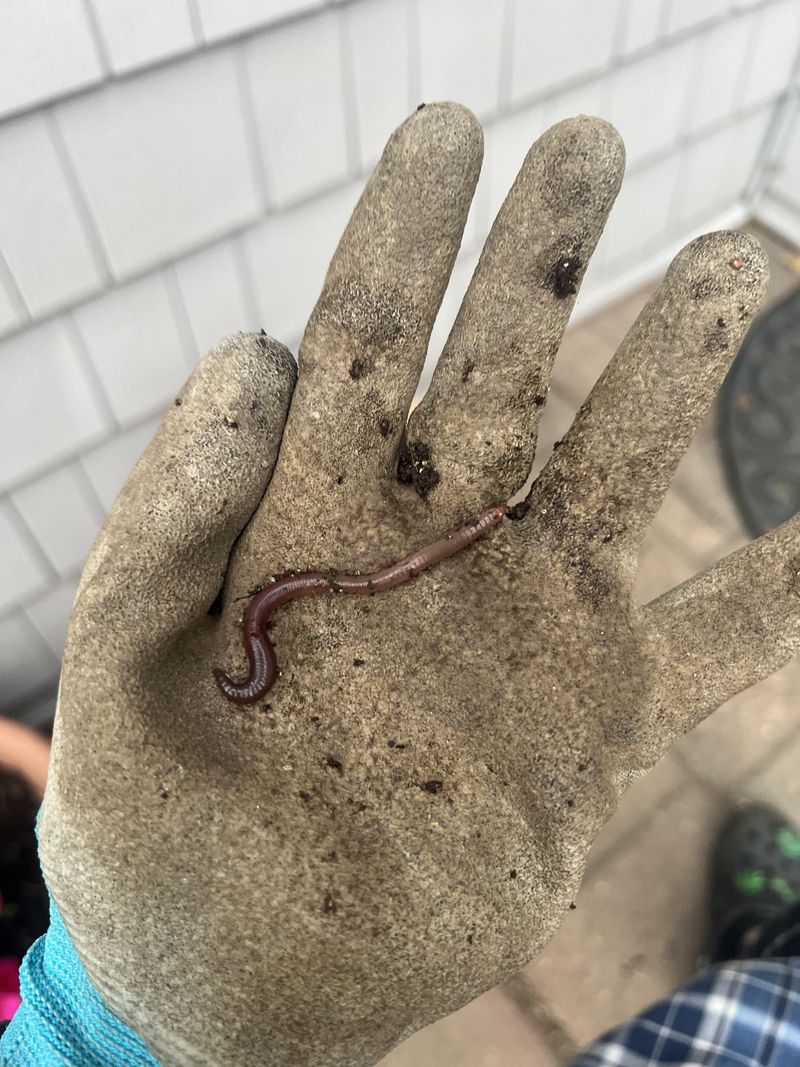
Hand collecting works better than people expect. Pull back mulch on a warm, damp morning, gather the thrashing worms into a sealed bag, and set it in the sun for a few hours before discarding.
A mustard pour brings hidden worms to the surface. Mix a third of a cup of ground yellow mustard seed into a gallon of water and slowly soak a square foot of soil.
The mustard irritates their skin without harming plant roots. Worms surface within a couple of minutes and can be collected easily.
Solarization tackles cocoons in bare soil or in mulch piles. Spread the material thin, wet it lightly, cover tightly with clear plastic, and let summer sun push temperatures past 104 degrees Fahrenheit for three days.
Check with a soil thermometer rather than guessing. Edges heat less than the center, so shift material around partway through.
Keep expectations honest. Full removal from an established landscape is unrealistic, but knocking populations down protects your most vulnerable plantings.
Focus effort where it counts, like around shallow-rooted natives, newly planted shrubs, and raised beds you care about most.
Reporting finds to your county Extension office also helps. Illinois researchers track spread using gardener reports, and your backyard observation genuinely contributes to the bigger map.
Long Term Garden Care And Neighborly Prevention
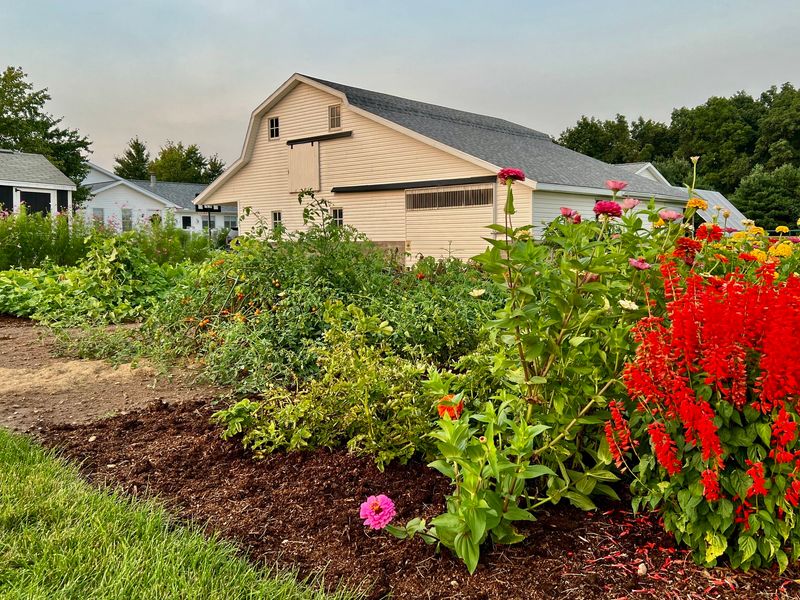
Living alongside these worms means shifting how you garden rather than giving up on it. Plenty of Illinois yards stay beautiful even with worms present, because the gardener adjusted the plan.
Coarse wood chips outlast shredded bark and give worms less to gobble quickly. Refreshing mulch in thinner layers, twice a year instead of one thick blanket, also helps.
Plant choices matter enormously. Deep-rooted natives such as little bluestem, purple coneflower, prairie dropseed, and butterfly weed anchor themselves well below the casting zone.
Trees and established shrubs generally shrug off the change. Reserve the fussier woodland species for containers or beds you can monitor closely.
Compost remains your best friend. Adding well-finished compost each season rebuilds some structure and feeds the fungi and microbes that hold soil together.
Prevention is where community effort pays off. Talk with neighbors before sharing divisions, and suggest bare-root swaps instead of passing along pots of soil.
Some garden clubs have started organizing informal worm identification meetups, a sign of how seriously local gardeners are taking the spread.
Clean your boots and tools between properties, especially if you volunteer at community gardens or restoration sites.
The realistic outcome is coexistence with fewer surprises. Gardens will look a little different, leaning toward tougher prairie species and thicker chip mulch.
And there is a small consolation prize. At least now you know exactly why the hostas never took off.