The Horsetail Removal Mistake Oregon Gardeners Make That Makes It Come Back Twice As Dense
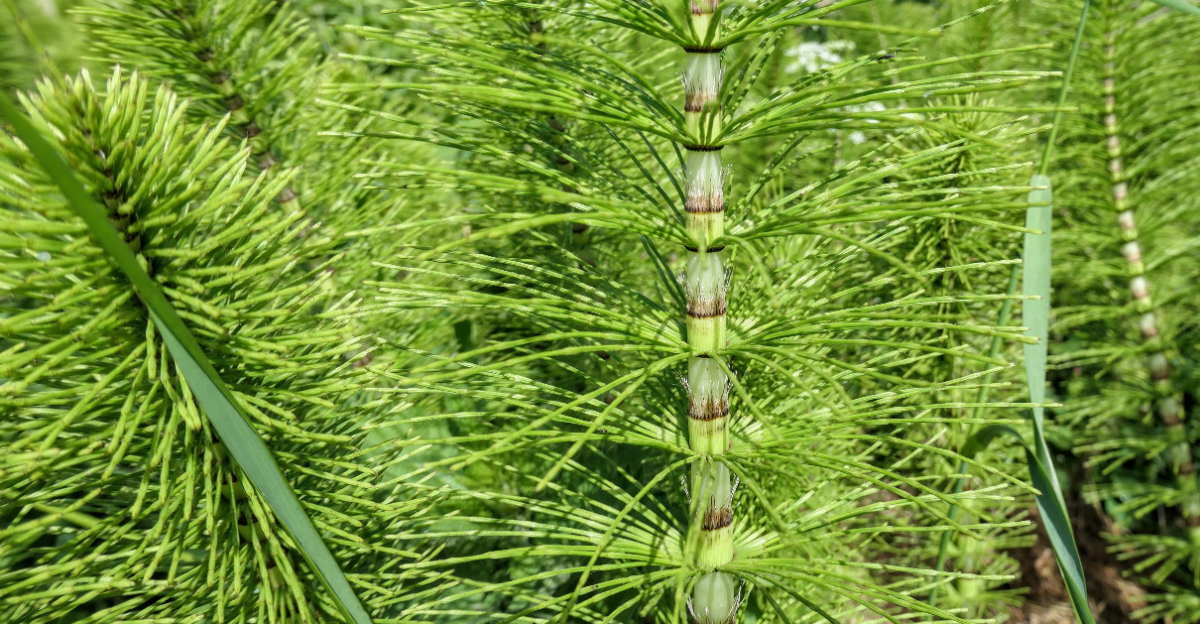
Horsetail has a maddening way of returning just when an Oregon gardener thinks the battle is over. You pull every visible stem, smooth the soil, and enjoy a clean bed for a few days.
Then fresh shoots appear, sometimes thicker and more crowded than before. The problem is not simply that this weed grows quickly.
Its real strength is hidden underground, where an extensive network stores energy and responds aggressively to disturbance.
One common removal tactic can accidentally break that system into pieces, giving the plant even more opportunities to spread through beds, paths, and lawn edges.
Repeating the same approach only deepens the frustration and can turn a small patch into a season-long problem.
Before reaching for a shovel or cultivator again, Oregon gardeners need to understand what triggers that rebound and which slower, more deliberate methods can finally weaken it.
1. Here’s What You’ve Been Doing Wrong
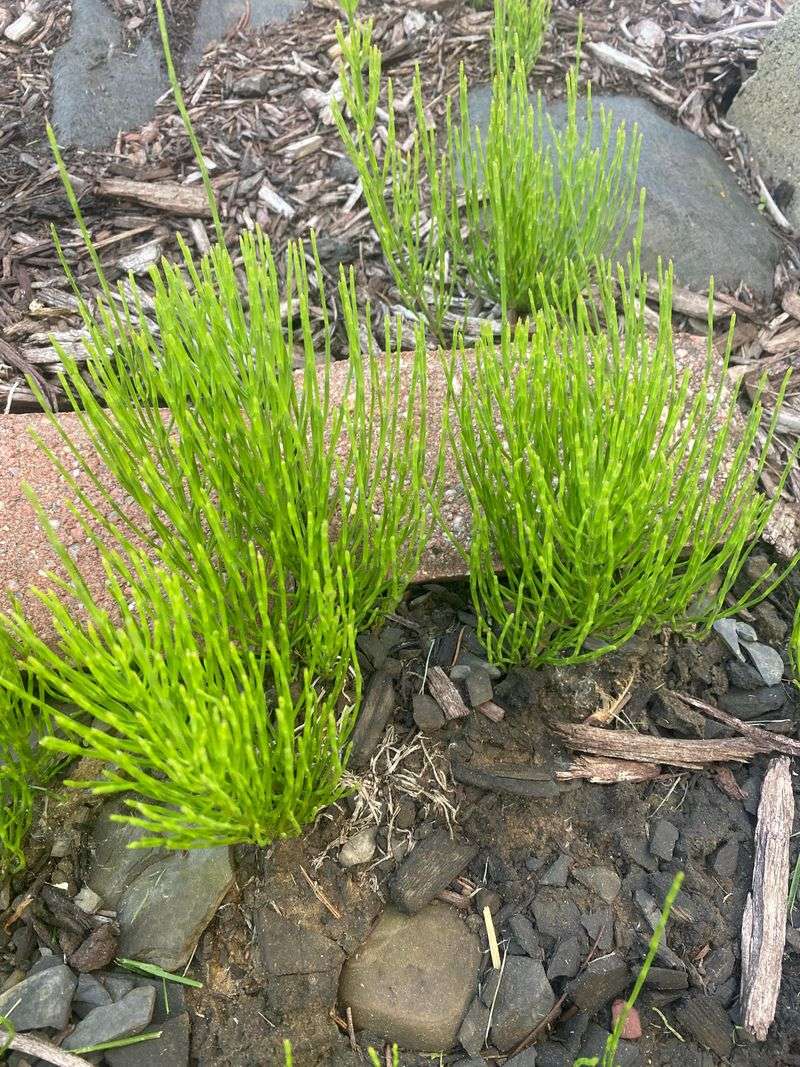
Most people grab a pair of shears or a weed trimmer and cut horsetail right down to the soil line. It looks like progress.
The yard looks cleaner, and it feels like the problem is handled. But cutting the green tops off horsetail does almost nothing to stop it.
The real plant lives underground. Horsetail stores energy in its roots and rhizomes, which can reach several feet deep into the soil.
When you remove the green tops, you are only cutting off what the plant uses to gather sunlight. The underground system is still fully alive and ready to push up new growth.
Within days, sometimes even within hours, fresh shoots begin poking back through the soil. Because the root system never lost its stored energy, those new shoots come back stronger and faster than before.
Some gardeners report that the regrowth after chopping looks noticeably thicker than what was there originally.
Cutting the tops repeatedly does weaken the plant slightly over a very long time, but it takes consistent effort across multiple seasons. One or two rounds of trimming will not make a dent.
If you are going to cut, plan to do it every time new growth appears, all season long, for several years.
That kind of persistence is what slowly drains the underground reserves and gives you a real chance at reducing horsetail over time.
2. Why One Quick Pull Makes Horsetail Fight Back
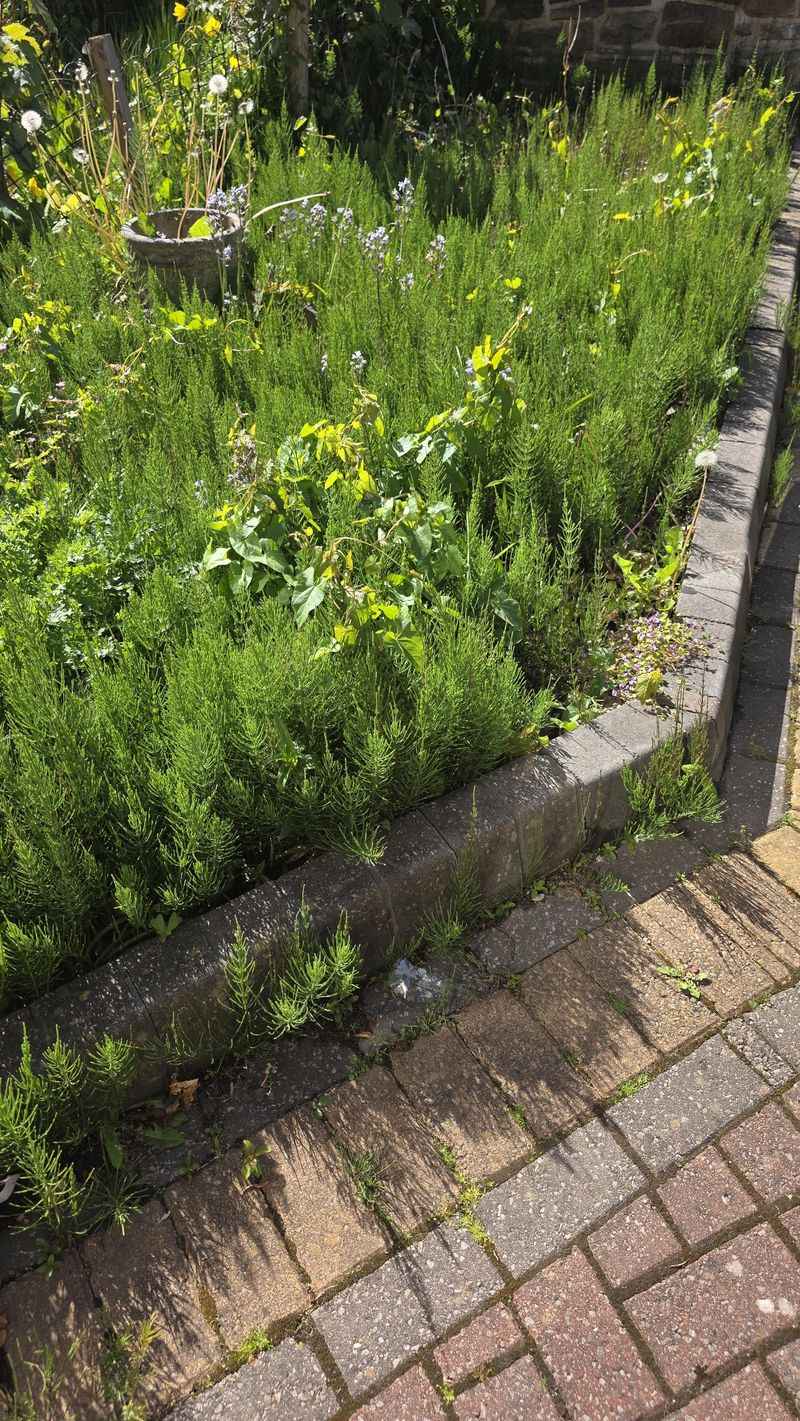
Grabbing a single horsetail stem and giving it a firm pull feels satisfying. The stem pops out, and you feel like you accomplished something.
Unfortunately, that one pull may actually be one of the worst things you can do.
Horsetail stems are connected to underground rhizomes by thin, fragile roots. When you pull the stem upward with force, the connection snaps.
The stem comes out cleanly, but the root and rhizome stay in the ground. The break point does not just sit there quietly.
It signals the plant to send up multiple new shoots from the same spot.
Think of it like a hydra from old mythology. You remove one head, and two grow back.
Your Oregon Garden Changes Every Week. Your Plan Should Too.
Gardening in Oregon changes quickly throughout the season. Every Friday you’ll receive a simple weekly plan showing exactly what to plant, prune, fertilize, harvest, and protect so you never miss the right timing.
That is not an exaggeration when it comes to horsetail. Each broken root node has the ability to sprout new growth, which is why a single pull can quickly turn one stem into a cluster of several.
Moist soil in Oregon makes this even worse. The wet conditions that are so common here keep the roots flexible and deeply embedded.
Pulling almost always breaks the stem before the root lets go. If pulling is part of your plan, you need to do it when the soil is loose and dry, go slowly, and follow the root as deep as possible.
Even then, success is not guaranteed without a full soil management strategy to back it up.
3. Tiny Root Pieces Turning Into Brand-New Shoots
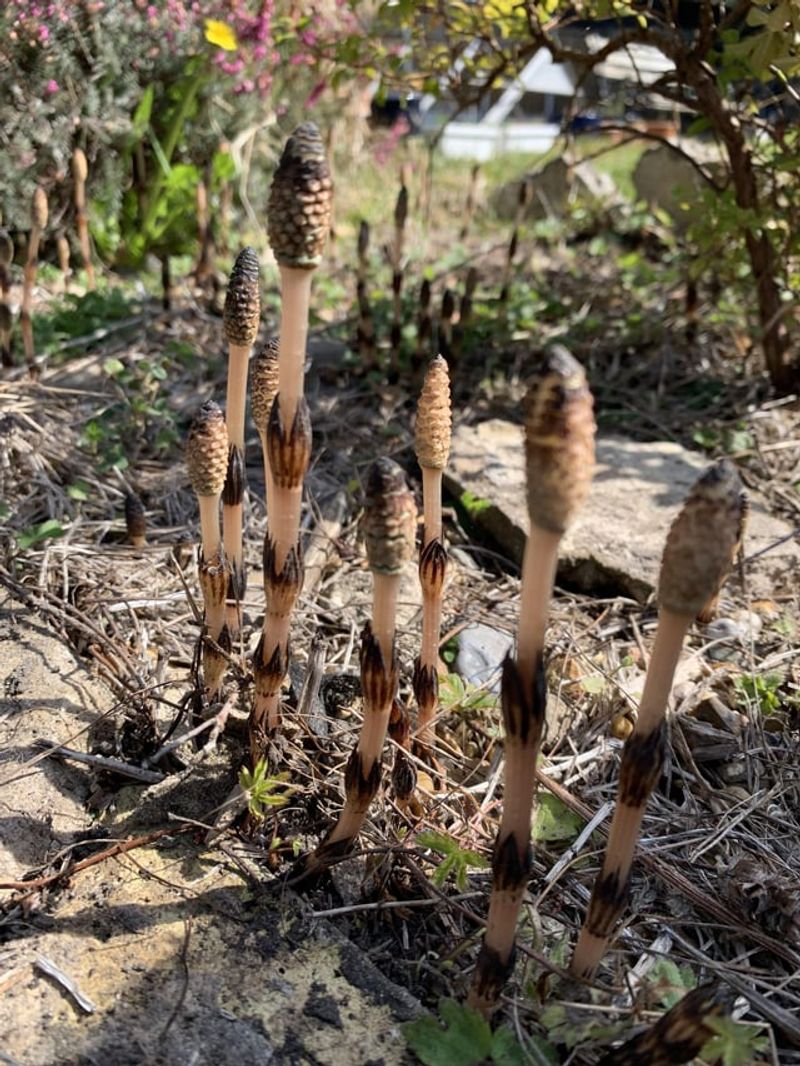
Here is something that surprises almost every gardener who learns it for the first time. A tiny piece of horsetail root, no bigger than your fingernail, can grow into a completely new plant.
You do not need a whole root. You do not even need a large fragment.
Just a small section with a node on it is enough to start fresh growth.
This ability is called vegetative reproduction, and horsetail is exceptionally good at it. Each piece of rhizome that gets left behind in the soil has the potential to sprout independently.
That means any removal method that breaks roots into pieces without fully removing them is essentially planting new horsetail for next season.
Gardeners often notice this after what seemed like a thorough hand-weeding session. They pulled out large clumps, cleared the area, and felt confident.
Then spring arrives and the patch is back, sometimes covering a wider area than before. The broken fragments left behind were quietly establishing themselves all winter.
Wet, rich soils common in the Willamette Valley and coastal areas of Oregon are especially good at helping these fragments survive. The key lesson here is that partial removal is often worse than no removal at all.
Any root-based removal effort needs a follow-up plan that addresses the fragments you inevitably miss.
Smothering with thick mulch or heavy cardboard layers right after removal can help prevent those fragments from getting the light they need to sprout.
4. Digging Too Aggressively And Spreading It Around
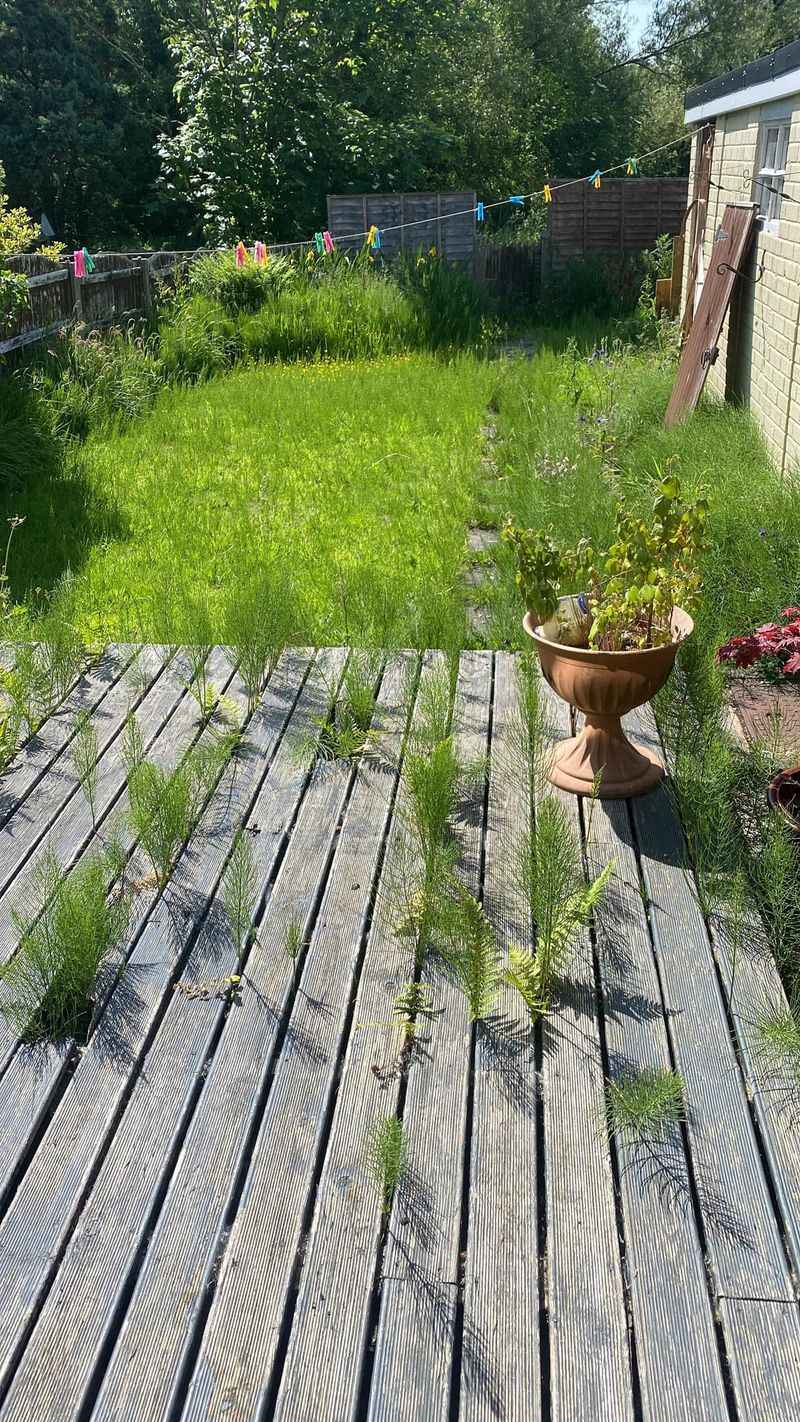
Reaching for a spade and digging hard into a horsetail patch feels like the right move. You want to get under the roots and lift the whole system out.
The problem is that aggressive digging almost always does the opposite of what you intend.
When you drive a shovel into soil filled with horsetail rhizomes, you chop through them. Each chop creates multiple smaller pieces.
Those pieces get scattered across the surrounding soil as you dig, lift, and toss. Some end up several feet away from the original patch.
You might clear the center of the patch, but you have just seeded the edges with root fragments ready to sprout.
Gardeners in Oregon who try this approach often notice new horsetail popping up in spots where it never grew before. That is not a coincidence.
It is a direct result of root pieces being moved around during aggressive digging. The more forcefully you dig, the more fragments scatter.
A smarter approach involves working slowly and methodically. Use a narrow hand trowel instead of a wide spade.
Follow individual roots carefully rather than lifting large soil blocks. Place every root piece directly into a bag or bucket, never onto the surrounding ground.
Even with careful technique, you will miss fragments. That is why digging alone should always be combined with a follow-up suppression method, like thick mulching or repeated smothering with landscape fabric held down tightly at the edges.
5. Breaking Underground Runners Into Even More Plants
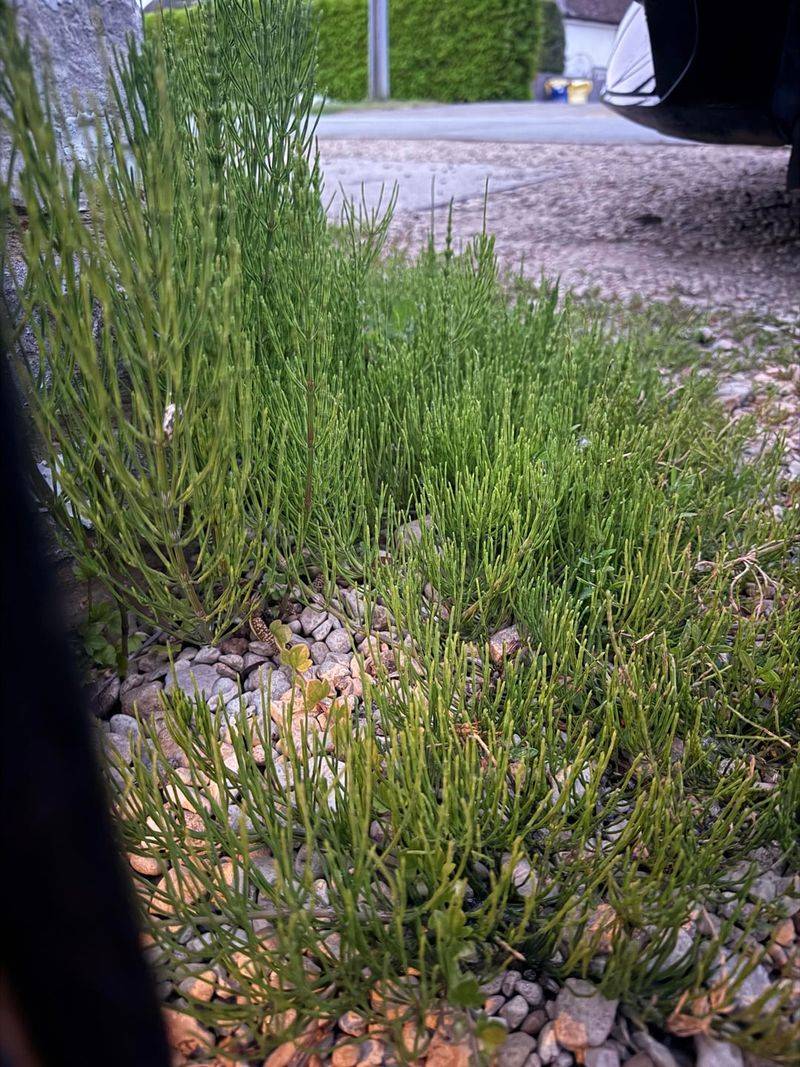
Underground runners, also called rhizomes, are how horsetail spreads most aggressively. These horizontal roots travel outward from the main plant and send up new shoots at regular intervals.
Breaking these runners is one of the most common and damaging mistakes a gardener can make.
Many people use a garden fork to try to loosen and pull up the runner system. The fork tines slice through the rhizomes as they enter the soil, creating dozens of small pieces across a wide area.
Each piece is a potential new plant. A single runner that was heading in one direction can become ten separate plants scattered across your garden bed.
This is why some gardeners feel like their horsetail problem explodes after they try to dig it out. They went from one dense patch to multiple smaller patches spread across a larger area.
The plant did not multiply on its own. The removal method spread it.
Rhizomes in Oregon’s moist, deep soils can run several feet in every direction and reach depths of two feet or more. That makes full removal nearly impossible in a single session.
A more realistic strategy is to focus on exhausting the plant over time. Cut all new growth as soon as it appears, every single time, without exception.
This prevents photosynthesis and slowly drains the energy stored in those deep runners. Paired with physical barriers installed at least twelve inches deep, this approach gives you steady, measurable progress over time.
6. Tilling The Patch And Making The Problem Bigger
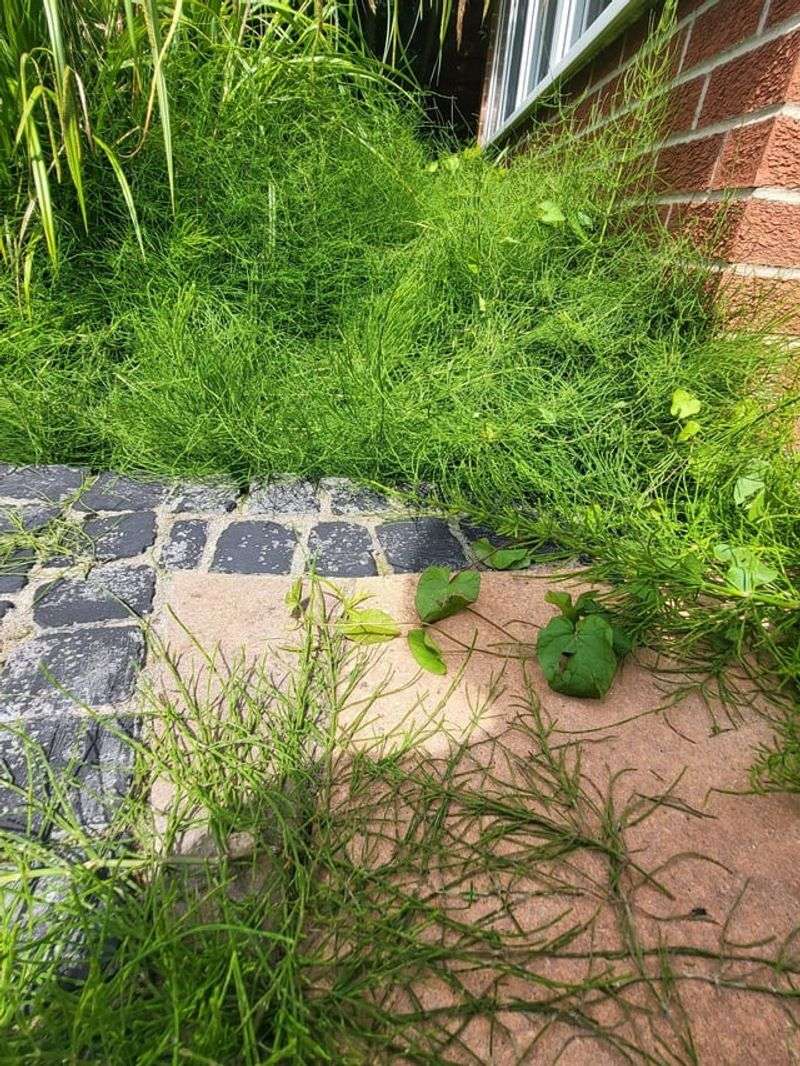
Rototilling is a go-to solution for many gardeners who want to clear a weedy area fast. It works well for many common weeds.
But for horsetail, tilling is probably the single worst thing you can do to an infested area.
A rototiller chops everything in its path into small pieces. For horsetail, that means taking one root system and turning it into hundreds of individual root fragments, all mixed evenly throughout the top layer of your soil.
Every fragment has the potential to grow. Tilling does not remove horsetail.
It multiplies it and spreads it evenly across your entire garden bed.
Gardeners who have made this mistake describe the result as a carpet of horsetail the following spring. Where there used to be a patchy problem, there is now wall-to-wall coverage.
Getting back to where you started feels impossible, let alone making actual progress.
Avoiding the tiller entirely is the safest rule when horsetail is present. If you need to prepare a bed for planting, work by hand and remove root pieces carefully as you go.
After hand-clearing, lay down thick barriers before planting. Some gardeners use multiple layers of cardboard topped with six to eight inches of wood chip mulch.
This combination blocks light from reaching any remaining fragments and physically prevents new shoots from pushing through. It takes patience, but it protects the work you have already done instead of undoing it completely.
7. Letting Fresh Shoots Rebuild The Root System
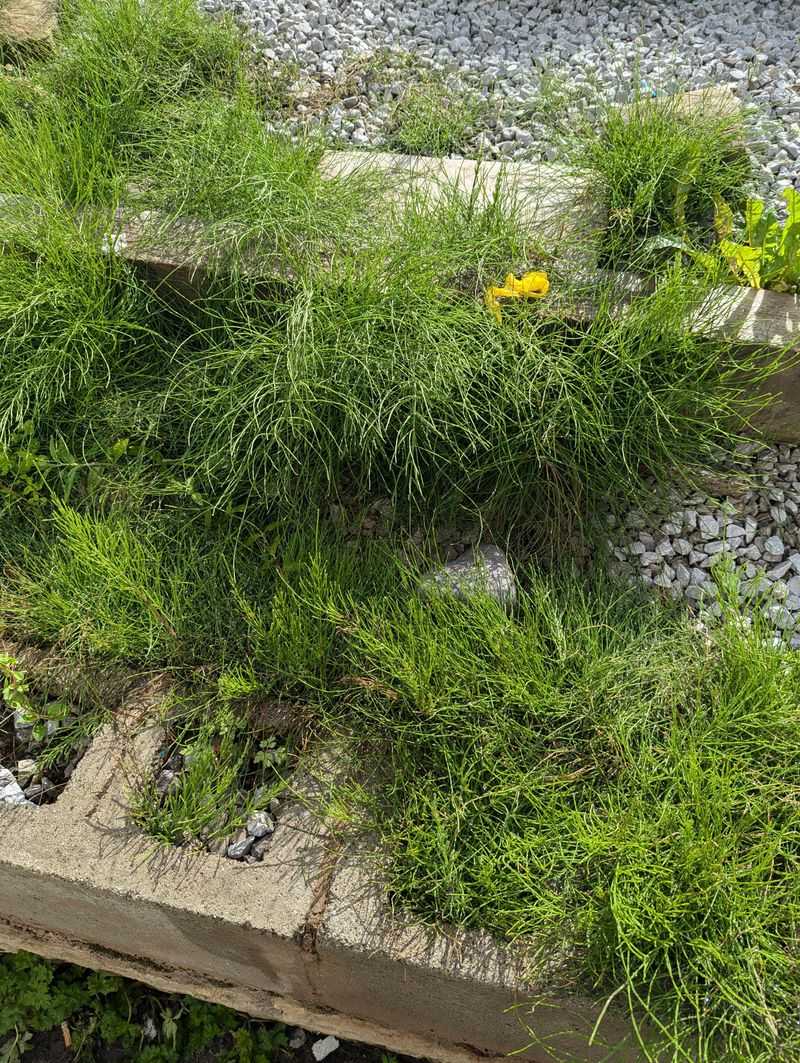
After a round of removal work, it is tempting to take a break and let the garden rest. You put in the effort, the area looks clear, and it feels like the hard part is done.
But walking away at that point is exactly when horsetail starts rebuilding its strength.
Every fresh shoot that pushes up through the soil after removal is on a mission. Its job is to photosynthesize, gather energy from sunlight, and send that energy back down to the root system.
If you let those shoots grow even for a few weeks, the roots regain a significant portion of the reserves you worked so hard to drain. The plant essentially resets itself.
Consistent follow-through is the part most gardeners skip. Removing the initial growth is only the first step.
Every new shoot that appears after that needs to be removed just as quickly. The goal is to never let the plant run photosynthesis long enough to restore its underground energy supply.
This process takes real commitment across multiple growing seasons. Gardeners in wetter parts of Oregon often find that horsetail pushes up new growth from late winter through fall, which means monitoring the area nearly year-round.
Setting a schedule to check the patch every one to two weeks during the growing season makes this manageable. Each session does not need to take long.
A quick walk-through and removal of any new shoots keeps the pressure on and prevents the root system from ever fully recovering its stored energy reserves.
8. Why Horsetail Keeps Winning The Comeback Game
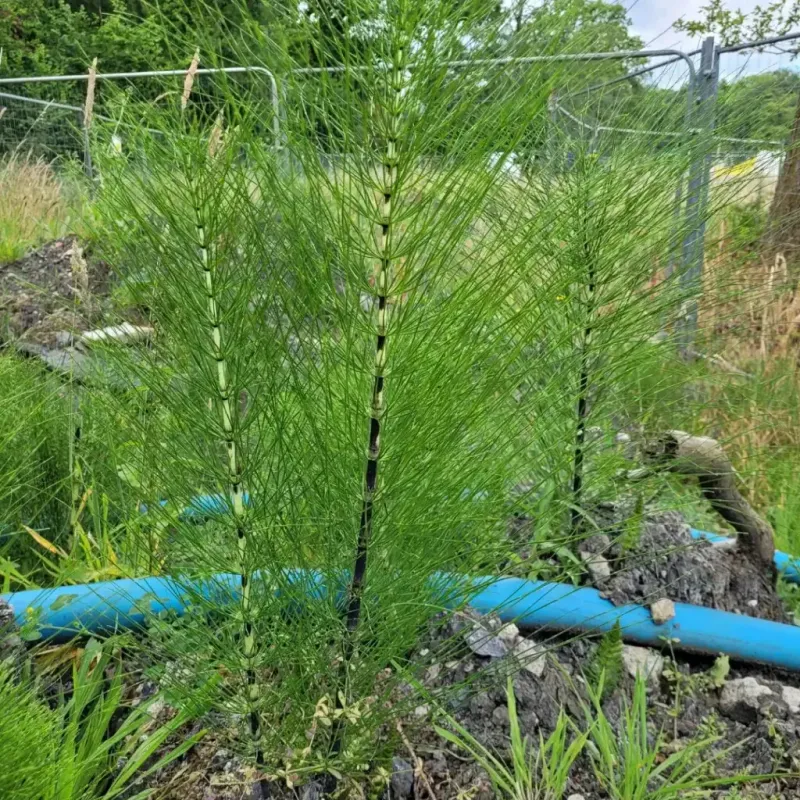
Horsetail has been growing on Earth for over 300 million years. That is not a typo.
It was here before most dinosaurs, and it survived conditions that wiped out the majority of plant species on the planet.
Understanding that history helps explain why a few sessions of hand-pulling are not going to stop it.
The plant’s survival strategy is built around its underground system. The rhizomes store massive amounts of energy, grow incredibly deep, and spread outward in every direction.
Even if you remove ninety percent of what is above ground, the remaining ten percent underground is more than enough to rebuild the entire patch. Every mistake covered in this article feeds directly into that underground strategy.
Our state’s climate adds another layer of difficulty. The consistent rainfall, mild temperatures, and rich soils that make this region so beautiful for gardening also create near-perfect conditions for horsetail to thrive.
The same moisture that helps your vegetables grow helps horsetail push deeper roots and spread wider runners.
Winning against horsetail is not about one big effort. It is about sustained, consistent pressure over several seasons.
Remove every shoot before it can photosynthesize. Use physical barriers to block regrowth.
Never till or aggressively dig. Work slowly and methodically when hand-removing roots.
Accept that progress will be gradual, and celebrate small victories. Gardeners who stay patient and strategic do make real headway.
The ones who give up after one season are the ones who find it twice as dense the following year.