These 8 Native Flowers Spread Easily In Oregon Gardens
Some of the best things that ever happened to an Oregon garden started with a single plant.
One that settled in, liked what it found, and quietly got to work filling in the surrounding space with more of itself year after year.
No replanting, no restocking, no trips back to the nursery. Just a plant doing exactly what it was designed to do in a landscape it already understands.
Native flowers that spread naturally are one of the most rewarding investments an Oregon gardener can make.
They establish quickly, need almost no intervention once they’re in the ground, and create that layered, abundant look that takes years to achieve with plants that don’t self-propagate.
They also support local insects and wildlife in ways that non-native ornamentals simply can’t match. The right spreaders don’t take over.
They fill in beautifully, respect their neighbors, and make the garden look like it has been growing wild and intentionally for decades.
1. Redwood Sorrel
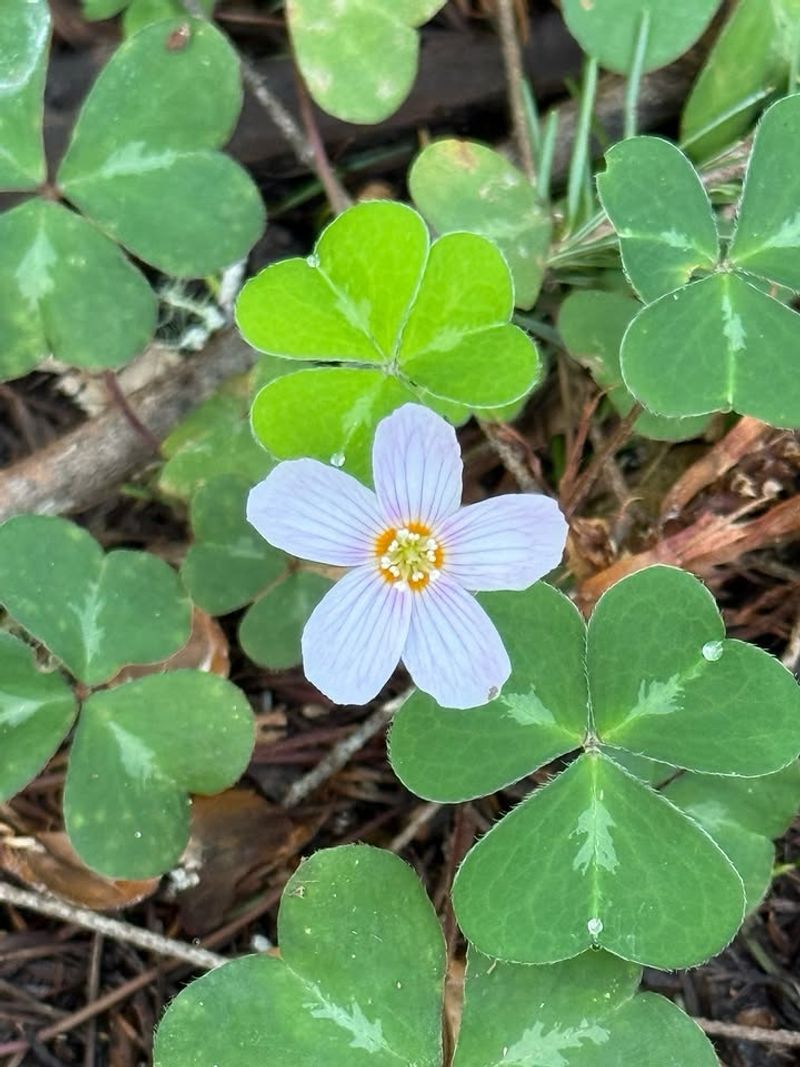
Walk into any shady Oregon forest and you will probably spot Redwood Sorrel carpeting the ground like a soft, green blanket. Its heart-shaped leaves are one of its most charming features, often showing a deep purple blush underneath.
This plant loves moisture and shade, making it a perfect fit for the damp, forested corners of Oregon gardens.
Redwood Sorrel spreads through underground rhizomes, slowly filling in bare patches beneath trees where other plants struggle. Once established, it forms a dense, low-growing mat that helps hold soil and keep weeds from taking over.
You will not need to replant it every season because it comes back reliably each year.
In spring, it produces delicate white or pale pink flowers that add a soft, pretty touch to shaded beds. The flowers are small but sweet, and pollinators appreciate them.
Redwood Sorrel also has a fun quirk: its leaves fold down in bright sunlight or when touched, almost like it is being shy. If you have a tricky shaded spot in your Oregon yard that nothing else seems to want to fill, Redwood Sorrel is one of the most reliable and beautiful solutions you can find.
2. Inside-Out Flower
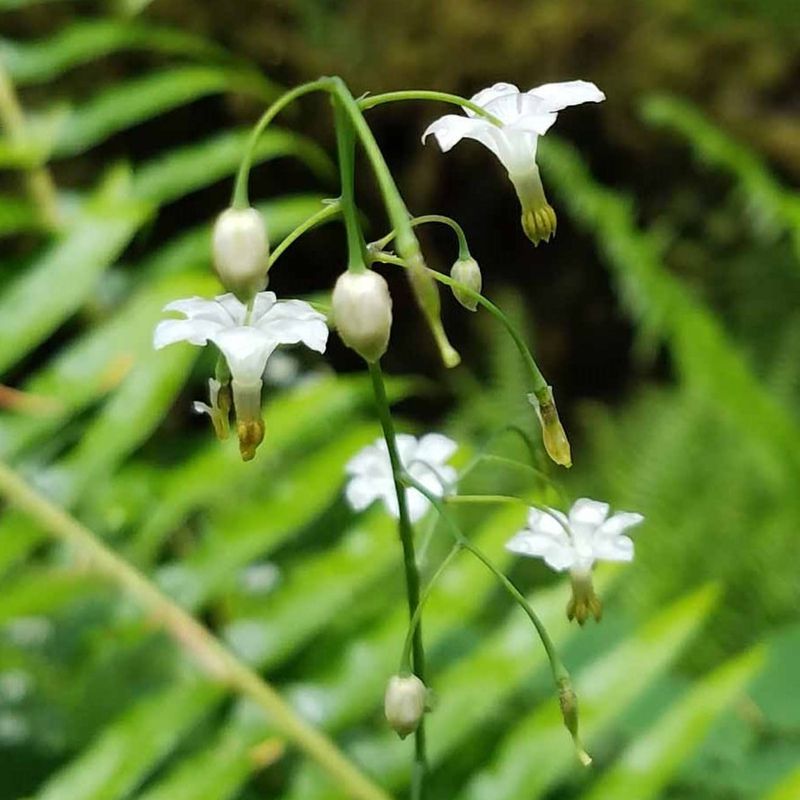
Few plants have a name as curious as the Inside-Out Flower, and once you see it bloom, you will understand why it earned that nickname. Its tiny white petals sweep sharply backward, almost as if they got turned inside out by a strong breeze.
This unusual look makes it one of the most conversation-starting plants you can grow in an Oregon shade garden.
Native to the forests of the Pacific Northwest, this plant thrives in the same cool, moist conditions that Oregon’s western valleys provide so naturally. It grows in low, spreading clumps and spreads gradually through rhizomes, filling shaded areas over time without becoming aggressive or weedy.
Gardeners in Oregon often use it as a ground cover beneath large trees or along shaded pathways.
The foliage is just as appealing as the flowers. The leaves are bright green, lobed, and have a delicate, fern-like appearance that looks fresh and tidy throughout the growing season.
Your Oregon Garden Changes Every Week. Your Plan Should Too.
Gardening in Oregon changes quickly throughout the season. Every Friday you’ll receive a simple weekly plan showing exactly what to plant, prune, fertilize, harvest, and protect so you never miss the right timing.
Even when the flowers fade, the plant continues to look attractive. Inside-Out Flower is also quite drought-tolerant once established, which is helpful during Oregon’s dry summer months.
It is a low-maintenance, high-reward plant that rewards patient gardeners with steady, graceful growth.
3. Pacific Bleeding Heart
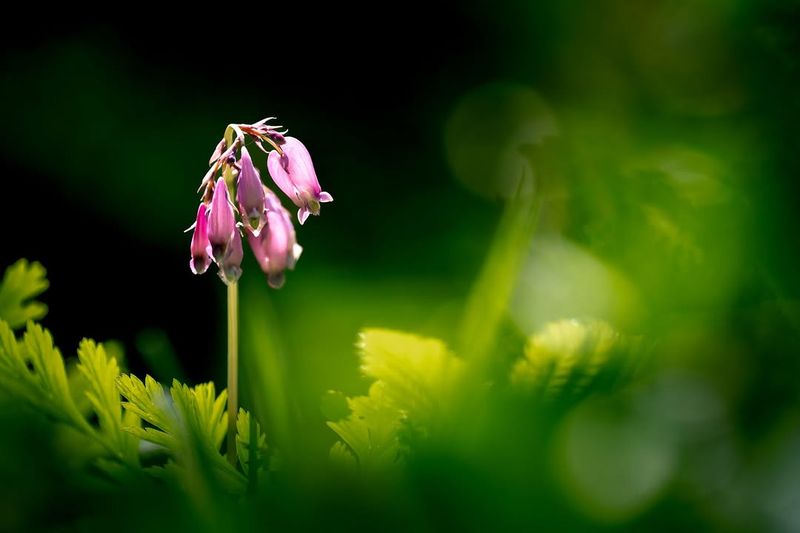
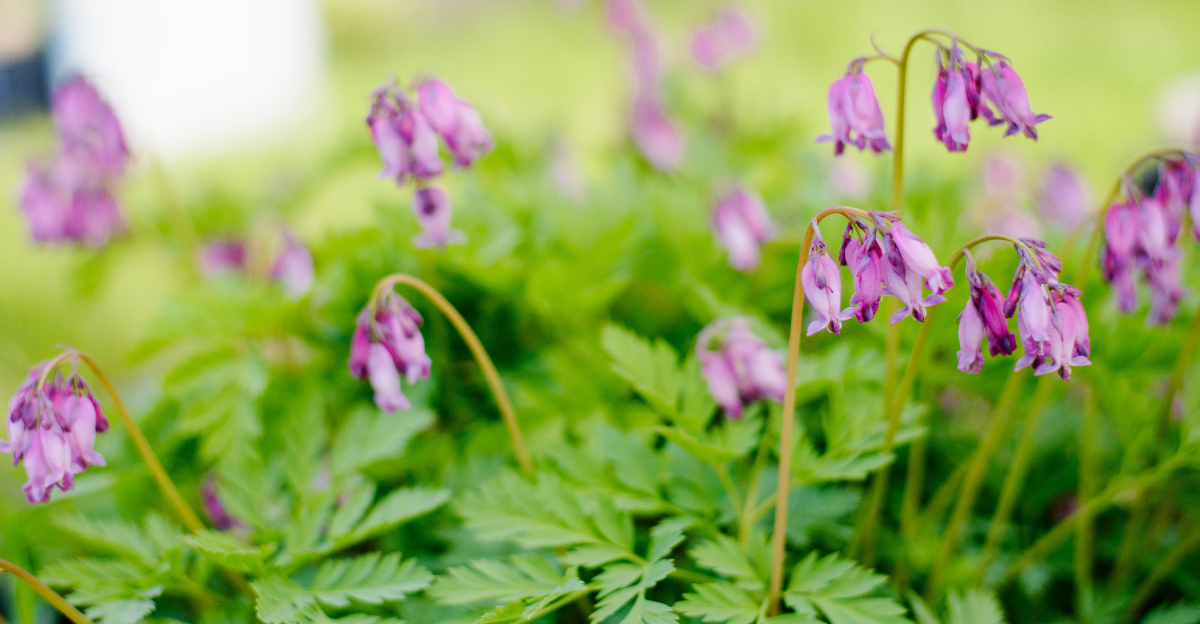
There is something almost storybook about the way Pacific Bleeding Heart looks when it is in bloom. Strings of small, rosy-pink, heart-shaped flowers dangle from arching stems like tiny pendants on a necklace.
It is one of those plants that stops people in their tracks and makes them ask, what is that beautiful thing?
Pacific Bleeding Heart is native to the moist, shaded forests of the Pacific Northwest, and it feels completely at home in Oregon gardens. It grows best in part to full shade with rich, well-drained soil and regular moisture.
In the wild, you will often find it growing alongside ferns and mosses in cool, forested areas, which gives you a good idea of the conditions it prefers.
One of the great things about this plant is how freely it self-seeds. Once you have one Pacific Bleeding Heart in your garden, it will slowly spread by dropping seeds and producing new plants nearby.
Over a few seasons, you can have a lovely, naturalized colony of them filling a shaded bed. The fern-like foliage stays attractive even after the flowers fade, adding texture and softness to the garden.
It typically blooms in spring, giving Oregon gardeners one of the earliest and most charming floral displays of the season.
4. Douglas Iris
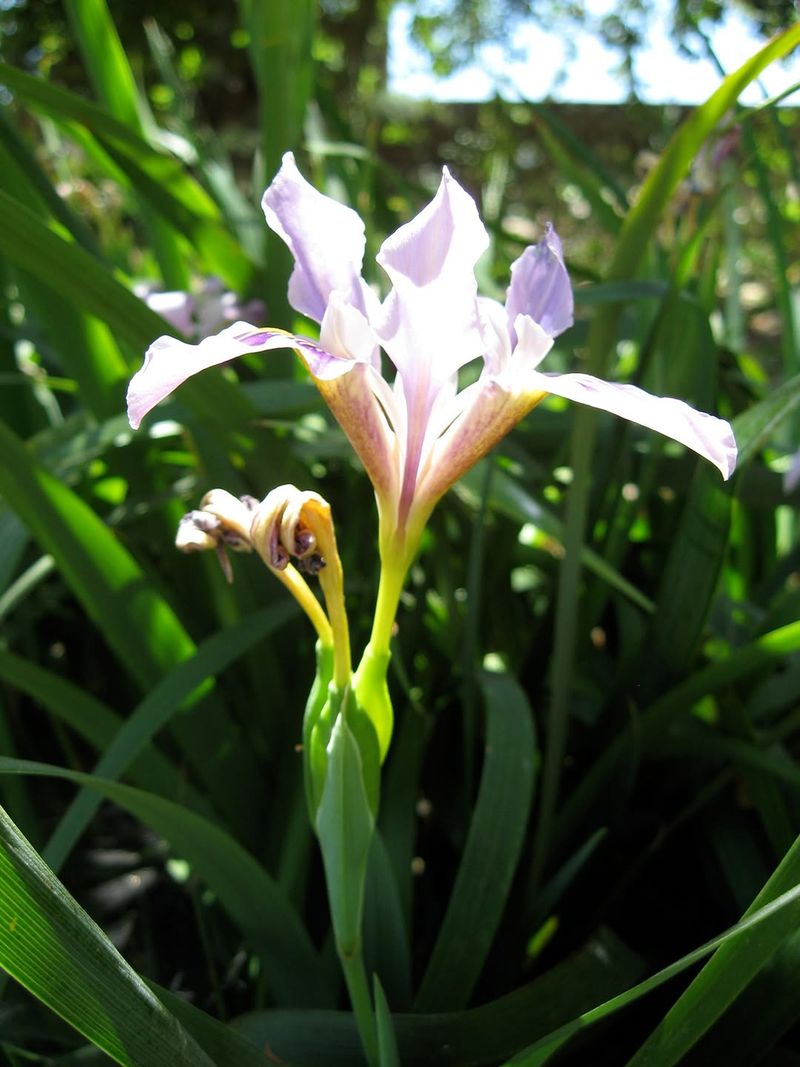
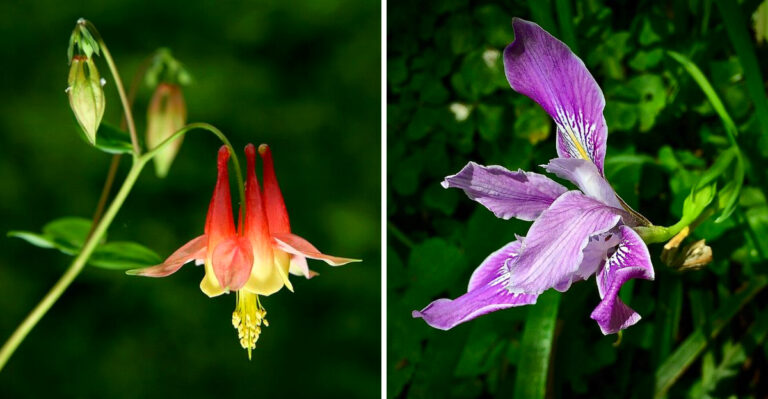
Bold, beautiful, and built tough, Douglas Iris is one of Oregon’s most striking native flowers. Its blooms come in shades of deep purple, blue-violet, lavender, and sometimes creamy white, and they have the elegant look of a garden iris without needing anywhere near as much pampering.
This plant is found naturally along the Oregon coast and in the foothills of the Coast Range, where it thrives in open, sunny spots with well-drained soil.
Douglas Iris spreads by forming dense clumps that slowly expand outward from the center. Over time, a single plant can grow into a wide, lush colony that puts on a spectacular show each spring.
It is also quite drought-tolerant once established, which makes it a great choice for Oregon’s dry summer conditions. After blooming, the grass-like foliage stays green and attractive for much of the year.
This plant is a favorite with native bees and other pollinators, who visit the flowers eagerly in spring. It also works beautifully as a border plant, a slope stabilizer, or a naturalized meadow plant.
Douglas Iris is a tough, adaptable, and gorgeous addition to any Oregon garden, especially for gardeners who want big visual impact with minimal effort. Planting it is a decision you will not regret.
5. Western Columbine
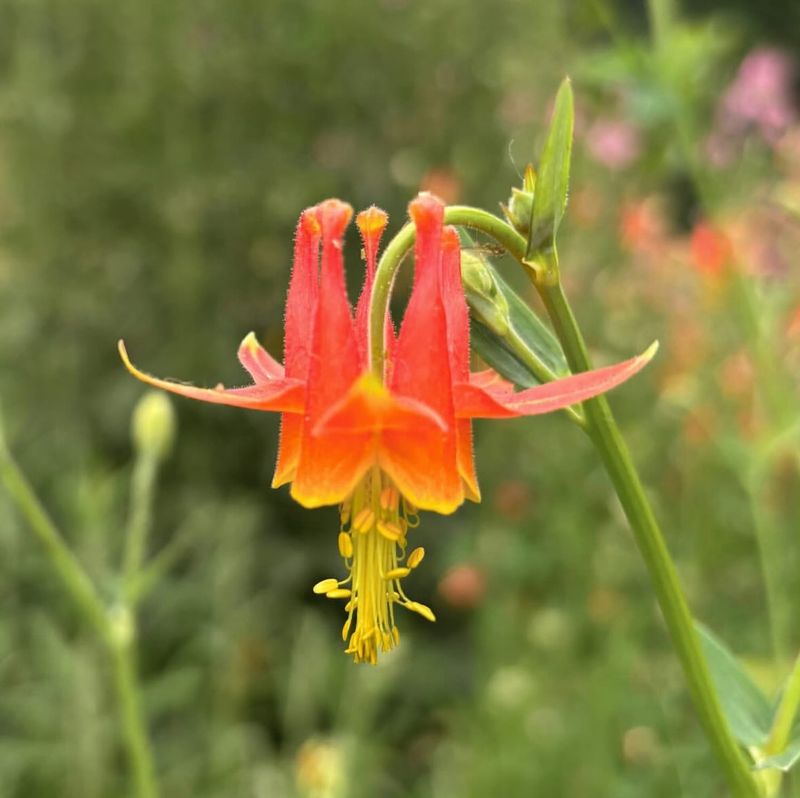
Hummingbirds go absolutely wild for Western Columbine, and honestly, it is easy to see why. The flowers are stunning, with bright red outer petals and golden-yellow centers arranged in a graceful, nodding shape with distinctive backward-pointing spurs.
They look almost like little lanterns hanging from slender, branching stems, swaying gently in the breeze.
Western Columbine is native to moist woodlands, meadows, and streambanks throughout Oregon and the broader Pacific Northwest. It grows best in partial shade to full sun and prefers soil that stays reasonably moist in spring.
Once established in an Oregon garden, it self-seeds generously, popping up in new spots each year and slowly naturalizing into a charming, informal colony.
The plant blooms in late spring to early summer, right when hummingbirds are passing through Oregon on their migration routes. Planting Western Columbine is one of the best things you can do if you want to attract these tiny, fast-moving visitors to your yard.
Bumblebees also love the flowers, though they sometimes cheat by biting through the spurs to reach the nectar directly. The foliage is soft and ferny, adding a lovely texture to the garden even when the plant is not in bloom.
Western Columbine is cheerful, wildlife-friendly, and wonderfully easy to grow.
6. Oregon Sunshine
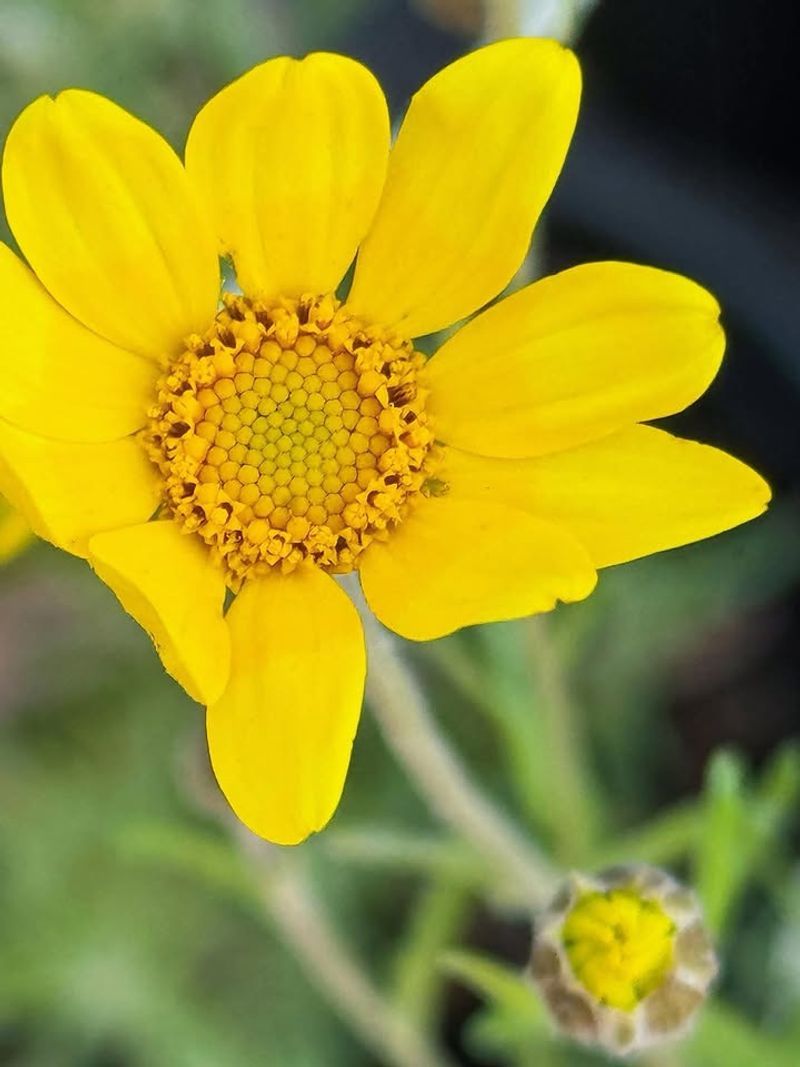
If your Oregon garden has a hot, dry, sunny spot that most plants seem to avoid, Oregon Sunshine was practically made for it. This cheerful native wildflower produces masses of bright yellow, daisy-like blooms that light up dry slopes, rock gardens, and open meadows from late spring into summer.
The flowers are bold and sunny, living up to their name in every way.
Oregon Sunshine, also known by its scientific name Eriophyllum lanatum, is native to dry, open areas throughout much of the western United States, including large parts of Oregon. It has woolly, silver-green leaves that help it handle heat and drought with ease.
Once established, it rarely needs supplemental watering, making it one of the most water-wise native flowers you can grow in the state.
This plant spreads through both self-seeding and the natural expansion of its root clumps, gradually filling in sunny, dry areas with a carpet of golden color. Pollinators love it, especially native bees and butterflies that are active during its long bloom period.
Oregon Sunshine also looks fantastic when planted alongside other drought-tolerant Oregon natives like Douglas Iris or Yarrow. It is low-maintenance, long-blooming, and genuinely beautiful, a triple win for any Oregon gardener who wants more color with less effort.
7. Yarrow
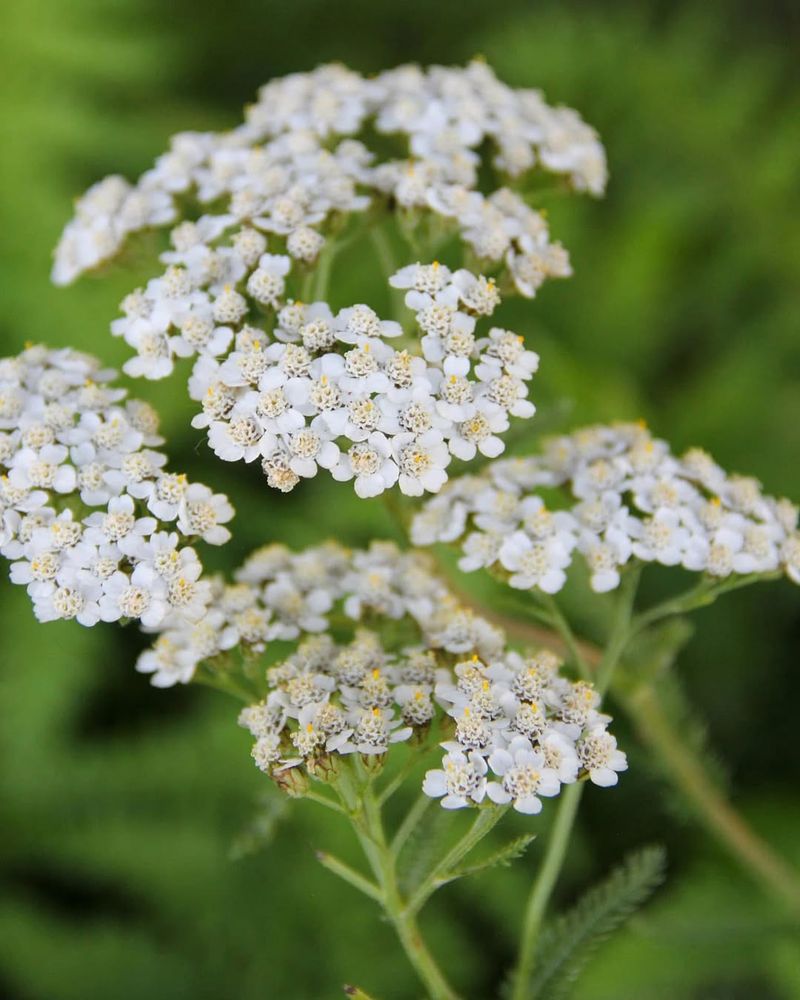
Yarrow has been growing wild across Oregon for as long as anyone can remember, and it has earned its reputation as one of the toughest and most useful native plants around. Its flat-topped clusters of tiny flowers come in white, yellow, and sometimes pink, depending on the variety.
The feathery, fern-like leaves have a pleasant herbal scent when brushed against, adding a sensory bonus to the garden experience.
What makes Yarrow especially valuable in Oregon gardens is its incredible adaptability. It grows in full sun and handles dry, poor soils that would stress most other plants.
It spreads through both underground rhizomes and self-seeding, which means it will slowly but steadily expand to fill open sunny areas over time. This spreading habit makes it an excellent choice for naturalizing slopes or filling in low-maintenance beds.
Yarrow is also a powerhouse for pollinators. Its wide, flat flower heads serve as landing platforms for dozens of bee and butterfly species throughout the summer.
Native beneficial insects that help control garden pests are also drawn to it, making Yarrow a smart addition to any Oregon garden that values a healthy ecosystem. It blooms for a long time, often from late spring all the way through early fall, giving your garden months of color and wildlife activity.
Few plants deliver so much value so easily.
8. Goldenrod
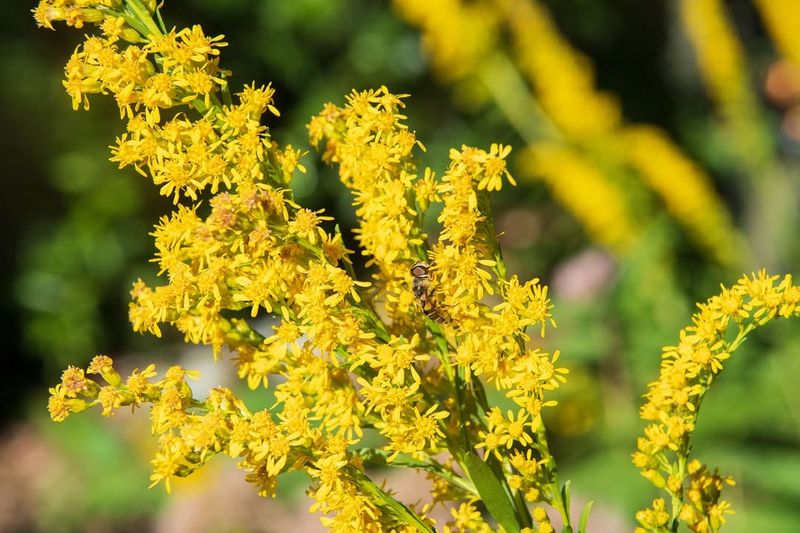
Late summer in Oregon can feel like the garden is winding down, but Goldenrod has other ideas. When most flowers are fading, Goldenrod bursts into bloom with tall, arching plumes of bright golden-yellow flowers that bring a wave of warmth and color to the late-season garden.
It is one of the most important native plants for pollinators in the entire Pacific Northwest.
Oregon’s native Goldenrod species, particularly Solidago canadensis and related varieties, spread readily through both rhizomes and self-seeding. Over time, they can form impressive colonies in sunny, open areas.
This spreading habit is actually a feature, not a flaw, because it means you get more plants and more flowers without having to do much of anything extra. Just give it a sunny spot and decent soil, and Goldenrod will take care of the rest.
One common misconception worth clearing up: Goldenrod does not cause hay fever. That allergy is usually caused by ragweed, which blooms at the same time.
Goldenrod’s pollen is too heavy and sticky to float through the air. Bees, butterflies, and beetles absolutely love its flowers, and birds enjoy the seeds in fall.
Goldenrod is a native Oregon treasure that earns its place in any wildlife-friendly garden, bringing beauty, life, and ecological value all the way into autumn.