Oregon Plants That Get Damaged By Epsom Salt That Most Gardeners Keep Adding Every Single Season
Epsom salt has earned a permanent spot in many Oregon garden sheds, often sprinkled around plants as a cure for yellow leaves, weak growth, or disappointing blooms.
The problem is that this familiar remedy adds magnesium and sulfur whether the soil needs them or not.
Used season after season, it can upset nutrient balance, interfere with calcium uptake, build up in containers, and worsen stress in plants already struggling with drainage or drought.
Damage may appear slowly, making the treatment look innocent while leaves develop brown edges, distorted growth, or stubborn discoloration.
Adding another dose can then deepen the original problem. Oregon soils vary widely, so a trick that seems helpful in one yard may be harmful in another.
Before reaching for the bag again, gardeners should know which plants are especially sensitive, what warning signs to watch for, and why a soil test beats guessing every time.
1. Blueberries Getting More Salt Than They Bargained For
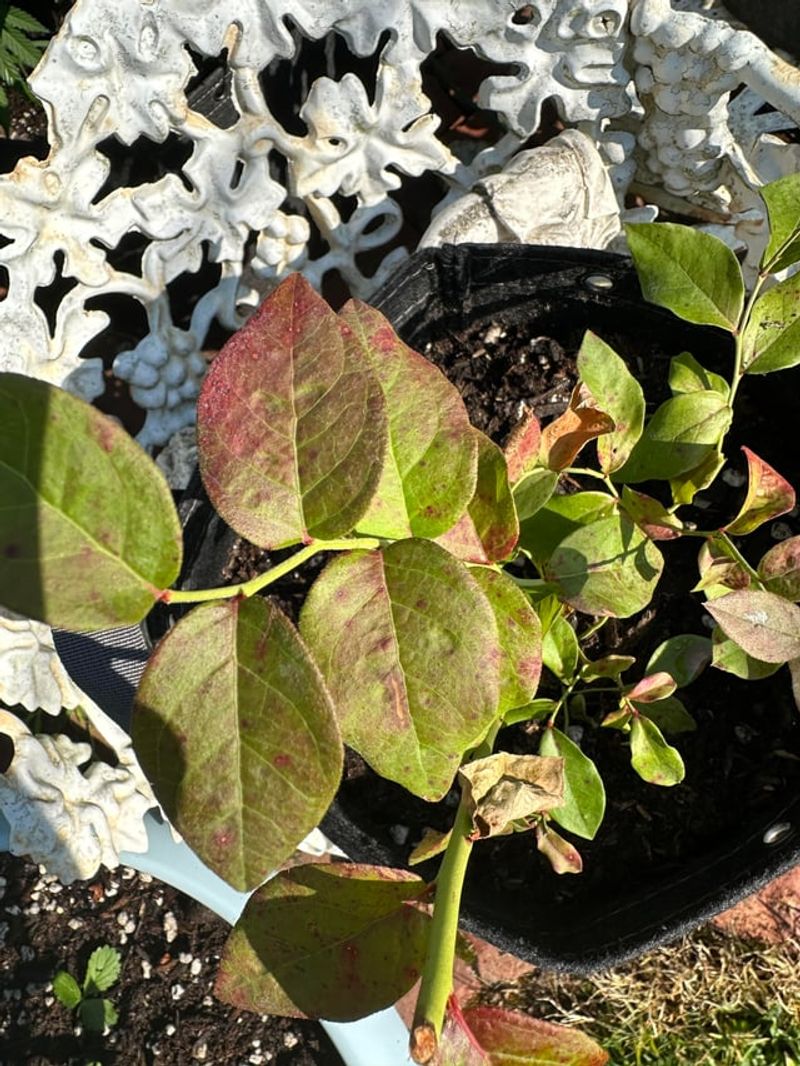
Blueberries are one of the most beloved fruits grown across Oregon, but they have a very specific need that Epsom salt works directly against. These plants love acidic soil with a pH between 4.5 and 5.5.
Adding magnesium sulfate can shift that balance and cause serious problems for the roots.
When magnesium levels get too high in the soil, it blocks the plant from absorbing calcium and potassium. Both of those nutrients are critical for healthy berry production.
You might notice yellowing leaves, weak new growth, or fewer berries than expected. Many gardeners see those signs and add more Epsom salt, thinking the plant needs a boost.
Our state’s soil in the Willamette Valley and coastal regions already contains enough natural magnesium for blueberries to thrive. A soil test will almost always confirm this.
Instead of adding Epsom salt, focus on keeping your soil acidic with sulfur or acidic mulch like pine bark. Water consistently and avoid over-fertilizing with anything high in magnesium.
If your blueberry bush is struggling, test the soil before reaching for any amendment. Blueberries reward patience and proper pH management far more than they reward extra minerals.
Giving them what they actually need, rather than what seems helpful, is the real key to a productive harvest every summer.
2. Rhododendrons Struggling With Unnecessary Magnesium
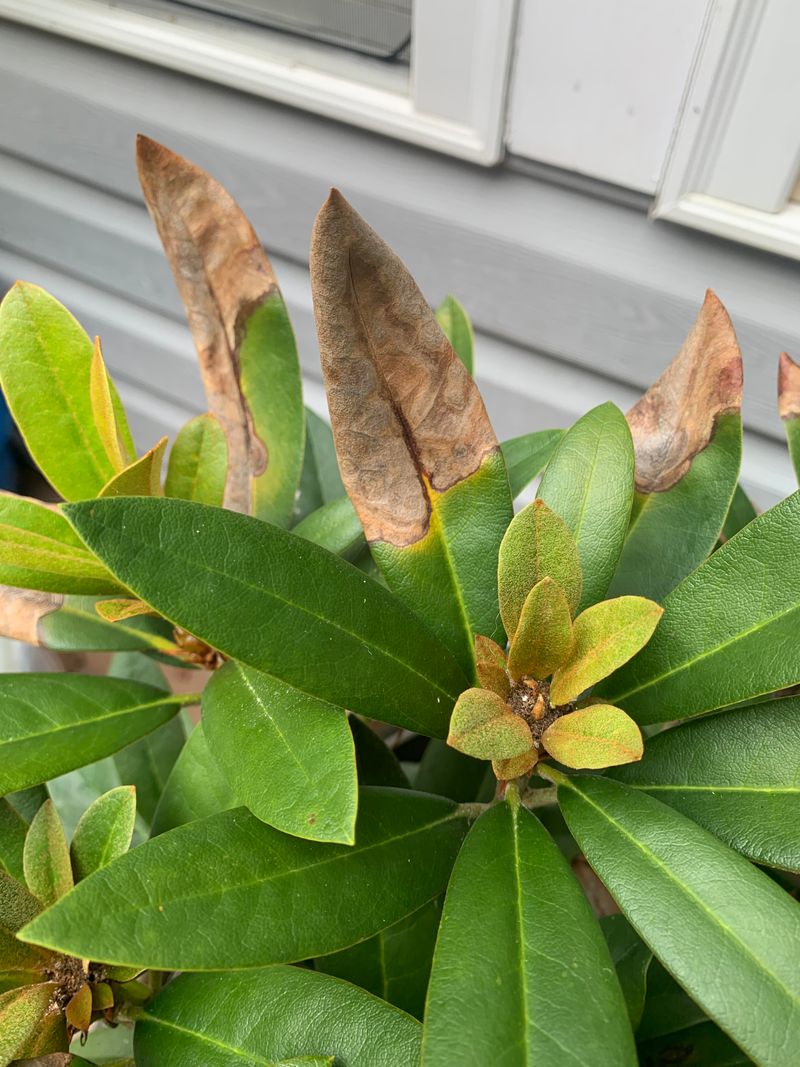
Few plants are more iconic to our corner of the Pacific Northwest than the rhododendron. They line driveways, bloom in spring, and make front yards look stunning.
But they are also one of the plants most frequently harmed by well-meaning gardeners who add Epsom salt hoping to make the blooms brighter.
Rhododendrons are acid-loving plants that thrive in our naturally soft, slightly acidic soil. The magnesium in Epsom salt can temporarily green up leaves, which fools gardeners into thinking it is working.
Over time, though, excess magnesium displaces calcium in the soil. Calcium helps cell walls stay strong and supports root development.
Without enough calcium, rhododendrons develop weak stems, poor root systems, and leaves with brown, crispy edges. The blooms also become sparse and short-lived.
Our region gets significant rainfall, but that rain does not flush excess magnesium out fast enough to prevent buildup in dense clay soils. If your rhododendron looks off, test the soil first.
Your Oregon Garden Changes Every Week. Your Plan Should Too.
Gardening in Oregon changes quickly throughout the season. Every Friday you’ll receive a simple weekly plan showing exactly what to plant, prune, fertilize, harvest, and protect so you never miss the right timing.
Most rhododendrons in Oregon grow best with a simple acidic fertilizer designed specifically for acid-loving plants. Adding compost and keeping the mulch fresh around the base does more good than any salt treatment.
Skip the Epsom salt and let these beautiful shrubs do what they naturally do best.
3. Azaleas Showing Burned Tips Instead Of Better Blooms
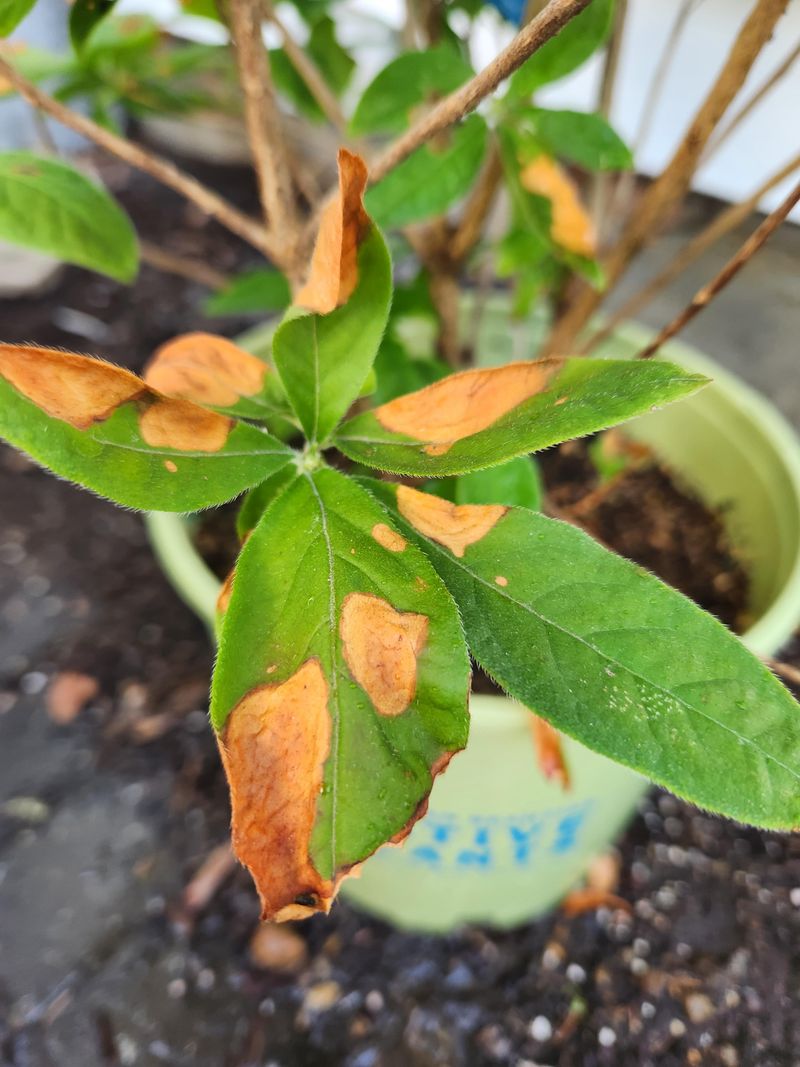
Azaleas are close cousins to rhododendrons, and they share the same love for acidic, well-draining soil.
Gardeners often treat them the same way they treat struggling tomatoes or roses, which means Epsom salt gets sprinkled around the base without a second thought. The results are not pretty.
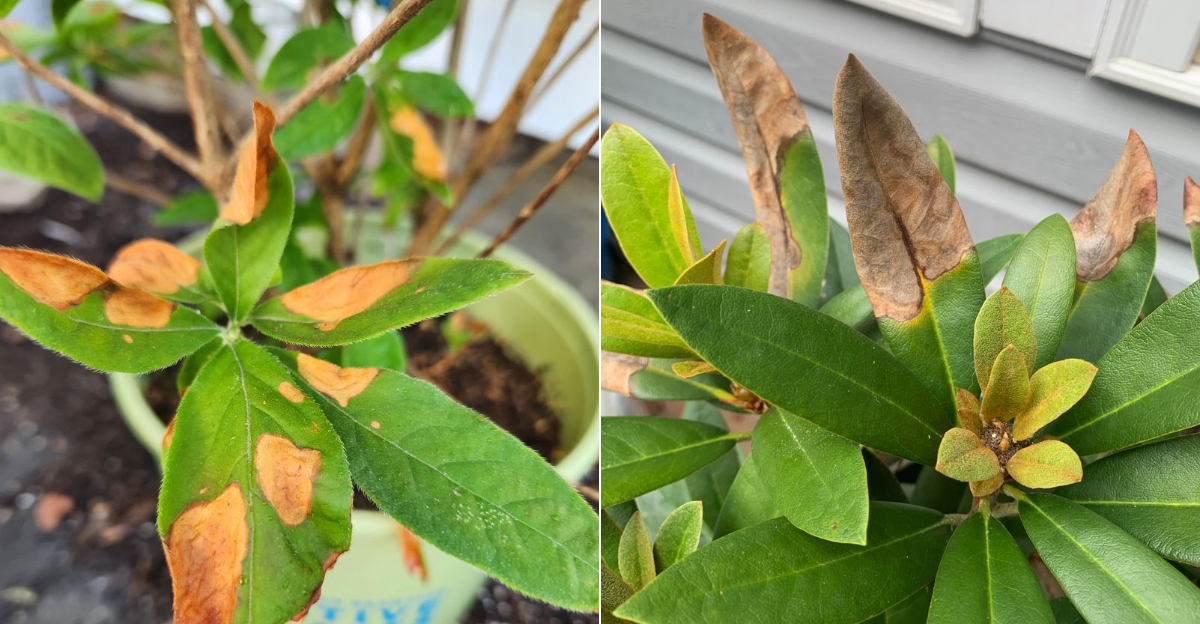
Salt stress in azaleas shows up as brown or burned leaf tips, which is easy to confuse with drought stress or wind damage. The leaves may curl slightly, and new growth can look stunted or pale.
Since these symptoms look like a nutrient deficiency, many gardeners respond by adding more Epsom salt. That cycle causes more harm with every passing season.
Azaleas grown in containers are especially vulnerable because the salt has nowhere to go. In ground-planted azaleas, repeated applications lead to magnesium buildup that blocks iron and manganese uptake.
Those two nutrients are essential for the deep green leaves and vibrant blooms that make azaleas worth growing. Our wet winters help leach some salts away, but not always enough to undo repeated doses.
A better approach is using a slow-release fertilizer made for azaleas and rhododendrons. Keep the soil mulched with pine needles or bark to maintain acidity.
Healthy azaleas do not need extra magnesium. They need the right soil conditions, consistent moisture, and a little patience to produce those stunning spring blooms.
4. Tomatoes Losing Calcium While Gardeners Add More Salt
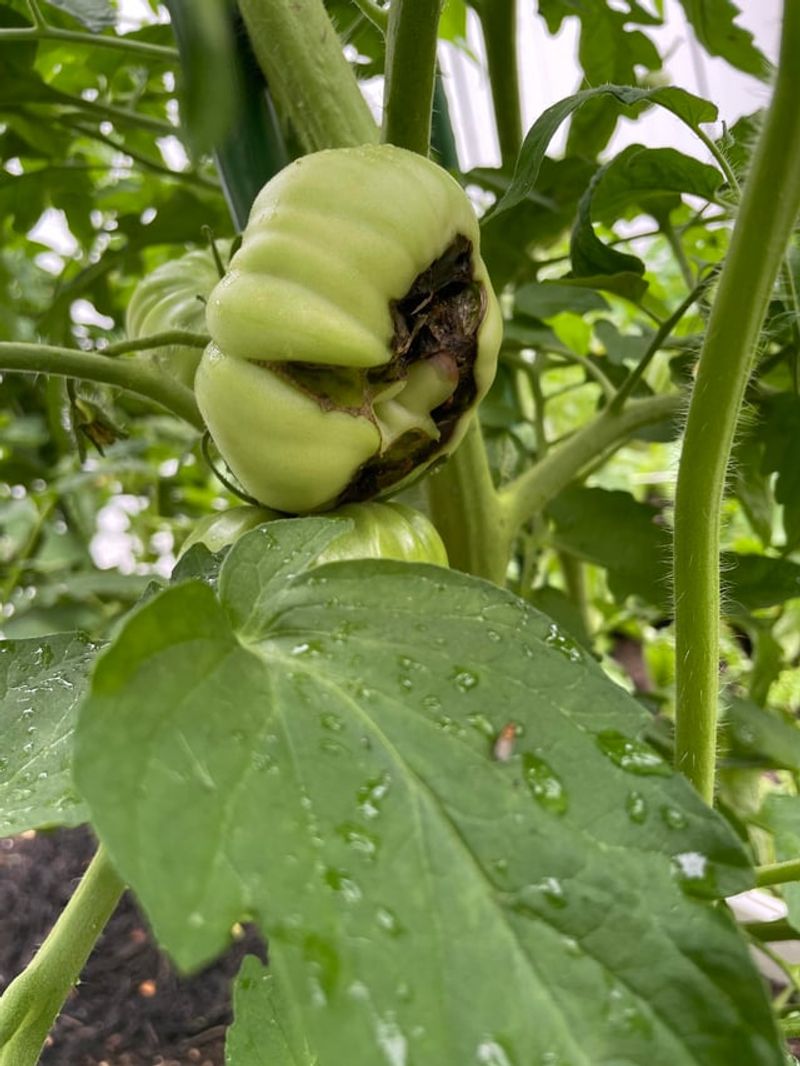
Tomatoes are probably the number one reason gardeners in Oregon reach for Epsom salt. The advice to add it to tomato plants has been repeated so many times that it feels like established fact.
But research consistently shows that Epsom salt does more harm than good for most tomato plants grown in our region.
The biggest issue is calcium. When magnesium levels in the soil get too high, the plant cannot absorb enough calcium.
Low calcium leads to blossom end rot, which is that dark, sunken spot on the bottom of your tomatoes.
Ironically, many gardeners add Epsom salt specifically because they see blossom end rot, not realizing the salt is making it worse.
Our state has a wide range of soil types, but many gardens already have adequate magnesium levels.
Before adding anything, a simple soil test from your local extension office can tell you exactly what your soil has too much or too little of.
If your tomatoes are struggling, the problem is more likely inconsistent watering, low calcium, or poor drainage than a magnesium deficiency. Try adding crushed eggshells, gypsum, or a calcium-rich fertilizer instead.
Water deeply and consistently to help the plant absorb nutrients evenly. Tomatoes grown with the right soil balance produce more fruit, resist disease better, and stay healthier all season long without a single scoop of Epsom salt.
5. Peppers Dropping Fruit After Another Epsom Salt Dose
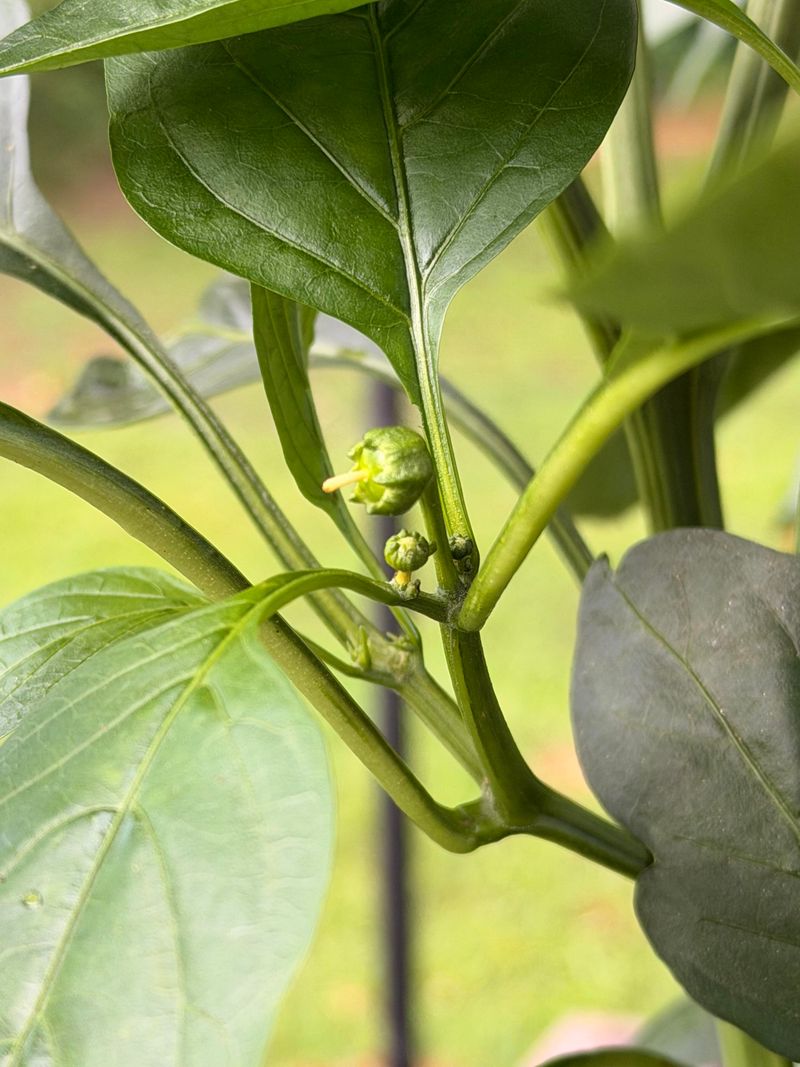
Peppers are finicky plants that need a careful balance of nutrients to produce well in our sometimes cool and cloudy climate.
A lot of gardeners who grow peppers here have heard that Epsom salt helps with fruit set and overall plant vigor.
That idea has stuck around even though the evidence does not support it for most home gardens.
When you add Epsom salt to pepper plants season after season, magnesium levels rise while calcium and potassium levels drop. Peppers need calcium for strong cell walls in the fruit.
Without it, the plant may drop flowers or small fruit before they mature. You end up with a leafy, green plant that produces almost nothing by the end of summer.
Our cool summers, especially west of the Cascades, already make pepper growing a challenge. Adding a nutrient imbalance on top of that makes things even harder.
Many gardeners in our state grow peppers in raised beds or containers to capture more heat. If you are growing peppers that way, be extra careful about adding Epsom salt because nutrients concentrate quickly in smaller soil volumes.
A balanced vegetable fertilizer with proper calcium content is a much better choice. Make sure your soil drains well and warms up before transplanting.
Give your peppers consistent water and steady nutrients, and they will reward you with a solid harvest without needing any magnesium boost.
6. Potatoes Growing Leaves Instead Of Better Tubers
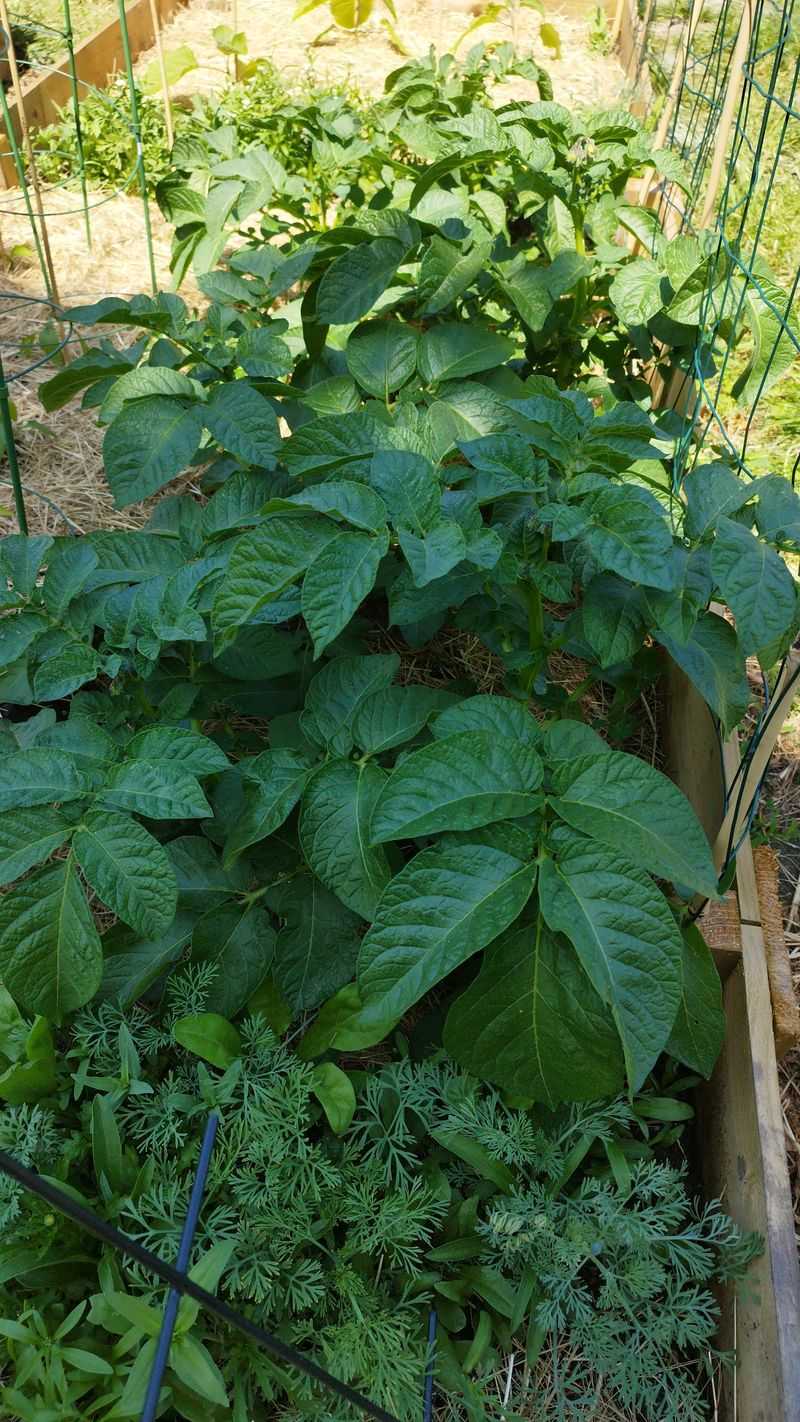
There is something satisfying about digging up a big pile of potatoes at the end of summer. Gardeners across our state grow them in everything from raised beds to straw bales to traditional rows.
Some add Epsom salt hoping to get bigger, more productive tubers. The result is usually the opposite of what they expected.
Too much magnesium pushes potato plants into heavy vegetative growth. The plant puts its energy into producing big, leafy tops instead of developing the underground tubers you actually want.
You end up with impressive-looking plants above ground and a disappointing harvest below.
The excess magnesium also competes with potassium, which is one of the most important nutrients for tuber sizing and quality.
Potatoes grown in our state benefit from loose, well-draining soil with a balanced fertilizer that is higher in potassium and phosphorus. These nutrients support root and tuber development rather than leaf production.
Wood ash is a traditional potassium source that many gardeners here use, and it works well when applied in moderation.
Compost added before planting sets up a healthy nutrient base without tipping the magnesium scale.
If your potatoes have been looking leafy but producing small yields, skip the Epsom salt this season and see what happens.
You might be surprised how much better your harvest looks when the soil is balanced rather than loaded with extra magnesium that your potatoes never needed.
7. Seedlings Getting Their Tender Roots Burned Fast
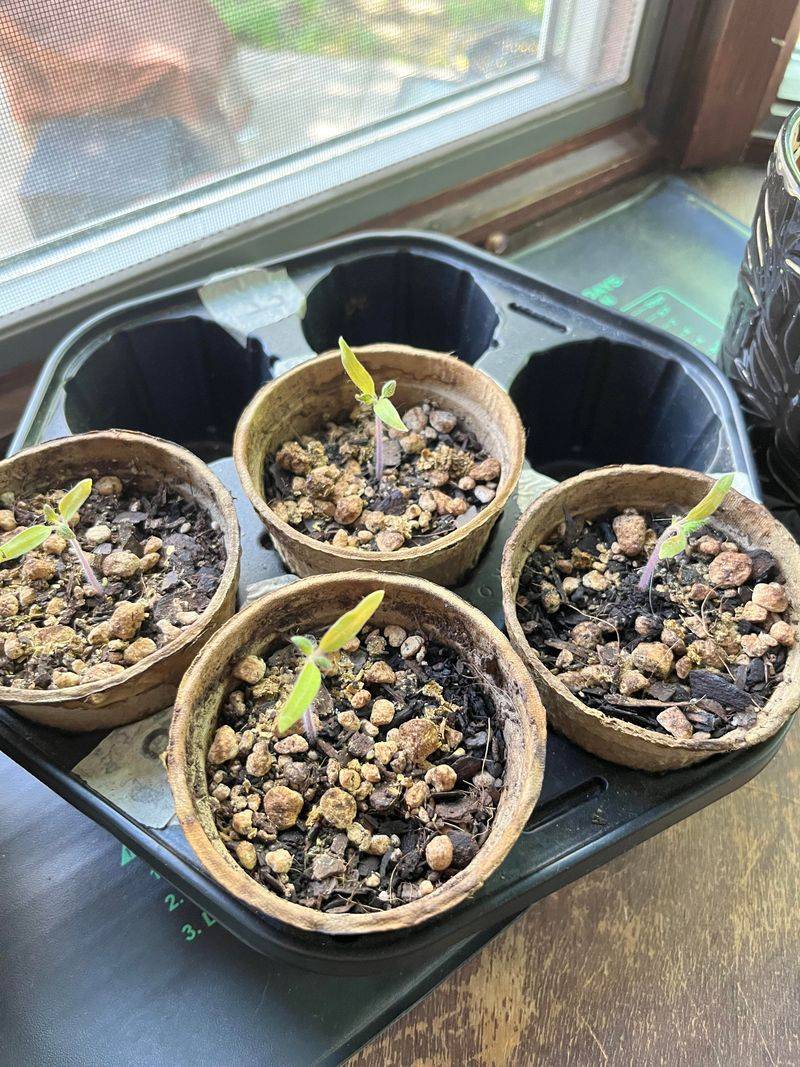
Starting seeds indoors is one of the most hopeful parts of the gardening season. You watch tiny green shoots push up through the soil, and the temptation to help them along can be strong.
Some gardeners add diluted Epsom salt to seedling trays thinking it will give the young plants a head start. For most seedlings, it does the opposite.
Young roots are incredibly sensitive to salt concentration in the soil. Even a small amount of Epsom salt can raise the salt level enough to pull moisture away from the roots through osmosis.
This causes what gardeners call fertilizer burn, even though Epsom salt is not technically a fertilizer.
The seedling tips turn brown, growth slows, and the plant may struggle to recover before it is time to transplant outdoors.
Oregon has a long indoor growing season for many gardeners, especially those starting tomatoes, peppers, and herbs in late winter. Using a high-quality seed-starting mix that is already balanced is the best foundation for healthy seedlings.
These mixes are designed to be light, sterile, and nutrient-appropriate for young plants. Once seedlings have their first set of true leaves and are ready for a light feeding, use a diluted balanced liquid fertilizer.
There is no need to add Epsom salt at any stage of seedling growth. Keeping it simple and avoiding unnecessary amendments gives your seedlings the cleanest possible start.
8. Potted Herbs Trapping Salt In Their Containers
Growing herbs in containers is incredibly popular with gardeners who have small spaces, patios, or just want fresh flavors close to the kitchen. Basil, rosemary, thyme, mint, and parsley are all common choices.
Some gardeners add Epsom salt to their herb pots thinking it will improve growth and flavor. Container herbs are actually one of the worst candidates for this treatment.
When you add Epsom salt to a pot, the magnesium has nowhere to go. Rain does not flush it out the way it might in a garden bed.
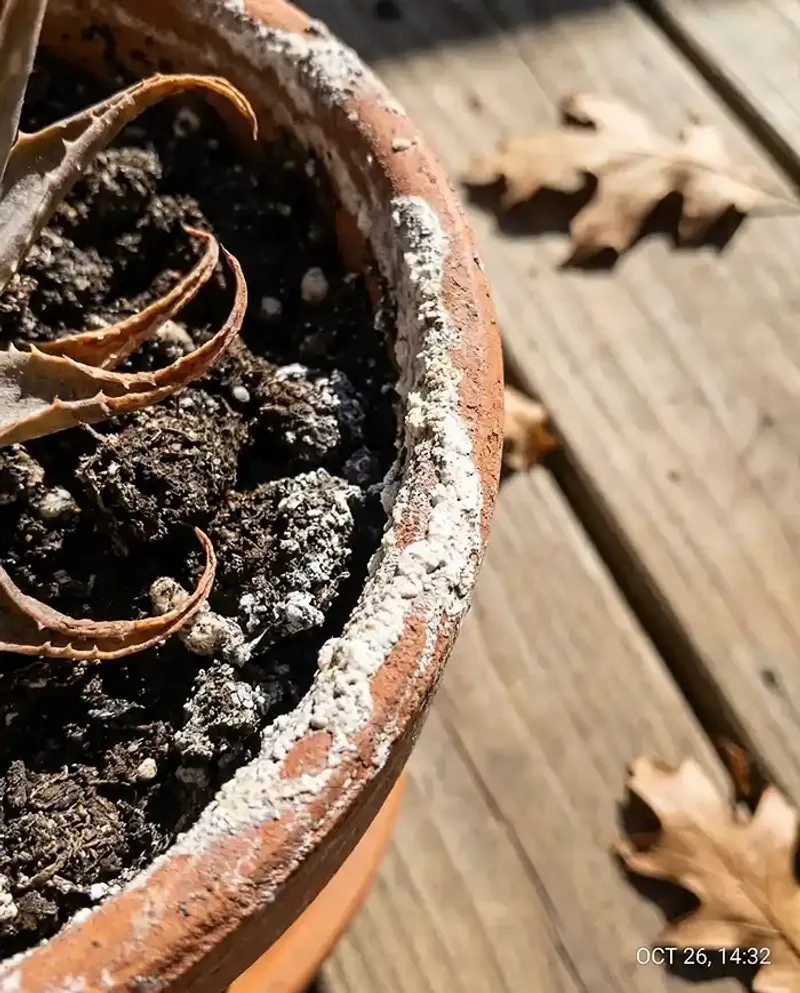
Every watering cycle concentrates the salt a little more. Over time, you might notice a white crust forming on the soil surface or around the rim of the pot.
That crust is a sign that salts are building up to levels that stress the plant roots.
Herbs under salt stress often look pale, have smaller leaves, and produce less of the aromatic oils that make them taste and smell good.
Rosemary and thyme are especially sensitive because they prefer lean, well-draining soil with very few added amendments.
Our mild coastal climate is already well-suited for many herbs without extra intervention.
Refreshing the potting mix each spring, using a balanced slow-release fertilizer once a season, and making sure pots drain freely will do far more for your herbs than any Epsom salt treatment.
Keep it simple and your herb garden will stay productive and flavorful all season long.
9. Succulents Sitting In Soil That Is Suddenly Too Salty
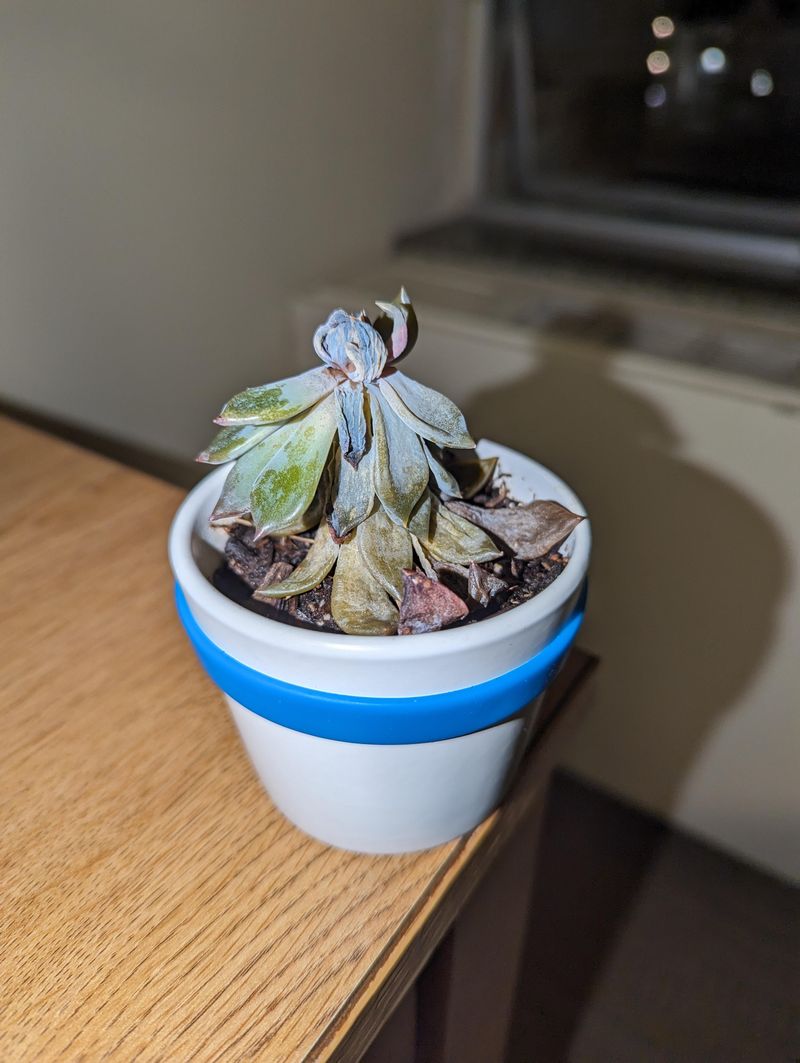
Succulents have become one of the most popular plants in our state over the past decade. They look great on porches, in rock gardens, and along sunny windowsills.
Because they come from dry, low-nutrient environments, some gardeners assume a little Epsom salt will mimic their natural habitat. That assumption leads to some of the fastest visible damage you will see in any container plant.
Succulents are adapted to survive in poor soil with very little available nutrition. Their roots are designed to pull small amounts of moisture and minerals from sandy or rocky ground.
When you add Epsom salt, even in small amounts, the magnesium concentration in the soil quickly rises beyond what the plant can handle.
The roots react by pulling away from the soil, and the leaves begin to shrivel or discolor from the tips inward.
Many succulents grown in Oregon are kept in pots or covered areas to protect them from our wet winters. That means the soil does not get flushed by rainfall, and any salt you add stays concentrated near the roots.
The fix is to repot into fresh, gritty, well-draining succulent mix and avoid adding any amendments unless a soil test specifically calls for it. Succulents thrive on neglect in the best possible way.
They need good drainage, bright light, and minimal feeding. Leave the Epsom salt out of their care routine entirely and they will stay plump, colorful, and healthy for years.