This New Jersey Native Tree Delivers Privacy Without The Maintenance
Privacy shouldn’t take years to build. You want height, density, and color that never quits. New Jersey yards have hidden a secret weapon for generations. A tree grows fast, stands tall, and asks for nothing.
Neighbors notice before you even finish planting it. Cars slow down along fence lines thick with deep green. Wind bends around it instead of pushing straight through.
Nothing about this choice feels fragile or fussy. Roots dig deep into New Jersey soil without complaint.
Birds arrive uninvited, drawn to its dense cover. Sunlight barely slips through once branches thicken fully.
Property lines quietly become private, living walls. Every inch of growth pushes your privacy further forward. Screens rise faster than most homeowners ever expect.
Fences alone rarely deliver true seclusion anymore. Curiosity builds with every detail still hidden.
Answers wait patiently just beyond this brief introduction. This momentum won’t slow down, and neither will you.
A Native Tree That’s Been Hiding In Plain Sight
Most people walk right past it without a second glance. Eastern Red Cedar has been growing wild across the eastern United States for thousands of years, yet homeowners keep buying expensive imports instead.
This tree is not actually a true cedar at all. It belongs to the juniper family, which explains its remarkable toughness and adaptability.
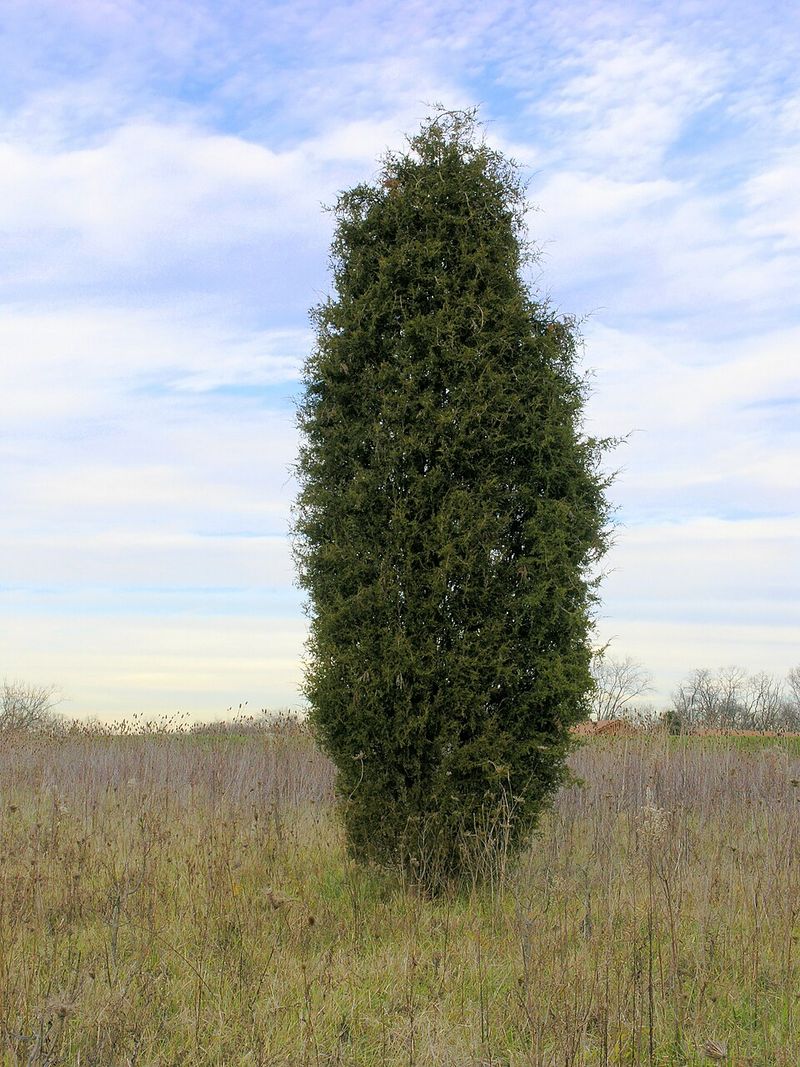
You have probably spotted one along a highway or at the edge of an old field. That dense, dark green column rising without any help is Eastern Red Cedar doing what it does best.
Nurseries often overlook it because it grows slowly at first. But once established, it becomes one of the most self-sufficient privacy trees you can plant on your property.
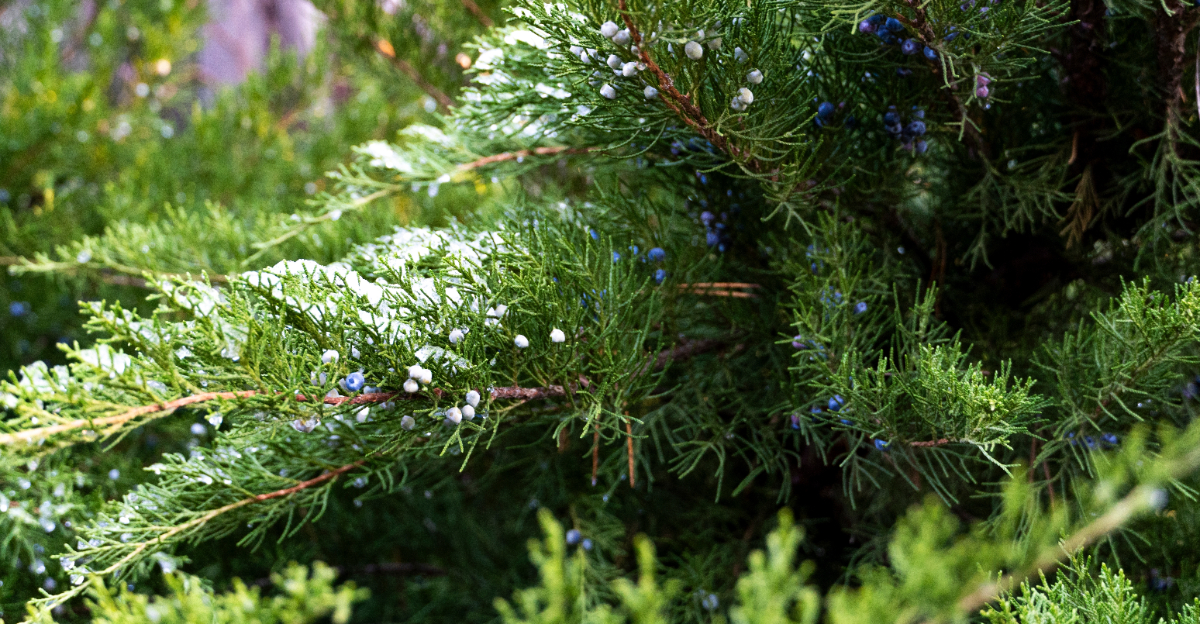
Birds love it deeply. Dozens of bird species eat its small blue berries, turning your New Jersey yard into a lively habitat without any extra effort on your part.
The tree also has deep cultural roots in American history. Native American communities used its aromatic wood for everything from medicine to clothing storage.
Today, that same fragrant wood lines cedar chests and closets across the country. Planting one connects your New Jersey yard to a long, rich American story.
Recognizing this tree changes how you see the landscape around you. Once you spot one Eastern Red Cedar, you will suddenly notice them everywhere, thriving quietly on their own terms.
Why Eastern Red Cedar Grows Into A Natural Privacy Screen
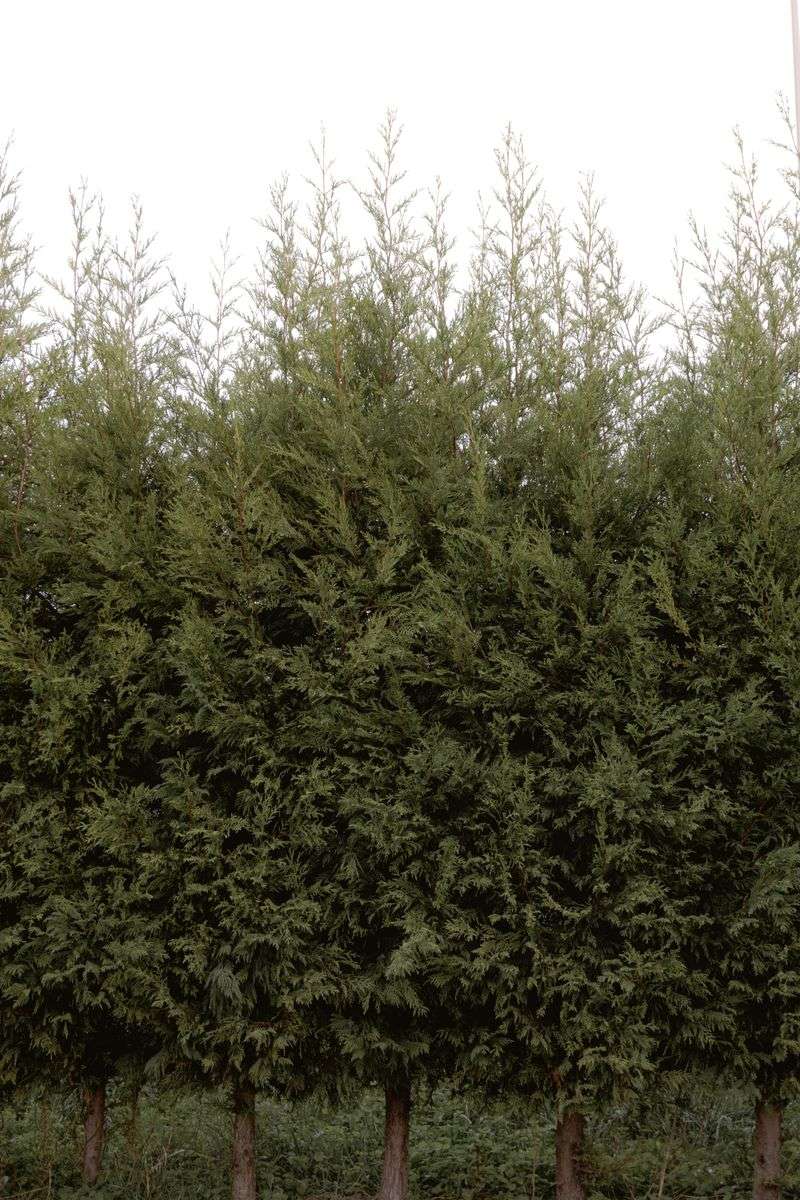
This tree grows into a dense green screen more reliably than most. Eastern Red Cedar naturally takes on a dense, columnar shape that blocks sightlines from neighbors and passing traffic.
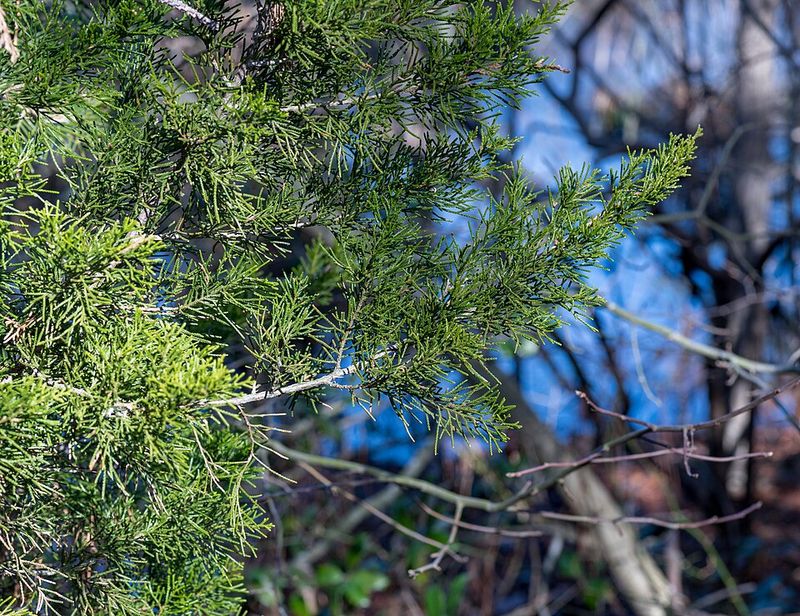
The foliage stays thick from top to bottom. Unlike many trees that go bare at the base, this one keeps its branches full all the way to the ground.
That full shape is exactly what makes it such a powerful privacy screen. You get coverage at eye level, not just overhead where it does not matter much.
Your New Jersey Garden Changes Every Week. Your Plan Should Too.
Gardening in New Jersey changes quickly throughout the season. Every Friday you’ll receive a simple weekly plan showing exactly what to plant, prune, fertilize, harvest, and protect so you never miss the right timing.
The tree grows roughly one to one and a half feet per year in good conditions once it settles in. That pace is steady enough to give you noticeable privacy within several years, depending on spacing and site conditions.
Mature trees can reach 40 to 50 feet tall and 10 to 20 feet wide. That size creates a serious visual barrier that also blocks wind and road noise.
Plant them in a tight row and the canopies eventually merge. What starts as individual trees becomes one continuous green wall along your property line.
The dark blue-green color stays rich through every season. Even in the coldest January, your privacy screen looks full and alive while deciduous hedges stand bare.
Eastern Red Cedar performs consistently as a privacy tree without extra intervention. It simply grows the way you need it to, season after season, without asking for much in return.
The Low-Maintenance Advantage Over Other Privacy Trees
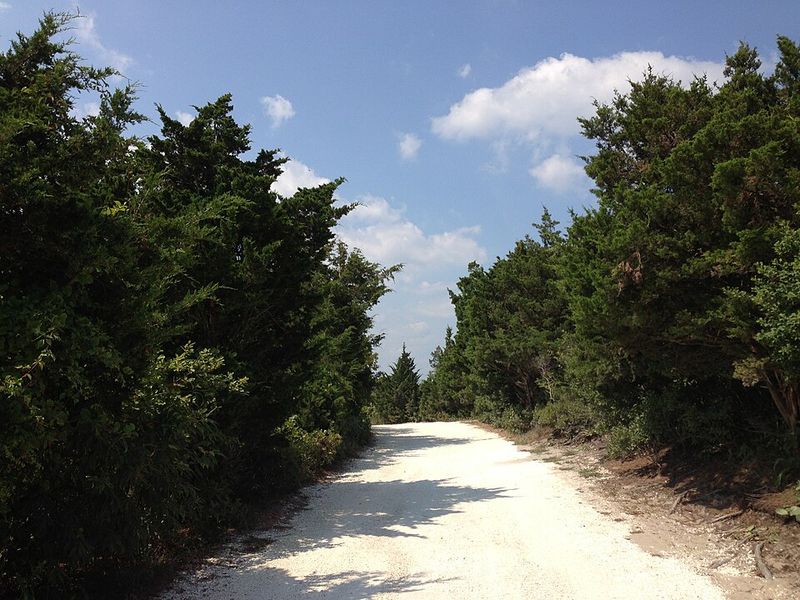
Leyland cypress requires more frequent trimming than many homeowners expect. Arborvitae struggles with bagworms and needs constant monitoring in humid climates.
Eastern Red Cedar sidesteps almost all of those headaches. Once it is established, you can essentially step back and let it grow on its own schedule.
It requires no supplemental fertilizer in most yards. The tree pulls what it needs from the soil and keeps moving forward without any help from a bag of granules.
Drought is not a threat to a mature specimen. Its deep root system seeks out moisture even during dry summers when other trees start dropping leaves early.
Pest pressure is also remarkably low compared to competing privacy trees. Cedar-apple rust can appear, but it rarely causes serious long-term damage to a healthy tree.
You will not need to prune it into shape either. The tree maintains its natural form without any shearing, which saves you hours of weekend work every season.
No special soil amendments are required at planting time. Eastern Red Cedar adapts to clay, sandy loam, and rocky ground with equal ease across different yard conditions.
The low-maintenance advantage is not just a selling point. It is a practical time-saver for homeowners who want privacy without turning yard care into a second job.
Where And How To Plant It For Best Results
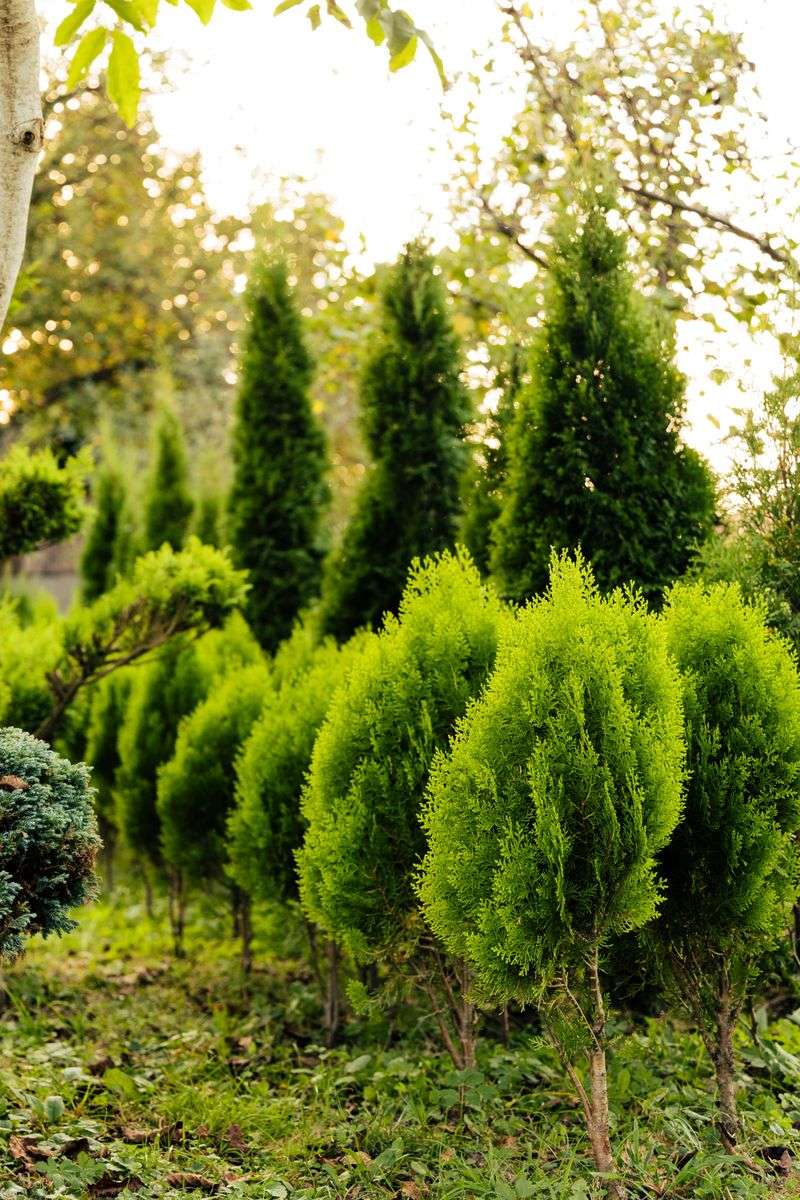
Picking the right spot makes everything easier from day one. Eastern Red Cedar needs full sun to grow dense and full, so choose a location with at least six hours of direct light daily.
Avoid planting it in deep shade. A shaded tree will grow sparse and lean, which defeats the whole purpose of using it as a privacy screen.
Spacing matters more than most people realize when planting a row. Set each tree six to eight feet apart to allow canopies to merge without crowding each other too tightly.
Dig your planting hole two to three times wider than the root ball. That extra width loosens the surrounding soil and helps roots spread outward more quickly.
Plant the tree at the same depth it sat in its nursery container. Setting it too deep can cause bark rot and slow the establishment process significantly.
Water it thoroughly right after planting, then step back. Eastern Red Cedar does not want to be fussed over during its first weeks in the ground.
Mulching around the base helps retain moisture during the first summer. Keep the mulch a few inches away from the trunk to prevent moisture buildup against the bark.
Getting the planting right sets your privacy screen up for decades of success. A little care at the start pays off with years of effortless green coverage along your property line.
Caring For Your Cedar Screen Through The Seasons
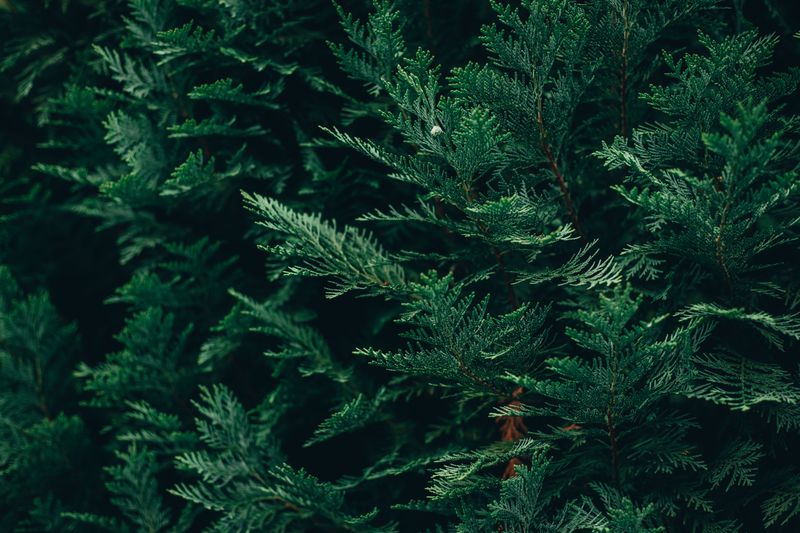
Spring is the best time to check your trees after a long winter. Walk the row and look for any broken branches or signs of winter burn on the outer foliage.
Light damage usually resolves on its own as new growth emerges. You rarely need to intervene unless a branch is completely snapped or hanging at an odd angle.
Summer care is mostly about watering young trees planted within the last two years. Once a week during dry spells is enough to keep new roots healthy and growing.
Established trees need almost no summer attention at all. They are remarkably self-sufficient once their root systems have had time to anchor and spread through the soil.
Fall is a good time to check for cedar-apple rust, which appears as orange, gelatinous growths on branches. Remove affected material and dispose of it away from the tree.
Winter is when Eastern Red Cedar’s advantage over deciduous hedges becomes most visible. Its foliage stays rich and green while everything else in your New Jersey yard turns gray and bare.
You can apply a light layer of fresh mulch in late fall to protect roots from freeze-thaw cycles. Two to three inches is plenty for most established trees.
Seasonal care for this tree is more about observation than intervention. Once you learn its natural rhythm, you will spend far less time maintaining it than any other privacy tree on the market.
Common Mistakes That Undermine Its Privacy Potential
Planting too far apart is the single biggest mistake homeowners make with this tree. Gaps between trees take years to fill in and leave your New Jersey yard exposed far longer than necessary.
Stick to that six-to-eight-foot spacing rule from the start. Closer spacing speeds up canopy merging and gives you a solid screen much sooner than wider gaps allow.
Another common error is planting in too much shade. People often tuck these trees along a shaded fence line and wonder why they grow thin and patchy over time.
Always scout your planting area for full sun before you dig a single hole. Light is the most important factor in producing the dense, full growth you are counting on.
Overwatering is a trap that many new tree owners fall into quickly. Eastern Red Cedar prefers well-drained soil, and soggy roots can lead to fungal problems that slow growth.
Skipping the mulch layer is another missed opportunity during establishment. Mulch holds moisture, regulates soil temperature, and gives young roots a much friendlier environment to grow in.
Some homeowners also make the mistake of heavy pruning to force a shape. This tree looks best when left to grow naturally, and aggressive shearing can thin out the interior foliage.
Avoiding these missteps keeps your Eastern Red Cedar privacy screen on track. Small decisions at planting time have a huge impact on how quickly and fully your screen develops.