How To Maintain Deep Soil Moisture For Oregon Tomatoes During A Heatwave
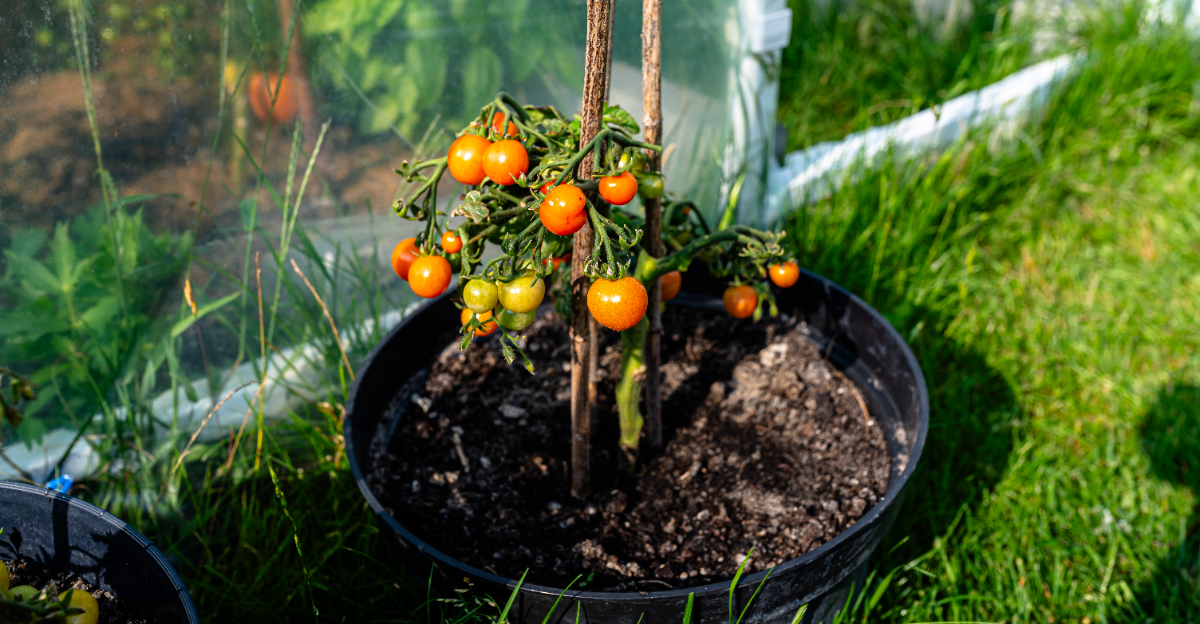
Tomatoes can look perfectly fine in the morning and wilt dramatically by late afternoon when an Oregon heat wave settles in. The real challenge is not simply keeping the soil wet.
It is getting moisture deep enough to reach active roots, then preventing it from disappearing before the plants can use it.
Shallow watering may darken the surface while leaving the root zone dry, and sudden heavy soaking can create its own set of problems.
Containers, raised beds, sandy soil, wind, and intense afternoon sun all change how quickly water is lost. That means the same routine will not work in every garden.
A few careful adjustments can help moisture last longer, reduce stress, and support steady fruit development without drowning the plants.
The key is understanding where the water goes, how often the soil truly needs it, and what keeps that deeper reserve protected through the hottest part of the day.
1. Watering Deep Instead Of Sprinkling The Surface
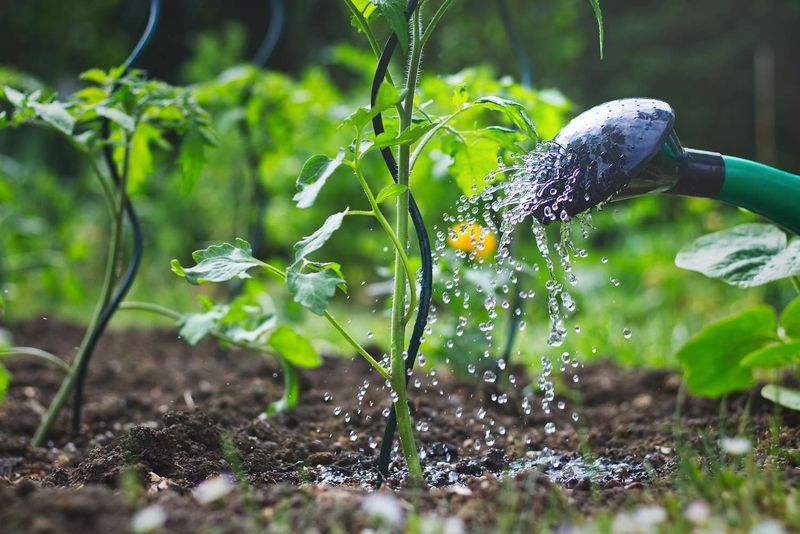
A quick sprinkle on top of the soil might look like watering, but it barely touches the roots. Tomato roots grow deep, often reaching 12 to 18 inches below the surface.
Shallow watering only wets the top inch or two, which evaporates fast in summer heat.
Deep watering means letting water soak slowly into the ground so it reaches the full root zone. You want the moisture to travel down at least 8 to 12 inches.
That kind of depth keeps roots cool and hydrated even when the top of the soil looks bone dry.
One easy way to water deeply is to use a slow trickle from a hose set right at the base of the plant. Let it run for 20 to 30 minutes.
This gives water time to move downward instead of spreading across the surface and evaporating.
Another option is to bury a plastic bottle with small holes punched in the sides next to the root zone. Fill it with water and it slowly releases moisture right where roots need it most.
This old trick works surprisingly well during a heatwave.
Checking how deep your water actually goes is easy. Push a wooden dowel or long screwdriver into the soil after watering.
It should slide smoothly through moist soil and stop when it hits dry ground. Aim for at least 10 inches of moist soil after each watering session.
2. Soaking The Root Zone Before The Heat Peaks
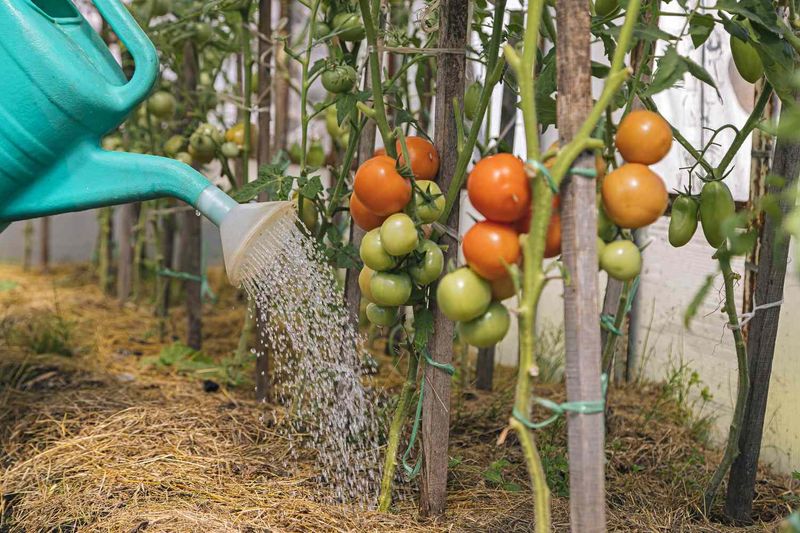
Hot days drain soil moisture faster than most gardeners expect. By noon, soil temperatures near the surface can climb high enough to stress roots and slow water uptake.
Getting ahead of the heat by soaking the root zone early makes a big difference.
The goal is to fully saturate the soil around your tomato roots before the hottest part of the day arrives. A deep, thorough soaking in the morning gives the water time to settle into the lower soil layers where roots can reach it all afternoon.
Think of it like filling a tank before a long drive. You want the soil to hold as much moisture as possible before the sun starts pulling it back out.
Your Oregon Garden Changes Every Week. Your Plan Should Too.
Gardening in Oregon changes quickly throughout the season. Every Friday you’ll receive a simple weekly plan showing exactly what to plant, prune, fertilize, harvest, and protect so you never miss the right timing.
A well-soaked root zone can stay moist for hours longer than soil that only got a light drink.
On days when a heatwave is predicted, consider doubling your usual watering time. Instead of watering for 15 minutes, try 30 to 40 minutes at a slow, steady flow.
This extra time lets water move deeper into the soil profile where it stays cooler.
Clay-heavy soils common in parts of Oregon absorb water slowly, so rushing the process can cause runoff. Water in short bursts with breaks in between to let each round soak in fully.
This patience pays off when afternoon temperatures peak and your plants stay strong.
3. Adding Mulch Before The Soil Turns Crispy
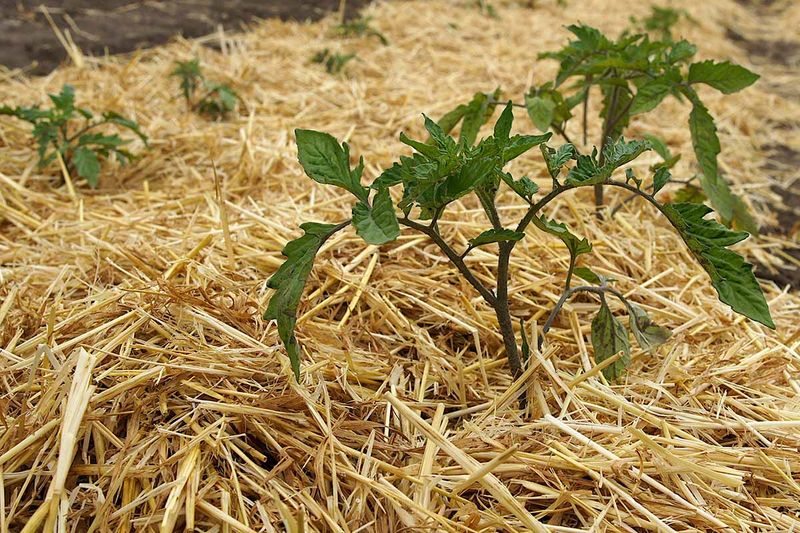
Mulch is one of the most powerful tools any gardener has during a heatwave. A thick layer spread around your tomato plants acts like a blanket over the soil, blocking direct sun from baking the ground beneath.
Without mulch, soil dries out much faster. Straw is a popular choice because it is light, cheap, and easy to spread. Wood chips work well too and break down slowly over time.
Even shredded leaves from last fall can do the job if you have them on hand.
Aim for a mulch layer that is at least 3 to 4 inches thick. Thinner layers still help, but a thicker blanket does a much better job of holding moisture and keeping soil temperatures stable.
Studies show that mulched soil can stay up to 10 degrees cooler than bare soil during hot weather.
Apply mulch before a heatwave hits, not after. Once soil dries out deeply, mulch can only slow future moisture loss rather than restore what is already gone.
Getting it down early keeps that moisture locked in from the start.
Keep mulch a few inches away from the main stem of each plant. Mulch piled against the stem can trap too much moisture right at the base and invite rot or fungal problems.
A small gap keeps things healthy while still protecting the surrounding soil where most roots grow and feed.
4. Keeping Water Close Without Hugging The Stem
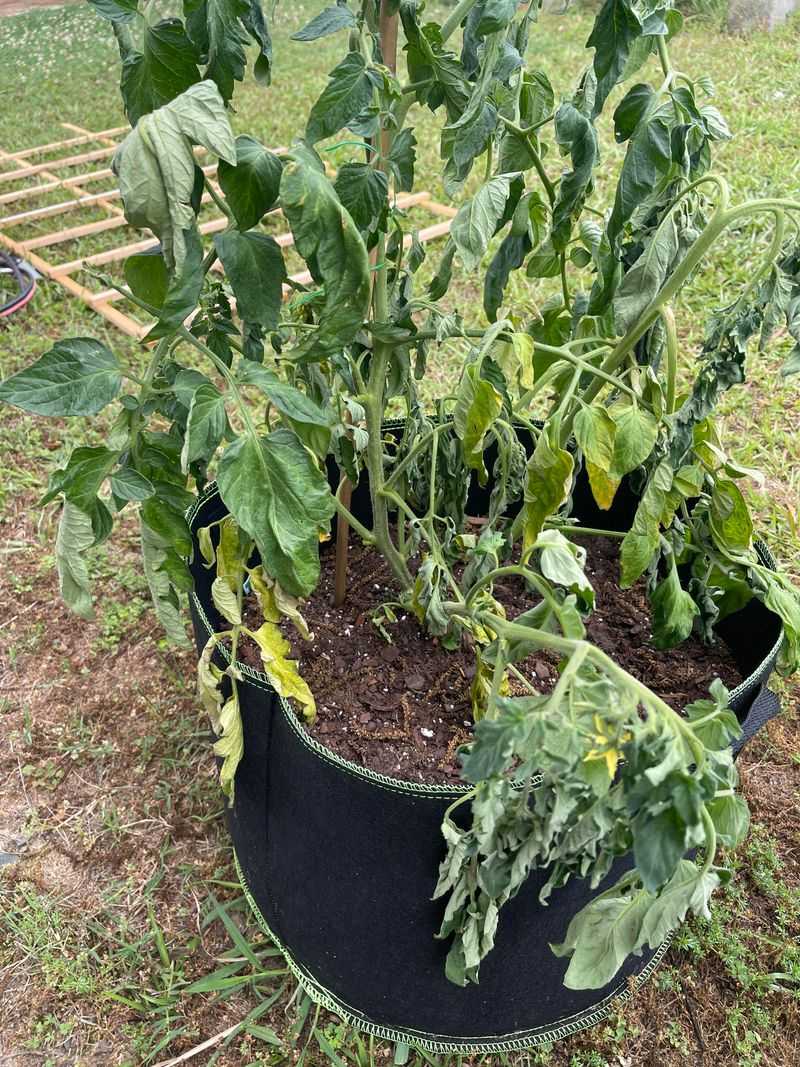
Watering right against the main stem of a tomato plant sounds logical, but it can actually cause problems. Constant moisture touching the stem creates conditions where fungal issues and rot can take hold.
Healthy watering keeps moisture in the root zone, not pressed against the plant’s base.
Most tomato roots spread outward, not just straight down. The feeder roots that absorb water and nutrients are often found several inches to a foot away from the stem.
Watering in a wider circle around the plant targets exactly where those roots are working.
A simple trick is to create a shallow watering ring in the soil around each plant. Use your hand or a small trowel to form a low ridge of soil in a circle about 6 to 10 inches from the stem.
This ring holds water in place and directs it downward into the root zone.
When using a hose, move slowly around the plant rather than aiming at one spot. Even coverage across the root zone means more roots get access to moisture.
This also prevents water from pooling in one area and running off before it soaks in.
During a heatwave, roots spread even further seeking cooler, moister soil. Expanding your watering circle outward during hot stretches helps meet the plant where it is growing.
Wider coverage means more roots stay hydrated and your plants handle the stress much better overall.
5. Checking Moisture Below The Dry-Looking Surface
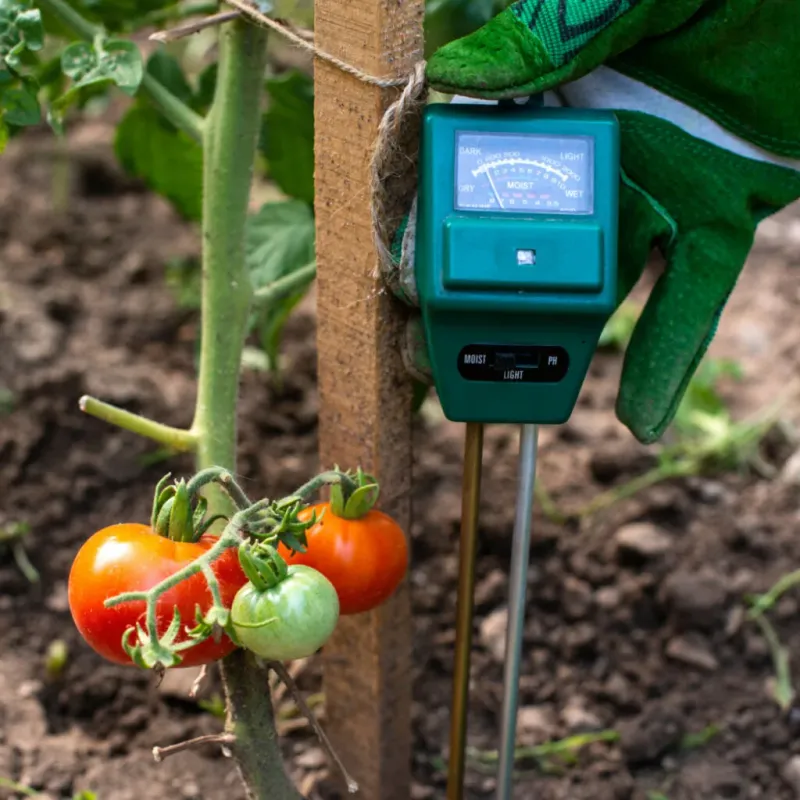
Oregon soil can be tricky. The top inch might look and feel completely dry while the soil just a few inches below is still holding plenty of moisture.
Watering based only on what you see on the surface can lead to overwatering, which causes its own set of problems.
Before reaching for the hose, check what is actually happening below the surface. Push your finger or a wooden skewer about 2 to 3 inches into the soil near your tomato plant.
If it still feels cool and slightly damp at that depth, your plant may not need water yet.
For a more accurate check, use a long screwdriver or a soil moisture probe. Push it down 6 to 8 inches and feel how easily it moves through the soil.
Moist soil lets the probe slide smoothly, while dry soil creates resistance and friction.
Checking moisture this way takes about 30 seconds but can save you from both underwatering and overwatering.
Both extremes stress tomato plants, especially during a heatwave when they are already working hard to stay cool and productive.
Make it a daily habit during hot stretches in Oregon to check soil moisture in the morning before you decide whether to water. Keep a simple log if it helps.
Knowing your soil’s patterns helps you water at the right time, in the right amount, every single time without guessing.
6. Using Drip Lines For A Slow, Steady Drink
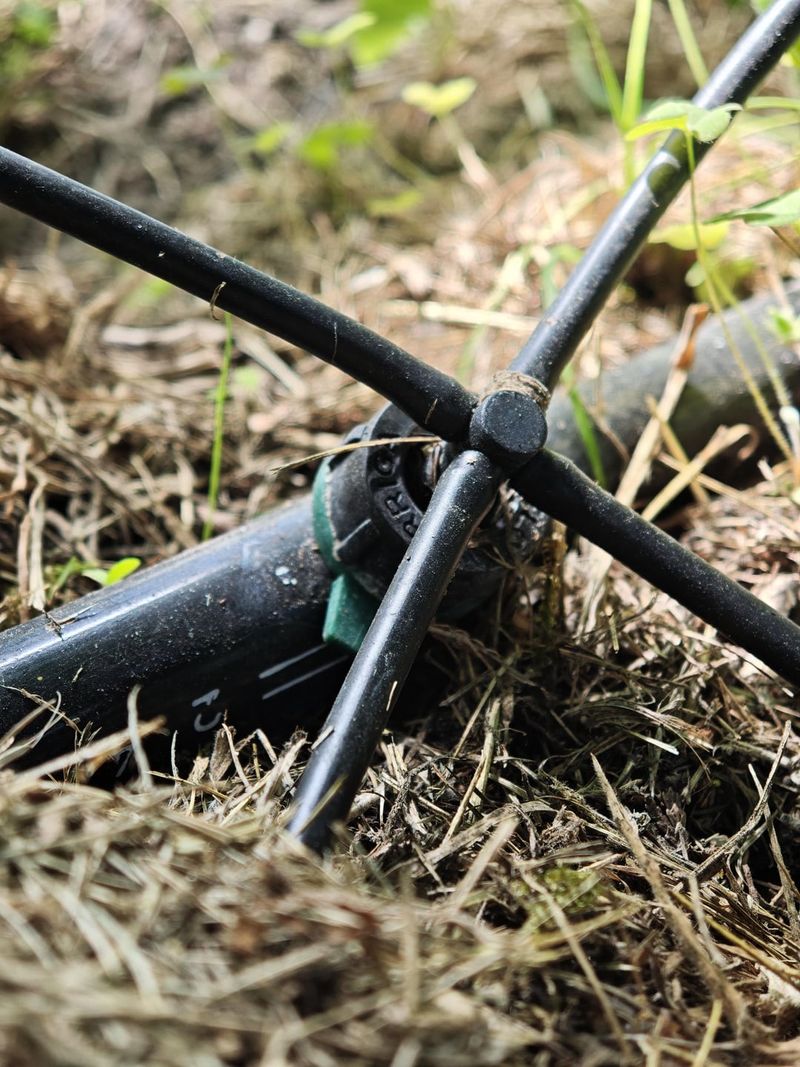
Drip irrigation is one of the most efficient watering systems you can set up for tomatoes. Instead of spraying water through the air where it can evaporate, drip lines deliver water slowly and directly to the root zone.
Less water is wasted, and plants drink more steadily.
During a heatwave, slow and steady watering matters even more. A drip system running for an hour delivers water gently enough that the soil can absorb it without runoff.
That deep, consistent moisture is exactly what tomato roots crave when temperatures climb.
Setting up a basic drip system does not require a lot of money or technical skill. Simple drip kits are available at most garden centers and hardware stores.
Many connect directly to a standard garden hose, making setup quick and beginner-friendly.
Drip emitters come in different flow rates, measured in gallons per hour. For tomatoes, emitters that deliver 0.5 to 1 gallon per hour work well.
Running the system for 1 to 2 hours provides a deep, thorough soaking without flooding the soil or creating puddles.
Adding a simple timer to your drip system makes it even easier. Set it to run in the early morning before the heat builds.
You can head to work or start your day knowing your tomatoes are getting a slow, deep drink right when they need it most. Consistency during a heatwave keeps plants strong and productive.
7. Watering Early Before The Sun Steals It
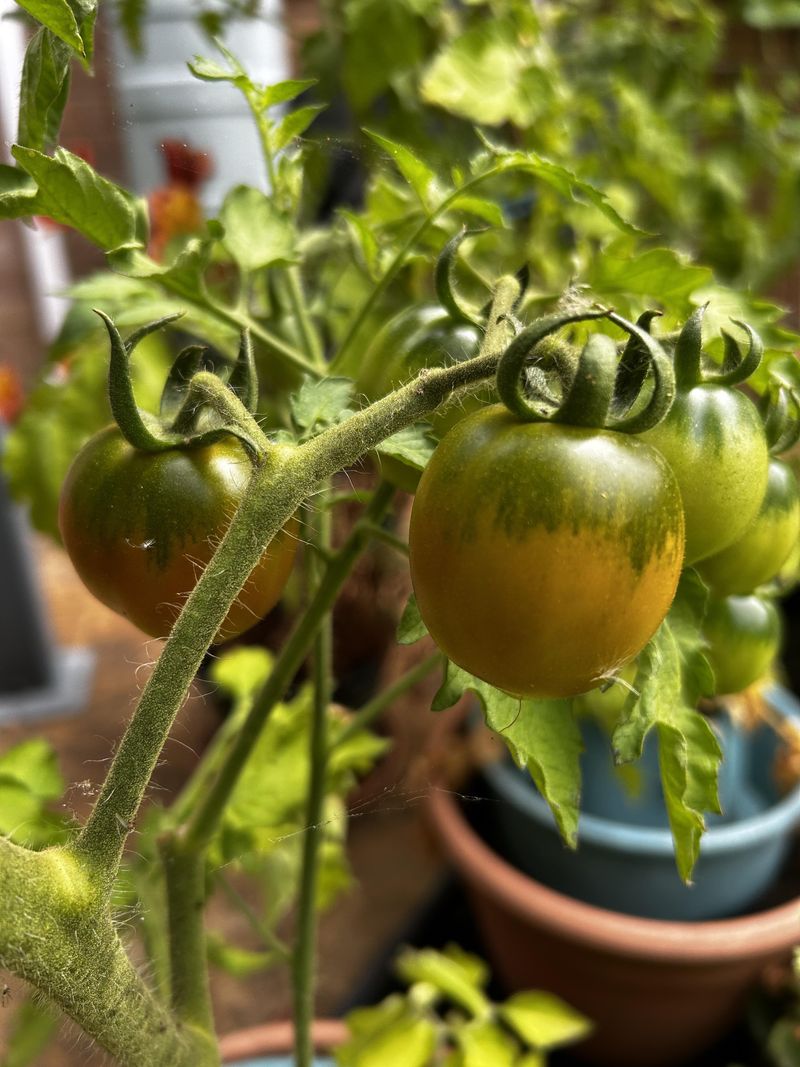
Timing your watering session can be just as important as how much water you use. Watering in the middle of the day during a heatwave means much of that moisture evaporates before it ever reaches the roots.
The sun and hot air work against you fast. Early morning is the best time to water tomatoes, especially when a heatwave is in full swing. Before 8 a.m. is ideal.
Temperatures are lower, wind is usually calm, and the sun has not yet started pulling moisture from the soil at full strength.
Morning watering also gives any water that lands on leaves or the soil surface time to dry before midday. Wet foliage sitting in afternoon heat can invite fungal problems.
Dry leaves going into the heat of the day keeps plants healthier overall.
If morning watering is not possible, early evening is the next best option. Watering after 6 p.m. allows the soil to absorb moisture overnight without losing it to evaporation.
Just avoid getting foliage wet late in the evening since leaves that stay damp through the night can face other issues.
Avoid the temptation to water at noon just because plants look droopy. Midday wilting is often a normal response to heat, not always a sign of dry soil.
Check the moisture level first before adding more water. Watering at the wrong time wastes water and does not help your plants recover any faster.
8. Giving Containers Extra Help On Scorching Days
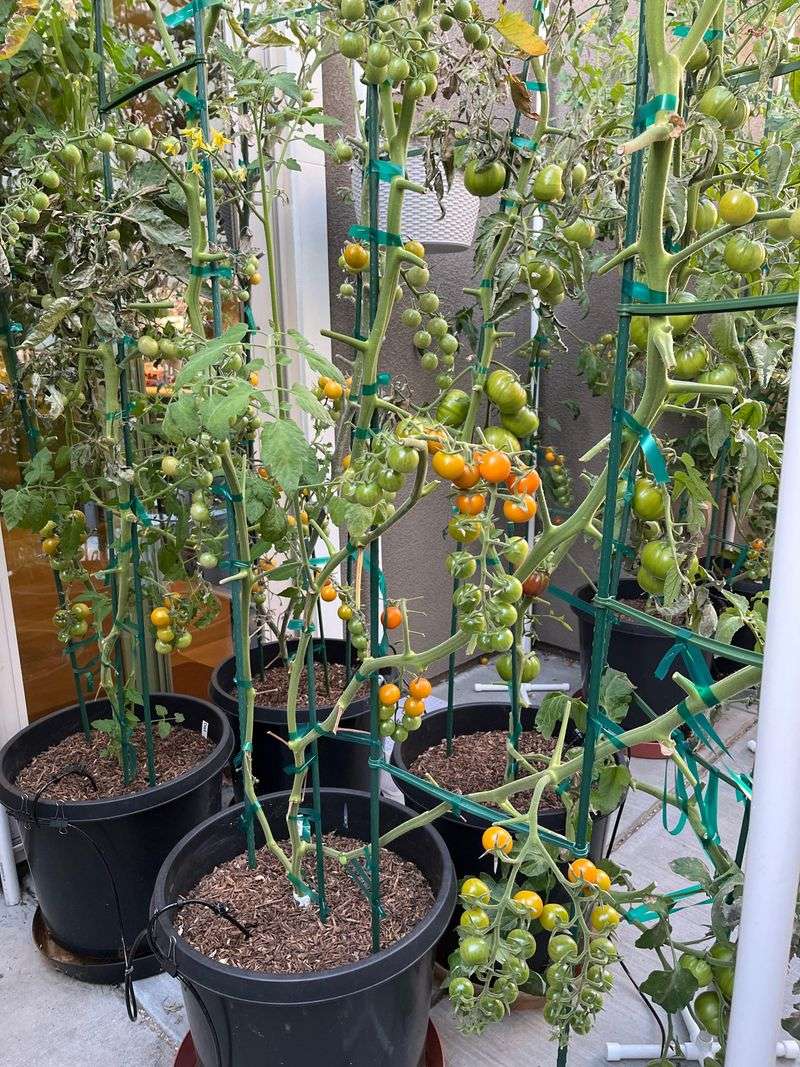
Container-grown tomatoes face a tougher challenge during a heatwave than those planted in the ground. Pots heat up fast in direct sun, and that heat drives moisture out of the soil much more quickly.
A container can go from well-watered to bone dry in just a few hours on a scorching day.
During extreme heat, you may need to water container tomatoes twice a day. Check the soil in the morning and again in the early evening.
If the top 2 inches feel dry, it is time to water again. Do not wait for the plant to wilt before acting.
Adding a layer of mulch on top of the container soil makes a real difference. Even 2 inches of straw or wood chips on the surface of the pot slows down evaporation noticeably.
It also keeps the top layer of soil cooler, which is where seedling roots often concentrate.
Moving containers to a shadier spot during the hottest part of the day can also help. A location that gets morning sun but afternoon shade reduces the total heat load on both the plant and the pot.
Even a few hours of shade can cut moisture loss significantly.
Choosing larger containers helps too. Bigger pots hold more soil, which holds more moisture and stays cooler longer.
If you are using small pots and struggling with heatwave stress, upsizing your containers before next summer is a smart investment worth making.