Native Ohio Plants To Grow Instead Of Chrysanthemums For Real Fall Color
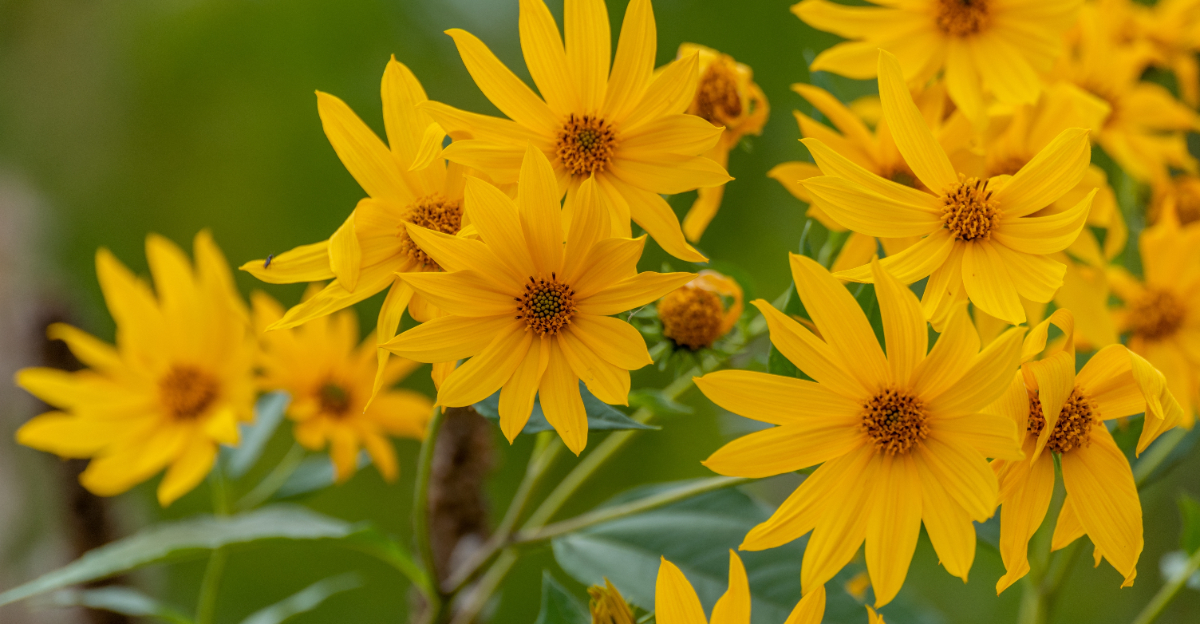
Chrysanthemums show up in Ohio every fall like clockwork. Grocery stores, garden centers, front porches across every neighborhood.
They deliver color on cue, they photograph well, and they are gone by November having contributed almost nothing to the yard beyond their brief appearance. Ohio native plants built for fall do not work that way.
They earn their color through a full season of growth and arrive at fall with the kind of presence that a potted chrysanthemum dropped into a decorative container never replicates. The wildlife value alone separates them.
Native bees, migrating butterflies, and birds working the seed heads through October and November find something worth returning to in a native fall planting. A chrysanthemum offers none of that.
Fall color that belongs in Ohio, supports what lives here, and improves each season is not a compromise over mums. It is a straightforward upgrade that the yard keeps paying forward.
1. Trade Mums For New England Aster’s Purple Finale
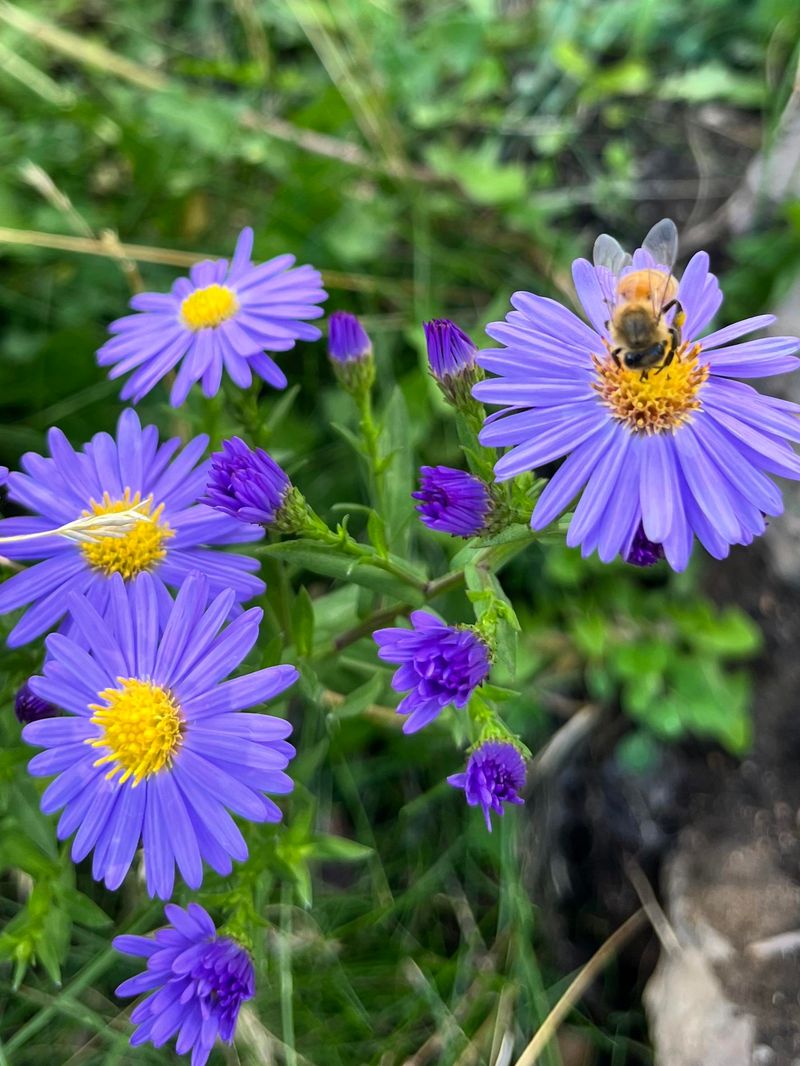
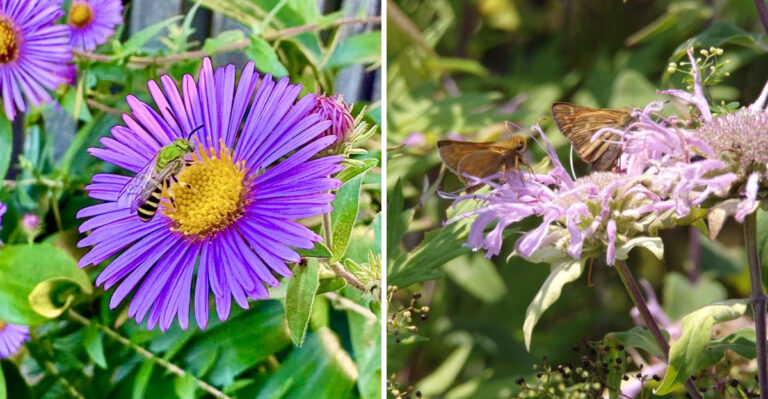
Purple flowers start appearing on New England aster, known botanically as Symphyotrichum novae-angliae. This happens right as typical summer color begins to fade from most Ohio garden beds.
The timing is part of what makes this species so useful in a late-season border. Blooming generally runs from late summer into October across much of the Midwest, depending on weather and location.
Mature plants often reach three to six feet in height and spread two to four feet wide, so placing one at the front of a border tends to crowd out shorter neighbors. The middle or back of a sunny bed suits it better.
Full sun and well-drained to average soil give the best results, though the species tolerates moderately moist conditions. Soggy, poorly drained spots tend to cause problems at the roots.
Pinching or cutting stems back by about half in late spring or early June can encourage a shorter, bushier form with more branching. Cutting back too late in the season risks delaying or reducing the flower display, so timing matters.
Some taller selections may lean or flop without staking, especially after heavy rain or wind.
The flowers range from deep purple to violet and occasionally pink depending on the cultivar. They draw late-season bees and other insects seeking nectar before cold weather arrives.
Selecting a named cultivar can help you predict the mature size and flower shade more reliably than growing from seed.
2. Let Stiff Goldenrod Bring The Fall Gold
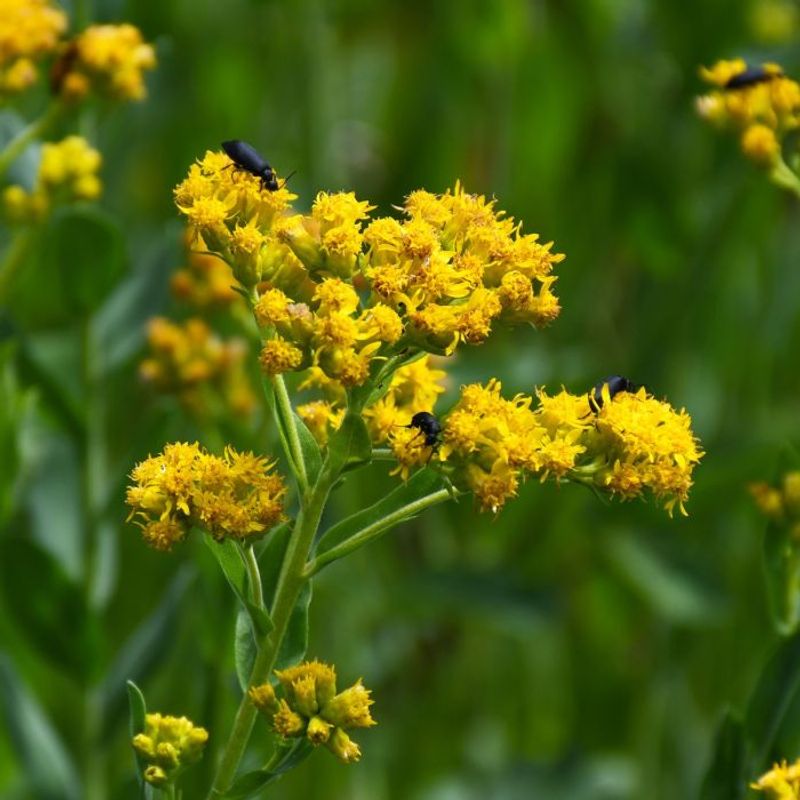
A flat or gently arching cluster of golden flowers catching the low angle of autumn sunlight is one of the most recognizable sights in a Midwestern meadow planting.
Stiff goldenrod, Solidago rigida, produces those broad, rounded flower heads from late summer into fall, offering a structure that looks quite different from the fine, arching plumes of other goldenrod species.
This native species grows in full sun and performs well in dry to average, well-drained soil. It does not demand rich conditions, and overly fertile or consistently moist soil can actually encourage floppy growth.
Its sturdy, upright stems typically reach two to four feet in height, and the plant forms a clump rather than spreading aggressively through a bed.
Your Ohio Garden Changes Every Week. Your Plan Should Too.
Gardening in Ohio changes quickly throughout the season. Every Friday you’ll receive a simple weekly plan showing exactly what to plant, prune, fertilize, harvest, and protect so you never miss the right timing.
Goldenrods as a group are frequently blamed for hay fever, but the pollen of Solidago rigida is heavy and insect-carried rather than airborne. Ragweed, which blooms at roughly the same time, is the more likely culprit for seasonal allergy symptoms.
Stiff goldenrod fits naturally into sunny borders, prairie-style plantings, or naturalized areas. It can stand upright there without competing against overly aggressive neighbors.
Its flat flower clusters provide a distinct landing surface for late-season bees and other beneficial insects. Dividing the clump every few years keeps growth vigorous and prevents the center from becoming woody or sparse over time.
3. Use Tall Ironweed For A Deep Purple Punch
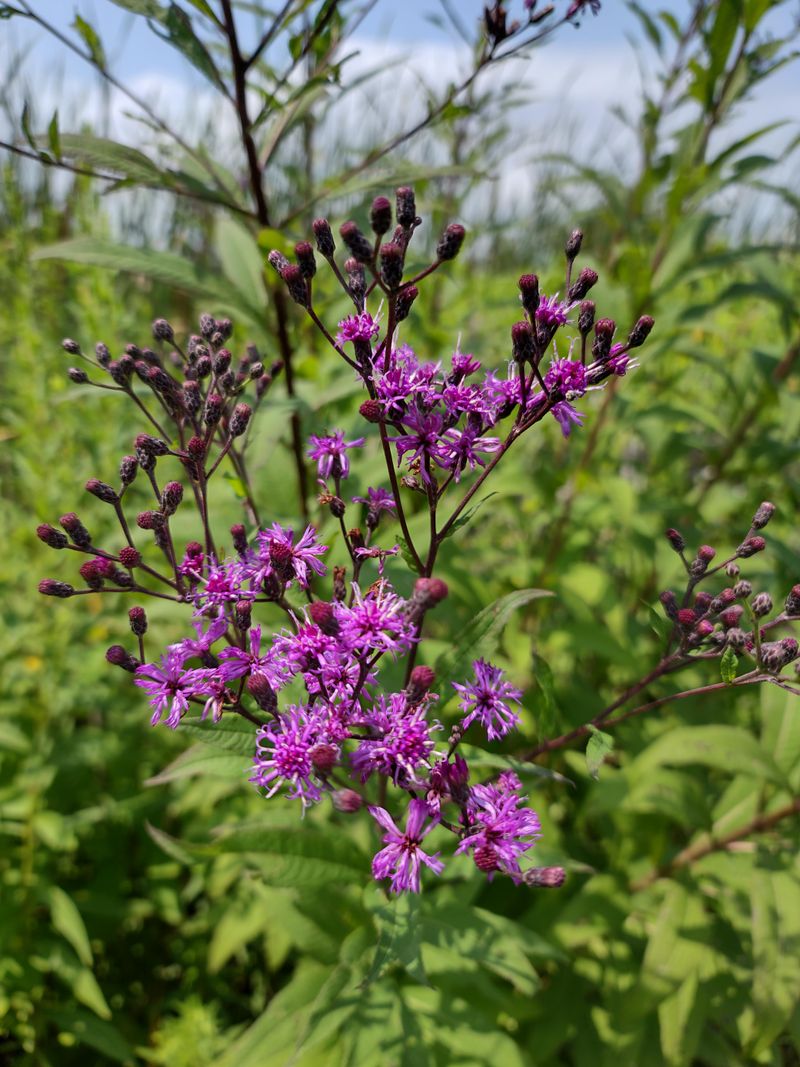
Tall purple stems rising well above shorter border plants give tall ironweed, Vernonia altissima, a presence that compact bedding plants simply cannot match.
The species is native to Ohio and much of the eastern United States, and it earns its place in larger landscapes through sheer vertical impact.
Clusters of deep, saturated purple flowers open from late summer into early fall, and the display can last several weeks under favorable conditions.
Mature plants commonly reach five to eight feet in height, sometimes more in rich, moist soil. That scale makes it best suited for the back of a wide border, an open meadow planting, or a naturalized area with enough room to let it stand at full height.
Placing it beside a narrow walkway or in a small foundation bed tends to overwhelm the space.
Full sun to light shade suits this species, and it generally prefers moist to average soils. It tolerates heavier soils better than many native species do, which makes it a practical option for spots that stay damp but drain reasonably between rain events.
Cutting stems back by about one-third in late spring is a technique sometimes called the Chelsea chop. It may reduce the final height without significantly delaying flowering, though results vary by season and location.
Unlike the violet-toned flowers of New England aster, the purple of tall ironweed reads as richer and more saturated. This gives it a stronger visual weight in a large planting.
4. Give Joe Pye Weed The Moist Spot It Loves
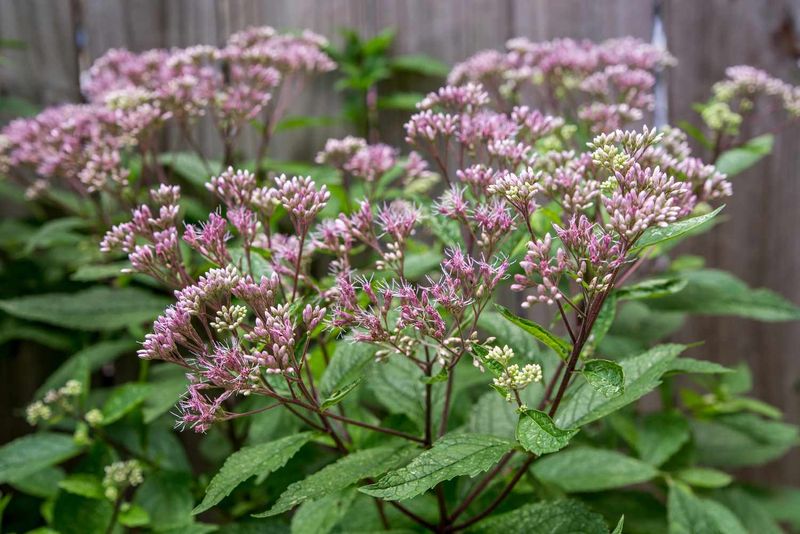
A damp corner of the yard that stays soggy after rain defeats most flowering perennials. It may actually be the right home for hollow Joe Pye weed, known botanically as Eutrochium fistulosum.
This species is native to Ohio and much of the eastern United States, and it is one of the larger members of the Joe Pye weed group. Treating all plants sold under the Joe Pye weed name as identical is a common mistake.
Several related species differ in size, habitat preference, and flower timing.
Eutrochium fistulosum produces large, domed clusters of dusty pink to mauve flowers from midsummer into early fall. Mature plants can reach five to seven feet or more in height, with a spread of two to four feet, so a narrow bed is not the right fit.
Rain garden edges and low spots with adequate drainage between wet periods are reasonable placements. So are moist meadow borders and pond margins where the soil stays consistently damp.
Moist soil does not mean standing water. Roots that sit in stagnant conditions over extended periods tend to struggle, so some movement or drainage is still useful.
Full sun produces the best flowering, but the species tolerates partial shade reasonably well in moist sites.
Shorter cultivars do exist, including the widely available ‘Gateway.’ It tends to top out closer to four to five feet and may suit a slightly more formal border setting than the straight species.
5. Add Savanna Blazing Star For Upright Drama
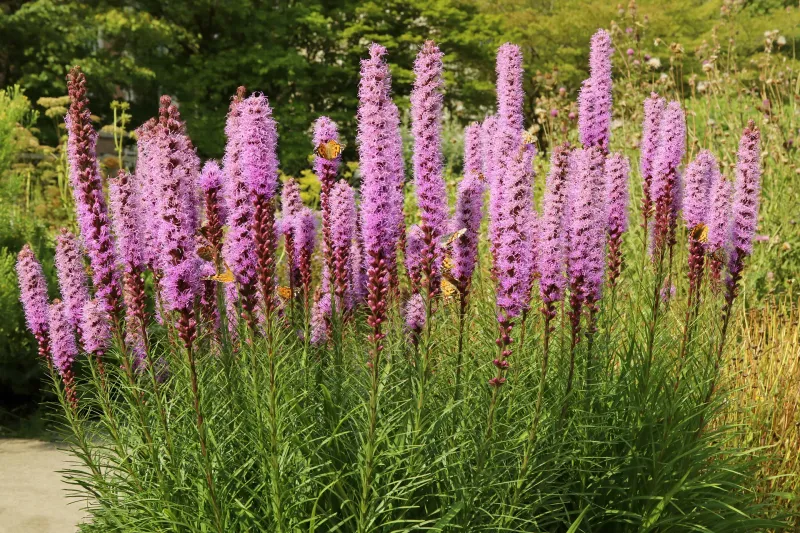
Narrow flower spikes standing upright among softer, rounded plant forms create a contrast that few other native perennials can offer quite so cleanly.
Savanna blazing star, Liatris scariosa, is native to Ohio and brings that strong vertical line to a sunny border or prairie-style planting during late summer and into early fall.
Confirming the species matters here because several blazing stars carry similar common names, and their site preferences differ meaningfully.
The flower spikes of Liatris scariosa open from the top downward, a characteristic shared across the genus. The color ranges from rosy purple to violet-purple depending on the individual plant.
Mature height typically falls between two and four feet. It has a relatively narrow spread that makes it easier to place among grasses or taller perennials without crowding them out.
This species performs best in full sun with dry to moderately well-drained soil. Sandy, rocky, or lean soils often suit it better than heavy clay or consistently moist conditions.
Poor drainage is one of the more reliable ways to shorten the life of a blazing star. Raised beds or naturally lean areas of the yard are worth considering for placement.
The underground corms store energy through winter and push up fresh growth each spring. Grouping several plants together amplifies the vertical effect.
It gives the spike-shaped flowers enough visual weight to hold their own against broader-leaved neighbors in a mixed border.
6. Stretch The Show With Tall Coreopsis
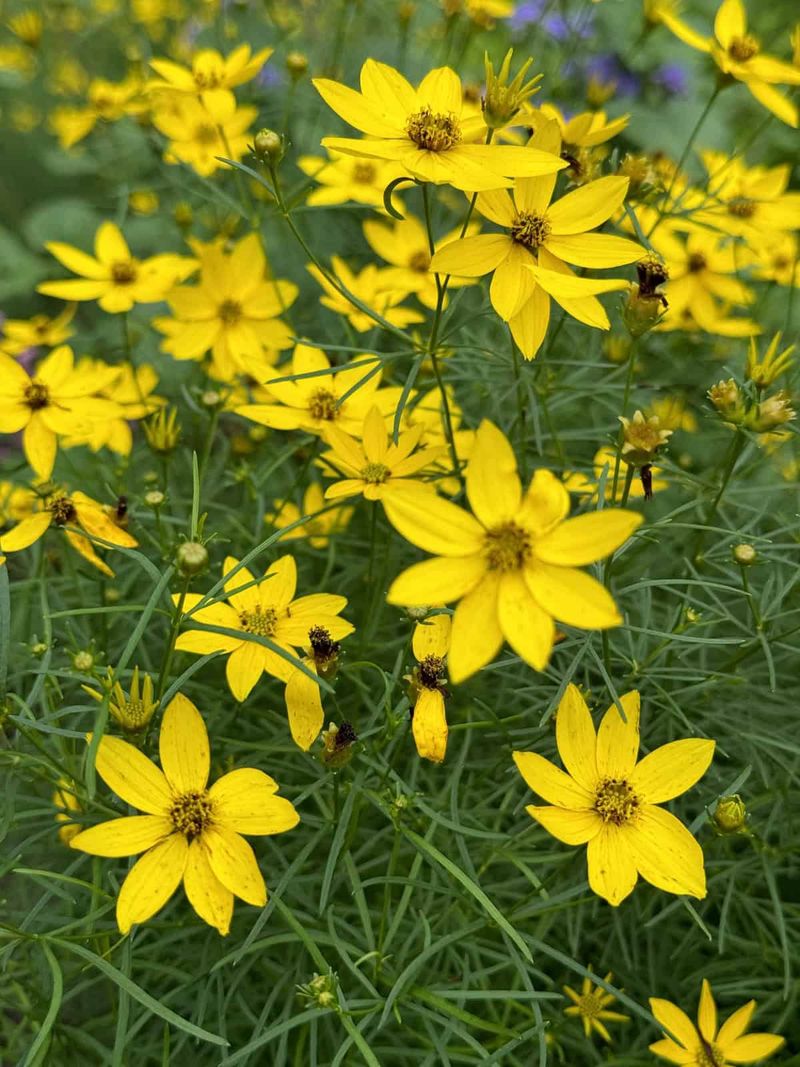
Yellow daisy-like flowers continuing to open after many summer perennials have already slowed down is one of the more welcome sights in a late-season border. Tall coreopsis, Coreopsis tripteris, is native to Ohio and blooms from midsummer into early fall.
Its timing often overlaps with asters and goldenrods in a well-planned planting. The plant’s form is noticeably airy compared to the denser mound of a chrysanthemum.
Slender, branching stems carry small but numerous flowers, and the overall effect reads as light and open rather than solid. Mature height commonly reaches four to eight feet, making this a back-of-border candidate in most home landscapes.
Full sun and average to dry, well-drained soil produce the best results.
Tall coreopsis spreads by rhizomes and can form colonies over time, so it needs room to expand without overwhelming smaller neighbors. Dividing the planting every few years helps manage its spread and keeps the center of the clump productive.
Cutting stems back by about one-third in early summer may encourage more branching and a slightly more compact form. This is not always necessary, though, depending on site conditions.
Its anise-scented foliage is a lesser-known detail that makes this species easy to identify when brushed. The combination of fine texture, long bloom season, and tolerance for lean soils makes tall coreopsis a practical choice for sunny beds.
It offers late-season yellow without the heavier presence of a sunflower.
7. Bring Wingstem Into The Back Border
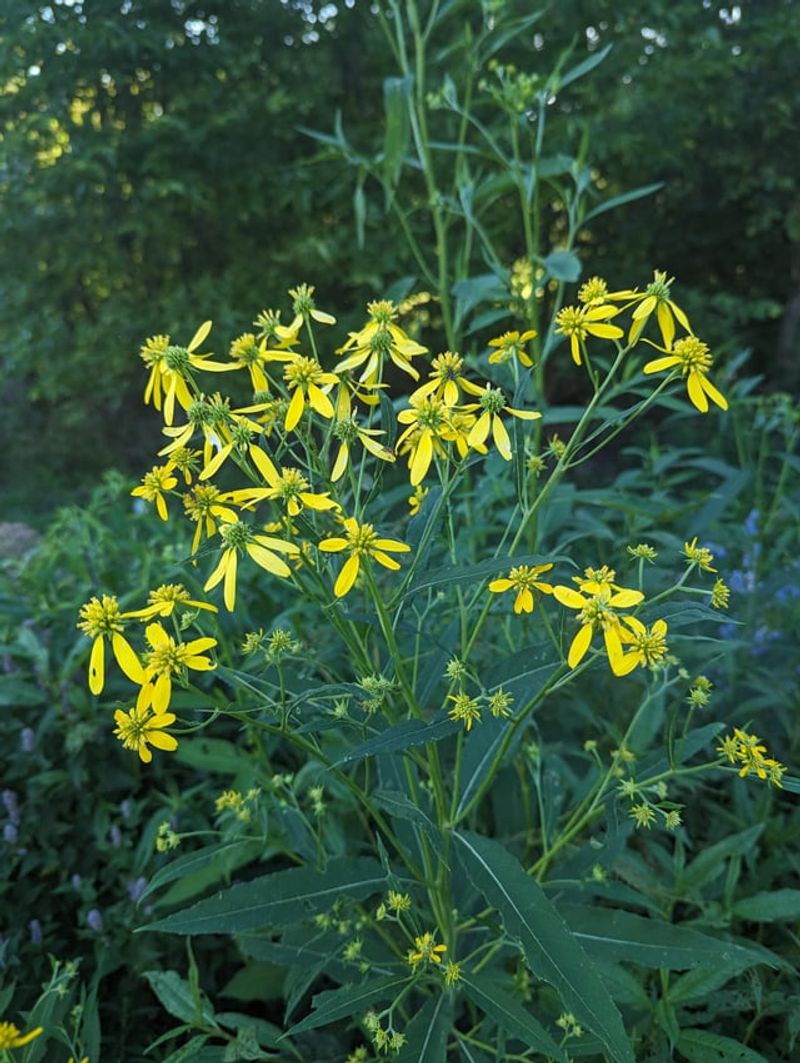
A tall, branching plant filling the back edge of a naturalistic bed has loose yellow flowers and a relaxed, open structure. That gives it a character that formal border plants rarely achieve.
Wingstem, Verbesina alternifolia, earns its common name from the narrow, wing-like ridges that run along the length of its stems. These decurrent leaf bases create a distinctive texture that sets it apart from other yellow-flowered species at a glance.
The flowers themselves feature reflexed or drooping ray petals that curve backward from a raised central disk. This gives each bloom a slightly disheveled look that suits an informal or naturalistic planting far better than a clipped formal border.
Bloom time generally runs from late summer into fall, and the branching stems can reach five to eight feet in height under favorable conditions.
Wingstem grows best in full sun to partial shade and prefers moist to average soils. It is often found in the wild along stream banks, woodland edges, and moist meadows, and it performs accordingly in similar home landscape situations.
The plant can spread and form colonies over time, so giving it space rather than cramming it into a tight bed is a practical starting point.
Wildlife value is real: the seeds attract birds in fall, and the flowers draw late-season insects. Placing wingstem behind shorter plants allows its loose, branching habit to read as a soft backdrop rather than an overgrown obstacle in the landscape.
8. Finish Strong With Sawtooth Sunflower
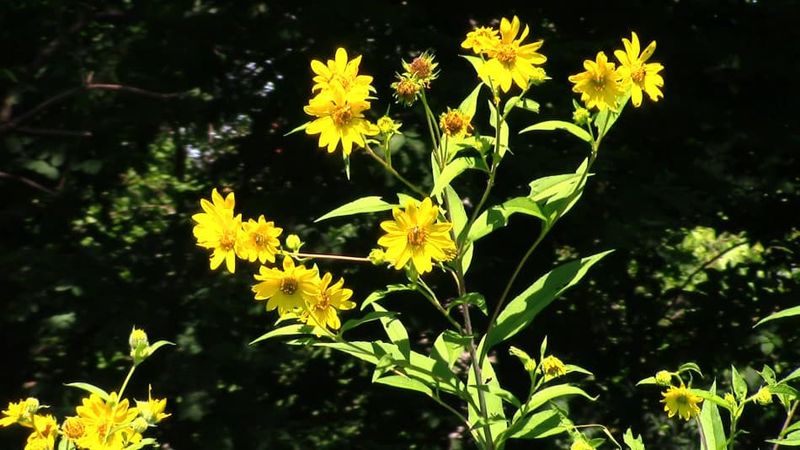
Late yellow flowers carry a garden’s display toward the close of the growing season. This gives sawtooth sunflower, Helianthus grosseserratus, a role that few other native species fill as effectively in a moist, sunny setting.
The common name refers to the coarsely toothed leaf edges, which are noticeably jagged compared to the smoother margins of related sunflower species.
Bloom time falls from late summer into fall, and the bright yellow, daisy-shaped flowers sit atop stems that commonly reach six to ten feet in height at maturity.
That scale places this species firmly in the back of a border or in an open meadow planting where its height reads as structure rather than obstruction.
Full sun and moist to average, well-drained soil suit it best, though it shows reasonable adaptability across a range of site conditions.
Sawtooth sunflower spreads by rhizomes and forms colonies with time. Planting it where it has room to expand, rather than beside plants that cannot hold their ground against a spreading neighbor, avoids frustration later.
Dividing the colony every few years keeps it from pushing too far beyond its intended area.
Tall stems may lean or require support after strong winds or heavy rain late in the season. Combining this species with plants of different heights, flower shapes, and site preferences creates a layered, lasting display.
Pairing it with a clump-forming aster in average soil or a moist-site Joe Pye weed nearby carries real visual weight from late summer all the way to first frost.