The Real Reason Behind Ants On Tennessee Peonies Each Summer
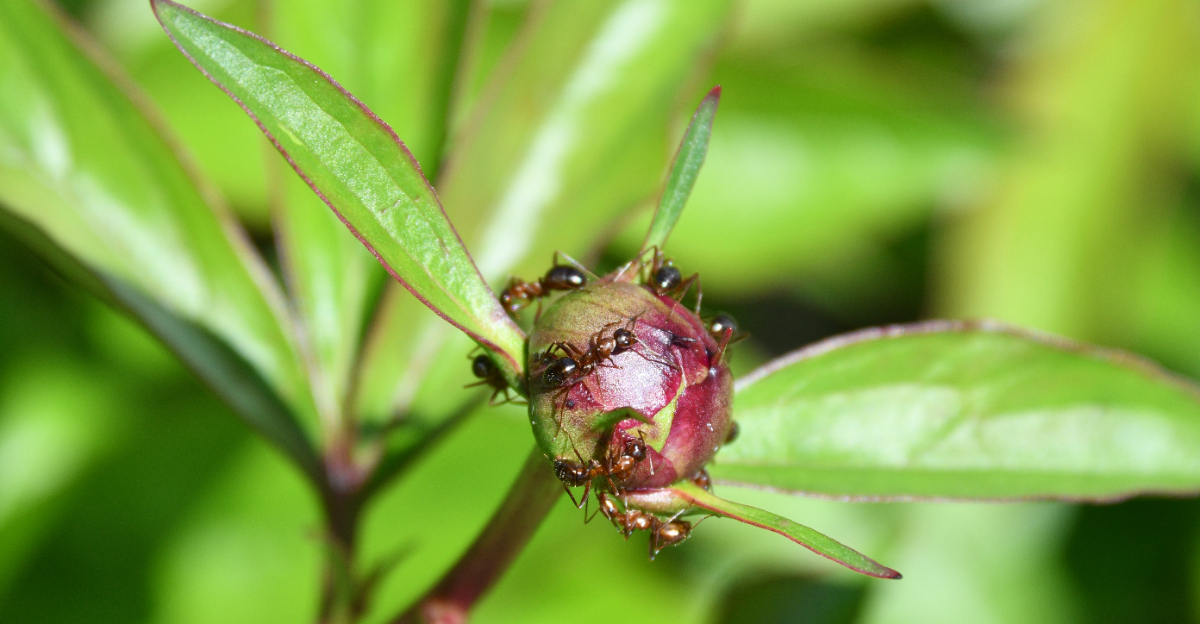
Ants crawling slowly across your prized peony buds seem alarming at first glance. Tennessee gardeners see this every summer and wonder what is happening.
Nothing harmful is actually happening on those delicate blooms. Sticky sap coats each bud long before petals open. They simply want that sugary coating and show up for the meal.
This exchange has repeated across countless gardens for centuries. Scientists label it mutualism, a quiet trade between species. Buds gain extra protection from pests while ants gain sugar.
Southern summers make this partnership easy to observe, especially in Tennessee gardens. Fences, porches, and cutting gardens all show the same pattern. Watching closely reveals timing most people overlook completely.
Understanding this changes how you see your garden forever. Curiosity replaces fear once the pattern becomes clear.
Your yard holds more strategy than most guides admit. Once you understand what these ants really want, you cannot look away.
Why Ants Are Drawn To Peony Buds
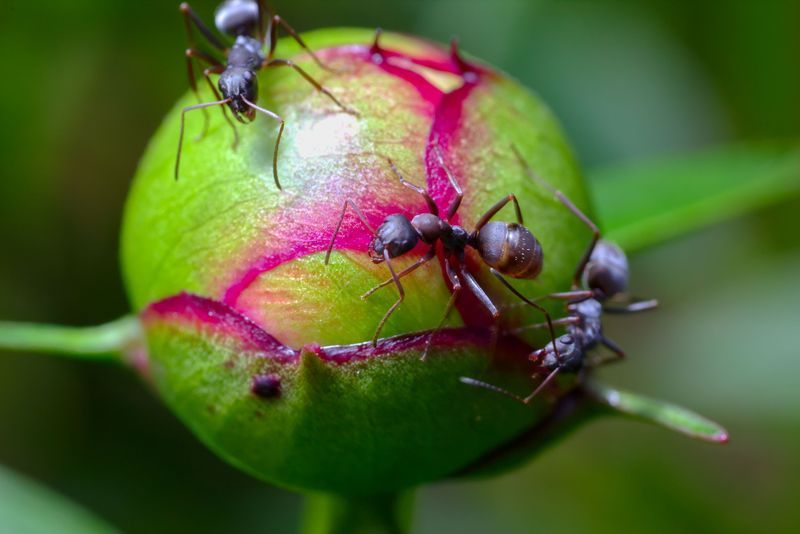
Walk up to a peony bush in June and you will notice something right away. Dozens of tiny ants cover the stems in visible numbers.
Peony buds produce a sticky, sugary substance on their outer surface. This substance is called extrafloral nectar, and it acts as a strong attractant for foraging ants.
Ants have a strong ability to detect sugar from a distance. They pick up chemical signals in the air and follow them straight to the source.
The nectar on peony buds is rich in carbohydrates. For an ant colony, that kind of energy source is worth the trip for foraging workers.
Peony plants appear to release most of this nectar while the buds are still closed and forming, with production tapering off once the bloom opens.
This timing is not random at all. The plant has evolved to attract ants during its most vulnerable growth stage, when the bud needs protection from other insects.
Gardeners who grow ants on Tennessee peonies each summer often assume the ants are causing damage. The opposite is actually closer to the truth.
Ants are simply responding to a chemical invitation the plant sends out. They are insects responding to a food source the plant provides.
Understanding this basic fact changes everything about how you see your Tennessee garden. Your peonies are not being invaded, they are being visited on purpose.
The Sweet Nectar Behind Their Behavior
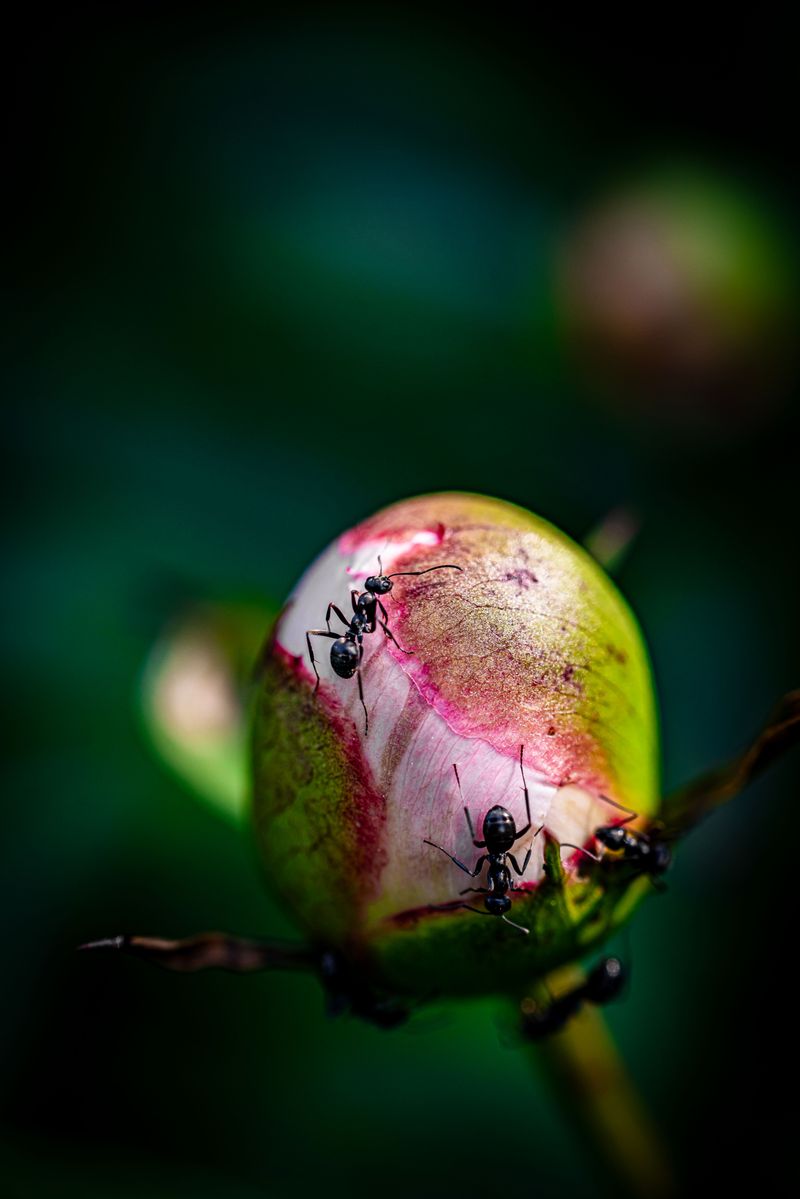
Sticky and sweet, the nectar on peony buds is a concentrated food source. Ants detect it fast and return to it daily until the bloom opens.
Extrafloral nectar is produced by special glands called nectaries. These glands sit on the outside of the bud, not inside the flower where pollinators usually feed.
That distinction matters a lot. The plant is not using this nectar to attract bees or butterflies for pollination purposes.
Instead, it is using the nectar as a tool for defense. Ants eat the nectar and, in return, they act as a natural deterrent against pests.
Plants with active ant visitors often experience fewer aphid infestations, a pattern commonly observed in plant-ant relationships. Ants aggressively chase away soft-bodied insects that would otherwise damage tender buds.
Your Tennessee Garden Changes Every Week. Your Plan Should Too.
Gardening in Tennessee changes quickly throughout the season. Every Friday you’ll receive a simple weekly plan showing exactly what to plant, prune, fertilize, harvest, and protect so you never miss the right timing.
The nectar itself is a blend of sugars, amino acids, and water. It is calorie-dense enough to support large numbers of workers from nearby colonies.
Peony nectar production may peak during cooler morning hours, and ant activity on the buds often follows a similar pattern.
Gardeners sometimes mistake the sticky bud surface for disease or mold. That glistening coating is actually the nectar doing exactly what the plant intended.
This relationship is believed to have developed over a long period of co-evolution. The peony gives food, and in return, it gets round-the-clock pest management from creatures far smaller than a fingernail.
Are Ants Harmful To Your Peonies
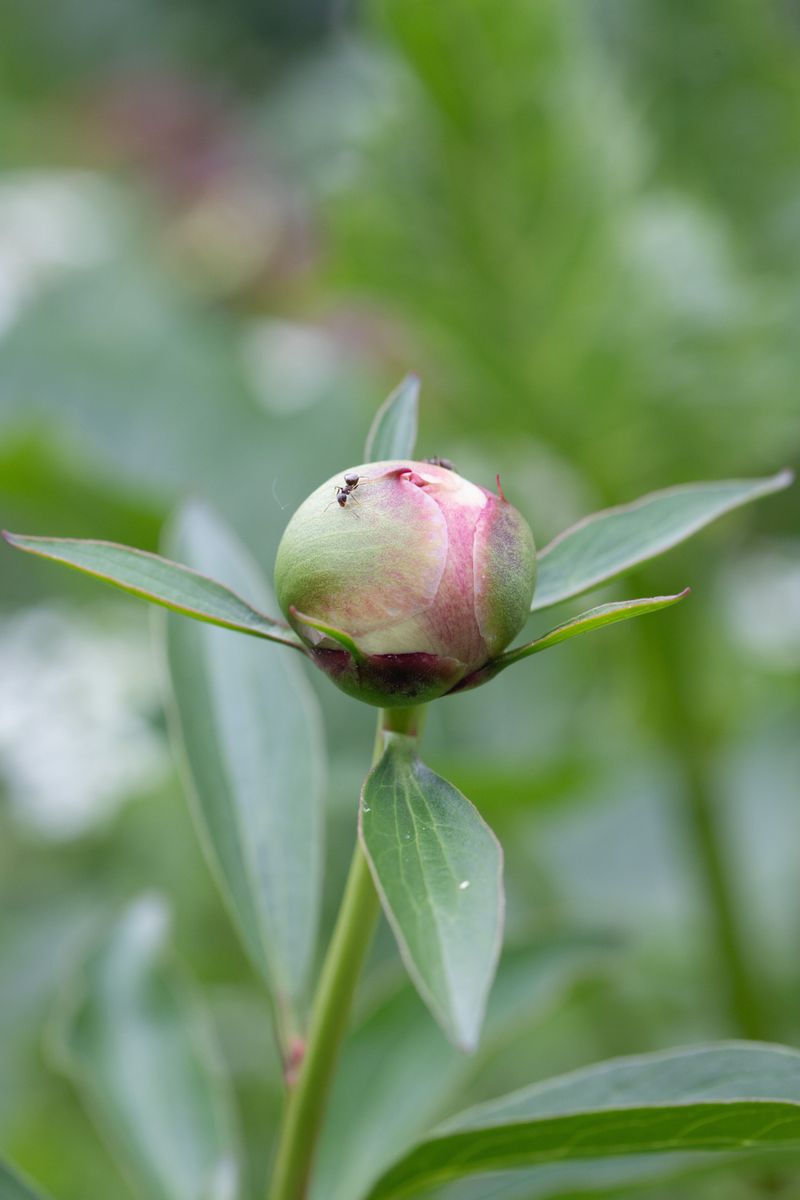
Most gardeners panic the first time they see ants swarming a peony. The instinct is to grab a hose or reach for a pesticide immediately.
Slow down before you do anything. Ants are not chewing on your peony buds or stealing nutrients from the plant in any meaningful way.
They are feeding on surface nectar only. The bud itself remains completely intact beneath the ant activity happening on the outside.
Ant presence is not generally associated with peony bud damage. In fact, most experts consider ants a neutral to positive presence on these flowers.
The myth that ants are required for peonies to bloom is very common. Many Tennessee gardeners believe the buds cannot open without ants chewing them apart, but that is false.
Peonies bloom perfectly well without any ant activity at all. The nectar and the ants are part of a beneficial relationship, not a necessary mechanical process.
Where ants can cause minor inconvenience is when you cut blooms to bring inside. A few hitchhikers riding in on cut stems can surprise you at the kitchen counter.
A simple fix is to shake the stems gently outdoors before bringing flowers inside. You can also lay cut blooms on newspaper for a few minutes to let ants walk away on their own.
Ants on Tennessee peonies each summer are a sign of a healthy, productive garden. Seeing them means your plants are doing exactly what nature programmed them to do.
The Mutual Benefit Between Ants And Plants
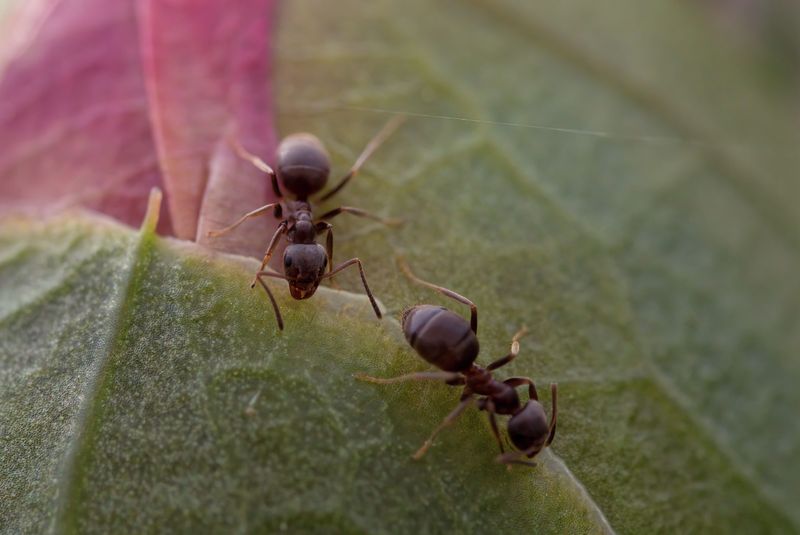
Few partnerships in the garden world are as efficient as the one between ants and peonies. Both sides get something valuable from the arrangement.
The peony offers free food in the form of nectar. The ants offer free labor in the form of pest control and bud protection.
Ants are territorial creatures. When they claim a peony plant as a food source, they actively drive off competing insects that might threaten the buds.
Thrips, aphids, and small caterpillars are common threats to peony buds in early summer. Ant patrols significantly reduce the chances of these pests gaining a foothold.
Some scientists describe this type of relationship as mutualistic symbiosis. Both organisms benefit, and neither one is harmed in the process.
What makes this especially interesting is that the peony evolved this strategy without any help from humans. The plant developed its own pest-deterrence strategy.
Ants also contribute to soil health around the base of peony plants. Their tunneling loosens compacted soil and improves water penetration near the roots.
You might not notice this underground benefit as easily as the bud-patrol activity above ground. But over a full growing season, it adds up to measurable improvement in plant health.
Gardeners who work with nature instead of against it often see better results overall. Letting ants do their job on your peonies is an example of a low-effort approach some gardeners prefer.
When To Worry About Other Pests Instead
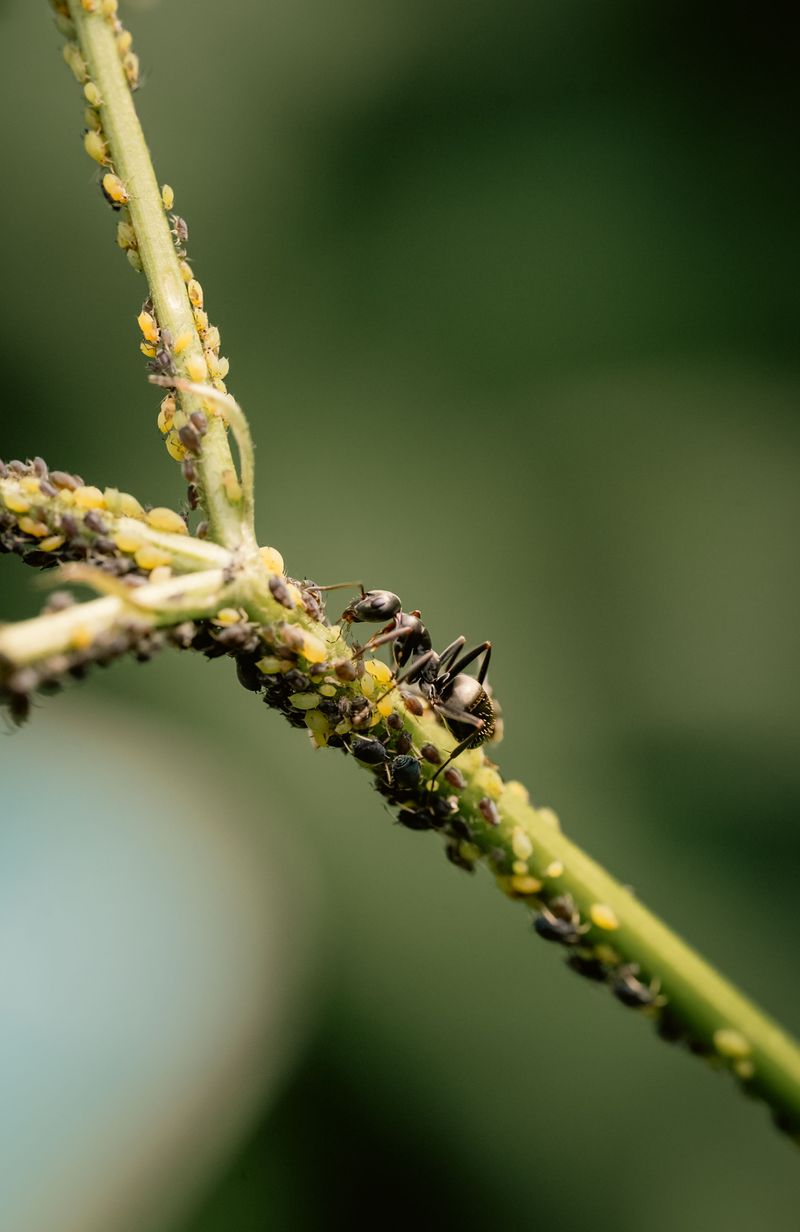
Ants are not your enemy on peonies, but other insects absolutely can be. Knowing the difference protects your blooms all season long.
Aphids are one of the most common threats to peony plants in warm climates. These soft-bodied pests cluster on stems and suck out plant sap, weakening growth fast.
Interestingly, ants sometimes farm aphids on other plants in the garden. They protect aphids from predators in exchange for the honeydew aphids produce.
On peonies, however, ants tend to behave differently. The extrafloral nectar is so abundant that ants focus on protecting the plant rather than farming pests on it.
Thrips are another pest worth monitoring closely. These tiny insects damage petals and leave behind silvery streaks or distorted bud shapes as signs of their feeding.
Botrytis blight is a fungal issue that can look alarming on peony stems and buds. It causes grayish mold and mushy spots, especially during wet, humid stretches of weather.
If you see fuzzy gray growth on your plants, that is not ant-related at all. Improve air circulation around the plant and remove affected stems promptly.
Scale insects can also attach to peony stems and go unnoticed for weeks. They look like small brown bumps and can weaken stems over time if populations grow large.
Keeping a close eye on your peonies after blooms open helps you catch real problems early. Ants on Tennessee peonies each summer are the least of your worries.
How To Handle Ants Without Hurting Blooms
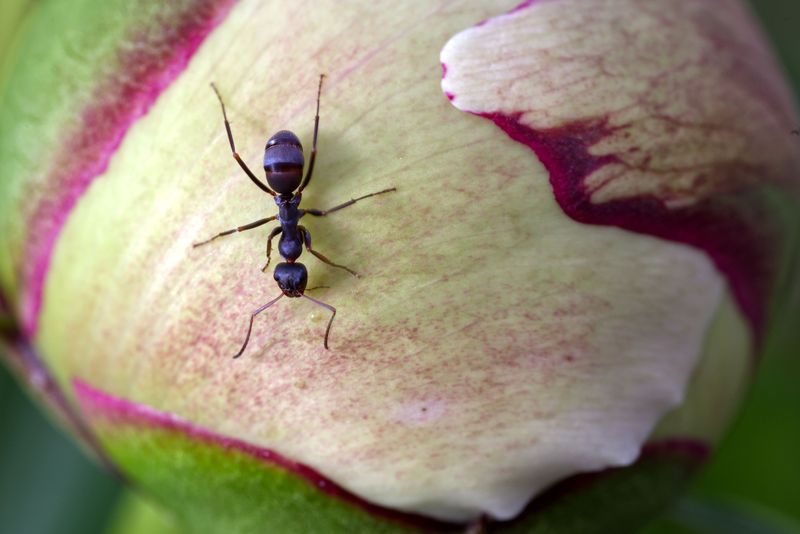
Sometimes you need to cut peonies for a vase, and bringing ants inside is not exactly the plan. A few simple steps make the process easy and ant-free.
Cut your peony stems early in the morning when buds are still slightly closed. This timing reduces the number of ants actively on the plant.
After cutting, hold the stems over the garden bed and give them a firm but gentle shake. Most ants will drop off immediately without any fuss.
Laying cut stems on a clean piece of newspaper in a shaded spot also works well. Give the ants about five minutes to find their way off before you bring blooms inside.
Never spray pesticides on peony buds to remove ants. Doing so disrupts the natural pest-control system the plant has spent all season building up.
Chemical sprays can also harm beneficial insects like bees that visit open peony flowers later in the season. The risk is simply not worth it for a cosmetic concern.
If ants are overwhelming a specific plant, check nearby soil for large colonies. Moving mulch away from the base of the plant can reduce how many ants nest close by.
Diatomaceous earth sprinkled around the base of the plant creates a barrier ants dislike crossing. It is a natural option, though it can affect other insects that come into direct contact with it, so it should be applied carefully near pollinator activity.
Working with the natural rhythm of ants on Tennessee peonies each summer makes gardening simpler. Trust the system, cut smart, and enjoy every bloom you bring inside.