The Real Reason Wasps Are Building Nests Around Your Tennessee Porch
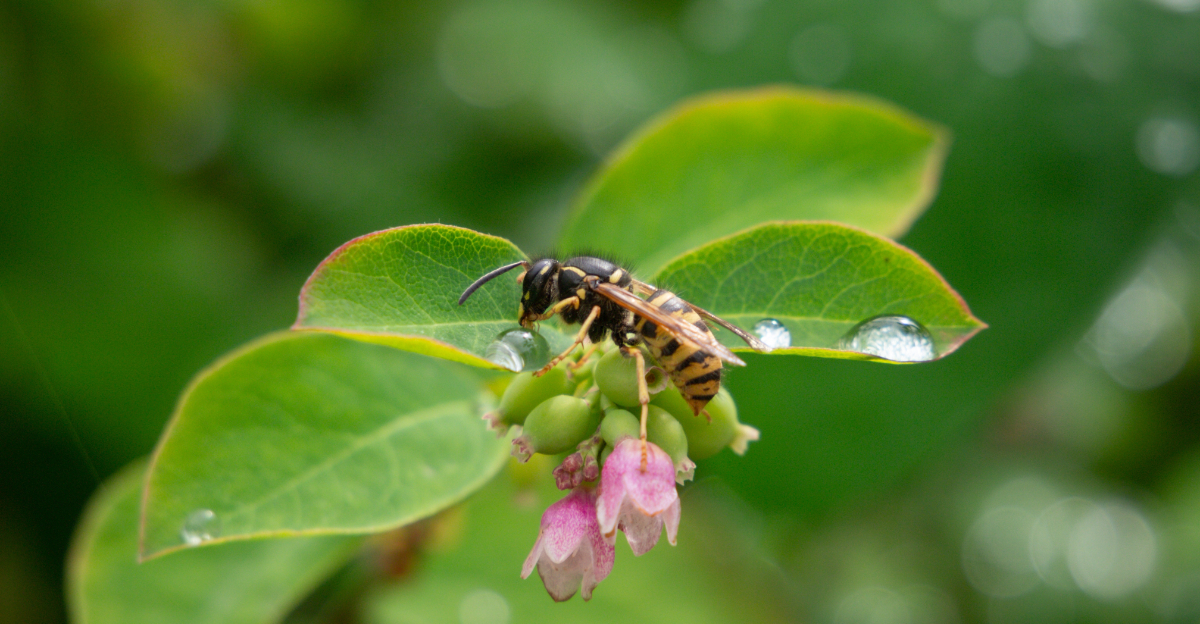
Wasps do not choose your porch as a nesting site by accident. Your Tennessee property is actively passing every item on their biological nesting checklist.
Right now, multiple features of your specific yard are being carefully and continuously assessed.
Understanding what actually triggers them is not complicated once you stop second-guessing yourself.
These insects are not naturally aggressive, and that critical distinction matters enormously. They are opportunistic, precise, and extraordinarily good at reading what any space reliably offers.
Tennessee summers extend that open window of exploitation across several of the most critical months.
Every advantage your property quietly holds gets identified, evaluated, and swiftly acted upon. Stop treating this as a pest issue and start treating it as a property issue.
Knowing what draws them in is the only real way to keep them out permanently. Equipped with what follows, you will stop losing ground and start taking it back.
Your Yard Has An Abundance Of Insects Nearby
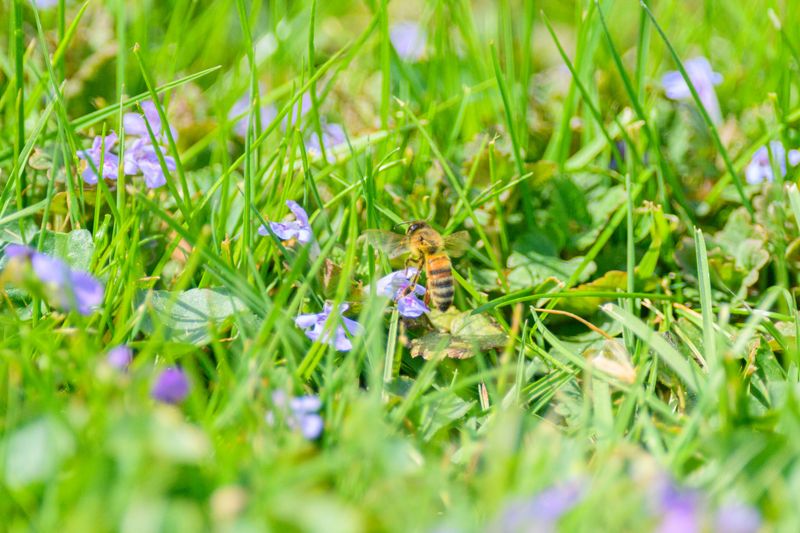
Wasps are hunters first and nesters second. Your porch becomes prime territory when the surrounding yard is buzzing with insect life.
Paper wasps and yellow jackets feed their larvae a diet of other bugs. Caterpillars, beetles, flies, and aphids are a reliable, varied food source for a growing wasp colony.
If your garden has aphid-covered roses or a compost pile drawing flies, wasps will patrol that zone daily. They are efficient pest controllers, but that efficiency comes at a cost.
Thick grass, leaf piles, and dense shrubs create perfect hiding spots for the insects wasps hunt. The closer those hunting grounds are to your porch, the more likely a nest shows up nearby.
Reducing insect populations naturally helps shift the balance. Try companion planting with herbs like basil and mint to deter soft-bodied pests without chemicals.
Keeping your lawn trimmed and clearing debris removes shelter for prey insects. Fewer prey bugs nearby means wasps have less reason to set up shop so close to your door.
It is a chain reaction: fewer insects mean fewer foraging wasps, and fewer foraging wasps mean fewer nests. Tackling the insect abundance issue is one of the smartest first moves you can make.
Flowering Plants Around Your Porch Provide Nectar Sources
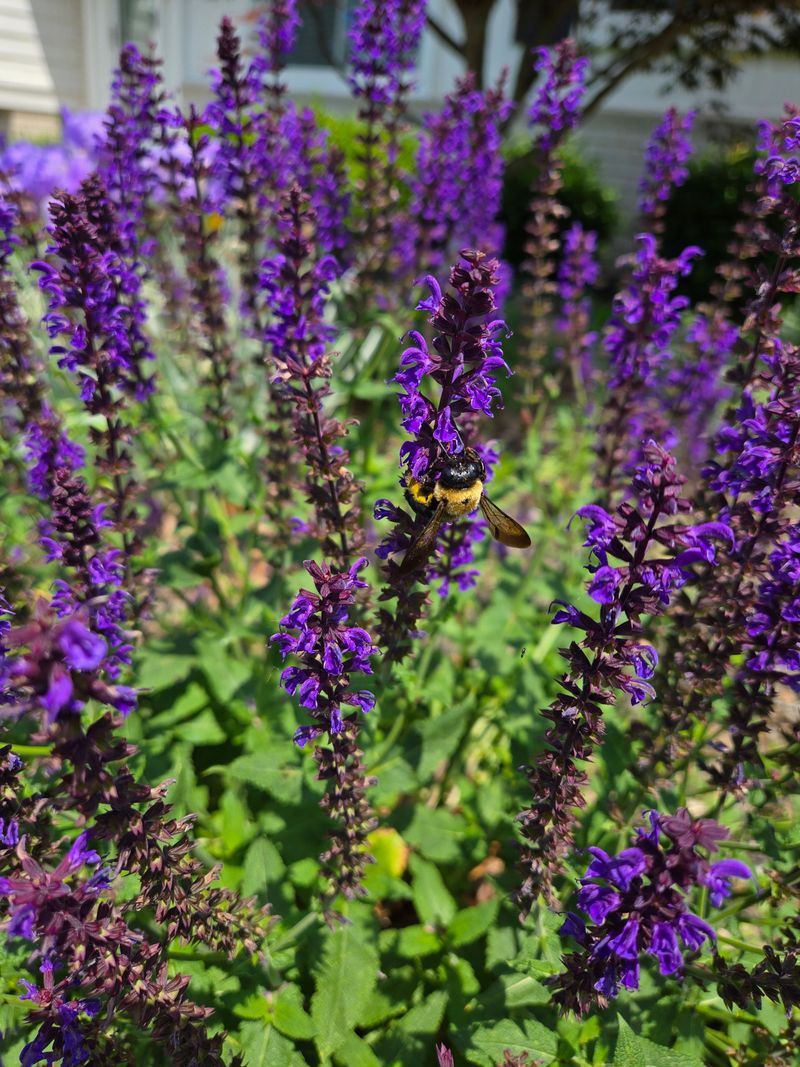
Your porch garden looks gorgeous, but to a wasp, it looks like a grocery store. Adult wasps feed primarily on nectar and sweet plant matter.
Flowers like salvia, sweet fennel, and Queen Anne’s lace are particularly attractive to wasps. If those plants are within arm’s reach of your porch, you have placed a steady nectar source directly in their flight path.
Tennessee homeowners often plant pollinator-friendly gardens without realizing wasps count as pollinators too. They show up right alongside bees and butterflies, looking for the same sugary reward.
Relocating flowering plants a good distance from your porch entrance can reduce wasp traffic significantly. Even moving planters 15 to 20 feet away makes a noticeable difference in how often wasps buzz past your seating area.
Choosing less wasp-attractive plants near the porch also helps. Marigolds, eucalyptus, and wormwood can deter wasps while still adding color to your outdoor space.
Your Tennessee Garden Changes Every Week. Your Plan Should Too.
Gardening in Tennessee changes quickly throughout the season. Every Friday you’ll receive a simple weekly plan showing exactly what to plant, prune, fertilize, harvest, and protect so you never miss the right timing.
Potted spearmint and thyme near doorways serve double duty: they smell amazing to you and act as a natural deterrent for wasps. Swapping one or two flowering favorites for these options costs almost nothing.
Your porch can still be beautiful and blooming. It just needs a smarter plant lineup to stop being the neighborhood wasp hangout.
Your Property Has Undisturbed Sheltered Spots
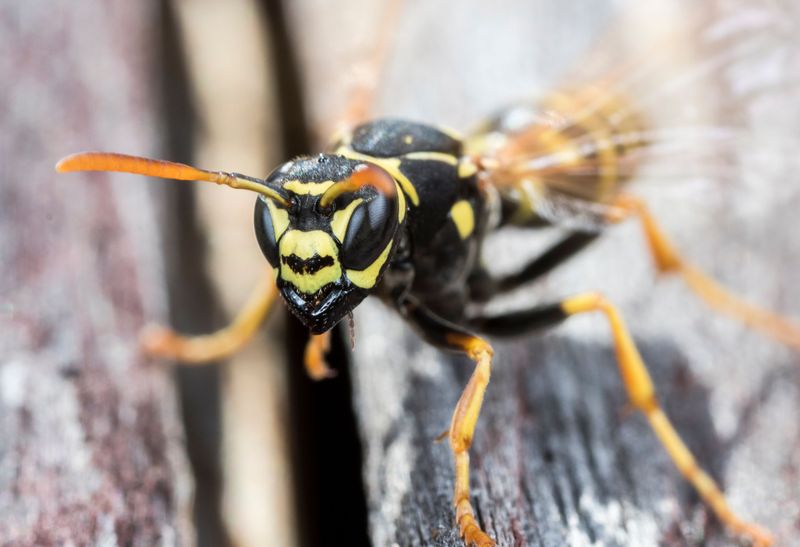
Wasps are not brave. They are strategic. They look for spots where nothing will bother them while they build and raise their young.
Porch eaves, shutters, gaps behind gutters, and unused outdoor furniture are all prime candidates. If a spot has not been touched in a few weeks, a wasp queen may have already scouted it.
Queen wasps emerge in early spring and spend days searching for sheltered cavities. Overhangs that face downward and away from wind are especially appealing because they protect the nest from rain.
The reason often comes down to undisturbed conditions. Corners and overhangs that went unexamined through winter quietly became ideal habitat.
A simple prevention habit is doing a monthly walkthrough of your porch perimeter starting in March. Check every corner, gap, and overhang before queens have time to start building.
Hanging decoy nests in early spring may offer some deterrence for paper wasps, though evidence is mixed and results are not guaranteed. Wasps are territorial and will avoid areas where they believe another colony already exists.
Sealing small gaps with caulk and removing clutter from porch rafters eliminates nesting opportunities fast. The less undisturbed real estate your porch offers, the less attractive it becomes to a searching queen.
Soil Moisture Levels Are Attracting Ground-Dwelling Prey
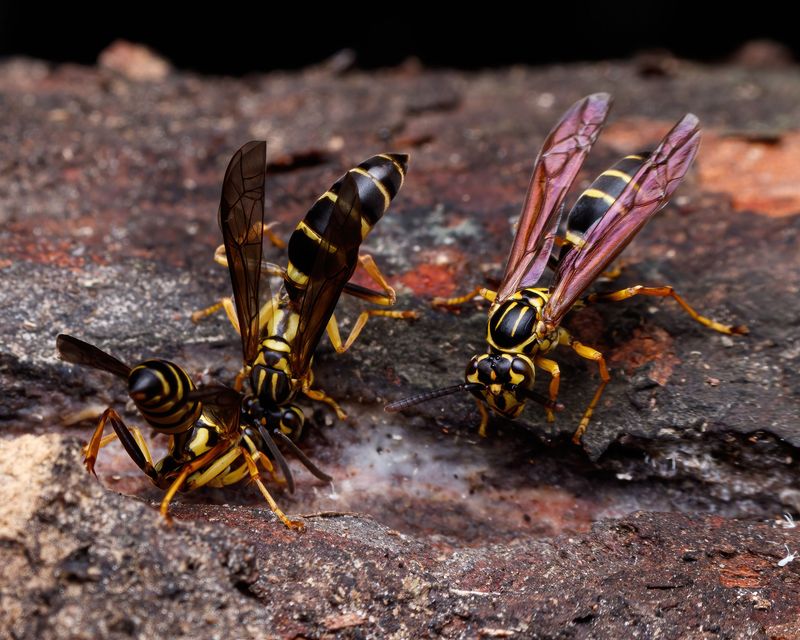
Soggy soil is not just a gardening headache. It is a wasp magnet hiding right beneath your feet.
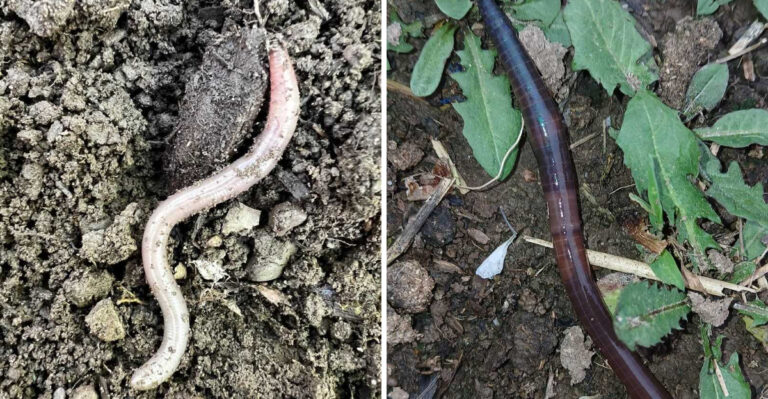
Moist ground near porches draws out earthworms, grubs, and soft-bodied insects that love damp conditions. Wasps, especially yellow jackets, actively hunt these creatures to feed their larvae.
Poor drainage near your foundation or overwatered flower beds creates exactly the right environment. Ground-nesting wasps also prefer moist, loose soil for building their underground colonies.
Yellow jackets in particular are notorious for nesting in the ground near structures. If you have noticed wasps flying low and landing repeatedly in one grassy patch, there may already be a nest below the surface.
Improving drainage around your porch foundation reduces standing moisture significantly. Adding gravel borders or regrading slightly sloped areas directs water away from the zone where wasps like to forage and nest.
Watering your garden in the morning instead of the evening also helps. Morning watering allows soil to dry out by the time peak wasp foraging hours begin.
Fixing a leaky outdoor spigot or redirecting downspout runoff can make a surprising difference too. Drier soil near your porch means fewer prey insects surfacing, and fewer wasps showing up to collect them.
Weathered Wood Nearby Provides Raw Nest-Building Material
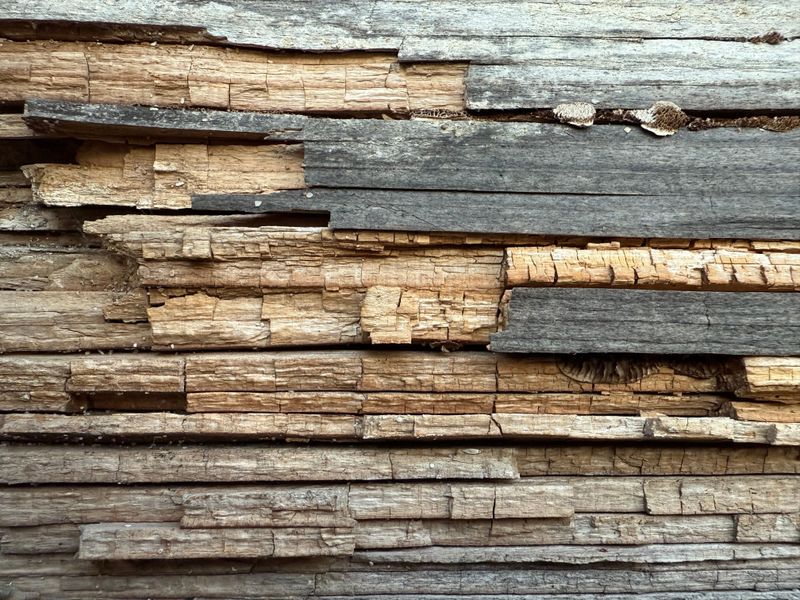
Paper wasps do not buy their building supplies. They harvest them straight from your property.
Weathered, unpainted wood is their favorite source of raw fiber. They scrape tiny bits from fence posts, deck railings, old garden furniture, and untreated lumber with their mandibles.
They chew those fibers into a pulp mixed with saliva, which dries into the papery material that forms their iconic layered nests. Soft, aged wood gives up fibers much more easily than treated or painted surfaces.
If your porch has old wooden railings, bare fence sections, or a weathered pergola, your porch is providing a ready, renewable supply of nest-building material. They will keep returning to those same spots throughout the building season.
Painting or staining exposed wood creates a harder surface that wasps cannot easily scrape. One coat of exterior paint on a neglected railing can remove that material source almost entirely.
Replacing rotted boards and sealing rough timber edges also limits access. Smooth, sealed surfaces simply do not offer the loose fibers that make nest construction easy.
Old firewood stacked close to the porch is another overlooked source. Moving the woodpile well away from the porch removes both a building material and a potential nesting site in one move.
Local Predator Populations May Not Be Keeping Up
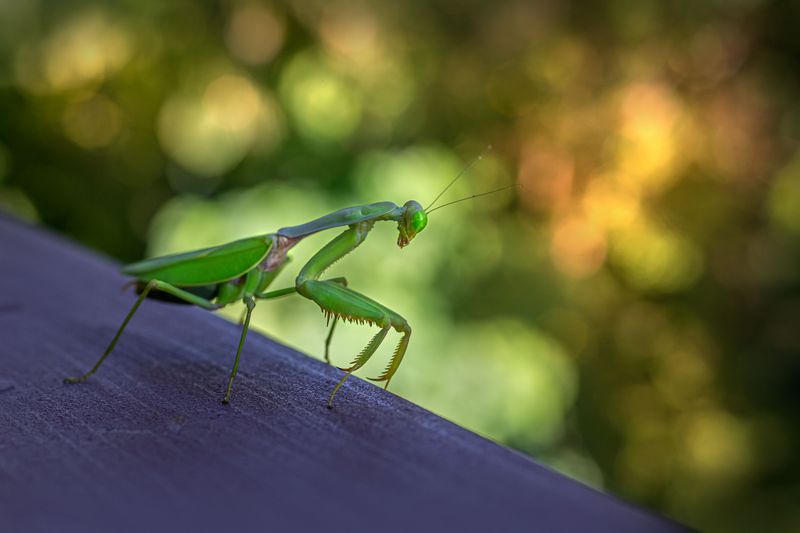
Nature usually keeps wasp populations in check. But when the natural controls disappear, colonies expand faster and nest increasingly close to human activity.
Birds like purple martins, bluebirds, and kingbirds eat wasps regularly. Spiders, praying mantises, and even some beetles prey on wasp larvae and eggs.
When predator numbers drop due to habitat loss, pesticide use, or seasonal changes, wasp colonies face almost no natural pressure. They expand faster and nest closer to human activity without consequence.
If insectivorous bird activity has declined in your yard, wasp colonies face far less daily disruption.
Habitat loss, pesticide use, and seasonal changes all reduce the predator pressure that keeps populations in check.
Encouraging natural predators is a long-term but effective strategy. Installing bird boxes for bluebirds or purple martin houses attracts species that actively hunt flying insects all summer long.
Reducing broad-spectrum pesticide use also helps. Many pesticides wipe out the beneficial insects and spiders that would otherwise keep wasp numbers manageable without any effort from you.
Planting dense native shrubs gives small predatory birds shelter and nesting space close to your porch perimeter.
When the food web around your yard stays balanced, wasp populations tend to regulate themselves naturally over time.
Warm, Stable Seasons Give Wasp Colonies A Head Start
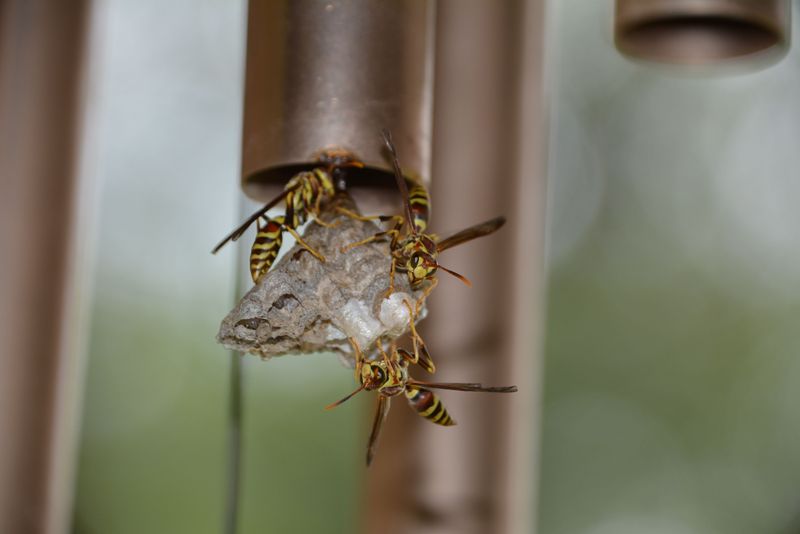
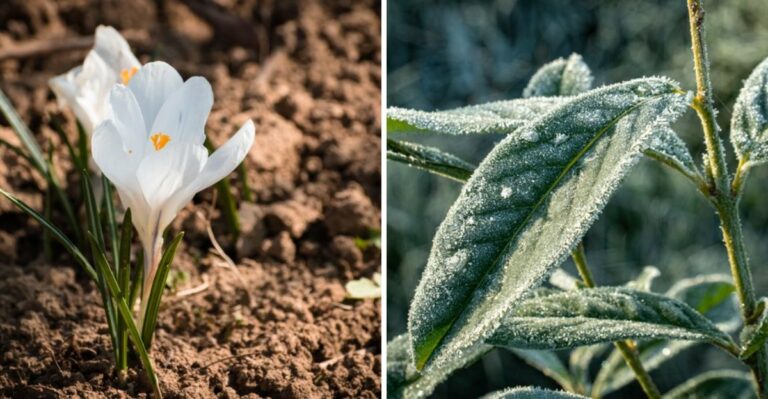
Warm, steady weather is a green light for wasp colonies to thrive. When springs arrive early and summers stay mild, wasp queens emerge sooner and have more time to establish colonies.
Tennessee’s climate delivers exactly that kind of extended window, pushing peak wasp activity well into the later months.
Stable warmth also means fewer weather disruptions that might damage a nest or force a colony to relocate.
A nest that holds through three weeks of mild weather can expand rapidly, with larger yellowjacket colonies reaching hundreds of workers by late summer.
A warm March followed by a calm April gives queens a longer, safer window to establish colonies near structures. That head start compounds fast.
Across Tennessee, that pattern repeats reliably enough that early monitoring is not optional. It is essential. Monitoring your porch closely during early warm spells gives you a significant advantage.
Catching a nest when it is the size of a golf ball is far easier than dealing with one the size of a football. Early spring is the best time to apply wasp-deterrent sprays around eaves and overhangs.
Peppermint oil mixed with water and dish soap is a non-toxic option that makes treated surfaces unattractive to queens looking for a nesting site.
For Tennessee homeowners, getting that spray down before the first sustained warm spell is the move that makes the whole season easier. Staying ahead of the warm season keeps your porch comfortable all summer long.