The Okra Mistake Many Georgia Gardeners Don’t Notice Until It’s Too Late
Okra usually seems easy to grow until one small mistake quietly slows everything down. Many Georgia gardeners do not realize what happened until harvest is already affected.
Healthy plants can still disappoint when an important step gets overlooked. That is why timing matters more than many expect.
Looking at the leaves alone will not always reveal the real issue. The warning signs often appear after the mistake has already taken hold.
Do not assume your plants will sort things out on their own. A simple adjustment now can make a noticeable difference over the remaining season.
Every growing season offers another chance to improve your results. Paying attention to the small details often brings the biggest rewards.
One common mistake catches far more gardeners than you might think, yet it is surprisingly easy to avoid once you know what to watch for.
1. Leaving Pods Too Long Slows New Production
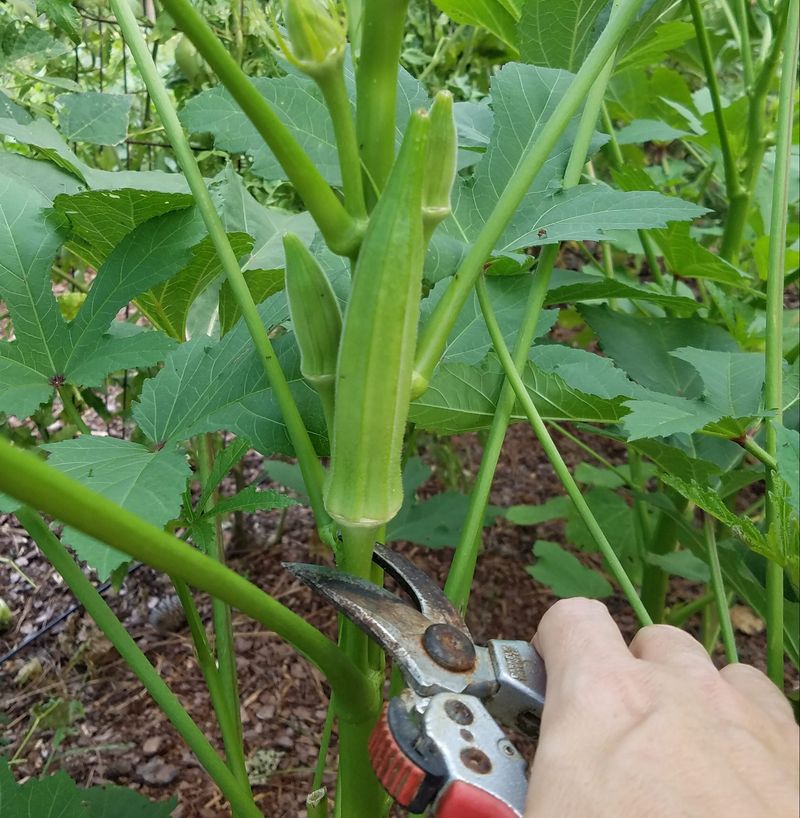
Okra plants are wired to produce seeds. Once a pod matures fully and starts to harden, the plant reads that as a job done.
At that point, it shifts energy away from making new pods and focuses on the one that got away from you. Production slows noticeably, sometimes within just a few days.
Gardeners often wonder why their plants seem healthy but stop producing.
Overgrown pods left on the stem are usually the reason.
Removing mature pods signals the plant to keep working. It responds by pushing out new flowers and setting fresh pods.
Think of it like a feedback loop. Leave pods on, and the plant coasts.
Remove them consistently, and it keeps producing.
In Georgia summers, where heat can push plants hard, this feedback loop matters a lot. Plants under heat stress need every reason to stay productive.
Letting even one or two pods go too long can set back your harvest by several days.
Multiply that over a few weeks, and you lose a significant portion of what the plant could have given you.
Stay on top of it. Walk your rows regularly and pull anything that looks like it has outgrown its window.
2. Tough Pods Are A Sign You Waited Too Long
Biting into a rubbery, stringy okra pod is a clear message from your garden. You waited too long to pick it.
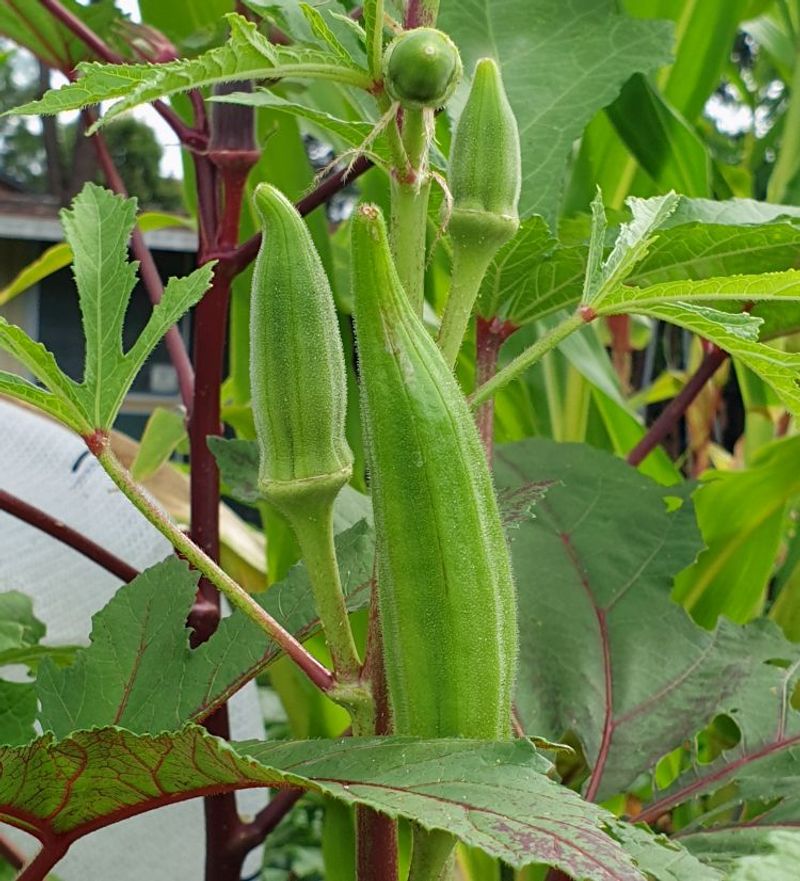
Tender pods have a slight give when you press them gently with a finger. Tough ones feel rigid and resist pressure almost like wood.
Fibrous texture in okra develops quickly once pods cross a certain size. For most varieties, that window closes somewhere around 3 to 4 inches in length, though this can vary by type.
Tough pods are not worth cooking as a vegetable. They lose the tender quality that makes okra worth growing in the first place.
Some gardeners salvage overgrown pods by letting them fully mature and dry for seed saving. That can be a smart move rather than just tossing them aside.
Still, your goal during the growing season should be consistent harvesting before pods reach that tough stage.
Your Georgia Garden Changes Every Week. Your Plan Should Too.
Gardening in Georgia changes quickly throughout the season. Every Friday you’ll receive a simple weekly plan showing exactly what to plant, prune, fertilize, harvest, and protect so you never miss the right timing.
Check pod firmness, not just size, since growing conditions affect how fast pods develop.
Hot, dry spells can speed up pod toughening faster than average. Rainy stretches sometimes slow it down a bit.
Neither is predictable enough to rely on without checking plants yourself.
Get in the habit of squeezing pods gently when you walk by. That simple check takes seconds and saves your harvest.
3. Harvest Every Few Days For Better Yields
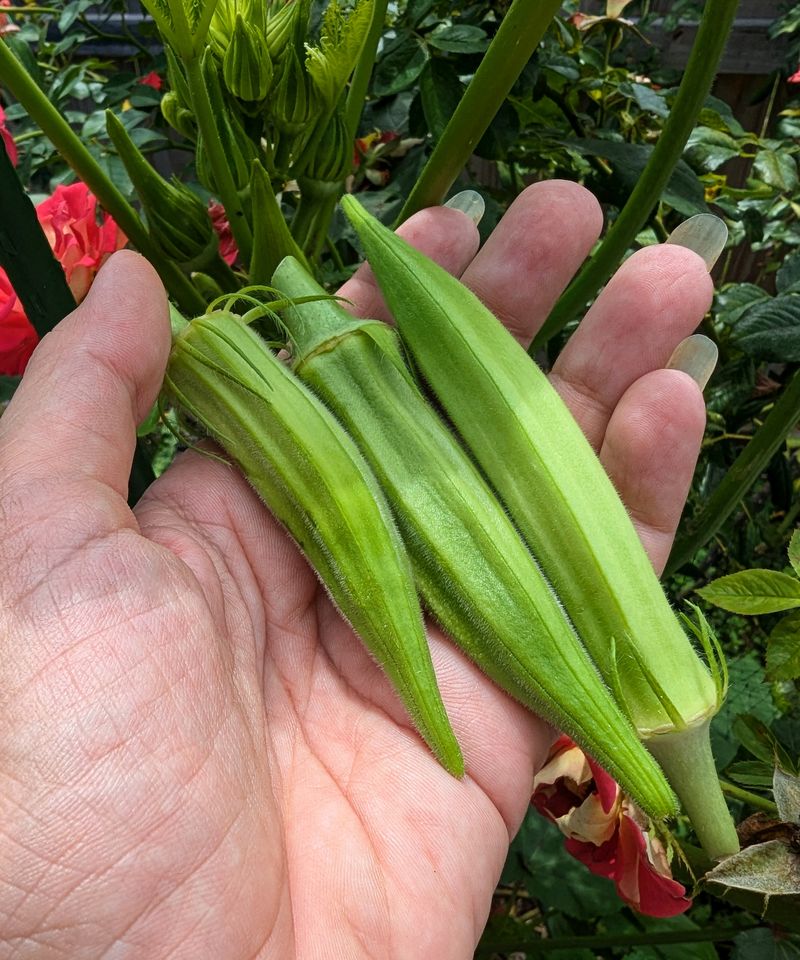
Consistent harvesting is the real secret behind high-yielding okra plants. Picking every two to three days keeps plants in active production mode.
When pods are removed regularly, the plant responds by setting more flowers. More flowers mean more pods, and that cycle keeps going through the season.
Skipping harvests for a week, even once, can break that momentum. Pods that get too big send the wrong signal, and plants pull back on new growth.
Frequent harvesting also keeps your kitchen stocked with tender, usable okra instead of oversized pods you cannot do much with.
Okra plants in full production can set new pods faster than most people expect.
During peak summer weeks, checking every other day is a reasonable approach.
Yields depend on several factors including soil health, water, and sunlight, so results will vary from garden to garden. However, harvesting frequency is one variable you can directly control.
Gardeners in the Southeast who harvest on a tight schedule often report longer productive seasons.
Plants that are picked regularly tend to keep flowering further into the season.
Set a simple routine. Pick a day, grab a bag, and walk your rows.
Doing it on a schedule makes it easier to stay consistent without letting pods slip past their window.
4. Pick Pods While They Are Still Tender
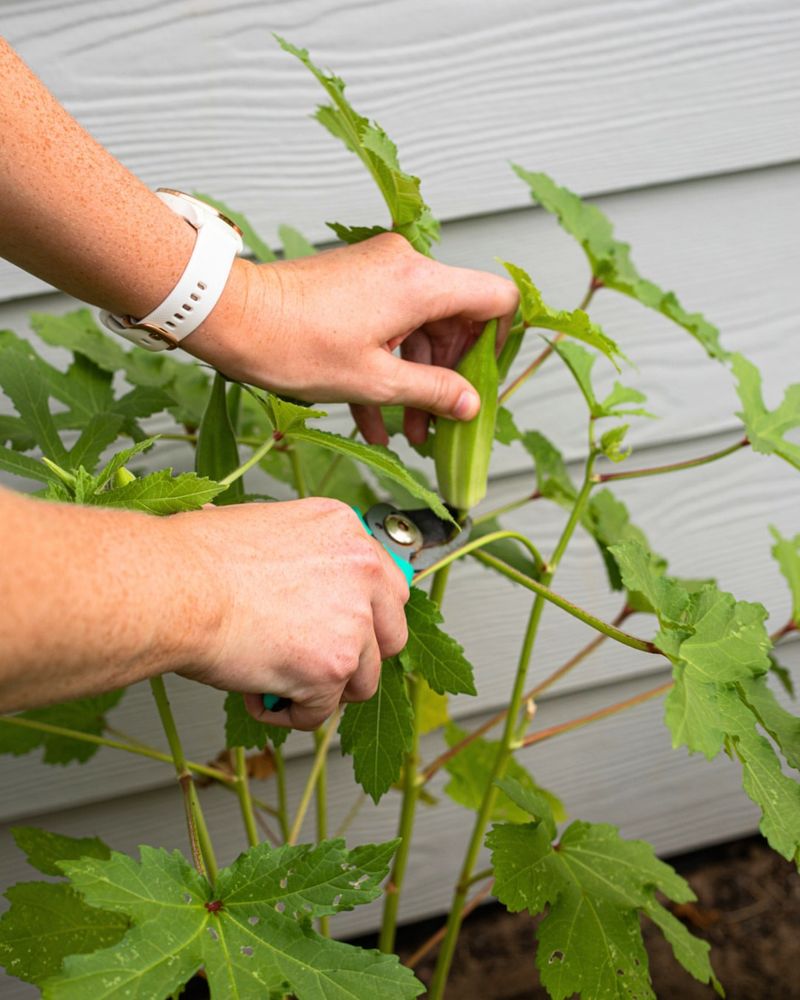
Tenderness is the goal. A pod picked at the right time snaps cleanly, cooks quickly, and tastes far better than one that has been left too long.
Most gardeners learn the size window by feel after a few harvests. Pods that give slightly under light pressure are usually in good shape.
Length is a helpful guide but not a perfect one. Weather, variety, and plant health all affect how fast pods develop texture.
In general, smaller pods in the 2 to 4 inch range tend to be more tender. Larger pods often have tougher walls and more developed seeds inside.
Wearing gloves is worth mentioning here. Okra plants have fine bristles that irritate skin on some people.
A light pair of garden gloves makes harvesting more comfortable.
Use scissors or a small knife to cut pods from the stem cleanly. Pulling or twisting can stress the plant or snap off branches you did not mean to remove.
Fresh-picked okra stores best when kept cool and used within a couple of days. Leaving it at room temperature speeds up texture changes.
Picking at the tender stage is a habit worth building early in the season.
Once you get a feel for what a good pod looks and feels like, the process becomes quick and almost automatic.
5. Check Plants More Often During Hot Weather
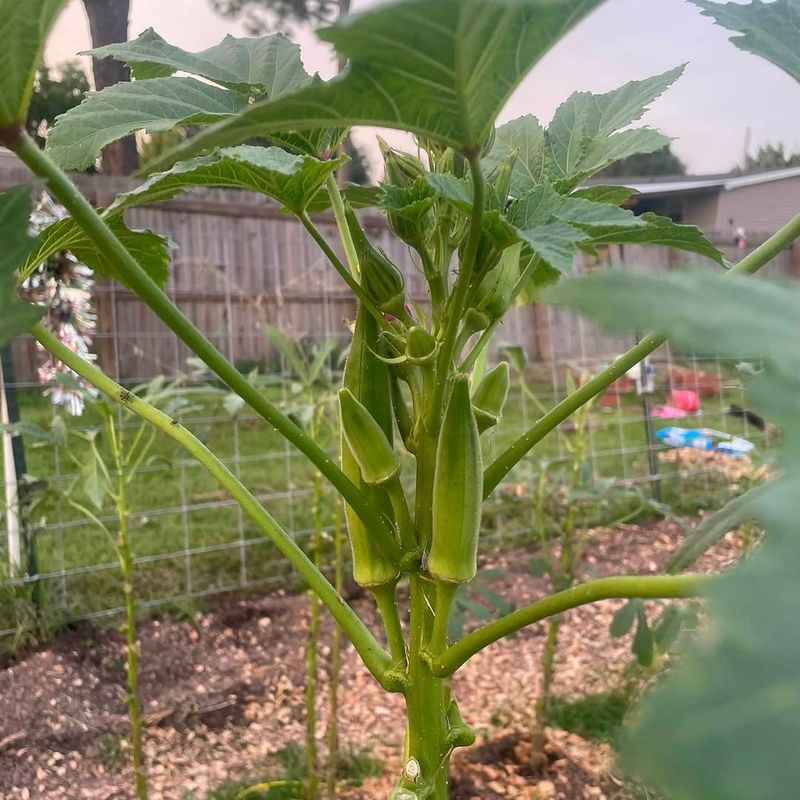
Heat speeds everything up. Pods that looked small yesterday can be oversized by tomorrow morning during a heat wave.
In Georgia, summer temperatures regularly push into the upper 90s. At those temperatures, okra grows fast, and the harvest window narrows significantly.
Checking plants every day during the hottest weeks is a reasonable precaution. It takes a few extra minutes but prevents a lot of wasted pods.
Hot weather also stresses plants in other ways. Soil dries out faster, flowers can drop before setting pods, and plants need more water to stay productive.
Watering consistently during heat stretches helps keep production steady. Plants that dry out too much between waterings tend to slow down regardless of how often you harvest.
Morning is the best time to check and harvest. Pods are firmer and cooler, and you avoid working in peak afternoon heat.
Pay extra attention after several consecutive hot days. That is when pods are most likely to sneak past their ideal harvest size without you noticing.
A quick daily walk through your garden during summer heat costs almost nothing in time.
Catching pods at the right moment during those stretches is much easier than trying to recover from a week of missed harvests.
6. Remove Overgrown Pods Right Away
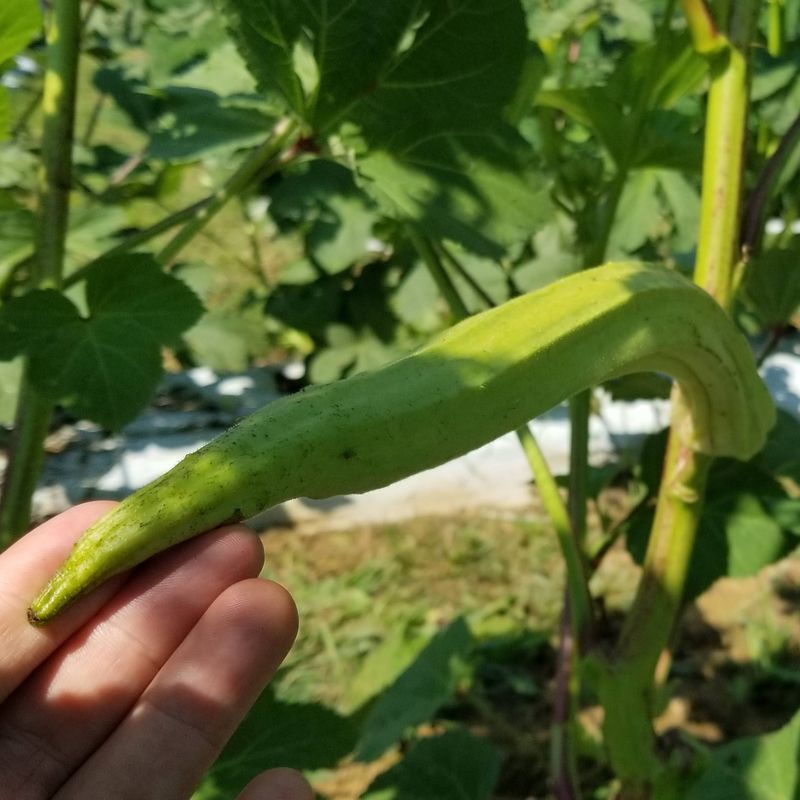
Spotting an overgrown pod is not a reason to feel defeated. Removing it quickly is the right move, and the plant can bounce back.
Overgrown pods pull resources from the rest of the plant as long as they stay attached. Getting them off the stem stops that drain right away.
Do not leave them on the plant hoping they will somehow become usable. They will not get more tender.
Once the texture has developed, it stays.
Cut them off cleanly at the stem. Toss them in a compost pile, or set a few aside to dry fully if you want seeds for next season.
After removing overgrown pods, give the plant a few days to reset. New flower buds should appear, and fresh pods will follow if conditions are right.
Some gardeners in the South find that a mid-season cleanup of overgrown pods gives their plants a second wind. It is not a fix for neglect, but it does help.
Soil nutrition and water availability still matter.
A plant that is running low on nutrients may not recover as quickly even after pods are removed.
Treat pod removal as a regular maintenance task rather than an emergency fix.
Staying ahead of it keeps plants in a productive rhythm without needing dramatic intervention.
7. Keep Harvesting Until The Season Ends
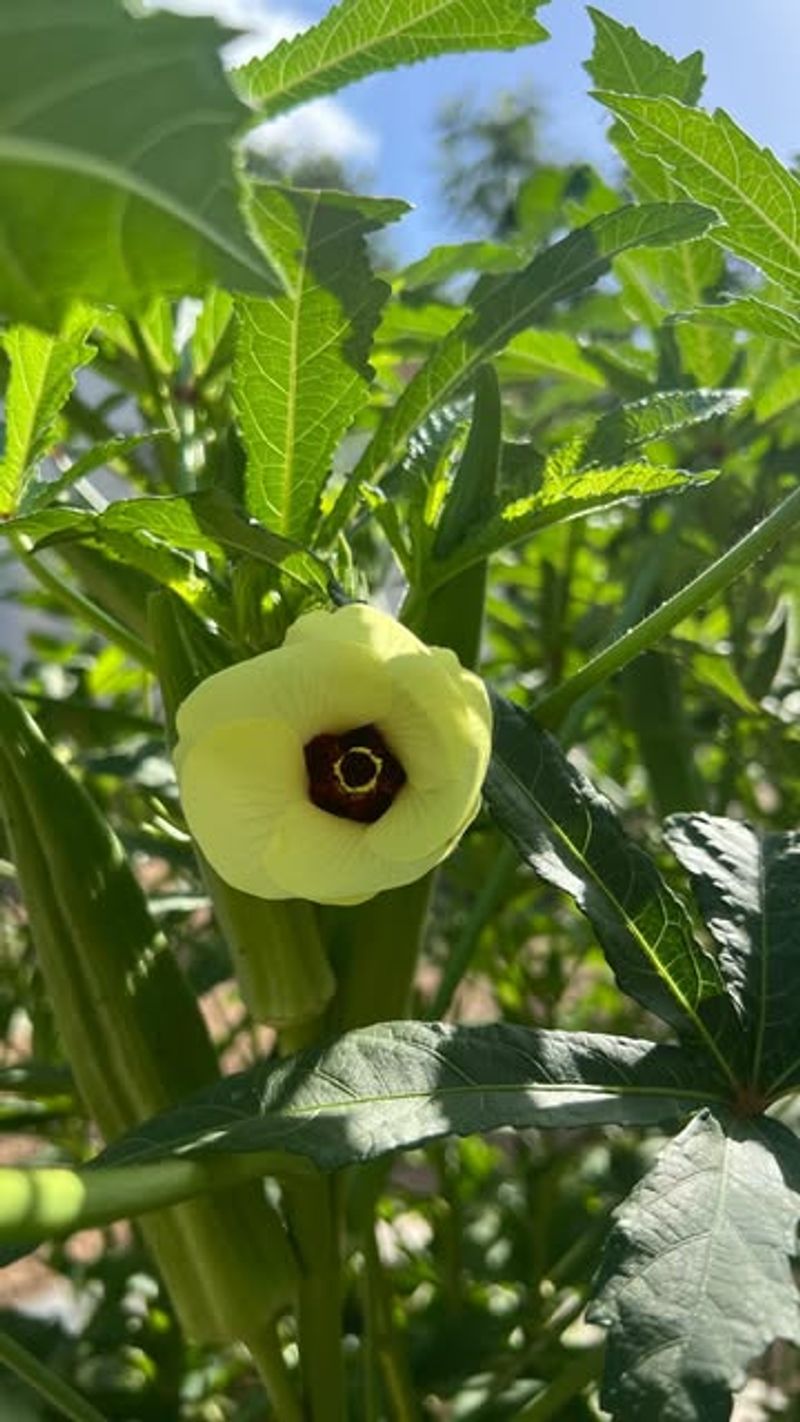
Okra keeps producing well into late summer and sometimes into early fall across the Southeast. Stopping too soon means leaving good harvests behind.
Plants that have been maintained well can carry on for weeks longer than most gardeners expect. Consistent harvesting through the whole season is what keeps them going.
Cooler nights in September can slow pod development, but plants often continue setting new pods at a reduced pace. Worth checking rather than assuming the season is over.
Toward the end of the season, you can let a few pods mature fully on the plant for seed saving.
Choose healthy, well-formed pods from your most productive plants.
Those dried seeds can be saved and planted next year. Seed saving is a practical way to keep growing a variety that has worked well in your garden.
Late-season okra plants sometimes look ragged. Leaves may be tattered and stems woody, but the pods can still be perfectly good if harvested at the right size.
Judge by the pods, not by how the plant looks. A tired-looking plant can still deliver a solid harvest if you stay committed through the final weeks.
Finishing the season strong takes the same habit that started it: checking plants regularly and picking pods before they pass their window. Stay consistent and you will get every pod the plant has to offer.