Florida Garden Upgrades That Replace Patchy Grass Without Causing More Stress
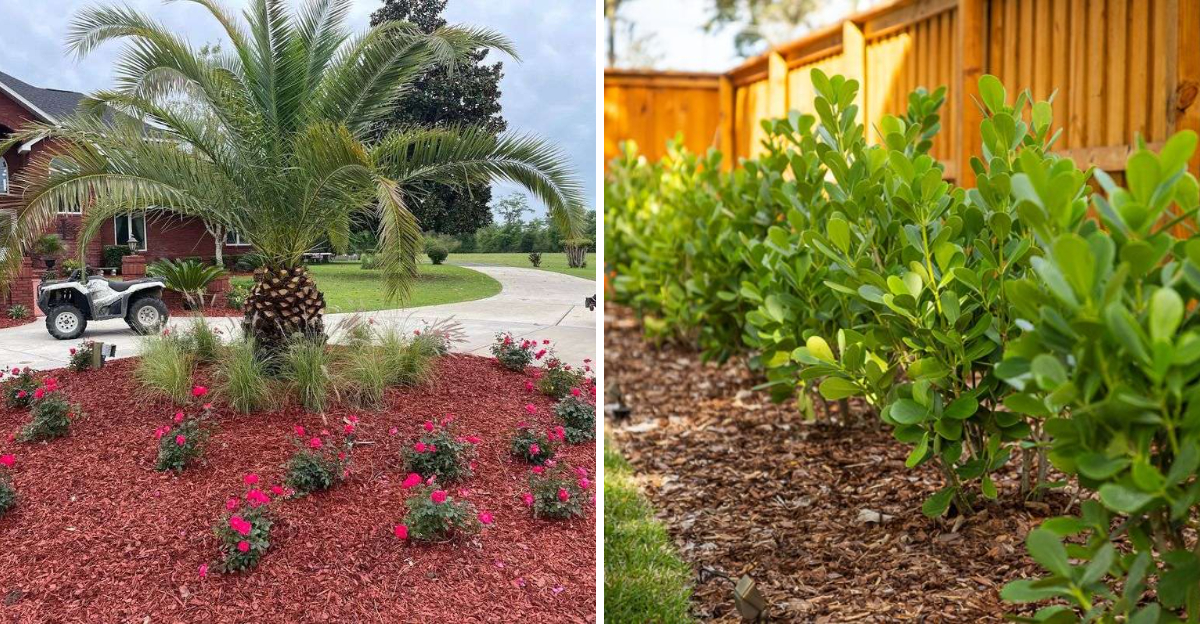
Patchy Florida lawn has a way of becoming a seasonal fixture that nobody planned for and nobody knows how to end. Reseed it, it comes back patchy.
Sod it, the edges fail. Water it more, the wrong things thrive.
The grass that was supposed to fill in never quite does, and the bare spots become a permanent feature of a yard that deserves better. The upgrade that actually works is not always more grass.
Certain garden replacements handle the patchy spots honestly, establish without the drama that turf demands, and stop the cycle of intervention that keeps the problem alive season after season.
Florida’s climate makes some of those replacements easier than they would be anywhere else.
Warm soil, reliable rainfall through summer, and a plant palette built for exactly these conditions. Patchy grass is a starting point, not a sentence.
The right upgrade makes it the last time that conversation happens.
1. Stop Replanting Grass Where It Never Thrives
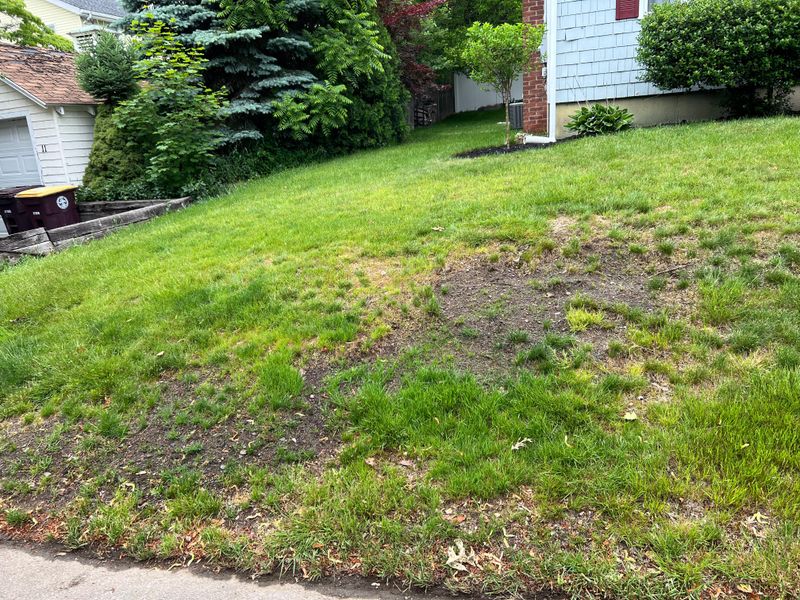
Fresh sod laid over the same bare corner last spring is already thinning by July, right on schedule. Before choosing any replacement, take time to figure out why that spot keeps failing.
Resodding, overseeding, or adding fertilizer will not fix an unsuitable site. The turf is showing you a symptom, not causing the problem.
Common causes include deep shade, compacted soil, standing water after rain, uneven sprinkler coverage, heavy foot traffic, and tree-root competition.
Thin or brown turf can also result from pest activity, fungal disease, salt exposure, pet use, or mowing too short.
No single symptom points to one guaranteed cause, so observe the spot across different conditions.
Walk the area after a heavy rain and check whether water pools or drains quickly. Watch how sunlight moves across the patch throughout the day.
Note where people and pets tend to walk, and check whether nearby sprinkler heads actually reach the trouble zone. A basic soil test through a local extension office can reveal compaction, pH issues, or nutrient problems that are not obvious by sight.
A smaller, healthier lawn that fits the site will always outperform turf forced across conditions it cannot handle. Ruling out a fixable irrigation or drainage issue before committing to a full replacement saves time, money, and repeated effort.
2. Fill Sunny Bare Spots With Tough Groundcovers
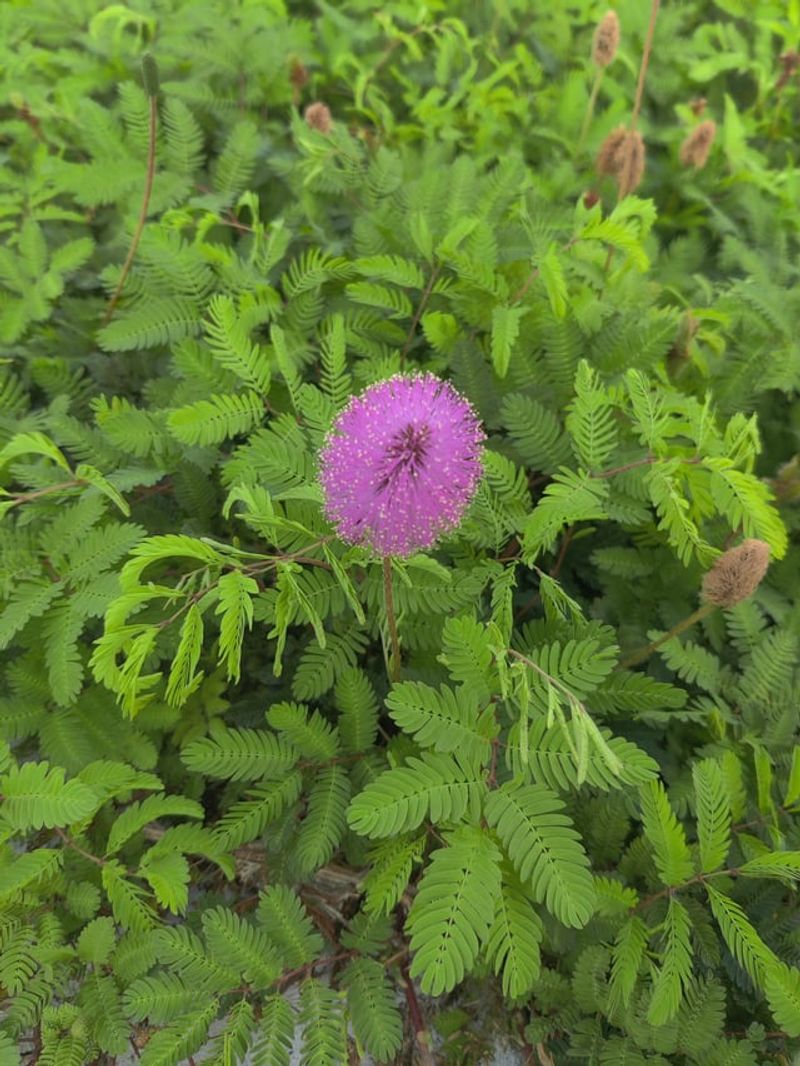
Direct sun hits an exposed patch of soil and bakes it hard by midmorning. If turf has repeatedly struggled in a bright, open area, a low-growing groundcover matched to those exact conditions may hold the ground far more reliably.
The key word is matched. Sunlight intensity, soil type, drainage, and foot traffic all affect which plant will actually establish and spread.
Sunshine mimosa (Mimosa strigillosa) is a Florida-native, low-growing option that tolerates heat and moderate drought once established, according to UF/IFAS guidance.
Frogfruit (Phyla nodiflora) is another regionally supported choice for sunny, well-drained spots and is recognized for supporting pollinators.
Neither plant handles constant foot traffic, so stepping stones through planted areas keep people on a safe route without compacting roots.
Your Florida Garden Changes Every Week. Your Plan Should Too.
Gardening in Florida changes quickly throughout the season. Every Friday you’ll receive a simple weekly plan showing exactly what to plant, prune, fertilize, harvest, and protect so you never miss the right timing.
Spreading groundcovers and clump-forming perennials behave very differently. A spreading type fills bare ground between plants over time, while a clumping type stays in place and leaves gaps that weeds will fill.
Plan for weed control during the establishment period, because new plantings need consistent attention before they close in.
Most groundcovers need regular irrigation until their roots develop fully. Drought tolerance, when it exists, comes after establishment, not before.
Always check whether a fast-spreading species is listed as invasive in your region before purchasing.
3. Turn Shady Patches Into Layered Planting Beds
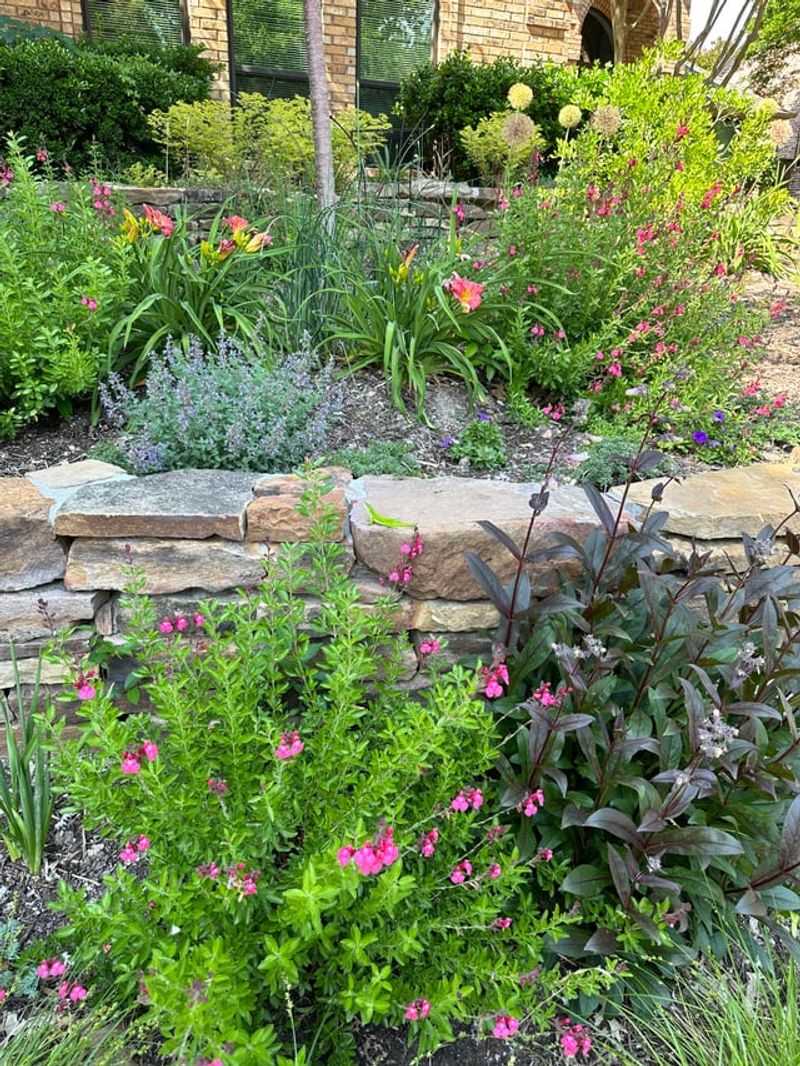
Beneath a dense canopy or along the shaded wall of a building, bare soil is almost expected. Turf rarely succeeds under these conditions, and planting a more shade-tolerant grass variety often leads to the same result within a season or two.
Strong root competition and low light together create a situation where most turf simply cannot sustain itself.
Creating a layered bed with shrubs, ferns, Florida native sedges, or low perennials gives that space a purpose that matches its actual light level. Shade is not one condition.
Filtered morning light, deep afternoon shade, and shifting seasonal sun each call for different plants. Observe how light moves through the spot before selecting anything.
Protecting existing tree roots during bed preparation matters a great deal. Avoid deep digging, aggressive tilling, or cutting through large roots to level the ground.
Adding several inches of fresh soil over an established root zone can harm the tree over time. Instead, work with the existing grade and use mulch between new plants while the bed fills in.
Shade beds still require weeding, occasional pruning, and plant replacement when something does not perform. Space plants according to their mature size and allow airflow between them.
A thoughtfully spaced bed looks intentional and stays healthier than one that is overcrowded from the start.
4. Replace Worn Paths With Gravel Or Stepping Stones
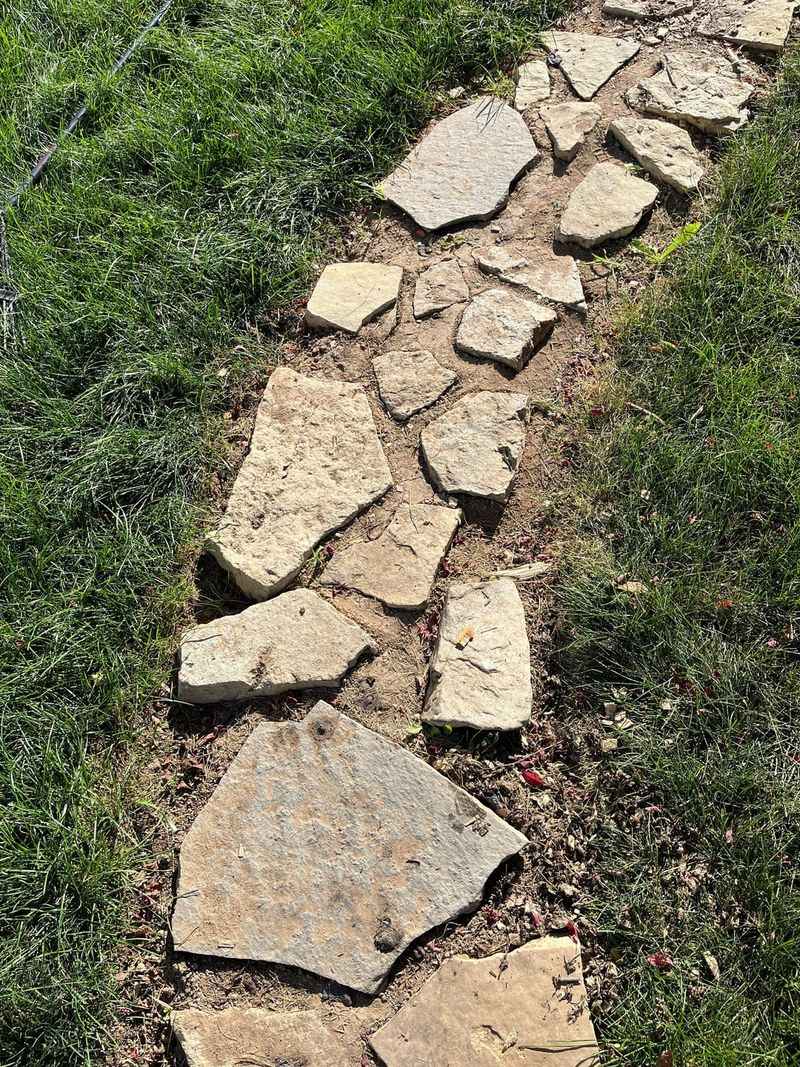
A worn route cuts across the yard in almost every Florida property, worn not by accident but by habit. People, pets, and carts follow the shortest line between two points, and turf along that line rarely survives long.
Replanting it is a short-term fix. Designing a real path there is a lasting one.
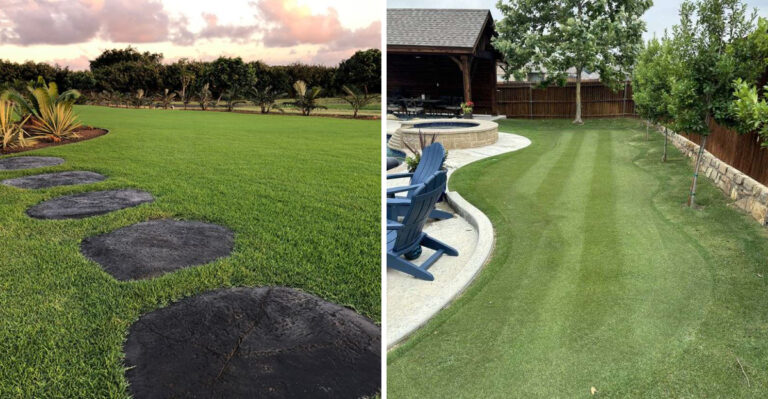
Stepping stones, decomposed granite, pea gravel, shell, or permeable pavers each offer a different balance of drainage, stability, cost, and upkeep.
Permeable surfaces allow rainwater to soak through rather than run off, which matters in areas with sandy or compacted ground.
Check local stormwater and impervious-surface rules before committing to any solid paving material.
Loose gravel can be difficult to navigate for anyone using a wheelchair, stroller, or walker. Stability and surface texture deserve as much attention as appearance.
A firm, stable edging material keeps gravel or shell from migrating into beds, drains, or the surrounding turf over time.
Weed fabric placed beneath a gravel path slows weed growth but does not stop it permanently. Organic debris and windblown seeds collect above the fabric and eventually create a growing medium for weeds.
Plan for periodic path maintenance rather than expecting a one-time installation to stay clean. Always locate utility lines before digging, and avoid directing runoff toward a foundation or neighboring property.
5. Use Native Sedges In Damp Trouble Zones
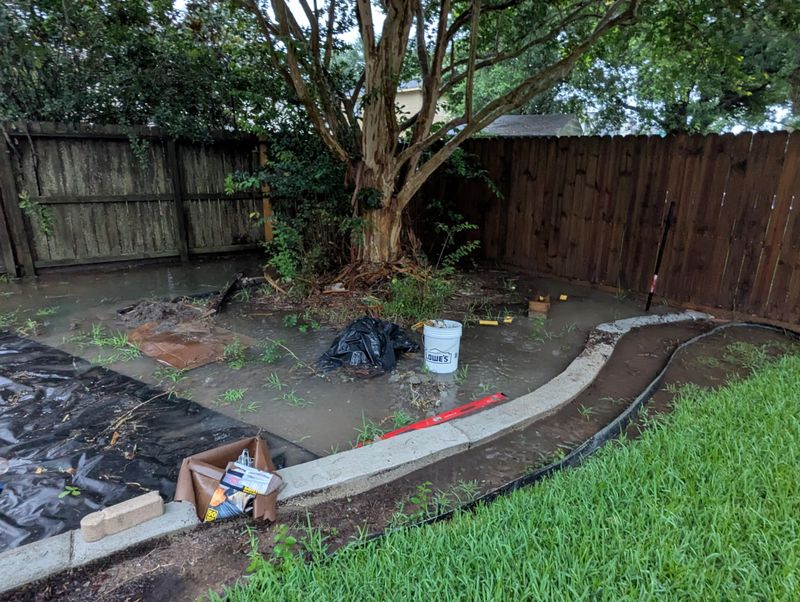
Water lingers in a low spot for days after a good rain, and whatever turf was planted there looks weak and yellowed most of the year. Some areas simply stay wetter than others, and conventional turf grasses are not built for periodic saturation.
Florida native sedges offer a different kind of solution for these trouble zones.
Sedges are grass-like plants, but they belong to a separate plant family. Their stems are typically triangular in cross-section rather than round or flat like true grasses.
Not all sedges prefer wet conditions, and they are not all interchangeable. Species selection must match the specific light level, moisture pattern, and mature size needed for the site.
Lopsided Indiangrass and various Carex species native to the region may suit rain-garden edges or seasonally moist beds. It depends on the specific cultivar and local guidance.
Sedges suited to periodic wetness may still struggle in areas with stagnant or standing water year-round. Serious drainage failures near buildings often require professional grading or drainage work before any planting succeeds.
Grouped sedges read as a deliberate planting rather than an untended patch. They do require occasional trimming and seasonal cleanup.
Wildlife and erosion-control benefits vary by species and site, so check regional horticultural resources before making specific claims about any one plant.
6. Build Mulched Islands Around Trees And Shrubs
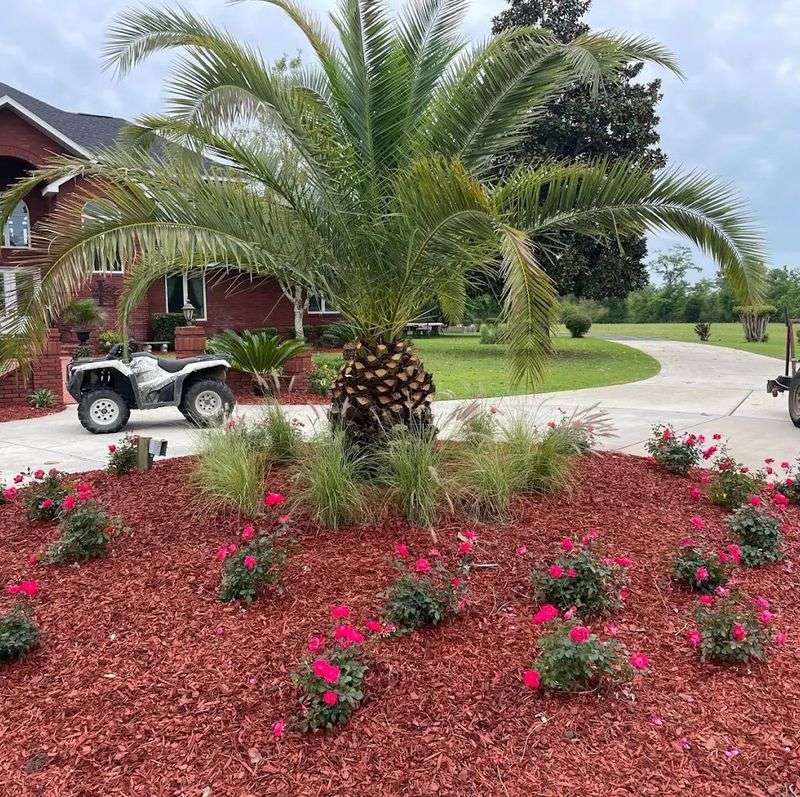
A mower clipping too close to a trunk, or a string trimmer grazing a surface root, leaves marks that accumulate over time and weaken established trees. Thin turf near trunks is one of the most common signs that the area needs a different approach entirely.
Extending a mulched bed outward from the trunk reduces mowing pressure and protects roots that have risen above the soil surface.
UF/IFAS guidance recommends keeping mulch two to three inches deep and pulling it several inches away from the trunk and main stems. Piling mulch against bark traps moisture and creates conditions that encourage rot and pest activity.
The goal is a wide, relatively flat ring, not a volcano-shaped mound built up around the base.
Surface roots should not be cut or buried to create a level bed. Covering them with fresh soil or thick mulch can interfere with gas exchange and stress the tree over several seasons.
Shape the bed to follow the natural root zone rather than forcing a tidy circle that ignores what the tree actually needs.
A defined edge, whether cut or bordered with a low edging material, gives the bed a finished appearance. Check mulch depth after storms, heavy mowing nearby, or animal activity.
Fallen leaves may be used as supplemental mulch in suitable beds, but avoid piling diseased plant debris beneath trees or shrubs.
7. Shrink The Lawn With Low Care Borders
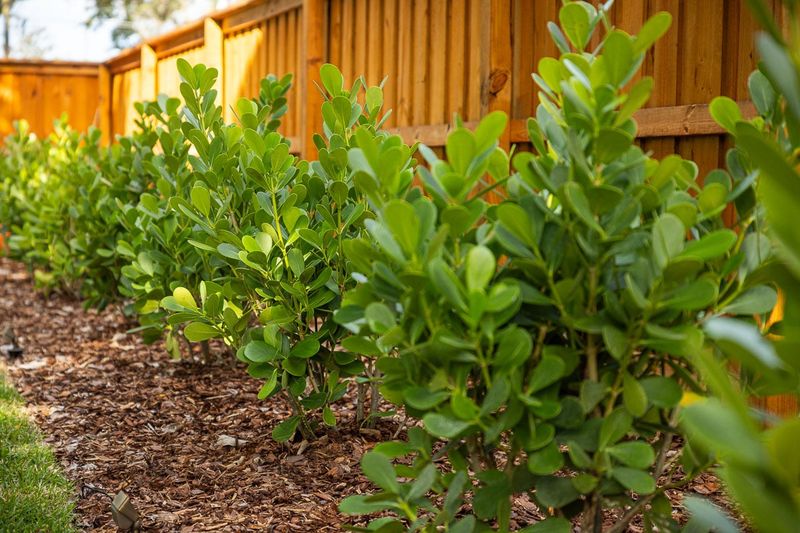
A narrow strip between the fence and the mower’s turning radius is one of the most frustrating pieces of turf to maintain. Mowers cannot always reach it cleanly, sprinklers rarely cover it evenly, and it dries out or floods faster than the main lawn.
Widening an existing bed along that edge is often simpler than trying to keep the strip alive.
Borders along driveways, foundations, sidewalks, and property lines work best when designed with mature plant size in mind. A shrub that reaches six feet wide placed eighteen inches from a wall will need constant cutting back within a few years.
Choose plants whose natural mature size fits the space without requiring repeated shearing to stay in bounds.
Repeating the same two or three plant species in a border creates a cohesive look and simplifies maintenance. Too many unrelated species in one border increases the number of different pruning schedules, watering needs, and seasonal care tasks.
Keeping it simple reduces the workload without reducing the visual interest.
Access to utility boxes, meters, and air-conditioning equipment must remain clear. Avoid placing thorny plants or wide spreaders where they block sightlines near a driveway entrance or walkway.
Low care describes the long-term routine, not the establishment period. New borders need consistent watering, weeding, and monitoring until plants are settled and filling in.