What It Means When A Georgia Magnolia Starts Dropping Its Leaves
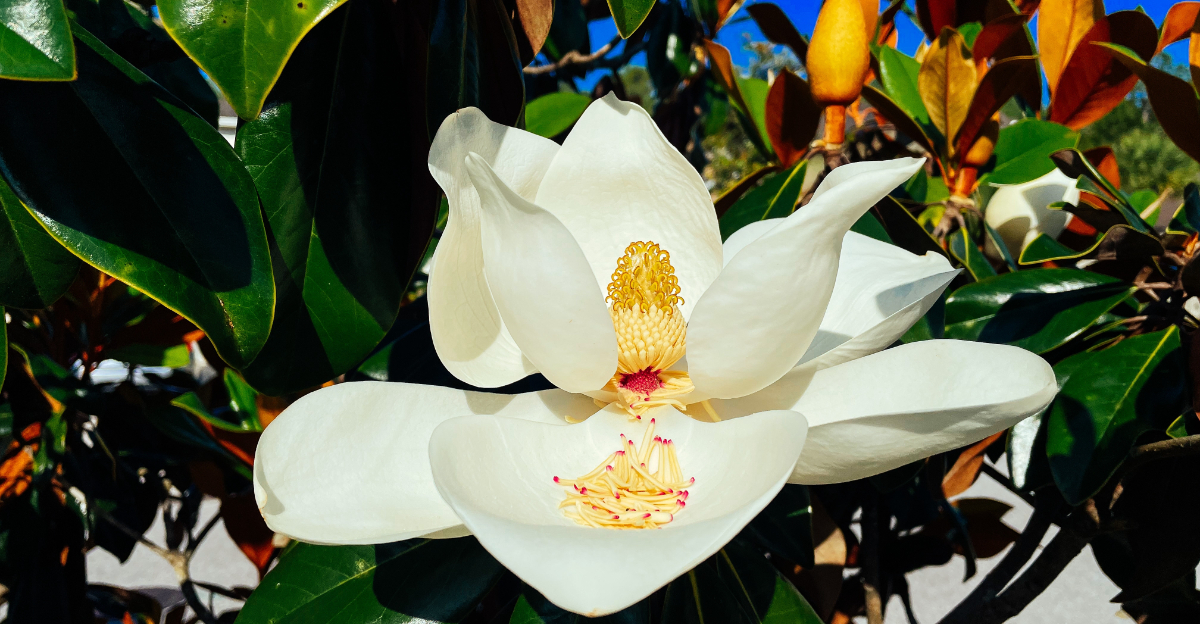
Seeing leaves fall from a magnolia can quickly make any homeowner worry. Before you assume the worst, it helps to understand what your tree may be telling you in Georgia.
Leaf drop does not always point to a serious issue. In many cases, there is a simple explanation behind the change.
Looking closely at the timing and the tree’s condition can reveal important clues. Those details often matter more than you might expect.
Do not ignore sudden changes, but do not panic either. A careful look now can help you respond the right way.
Healthy magnolias naturally change throughout the year. Knowing what is normal makes unusual leaf loss much easier to recognize.
The reason behind falling leaves is often easier to identify than most homeowners expect once you know what signs to watch for.
1. Older Leaves Naturally Drop In Late Summer
Seeing leaves fall from a magnolia tree in late summer can catch any gardener off guard. Before you start worrying, take a closer look at which leaves are falling.
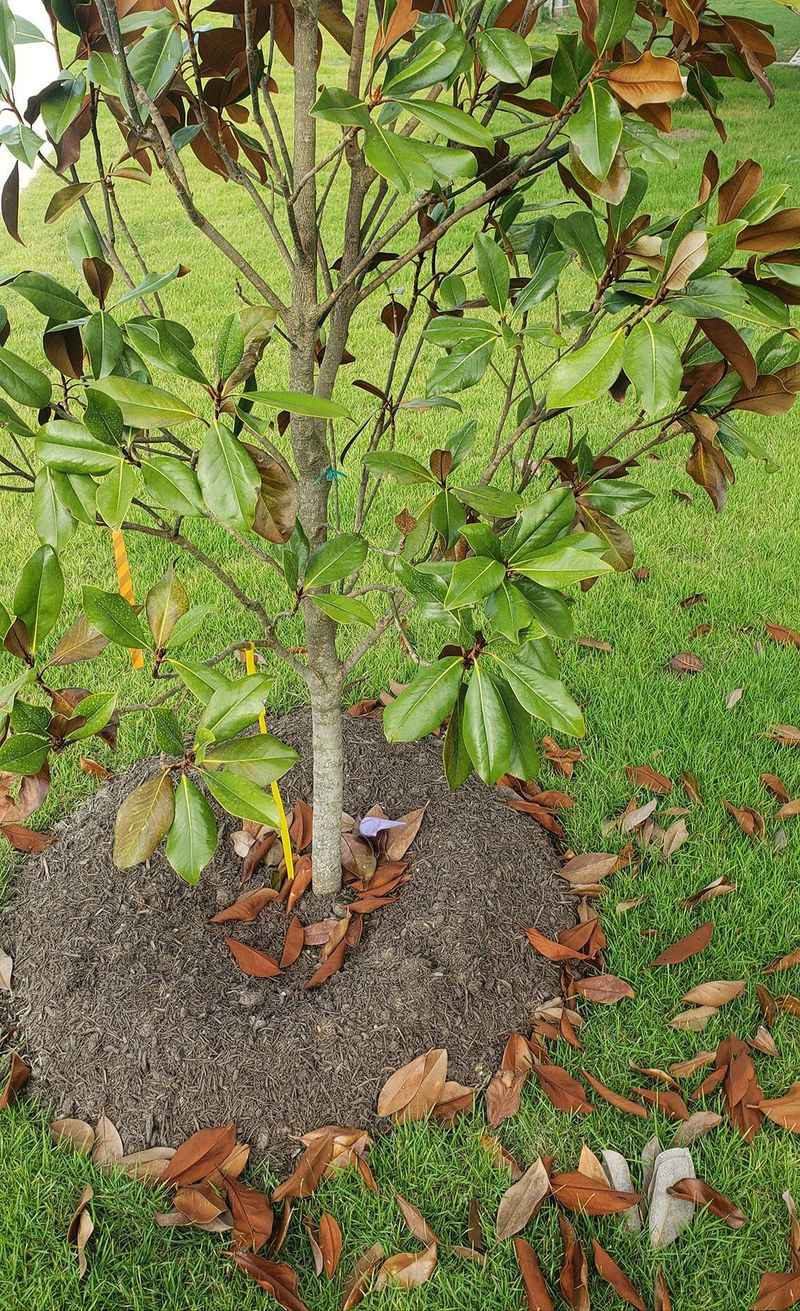
Magnolias are technically evergreen, but that does not mean they hold onto every single leaf forever. Older leaves, usually found on the lower or inner branches, go through a natural cycle of yellowing and dropping.
This typically happens once a year, most often in late spring or late summer.
Healthy new growth will appear at the same time or shortly after. If the leaves dropping are brown or yellow and located near the base of the branch rather than the tips, natural shedding is likely what you are seeing.
No intervention is usually needed when this is the case. Just rake up the fallen leaves to keep the area tidy and reduce any potential for fungal buildup on the ground.
Leaving a thick layer of debris under the tree can hold moisture in ways that may cause problems later.
Pay attention to the overall look of the canopy. If the upper branches still have full, glossy foliage and new leaves are emerging, your tree is most likely doing just fine.
Seasonal leaf drop in magnolias is normal and not a sign of trouble when the rest of the tree looks healthy.
2. Dry Soil Can Trigger Early Leaf Loss
Magnolias are tougher than they look, but dry soil will push them into stress faster than most people expect. Leaf drop is one of the first visible signs that a tree is not getting enough water.
During hot, dry stretches, the soil around your magnolia can lose moisture quickly, especially in sandy or shallow soils.
When roots cannot pull up enough water, the tree may shed leaves to reduce the amount of moisture it needs to keep moving through its system.
Checking soil moisture is simple. Push a finger or a screwdriver about two to three inches into the ground near the drip line of the tree.
If it feels bone dry, your magnolia likely needs a good deep watering.
Slow, deep watering works better than quick surface sprays. A soaker hose or slow trickle at the base for an extended period lets moisture reach deeper root zones.
Your Georgia Garden Changes Every Week. Your Plan Should Too.
Gardening in Georgia changes quickly throughout the season. Every Friday you’ll receive a simple weekly plan showing exactly what to plant, prune, fertilize, harvest, and protect so you never miss the right timing.
Aim for watering once or twice a week during dry spells, adjusting based on rainfall.
Adding a layer of organic mulch around the base of the tree, about two to three inches thick, can help retain soil moisture between waterings. Keep the mulch pulled back slightly from the trunk to avoid creating a damp environment right against the bark.
Consistent moisture management makes a real difference over time.
3. Root Stress Often Shows Up In The Leaves
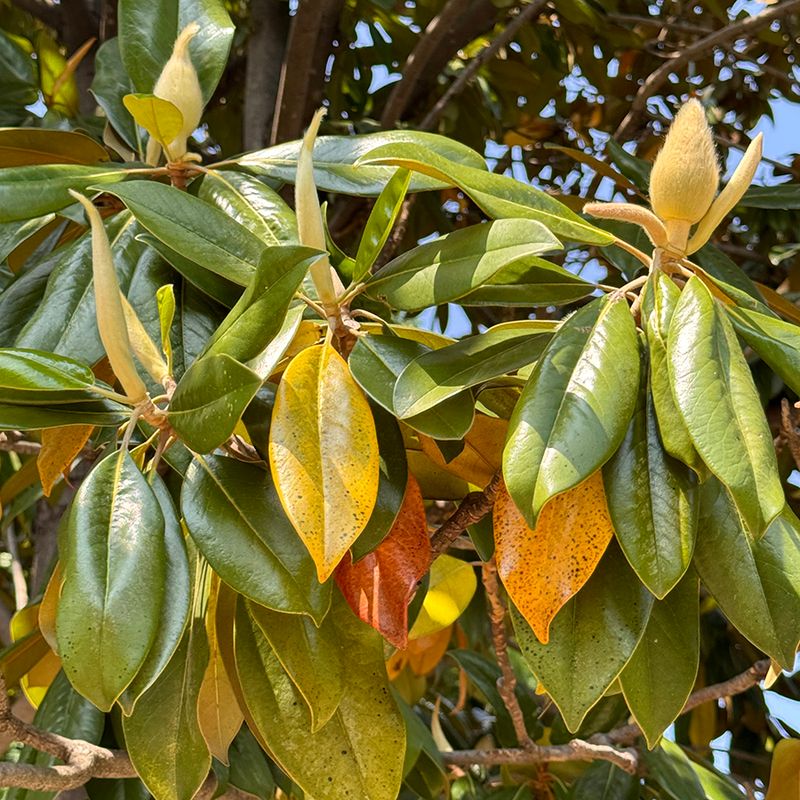
Root problems rarely announce themselves loudly. Instead, they show up quietly through the leaves, which is why sudden or unusual leaf drop deserves a closer look below the surface.
Magnolia roots are surprisingly shallow and wide-spreading. Soil compaction from foot traffic, parked vehicles, or nearby construction can limit how well roots take in water and nutrients.
When roots are stressed, the tree responds by shedding leaves to manage its energy load.
Root damage from nearby digging or lawn work is another common culprit. Even cutting through a few significant roots during landscaping projects can affect how the tree functions over the following weeks or months.
Improving the soil around a stressed magnolia takes patience. Aerating compacted soil carefully, without cutting into roots, can help oxygen and water move more freely.
Adding compost to the surface around the drip line gradually improves soil structure over time.
Avoid piling heavy materials near the base of the tree. Keep foot traffic around the root zone minimal, especially during hot or dry periods when the tree is already working harder to stay hydrated.
Root stress recovery is not instant. Giving the tree time, consistent watering, and protection from further disturbance is usually the most effective approach.
In Georgia, where summer heat intensifies root stress quickly, early action matters more than waiting to see how bad things get.
4. Leaf Spot Diseases Can Cause Leaves To Fall
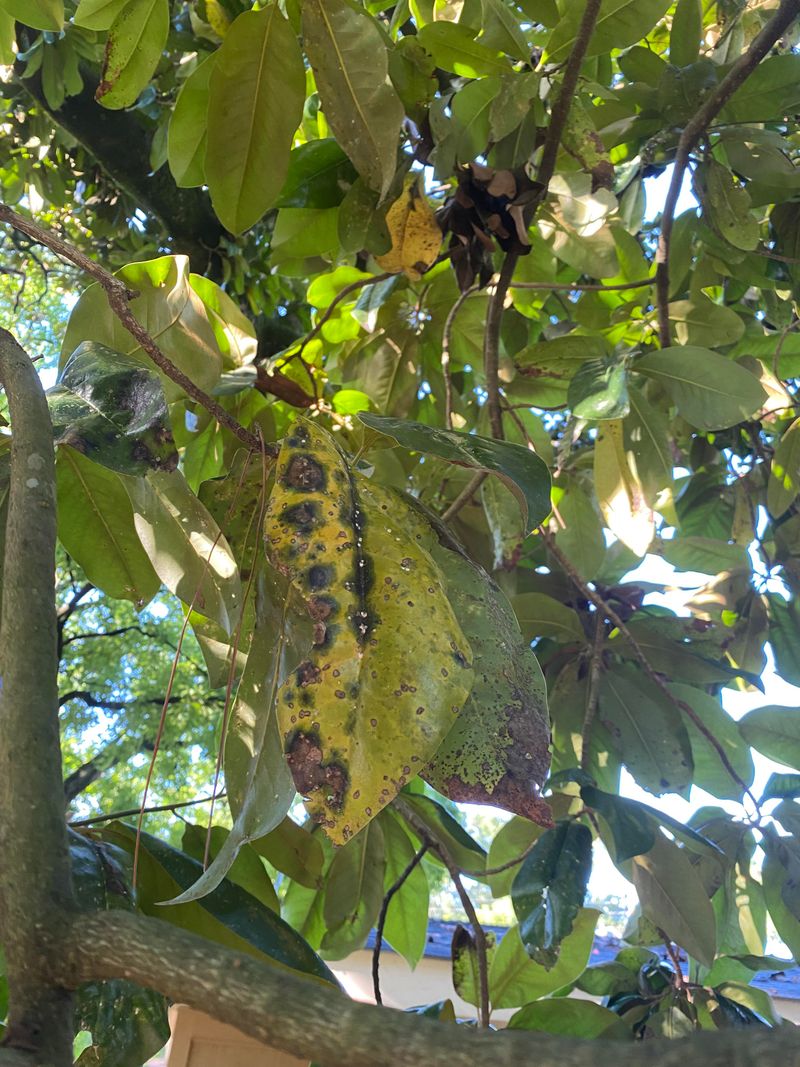
Spotty, discolored leaves that start falling off mid-season are not just an eyesore. They can be an early warning sign of a fungal or bacterial leaf spot disease taking hold in your magnolia.
Leaf spot diseases tend to show up during periods of high humidity combined with warm temperatures, conditions that are common across much of the South.
Circular or irregular dark spots appear on the leaf surface, sometimes with a yellow halo around them. Affected leaves may curl, brown at the edges, and eventually drop.
Algal leaf spot is also worth knowing about. It creates a rough, greenish or rusty coating on leaf surfaces and is more common in humid, shaded spots where air circulation is poor.
Improving airflow around the tree can reduce how quickly these diseases spread. Pruning crowded or crossing branches opens up the canopy and lets more light and air move through.
Avoid overhead watering, which keeps foliage wet for extended periods.
Fallen leaves should be cleared away promptly rather than left to sit under the tree. Fungal spores can linger in leaf debris and reinfect the tree during the next wet period.
Copper-based fungicide sprays are sometimes used to manage persistent leaf spot issues, but proper identification of the specific disease matters before applying any treatment.
When in doubt, a local cooperative extension office can help with diagnosis.
5. Scale Insects Weaken Magnolia Trees
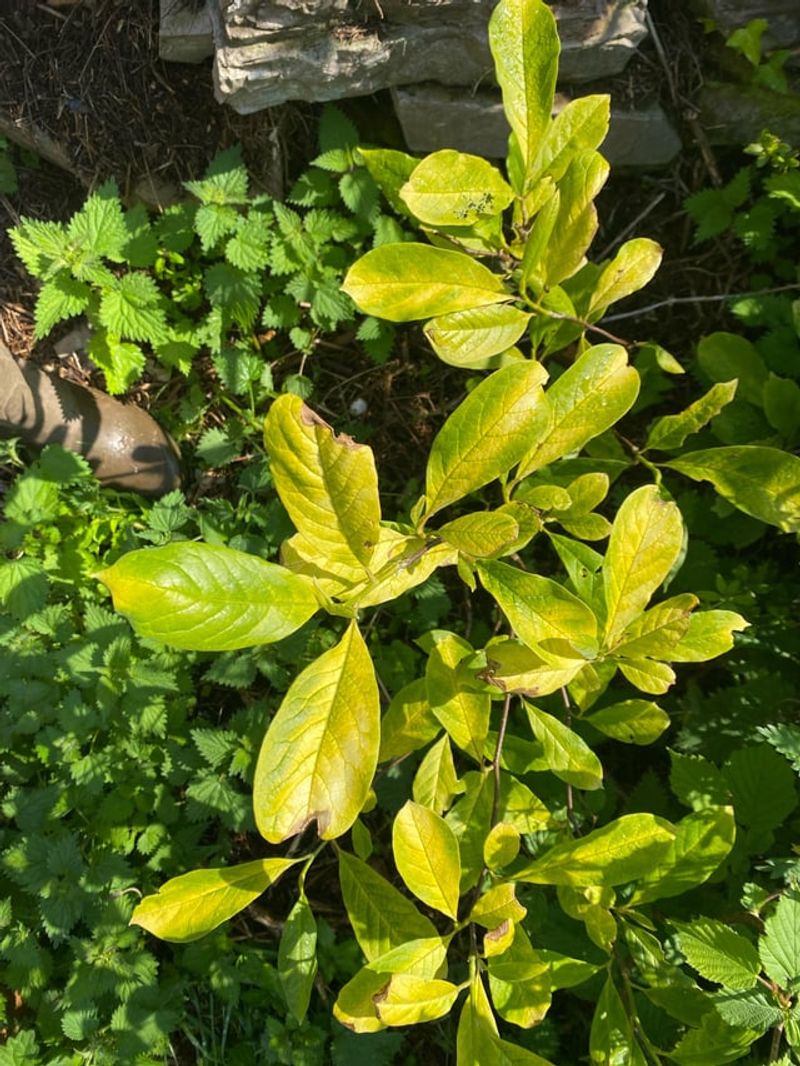
Tiny insects can cause surprisingly big problems for a magnolia.
Scale insects are one of the more common pests found on magnolias across the Southeast, and they are easy to overlook until real damage has already built up.
Scale insects attach themselves to stems and the undersides of leaves, where they feed on plant sap. They often look like small bumps, either brown, white, or waxy in texture, and they do not move once settled.
Over time, heavy infestations pull nutrients away from the tree, leading to yellowing leaves and early leaf drop.
A sticky residue called honeydew is another clue.
Scale insects excrete it as they feed, and it can coat leaves and branches, sometimes leading to a secondary black mold called sooty mold that further blocks light from reaching leaf surfaces.
Catching scale early makes management much easier. A strong spray of water can knock small populations off stems and leaves.
Horticultural oil sprays, applied when temperatures are moderate, are effective at smothering scale insects on contact without harsh chemical residue.
Repeat applications are often needed since eggs can survive the first treatment. Check the undersides of leaves regularly during the growing season, especially in spring and early summer when populations tend to build.
Healthy, well-watered trees are better positioned to handle moderate infestations without significant leaf loss.
6. Heat Stress Can Speed Up Leaf Drop
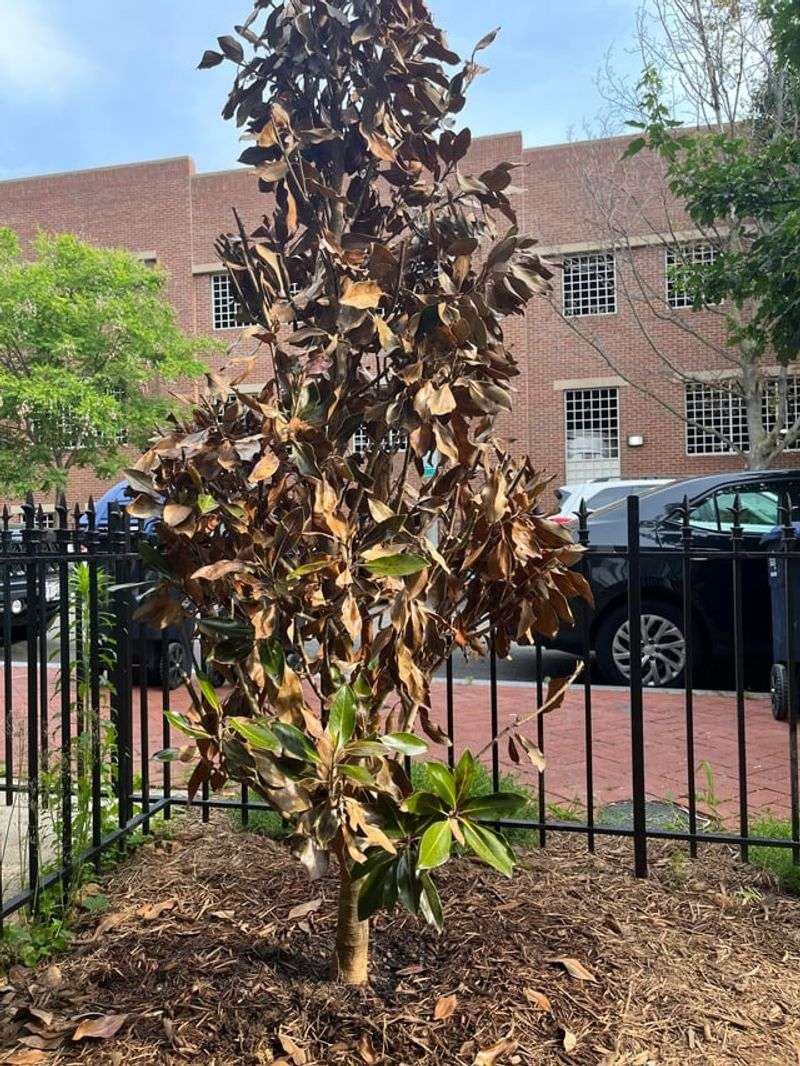
Summer heat in the South is no joke, and magnolias feel it too. Extended periods of high temperatures, especially when combined with low rainfall, can push a tree into visible stress within a matter of weeks.
Heat stress causes moisture to evaporate from leaves faster than roots can replace it. When that gap gets too wide, leaves begin to wilt, curl at the edges, or turn yellow before dropping.
Younger leaves at branch tips are sometimes the first to show signs, though it can vary depending on the tree and conditions.
Reflected heat from nearby pavement, walls, or driveways can make things worse. Magnolias planted close to hard surfaces often experience higher temperatures than trees in open lawn areas, even when rainfall is the same.
Mulching heavily around the base of the tree, without piling it against the trunk, helps keep soil temperatures lower and moisture levels more stable. A two to four inch layer of wood chip mulch makes a meaningful difference during heat waves.
Watering deeply and less frequently is more effective than shallow daily watering during hot spells. Deep watering encourages roots to grow downward, which gives the tree better access to cooler, moister soil layers.
Shade from nearby larger trees can offer some natural relief for younger magnolias that have not yet developed a full, established root system capable of handling intense summer heat.
7. New Growth Helps Replace Older Leaves
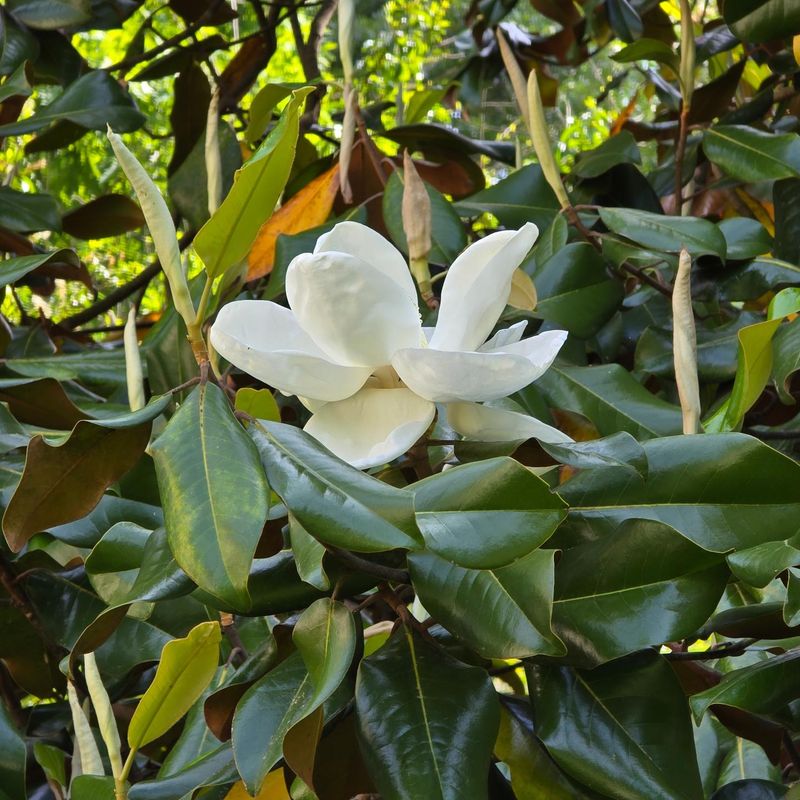
Not every leaf drop story ends with trouble. Sometimes, what looks like a problem is actually a sign that your magnolia is moving forward in its natural growth cycle.
Magnolias regularly shed older leaves to make room for fresh ones.
New leaves tend to emerge at the tips of branches, bright green and slightly soft before they harden into the glossy, deep green foliage the tree is known for.
Seeing this kind of new growth while older leaves fall is a reassuring sign.
Young magnolias in Georgia put a lot of energy into establishing their root systems during the first few years. Leaf drop during this phase can be more noticeable than in mature trees, but it is often part of how the tree adjusts to its environment.
Feeding your magnolia with a slow-release, balanced fertilizer in early spring can support healthy new growth without pushing the tree too hard.
Avoid heavy fertilizing in late summer or fall, which can stimulate tender new growth that may not hold up well heading into cooler months.
Pruning away damaged or crossing branches in late winter, before new growth begins, helps direct the tree’s energy toward healthy development. Clear out any old debris from around the base to keep the growing environment clean and well-aerated.
Watching for new leaf emergence is one of the best ways to confirm your magnolia is recovering and moving in a healthy direction.