Skip Annual Begonias In Shady Ohio Beds And Plant This Native Perennial Instead
Annual begonias in shady Ohio beds show up every spring with the same quiet reliability as a utility bill. Predictable, functional, gone by November, and requiring the same purchase again next year.
The cycle never ends and the bed never improves for it. One Ohio native perennial breaks that cycle entirely.
It comes back every season with more presence than the year before. It blooms in late summer when shady beds have run out of ideas.
It supports pollinator activity that a begonia never attracted in its entire lifespan. White wood aster does not need coddling through summer to earn its August and September moment.
It needs a shady Ohio bed and enough room to do what it was built to do. The begonia solved a problem.
This native solves the same problem and keeps solving it without anyone going back to the garden center.
1. White Wood Aster Brings Late Color To Shade
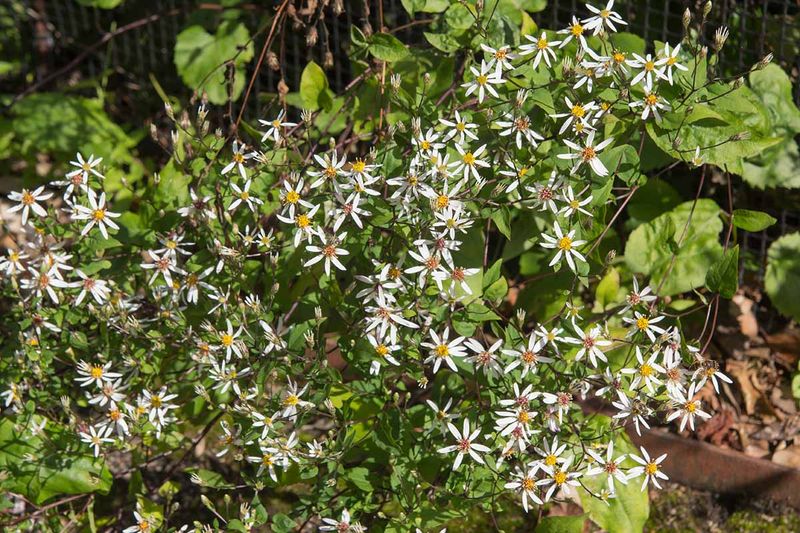
By late August, many shaded borders have lost most of their flower color. Spring ephemerals are long gone, and summer perennials have finished their display.
That gap is exactly where white wood aster earns its place, because the species blooms in late summer and into fall rather than earlier in the season.
Established plants growing in part shade or filtered light beneath an open tree canopy tend to perform best. Deeper shade can reduce flower production noticeably, so placement matters.
Some established clumps may begin opening their first flowers during August in Ohio gardens. Others will still be forming buds for a display that arrives closer to September or October.
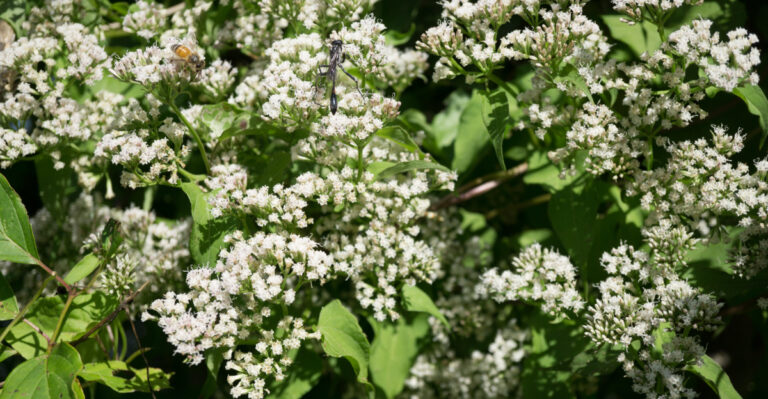
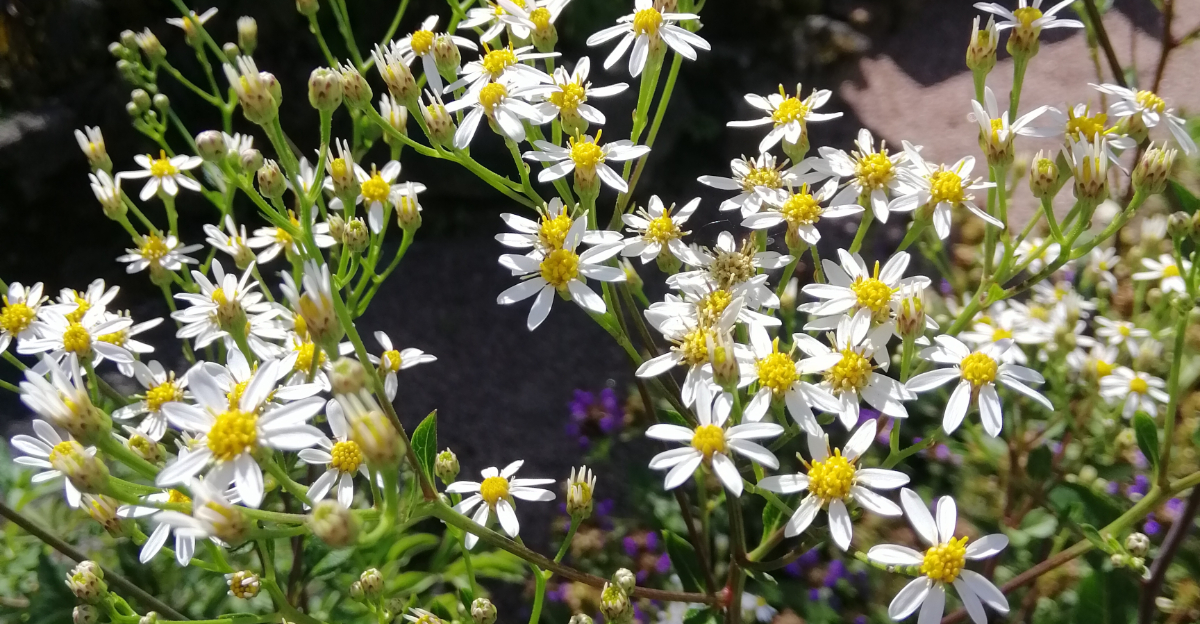
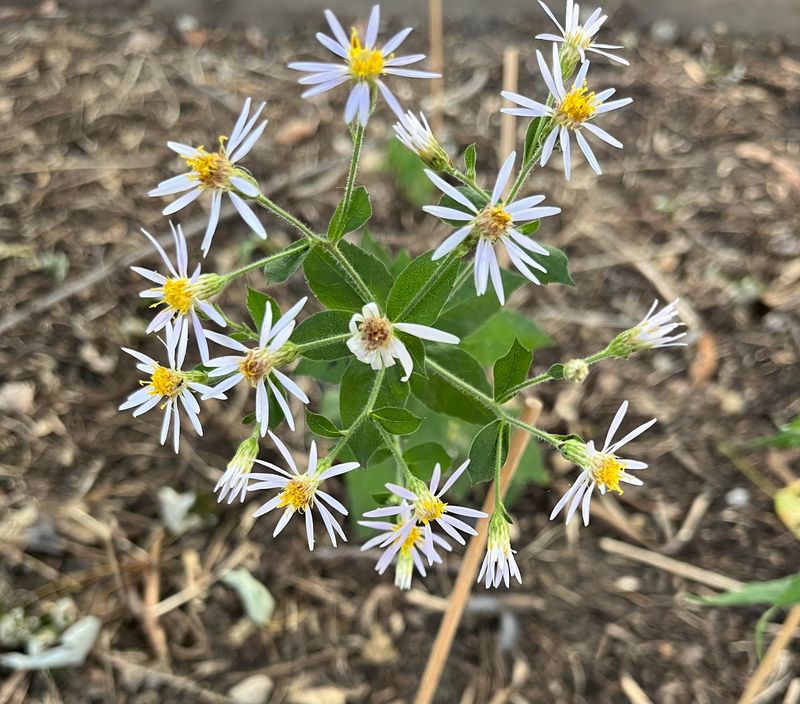
Each flower head is small and daisy-like, carrying white ray florets around a central yellow disk that can shift to a reddish or purplish tone as it matures.
The heads are numerous, and that quantity creates a bright effect against the darker stems and green foliage in a dim bed.
Newly planted specimens may produce only a few flowers during their first season, so set realistic expectations. Place the perennial along a woodland edge or beneath a canopy with at least some filtered light reaching the stems.
2. Heart Shaped Leaves Keep Bare Beds Looking Full
Exposed mulch between fading spring woodland flowers is one of the less satisfying sights in a shaded bed. Once bleeding heart foliage collapses and trillium leaves melt away, gaps appear quickly.
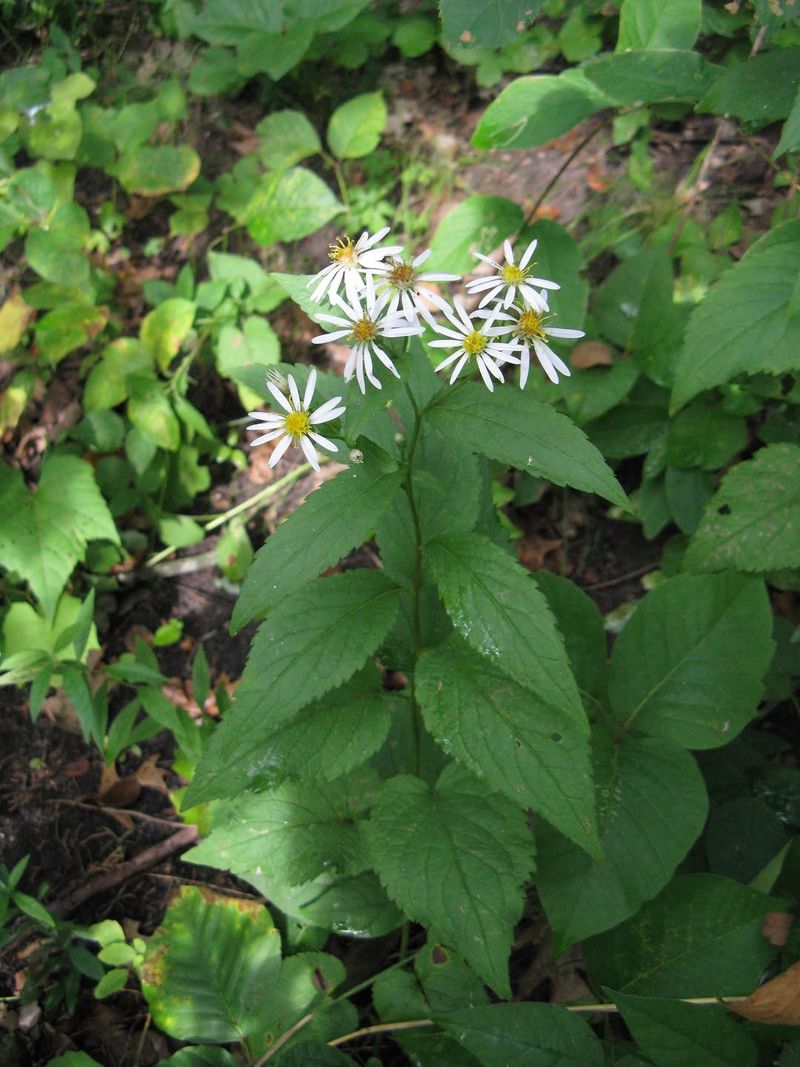
The broad foliage of white wood aster fills those openings through the summer months before the flowers arrive.
Lower leaves on the plant tend to be noticeably broader and more heart-shaped than the smaller, narrower leaves that appear higher on the stems. The texture is somewhat rough, and the overall effect is a leafy, layered presence rather than a polished mound.
A single young plant won’t cover a wide bed in its first season, so don’t expect instant coverage.
The looser form works naturally in informal woodland borders, among established ferns, behind low sedges, or in openings left by spring ephemerals.
That relaxed character is different from the dense, symmetrical shape that many bedding plants produce, and it suits a naturalistic design rather than a formal edge.
Your Ohio Garden Changes Every Week. Your Plan Should Too.
Gardening in Ohio changes quickly throughout the season. Every Friday you’ll receive a simple weekly plan showing exactly what to plant, prune, fertilize, harvest, and protect so you never miss the right timing.
Check the expected mature spread on the nursery tag before spacing plants, because spread varies. Placing plants too close may create a fuller look early on, but reduced airflow between crowded stems can become a concern as the colony develops.
3. Dry Shade Becomes An Easier Planting Challenge
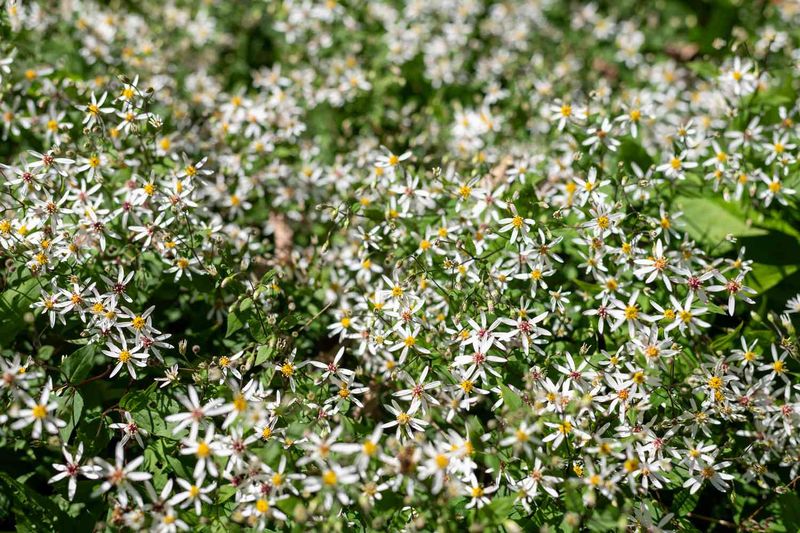
Dusty soil beneath a canopy of mature maples or oaks is one of the most frustrating planting sites in any yard. Rainfall hits the leaves overhead and runs off before much of it reaches the ground, and tree roots pull whatever moisture does soak in.
Many common bedding plants struggle there, but established white wood aster has a reputation for tolerating dry shade after its root system is fully settled.
That tolerance does not apply to a newly installed plant. A perennial put in the ground during August is still developing its roots and needs consistent moisture at the root zone while it adjusts.
Check soil moisture a few inches below the surface rather than judging conditions by looking at the top of the mulch. Water the root zone deeply when that zone feels dry, and avoid frequent shallow sprinkles that wet only the surface.
A modest layer of organic mulch around the plant can slow moisture loss between waterings, but keep it pulled back from the crown to allow airflow.
Ohio summers can bring stretches of heat and low rainfall that stress any new planting, so plan to monitor the site through the first full growing season.
Small nursery plugs are often easier to tuck among surface roots than large transplants that require a wide, deep hole.
4. Small White Blooms Brighten Dim Garden Corners
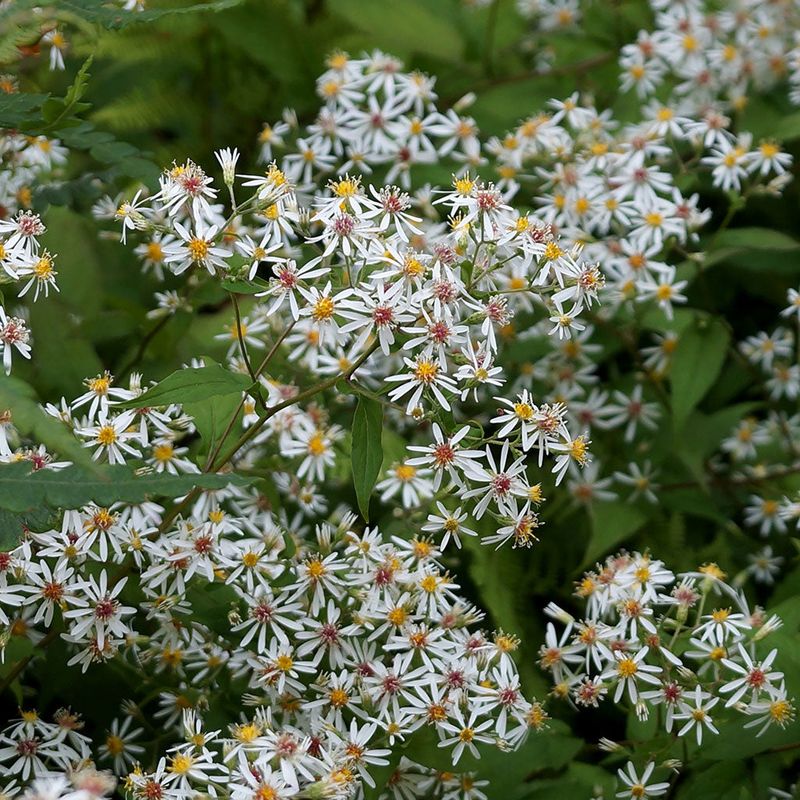
A cluster of pale flower heads catching the last afternoon light beneath a tree canopy creates a quiet but real brightness in a dim corner.
Each flower head on white wood aster is small, typically under half an inch across, and is built like a miniature daisy with white ray florets surrounding a central disk.
That structure places it in the aster family, where each apparent flower is actually a compact collection of individual florets.
Branching stems carry these heads across the upper portion of the plant in a loose, airy arrangement. Some stems may arch or lean toward available light rather than standing perfectly upright, which gives the colony a relaxed, woven appearance.
That movement can work in your favor when the plant grows near upright ferns or Pennsylvania sedge. It also helps near earlier-blooming native perennials whose foliage remains green into fall.
The appeal of this species comes from a concentrated late-season show rather than continuous color across the warm months. A planting viewed from several feet away has the mass of small white heads read as a soft cloud against darker foliage.
That tends to be more satisfying than a close inspection of individual stems. Group several plants together for the best visual impact in a larger shaded bed.
5. Spreading Stems Weave Through Open Spaces
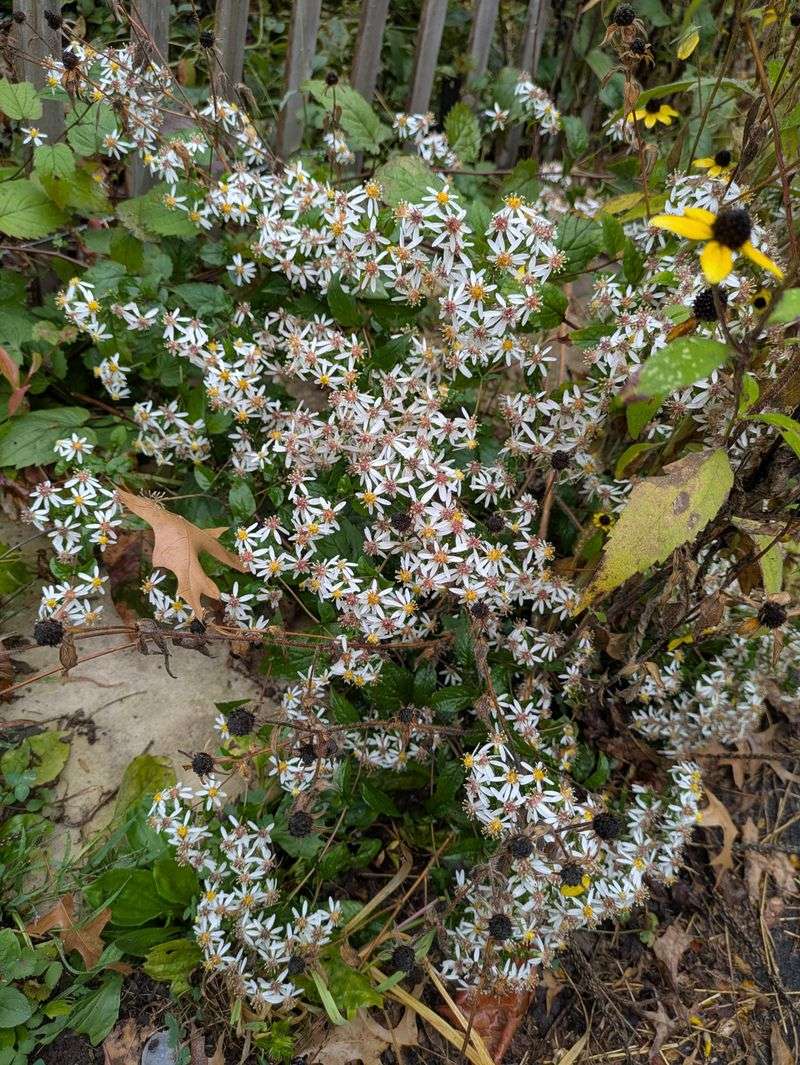
Several new shoots appearing a foot or more beyond the original planting are a common sight by the second or third growing season with white wood aster.
The species spreads through rhizomes, which are underground stems that extend outward from the parent plant and send up new shoots.
It can also self-sow from seed, so a colony may expand through both routes over time.
That spreading habit is genuinely useful in a naturalistic bed where gradual coverage of exposed soil is the goal. The rate of expansion varies with moisture, soil quality, available light, and competition from neighboring plants, so results differ from site to site.
In a small formal bed or along a narrow path edge, the same expansion can become inconvenient and require regular management.
Practical control is straightforward. Dividing clumps every few years keeps the colony within bounds, and unwanted shoots at the edges can be removed by hand.
Cutting seed heads before they mature reduces self-sowing. Adding a defined bed edge also helps contain the planting.
Division produces extra plants that can go into another suitable location in responsible Ohio gardens. Avoid sharing divisions, though, if the root ball carries obvious disease or weed growth.
Leave adequate room at the time of planting to reduce the frequency of future intervention.
6. Late Pollinators Find Fresh Flowers In August
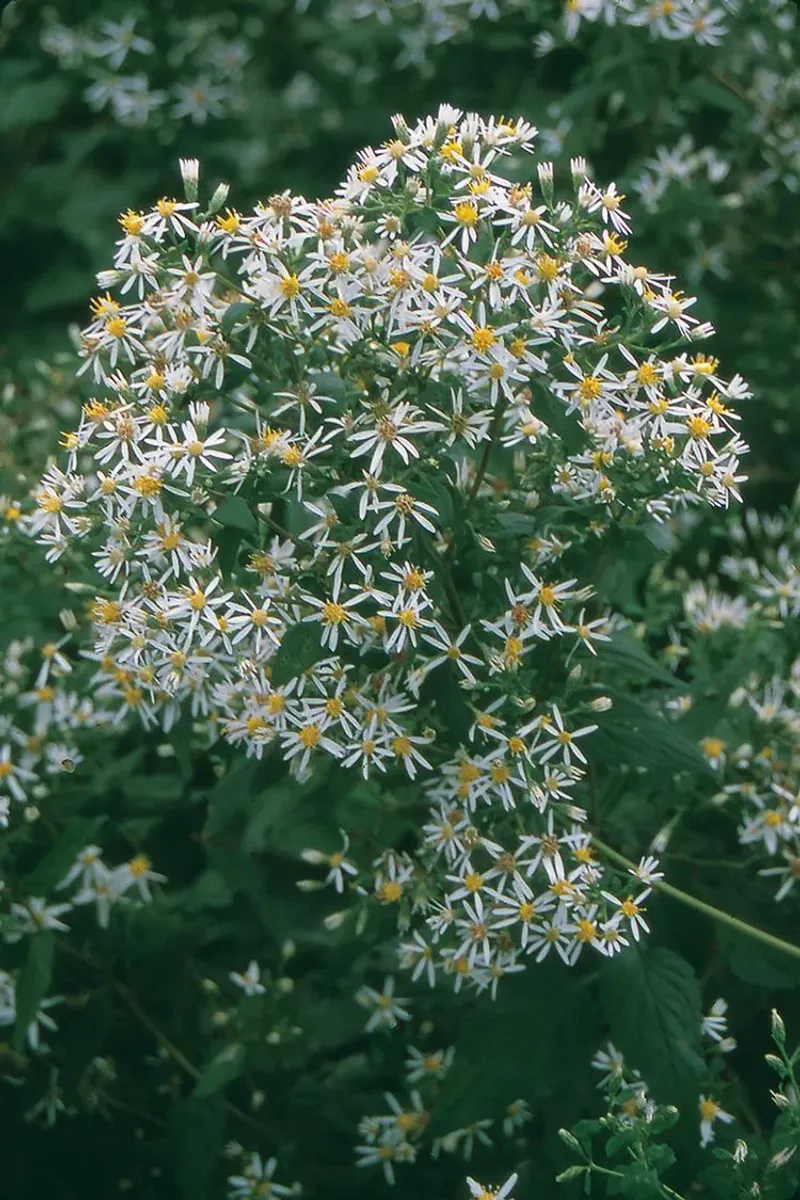
Bees moving steadily across a mass of small white flower heads on a warm late-summer afternoon are a reliable sign that the blooms are offering something useful. White wood aster can provide nectar and pollen to a range of flower-visiting insects.
These include native bees, small butterflies, and various flies and beetles that forage on open composite flowers.
Late-season flowers carry particular value because fewer blooms are available across the broader landscape as summer winds down. The species is visited by native bees that continue foraging well into fall.
A planting that opens flowers during that period can support late-season foraging activity in Ohio gardens where early and midseason sources are fading.
Flower availability still depends on when your specific plants actually bloom, which varies by site, plant maturity, and seasonal conditions.
Avoid applying pesticides to open flowers while insects are actively visiting. If a pest or disease problem requires treatment, identify the issue correctly first and follow the full product label for any material you choose to use.
Tender bedding types grown as annuals can also receive insect visits and are not without value to foraging insects. Pairing white wood aster with earlier-blooming natives such as wild blue phlox or golden Alexanders helps.
It can extend the window of flower availability across a larger portion of the season.
7. Established Clumps Return Without Annual Replanting
Fresh green shoots pushing up from bare soil in spring from a root system you planted the previous year carry a particular satisfaction.
White wood aster is an herbaceous perennial, meaning its above-ground growth retreats at the end of the growing season while the root system remains in the ground.
New shoots emerge again the following spring when conditions are right.
That return depends on several factors, including adequate drainage, reasonable soil moisture, appropriate light, and survival through winter. Planting depth and root disturbance at installation also affect long-term performance.
Some plantings may thin over time if conditions shift, so do not assume every clump persists without attention.
Seasonal tasks still exist. Spring cleanup involves removing old stems before new growth emerges.
Dividing crowded clumps every few years keeps the planting healthy. Thinning unwanted seedlings and monitoring foliage for signs of stress are also part of realistic upkeep.
The practical advantage over annual bedding plants is not zero work but rather a returning framework that does not require full replacement each spring. In colder parts of the state, Ohio winters can be hard on newly installed perennials.
Marking the plant’s location with a small stake before the ground freezes helps you avoid accidentally digging through the crown during early spring cleanup.
8. Give It Room To Build A Woodland Display
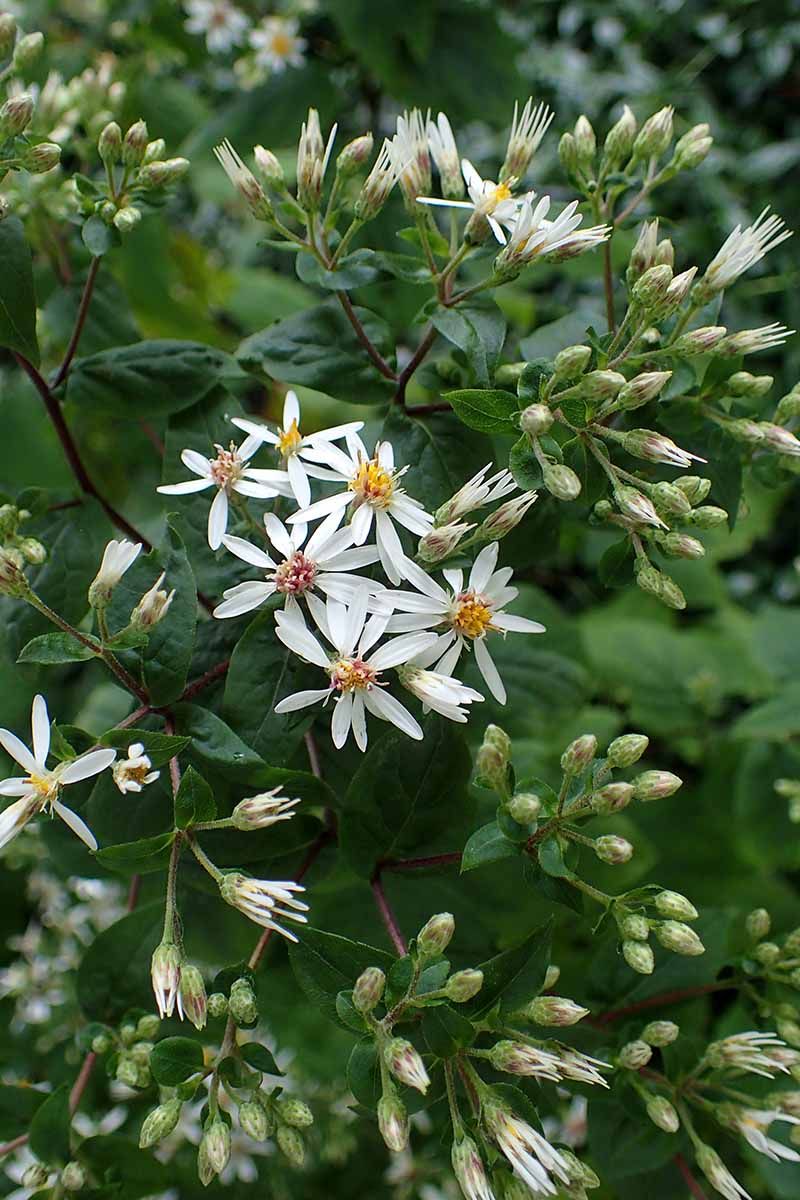
A small container plant sitting on a nursery bench gives very little hint of how much horizontal space it will eventually claim. The straight species, Eurybia divaricata, typically reaches roughly one to three feet in height.
It can spread two feet or more at maturity, though individual plants vary. Using a compact cultivar’s measurements to plan spacing for the straight species will likely lead to crowding.
Mature width matters most near sidewalks, steps, low windows, narrow bed edges, and small companion plants that cannot compete with a spreading colony. Plant where the stems at full size will not block a walkway or sight line.
Several plants grouped informally create a layered woodland effect that a single specimen placed in every gap cannot achieve. That display may take more than one growing season to develop fully, so patience is part of the plan.
Pennsylvania sedge, wild ginger, and native ferns such as cinnamon fern are compatible companions. They share similar shade and moisture preferences and are native to the region.
Check each companion’s mature size and moisture needs before combining plants. Buy responsibly propagated stock from a reputable native plant nursery rather than collecting from natural areas.
Choose the site based on the plant’s mature form, then allow the colony enough room to develop the loose woodland character the species naturally creates.