What Georgia Homeowners Should Do With Tropical Plants Before The First Frost
Tropical plants can look perfectly comfortable right up until one cold night changes everything. That makes the weeks before the first frost important.
Instead of waiting for the forecast to force a rushed decision, start looking at your plants while warmer days remain.
Each tropical plant may need a plan depending on how and where it grows. In Georgia, that preparation matters because fall temperatures can shift quickly after mild stretches.
Your first job is deciding which plants are worth carrying through the colder months.
From there, timing becomes easier because you can prepare each one without scrambling at the last minute. Planning also helps avoid bringing unwanted problems along.
Make those decisions well before frost enters the forecast, and your favorite tropical plants will have a smoother seasonal transition.
1. Cold Weather Can Quickly Change What These Plants Need
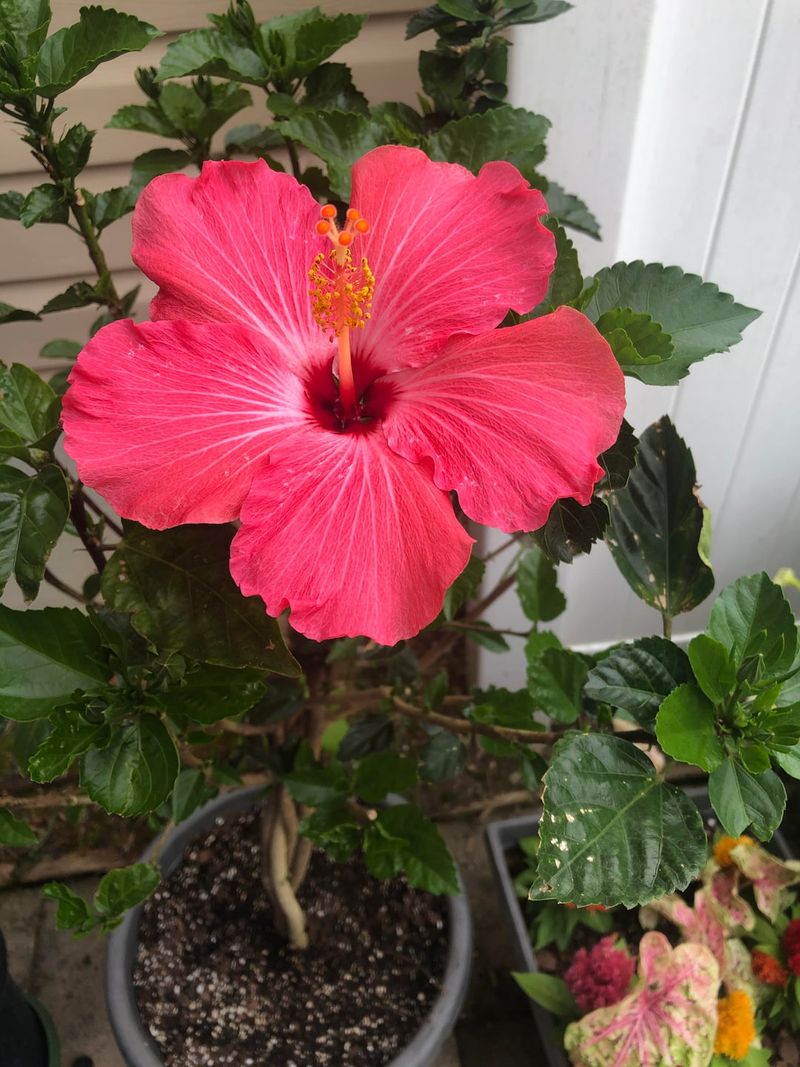
Frost gets all the blame, but chilling injury usually shows up first. Tropical plants like hibiscus, mandevilla, and croton often react when nights drop into the low 40s, well before ice appears anywhere.
Leaves may curl, yellow, or develop dull brown patches. Growth slows down noticeably, and flower buds sometimes drop without opening.
Timing across Georgia is uneven, so a calendar date is only a rough guide. North Georgia frequently sees its first freeze in late October, while areas closer to the coast may wait until December.
Elevation and neighborhood layout matter more than people expect. Cold air settles in low spots, so a plant in a sunken backyard can get hit while one on a raised deck stays fine.
Watching the forecast beats guessing.
Once nights start landing near 50 degrees regularly, that is a reasonable signal to begin moving your most sensitive plants. Waiting for the first frost warning usually means scrambling in the dark with a flashlight.
Pots dry out and heat up differently than garden beds too. Roots in a container have almost no insulation, which makes them more vulnerable to sudden temperature swings.
Cold damage is not necessarily permanent, and many plants push out new growth in spring. Still, a stressed plant recovers slower, so early action saves you the guesswork later.
2. Start Preparing Tender Favorites While Days Are Still Mild
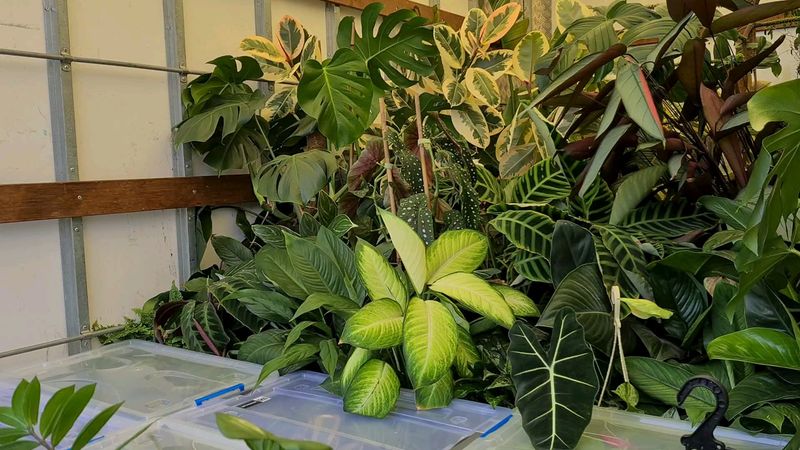
September is the easy month, and that is exactly why it gets skipped. Plants moved indoors gradually handle the change far better than ones yanked inside during a cold snap.
Think of it as a slow adjustment rather than a single moving day.
Begin by shifting sun-loving pots into partial shade for a week or two. Light levels indoors are dramatically lower than outdoors, and easing the transition reduces that ugly leaf drop that happens a few days after moving.
Wipe down pots and saucers while the weather is still pleasant. Dirt, algae, and old leaves hiding under the rim tend to bring problems inside with them.
Repotting is worth doing now if a plant is badly rootbound.
Wait until spring for major size upgrades though, since fresh soil and a big pot encourage growth the plant cannot support in winter light. A light top-up of potting mix is usually enough.
Your Georgia Garden Changes Every Week. Your Plan Should Too.
Gardening in Georgia changes quickly throughout the season. Every Friday you’ll receive a simple weekly plan showing exactly what to plant, prune, fertilize, harvest, and protect so you never miss the right timing.
Take cuttings early too, especially from coleus, begonias, and bougainvillea. Small rooted cuttings take up almost no windowsill space and give you backups if a large plant struggles.
Georgia gardeners also have the option of holding off on heavy pruning until later. Getting the logistics handled first, pots cleaned, spots chosen, and pests checked, makes the actual move much less stressful.
3. Decide Which Plants Are Worth Saving For Next Season
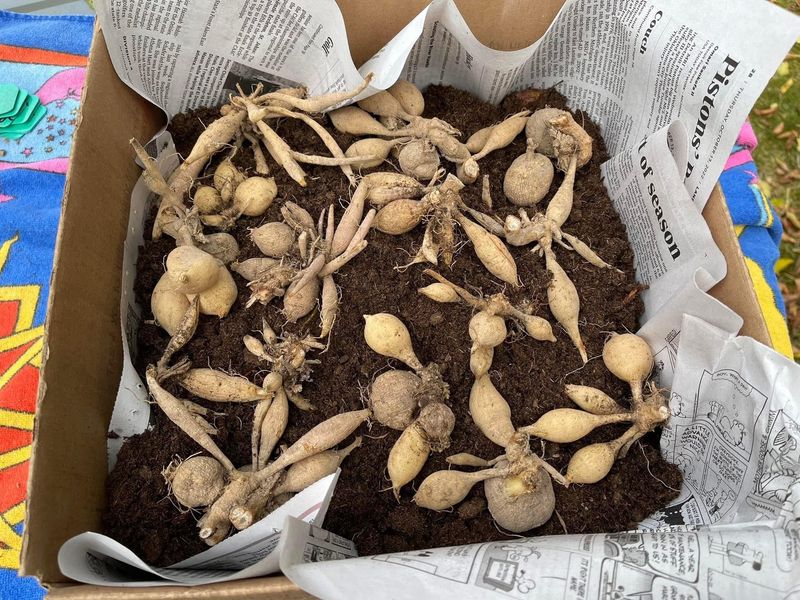
Not every plant earns a winter spot in the house. Space, light, and patience run out fast, so a little honest sorting helps.
Big, established specimens usually deserve the effort. A mature bird of paradise or a hibiscus you have grown for five years is genuinely hard to replace, while a fifteen-dollar annual coleus is not.
Cheap seasonal fillers can go on the compost pile without guilt.
Bulbous and tuberous tropicals offer a nice shortcut. Elephant ears, caladiums, and cannas can be lifted, dried for a few days, and stored in a cool spot in dry peat or shredded paper.
Storing tubers takes a fraction of the room a full pot needs. Check them once or twice through winter and toss anything soft or moldy.
Some plants are genuinely borderline hardy in warmer parts of the state, particularly in zones 8b and 9a near the coast. Hardy banana and certain gingers often return from the roots with a thick mulch layer, though results vary with the winter.
Root cuttings are another middle path.
Keeping one small piece of a plant instead of the whole thing is a fair compromise when windowsills are crowded. Across Georgia, plenty of gardeners save two or three favorites well rather than twelve plants poorly.
4. Check Leaves And Stems Carefully Before Moving Anything
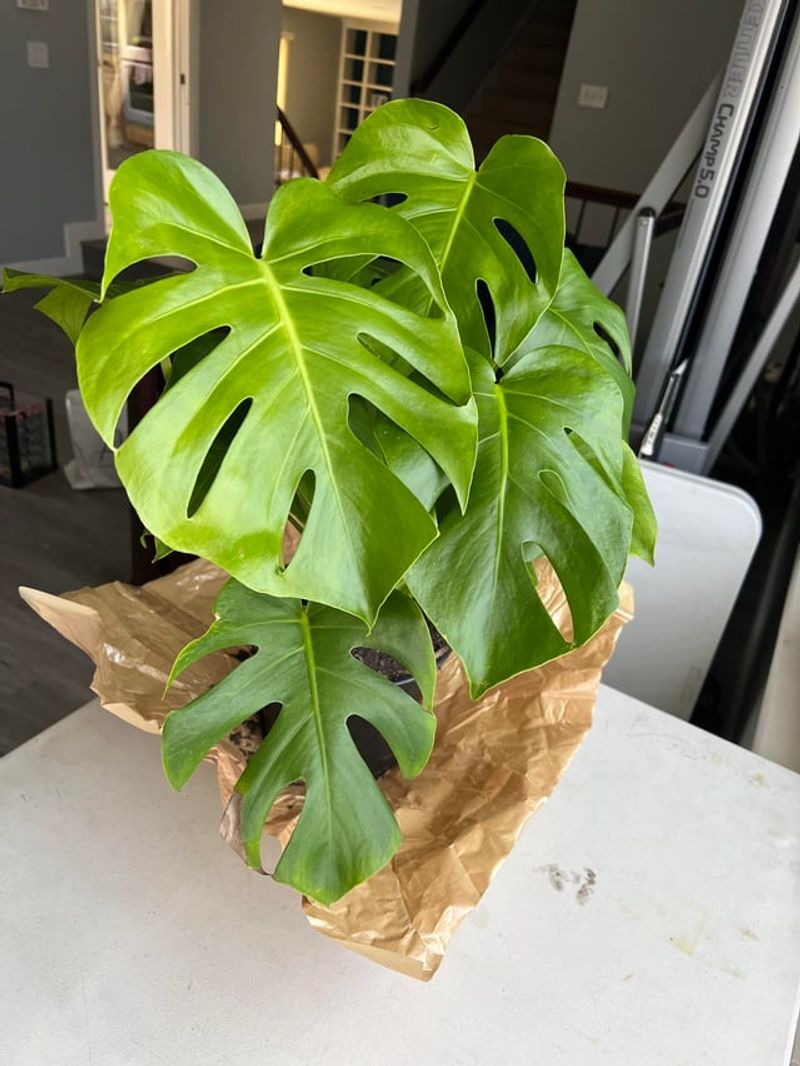
One hitchhiking mealybug can turn into an indoor infestation by January. Warm, dry indoor air suits pests beautifully, and their natural predators stay outside.
Inspection takes ten minutes per plant, tops.
Flip leaves over and look along the midribs. Spider mites leave fine webbing and stippled leaves, while scale shows up as small brown bumps stuck to stems.
Mealybugs hide in leaf joints and look like tiny bits of cotton. Aphids cluster on new growth and often leave a sticky film behind.
Give each plant a strong spray with the hose, focusing on leaf undersides. Plain water knocks off a surprising number of pests before you ever reach for a product.
Insecticidal soap or horticultural oil handles what remains, following the label directions on timing and coverage. Repeating the treatment after about a week helps catch newly hatched insects.
Do not forget the soil surface.
Slugs, ants, and fungus gnat larvae ride indoors in the top inch of potting mix, so scraping off that layer and replacing it can help. Setting pots on a hard surface for a day also lets sheltering insects wander off.
Quarantine anything questionable in a separate room for two weeks. Georgia homes stay comfortable enough in winter that pests will happily multiply if you skip this step.
5. Cut Back Only When The Variety Calls For It
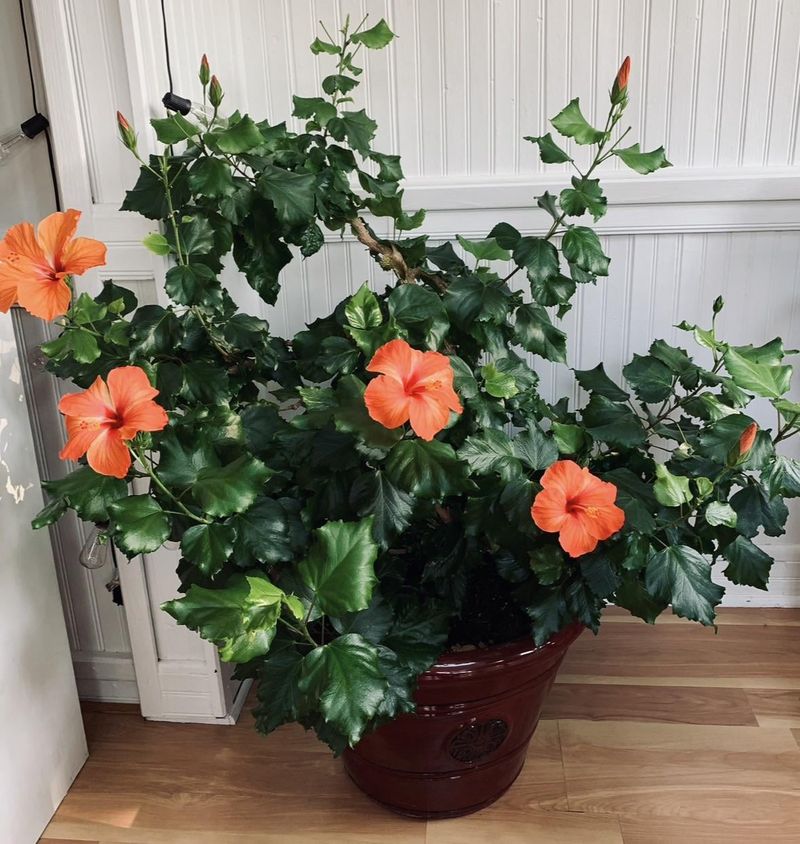
Pruning is where good intentions cause the most trouble. Some tropicals shrug off a hard trim, and others sulk for months afterward.
Match the cut to the plant.
Hibiscus tolerates a moderate trim, roughly a third of its size, which makes it easier to fit through a doorway. Mandevilla and bougainvillea can be shortened fairly aggressively since they bloom on new growth anyway.
Bird of paradise and other slow growers prefer to be left alone. Removing healthy leaves from them just reduces the energy they need to get through low-light months.
Always use clean, sharp pruners.
Ragged cuts heal slowly and invite problems, especially on thick, sappy stems like those on plumeria. Cleaning blades with a disinfecting solution between plants helps limit the spread of disease.
Skip fertilizer after pruning, no matter how tempting it looks. Feeding pushes soft new growth that struggles in dim winter conditions and attracts pests.
Damaged, yellow, or crossing stems are fair game on almost anything. Cleaning those out improves airflow and gives you fewer dropped leaves to sweep up indoors.
Save the serious shaping for late winter instead, around February or March. Gardeners in Georgia often find that timing lines up well with the return of stronger light and the start of new spring growth.
6. Choose A Protected Spot With Enough Light
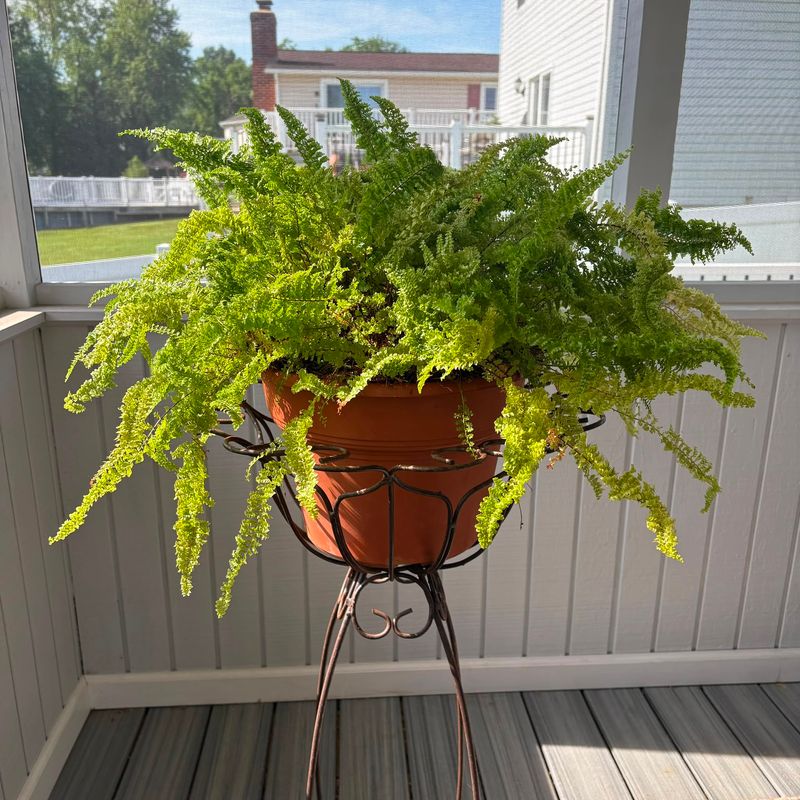
Light is the real limiting factor indoors, not temperature. Most tropicals will hang on in a cool room, but almost none do well in a dark corner.
South and west windows are the best real estate you have.
Sunrooms, bright garages, and enclosed porches work well for plants going semi-dormant. Temperatures in the 50s are fine for hibiscus, citrus, and plumeria as long as they stay above freezing.
Keep pots away from heating vents and drafty doorways. Blasts of hot dry air cause leaf drop faster than cold does, and constant temperature swings stress roots.
Grow lights fill the gap in dim rooms.
A simple LED shop light hung a foot or two above the foliage for ten to twelve hours daily makes a real difference. No need for expensive equipment to keep plants steady through winter.
Group plants together to raise humidity slightly around the leaves. Indoor air in heated Georgia homes gets dry, and clustered pots hold moisture a bit better than scattered ones.
Rotate pots every couple of weeks so growth stays even.
Expect some leaf loss no matter how good the spot is, since indoor light is a fraction of what a summer patio provides. Plants that thin out often refill quickly once they go back outside in spring.
7. Keep Watering Light While Growth Slows Down
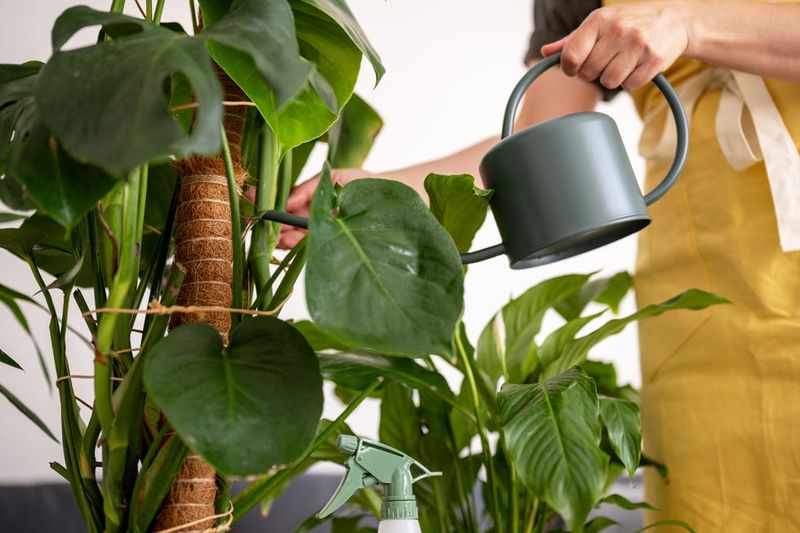
Overwatering causes more winter trouble than cold ever does. Plants in low light use far less water, and soggy soil suffocates roots.
Summer habits need to change indoors.
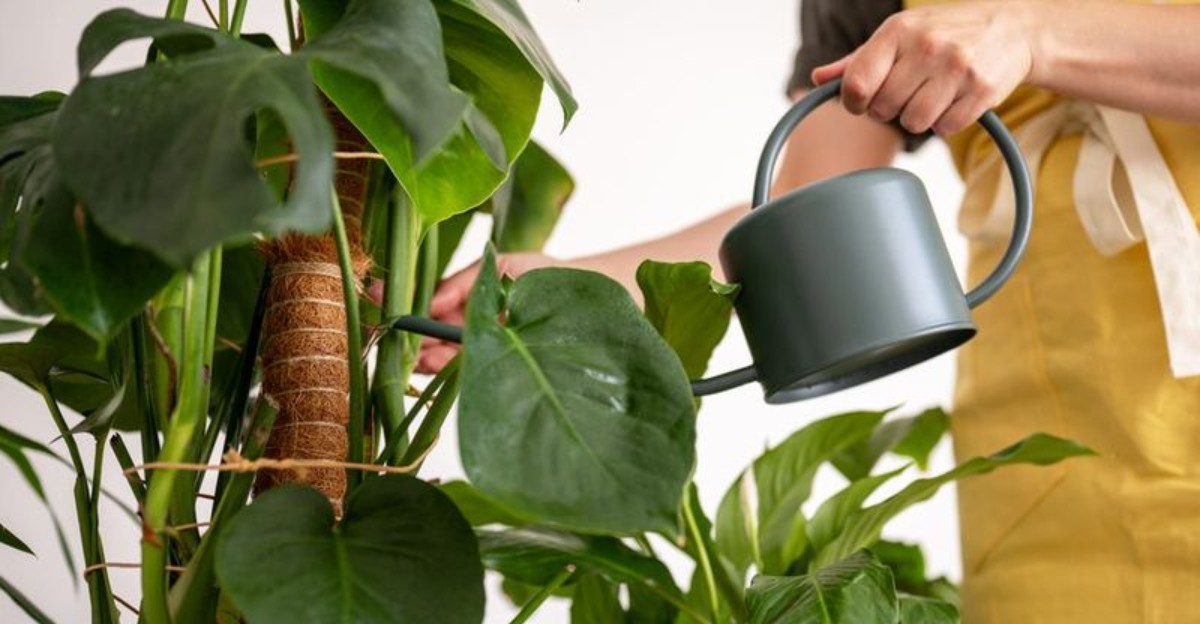
Check moisture with your finger before reaching for the watering can. Push down an inch or two, and if the soil still feels damp, wait a few more days.
Water thoroughly when you do water, letting it run out the drainage holes. Then dump the saucer, because pots sitting in standing water rot from the bottom up.
Frequency depends on the room, the pot, and the plant.
A hibiscus in a warm sunny window may need water weekly, while a semi-dormant plumeria in a cool garage might go a month. Terracotta dries faster than plastic or glazed ceramic.
Hold off on fertilizer through the darkest weeks. Roots cannot use the extra nutrients, and salt buildup in the soil creates its own problems.
Yellowing lower leaves usually signal too much water, not too little.
Fungus gnats showing up is another clue that the top layer of soil is staying wet too long. Letting the surface dry between waterings usually breaks that cycle without any treatment.
As days lengthen in late February, Georgia gardeners can slowly increase water and start light feeding again.