This Native Georgia Groundcover Handles Standing Water With Ease
Standing water can make plenty of groundcovers struggle before summer is over. Bare patches and weak growth often follow when the wrong plant is growing in the wrong place.
Wet spots do not always need expensive fixes or constant attention. Sometimes the better answer is choosing a plant that naturally handles those conditions.
Some native groundcovers thrive where many popular options begin fading. They stay dependable even when the soil holds more moisture than expected.
Georgia has excellent native choices for yards that stay wet after heavy rain. Picking the right plant from the start can save years of frustration.
Stop fighting the same soggy spots every season.
One reliable native groundcover can turn those difficult areas into one of the strongest parts of your landscape.
1. Blue Mistflower Grows Well In Wet Soil
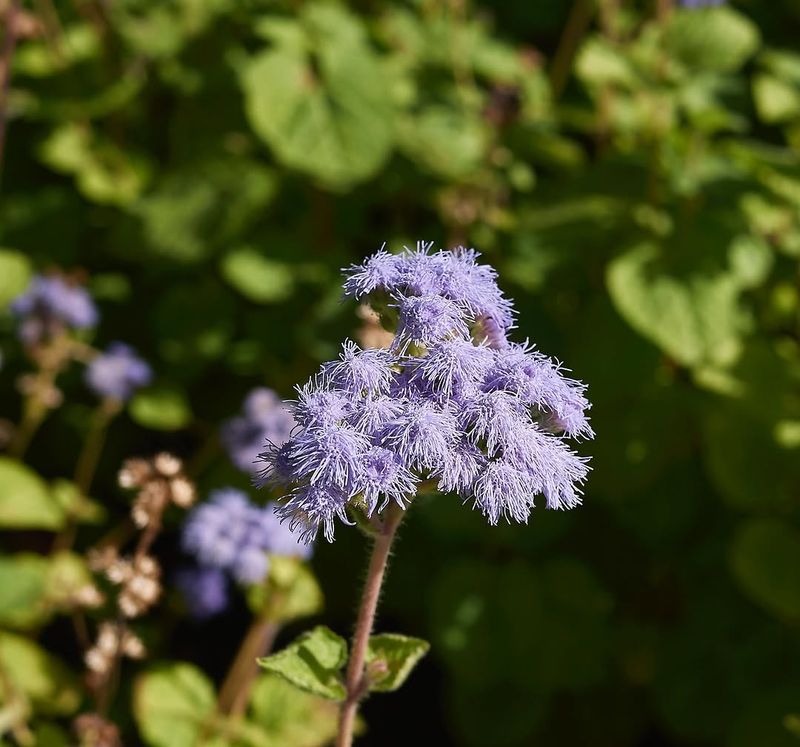
Wet soil stops most plants cold. Blue Mistflower, on the other hand, actually settles in and thrives when drainage is poor.
Known botanically as Conoclinium coelestinum, it is native to the eastern and southeastern United States and handles soggy conditions better than nearly any other flowering groundcover.
Soil that stays damp for days after rain can rot the roots of most ornamental plants. Blue Mistflower has adapted to exactly those conditions.
Its roots tolerate prolonged moisture without rotting, making it a reliable choice for low spots, rain gardens, and areas near downspouts.
Planting it in naturally wet areas means less work for you. No special amendments, no raised beds, no extra drainage material needed.
Just place it where the water tends to collect and let it settle in.
It does prefer soil with some organic matter, so mixing in compost at planting time can help it establish faster. Once rooted, it spreads steadily and fills in bare ground with lush green foliage.
Wet spots that once looked bare and muddy can transform into something genuinely attractive.
Across Georgia and neighboring states, gardeners use it specifically for problem areas that other plants cannot handle. Wet soil is its comfort zone, not a challenge it has to overcome.
2. Spreading Roots Fill Bare Areas Naturally
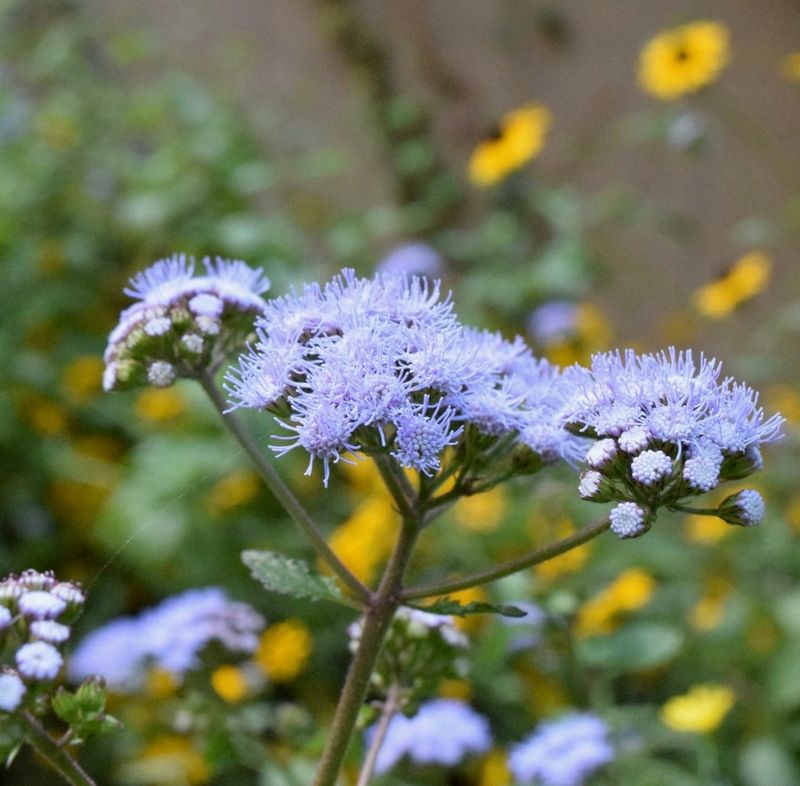
Bare patches in the yard are frustrating. Mulch washes away, weeds move in fast, and replanting gets expensive.
Blue Mistflower solves that problem by spreading on its own through underground rhizomes, filling in open ground without any extra effort from you.
Rhizomes are root-like stems that travel horizontally just beneath the soil surface. New shoots emerge along the way, creating a dense mat of foliage that crowds out weeds naturally.
Over a season or two, a small starter plant can cover a surprisingly wide area.
Spread rate varies depending on soil quality, moisture, and sun exposure. In moist, partially shaded spots, it tends to move faster.
In drier or sunnier locations, growth is a bit slower but still steady.
One thing to keep in mind: Blue Mistflower can spread beyond where you first planted it. Placing it near garden beds with delicate plants may require occasional edging to keep it in check.
Your Georgia Garden Changes Every Week. Your Plan Should Too.
Gardening in Georgia changes quickly throughout the season. Every Friday you’ll receive a simple weekly plan showing exactly what to plant, prune, fertilize, harvest, and protect so you never miss the right timing.
It is not invasive, but it is enthusiastic.
Using it along slopes, under trees, or beside drainage channels gives it room to spread freely without crowding other plants. In those open spaces, its spreading habit becomes a real advantage.
Bare ground disappears, erosion slows down, and the area starts looking intentional rather than neglected
3. Late Summer Blooms Add Bright Blue Color
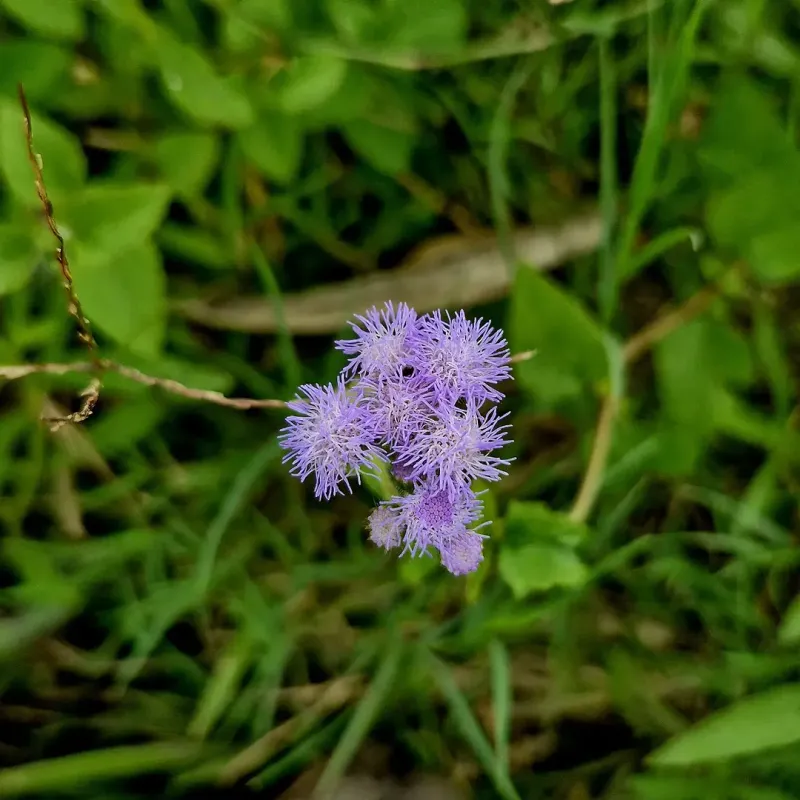
Late summer can feel like a color desert in the garden. Most spring bloomers have faded, and fall color has not kicked in yet.
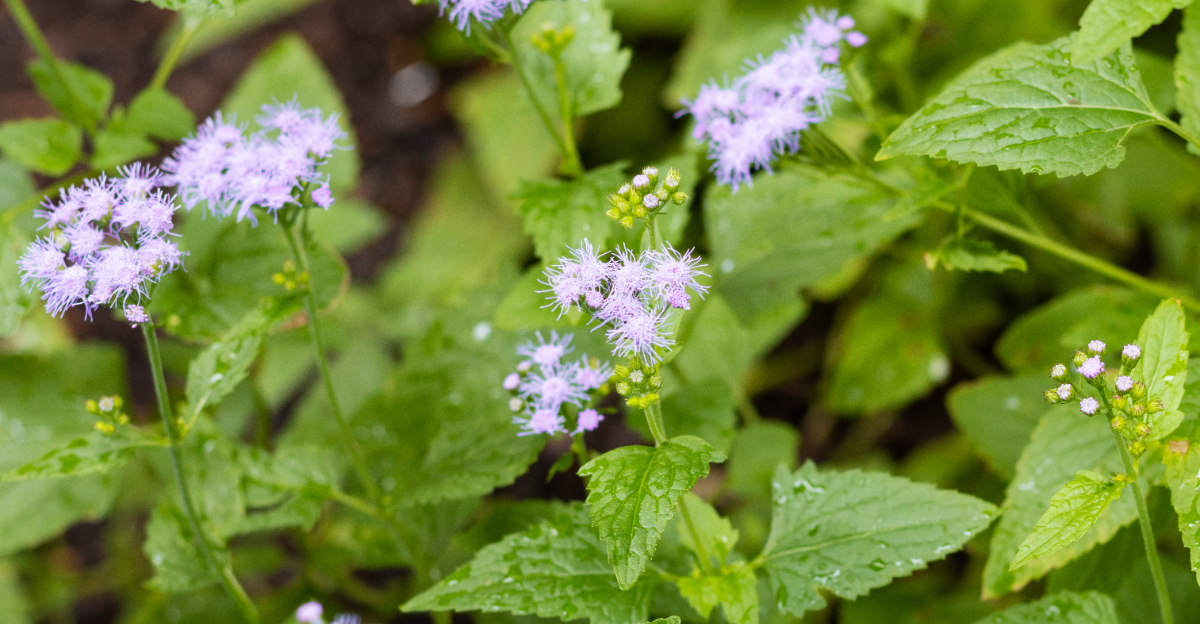
Blue Mistflower steps in right at that gap, producing clusters of soft, bright blue to blue-violet flowers from late summer through early fall.
Flower color in Blue Mistflower is genuinely striking. That cool blue-violet tone is rare in native plants, and it stands out against the warm greens and yellows of late summer foliage.
Planted in groups, the effect can be quite bold.
Bloom timing typically runs from August through October, depending on location and weather patterns. Warmer areas may see blooms start a bit earlier.
Cooler microclimates or shadier spots might push flowering toward mid-September.
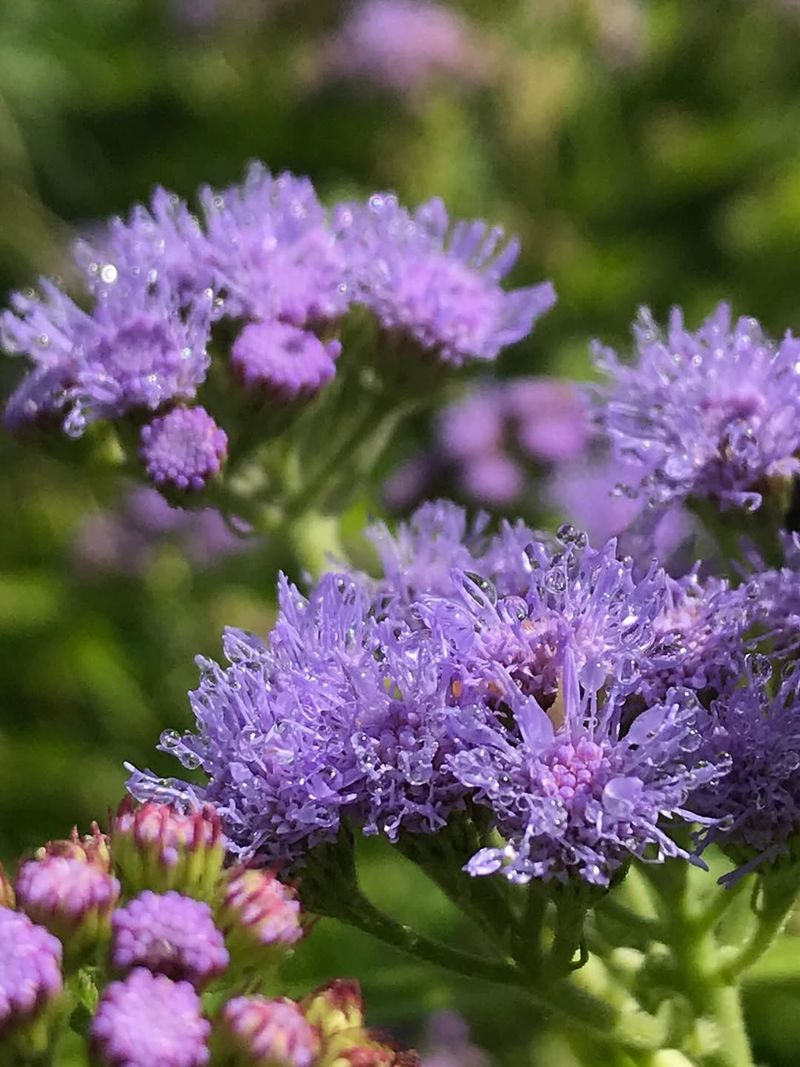
Each flower head is made up of many tiny individual florets packed tightly together. Up close, the texture looks almost fluffy, which is where the name Mistflower comes from.
From a distance, the clusters read as solid masses of blue-violet color.
Pairing it with plants that have yellow or orange fall color creates a contrast that really pops. Native grasses, goldenrod, or even ornamental sedges make strong companions.
4. Partial Sun Helps Plants Stay Healthy
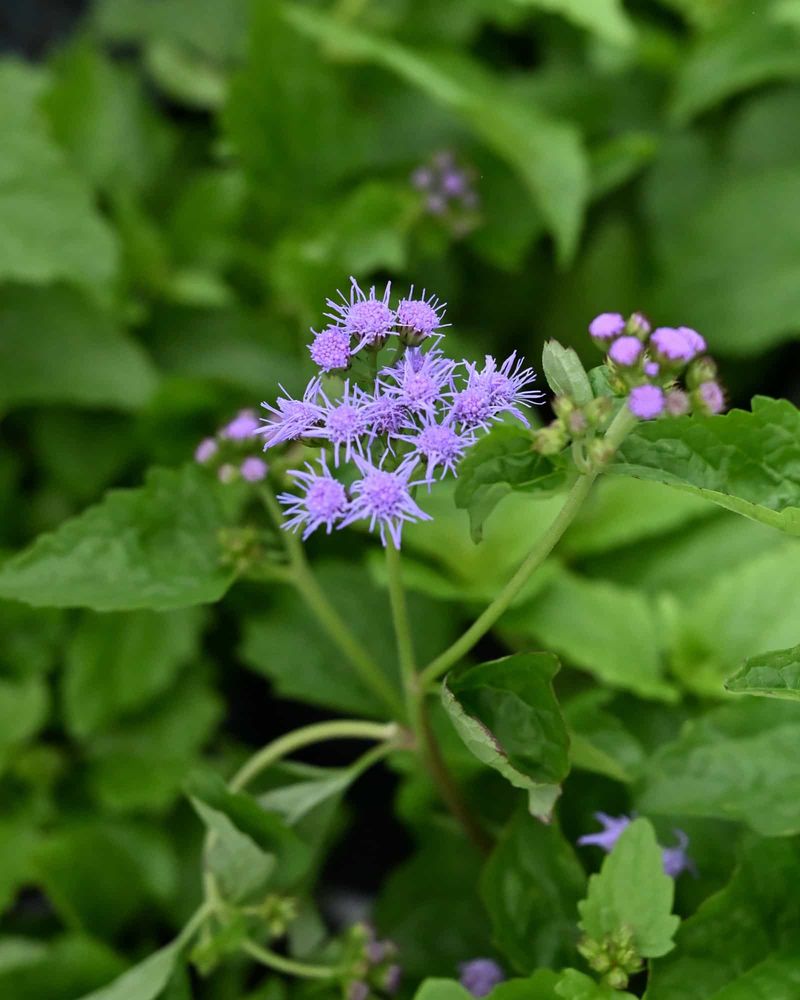
Full blazing sun all day is not what Blue Mistflower prefers. Partial shade is its sweet spot, especially in warmer climates where afternoon heat can be intense.
Under a tree canopy or along the shaded edge of a fence, it tends to look its best.
Partial sun generally means about three to six hours of direct light per day. Morning sun with afternoon shade works particularly well.
That combination gives the plant enough energy to bloom well without stressing the foliage in peak summer heat.
Planting it under deciduous trees works nicely. Those trees drop their leaves in fall, letting more light reach the plant just as it begins to bloom.
During summer, the shade keeps the soil cooler and helps retain moisture, which Blue Mistflower appreciates.
Deeper shade, like the north side of a building or under dense evergreens, can reduce blooming. The plant may still grow and spread, but flower production tends to drop off when light gets too low.
Some sun, even filtered sun, makes a real difference.
In open sunny spots, the plant can survive but may need more consistent moisture to avoid stress. Leaves may look a bit pale or wilt during dry spells.
Pairing a sunnier planting with drip irrigation or placing it near a natural water source helps offset that.
5. Pollinators Visit The Flowers Throughout The Season
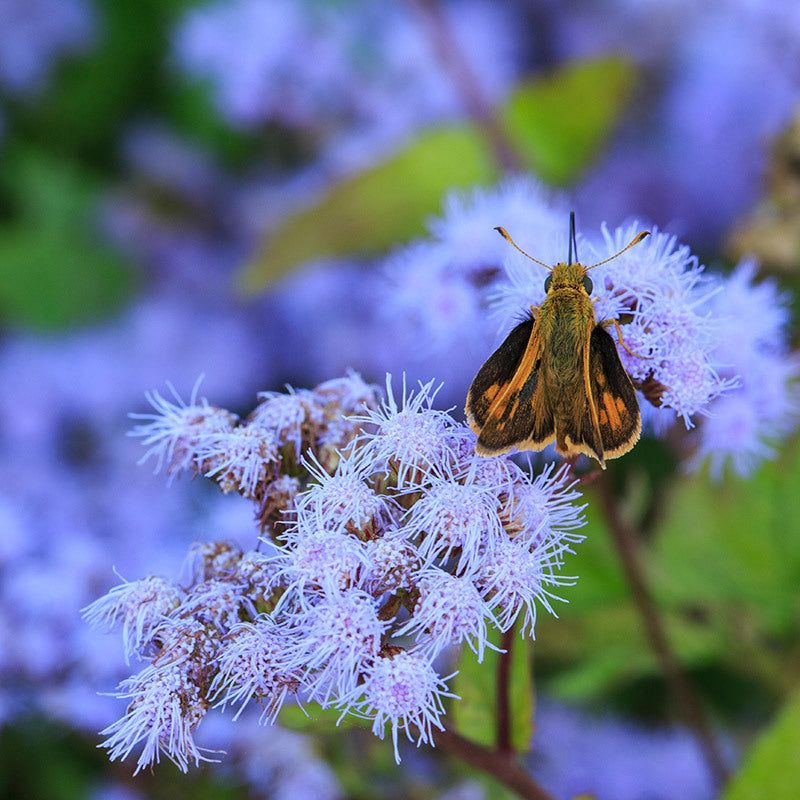
Pollinators go absolutely wild for Blue Mistflower. Butterflies, native bees, and skippers flock to the blooms from the moment they open.
Because it flowers in late summer and fall, it fills a critical gap when many other nectar sources have already faded.
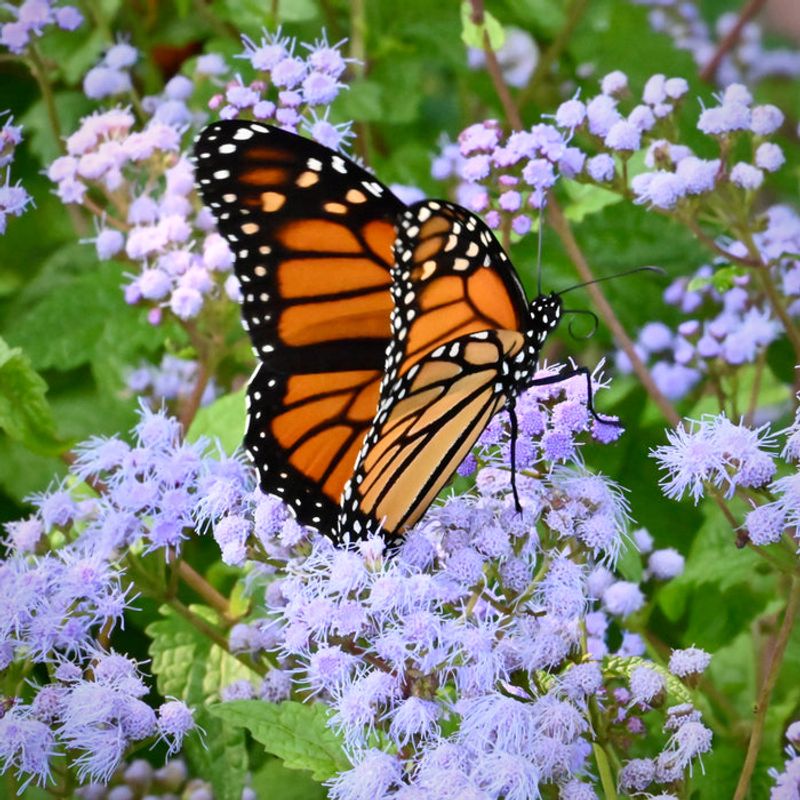
Monarch butterflies use Blue Mistflower heavily during their fall migration. As they move south through Georgia and the rest of the Southeast, they need reliable nectar stops.
A patch of Blue Mistflower in your yard can serve as exactly that kind of fuel station.
Native bees, including bumblebees and smaller specialist bee species, are also frequent visitors. They gather both nectar and pollen from the flower clusters.
Supporting native bees through late-season plantings like this one matters because many bee species are active well into October.
Painted lady butterflies, cloudywing skippers, and several species of hairstreaks also visit regularly. The dense flower clusters make it easy for smaller insects to land and feed without much effort.
A single large clump can attract dozens of visitors on a warm fall afternoon.
Planting Blue Mistflower near other late-season natives like goldenrod or ironweed creates a pollinator corridor that stays active through early frost.
The combination supports a wider range of species and keeps your garden buzzing with life long after summer has officially ended.
6. Established Plants Need Very Little Extra Water
Water bills add up fast when you are trying to keep a garden going through a dry stretch. Blue Mistflower, once it has had a full growing season to establish, handles dry spells on its own in most cases.
That makes it a genuinely low-maintenance choice for busy gardeners.
Establishment usually takes one full growing season. During that first year, consistent watering helps the roots spread and anchor properly.
After that, supplemental watering is generally only needed during extended dry periods, typically stretches of two weeks or more with no significant rain.
Its preference for moist soil does not mean it requires constant irrigation. Planted in a low spot or near a natural drainage area, it often gets all the moisture it needs from rainfall and runoff alone.
That natural setup reduces the need for any added watering at all.
Mulching around the base helps retain soil moisture during dry spells. A two- to three-inch layer of organic mulch keeps roots cooler and slows evaporation noticeably.
Shredded leaves work well and break down to improve soil over time.
Gardeners across the Southeast often report that established clumps push through dry summers with minimal intervention.
Results can vary based on soil type, sun exposure, and local rainfall patterns, so monitoring during the first dry spell after establishment is a smart habit.
7. Divide Large Clumps To Keep Plants Growing Strong
Over a few years, Blue Mistflower clumps can get pretty crowded. When that happens, the center of the clump may start to look thin or produce fewer blooms.
Dividing the plant solves that problem and gives you extra plants to spread around the yard for free.
Early spring is the best time to divide, just as new growth begins to emerge from the soil. At that stage, the plant is putting energy into new shoots, and divided sections recover quickly.
Fall division is also possible in milder climates, but spring tends to give better results.
Dividing is straightforward. Dig up the clump with a garden fork, shake off loose soil, and pull or cut the clump into smaller sections.
Each section should have a healthy cluster of roots and at least a few emerging shoots. Sections without roots are unlikely to establish well.
Replant divisions right away so the roots do not dry out. Water them in thoroughly and keep them consistently moist for the first two to three weeks.
After that, they typically take off on their own with minimal fuss.
Divisions can fill in new bare spots, expand a rain garden, or be shared with neighbors. In Georgia, native plant swaps are popular in spring, and Blue Mistflower divisions are always welcome.