What Georgia Collards Need In August For The Biggest Fall Harvest
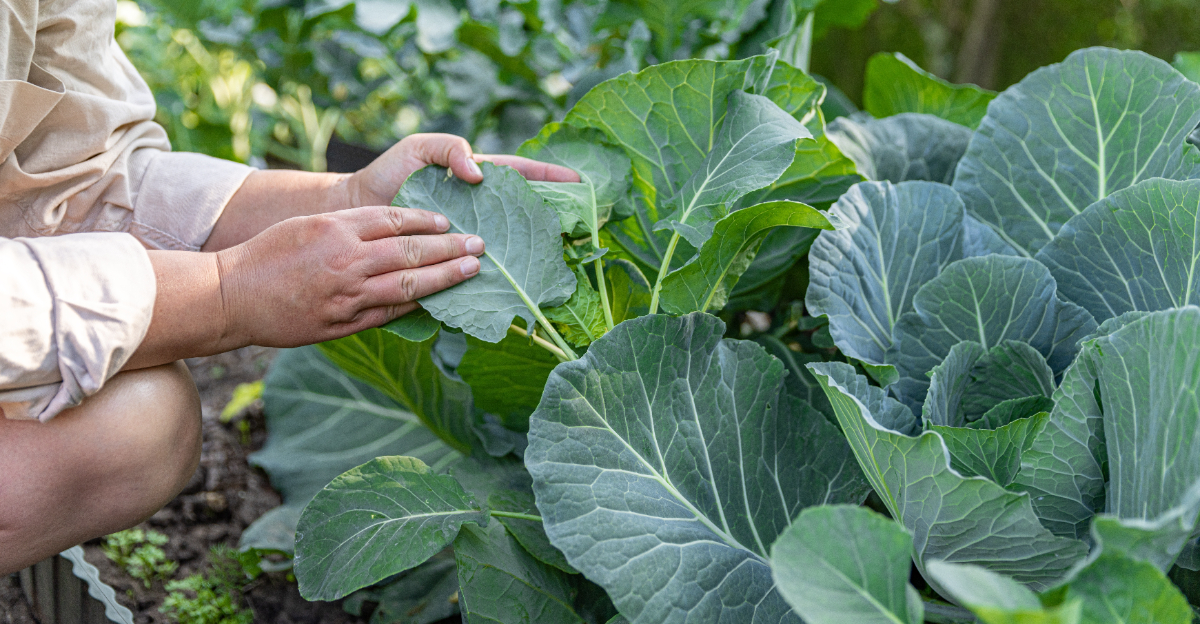
August is an important month if you want a great collard harvest later. Georgia’s warm weather gives these plants a strong start before cooler temperatures arrive.
Getting them off to the right beginning makes a bigger difference than many gardeners realize. Small choices now can shape the harvest for weeks to come.
Healthy growth depends on more than simply putting plants in the ground. Giving collards what they need early helps them stay productive.
Do not wait until fall to start paying attention. The work you do now has a direct impact on the leaves you pick later.
A little preparation today can save plenty of disappointment later. Strong plants reward good timing every single season.
Knowing what collards need during August can help you grow fuller, healthier plants that continue producing well into the cooler months.
1. Plant While The Soil Is Still Warm
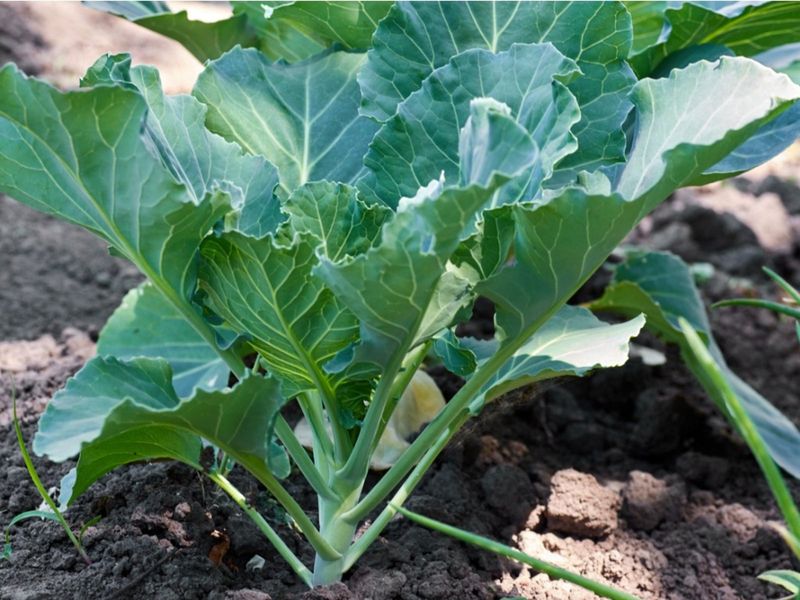
Warm soil is actually your best friend in August. Collard seeds germinate faster when ground temperatures sit between 65 and 85 degrees Fahrenheit, so planting now gives seedlings a quick, strong start before fall sets in.
Direct seeding works well, but transplants can speed things up by two to three weeks. Space plants about 18 inches apart so each one has room to spread without crowding neighbors.
Push seeds roughly a quarter-inch deep and keep the surface moist until sprouts appear.
Germination can happen in as few as four to seven days when conditions are right.
A common mistake is waiting too long. If you hold off past mid-August in most parts of Georgia, young plants may not have enough time to size up before shorter days slow their growth.
Planting in late afternoon or on a cloudy day reduces transplant stress. Seedlings that go in during peak afternoon heat often wilt and take longer to recover.
Check soil temperature with an inexpensive probe thermometer before you start.
Guessing can lead to slow germination or uneven stands that are hard to manage later in the season.
2. Mix Compost Into The Planting Area
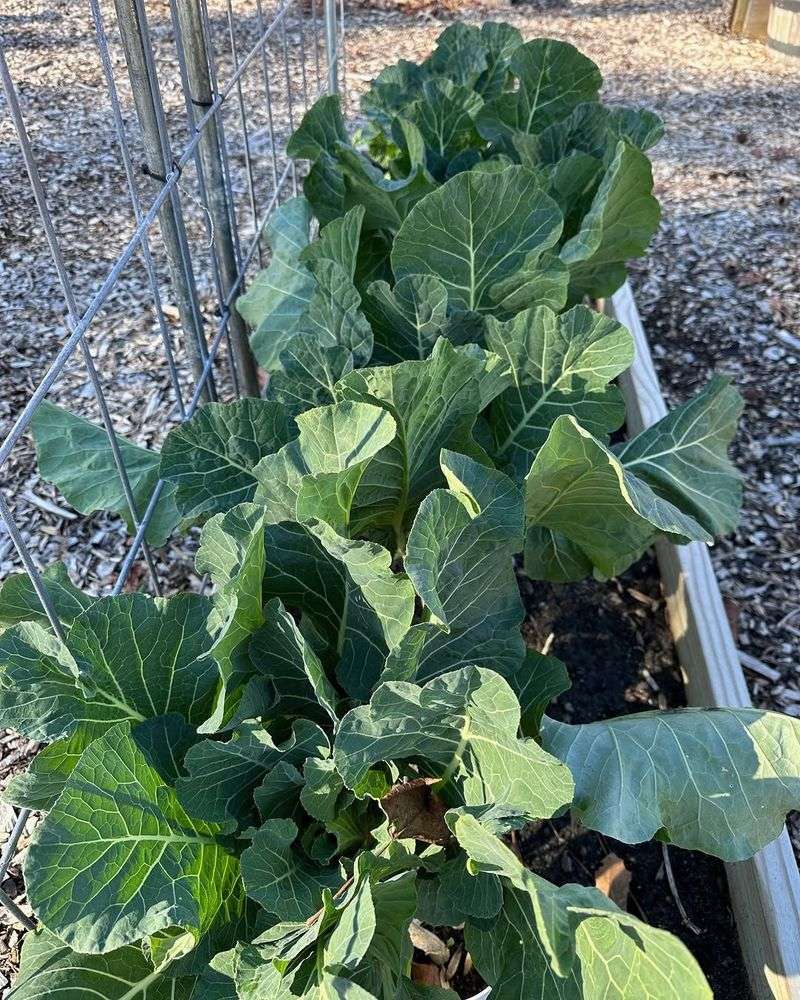
Collards are heavy feeders, and the soil you start with matters more than most gardeners realize. Working compost into your beds before planting gives roots something to grab onto right away.
Aim to mix in two to three inches of finished compost into the top six inches of soil.
Mature compost breaks down slowly, releasing nutrients over several weeks instead of all at once.
Sandy soils, which are common across parts of the Georgia Piedmont and coastal plain, drain fast and hold very little nutrition on their own. Compost helps both problems by improving texture and nutrient retention at the same time.
Clay-heavy soils benefit too. Compost loosens compacted ground, which allows roots to spread more easily and water to move through without pooling.
Avoid using fresh manure right before planting. It can introduce bacteria and may burn tender roots with excess nitrogen before it has time to break down properly.
If you have a compost pile at home, now is a good time to check whether it has finished.
Your Georgia Garden Changes Every Week. Your Plan Should Too.
Gardening in Georgia changes quickly throughout the season. Every Friday you’ll receive a simple weekly plan showing exactly what to plant, prune, fertilize, harvest, and protect so you never miss the right timing.
Finished compost smells earthy, not sharp, and looks uniform with no recognizable food scraps remaining in the mix.
3. Keep The Soil Evenly Moist
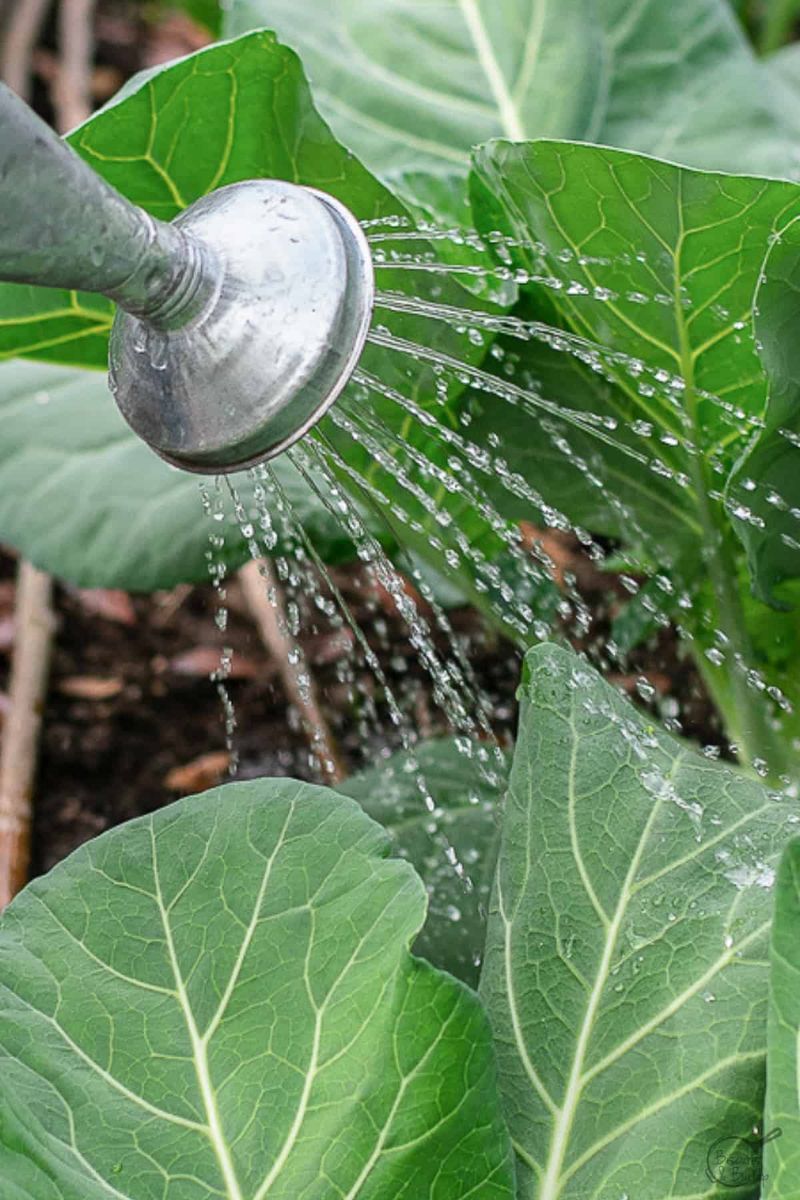
Inconsistent watering causes more problems than most gardeners expect. When collard roots go through cycles of wet and dry, leaves can turn tough, bitter, or even crack along the midribs.
Collards generally need about one to one-and-a-half inches of water per week, including rainfall.
During dry August stretches, that usually means watering two to three times a week depending on your soil type.
Water at the base of the plant rather than overhead. Wet leaves sitting in humid summer air create conditions where fungal problems can develop more easily.
Mulching around plants helps hold soil moisture between watering sessions.
A two-to-three-inch layer of straw or wood chips can noticeably reduce how often you need to water.
Check soil moisture by pressing a finger about an inch into the ground near the plant base. Moist but not soggy is the target.
Waterlogged roots struggle just as much as dry ones.
Drip irrigation is worth considering if you have multiple rows. It delivers water directly to root zones, cuts down on evaporation, and keeps foliage dry.
Setting it on a timer also takes the guesswork out of watering schedules during busy weeks.
4. Feed With Extra Nitrogen After Plants Settle
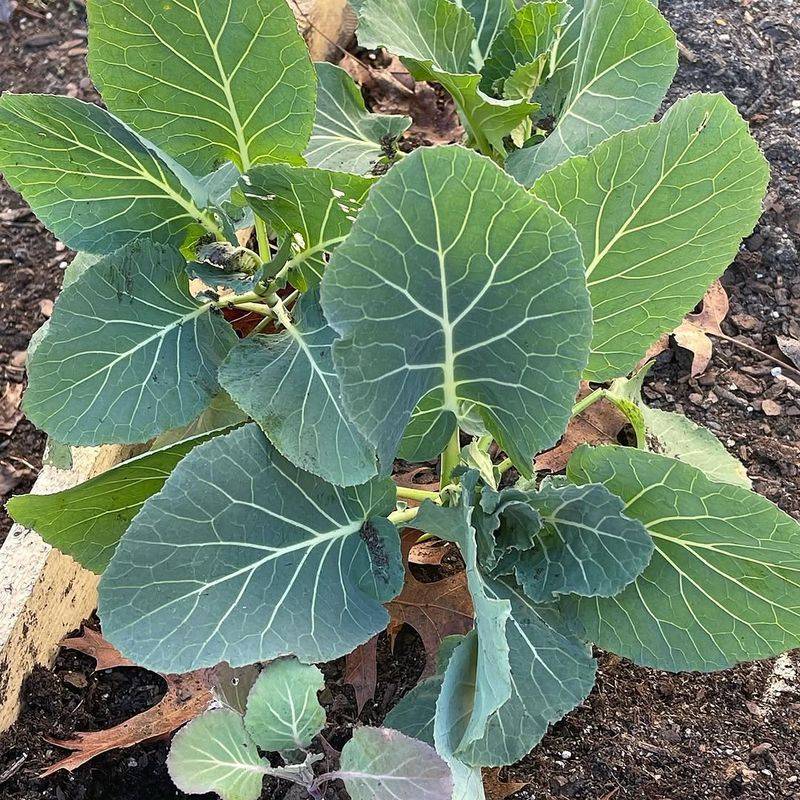
Nitrogen is what drives leaf production, and collards are all about leaves. Once transplants have been in the ground for about two weeks and look settled, a nitrogen boost can push growth into high gear.
A balanced vegetable fertilizer or one slightly higher in nitrogen works well for this stage.
Follow package directions carefully since over-applying can lead to lush but weak growth that attracts more pests.
Blood meal and cottonseed meal are organic options that release nitrogen gradually. Both work well in Southern gardens and are less likely to cause a sudden growth surge that stresses plants.
Side-dressing is a practical method for established plants. Scatter fertilizer about four to six inches from the stem, then water it in so nutrients move down toward the root zone where they are actually needed.
Avoid heavy feeding after September in most of Georgia.
Late-season nitrogen pushes soft new growth that may not harden off well before cooler nights arrive.
Plants that show yellowing on older lower leaves are often signaling a nitrogen shortage. Pale green or yellow foliage on mature leaves, while newer growth stays greener, is a fairly reliable early indicator worth acting on before the problem spreads further up the plant.
5. Watch For Cabbage Worms And Aphids
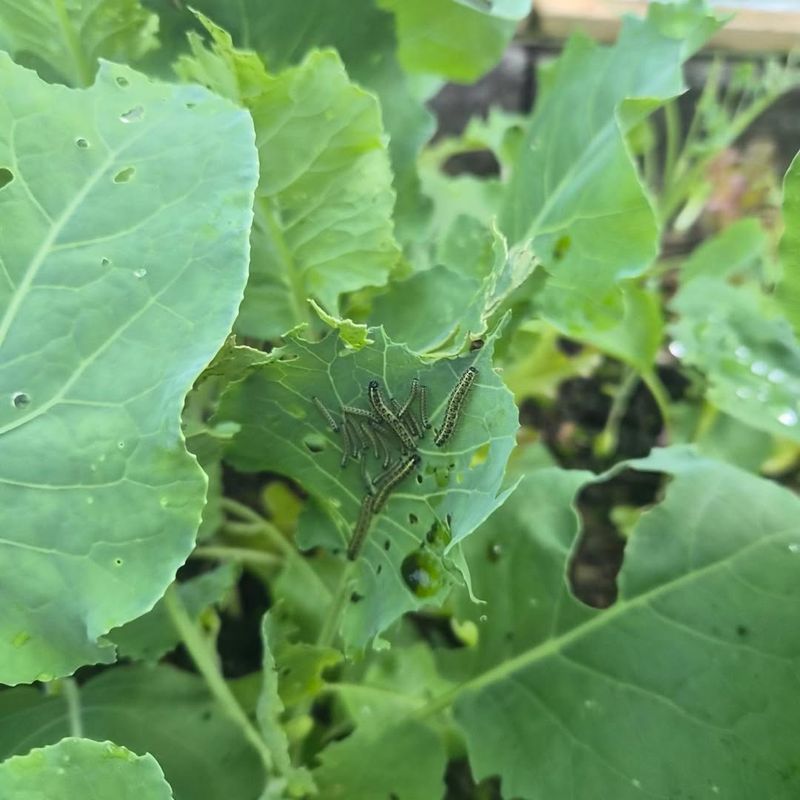
August brings peak pressure from two of the most common collard pests in the South.
Cabbage worms and aphids can both show up fast, and catching them early makes a real difference in how much damage actually happens.
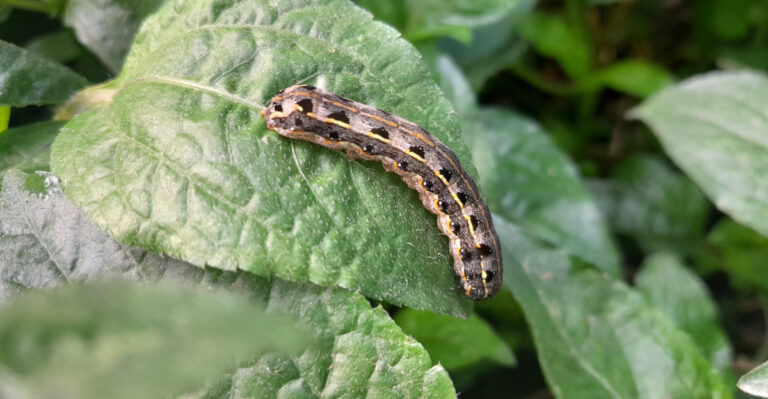
Cabbage worms are the larvae of white or yellowish moths and butterflies. They chew ragged holes in leaves and can strip young plants quickly if populations build up unchecked.
Check the undersides of leaves regularly. Worm eggs are tiny and often pale yellow, laid in clusters or singly depending on the species.
Removing eggs by hand before they hatch is simple and effective.
Bacillus thuringiensis, commonly called Bt, is a naturally occurring soil bacteria used as a spray to manage caterpillars. It targets larvae without harming most beneficial insects when applied correctly.
Aphids cluster on new growth and leaf undersides, sucking plant sap and leaving behind sticky residue.
A firm spray of water can knock small colonies off plants, though persistent infestations may need a few repeat treatments.
Row covers are worth using on young transplants during the first few weeks. Lightweight fabric lets in light and air while keeping egg-laying insects away from plants during the most vulnerable early growth stage.
6. Harvest Outer Leaves As They Mature
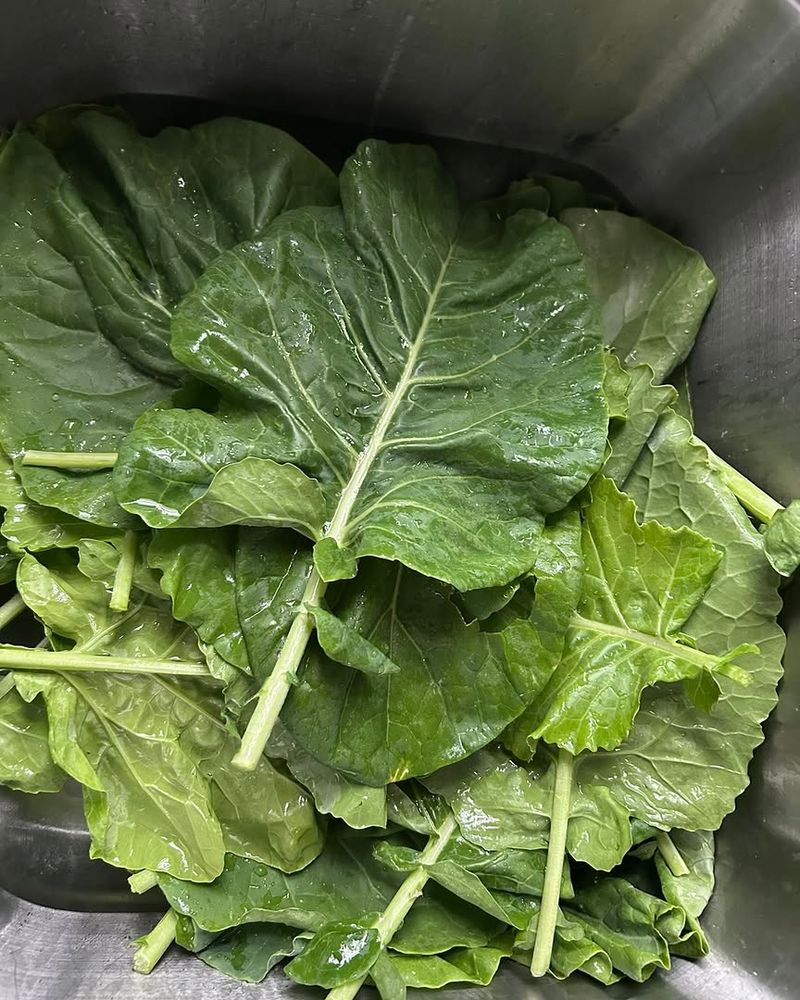
Picking collard leaves before they get too large actually keeps plants producing longer.
Leaving oversized leaves on the plant too long can slow overall growth and sometimes signals the plant to shift energy elsewhere.
Start harvesting outer leaves once they reach about the size of your hand or slightly larger. Younger leaves tend to be more tender, while very large ones can turn thick and chewy if left too long.
Snap or cut leaves cleanly at the base of the stem. Tearing can leave ragged edges that take longer to dry out, which may create small entry points for pathogens in humid late-summer conditions.
Leave the center crown of the plant untouched. New leaves grow from the center out, so protecting that growing point keeps the plant actively producing through fall and into early winter.
A single healthy plant can produce harvestable leaves repeatedly over many weeks. Consistent harvesting every seven to ten days is a reasonable rhythm once plants are fully established and growing steadily.
Fresh collard leaves keep well in the refrigerator for about a week when stored unwashed in a loose plastic bag. Washing before storage tends to speed up spoilage, so wait until just before you are ready to cook them.
7. Protect Young Plants From Late Summer Heat
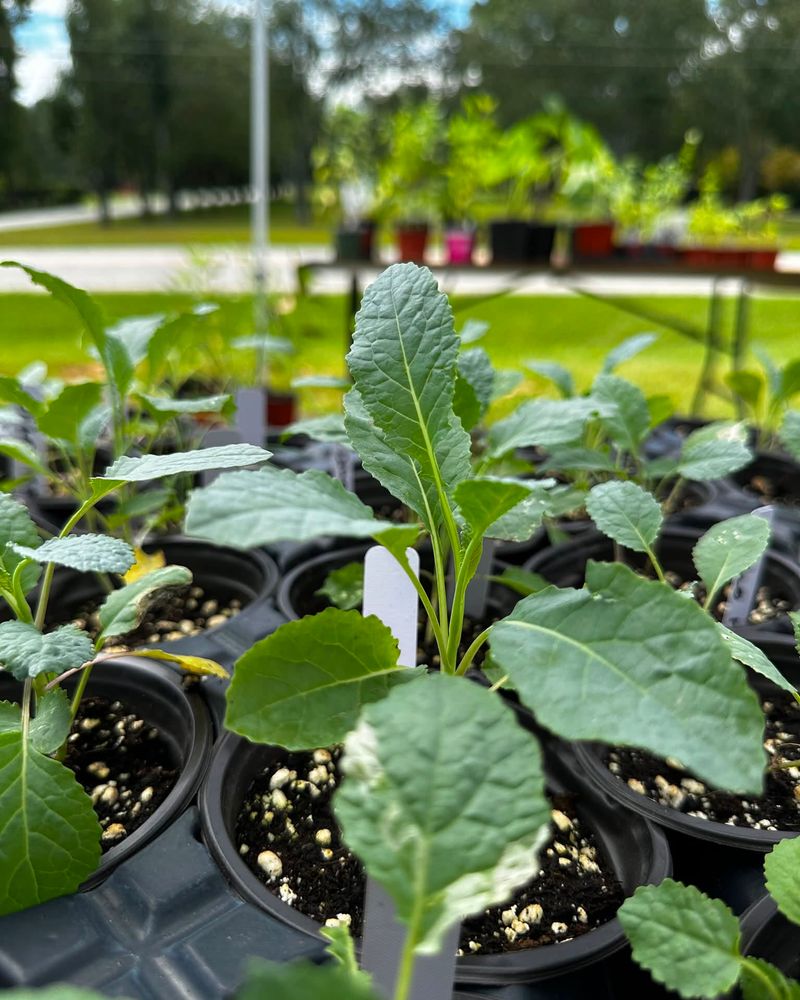
Scorching afternoons in August can set young collard transplants back significantly.
Seedlings that go in during a heat wave often stall for a week or more before they start putting on real growth.
Shade cloth rated at 30 to 40 percent is a practical tool during the hottest weeks. Draping it over hoops above new transplants cuts direct sun intensity without blocking the light plants still need to photosynthesize.
Mulch plays a double role here. It keeps soil temperatures from spiking during midday and also reduces moisture loss, which matters a lot when young roots are still shallow and not yet fully established.
Wilting during peak afternoon hours does not always mean a plant is in serious trouble. Some wilting on hot days is normal and plants often recover once evening temperatures drop.
Check soil moisture before reaching for the hose.
Hardening off transplants before putting them in the ground helps too. Setting seedlings outside in a shaded spot for a few days before transplanting lets them adjust gradually to outdoor conditions.
Once plants are about eight to ten inches tall with several sets of true leaves, they are generally more resilient to heat stress. Getting through those first two weeks is the most critical window for protecting young collards in late Southern summers.