What To Plant In Your Georgia Garden Before August 15 For A Fall Harvest
August can make a Georgia vegetable garden feel finished long before the calendar agrees.
Tomatoes look tired, afternoon soil feels hot enough to toast seed, and fall harvests seem impossibly far away. Yet this is exactly when several crops need attention.
Snap beans and Irish potatoes reach an important mid-August deadline, while cucumbers and squash still have time to start.
Broccoli, cabbage, collards, and kale also belong on the August list, usually as seedlings being prepared for cooler September beds.
So what deserves space before August 15?
The answer depends partly on where you garden. Georgia planting dates are centered on middle Georgia, with fall timing generally moving about two weeks earlier in the north and as much as two weeks later in the extreme south.
That regional shift matters.
Plant now with heat management in mind, keep seedbeds evenly moist, and choose quick or well-adapted varieties. The garden may still feel like summer, but the harvest calendar is already quietly turning toward October, November, and beyond in Georgia soil.
1. Plant Snap Beans Before August 15
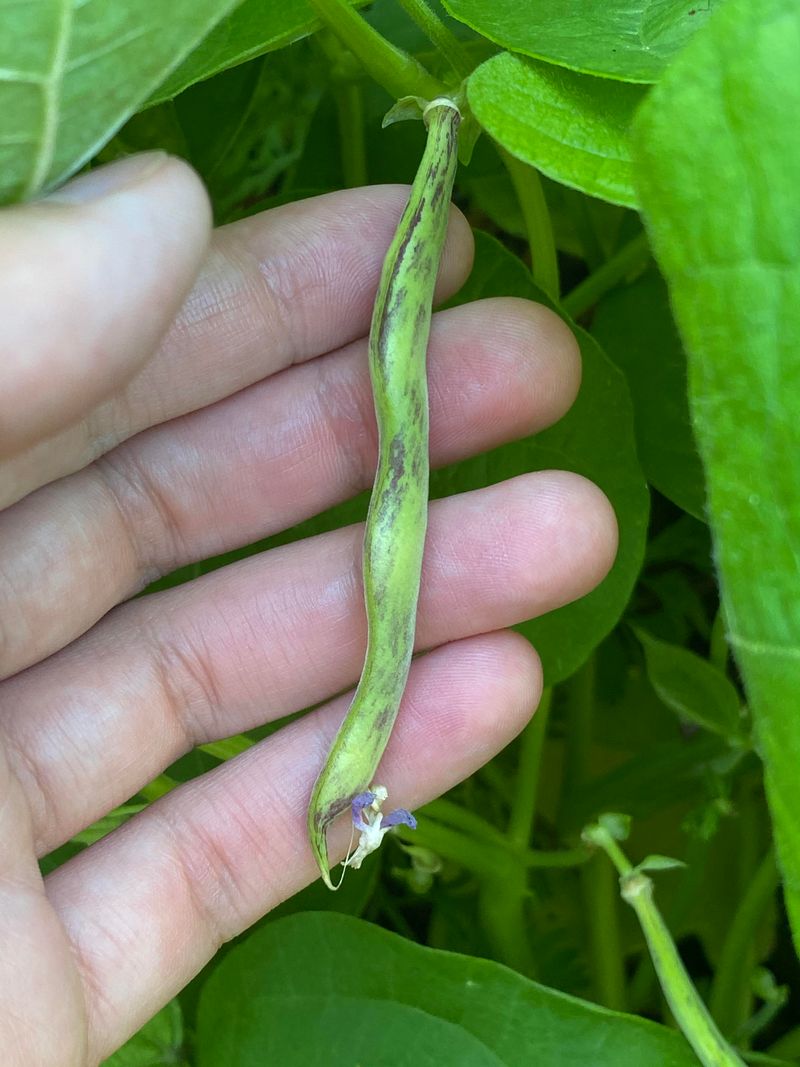
Snap beans are one of the clearest crops on Georgia’s August calendar.
For middle Georgia, the traditional cutoff is August 15 for a fall planting. Gardeners farther north should lean earlier because the first frost usually arrives sooner, while extreme south Georgia often has a little more breathing room.
That makes the date a deadline to respect, not a reason to wait until the last afternoon.
Choose an early-maturing bush bean where possible.
A variety finishing in roughly 50 to 60 days leaves more room for harvest before cold weather interrupts production.
Beans planted near the deadline are already racing the calendar, so this is not the moment to audition a famously slow variety.
Hot soil can complicate germination.
Plant into moist soil, cover seed at the proper depth, and keep the seed zone from drying hard while sprouts emerge. A light organic mulch added after seedlings are up can moderate soil temperature and reduce moisture loss.
Consistent water matters again once flowering begins.
Dry swings can reduce pod set and leave plants struggling during the same weeks they need to move quickly.
North Georgia gardeners should treat early August as especially valuable planting time.
Middle and south Georgia gardeners have a slightly wider runway, but August 15 remains the useful statewide marker in the classic garden calendar.
Beans are fast. The calendar is faster. Get the row started while both are still cooperating.
2. Get Irish Potatoes In Before The Deadline
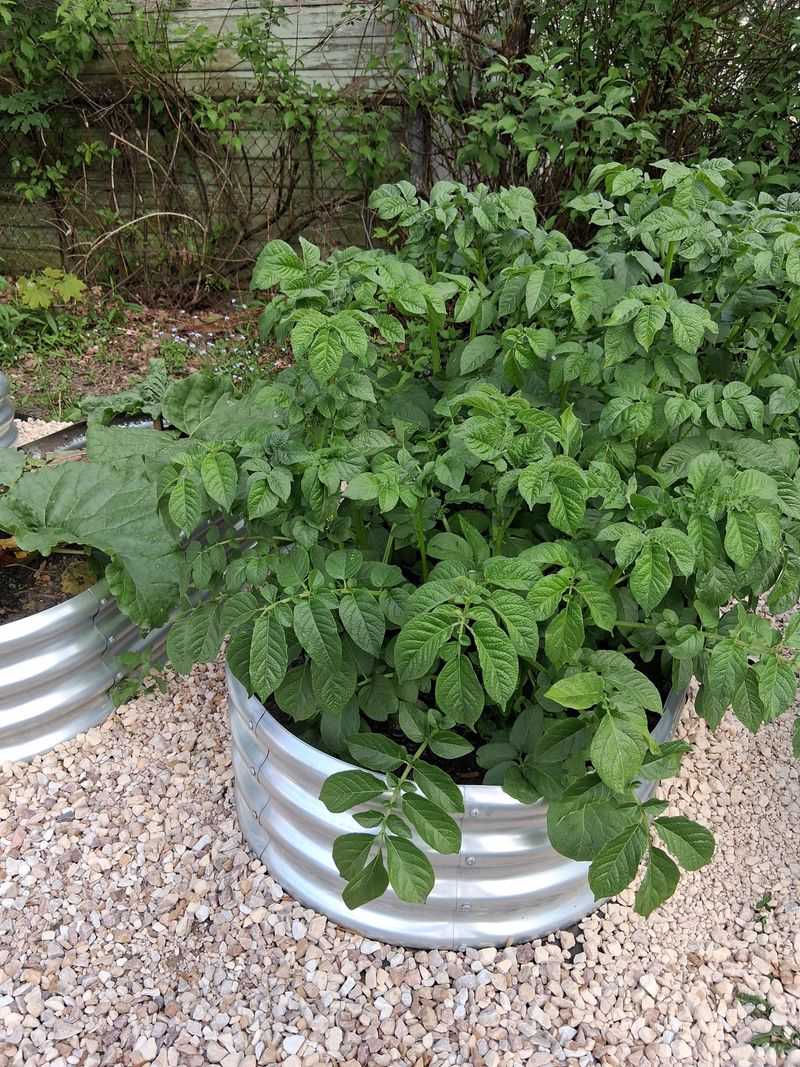
Fall potatoes are easy to forget because spring gets most of the attention.
Georgia’s traditional middle-state calendar gives Irish potatoes the same August 15 cutoff as snap beans.
That makes early to mid-August the practical planting window for gardeners aiming at a fall crop, with northern areas generally needing earlier timing and extreme southern areas gaining some extra calendar room.
Start with healthy seed potatoes intended for planting.
Cut larger pieces so each section has at least one good eye, then allow freshly cut surfaces time to dry and form a light protective layer before planting.
Your Georgia Garden Changes Every Week. Your Plan Should Too.
Gardening in Georgia changes quickly throughout the season. Every Friday you’ll receive a simple weekly plan showing exactly what to plant, prune, fertilize, harvest, and protect so you never miss the right timing.
Small whole seed potatoes can go in without cutting. Certified seed potatoes help reduce disease problems compared with grocery-store potatoes.
Loose soil helps tubers expand.
A deeply loosened bed, raised row, or well-structured garden soil gives developing potatoes room without trapping water around them. Georgia clay can grow potatoes, but dense clods make harvest feel like an archaeological dig.
Planting depth also protects the seed pieces from the hottest surface temperatures.
As shoots emerge, hill loose soil or clean organic material around the stems so developing tubers stay covered. Exposed potatoes can turn green in sunlight and should not be eaten.
Steady moisture supports tuber development, but saturated soil creates another problem entirely.
Keep the bed evenly moist rather than swinging between dust and puddles.
The August deadline comes quickly. Fall potatoes need enough warm-season growth to build plants before cooler weather arrives, so getting them started on time gives the underground crop a much better chance.
3. Plant Cucumbers While August Stays Open
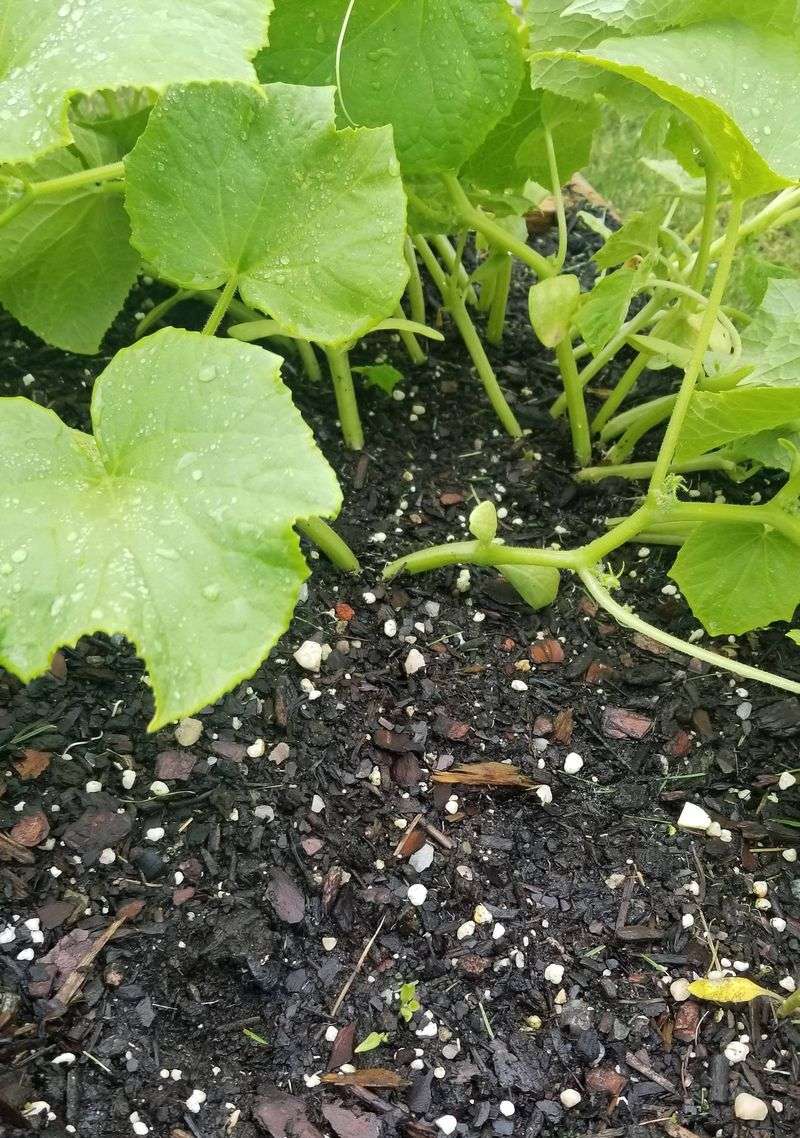
Cucumbers technically have more August room than beans and potatoes.
Georgia’s middle-state calendar allows fall cucumbers through August 31, so planting before August 15 is not a hard statewide cutoff.
It is simply a smart way to buy extra growing time, especially in north Georgia where fall dates generally move earlier.
Choose a quick-maturing variety.
A cucumber listed around 50 to 60 days gives the vines a better chance to flower and produce before cool nights slow growth.
Late planting is a race, and the winning strategy is usually speed rather than botanical ambition. UGA lists typical cucumber harvest at roughly 50 to 70 days from planting.
Warm soil makes germination easy, but moisture can disappear quickly.
Sow into damp ground and keep the seed zone consistently moist until seedlings establish. Mulch after emergence to reduce evaporation and keep splashing soil away from lower leaves.
Trellising can help too.
Getting vines off the ground improves access, keeps fruit easier to spot, and increases air movement through foliage. Late-summer humidity can encourage foliar disease, so crowded vines do not need extra encouragement.
Look for varieties with useful disease resistance, particularly where downy mildew has been troublesome.
Keep water aimed near the root zone rather than repeatedly soaking the canopy.
South Georgia gardeners may plant later than August 15 and still stay within the usual fall window. North Georgia gardeners gain more insurance by starting earlier.
The cucumber calendar is generous compared with beans, but August still has no interest in waiting around.
4. Start Squash Before The Month Closes
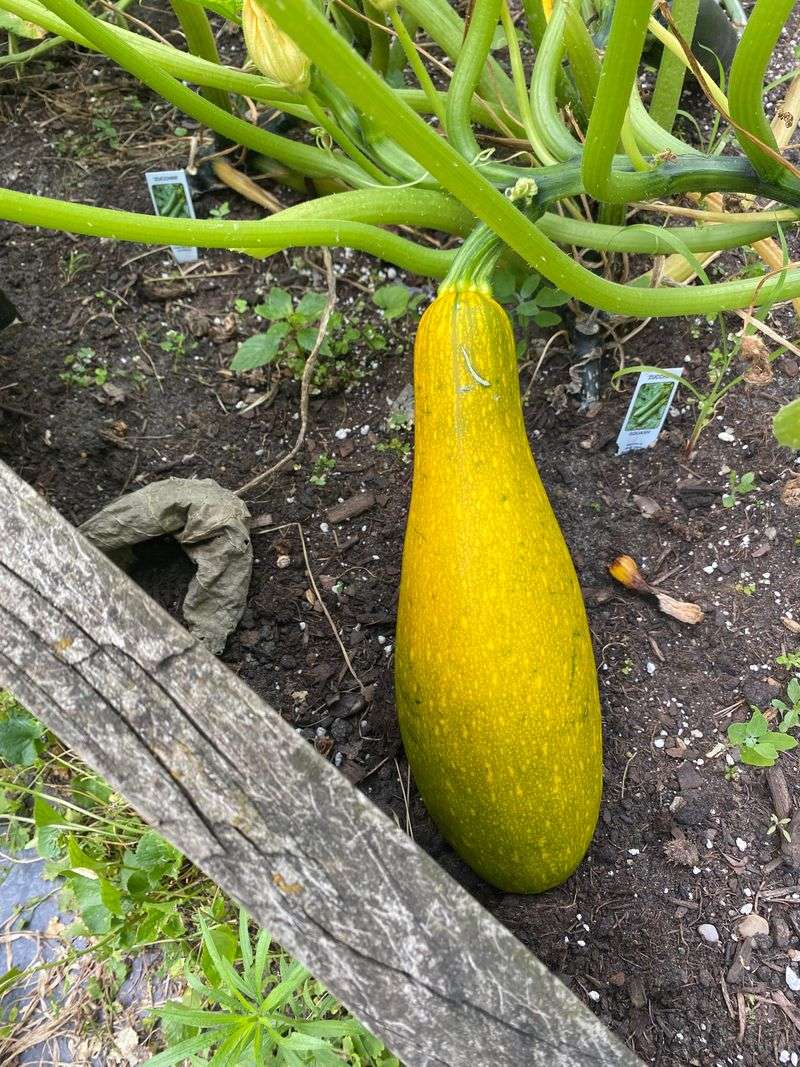
A second round of zucchini or yellow squash can move astonishingly fast once warm soil gets involved.
Georgia’s traditional middle-state calendar keeps the fall planting window open through August 31. Starting before August 15 gives the plants extra time to establish, flower, and produce before fall temperatures begin shortening the race.
Use a fast summer squash rather than a long-season winter type for this particular goal.
Many zucchini, straightneck, and crookneck varieties begin producing quickly, making them useful for a late planting. The first harvest can arrive surprisingly soon once plants establish well.
Heat makes emergence fast, but young seedlings still need steady moisture.
Keep the root zone damp rather than waterlogged and add mulch after plants are growing strongly. A dry seedling in August can go from cheerful to crumpled before lunch has finished.
Late-season pests still deserve attention.
Check leaf undersides and stems regularly for squash bugs and other trouble. Row cover can protect very young plants from some insects, but flowering plants need pollinator access, so covers must come off when blooms begin opening.
Squash depends on bee pollination for fruit set.
Good spacing improves airflow.
Crowded squash creates a humid leaf pile that makes disease management harder as summer humidity lingers. Late-summer cucurbit plantings can also face downy mildew, powdery mildew, and other diseases.
North Georgia benefits most from the earlier side of the August window.
Middle and south Georgia have more flexibility, yet planting before midmonth builds valuable insurance against a slow variety, a hot dry spell, or an early cool-down.
Squash may be speedy, but a head start never offended it.
5. Start Broccoli For September Transplants
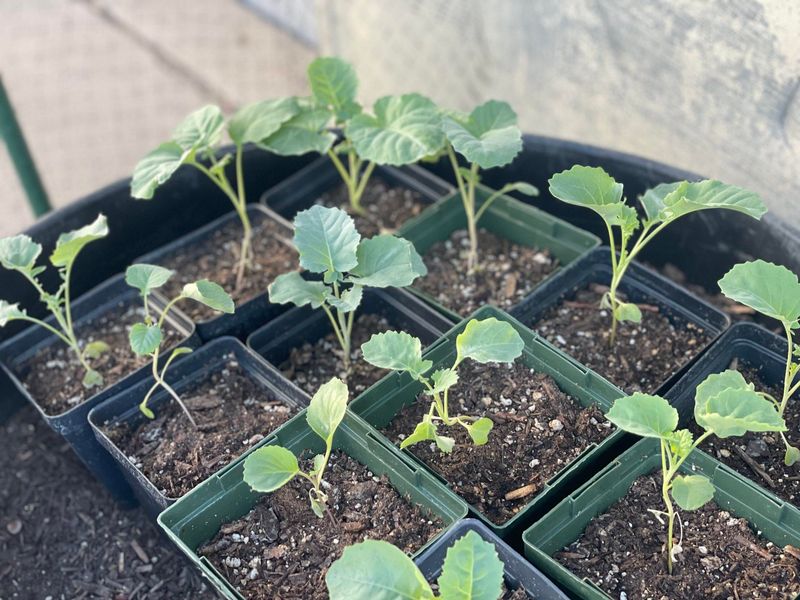
Broccoli belongs on the August list even though the final garden bed may not be ready for it yet.
Georgia fall guidance favors broccoli as a transplant crop.
For middle Georgia, transplanting commonly begins around August 15 and can continue into fall, while the older monthly garden calendar specifically tells gardeners to start broccoli plants in August for setting out in September.
That makes seed-starting before midmonth very useful.
Use clean containers and a quality seed-starting mix, then keep seedlings in bright conditions protected from brutal afternoon heat.
Broccoli needs strong light, but a black tray cooking in full August sun can turn seed starting into a very short experiment.
Keep the mix evenly moist.
Tiny cells dry rapidly, so check them daily without leaving roots in standing water. Good air movement around seedlings also helps produce sturdy growth.
Begin acclimating plants before transplant day.
Gradual exposure to outdoor conditions prepares leaves and stems for the garden rather than moving tender seedlings straight from protection into a blazing bed.
North Georgia gardeners should move the whole schedule earlier.
Extreme south Georgia can generally work later into the fall window. Georgia guidance treats the published dates as middle-state averages, then shifts fall timing earlier or later by region.
Once transplants go outside, give them steady moisture and enough spacing for mature heads. Cooler weather later in the season is the reward for getting seedlings through August.
Broccoli’s fall success starts while summer still feels rude. The tray on the porch is where the season changes first.
6. Start Cabbage For The Fall Bed
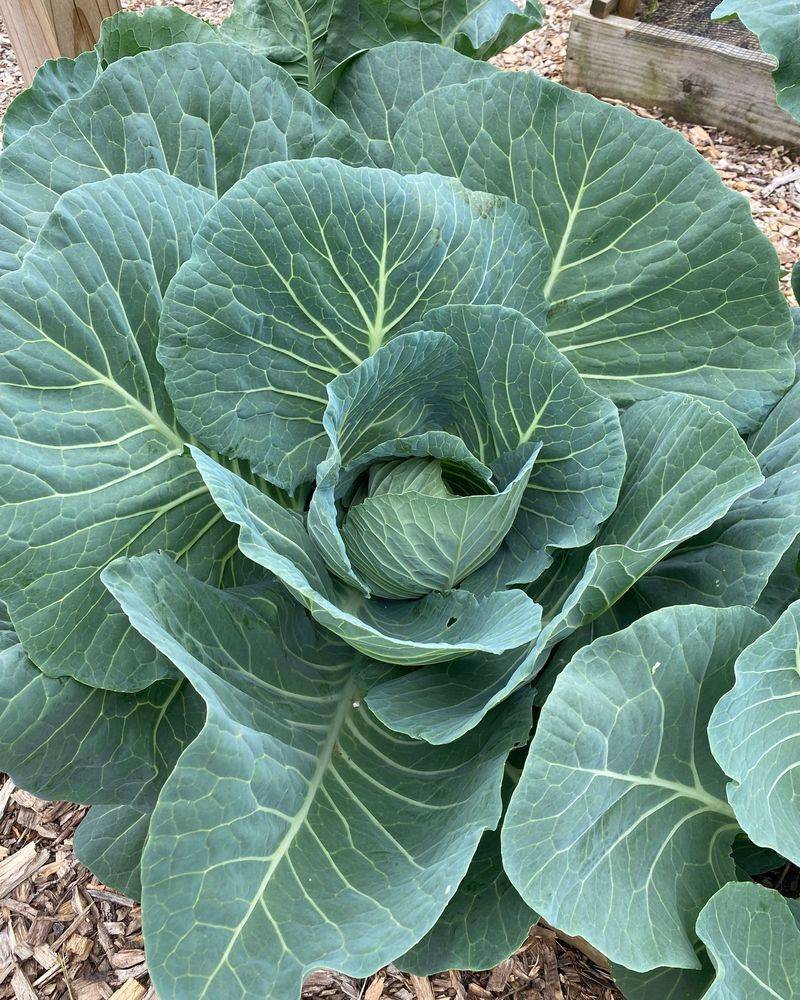
Cabbage asks for planning before it asks for garden space.
Georgia fall guidance commonly uses transplants, with middle Georgia planting beginning around August 15 and extending into fall. The monthly garden calendar also directs gardeners to start cabbage plants during August for setting out in September.
Starting before August 15 keeps that transplant schedule comfortable.
Sow seeds in small cells or pots where moisture and heat are easier to control than in an exposed bed. Give seedlings bright light and protect them from the fiercest afternoon temperatures.
Strong seedlings matter more than oversized ones.
A compact plant with several true leaves and a sturdy stem handles transplanting better than a lanky seedling stretched toward weak indoor light. Turn trays regularly and provide enough light from the beginning.
Keep watering consistent.
Seed-starting mix should stay moist but airy. Saturated cells encourage weak roots, while a dry tray can stress young cabbage surprisingly fast.
Spacing in the garden depends on the mature variety.
Full-size heads need considerably more room than compact types, so read the packet before arranging the fall bed. Georgia fall guidance commonly gives cabbage about 16 to 20 inches within the row.
Crowding does not create extra cabbage. It creates smaller heads with neighbors breathing directly on them.
Transplant during a cooler part of the day and water the root ball thoroughly.
North Georgia should lean earlier with seed starting and transplanting. South Georgia has more fall runway.
The cabbage head comes later. August’s job is simply to build the plant capable of making one.
7. Start Collards Before September Arrives
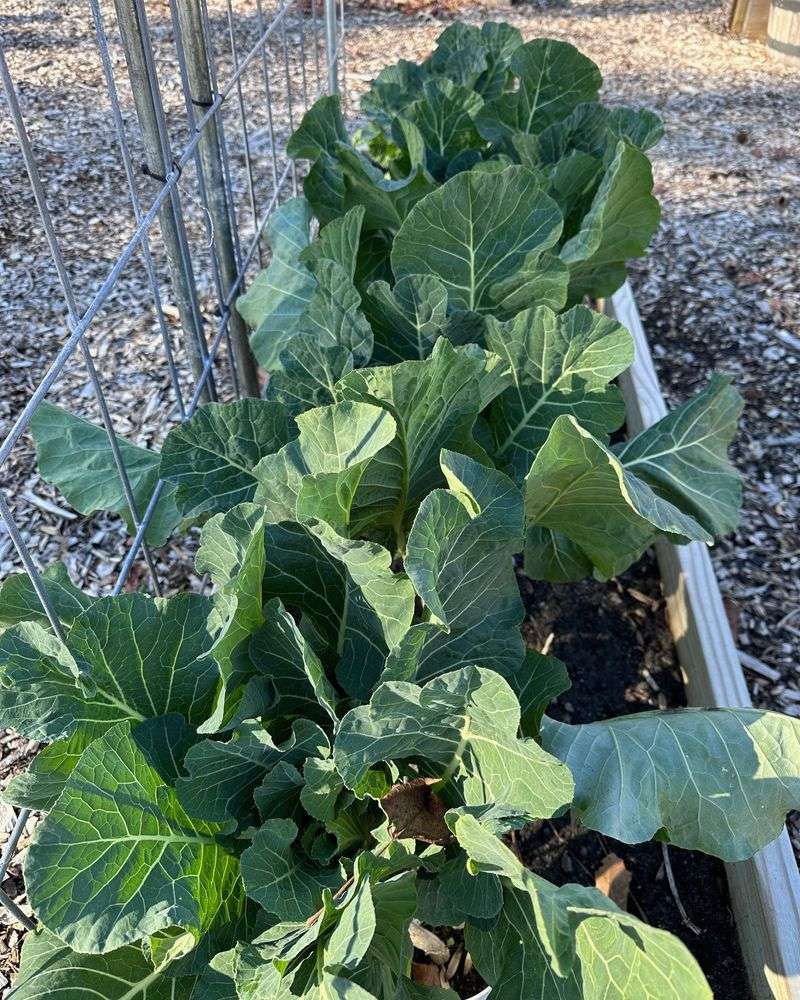
Collards fit Georgia fall gardens so naturally that August almost feels incomplete without them.
Current fall guidance places middle Georgia planting from about August 15 into October, using seed or transplants.
The monthly calendar also recommends starting collard plants in August for September planting. Getting seedlings going before midmonth gives them a strong start without forcing them into the hottest garden soil immediately.
Direct sowing becomes another option as the fall window opens.
For an early August start, trays in light shade can make moisture management easier. Keep the seed mix damp and move seedlings into stronger light after emergence so stems stay compact.
Collards need room once they reach the bed.
Typical garden spacing leaves roughly 18 to 24 inches between plants, with wider rows providing airflow and space for harvesting outer leaves. A crowded collard patch quickly becomes a green traffic jam.
Heat protection helps fresh transplants.
Move them during the cooler part of the day and water thoroughly at planting. Mulch can reduce moisture loss after the root ball settles into the bed.
North Georgia gardeners should favor the earlier end of the fall schedule.
South Georgia can continue later because frost tends to arrive much later.
Once established, collards handle cool weather well and can remain productive deep into the season.
August seedlings may look tiny beside fading summer crops. Give them a few cooler weeks and they start acting like they own the garden, which is very Georgia of them.
8. Start Kale For Cooler Fall Weather
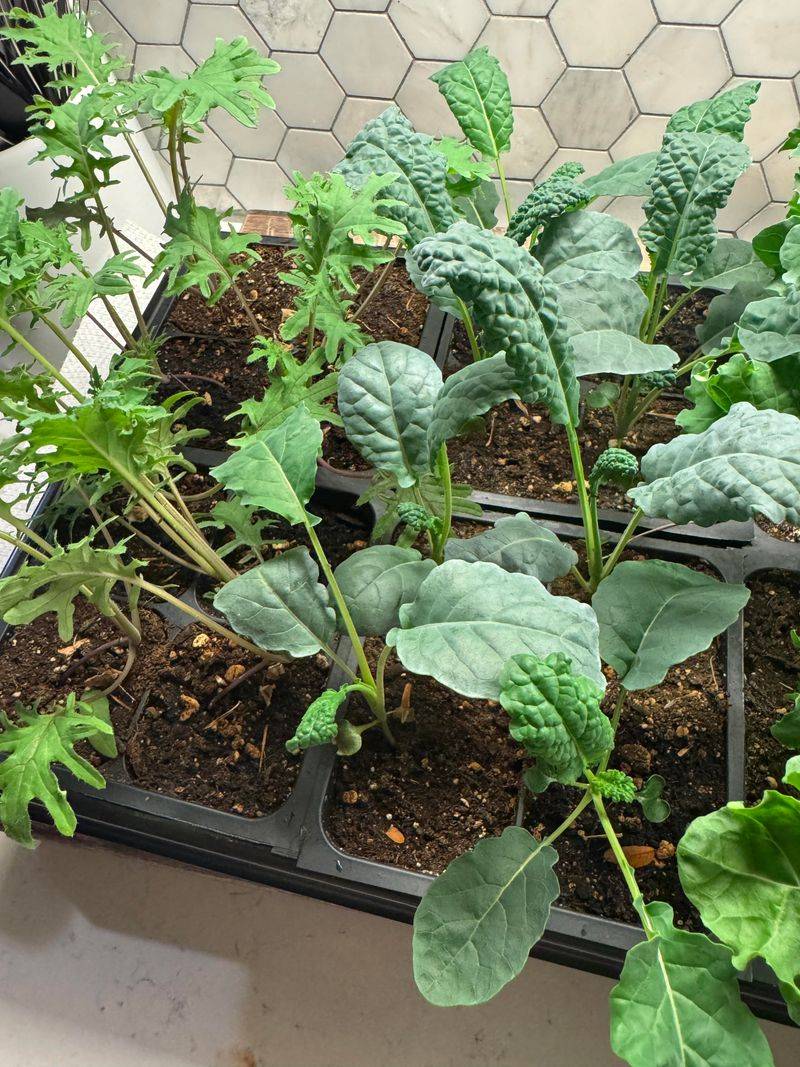
Kale is another crop that benefits from doing the nursery work while August is still hot.
Georgia fall guidance lists kale primarily as a transplant crop, with the middle Georgia window beginning around August 15 and continuing through September. The monthly garden calendar likewise recommends starting kale plants in August for setting out in September.
That makes the first half of August excellent seed-starting time.
Use trays or small pots with a clean seed-starting mix and give seedlings bright light without trapping them in extreme heat. Kale germinates readily in warm conditions, but strong transplants need enough light and steady moisture after emergence.
Avoid constantly soggy mix.
Water thoroughly, let excess drain, and check the tray often because small cells dry much faster than garden soil.
Move seedlings toward outdoor conditions gradually.
A few days of increasing exposure helps reduce transplant stress when the plants finally move into their fall bed.
Give mature plants enough elbow room.
Many garden kales become broad plants, so crowded spacing can reduce airflow and make harvesting awkward. Georgia fall guidance lists about 18 inches between kale plants.
Outer leaves can be picked gradually once plants reach useful size, allowing the center to continue producing.
North Georgia gardeners should keep the schedule moving because their fall season cools sooner.
Middle and south Georgia have more flexibility, with southern gardens often carrying kale much farther into winter.
Kale does not need cool weather on seed-starting day. It needs to be ready when cool weather finally shows up.