Why This Pest Keeps Showing Up On Arizona Citrus Branches During Monsoon Season
Healthy citrus branches can change surprisingly fast once monsoon season begins. New growth appears almost overnight, and it does not stay unnoticed for very long.
Some pests seem to arrive at exactly the same time every year. Their timing is not a coincidence, even if it feels that way at first.
Monsoon weather creates a completely different environment for citrus trees. Fresh shoots, higher humidity, and changing conditions all play a part in what happens next.
Arizona citrus trees often attract much more attention during this part of the season. Looking a little closer now can save plenty of frustration later.
Your tree may already be giving you small clues.
Understanding why this pest keeps returning makes it much easier to spot the problem before it becomes harder to manage.
1. Asian Citrus Psyllids Are Most Active After Rain
Rain flips a switch for Asian Citrus Psyllids. Warm, humid air following a monsoon storm creates exactly the kind of environment these insects prefer.
Humidity softens plant tissue, making feeding much easier for both adults and nymphs.
Adult psyllids become noticeably more mobile after rainfall. They fly between branches and trees with greater frequency when temperatures stay warm and moisture lingers in the air.
That combination of heat and humidity is common across Arizona citrus-growing areas during July and August.
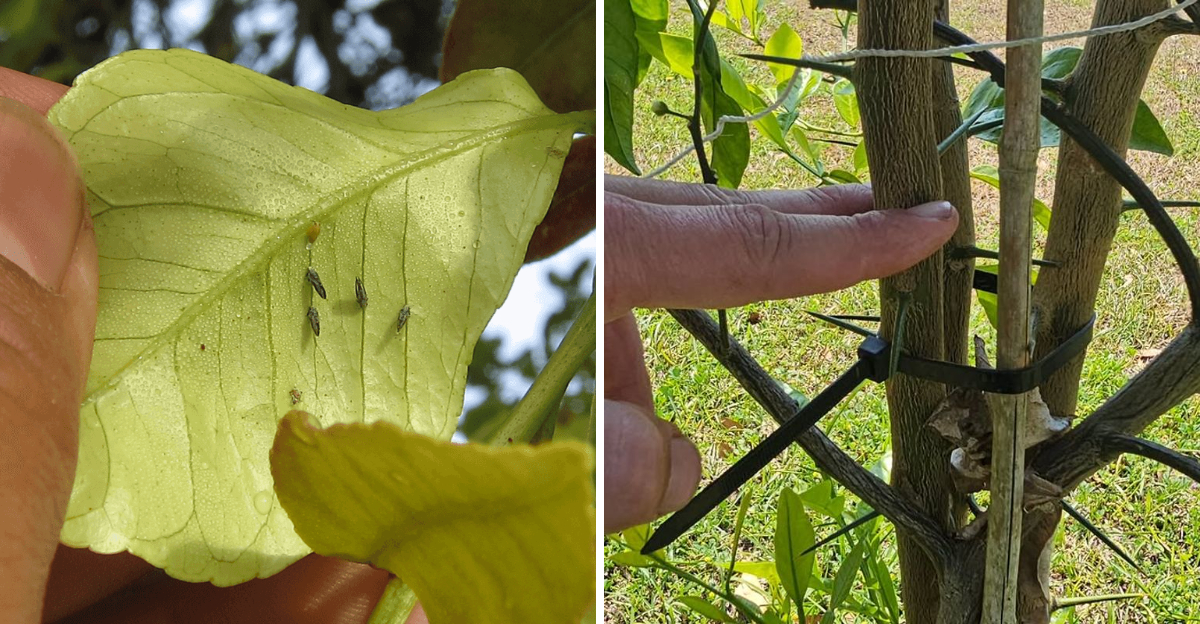
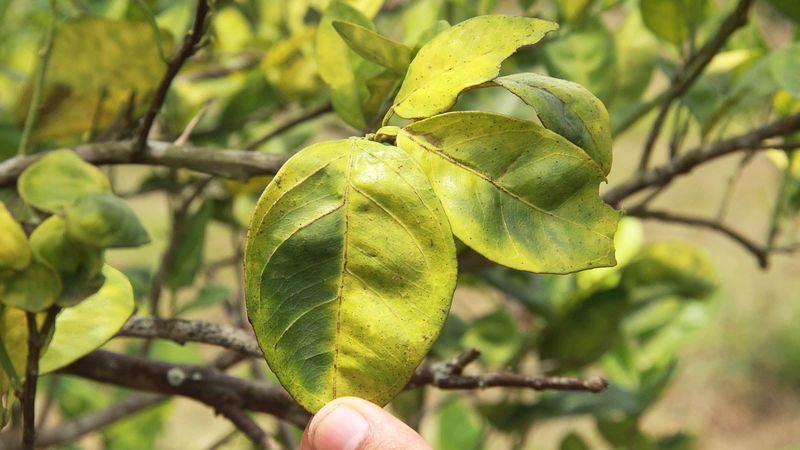
Psyllids feed by inserting their mouthparts into tender plant tissue and extracting sap. During active feeding, they release a toxic saliva that curls and twists new growth into unusual shapes.
That curling is often the first visible sign something is wrong.
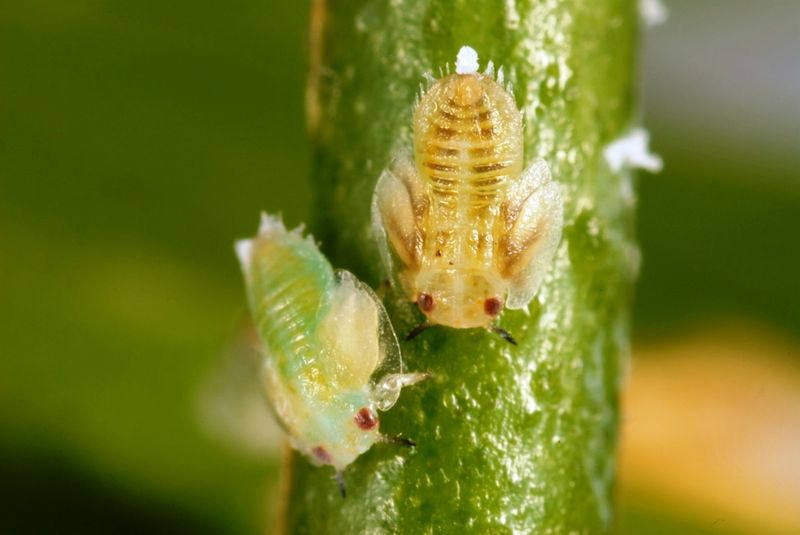
Nymphs produce a white, waxy, thread-like substance as they feed. This material collects on branches and can be spotted without a magnifying glass.
Seeing that white fluff on your citrus after rain is a reliable early warning sign.
Post-rain activity spikes tend to last several days, not just hours. If you check your trees within 48 hours after a monsoon storm, you are catching psyllids at their most exposed and active phase.
That timing matters a lot when deciding whether to act.
2. Tender New Growth Gives Them Fresh Feeding Sites
Psyllids are picky eaters in one very specific way. They only lay eggs and feed on new, tender citrus growth, called flush.
Without fresh flush present, populations struggle to grow.
Monsoon rains push citrus trees into sudden bursts of new growth. Branches that looked quiet for weeks suddenly sprout soft, bright green tips almost overnight.
Psyllids detect this fresh tissue and move toward it quickly.
Eggs are laid almost exclusively on these new leaf buds. A single female can lay hundreds of eggs during her active season, and she concentrates all of them on the youngest, softest growth available.
That targeted behavior makes flush a critical monitoring point.
Nymphs hatch and immediately begin feeding on the same tissue where they were laid. Because flush is soft and full of sap, nymphs can feed efficiently without moving far.
An entire colony can develop on just a few branch tips.
Your Arizona Garden Changes Every Week. Your Plan Should Too.
Gardening in Arizona changes quickly throughout the season. Every Friday you’ll receive a simple weekly plan showing exactly what to plant, prune, fertilize, harvest, and protect so you never miss the right timing.
Damaged flush often fails to develop properly. Leaves may curl, pucker, or drop early.
Branch tips can look stunted or distorted compared to healthy growth on the same tree. Catching psyllids while they are still concentrated on flush gives you a real window to address the problem before it spreads further across the canopy.
3. Wind Carries Adults Between Nearby Trees
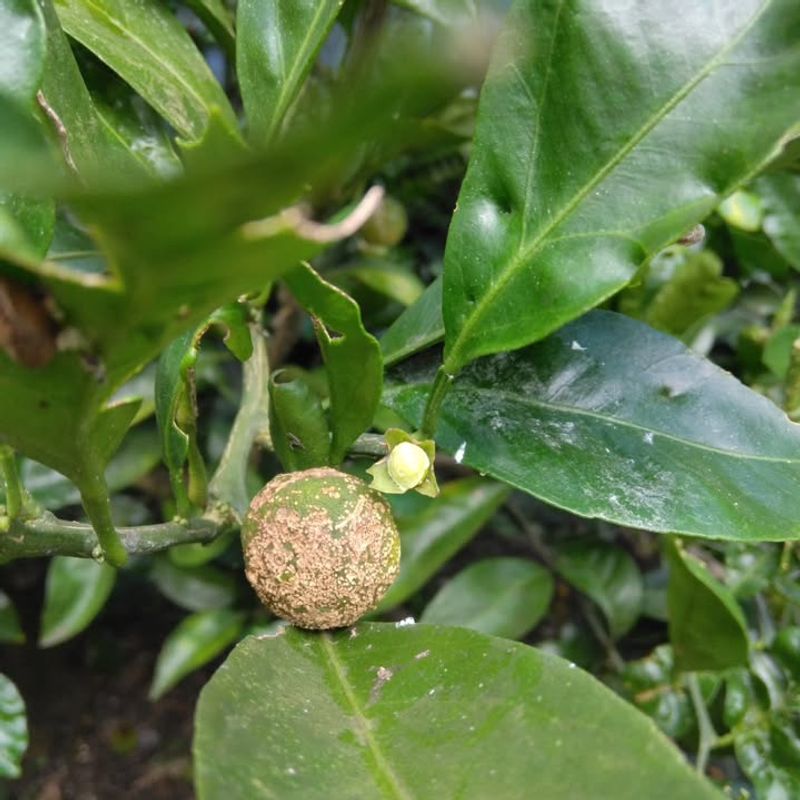
Monsoon winds are not subtle. Gusts sweep through neighborhoods fast, and for a small insect like an adult psyllid, that wind becomes free transportation between trees.
Adult psyllids are capable fliers, but they do not need to work hard when wind is doing most of the work. Storms push them from infested trees onto clean ones with little effort on their part.
A single infested tree in a yard can seed problems across several neighboring properties within one season.
Neighborhoods with dense citrus plantings face higher spread risk. When trees are close together, psyllid movement between them happens more easily, with or without wind assistance.
Spacing matters, though most established yards cannot be rearranged at this point.
Wind-driven spread is one reason psyllid populations can seem to appear suddenly on trees that looked clean just weeks before. One storm does not just bring rain.
It can redistribute insects across a wide area in a short window of time.
Talking with neighbors about what they are seeing on their trees is genuinely useful. If a nearby property has a heavy infestation and no one is managing it, wind will likely carry adults your way.
Coordinated awareness across neighboring yards tends to produce better outcomes than isolated efforts on a single property.
4. Untreated Trees Stay Infested Longer
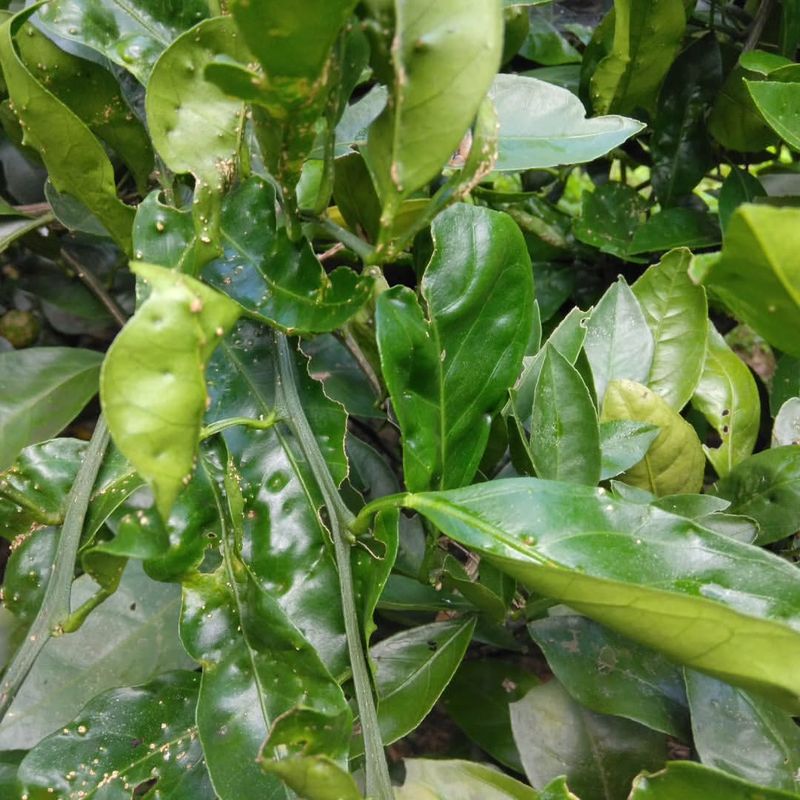
Leaving a psyllid problem unaddressed does not make it stabilize. Populations tend to build over time, especially when monsoon season keeps delivering fresh flush for new generations to feed on.
Each generation of psyllids completes its development in a few weeks under warm conditions. Arizona summers provide exactly the temperatures that accelerate that cycle.
Multiple generations can overlap within a single monsoon season on an untreated tree.
Heavy infestations weaken trees gradually. Sap loss from feeding, combined with the toxic effects of psyllid saliva, stresses the tree over time.
Stressed trees may produce less fruit and show more branch tip decline by the end of the season.
Beneficial insects like parasitic wasps do prey on psyllids naturally. However, natural predator populations often cannot keep pace with rapid psyllid growth during peak monsoon activity.
Relying only on natural controls may not be enough when infestations are heavy.
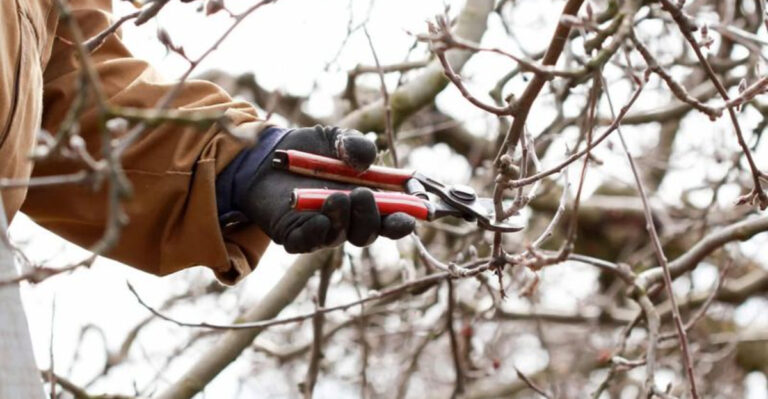
Acting early, even with basic monitoring and targeted removal of infested flush, tends to produce better results than waiting. Pruning off heavily infested branch tips before nymphs mature removes a significant portion of the developing population.
Bagging and disposing of those clippings away from the yard reduces the chance of spreading adults during the process.
5. Citrus Flushes More After Monsoon Moisture
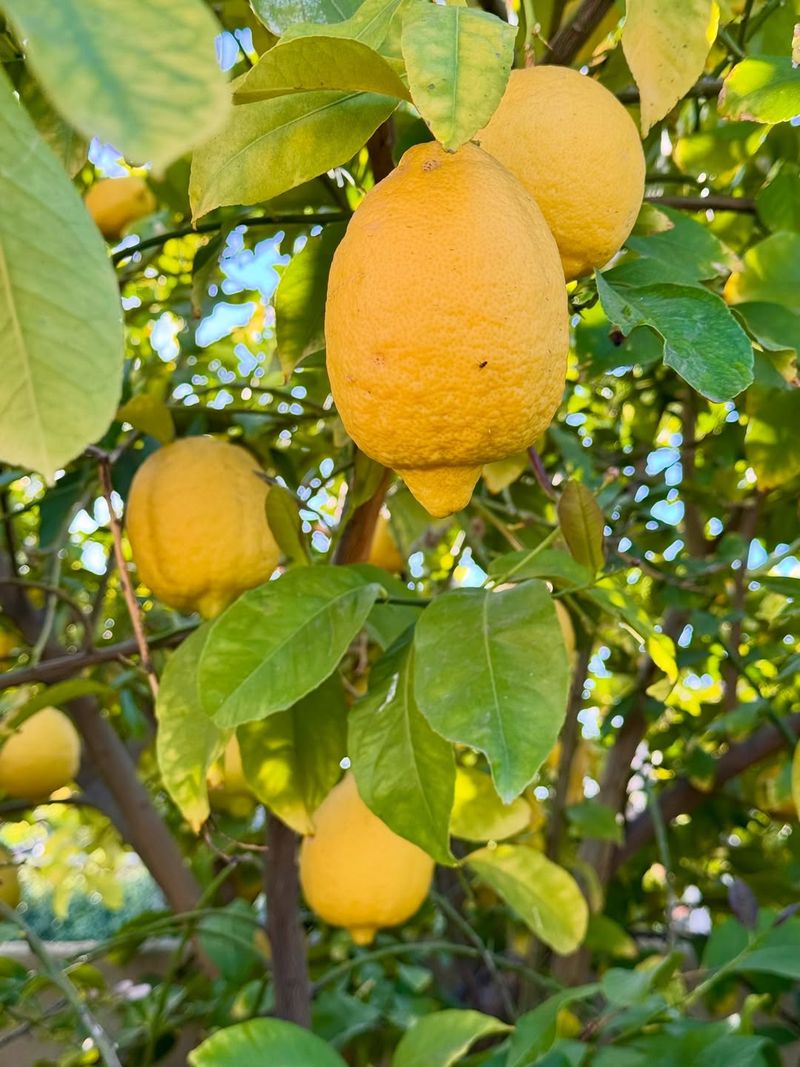
Citrus trees respond to moisture quickly. After weeks of dry summer heat, a few good monsoon rains can trigger a noticeable flush of new growth across the entire canopy almost simultaneously.
That synchronized flush is a problem from a pest management standpoint. When every branch tip pushes new growth at the same time, psyllids have an enormous amount of suitable feeding and egg-laying sites available all at once.
Population growth accelerates under those conditions.
In Arizona’s low desert, citrus can push multiple flush cycles during the monsoon period. Each new flush wave gives psyllids another opportunity to expand their numbers.
The cycle repeats as long as rainfall keeps stimulating new growth.
Irrigation practices also play a role. Trees receiving consistent deep watering through summer may flush more frequently than those on a more conservative schedule.
Adjusting irrigation timing does not prevent psyllids, but it can reduce how often new flush is available as a feeding site.
Monitoring your tree’s flush cycle closely gives you a predictable window for inspection. New growth typically becomes visible within days after a significant rain event.
Getting out to check branch tips during that early flush stage, before psyllid eggs hatch and nymphs establish, puts you in a much stronger position to catch any developing problem early.
6. Early Action Limits New Infestations
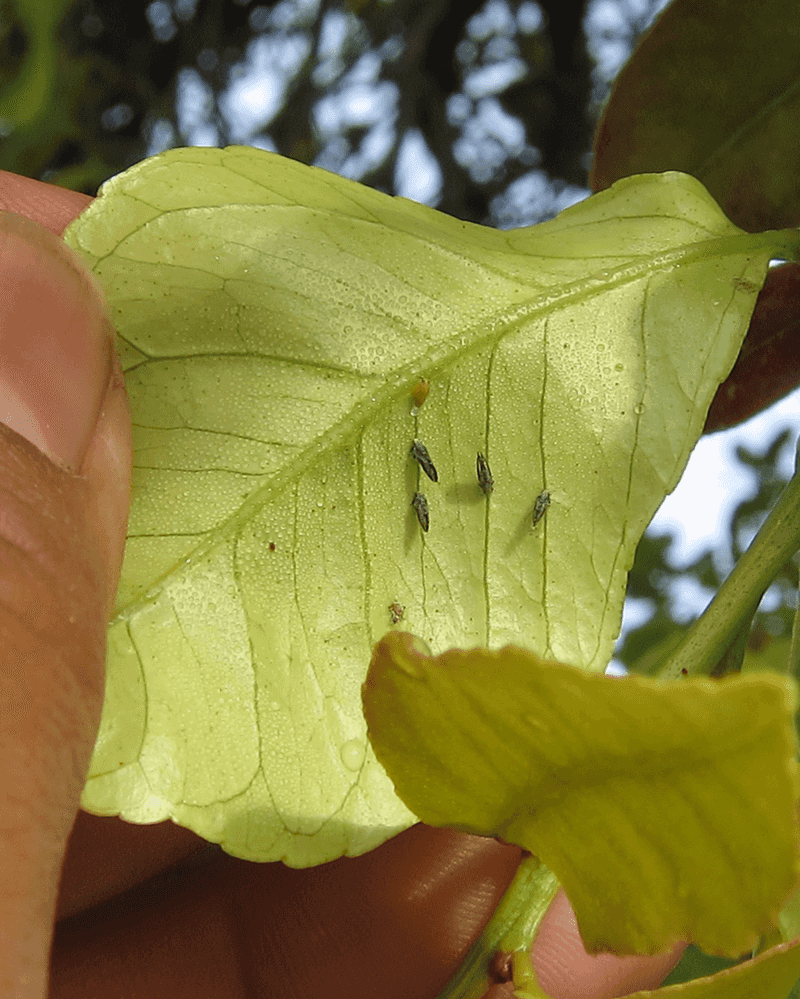
Catching a psyllid problem early is genuinely one of the most effective things a home grower can do. Small infestations are far easier to manage than established ones that have spread across the canopy.
Early-stage nymphs are visible but not yet mobile. They cluster tightly on flush tips and have not yet matured into flying adults.
Removing infested branch tips at this stage physically removes a large portion of the population before it can reproduce further.
Horticultural oils and insecticidal soaps can be effective against nymphs when applied with thorough coverage directly on infested tissue. Neither product has much residual effect, so timing and contact are critical.
Repeat applications may be needed as new flush emerges.
Systemic insecticides are another option some growers use, though timing and product selection matter significantly. Applying systemic products while trees are flowering is not recommended due to potential effects on pollinators.
A local cooperative extension office can provide guidance specific to your situation.
Checking trees every week or two during active monsoon months gives you a real advantage. Psyllids move fast when conditions are right.
A quick visual scan of branch tips, especially on new growth, takes only a few minutes and can catch problems while they are still manageable. Consistency matters more than any single response.
7. Regular Branch Inspections Catch Problems Sooner
Routine inspections are not glamorous, but they work. Most psyllid infestations that get out of hand do so because they went unnoticed for too long.
Regular checks break that pattern.
Focus your inspections on the newest growth first. Psyllids cluster on flush tips, so that is where early signs appear.
Look for curled or twisted leaves, white waxy threads, and tiny orange-yellow nymphs no bigger than a pinhead clinging to stems.
Check the undersides of young leaves carefully. Eggs are small and pale, laid in clusters near leaf edges and along midribs.
A magnifying glass helps, especially in the early stages when egg clusters are easier to miss with the naked eye.
Inspecting after rain events makes particular sense during monsoon season. Psyllid activity increases post-storm, and new flush emerges quickly.
Combining your post-rain walkthrough with a focused branch check adds very little time but improves your detection rate significantly.
Keep a simple log of what you find and where. Noting which parts of the tree show activity first helps you build a pattern over time.
Some branches may be more exposed to wind or receive more afternoon sun, making them consistently higher-risk spots.
Knowing your tree’s vulnerability points helps you inspect smarter, not just more often.