The Simple Ways Michigan Gardeners Keep Coneflowers Blooming For Years
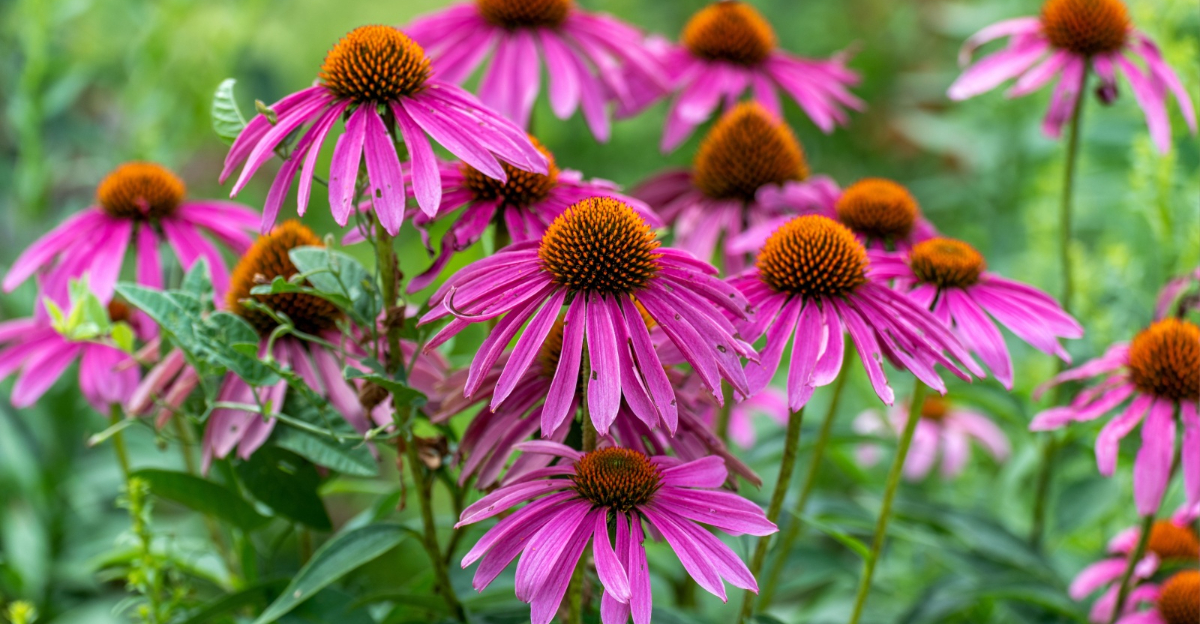
Coneflowers have a reputation for being tough, and that reputation is well earned. Bold purple petals, raised orange-brown centers, blooms that stretch from midsummer deep into fall, and a general attitude of getting on with things without much intervention.
Michigan gardens are genuinely well-suited to coneflowers, but well-suited does not mean foolproof, and a few early decisions make a noticeable difference in how long and how reliably these plants perform.
Sandy western soils, heavier clay in the south, cooler sites near the lakes – Michigan’s growing conditions vary enough that placement actually matters.
Get the sun exposure right, let young plants settle in properly, and pay attention to the small signals that show up before a problem spreads, and coneflowers can become one of the most dependable parts of the whole garden.
1. Plant Coneflowers In Full Sun
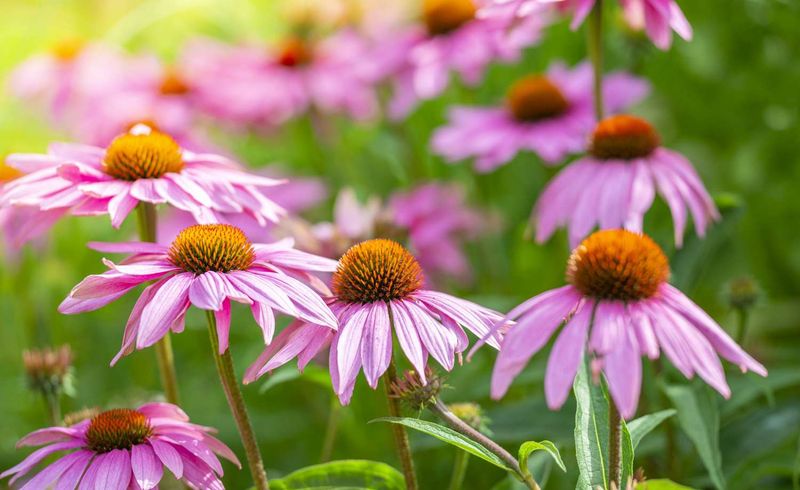
Sunny perennial beds across Michigan are some of the best places coneflowers can show what they are truly capable of.
When planted where they receive at least six hours of direct sunlight each day, the plants tend to grow with sturdy upright stems, produce more flower buds, and hold their color longer into the season.
Spots that receive fewer hours of sun often lead to floppy growth and fewer blooms over time.
In Michigan, full sun exposures are common along south-facing borders, open cottage-style beds, and native-style plantings away from shade trees. A front yard foundation bed that gets morning through afternoon sun is often a solid choice.
Even a raised bed in a small urban backyard can work well if shadows from nearby structures are not cutting into midday light.
One thing worth watching is how sun patterns shift during the season. A spot that looks open in spring may become partially shaded by midsummer once neighboring trees leaf out fully.
Planting in locations where sunlight is consistent from June through September gives coneflowers the energy they need to build strong root systems and return with good vigor the following year.
Choosing the right exposure from the start reduces the need to move plants later and helps avoid the gradual decline that often comes from growing coneflowers in too much shade.
2. Use Well-Drained Soil
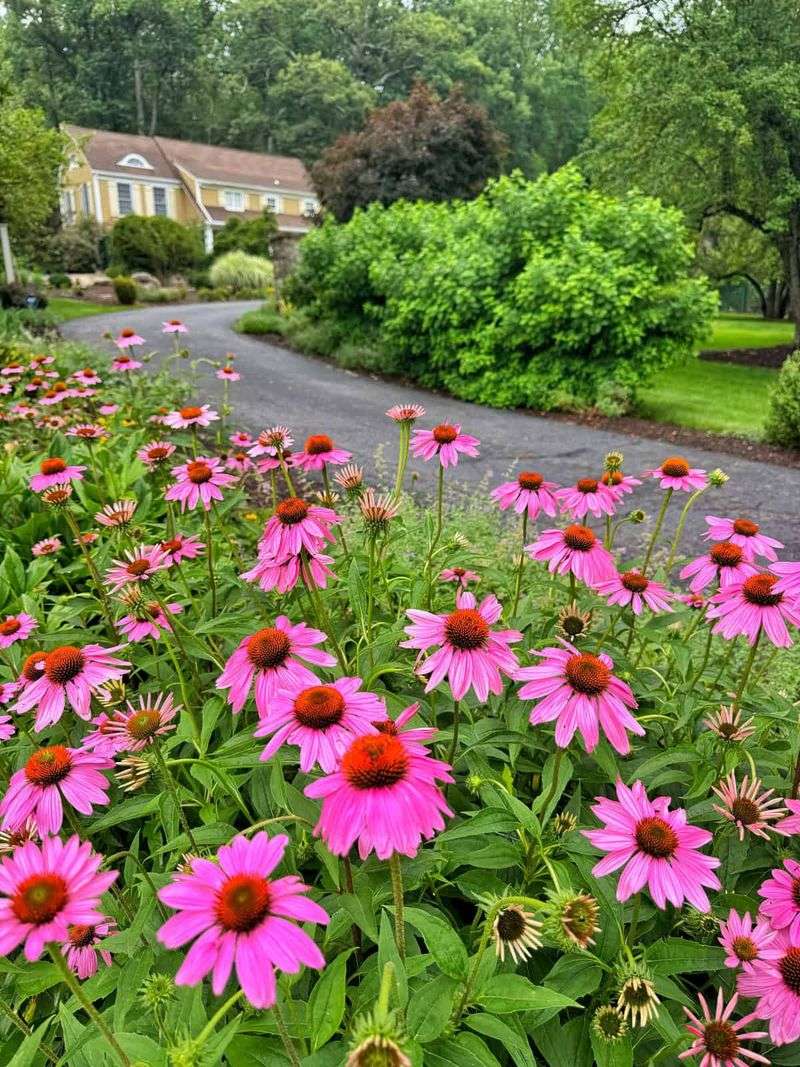
Purple petals and raised centers look their best when coneflowers are growing in soil that lets excess moisture drain away rather than pool around the roots.
Soggy conditions, especially during Michigan’s wet springs or after heavy summer rains, can weaken root systems and make plants more vulnerable to rot and disease.
Good drainage is one of the simplest ways to support long-term plant health.
Michigan soils vary quite a bit from one yard to the next. Sandy soils in western parts of the state drain quickly and may need a bit of organic matter worked in to help hold some moisture during dry stretches.
Heavier clay soils, more common in southeastern Michigan, can hold water too long and may benefit from raised beds, amended planting areas, or the addition of compost to improve structure and airflow around roots.
Your Michigan Garden Changes Every Week. Your Plan Should Too.
Gardening in Michigan changes quickly throughout the season. Every Friday you’ll receive a simple weekly plan showing exactly what to plant, prune, fertilize, harvest, and protect so you never miss the right timing.
A simple way to check drainage is to dig a small hole about a foot deep, fill it with water, and watch how quickly it clears. If the water is still sitting there after several hours, the spot may need improvement before planting coneflowers.
Working several inches of compost into the top layer of soil before planting helps in both sandy and clay situations.
Over time, coneflowers that are established in well-drained soil tend to handle Michigan’s variable weather much more gracefully than those sitting in consistently wet ground.
3. Water Young Plants Until They Settle In
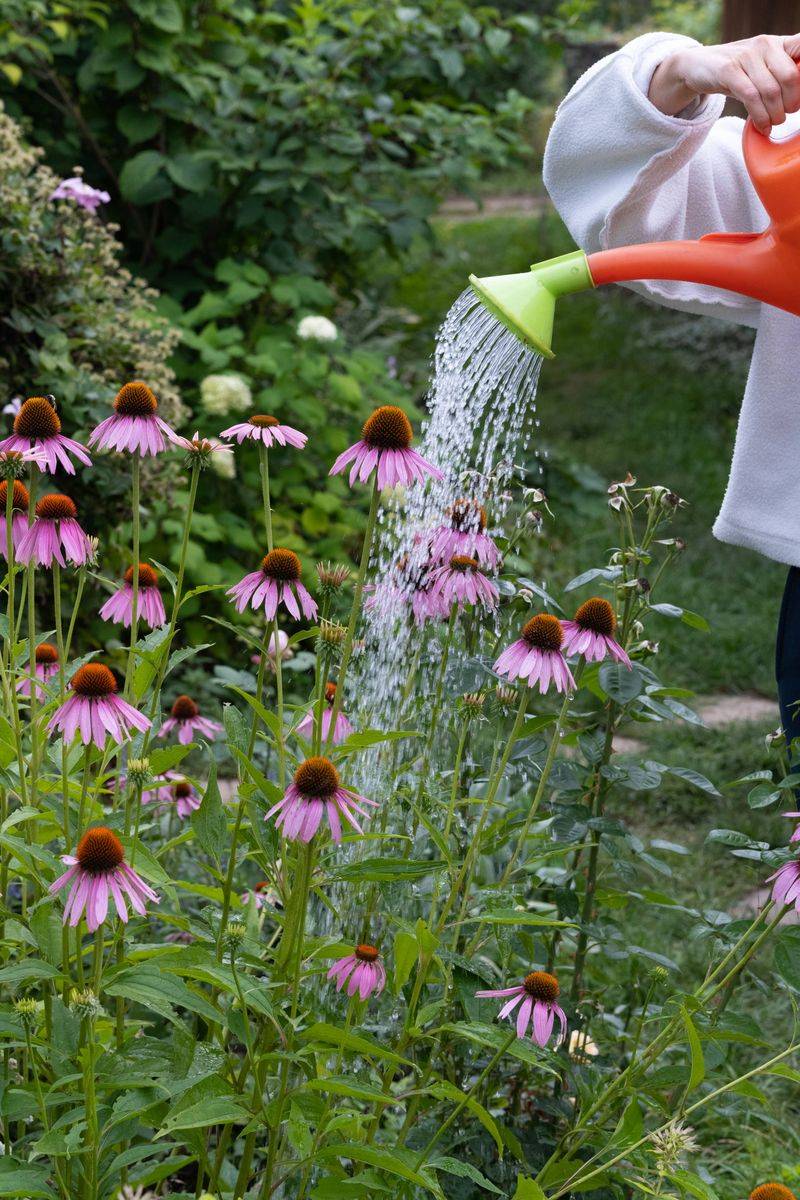
Young transplants need more attention than most gardeners expect, even though coneflowers have a well-earned reputation for handling dry conditions once they are established.
During the first growing season, roots are still spreading into surrounding soil, and the plant has not yet developed the deep root system that allows mature coneflowers to manage through dry Michigan summers with minimal help.
A good general approach is to water new plants deeply once or twice a week during dry stretches, rather than giving light sprinkles every day. Deep watering encourages roots to reach further down into the soil, which builds resilience over time.
Shallow, frequent watering tends to keep roots close to the surface where they are more exposed to heat and drying out quickly.
Watching the foliage is a useful way to gauge when water is needed. Leaves that look slightly dull or begin to droop during the hottest part of the afternoon are often telling you the plant could use a drink.
Morning watering is generally better than evening because foliage has a chance to dry before nightfall, which can reduce the risk of fungal issues.
By the second or third season, most coneflowers growing in Michigan become noticeably more self-sufficient, needing supplemental water mainly during extended dry periods rather than on a regular schedule.
4. Avoid Heavy Fertilizing
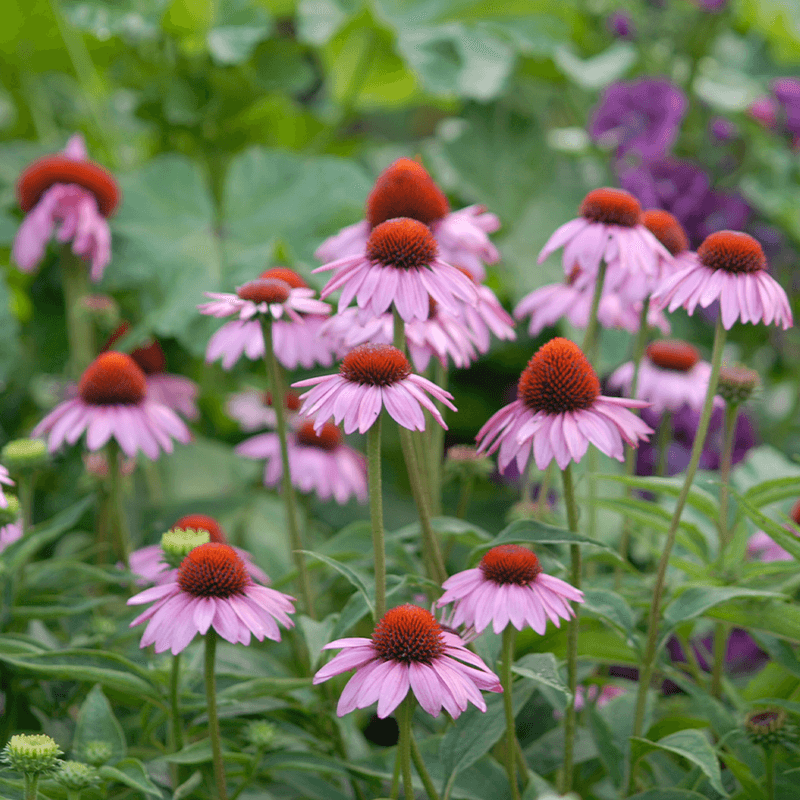
Floppy stems on coneflowers are sometimes a sign that the soil has been fed too generously. Unlike vegetables or annual flowers that respond well to regular fertilizing, coneflowers are native prairie plants adapted to moderately lean conditions.
Giving them too much nitrogen encourages a flush of leafy, soft growth that tends to fall over before the flowers even open properly.
In many Michigan yards, especially those where compost has been added for a few seasons, the soil may already have enough nutrients to support healthy coneflowers without any additional fertilizer.
A simple soil test, available through Michigan State University Extension, can tell you what your soil actually contains before you decide whether anything needs to be added.
Testing takes the guesswork out and helps avoid feeding plants that do not need it.
If the soil is genuinely poor and plants are struggling to establish, a light application of a balanced, slow-release fertilizer in early spring can help get young plants off to a reasonable start.
The goal is modest support rather than pushing aggressive growth.
Once coneflowers are well established in a bed, most gardeners find that an annual top-dressing of compost around the base of the plants provides enough organic matter to keep them healthy without triggering the weak, floppy stems that come from over-fertilizing.
Keeping nutrient levels moderate is a quiet but meaningful part of long-term bloom.
5. Deadhead Spent Flowers For Longer Bloom
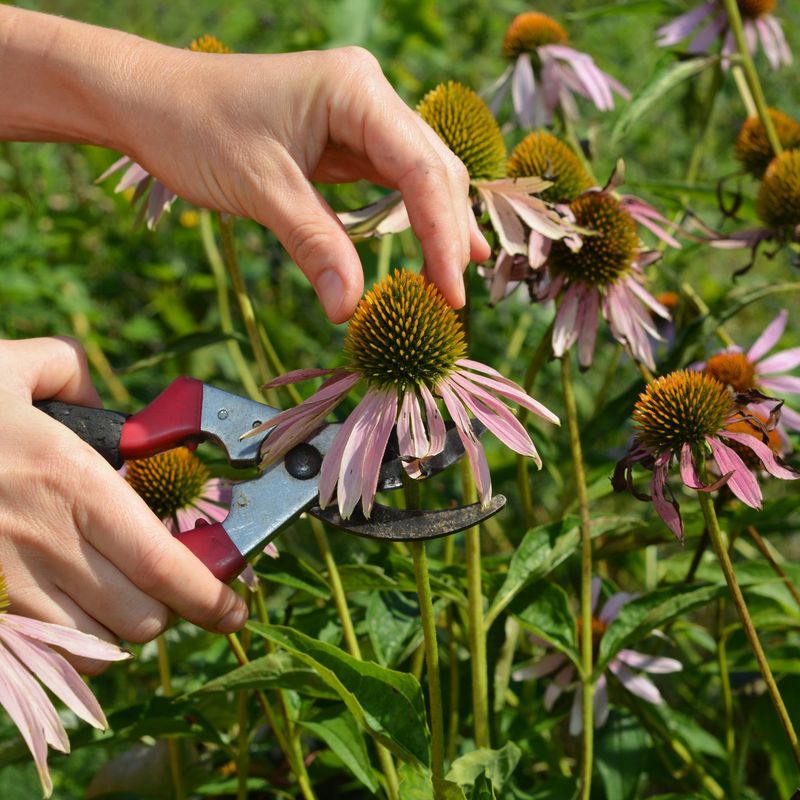
Faded blooms that are left on the plant signal to the coneflower that its job for the season is largely done. Once a flower sets seed, the plant naturally begins directing energy toward that seed production rather than pushing out new buds.
Removing spent flowers before seed fully matures can interrupt that cycle and encourage the plant to keep blooming later into the Michigan summer and fall.
Deadheading does not have to be a complicated task. Simply snip the faded flower head back to the next set of leaves or to a lateral bud using clean pruners or garden scissors.
Doing this every week or two during the peak bloom period can noticeably extend the show in a cottage garden, pollinator planting, or mixed perennial border.
Some gardeners find it helpful to carry a small basket through the bed and remove spent heads during a regular morning walk.
It is worth noting that deadheading works best early in the season when the goal is to maximize blooms.
Later in summer, as temperatures begin to ease and the season starts winding down, many Michigan gardeners shift their approach and stop deadheading so the plant can form seed heads naturally.
That transition from deadheading to leaving heads in place is a thoughtful balance rather than a strict rule, and it allows the same planting to serve both as a long-blooming flower bed and as a late-season resource for visiting birds.
6. Leave Some Seed Heads For Birds
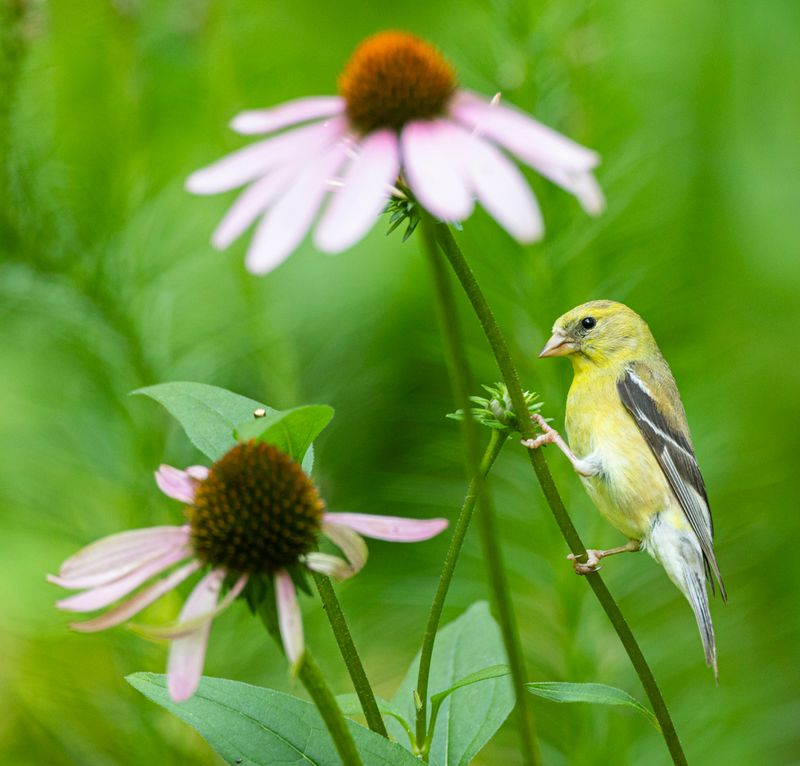
Goldfinches are a familiar sight in Michigan gardens during late summer and fall, and coneflower seed heads are one of the reasons they keep coming back.
Once the petals drop and the spiky brown cone remains, it is packed with small seeds that goldfinches, chickadees, and other native birds actively seek out during the months when other food sources start to thin out.
Leaving a portion of seed heads standing through late fall and into early winter is a low-effort way to support local wildlife while also adding texture and structure to the garden after most other perennials have faded.
The dried cones catch light in interesting ways and give the winter garden a bit of visual interest that bare soil simply cannot provide.
In a native-style border or pollinator garden, this kind of layered seasonal interest feels natural rather than neglected.
Not every seed head needs to be left, and gardeners who prefer a tidier look can deadhead most of the plant while still leaving a cluster of seed heads in one section of the bed.
Self-sown seedlings may also appear the following spring in spots near where seed heads were allowed to mature, which is a pleasant way to fill gaps in a planting over time.
Deciding how many seed heads to keep is really a matter of personal preference and how much bird activity you want to encourage in your Michigan yard.
7. Divide Crowded Clumps Every Few Years
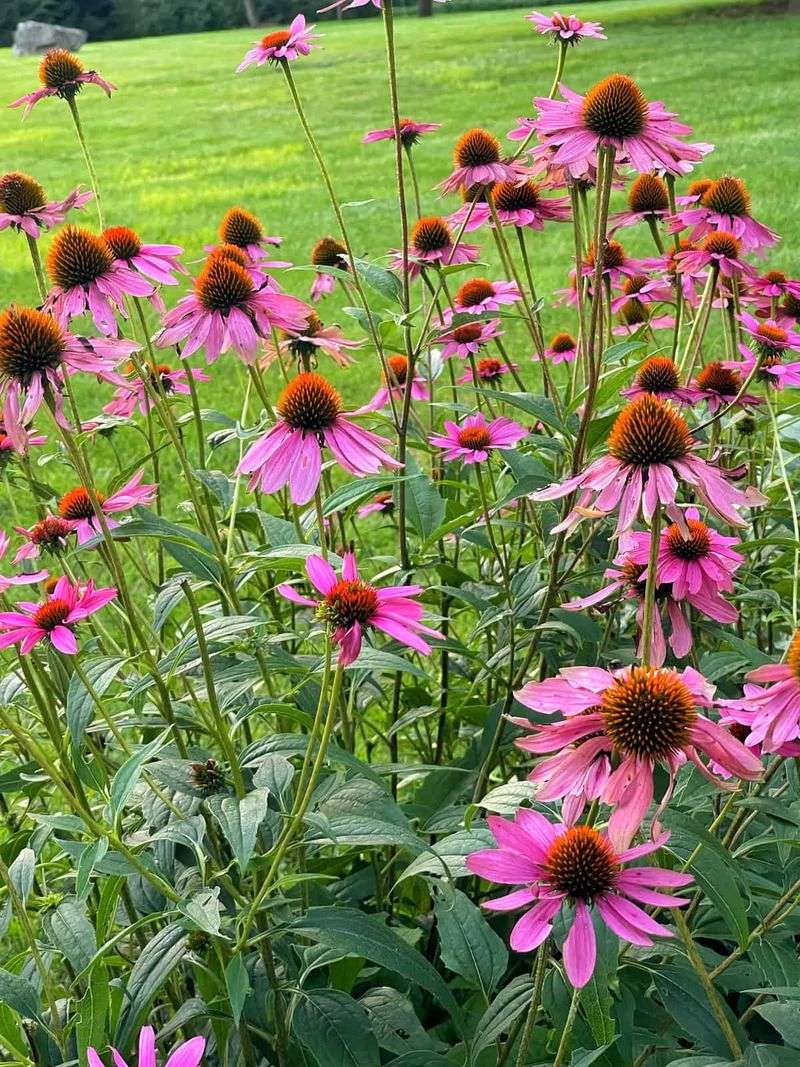
Crowded clumps of coneflowers gradually lose their vigor, and a bed that once bloomed generously may start producing fewer flowers and smaller plants when roots have been competing for space and resources for too many seasons.
Dividing clumps every three to five years is one of the most reliable ways to refresh an established planting and restore the strong bloom that made the bed worth planting in the first place.
Early fall, while the soil is still warm and workable, is often a practical time for division in Michigan. Spring division is also an option, done before new growth gets very tall.
To divide, use a sturdy garden fork to lift the entire clump, then separate it into smaller sections, each with healthy roots and a few shoots.
Replant the divisions at the same depth they were growing, water them in well, and keep an eye on moisture through the rest of the season while roots reestablish.
Divisions can fill gaps elsewhere in the garden, be shared with neighbors, or be used to extend a native-style border without buying new plants.
Sections that look woody or hollow in the center are generally the least vigorous and can be set aside rather than replanted.
Keeping the outer portions of the clump, which tend to be younger and more active, gives the best results. Over time, a routine of periodic division keeps the planting looking full and blooming well across the whole bed.
8. Watch For Aster Yellows And Distorted Flowers
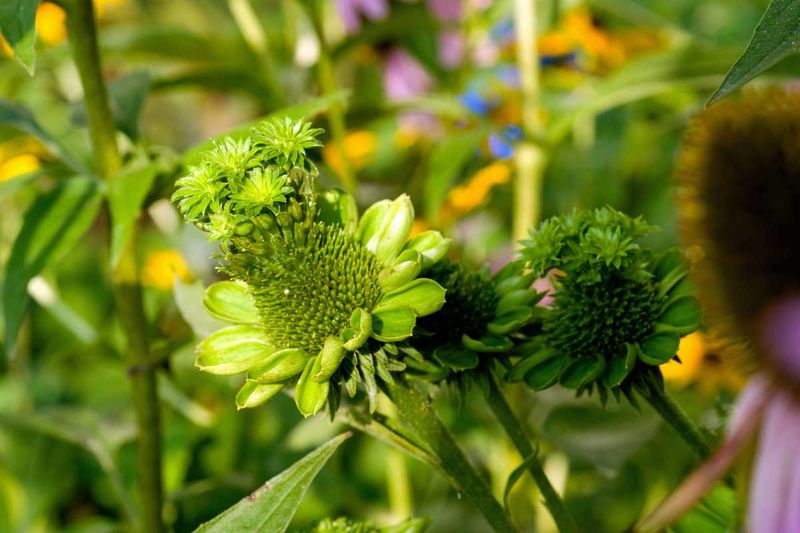
Distorted flowers on coneflowers are sometimes the first clue that something is wrong in the planting. Aster yellows is a disease caused by a phytoplasma, a microscopic organism spread by leafhoppers as they feed on plants.
Infected coneflowers may produce flowers with misshapen petals, strangely elongated green structures where petals should be, or cones that look bushy and abnormal rather than rounded and spiky.
Once a plant is infected with aster yellows, there is no treatment that will clear the disease.
The practical response is to remove infected plants promptly and avoid putting them in the compost pile, since the goal is to reduce the chance of leafhoppers picking up the phytoplasma from sick plants and carrying it to healthy ones nearby.
Keeping a close eye on the planting each season makes it easier to catch unusual growth early.
Aster yellows has been observed in Michigan gardens and can show up in both small residential beds and larger perennial plantings. Leafhopper populations tend to be higher during warm, dry summers, which are not uncommon across Michigan.
Reducing weeds around the garden can help because many weeds serve as hosts for both the phytoplasma and the leafhoppers that carry it.
Healthy plants growing in good sun with well-drained soil are generally more resilient, though no coneflower planting is fully immune to this disease if leafhopper pressure is high in a given season.