Florida Herbs That Attract Beneficial Insects (And What That Does To The Thrip Population)
Florida thrips are tiny enough to miss and annoying enough to remember.
They hide in flower buds, scrape tender growth, leave silvery scars, and sometimes spread viruses before the plant looks seriously stressed.
By the time petals look streaked or new leaves twist, the problem may already be busy in places a quick glance never catches.
That is where flowering herbs become useful.
Dill, cilantro, fennel, parsley, oregano, basil, and lemon balm do not make thrips vanish. They do something quieter and more realistic.
They feed the adult forms of insects that hunt, parasitize, or compete around small pests. Tiny wasps need nectar. Hoverflies need flowers. Lacewings and minute pirate bugs benefit from a garden with steady food and shelter nearby.
The result is not a pest-free bubble around your vegetables. It is better habitat for the good bugs you want close.
So which herbs are worth letting bloom when thrips start working your Florida garden?
Start with flowers small enough for the smallest garden allies to use.
1. Let Dill Bloom For Tiny Wasps
Dill becomes more useful the moment it stops behaving like a kitchen herb.
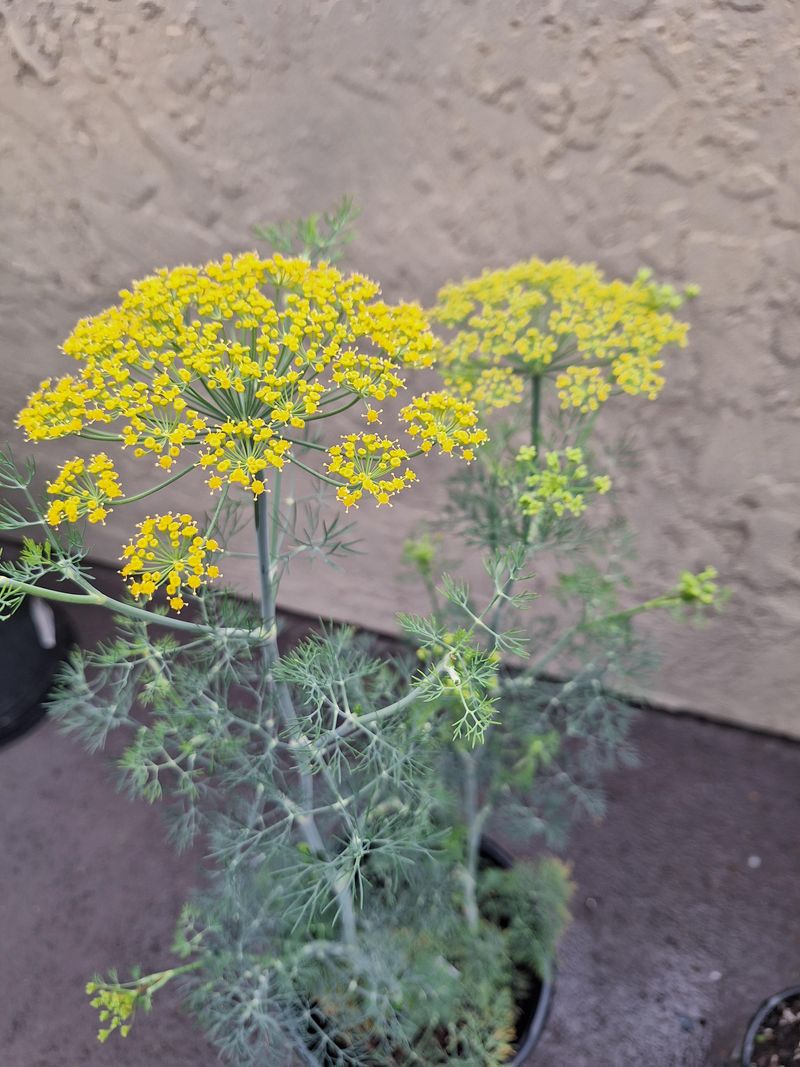
Most gardeners cut the feathery leaves, enjoy a few harvests, then pull the plant when it bolts. In a Florida garden dealing with thrips, that flowering stage may be the part worth keeping. Dill sends up flat, yellow umbels that are easy for tiny beneficial insects to use.
Those shallow flowers matter. Many parasitoid wasps have short mouthparts, so deep blooms do not help them much. Dill offers nectar in an open layout, giving small wasps a place to fuel up while they search nearby plants.
Some parasitoid wasps attack small garden pests at specific life stages. Others help with a broader pest mix. Dill will not train them to patrol your peppers on command, but it can keep them fed close to thrip-prone crops.
In Florida, dill is usually happiest during the cool season. Plant it from fall through early spring in most areas, using seed rather than transplants when possible. It forms a taproot and prefers not to be moved.
Use a container deep enough to give roots room, or sow it along the edge of a vegetable bed.
Let two or three plants flower while harvesting the rest. Keep blooming stems away from broad-spectrum sprays and heavy overhead watering.
Dill is delicate, but its insect value is strong. Let it bloom, and the garden gets more than garnish.
2. Keep Cilantro Past The Harvest
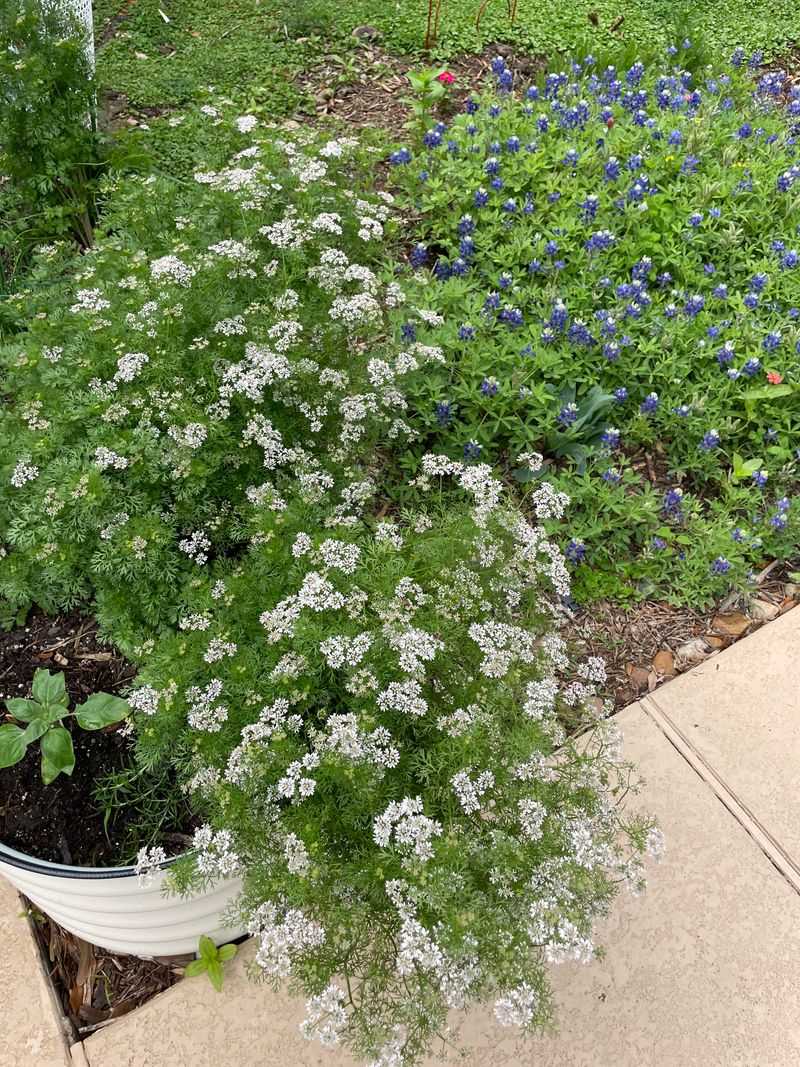
Bolting cilantro is not a failure in a beneficial-insect garden.
It is a shift in purpose. Once cilantro stretches upward and forms small white flowers, it becomes much more interesting to hoverflies, lacewings, small wasps, and other helpful insects that use nectar and pollen as adults.
That makes it worth keeping a few plants past the perfect leaf stage.
Florida heat pushes cilantro to bolt quickly, which frustrates cooks but helps gardeners who want flowers. Instead of fighting the plant’s timing, use it. Sow a row for harvest and let another small group mature into bloom.
Your Florida Garden Changes Every Week. Your Plan Should Too.
Gardening in Florida changes quickly throughout the season. Every Friday you’ll receive a simple weekly plan showing exactly what to plant, prune, fertilize, harvest, and protect so you never miss the right timing.
Stagger plantings every two to three weeks during the cooler season. That gives you leaves for the kitchen and a rolling supply of flowers for insect traffic.
Cilantro flowers are small, open, and easy to access. Adult hoverflies may feed there, then lay eggs near pest colonies. Their larvae can feed on soft-bodied pests, including young thrips in some situations.
That does not mean cilantro repels thrips. It does not create a protected ring around tomatoes, peppers, strawberries, or ornamentals.
Keep scouting anyway. Thrips often hide inside flower buds and tender new growth, so look where the damage begins, not only on mature leaves.
Let a few seedheads mature if the patch is healthy. Cilantro can self-sow when conditions turn favorable again, giving you new plants with very little effort.
Pull extras if they crowd the bed. Leave enough to keep blooms coming.
A bolted cilantro plant may look past its prime to a cook, but to a tiny beneficial insect, it looks like lunch.
3. Let Fennel Feed Helpful Hunters
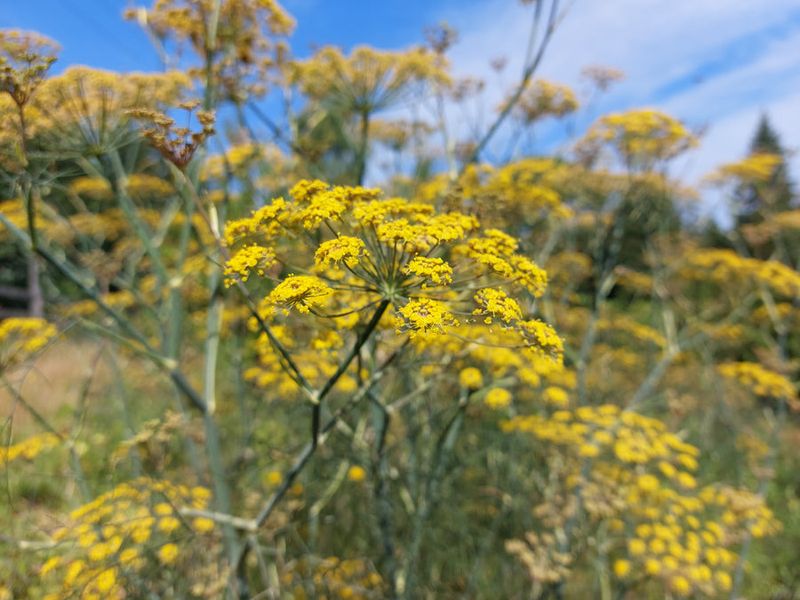
Fennel is not a background plant.
It gets tall, airy, and dramatic, especially when its yellow umbels open above the garden. That size makes it useful as a visible beneficial-insect station near vegetable beds, but it also means placement matters.
Give fennel its own space. Common fennel and bronze fennel can grow large in Florida’s warm conditions, and both can shade smaller plants if tucked too tightly into a mixed bed.
The flowers are the prize. Their broad, shallow umbels feed hoverflies, lacewings, tiny wasps, and other adult beneficial insects that need nectar before or during their search for prey.
Some of those insects can help reduce thrip pressure, especially when young pests are exposed on leaves or flowers. The benefit is indirect, but it can become meaningful in a garden that avoids harsh sprays and supports natural enemies through the season.
Fennel does best in full sun with well-drained soil. It can handle heat better than some cool-season herbs once established, though local conditions across Florida can change performance.
Plant it at the edge of a vegetable garden, near a fence, or in a large container. Avoid crowding it near tomatoes and peppers, since fennel can be a difficult neighbor for some crops.
Let the umbels open fully. Cutting them too soon removes the whole reason beneficial insects showed up.
Watch for caterpillars too. Fennel can host swallowtail larvae, which may chew foliage but add wildlife value.
For thrip management, fennel is not a cure. It is a tall, sunny fuel station for the hunters you want nearby.
4. Flower Parsley Near Thrip Hotspots
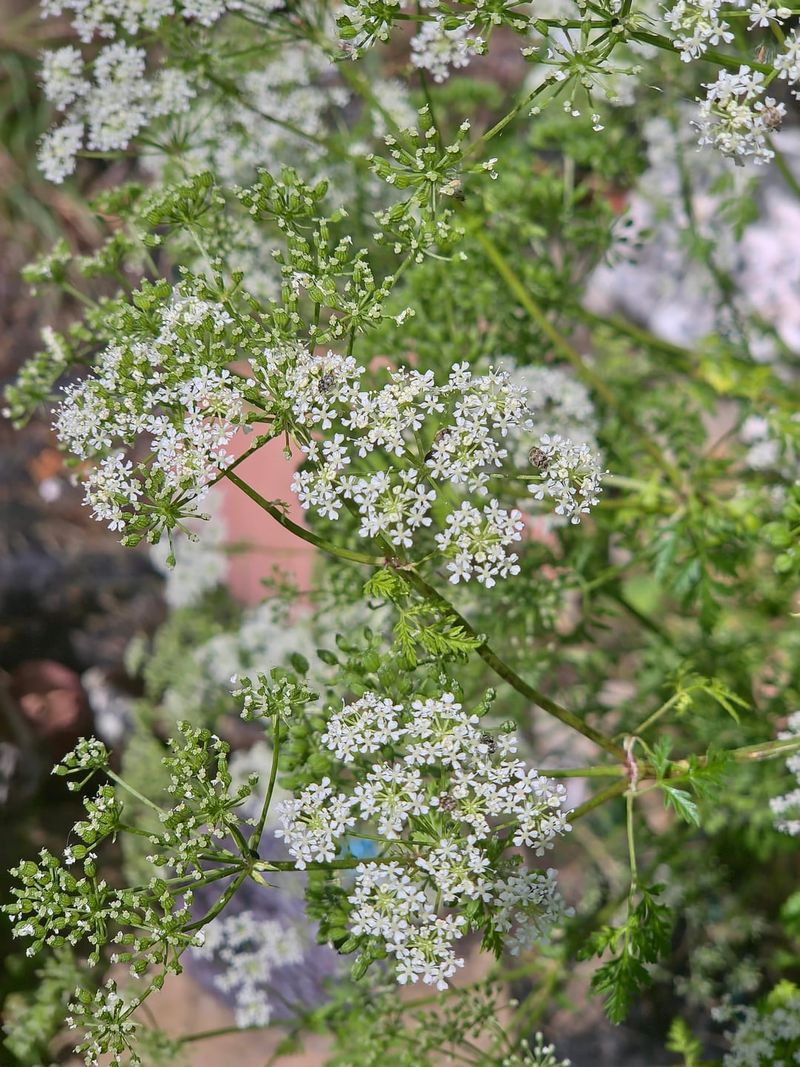
The first year gives you leaves. The second year sends up tall flower stalks with small, pale blooms arranged in airy clusters. Those flowers can be excellent nectar sources for tiny wasps, hoverflies, and other small beneficial insects.
That makes parsley especially useful near crops that often attract thrips.
Peppers, strawberries, tomatoes, beans, and ornamentals can all develop thrip problems in Florida gardens. A flowering parsley pot placed nearby gives beneficial insects a reason to stay close to those hotspots.
Parsley is a biennial, so patience is part of the plan. Plant it in fall, harvest leaves through the cool season, then leave at least one plant in place when it starts to send up flower stalks.
The plant may look less tidy once it bolts. That is fine. Habitat plants do not need to look like grocery-store herbs.
Container parsley gives you the most flexibility. You can move it near a problem bed, tuck it beside a porch planter, or shift it away from heavy rain if the pot stays too wet.
Do not spray blooming parsley. Small beneficial insects can be harmed by the same products gardeners reach for during pest trouble.
Also check the parsley flowers themselves. Thrips may visit open blooms too, especially flower thrips that move widely through the garden.
If a stem becomes heavily infested, remove that stem and bag it.
Flowering parsley works best as part of a pattern: blooms nearby, regular scouting, careful watering, and pest decisions made from what you actually see.
5. Use Oregano As A Nectar Mat
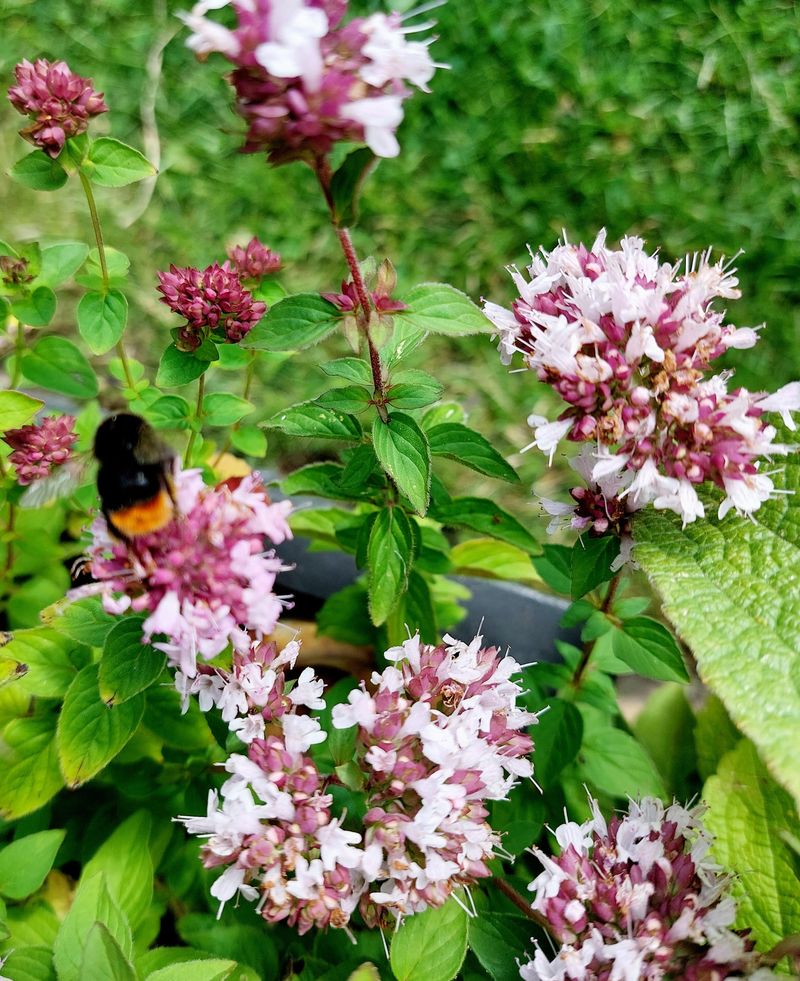
Oregano earns its place by staying low and feeding small insects close to the action.
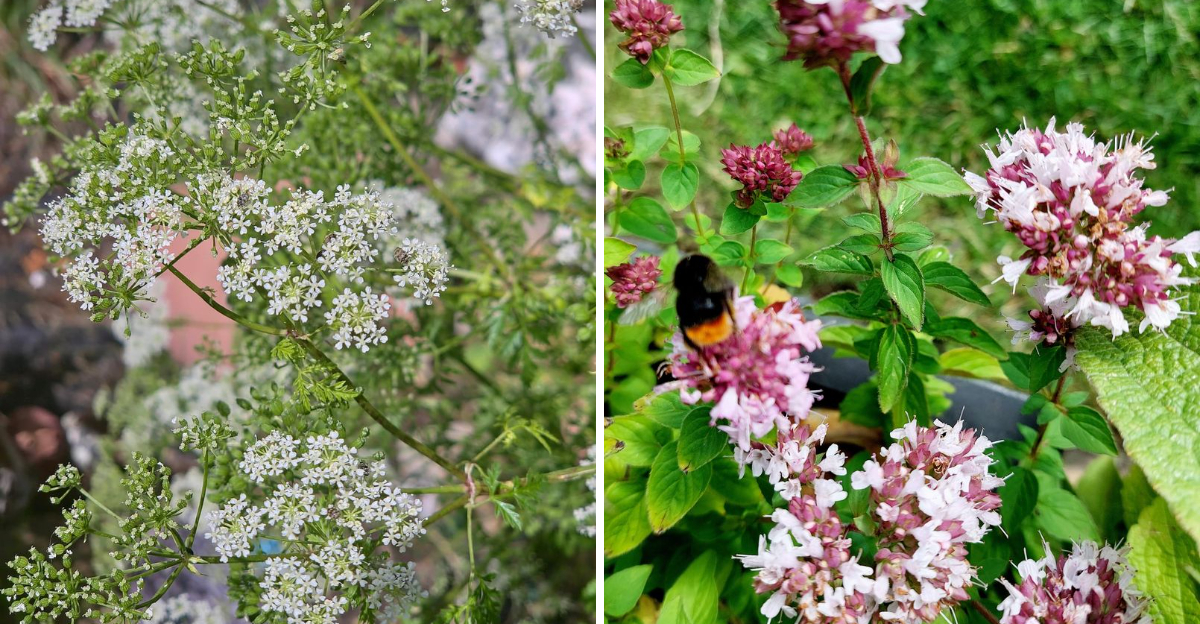
When allowed to bloom, it forms a spreading mat of tiny pink, white, or pale lavender flowers. Those little blooms sit where many small beneficial insects can reach them easily.
Hoverflies, small wasps, minute pirate bugs, and other garden allies may use flowering oregano as a nectar stop.
That low growth habit is useful near vegetable beds. Oregano can edge a planting without towering over peppers or tomatoes, and it can create a steady patch of flowers at the border of a thrip-prone area.
Minute pirate bugs are especially worth encouraging in Florida gardens. They are small, fast predators that can feed on thrips and other tiny pests. Adult insects often benefit from floral resources, so oregano can help make the garden more inviting to them.
The plant still needs the right setup. Florida humidity can challenge oregano if it sits in soggy soil or dense shade.
Give it full sun or very bright light, sharp drainage, and room for air to move through the foliage. Containers, raised beds, and gritty soil mixes often work better than wet ground.
Avoid overhead watering when possible. Dense oregano foliage can stay damp, and that may invite disease problems.
Trim lightly after bloom to encourage fresh growth and more flowers. Do not cut it back harshly in peak heat.
Use sticky cards and close scouting in nearby crops to track thrip activity. Oregano can support helpful insects, but it cannot tell you when pest pressure crosses a line.
That part is still your job.
6. Let Basil Send Up Flower Spikes
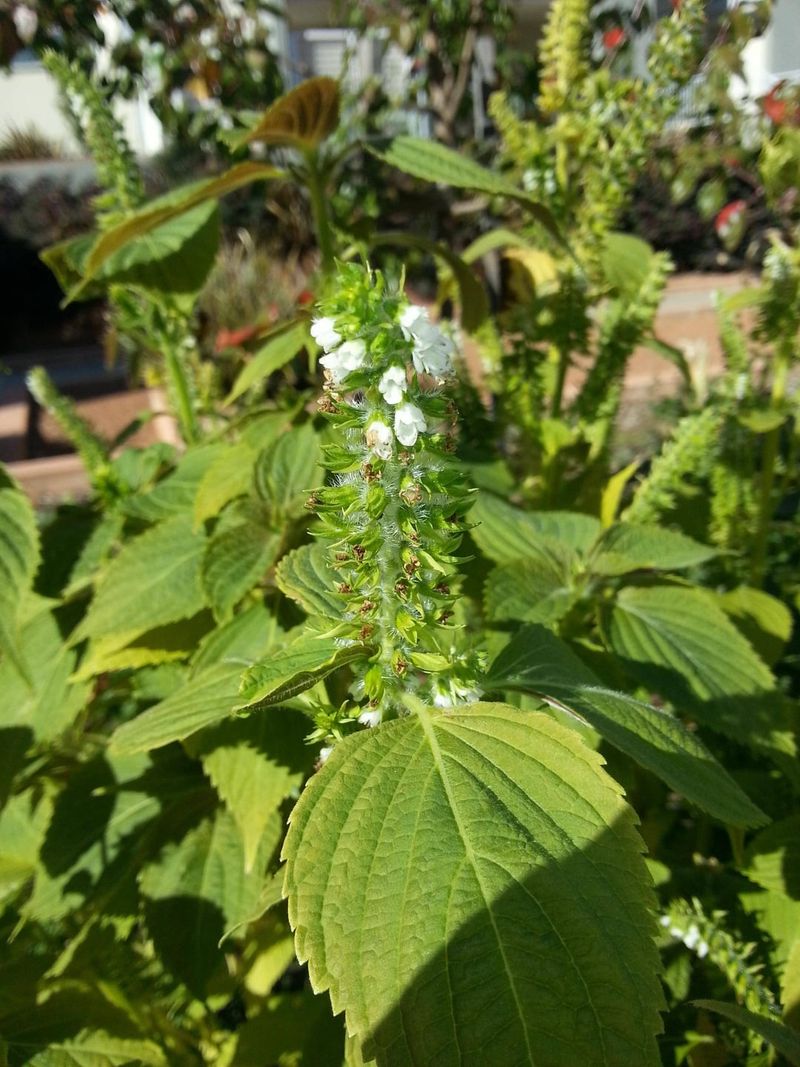
Basil flowers are usually treated like a problem.
Gardeners pinch them off to keep leaves tender, and that makes sense when pesto is the main goal. But in a Florida garden trying to support beneficial insects, a few basil flower spikes can be useful.
The trick is selective flowering.
Let two or three stems bloom while keeping the rest of the plant pinched for harvest. Better yet, grow one basil plant for the kitchen and one for insect habitat. That way, you get leaves and flowers without sacrificing the whole plant.
Basil flower spikes are small and accessible enough for many tiny insects to visit. Hoverflies, small wasps, bees, and other beneficials may work the flowers while moving through the garden.
Those visitors can add helpful pressure around thrips, especially when the garden has multiple flowering herbs instead of one lonely bloom source.
Florida heat suits basil, but humidity can bring disease problems. Give plants space, use good airflow, and water at the base instead of wetting leaves late in the day.
Thai basil, lemon basil, and sweet basil can all bloom, though some types handle heat and flowering better than others.
Scout the flowers themselves. Thrips often hide in blooms, so basil can attract both helpful insects and the pests you are watching.
If flower spikes become crowded with thrips, clip and bag those stems. That simple move removes a pest pocket while keeping the rest of your habitat plan intact.
Basil does not have to choose between kitchen and ecosystem. With a few blooming stems, it can feed both.
7. Add Lemon Balm For Insect Traffic
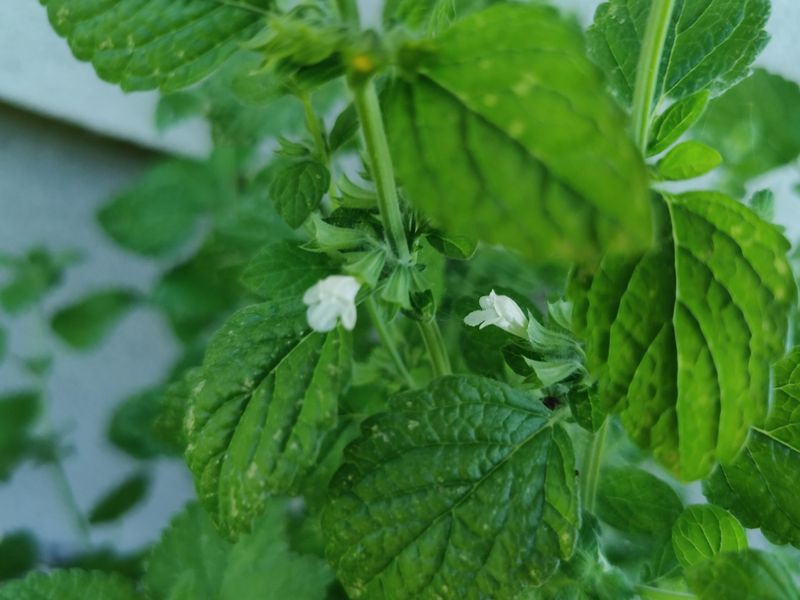
Lemon balm fills a niche many flowering herbs cannot handle.
It tolerates part shade better than sun-loving herbs like oregano, dill, or fennel. That makes it useful near porches, fence edges, and bright but protected garden corners where Florida afternoon heat would stress more delicate plants.
The flowers are small and pale, not especially showy, but beneficial insects do not care about human drama. They care about nectar, shelter, and repeat visits.
Lemon balm can draw hoverflies, small bees, and other insect traffic into areas that might otherwise have fewer blooms.
That does not directly solve a thrip outbreak. It does help diversify the garden and gives some beneficial insects more reason to stay nearby.
In Florida, afternoon shade can be important, especially in central and southern areas. Too much brutal sun may make the plant struggle, while consistent moisture keeps it fuller.
Moist does not mean soggy. Lemon balm dislikes waterlogged soil, so use a container with drainage holes or plant it in a bed that drains well after storms.
A pot is often the safest choice because lemon balm can spread by seed and root expansion. Container growing keeps its enthusiasm under control.
Trim after flowering to encourage repeat growth and reduce unwanted seedlings.
Check for aphids on lush stems. Lemon balm can host its own small pest problems if growth gets dense and soft.
Its value against thrips is indirect, but still useful. More flowering herbs, more insect movement, more habitat, and fewer harsh sprays can help tilt the garden toward balance.
Lemon balm is a supporting player, but Florida gardens need those too.