Can Hostas Make It Through Being Divided In Connecticut Summer Heat
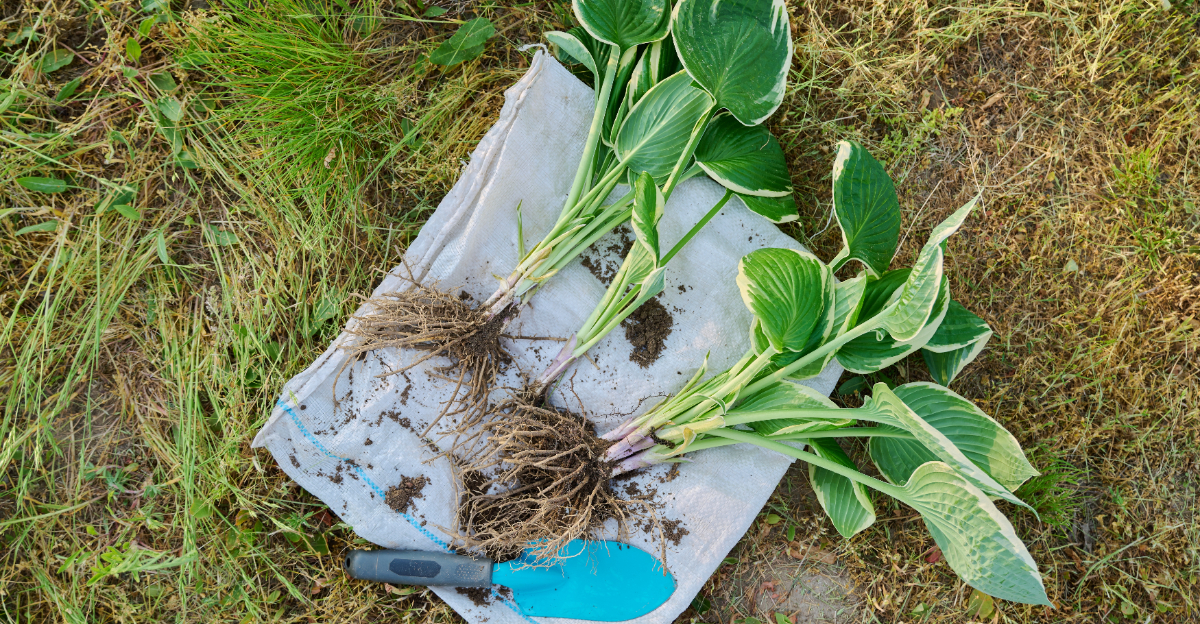
Splitting a hosta in July feels risky, and it might be. Connecticut summers test exposed roots relentlessly. You already sense the tension lurking beneath that overgrown clump.
Roots exposed to midday sun in July rarely recover quickly. Heat stresses fragile roots the moment steel touches soil. Timing decides whether your hosta thrives or struggles.
Waiting until fall feels far safer, yet some clumps can’t wait. Some gardeners wait too long and lose entire clumps overnight. Overcrowded hostas quietly stop blooming and start fading.
Your choices this week shape next year’s growth. Humidity and drought trade places fast in Connecticut. Watching your plant wilt shouldn’t feel like your only option.
Proper technique can offset nearly every seasonal challenge. Every cut, every shaded spot, every drop of water counts. Nothing about this decision is casual or careless.
Understanding real tradeoffs changes how you move forward. What happens next can be difficult for the plant.
Why Hostas Are Usually Divided In Spring Or Fall
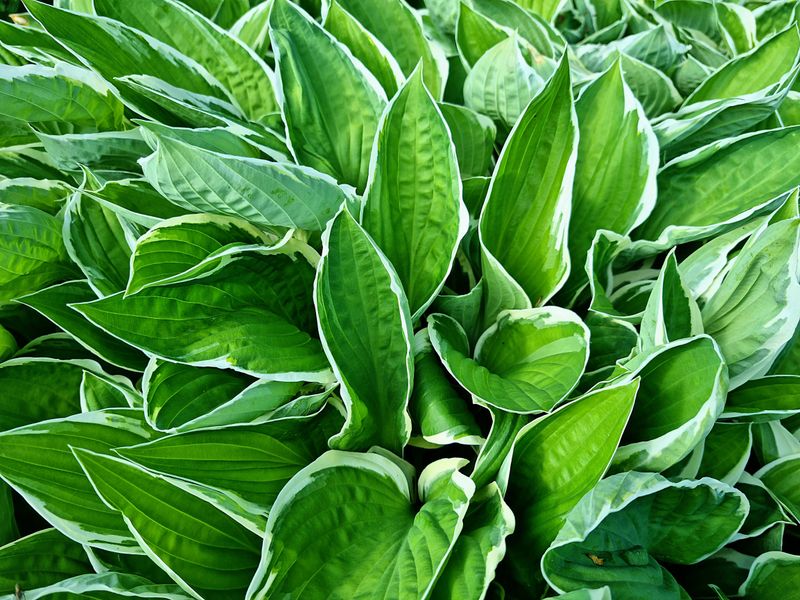
Most experienced gardeners will tell you the same thing: timing is everything with hostas. Spring and fall are the sweet spots for dividing these leafy beauties, and there are solid reasons why.
In spring, hostas are just waking up from dormancy. The soil is cool, roots are eager to grow, and the plant has not yet spent its energy pushing out big leaves.
Dividing at this stage lets the plant redirect energy into root establishment. New roots anchor quickly in moist spring soil, and the plant settles in before summer stress arrives.
Fall division works for similar reasons. Temperatures are dropping, the sun is less intense, and the plant is naturally slowing down for the season.
Cooler air means less water loss through the leaves. Roots still have time to grow before the ground freezes, giving each division a head start for next spring.
Both seasons share one important trait: mild conditions. Hostas respond best when they are not fighting heat, drought, or blazing sun at the same time they are recovering from being split.
Connecticut gardeners often benefit from spring division, since the state typically sees regular spring rainfall. That natural moisture helps newly divided plants stay hydrated without constant hand-watering.
Choosing the right season protects your investment of time and effort. A hosta divided at the right moment will reward you with lush, full growth the very next season.
What Happens When You Divide Hostas In Summer Heat
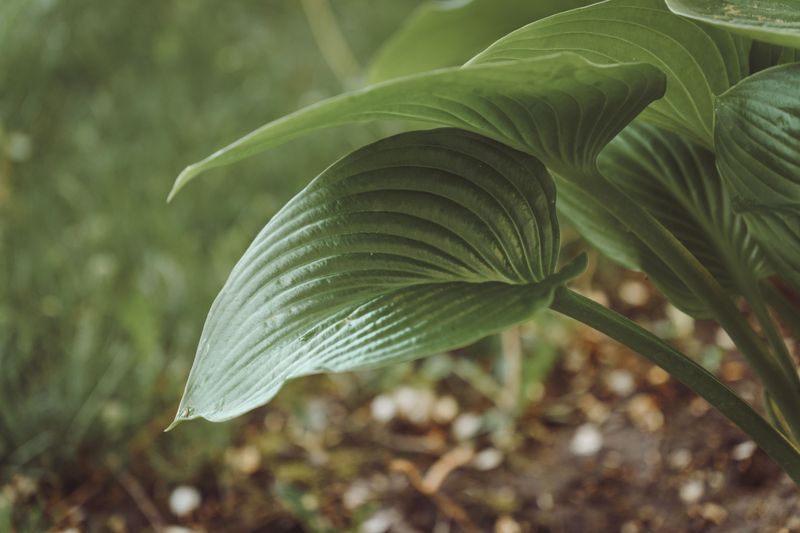
Picture this: it is mid-July in Connecticut, the afternoon heat is climbing, and you just split your favorite hosta. What happens next can be hard on the plant.
Hostas move water from roots to leaves constantly. When you cut through the root system, that process gets interrupted in a big way.
The leaves keep pulling moisture upward, but the damaged roots cannot keep up. Within hours, you may notice wilting, even if the plant was perfectly healthy before you touched it.
Summer heat speeds up water loss through the leaves. On a hot day, a freshly divided hosta can lose moisture faster than any amount of watering can replace it.
Your Connecticut Garden Changes Every Week. Your Plan Should Too.
Gardening in Connecticut changes quickly throughout the season. Every Friday you’ll receive a simple weekly plan showing exactly what to plant, prune, fertilize, harvest, and protect so you never miss the right timing.
The plant goes into survival mode. It may drop leaves, turn yellow at the edges, or look completely limp by the next morning.
This does not always mean the plant is finished. Many hostas pull through if given proper care right after division.
But the stress is real, and the recovery takes much longer than it would in spring or fall. A plant divided in July may spend the rest of the season just trying to stabilize.
Dividing hostas in Connecticut summer heat also stresses the root system at the worst possible time. Roots are already working overtime to support full leaf growth.
Adding a wound to that equation slows everything down. Expect a sluggish recovery and plan your aftercare accordingly from the moment you make that first cut.
The Risks: Transplant Shock And Root Stress
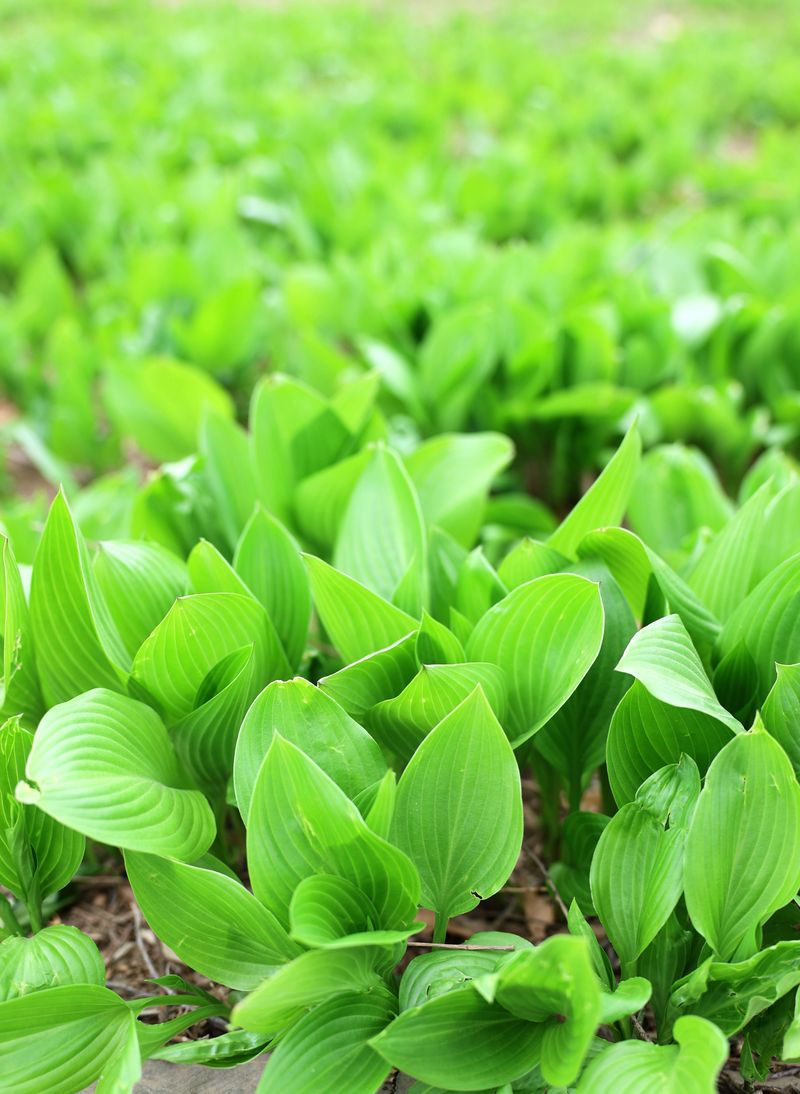
Transplant shock is a common and predictable stress response in plants. It happens when a plant’s roots are disturbed and the plant struggles to recover from the sudden change.
With hostas, transplant shock shows up fast. Leaves curl inward, tips turn brown, and the whole plant may look wilted within a day or two.
Root stress goes hand in hand with shock. When you slice through a root system, you are cutting off water and nutrient pathways the plant depends on completely.
In summer, those pathways are under maximum pressure. The plant needs every root working at full capacity just to handle the heat.
Removing even a portion of the root system during peak season pushes the plant beyond its stress tolerance. Recovery may take longer than usual and can be harder to predict.
Fungal issues can also sneak in through fresh cuts. Warm, humid Connecticut summers create perfect conditions for soil-borne pathogens to enter exposed root tissue.
Root rot is a real concern when wounds are made in warm, moist soil. A healthy plant can become a struggling one within weeks if fungal problems take hold.
Smaller divisions face the biggest risk. A tiny clump with few roots has almost no buffer against summer stress.
Larger divisions with more intact roots stand a better chance of bouncing back. Keeping divisions as generous as possible reduces the overall stress load on the plant.
Understanding these risks helps you make smarter choices when dividing hostas in Connecticut summer heat.
When Summer Division Might Actually Work
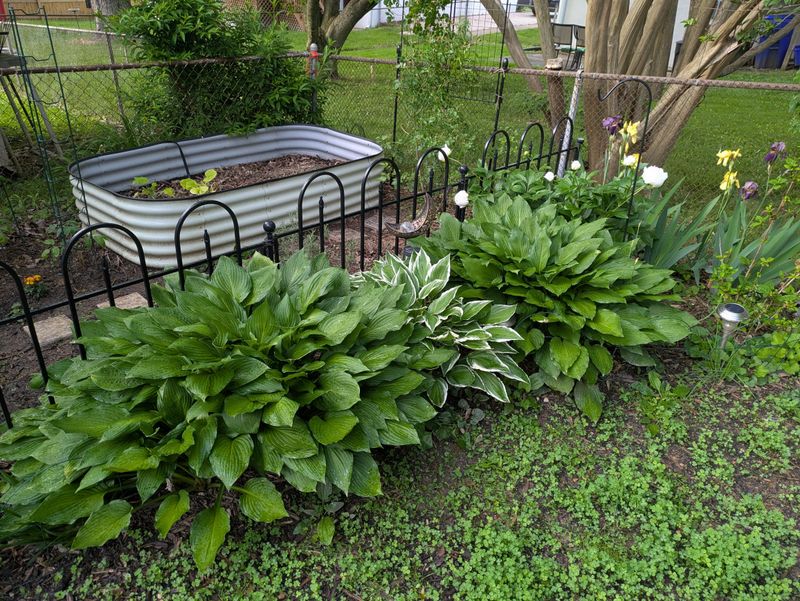
Not every summer situation is a lost cause. There are specific conditions where dividing hostas mid-season can actually work out in your favor.
Overcast days are your best friend. Cloudy skies reduce heat and sun exposure, giving freshly divided plants a gentler start in their new spots.
If a stretch of cooler weather is in the forecast, that window is worth taking. A few consecutive mild days can noticeably improve how well divisions recover.
Working early in the morning also helps. Temperatures are generally lowest in the early morning, giving the plant time to adjust before afternoon heat hits.
Shaded garden spots offer another advantage. Hostas already growing in deep shade experience less leaf stress than those in brighter locations during summer splits.
The variety matters too. Thick-leaved hosta varieties are generally thought to handle stress better than thin-leaved types. Larger, established clumps also recover faster than younger plants.
If the hosta is severely overcrowded, summer division may be less harmful than leaving it packed and struggling in poor conditions. Sometimes the stress of crowding outweighs the stress of splitting.
Connecticut gardeners near the coast may benefit from naturally higher humidity. That moisture in the air can slow leaf dehydration and buy the plant extra time to recover.
Recognizing these favorable moments is key. Dividing hostas in Connecticut summer heat can succeed when the conditions line up just right.
How To Divide Hostas Safely If You Can’t Wait
Sometimes life does not wait for perfect timing. Maybe you are moving, redesigning a bed, or a hosta is blocking a new pathway you need right now.
When you cannot wait for fall, preparation becomes your best protection. Start by watering the plant deeply one full day before you plan to divide it.
Well-hydrated roots handle stress far better than dry ones. Giving the plant a thorough soak the day before reduces the immediate shock of division.
Use the sharpest tool you own. A sharp spade or garden knife makes clean cuts that heal faster than jagged tears left by dull blades.
Work quickly once the root ball is exposed. Every extra minute in open air and heat increases moisture loss and root stress significantly.
Keep divisions large. The more roots each section retains, the better its chances of surviving summer conditions in your Connecticut garden.
Have the new planting holes ready before you start digging. Replant each division immediately after cutting so roots spend as little time exposed as possible.
Water each new division right away after planting. Do not wait until the next morning, because roots need moisture contact with the soil from the very first moment.
Shade cloth placed over new divisions for the first week can cut heat stress dramatically. Even an old bedsheet propped up on stakes works well as a temporary sun shield.
Moving fast and staying organized makes dividing hostas in Connecticut summer heat much more manageable for any gardener.
Aftercare Tips To Help Divided Hostas Recover
Getting through the division is only half the challenge. What you do in the days and weeks after is what truly determines whether your hostas survive.
Water is the single most important factor right after dividing. Newly split plants need consistent moisture to rebuild root connections with surrounding soil.
Check the soil daily for the first two weeks. If the top inch feels dry, water immediately without waiting for the plant to show stress signs.
Mulch is your next best move. A two to three inch layer of wood chips or shredded bark around each division holds soil moisture and keeps roots cooler.
Avoid fertilizing right after division. Fresh cuts cannot absorb nutrients efficiently, and added fertilizer can actually burn stressed root tissue in warm soil.
Wait several weeks before feeding, until new growth appears. Once you see new leaf growth pushing out, that is a clear sign the roots are recovering and ready for nutrients.
Pull back any competing weeds near new divisions. Weeds steal water and nutrients that your recovering hostas desperately need during this critical window.
Watch for signs of fungal problems. If you notice soft, mushy areas near the crown or a foul smell in the soil, act quickly with a fungicide.
Patience is truly the secret ingredient here. Some divided hostas look rough for weeks before suddenly bouncing back strong.
Stick with consistent aftercare, and dividing hostas in Connecticut summer heat can have a happy ending after all.