Flower Experts Reveal How To Extend Hydrangea Blooms In Connecticut
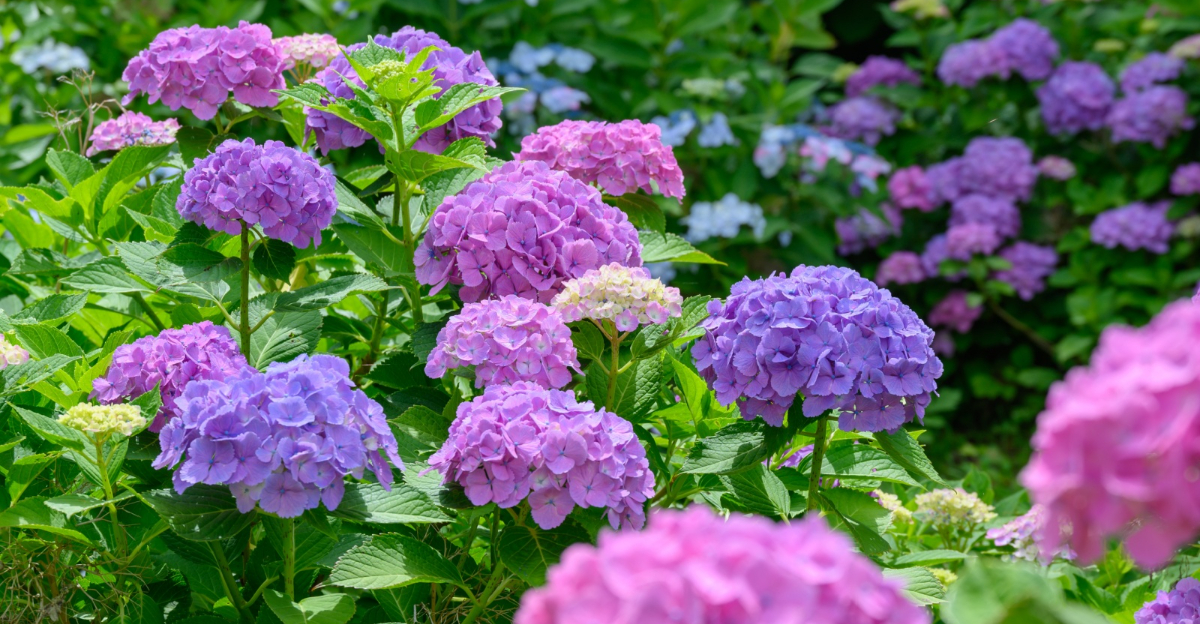
Connecticut gardeners know the deal: summer arrives late, packs its bags early, and takes half your hydrangea blooms with it.
One weekend those full, rounded clusters look like something out of a magazine spread. By the next, petals are curling and dropping onto the mulch like they’ve got somewhere else to be.
It stings a little. You’ve spent months waiting for that first flush of blue or pink to show up, only to watch it slip away fast. But here’s the part most people never learn: those blooms aren’t as fragile as they seem.
A handful of small, deliberate habits can push their lifespan well past what Connecticut’s short growing season usually allows. Gardeners who know these tricks aren’t just lucky.
They’re paying attention to watering timing, pruning habits, and a few overlooked details that make all the difference between a garden that fades by August and one that keeps performing straight through Labor Day.
1. Pick Reblooming Varieties Suited To Connecticut’s Climate
Not every hydrangea is built for New England weather. Connecticut gardeners know that frost can sneak in late and leave early only when it feels like it.
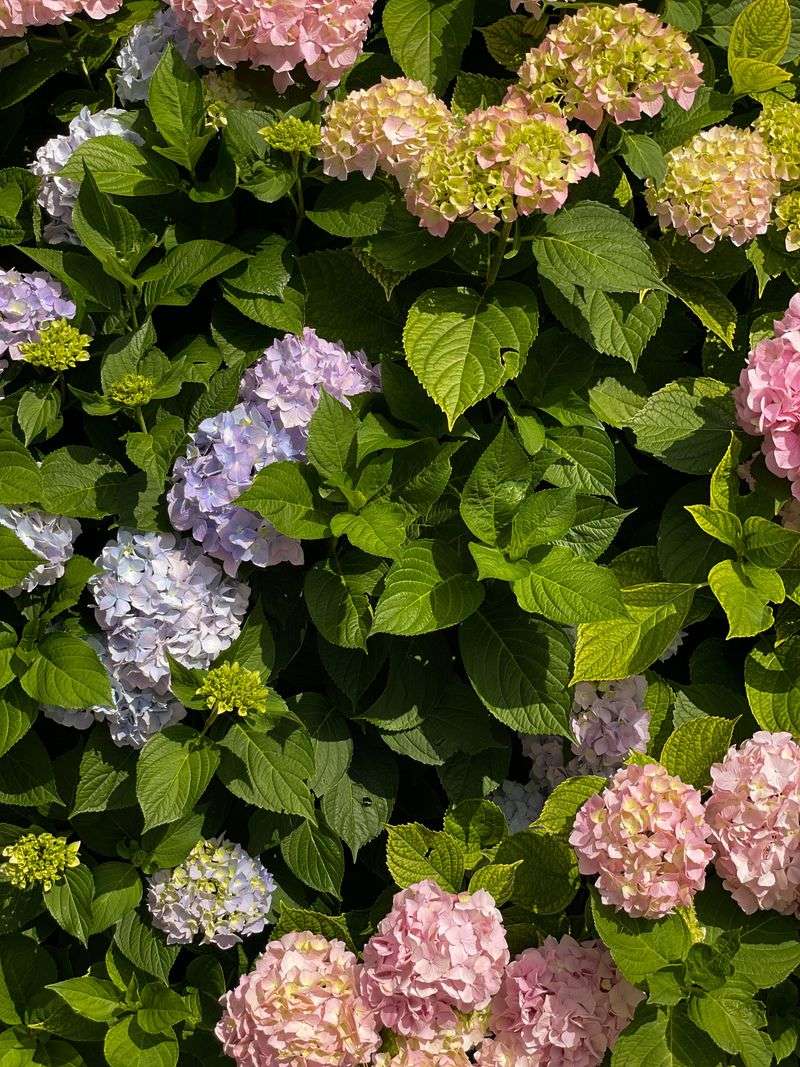
Reblooming hydrangeas solved a problem Connecticut gardeners have dealt with for years. Varieties like Endless Summer bloom on both old and new wood, giving you two rounds of color instead of one.
Types like Incrediball bloom reliably on new wood alone, making them nearly frost-proof. That matters a lot in Connecticut, where a single cold snap can wipe out buds on old-wood-only types.
Choosing a rebloomer means even a rough spring does not end your season early. Look for varieties labeled as zone 5 or zone 6 hardy.
Connecticut spans both zones depending on where you live. Matching your plant to your specific zone matters more than most gardeners realize.
Proven Winners and local nurseries in Connecticut often stock varieties bred for shorter growing seasons. Ask your nursery staff which ones performed best last winter in your area.
Buying locally grown stock also helps. Plants grown nearby are already adapted to your soil and climate.
That gives them a stronger start than anything shipped in from warmer regions.
Reblooming types also respond better to spent bloom removal and feeding, two tricks covered later in this guide. Starting with the right variety does more to extend hydrangea blooms than almost any other step in this guide.
2. Prune Only Spent Wood In Early Spring
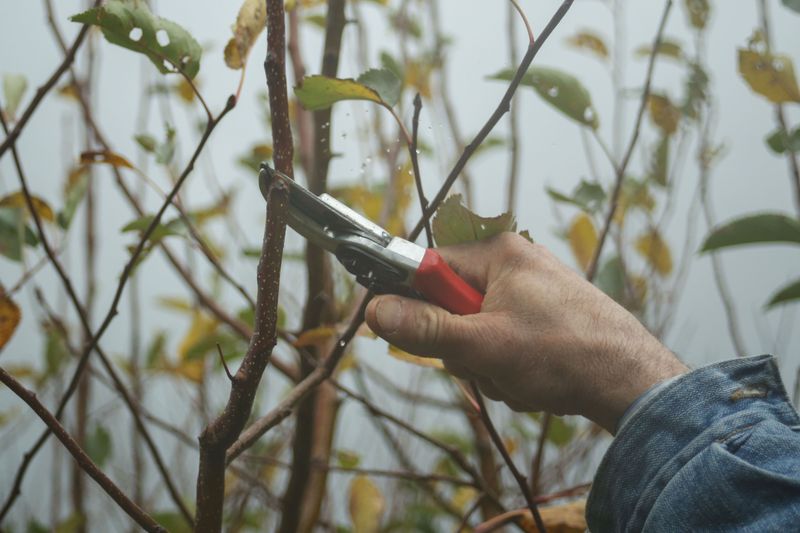
Grabbing your pruners in fall feels productive, but it can cost you a full season of blooms. Many Connecticut gardeners accidentally cut off the buds they were counting on all winter.
The rule is simple: prune lifeless wood only. Live wood holds the buds that become your summer flowers.
Wait until early spring when you can clearly see which stems made it through winter. Withered stems feel brittle and hollow.
Scratch the surface and you’ll find no green underneath.
Live stems have a green or white layer just under the bark. Scratch gently with your thumbnail to check before you cut anything.
Your Connecticut Garden Changes Every Week. Your Plan Should Too.
Gardening in Connecticut changes quickly throughout the season. Every Friday you’ll receive a simple weekly plan showing exactly what to plant, prune, fertilize, harvest, and protect so you never miss the right timing.
Remove only the stems that show no sign of life, cutting them back to the base. Leave everything else alone and let the plant push out new growth on its own schedule.
For reblooming types, you can also trim back last year’s spent flower heads to the first set of healthy buds. That light cleanup tidies the plant without sacrificing new growth.
Avoid heavy pruning in late summer or fall, no matter how tempting it looks. Cutting back too much, too late removes buds already set for next year.
That alone can shorten your bloom window.
Pruning trips up more hydrangea owners than any other step in this guide. Getting it right in early spring sets the stage for a fuller season.
The payoff runs from June straight through September.
3. Water Deeply Once A Week
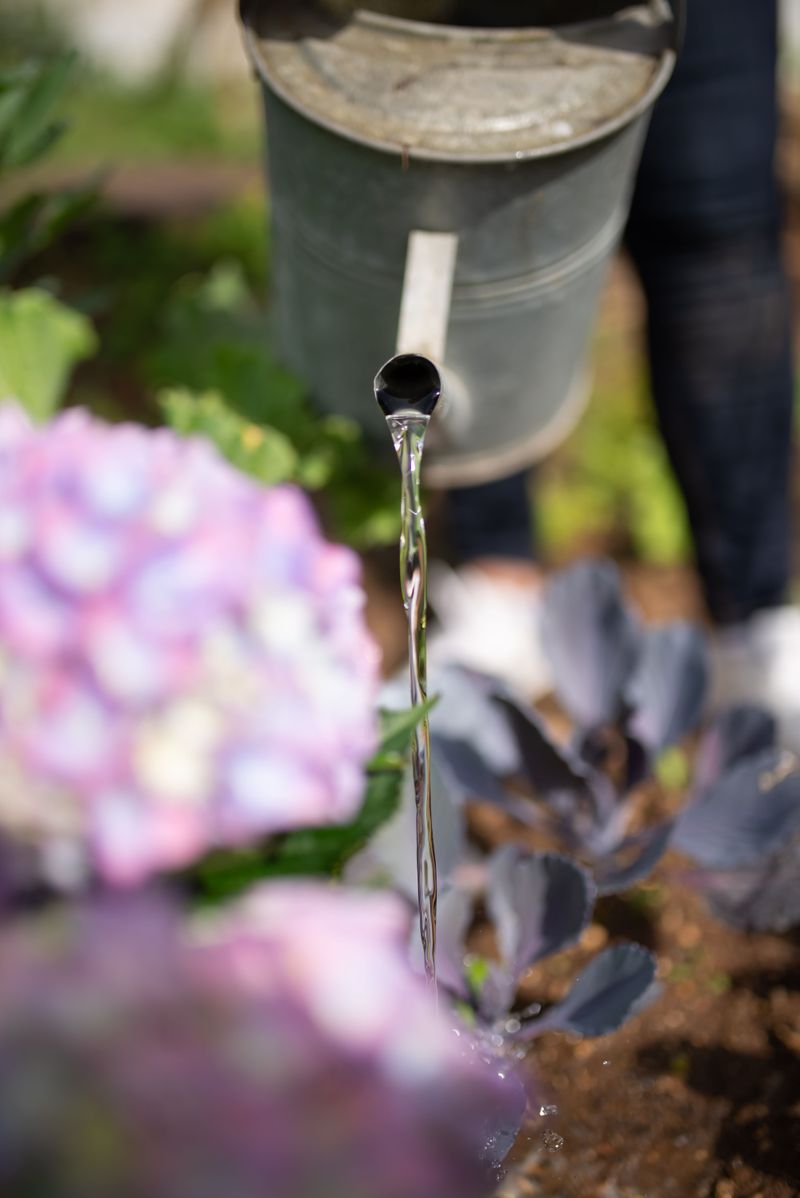
Hydrangeas are thirsty plants, and their name literally means water vessel in Greek. That is not a coincidence.
Shallow watering quietly cuts your bloom season short. Roots that stay near the surface cannot support big, long-lasting flowers.
Watering deeply once a week encourages roots to grow down into the soil. Deep roots access moisture that stays cool even during Connecticut’s hottest July weeks.
Aim to soak the soil to about six inches deep with each watering session. A simple wooden dowel pushed into the ground after watering helps you check how far the moisture reached.
Morning is the best time to water. Leaves that dry out during the day rarely develop mold.
Leaves that stay wet overnight are a different story.
Avoid wetting the leaves and flower heads directly when possible. Water at the base of the plant to send moisture straight to where the roots need it most.
During dry spells, Connecticut summers can turn surprisingly arid in August. Check the soil every few days and water more frequently if the top two inches feel dry to the touch.
A soaker hose or drip system makes consistent deep watering much easier. Set it on a timer and your hydrangeas get steady hydration without any guesswork from you.
Consistent moisture keeps blooms full and fresh. Stressed, underwatered plants simply can’t hold on as long.
4. Feed In Early Spring And Early Summer
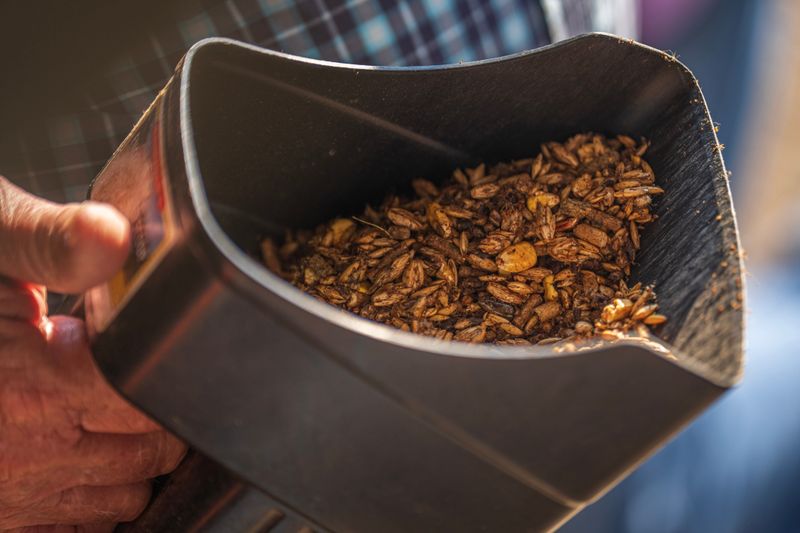
Feeding your hydrangeas at the right time is like giving them a running start. Time it wrong, and you push leaves instead of flowers.
Early spring is the first key feeding window. As soon as the soil warms and new growth appears, apply a balanced slow-release fertilizer around the base of each plant.
A 10-10-10 or similar balanced formula works well for spring feeding. It supports root development, stem strength, and early bud formation all at once.
The second feeding happens in early summer, around June. Switch to a fertilizer lower in nitrogen and higher in phosphorus to push flower production instead of leafy growth.
Phosphorus is the nutrient most responsible for bloom development. Look for a formula with a middle number higher than the first, like a 5-10-5 blend.
Avoid feeding after July in Connecticut. Late-season fertilizing pushes out tender new growth right before frost hits.
That can even reduce next year’s bloom count.
Always water your plants well before and after applying fertilizer. Dry roots absorb fertilizer poorly.
Worse, concentrated nutrients hitting dry roots can burn them.
Organic options like compost tea or fish emulsion are gentler on soil microbes. Many Connecticut gardeners stick with organic feeding because it delivers stronger blooms, season after season.
Feeding on the right schedule stretches your bloom season, and it barely costs you extra time or money.
5. Snip Faded Blooms Promptly
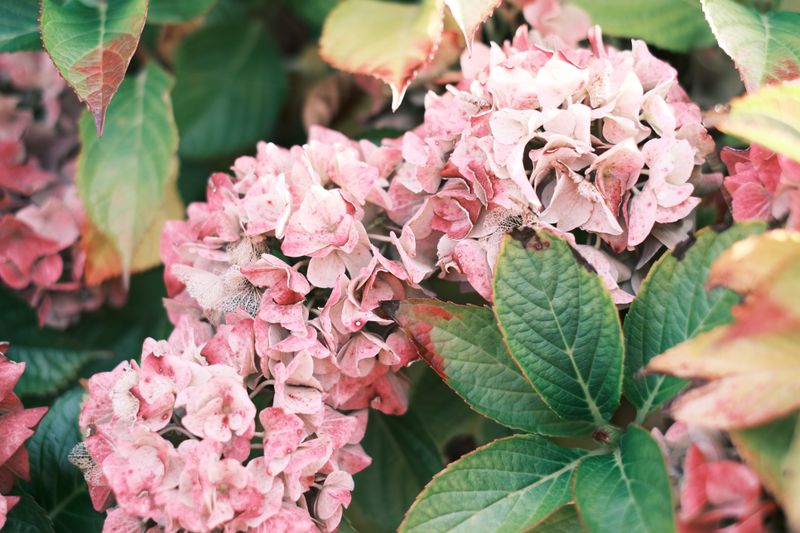
A faded bloom left on the plant is a signal to stop producing. The plant thinks its job is done and shifts energy toward seeds instead of new flowers.
Removing spent blooms tricks the plant into going for another round. It costs nothing and extends your bloom season more than most gardeners expect.
Snip faded flowers just above the first set of healthy leaves below the bloom. Use clean, sharp scissors or pruners to make a smooth cut that heals quickly.
Dull blades crush stem tissue, and damaged tissue invites disease in. Wipe your blades with rubbing alcohol between plants to avoid spreading any fungal spores from one shrub to another.
Check your plants every few days during peak bloom season. In Connecticut’s humid summers, blooms can fade faster than expected, especially after a heavy rain.
Some gardeners wait until a bloom is fully brown before cutting. Snipping earlier, when petals just start to look papery, keeps the plant in active bloom mode longer.
On reblooming varieties, prompt bloom removal is especially powerful. Removing spent heads speeds up the second flush of buds.
Those buds also tend to bloom fuller. Do not toss those faded blooms in the trash.
Dried hydrangea heads make beautiful additions to wreaths, vases, and fall arrangements that bring the garden indoors for months. A little snipping now means a lot more color stretching through late summer.
6. Mulch To Protect Roots From Temperature Swings
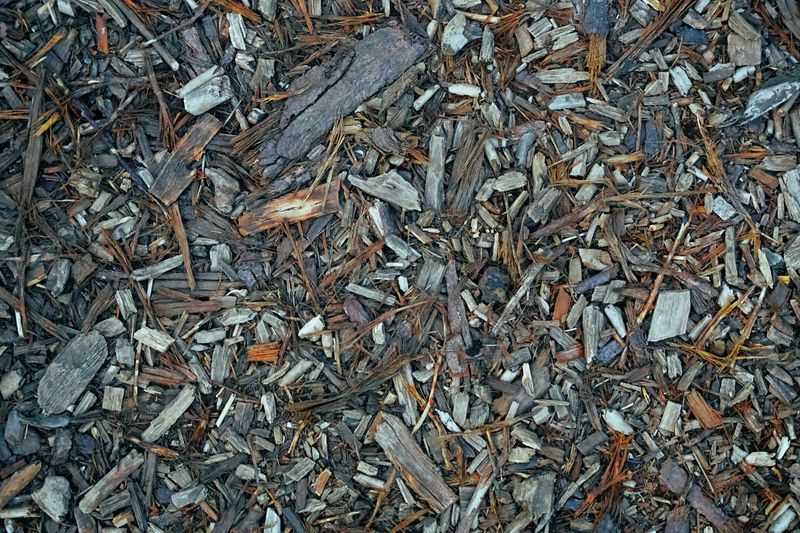
Connecticut weather rarely sticks to a script. A warm April day can flip into a cold night within hours, and roots feel every bit of that swing.
Mulch insulates the soil, keeping root temperatures steady even when the weather above ground swings wildly.
Apply two to three inches of organic mulch around the base of each plant. Shredded bark, wood chips, or pine needles all work well and break down slowly over the season.
Keep mulch a few inches away from the main stem. Mulch piled against the stem traps moisture and can cause rot at the base of the plant over time.
In spring, mulch keeps soil cool as temperatures rise, slowing moisture loss during dry spells. In early fall, it holds warmth in the ground longer, giving roots extra weeks to store energy.
Refreshing your mulch layer each spring takes about fifteen minutes per plant. That small effort translates into a noticeably longer, steadier bloom season.
Mulch also suppresses weeds that compete with your hydrangeas for water and nutrients. Fewer weeds mean more resources going directly to flower production. Over time, organic mulch breaks down and improves soil structure.
Better soil holds moisture longer and supports the microbial life that keeps plant roots healthy and productive. Steady roots equal steady blooms, and mulch is the simplest way to deliver both.
7. Position For Morning Sun, Afternoon Shade
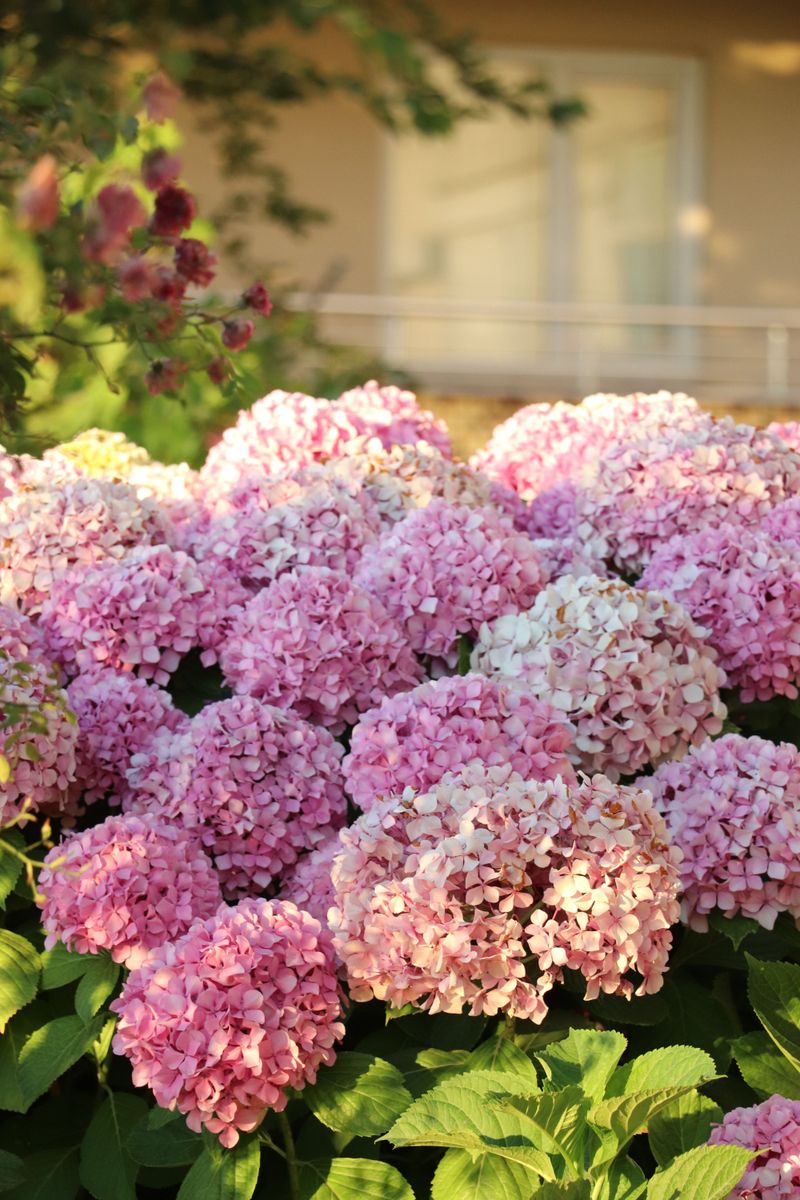
Placement can make or break your hydrangea’s bloom season. Put them in the wrong spot and even perfect care cannot save the blooms from wilting by noon.
Morning sun gives hydrangeas the light energy they need to produce big, vibrant flowers. Afternoon shade protects those blooms from the intense heat that causes wilting and color fading.
In Connecticut, the east-facing side of your house or a fence is often the sweet spot. Plants there catch direct sun from sunrise until about noon, then enjoy natural shade through the hottest hours.
Full afternoon sun in July and August can stress even healthy plants. Stressed plants produce fewer blooms and drop them faster than plants in a more sheltered spot.
If your yard does not have natural afternoon shade, consider planting a fast-growing shrub or installing a shade sail nearby. Creating the right microclimate makes a bigger difference than most gardeners expect.
Existing trees can also provide ideal dappled shade. Avoid planting directly under dense tree canopies though, since root competition and deep shade will both limit flower production significantly.
When transplanting or moving an established hydrangea, observe the new spot at different times of day before digging. Watching sun patterns for a full day gives you the clearest picture of light exposure.
The right light position is a one-time decision. It keeps paying off, season after season.
Get the placement right, and your hydrangeas will reward you with blooms that outlast the average by weeks.
8. Cover Buds During Late Spring Frosts
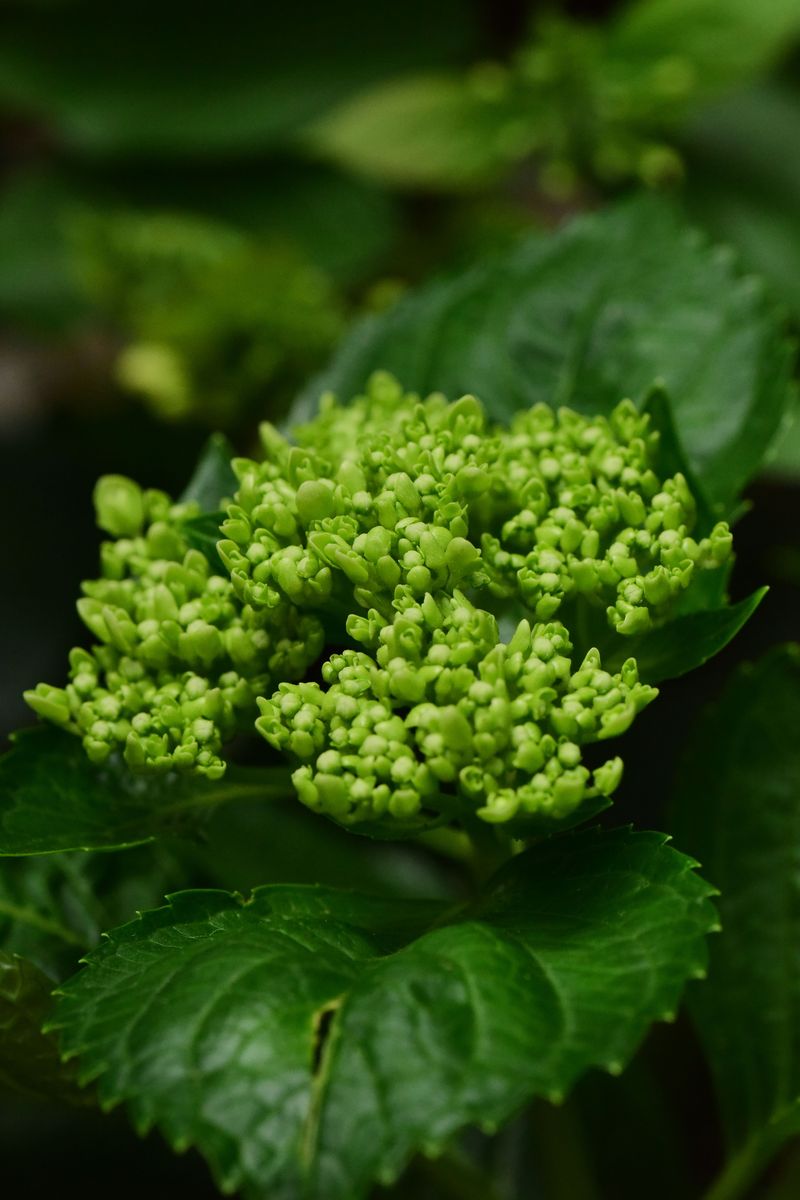
A single late frost in May can wipe out every bud your hydrangea spent all winter developing. Connecticut gardeners have learned this the hard way, more than once.
Covering buds before a frost warning takes almost no effort and protects the blooms you’ve been counting on all season.
Use breathable frost cloth or old bed sheets to cover plants the evening before a predicted frost. Avoid plastic sheeting, which traps condensation and can cause more damage than the frost itself.
Drape the cover loosely over the entire plant, including the outer branches where buds are most exposed. Secure the edges with rocks or garden staples so wind does not blow it off overnight.
Remove the cover the next morning once temperatures rise above freezing. Leaving it on during a sunny day overheats the plant and causes wilting that looks a lot like frost damage.
Keep your frost cloth stored near the garden door from April through mid-May. Quick access means you can act fast when a surprise frost warning pops up the night before.
Potted hydrangeas have an advantage here since you can simply move them into a garage or shed on frosty nights. Container growing is worth considering if late frosts are a recurring problem in your area.
Protecting those buds in spring is the last step that carries your hydrangea blooms through a full Connecticut summer, and often beyond.