This Common Oregon Hedge Plant Looks Completely Harmless But Is Highly Toxic To Every Pet
That glossy evergreen hedge along the driveway may look like one of the safest plants in an Oregon yard.
It grows quickly, blocks unwanted views, and stays green through months when other shrubs look bare.
Yet beneath that polished appearance is a serious risk many pet owners never hear about until a dog chews a fallen leaf or a curious cat noses around fresh clippings.
The danger is not limited to one part of the plant, and routine trimming can scatter tempting debris across lawns, patios, and play areas.
Because symptoms may appear quickly, knowing what grows along your property line matters far more than most homeowners realize.
Before planting another privacy hedge or tossing pruned branches where pets can reach them, take a closer look at this common landscape favorite.
Its tidy appearance hides a chemical defense that can turn an ordinary backyard encounter into an emergency.
1. The Evergreen Hedge Hiding A Toxic Secret
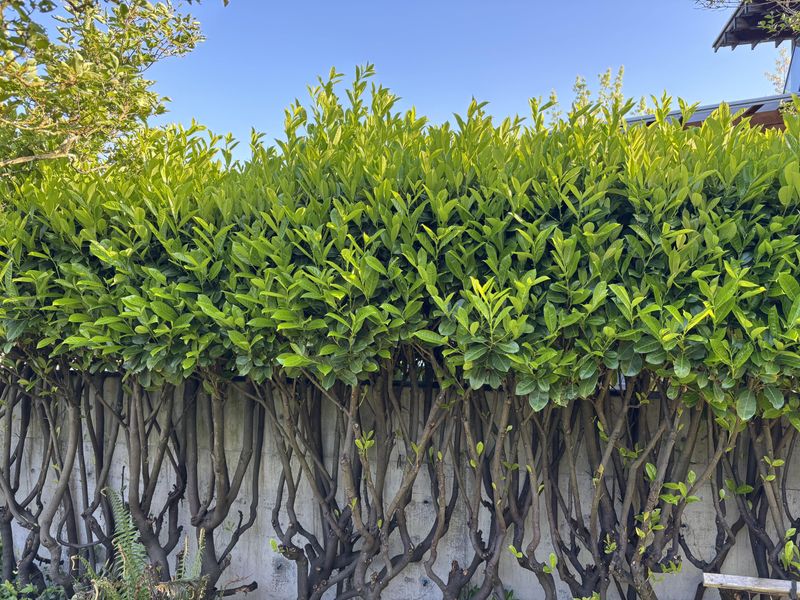
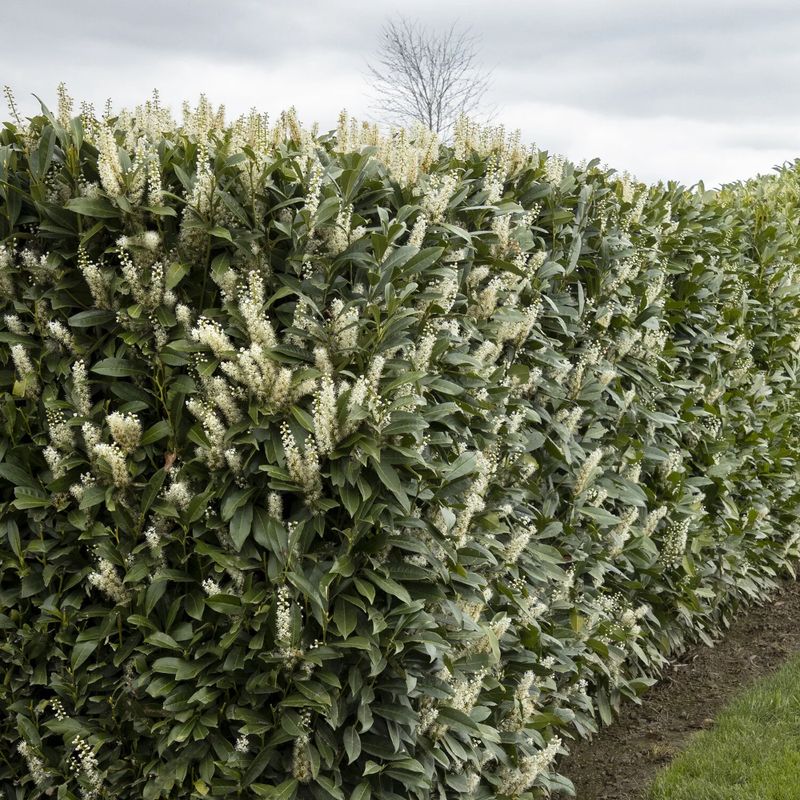
Most people walking past a cherry laurel hedge would never guess it holds a serious secret. The glossy, dark green leaves look clean and healthy.
The shrub stays thick and full even through cold winters. It is one of the most popular hedging plants across the Pacific Northwest, and that popularity is exactly what makes it so risky for pet owners.
Cherry laurel belongs to the Prunus family, the same group that includes cherries, plums, and almonds. But unlike the fruit on those trees, every part of cherry laurel contains a compound called prunasin.
When leaves or stems are chewed or crushed, prunasin breaks down and releases hydrogen cyanide. That is a powerful toxin that affects the body very quickly.
The problem is that nothing about the plant looks threatening. There are no thorns, no strange smell when left alone, and no obvious warning signs.
It blends right into a garden or fence line like any other green shrub. Many families have lived next to cherry laurel hedges for years without realizing the risk sitting just outside their back door.
Knowing what your hedge actually is could be the first step toward protecting every pet in your home.
2. Why Cherry Laurel Looks So Innocent
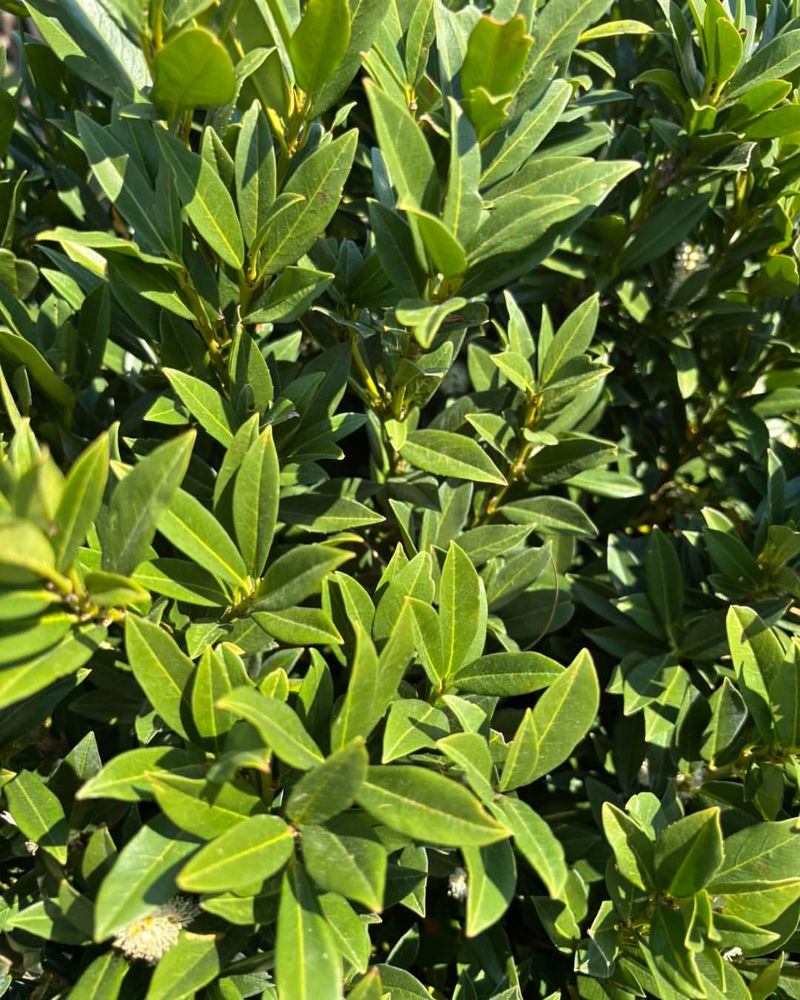
Part of what makes cherry laurel so deceptive is how appealing it looks. The leaves are broad, oval, and shiny, almost like something you would find on a tropical houseplant.
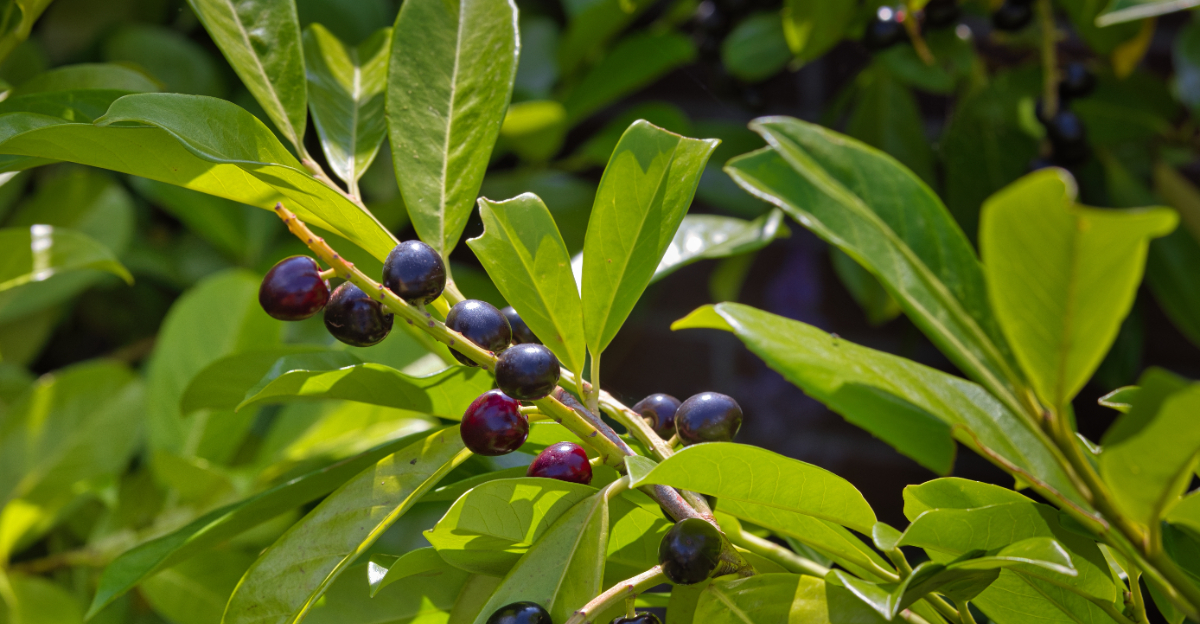
In spring, the shrub produces small clusters of white flowers that smell faintly sweet. By late summer, those flowers turn into dark purple berries that hang in neat little bunches.
The whole plant looks tidy and even pretty.
That innocent appearance has helped cherry laurel become one of the top choices for homeowners who want fast-growing privacy screens. Nurseries across Oregon sell it regularly.
It tolerates shade, handles rain well, and bounces back from hard pruning. For a gardener, it checks nearly every box.
For a pet owner, though, that pretty picture hides something worth knowing. The leaves contain the highest concentration of toxic compounds, but the berries and stems carry risk too.
Your Oregon Garden Changes Every Week. Your Plan Should Too.
Gardening in Oregon changes quickly throughout the season. Every Friday you’ll receive a simple weekly plan showing exactly what to plant, prune, fertilize, harvest, and protect so you never miss the right timing.
A curious pet does not need to eat a large amount for symptoms to appear. Even a small nibble on a fresh leaf can be enough to cause a reaction, especially in smaller animals like cats, rabbits, or guinea pigs.
The plant does not advertise its danger, and that is exactly why so many pet owners are caught off guard when something goes wrong.
3. Leaves Pets Should Never Be Allowed To Chew
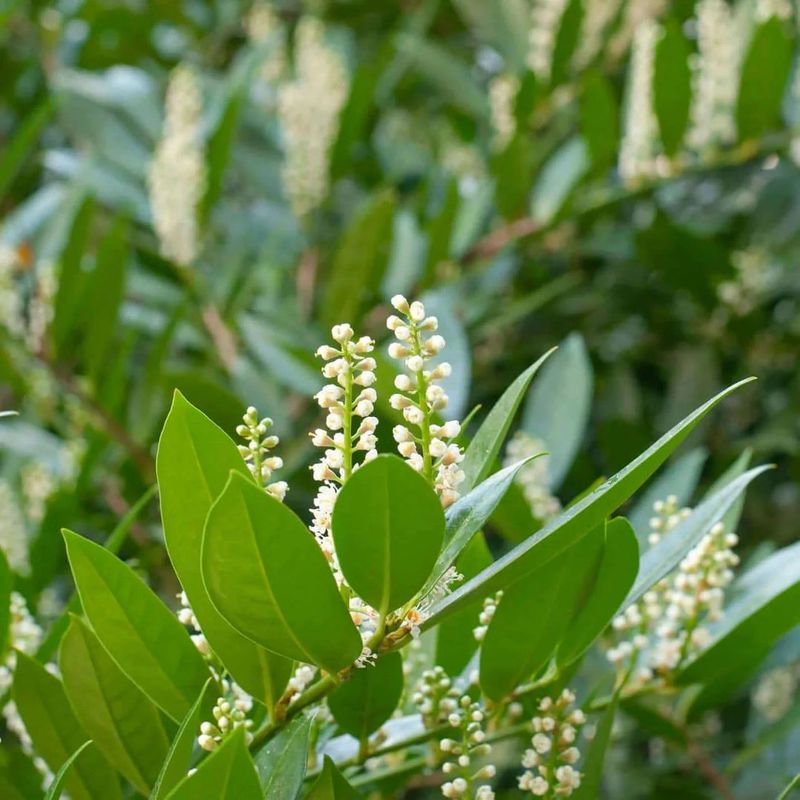
Of all the parts of cherry laurel, the leaves carry the greatest risk to pets. Fresh leaves have the highest levels of prunasin, the compound that converts to hydrogen cyanide when chewed or broken.
A pet does not need to swallow a whole leaf for exposure to happen. Even chewing and spitting out a piece is enough to cause the chemical reaction inside the mouth and throat.
Dogs are often the most likely to chew on hedge leaves out of boredom or curiosity. Puppies especially explore the world with their mouths.
A young dog left alone near a cherry laurel hedge can easily pull off a few leaves and chew them without any supervision. Cats are less likely to chew on hedges, but they can still rub against branches or groom residue off their fur after brushing past the leaves.
Smaller pets face the highest risk. Rabbits, guinea pigs, and tortoises that are allowed to roam in a yard with a cherry laurel hedge are in real danger.
Their smaller body size means even a tiny amount of toxin can cause a stronger reaction. Keeping these animals well away from the hedge and providing safe, pet-friendly grazing areas is the smartest move any owner can make.
Checking your yard for fallen leaves before letting small pets outside adds another layer of protection.
4. Those Dark Berries Are Not A Safe Snack
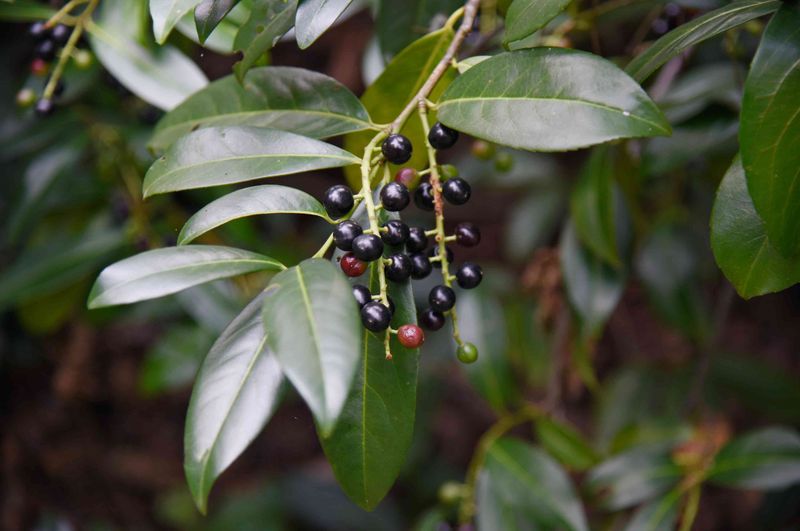
Late summer brings a wave of dark, glossy berries to cherry laurel hedges. They hang in clusters that look almost like tiny cherries.
To a child or a pet, they can look like something edible. But the berries, especially the seeds inside them, contain concentrated levels of the same toxic compounds found in the leaves.
The flesh of the berry has some toxin in it, but the seed, sometimes called the pit or stone, is where the danger is highest. If a pet crunches through the berry and breaks the seed, the exposure increases significantly.
Dogs that enjoy picking up things off the ground are at real risk during berry season. Some dogs will eat fallen berries the same way they eat treats, quickly and without hesitation.
Bird droppings under a cherry laurel hedge are a clue that berries are falling. Birds can eat the berries without harm because they usually swallow them whole and pass the seeds intact.
But dogs and cats are more likely to chew. Even if a pet only eats one or two berries, it is worth watching closely for any unusual behavior.
Berry season in Oregon runs from late summer into fall, so that is the time to be most alert. Picking up fallen berries regularly and keeping pets away from the base of the hedge during this period is a smart habit to build.
5. Fresh Clippings Can Be Riskier Than The Hedge
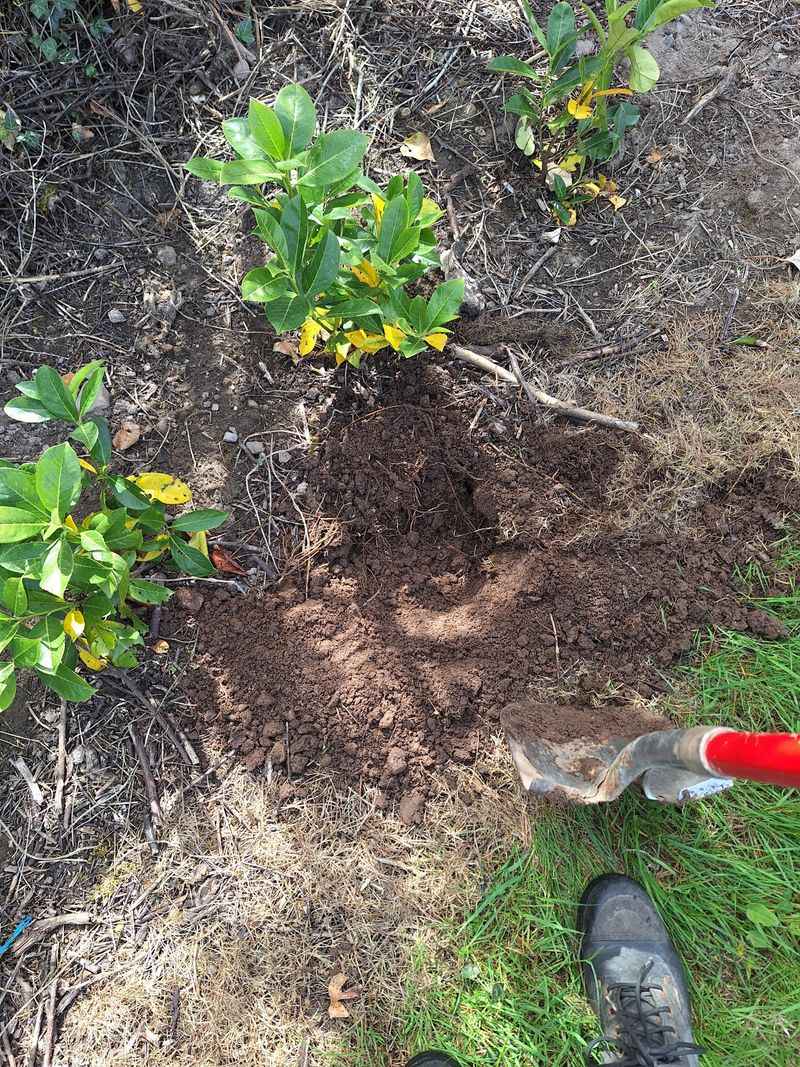
Here is something many gardeners do not realize: freshly cut cherry laurel clippings can actually be more dangerous than the living hedge. When the leaves and stems are cut and left in a pile, they begin to wilt.
During that wilting process, the breakdown of prunasin speeds up, which means the release of hydrogen cyanide increases. A pile of clippings sitting on your lawn is a concentrated hazard for any pet nearby.
Pruning day might feel like a productive afternoon in the garden, but it creates a window of real risk for animals.
A dog that wanders over to sniff or chew on a fresh pile of clippings can get a much higher dose of toxin than they would from chewing on a single leaf off the living hedge.
The smell of the cut plant may actually attract some pets, especially those that are naturally drawn to strong or unusual scents.
The safest approach is to bag clippings immediately and remove them from the yard as soon as the pruning is done. Do not leave piles sitting overnight.
If you cannot finish the cleanup right away, keep pets indoors until the clippings are fully removed.
Wearing gloves when handling cut cherry laurel is also a good idea for people with sensitive skin.
Treating pruning day like a cleanup event from start to finish keeps everyone, including your pets, much safer.
6. Curious Dogs May Find Fallen Branches First
Dogs have a natural drive to explore everything at nose level. Fallen branches, scattered leaves, and anything that lands on the ground becomes an instant point of interest.
After a windstorm or a hard rain, cherry laurel branches and leaves can end up all over a yard. That creates a scattered, hard-to-track hazard that is easy to overlook.
A fallen branch still has all the same toxic compounds as one attached to the living hedge. In some cases, a partially broken branch that is still slightly attached and wilting can be even more concentrated in toxin than a fresh one.
Dogs that chew on sticks as a habit are especially at risk. Many dogs cannot tell the difference between a safe fallen branch and a cherry laurel one.
After any storm, it is worth doing a quick walk around your yard before letting your dog out. Picking up fallen branches and leaves and placing them in a sealed bag takes only a few minutes.
Making that a regular habit during windy seasons reduces the chance of an unexpected exposure.
If you have a dog that is a dedicated chewer, you might also consider adding a physical barrier between the hedge and the area where your dog spends most of its time.
A simple low fence or garden border can make a big difference in limiting access to the base of the hedge where fallen material collects.
7. Wilted Leaves Can Still Cause Serious Trouble
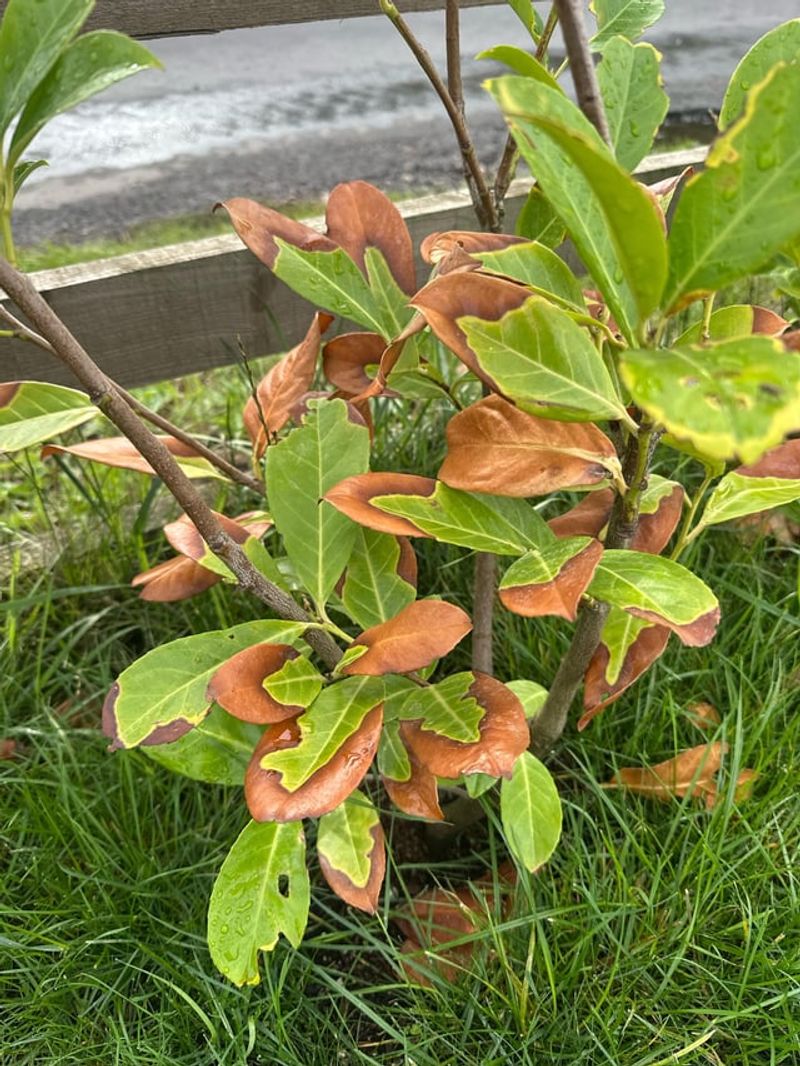
Some pet owners assume that once a leaf has wilted and turned brown, it is no longer a threat. That assumption is incorrect and can lead to a false sense of security.
Wilted cherry laurel leaves are still toxic. In fact, as the leaves begin to break down, the chemical conversion process that produces hydrogen cyanide continues.
A dried leaf on the ground can still cause harm if a pet chews on it.
This matters especially in autumn, when cherry laurel naturally drops some of its older leaves. Those fallen leaves can sit on the ground for days or even weeks before they fully decompose.
During that time, they remain a risk. Pets that spend time in a yard with a cherry laurel hedge may encounter these leaves regularly without the owner noticing.
Raking and removing fallen leaves from the yard is one of the simplest and most effective things a pet owner can do. It takes only a few minutes and removes a real source of risk.
Composting cherry laurel leaves is not recommended because the toxins can remain active for a period in a compost pile. Bagging them and placing them in yard waste bins is the safer choice.
Staying consistent with yard cleanup throughout fall and winter keeps the risk low and gives your pets a much safer outdoor space to enjoy.
8. Why Pruning Day Needs A Fast Cleanup
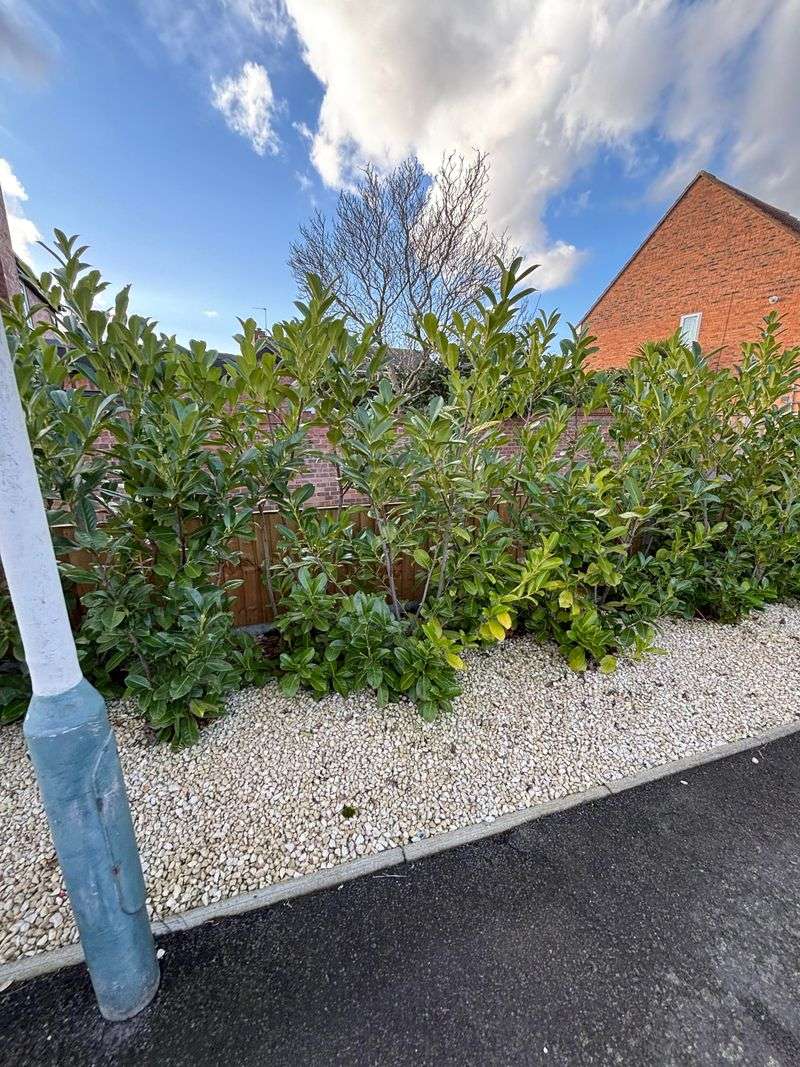
Pruning a cherry laurel hedge is a regular task for many homeowners in Oregon. The plant grows quickly and needs trimming several times a year to stay neat.
Most people focus on the cutting and do not think too much about what happens to the clippings afterward. But what happens after the cut matters just as much as the pruning itself.
As already noted, freshly cut clippings release more toxin as they wilt. But there is another concern too.
Pruning spreads small leaf fragments and sap across the surrounding area. Tiny pieces of leaf can land on the grass, get caught in a pet’s fur, or stick to paws.
A pet that later grooms itself can ingest those fragments without the owner ever seeing it happen. That indirect exposure is easy to miss.
Setting up a tarp or drop cloth under the hedge before pruning helps catch clippings and fragments. After cutting, fold up the tarp and transfer everything directly into a yard waste bag.
Rinse any garden tools before storing them. If your pet was outside during the pruning, wiping down their paws and coat with a damp cloth before they come inside is a smart precaution.
Making cleanup a built-in part of every pruning session turns a risky task into a safe and manageable routine that protects your pets every single time.
9. The Warning Signs Pet Owners Should Know

Knowing the warning signs of cherry laurel exposure can help you act quickly if your pet has gotten into the hedge. Symptoms often appear within 15 to 30 minutes of exposure.
The faster you recognize what is happening, the faster you can get your pet to a vet. Speed matters more than anything else in these situations.
Common early signs include drooling more than usual, pawing at the mouth, and appearing suddenly restless or uncomfortable. Your pet may also show signs of stomach upset, such as vomiting or loose stools.
In more serious cases, breathing may become rapid or labored. Some pets become very weak or unsteady on their feet.
A pet that was active minutes ago and suddenly seems confused or unable to stand needs immediate veterinary attention.
If you see any of these signs and you know your pet has been near a cherry laurel hedge, call your vet or a pet poison helpline right away. Try to stay calm and give the vet as much information as you can, including what part of the plant your pet may have chewed and roughly how much.
Do not wait to see if the symptoms go away on their own. Cherry laurel toxicity is treatable when caught early, and a quick response from you gives your pet the best possible chance of a full recovery.