The Plants Oregon Gardeners Should Avoid Near Walkways Because They Flop
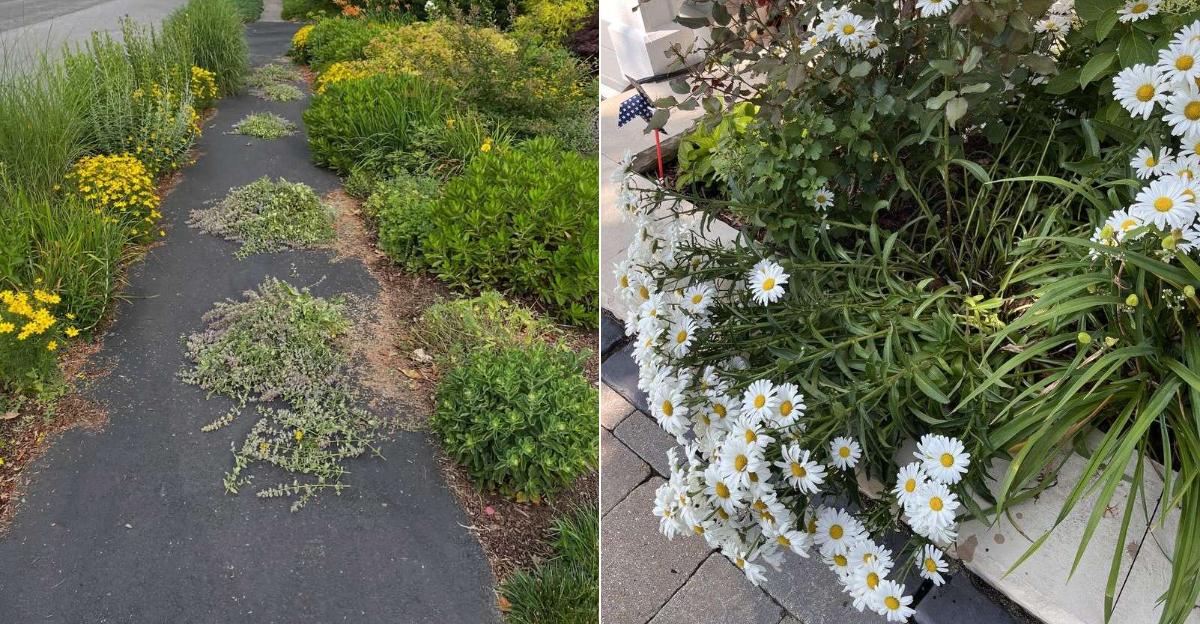
A walkway should not feel like an obstacle course by midsummer. One heavy rain, one burst of soft growth, and the wrong plant can spill across the path like it owns the place.
Oregon gardeners see this often with plants that look tidy in spring, then lean, sag, or spread once the season gets going.
That floppy habit can hide edging, soak your shoes, snag ankles, and make a clean path look messy fast.
The problem is not always poor care. Some plants simply need more space, stronger support, or a better spot away from foot traffic.
Near walkways, good behavior matters just as much as good looks. Before planting along a path, it pays to know which choices are likely to fall into the way and which ones will stay where they belong.
1. Peonies Flop Hard After Oregon Rain
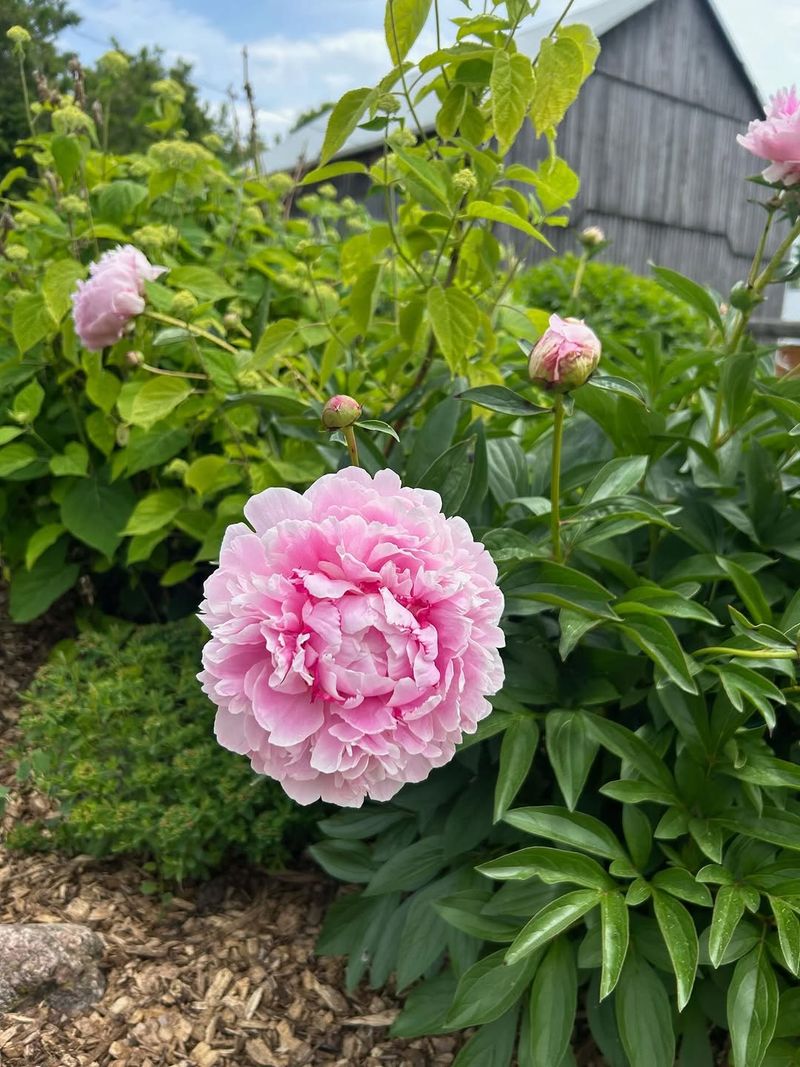
Few flowers are as gorgeous as peonies, but anyone who has grown them in our wet climate knows the struggle all too well. After a good rainstorm, those big, fluffy blooms get soaked with water.
The stems simply cannot hold up the weight. They bend right down to the ground, and if they are near a walkway, they end up blocking the path completely.
Peonies have naturally weak stems compared to the size of their blooms. Add in the heavy spring rains we get here, and you have a recipe for a floppy mess.
Many gardeners try using metal peony rings to hold them up, but even those do not always do the trick after a big storm. The blooms are just too heavy when wet.
The best move is to plant peonies toward the back of a garden bed, away from any path. That way, if they flop, they fall into other plants rather than across your walkway.
You can also try staking them early in the season before the buds open. Doing this before the rain hits gives the stems some extra support when they need it most.
Choosing single-flowered peony varieties instead of the big double-flowered types can also help. Single blooms are lighter and less likely to droop after rain.
Peonies are worth growing, but placement really matters in a garden like ours.
2. Catmint Spills Over Walkways Once It Blooms
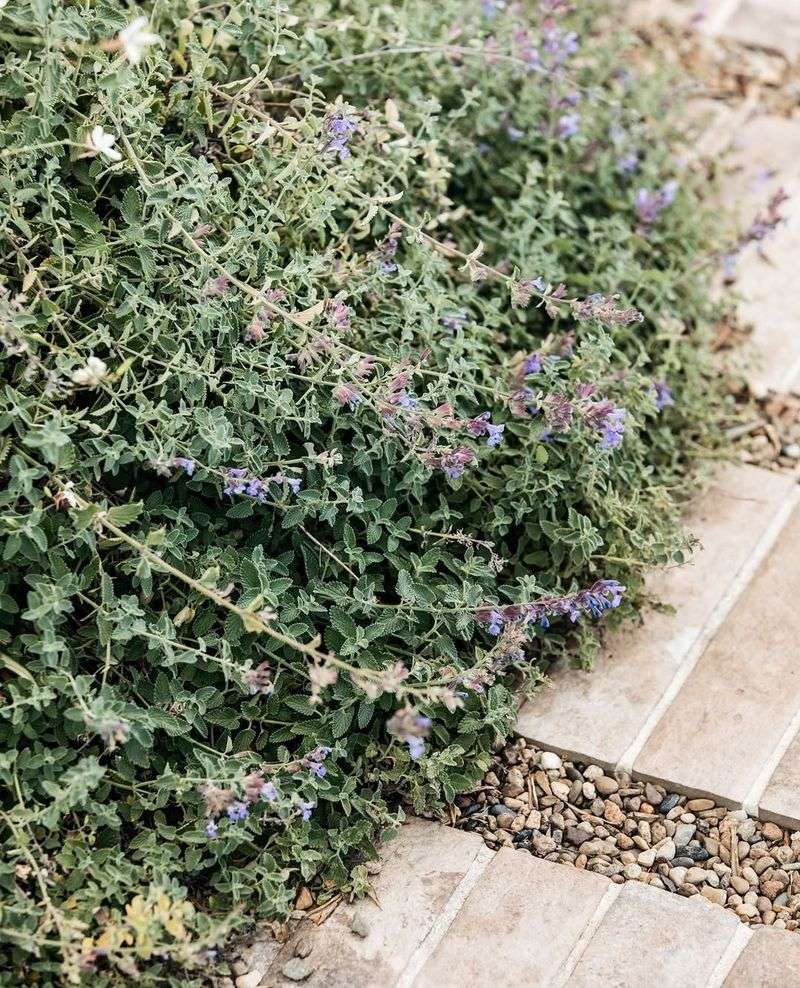
Catmint is one of those plants that looks lovely in a garden catalog but can become a bit of a walkway hazard once it really gets going. When it blooms, the long flower stems arch outward in every direction.
If you plant it along a path, those stems will reach right across the walking surface. You end up having to step around it or push it aside every time you walk by.
What makes catmint especially tricky is how fast it spreads during its blooming period. The plant sends out long, soft stems that have no real structure to keep them upright.
They just flow outward like water. In our mild, moist climate, catmint grows vigorously and can easily double in size during a single season.
Your Oregon Garden Changes Every Week. Your Plan Should Too.
Gardening in Oregon changes quickly throughout the season. Every Friday you’ll receive a simple weekly plan showing exactly what to plant, prune, fertilize, harvest, and protect so you never miss the right timing.
That makes it a poor choice right along the edge of a path.
Cutting it back hard after the first bloom is one way to manage it. This is called the Chelsea chop, and it encourages the plant to grow back more compact.
But if you do not stay on top of it, catmint will take over the walkway edge quickly. A better plan is to plant it at least two feet back from any path.
You can also use it in raised beds where the spilling habit looks intentional and pretty. Catmint is a fantastic plant, just not right next to where people walk.
3. Shasta Daisies Lean Into Paths When Stems Get Tall
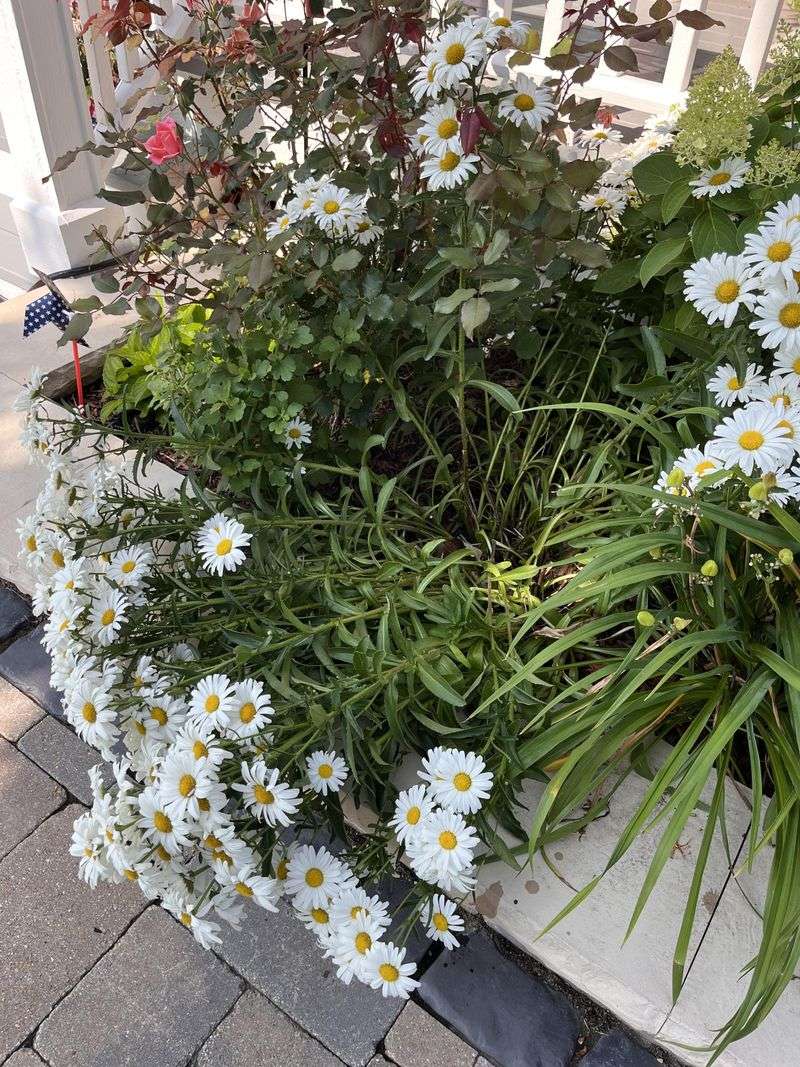
Shasta daisies are cheerful, bright, and easy to grow. That is part of why so many gardeners love them.
But when the stems get tall, usually by midsummer, they have a strong tendency to lean. They do not fall all at once.
Instead, they slowly tilt toward open space, and if a walkway is nearby, that is exactly where they end up pointing.
The taller the variety, the worse the leaning tends to be. Some Shasta daisy cultivars can grow up to three feet tall, and those long stems just do not have the strength to stay perfectly upright.
A little wind or a passing rainstorm can push them right over the edge of a path. Once they start leaning, they are hard to straighten back up without staking.
If you love Shasta daisies and want to keep them near a walkway, look for compact or dwarf varieties. These stay shorter and are much less likely to flop.
Varieties like Becky are tall and beautiful but really belong in the back of a border. Shorter types like Snow Lady stay under a foot tall and hold their shape much better.
You can also pinch the stems back in late spring to encourage bushier, more upright growth. Doing that early in the season makes a real difference by the time the plants bloom.
Keep the tall ones away from paths and enjoy the shorter types up front.
4. Sedum Can Split Open And Flop By Late Summer
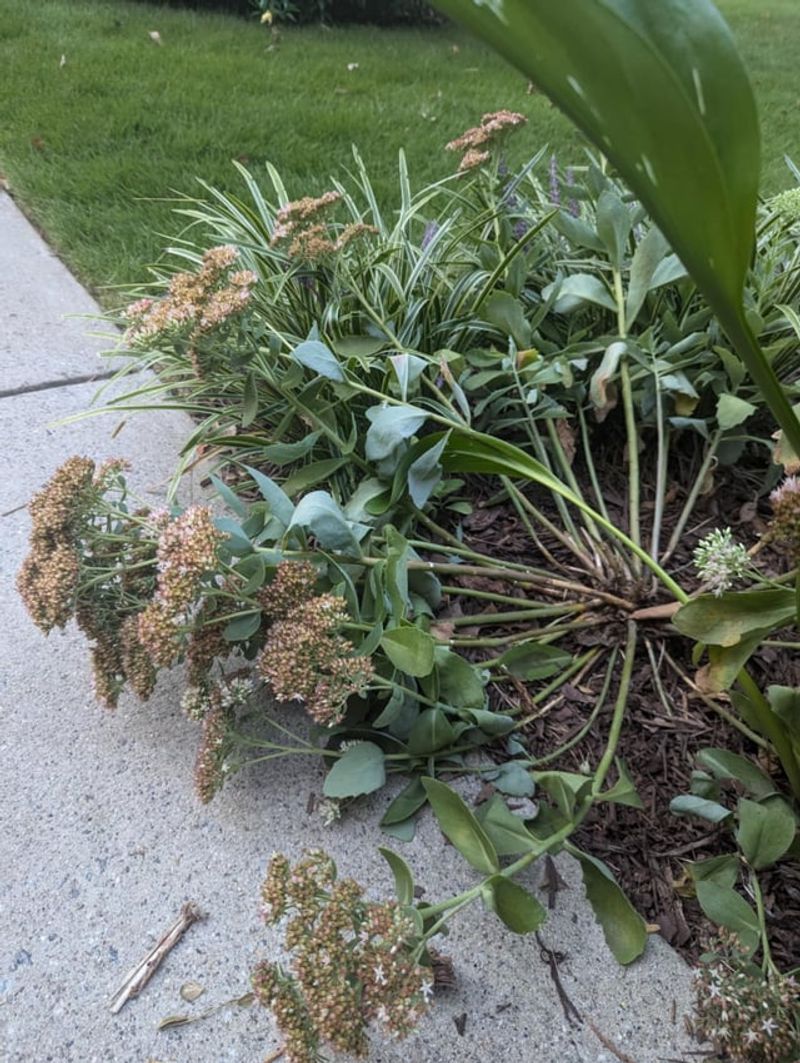
Tall sedum varieties, sometimes called Autumn Joy or Stonecrop, are popular in Pacific Northwest gardens because they are tough and drought-tolerant once established. But there is a catch.
By late summer, the heavy flower heads cause the plant to split right down the middle. The clump opens up and falls outward in two or more directions.
If a walkway is nearby, part of the plant ends up right in your path.
This splitting happens because sedum grows in a round clump, and the stems on the outside of the clump do not have anything to lean on.
As the flower heads get heavier, the outer stems bend outward under the weight.
It is a common problem, especially with older, established plants that have grown quite large. Gardeners who have not seen this before are often surprised by how dramatically it happens.
One fix is to cut the plant back by about one-third in late spring. This is sometimes called the Chelsea chop, and it results in shorter, sturdier stems that are less likely to flop.
You can also divide large clumps every few years to keep them from getting too big. Planting sedum in a spot where it has room to spread without hitting a path is the easiest solution.
Try using it in the middle or back of a bed. That way, even if it splits, it stays out of everyone’s way.
5. Garden Phlox Gets Top-Heavy Along Narrow Borders
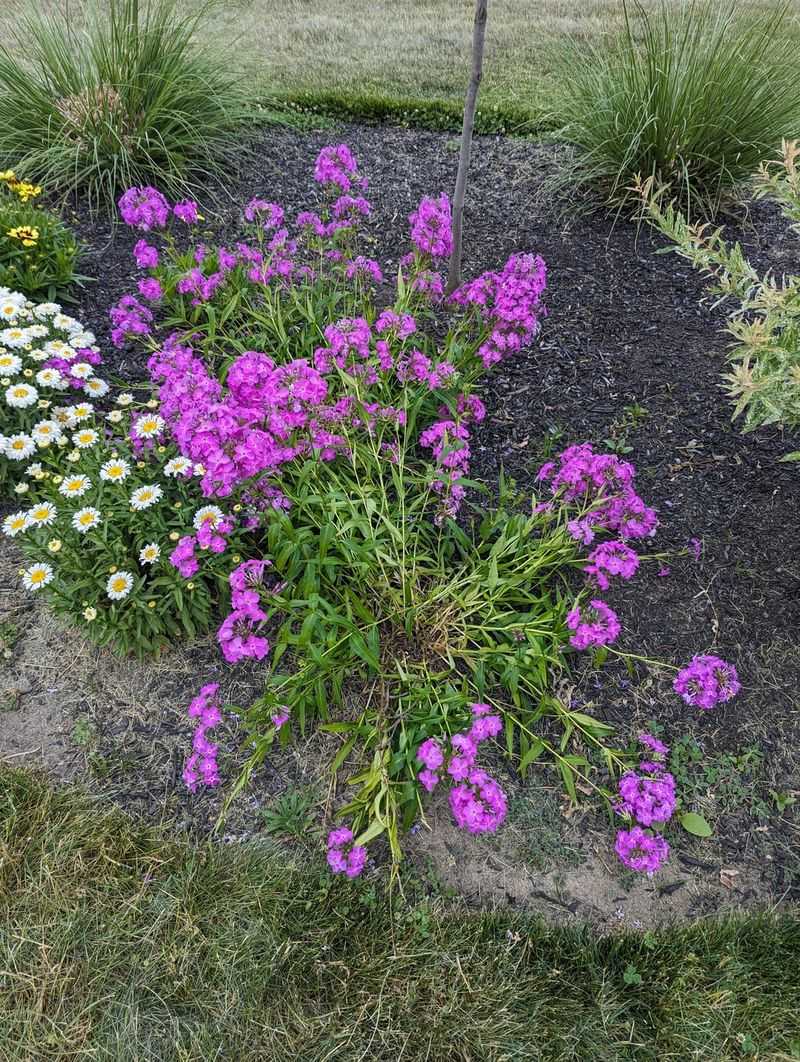
Garden phlox is a showstopper when it is in bloom. The tall clusters of flowers in pink, purple, white, and red are hard to miss.
But those flower clusters sit at the very top of long stems, and that makes the plant naturally top-heavy. Along a narrow border next to a walkway, this is a real problem.
The stems lean outward and end up drooping over the path.
Our state’s damp summers can make the flopping even worse. Wet flower clusters weigh more than dry ones, and the added moisture puts extra stress on already-strained stems.
Tall phlox varieties can reach four to five feet in height, and at that size, they really need some kind of support. Without it, they are almost certain to flop into walkway space by mid to late summer.
Staking is the most common solution, and it works well if you do it early. Push the stakes in while the plants are still short, in late spring.
By the time they bloom, the stems will have grown around the stakes and will look natural.
You can also try planting phlox in clusters of three or more so the plants support each other. Choosing mid-height varieties instead of the tallest ones is another smart move.
Keeping garden phlox at least 18 to 24 inches back from any path gives it room to lean without becoming a problem for foot traffic.
6. Delphiniums Need Staking Before Wind Or Rain Hits
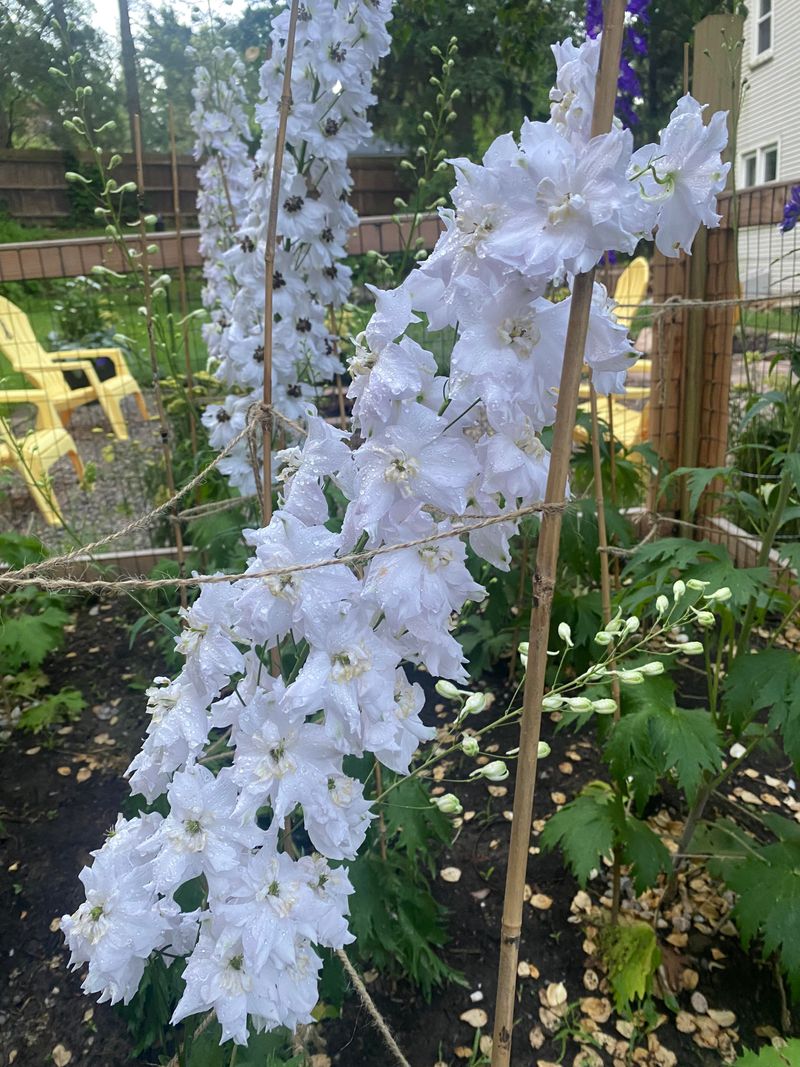
There is something magical about a tall delphinium in full bloom. Those towering spikes of blue, purple, or white flowers look like something out of a fairy tale.
But here is the reality: delphiniums are among the most fragile tall plants you can grow. Their hollow stems snap in wind and bend in heavy rain.
Plant them near a walkway and you are almost guaranteed to find them across your path after the first big storm.
Our coastal and valley weather patterns are tough on delphiniums. The combination of wind and rain that sweeps through can flatten them overnight.
Even in calmer spots, the sheer height of some varieties, which can reach six feet or more, makes them unstable. The taller they grow, the more likely they are to topple without proper support in place.
Staking is not optional with delphiniums. It is essential.
You need to put stakes in place early, when the plants are only about a foot tall. Use bamboo stakes and soft garden ties to secure the stems as they grow.
Check them regularly and add ties as needed. Even with staking, keep delphiniums well away from walkways.
If a stake fails or a tie loosens during a storm, the plant can still fall. Plant them toward the back of a deep border where they have room to sway without landing on anyone’s path.
Their beauty is worth the effort, just not right next to a walkway.
7. Bee Balm Can Lean Hard After Flowering
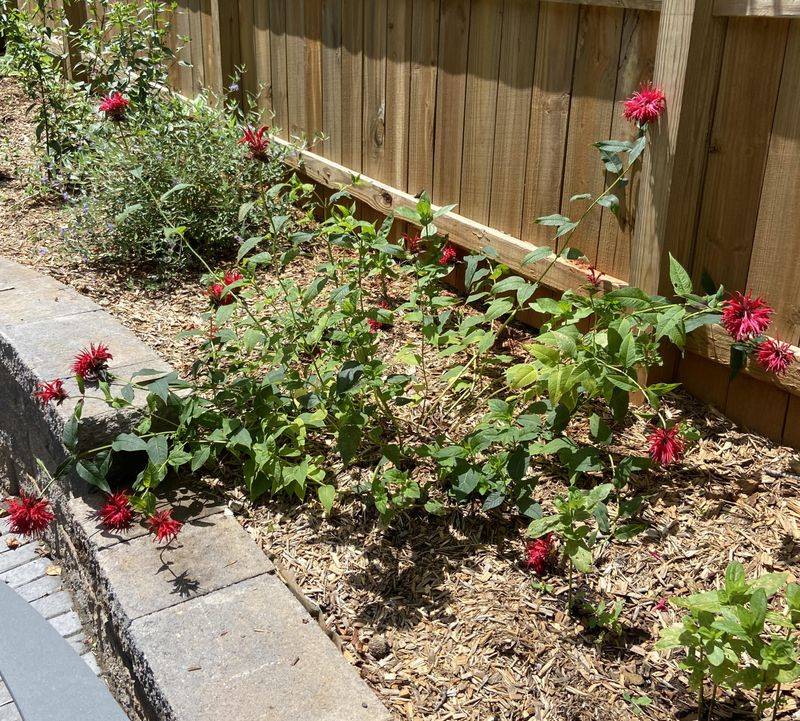
Bee balm brings real energy to a summer garden. The bright red, pink, or purple flowers attract hummingbirds and butterflies like nothing else.
But after the main flowering period winds down, the plant starts to look ragged. The stems stretch out and begin leaning in all directions.
Near a walkway, this creates a scruffy, overgrown look and can make the path feel cluttered and hard to use.
Part of the problem is that bee balm grows in spreading clumps. The outer stems have nothing to hold them up, so they lean outward as the plant gets bigger.
After flowering, the stems also get heavier with seed heads, which adds to the drooping. In our moist climate, the plant can grow quite vigorously, sometimes reaching four to five feet in height in a single season.
Cutting bee balm back by about half right after the first flush of flowers can really help. New growth comes in shorter and more compact.
This also helps reduce the powdery mildew that bee balm is known for, which thrives in humid conditions.
Dividing the clumps every two to three years keeps the plant from spreading too far and getting out of control.
Giving bee balm plenty of room in the middle of a garden bed, rather than along a path edge, is the smartest approach. You still get all the hummingbirds without blocking your walkway.
8. Russian Sage Sprawls Into Walkways If Left Untrimmed
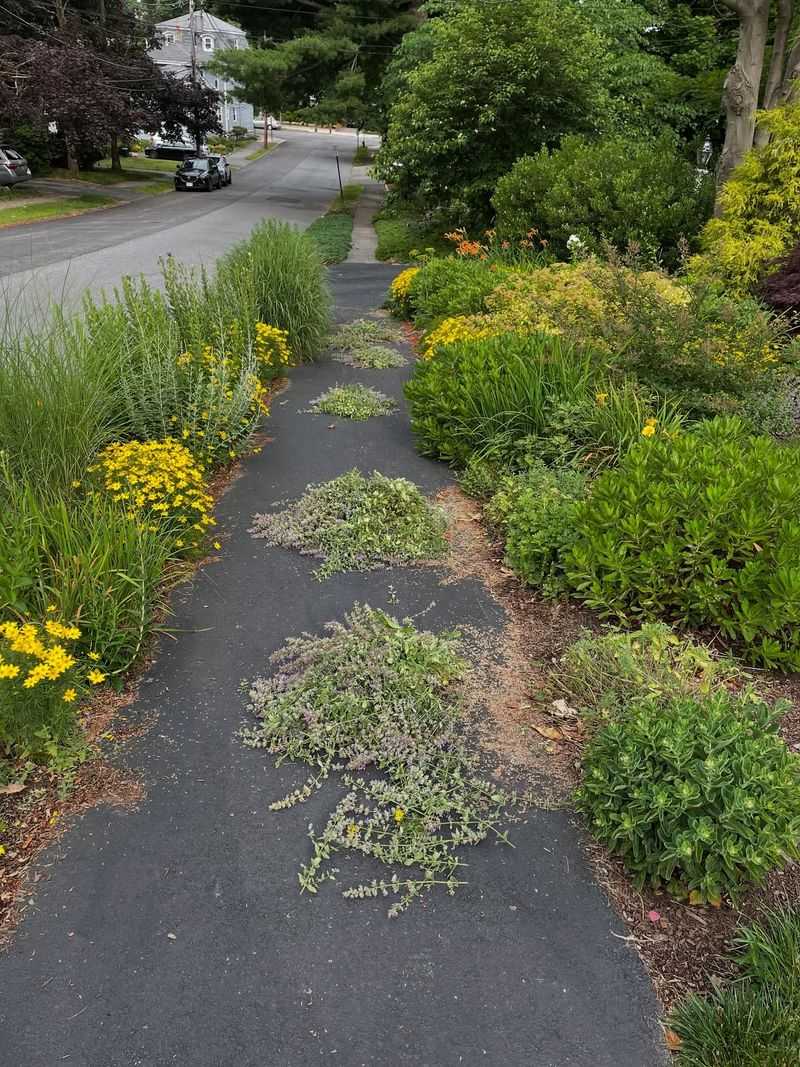
Russian sage has a lot going for it. The silvery stems and hazy purple flowers give a garden a soft, dreamy look.
It is also drought-tolerant and tough, which makes it popular in low-maintenance gardens. But left on its own, Russian sage sprawls.
The stems grow long and arching, and they have a habit of reaching out over whatever is nearby, including walkways.
By midsummer, an untrimmed Russian sage plant can spread several feet in every direction. The stems are not stiff enough to stay upright on their own.
They bow outward and downward, especially after rain or when the plant gets large. Along a walkway, this means stems brushing against legs, blocking the path, and making the whole area feel overgrown.
The key to keeping Russian sage in check is cutting it back hard in early spring. Cut the stems down to about six inches from the ground.
This encourages upright, bushy new growth that is much easier to manage. During the growing season, you can also trim back any stems that start reaching toward the path.
Planting Russian sage in a wide bed where it has room to sprawl naturally is a much better setup than squeezing it into a narrow border next to a path.
If you give it space and stay on top of the trimming, it is a truly beautiful plant. Just keep it at a safe distance from any walking area in your yard.
9. Hydrangeas Can Droop Over Paths When Blooms Get Heavy
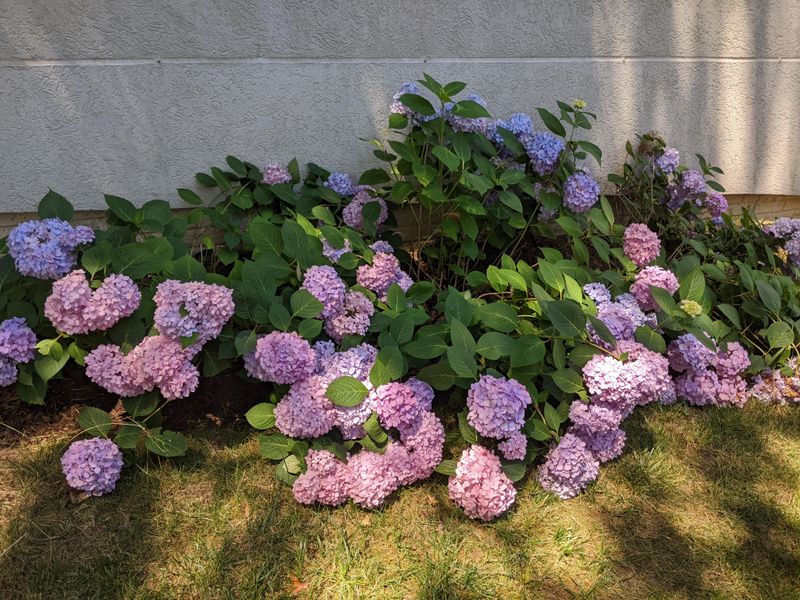
Hydrangeas are one of the most beloved shrubs in Pacific Northwest gardens. The big, round flower heads in shades of blue, pink, and white are stunning.
But those flower heads are also incredibly heavy, especially after a rainstorm. When the blooms fill with water, the branches can droop dramatically.
If the shrub is planted near a walkway, those drooping branches will reach right across the path.
Bigleaf hydrangeas are especially prone to this problem. Their flower heads are large and heavy even when dry.
After rain, they can weigh enough to pull branches all the way to the ground. Panicle hydrangeas, which have cone-shaped blooms, tend to hold up a little better because their branches are stiffer.
But even they can droop in a heavy downpour. Giving hydrangeas plenty of space away from walkways is the best long-term solution.
Most varieties need at least four to six feet of clearance from a path to avoid becoming an obstacle.
If you already have one planted too close, you can try propping up drooping branches with garden stakes after a storm. Deadheading, or removing spent blooms, can also lighten the load on branches.
Some gardeners wrap the shrub loosely with garden twine to hold the branches together during rainy periods.
Whatever method you use, keep in mind that hydrangeas and walkways are not a great match.
Give them a spot in the garden where their drooping blooms can be beautiful without being in the way.