Why Pruning Texas Shrubs During A Heat Warning Causes Permanent Damage
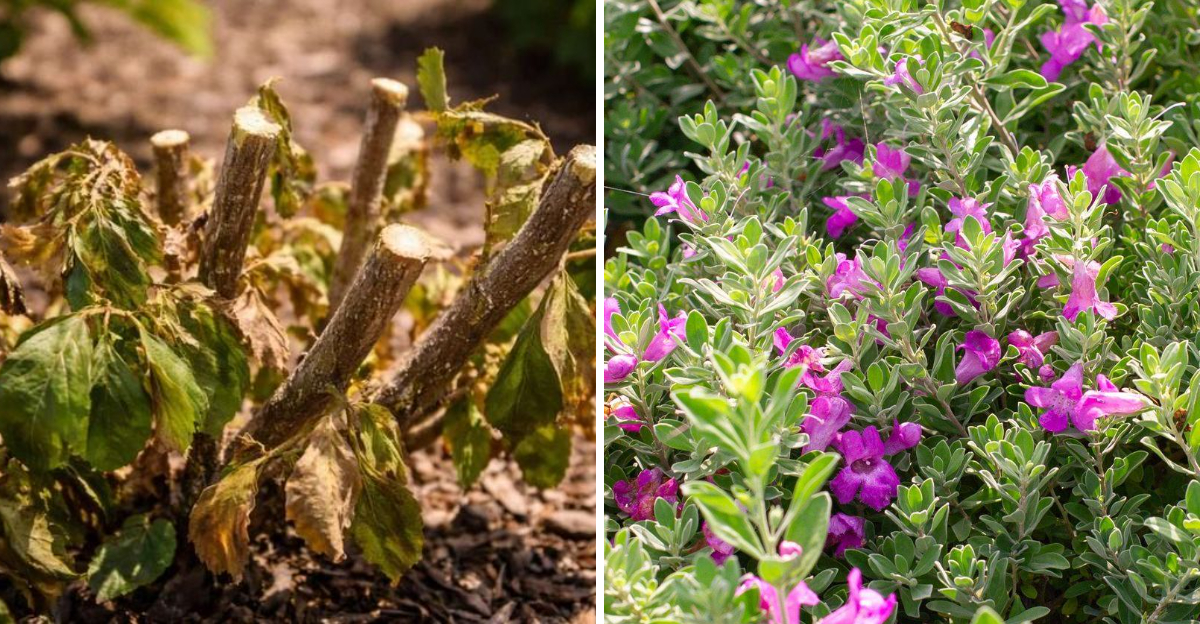
A Texas heat warning can make every shrub in the yard look like it needs help.
Leaves droop. Branches look messy. New growth wilts before lunch. The whole landscape starts to feel overgrown and exhausted at the same time, which makes pruning seem like the obvious fix. A quick trim should help the plant breathe, right?
Not during extreme heat.
When temperatures climb into dangerous territory, shrubs are already working hard to hold water, shade their own stems, and keep roots functioning in hot soil.
Heavy pruning removes the very parts helping them survive. What looks like a cleanup can turn into sunscald, branch decline, weak regrowth, lost flowers, and stress that lasts long after the forecast improves.
Some cuts still make sense. Broken branches, storm damage, and safety hazards should not be ignored.
But big shaping cuts during a heat warning are different.
Pruning Texas shrubs in extreme heat causes lasting damage because it strips protection, forces recovery at the worst time, and leaves plants exposed when they have the fewest resources to spare.
1. Heavy Cuts Strip Away The Protective Leaf Canopy
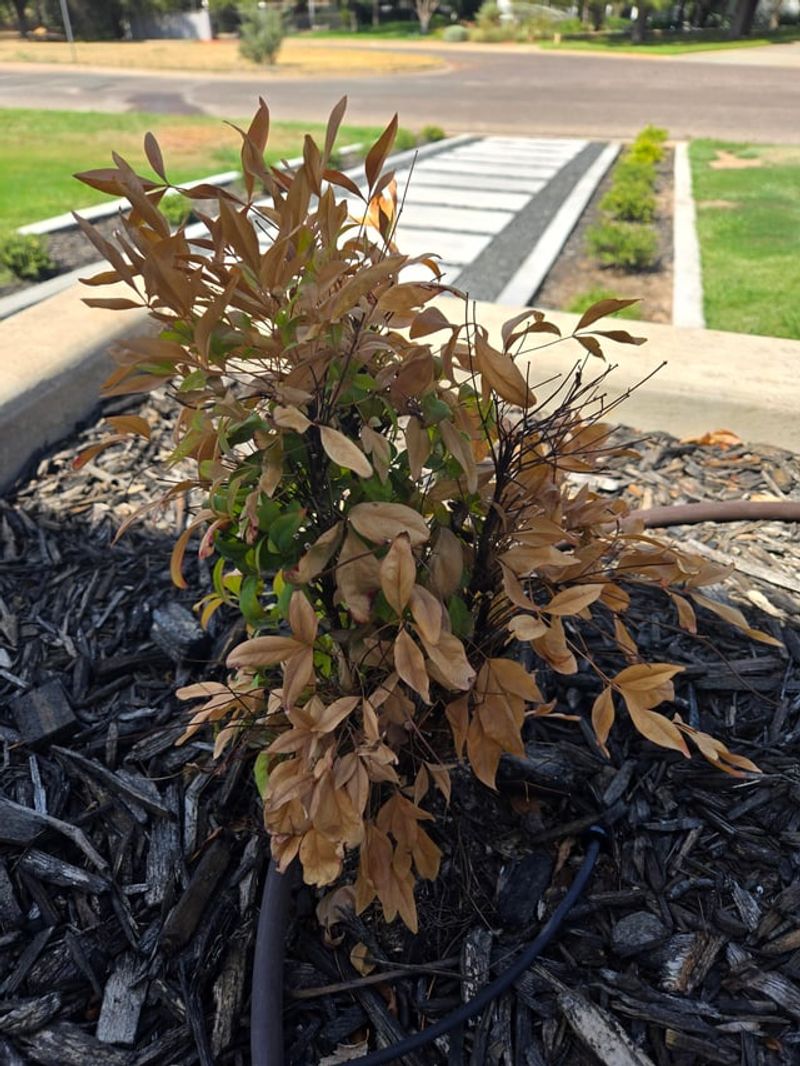
A shrub’s leaf canopy is its first defense against Texas heat.
Those leaves are not just there to make the plant look full. They shade inner branches, cool the surface of the plant, slow moisture loss from the soil, and produce the energy the shrub needs to survive stressful weather.
During a heat warning, every healthy leaf is doing work.
Heavy pruning removes that living shield at exactly the wrong moment.
Outer foliage is usually the part of the shrub most adapted to sun, wind, and heat. It has been exposed for weeks or months, so it can handle harsher conditions better than the tender interior.
When a gardener cuts away a large portion of that outer layer, inner stems and shaded leaves suddenly face direct sun they were never prepared to handle.
The soil below the shrub also loses shade. That can raise surface temperatures around the root zone and speed up moisture loss.
In Texas clay, that can mean a harder, hotter surface. In sandy soil, it can mean faster drying through the entire upper profile.
Light tip pruning is usually not the problem. Removing an inch or two of soft growth to tidy a shape rarely changes the canopy enough to shock the plant. Cutting back one-third of the shrub during triple-digit weather is much riskier.
That kind of canopy loss reduces photosynthesis too. With fewer leaves, the plant produces less energy at a time when it needs reserves for water movement, wound response, and basic survival.
If the shrub looks shaggy during a heat warning, leave most of the canopy intact. A little mess is safer than sudden exposure.
The leaves may look tired, but they are still protecting the plant.
2. Sudden Sun Exposure Scalds Inner Stems
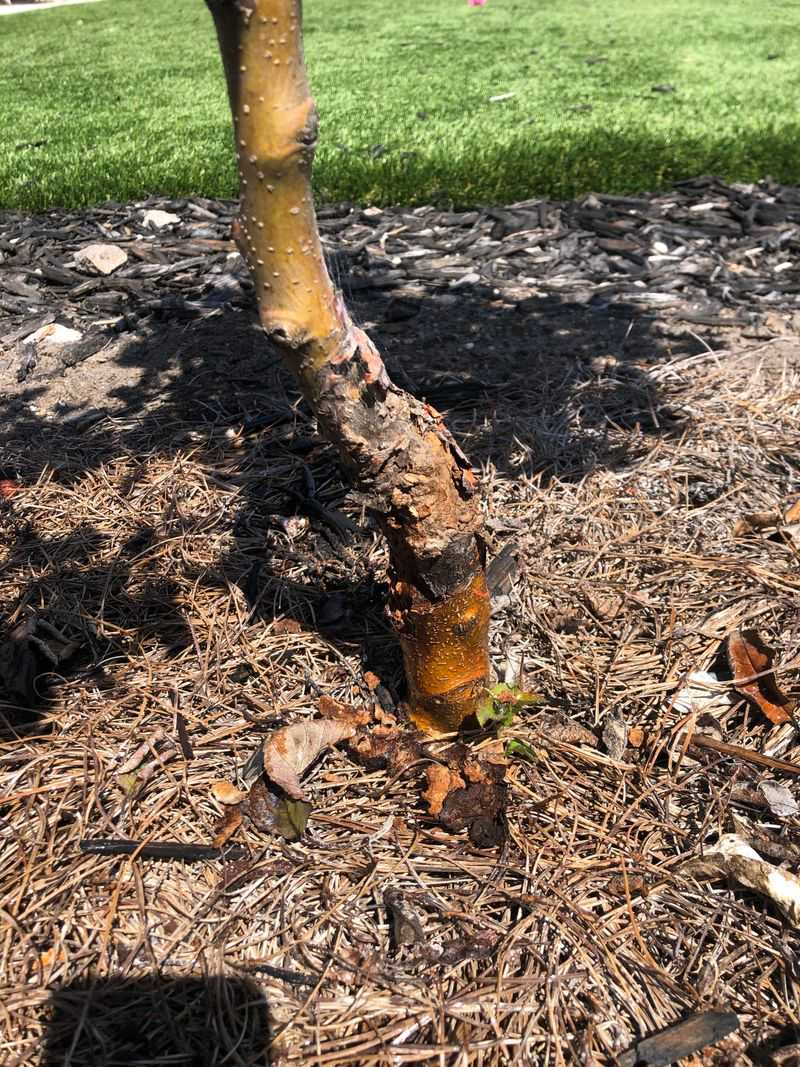
The shaded center of a shrub is not built for direct Texas afternoon sun.
Inner stems often grow under a protective layer of outer foliage. Their bark has not been hardened by months of full exposure.
Your Texas Garden Changes Every Week. Your Plan Should Too.
Gardening in Texas changes quickly throughout the season. Every Friday you’ll receive a simple weekly plan showing exactly what to plant, prune, fertilize, harvest, and protect so you never miss the right timing.
When heavy pruning suddenly opens the canopy, that protected wood can heat up quickly, especially on the west and south sides of the plant.
That sudden exposure can lead to sunscald.
Sunscald damage may show as discolored bark, cracking, peeling, or dead patches on stems that were shaded before the cut.
The frustrating part is that injury does not always appear immediately. A shrub may look fine the day after pruning, then show branch decline weeks later.
Reflected heat makes the damage worse. Brick walls, concrete walks, stone borders, stucco, gravel mulch, metal fencing, and driveways can all bounce heat back toward exposed stems.
A shrub planted beside a west-facing wall may experience far harsher conditions than the thermometer suggests.
This is why a pruning cut that would be harmless in late winter can become risky during a heat warning.
Some gardeners try to fix the exposure with pruning paint or wound sealant. That usually is not the best answer for most landscape shrubs.
Clean cuts placed correctly heal better than ragged cuts covered with products that may trap moisture or interfere with the plant’s natural response.
The smarter move is to avoid creating the sudden exposure in the first place.
If one branch must come off for safety, make the cut cleanly just outside the branch collar. Do not leave a long stub, and do not cut flush into the main stem.
Then support the plant with deep watering at the root zone.
The best protection for inner stems is the canopy they already had.
3. Summer Pruning Forces Fragile New Growth
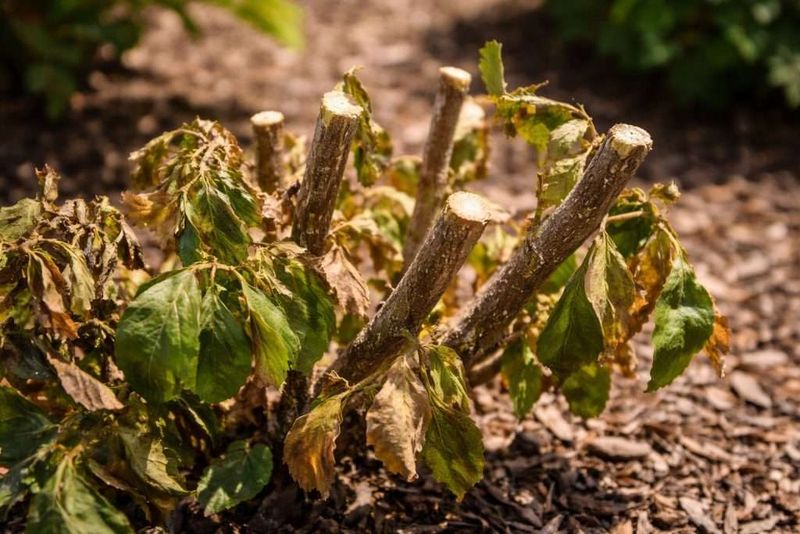
Pruning sends a growth signal.
When live stems are cut, buds below the cut may wake up and push new shoots. Under mild weather, that can be useful. Gardeners prune to encourage branching, improve shape, and refresh growth all the time.
During a Texas heat warning, that same response can become a serious burden.
Fresh growth is soft, thin, and thirsty. It has not developed the tougher outer layer that helps mature leaves and stems limit moisture loss.
New shoots also need a steady water supply to expand properly. That is a tough request when soil is hot, roots are strained, and afternoon temperatures keep climbing.
A shrub may push new growth after a summer pruning cut, then struggle to keep that growth alive. The result can be wilted tips, scorched leaves, stalled shoots, or weak tissue that never develops into the sturdy branching the gardener wanted.
That growth also costs energy.
Shrubs store carbohydrates in roots, stems, and older wood. Those reserves help them handle drought, pest pressure, heat, and recovery from injury.
Heavy pruning forces the plant to spend stored energy replacing what was removed, even though the weather gives it very little chance to recover well.
That is why a quick flush after pruning is not always a victory. It can look like progress while quietly draining the plant.
Deadheading is different. Removing spent flowers without cutting deeply into woody stems usually causes far less stress and may be safe on some shrubs if done lightly.
But hard shaping, deep heading cuts, and renovation pruning should wait.
Extreme heat is not the time to ask a shrub for fragile new growth. Let the plant conserve its reserves until recovery conditions improve.
4. Major Cuts Need Cooler Recovery Weather
A pruning cut is not finished when the branch hits the ground.
The shrub still has to respond. It must seal off wounded tissue, adjust water movement, protect the cut surface, and sometimes redirect growth.
All of that takes energy and steady moisture. During a heat warning, the plant has less of both to spare.
That is why major pruning belongs in a cooler recovery window.
Many Texas shrubs handle structural pruning best in late winter before active spring growth begins. Others should be shaped shortly after flowering, before they start forming buds for the next bloom cycle.
The correct timing depends on the species, but the hottest part of summer is rarely the ideal moment.
Crape myrtles are often pruned in late winter. Many spring-blooming shrubs should be pruned soon after their flowers fade. Summer bloomers may tolerate some light shaping after a flush, but heavy renovation cuts still need a gentler forecast.
Texas also complicates the calendar by region. The Panhandle, Hill Country, Gulf Coast, East Texas, and South Texas do not share the same humidity, frost timing, soil type, or heat pattern. A shrub that rebounds from a cut in one region may struggle in another if the timing is wrong.
Planning helps.
Instead of reacting during a heat wave, mark the shrubs that need work and schedule bigger cuts for a better season. Watch for cooler nights, lower daytime highs, and improved soil moisture.
A plant pruned during a mild period has a better chance to close wounds, rebuild growth, and avoid added stress.
A plant pruned during a heat warning has to recover while also defending itself from the harshest conditions of the year.
That is too much to ask from a shrub already under pressure.
5. Necessary Branch Removal Still Adds Stress
Some branches cannot wait for perfect weather.
A storm-broken limb, a cracked stem, a branch rubbing against the house, or dead wood hanging over a walkway may need attention even during a heat warning. Those cuts are not the same as a cosmetic reshaping session.
The danger comes when a necessary cut turns into a full pruning project.
Once the tools are out, it is tempting to keep going. One broken branch becomes a little shaping. A little shaping becomes a major size reduction. Suddenly the shrub has lost far more canopy than the situation required.
During extreme heat, restraint matters.
Focus only on hazardous, broken, diseased, or actively damaging branches. Remove stems that could tear bark if they fall. Cut out wood that is creating a real safety issue. Leave ordinary uneven growth for cooler weather.
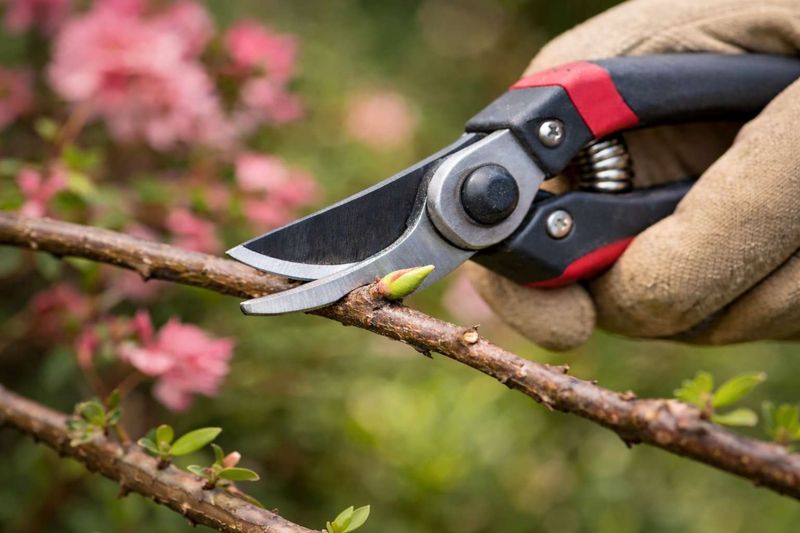
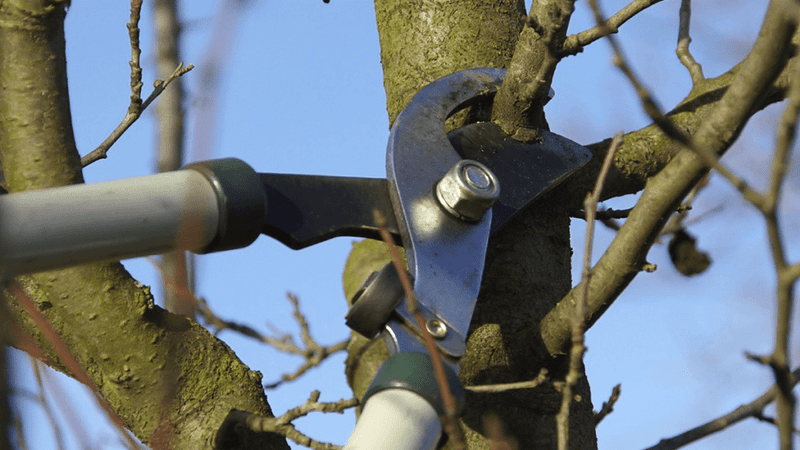
Use sharp tools so cuts are clean. Bypass pruners work for small stems. Loppers help with medium branches. A pruning saw is better for larger wood.
Cut just outside the branch collar, the slightly swollen area where the branch meets a larger stem. That collar contains tissue the plant uses to seal off the wound. Cutting flush into the stem removes important tissue. Leaving a long stub slows closure and can invite decay.
Large branches need staged cuts to prevent bark from ripping. High work, heavy limbs, or branches near utility lines should be handled by a certified arborist.
After the cut, water deeply and avoid fertilizer.
The goal is not to make the shrub look finished. The goal is to remove the immediate problem without adding unnecessary stress.
During a heat warning, every extra cut matters.
6. Post-Pruning Fertilizer Makes Heat Stress Worse
Fertilizing after pruning feels helpful.
A shrub just lost branches, so giving it nutrients can seem like a way to speed recovery. In extreme Texas heat, that instinct can backfire. A freshly pruned shrub does not need a push to grow. It needs moisture, shade, and time.
High-nitrogen fertilizer encourages tender new growth. That is exactly the growth most likely to wilt or scorch during a heat warning.
The plant may respond by producing soft shoots that demand more water than the root system can comfortably supply.
That creates a second stress right after the first one.
Fertilizer can also add soluble salts to the soil. In hot, dry conditions, salts can make it harder for fine roots to take up water.
For a shrub already dealing with heat, canopy loss, and pruning wounds, that added root stress can make recovery slower.
The better repair tool is deep watering.
Water the root zone slowly enough that moisture moves several inches into the soil. Do not splash the crown and call it done. Roots need a real soak, especially after any necessary summer pruning.
Mulch can help too, as long as it is used correctly. Keep a 2- to 3-inch layer across the wider root zone, and pull it back from stems so bark can breathe. Mulch should cool the soil, not bury the shrub.
If the plant truly needs nutrients, wait until conditions moderate and the shrub shows stable growth. A soil test can show what is actually missing instead of forcing a guess based on stressed leaves.
Yellowing, dull foliage, or slow growth in summer may come from heat, drought, compacted soil, or root trouble. Fertilizer will not fix those problems.
After heat pruning, skip the feeding. Support recovery first.