California Groundcovers That Survive Being Walked On Every Day
A pathway does not have to be paved in stone to survive daily foot traffic. Across California, certain low-growing plants can handle shoes, paws, heat, and dry spells while still keeping bare soil covered.
The trick is choosing groundcovers that bend instead of snap, recover quickly after pressure, and suit the amount of sun and irrigation the space receives.
Some form soft mats between stepping stones, while others knit together into tougher green carpets that can replace small patches of lawn.
Even the most durable choice has limits, though. Constant trampling, poor drainage, and compacted soil can wear down plants that are otherwise remarkably resilient.
Placement matters just as much as plant selection, especially near gates, patios, and frequently used garden routes.
With the right match, a heavily traveled area can stay cooler, greener, and far more inviting without turning into a dusty strip by midsummer after weeks of use.
1. Frogfruit Bouncing Back After Foot Traffic
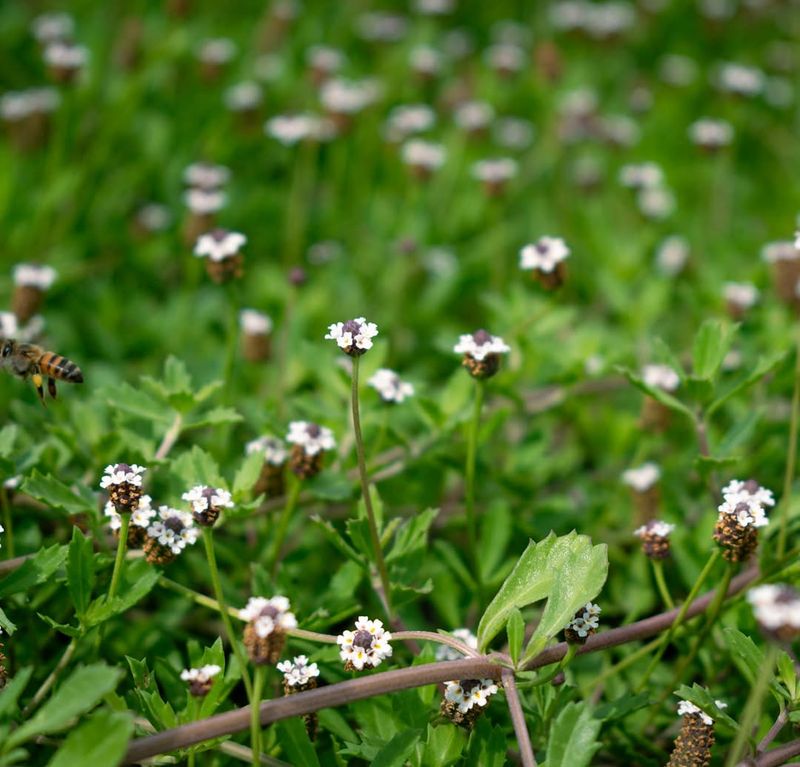
Few plants are as surprisingly tough as Frogfruit. This low-growing native spreads quickly across the ground and shrugs off foot traffic like it is no big deal.
It works well along walkways, between stepping stones, and across areas where kids and pets play daily.
Native to parts of the American Southwest and southern regions of California, Frogfruit is well adapted to heat and dry spells. It produces tiny white and purple flowers that attract butterflies, making your path look lively and colorful.
The blooms appear through most of the warm months, so there is always something pretty to look at.
Planting it is simple. Give it full sun to partial shade and water it regularly until it gets established.
After that, it needs very little care. It spreads through runners that root into the soil, filling bare patches quickly without becoming invasive or hard to manage.
One of its best qualities is how fast it recovers after heavy use. Even after a weekend of outdoor activity, it tends to perk right back up within a day or two.
Mowing it occasionally keeps it looking neat and encourages fresh, dense growth. For families who want a tough, pollinator-friendly groundcover that handles real-world use, Frogfruit is one of the best choices available in our state today.
2. Beach Strawberry Spreading Across Sunny Paths
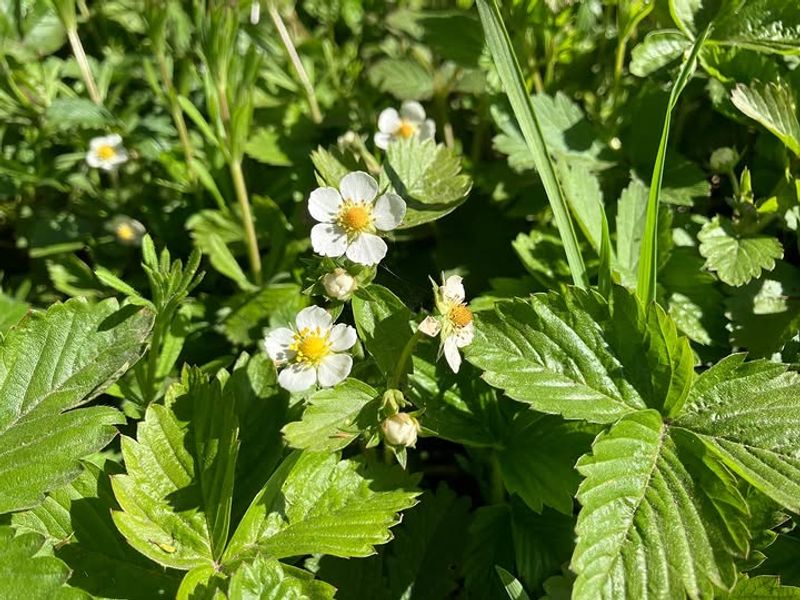
There is something charming about a plant that produces tiny strawberries while surviving daily foot traffic.
Beach Strawberry, or Fragaria chiloensis, is a California native that hugs the ground tightly and spreads through runners to cover large areas fast. It thrives along coastal and inland zones.
The glossy, dark green leaves stay attractive year-round, and the small white flowers appear in spring. While the fruit is not as sweet as grocery store strawberries, birds and other wildlife enjoy them.
That makes this plant a great choice for anyone who wants to support local wildlife while keeping paths tidy and green.
It grows well in full sun to light shade and prefers well-drained soil. Once established, it handles drought reasonably well, though it looks its best with occasional deep watering during hot months.
Your California Garden Changes Every Week. Your Plan Should Too.
Gardening in California changes quickly throughout the season. Every Friday you’ll receive a simple weekly plan showing exactly what to plant, prune, fertilize, harvest, and protect so you never miss the right timing.
Foot traffic does not seem to bother it much, especially when the soil underneath is firm and level.
Spreading naturally through stolons, Beach Strawberry fills gaps between stones and along path edges without needing much help. It rarely grows taller than six inches, so it stays low and neat without frequent trimming.
For gardeners in coastal or mild-climate areas looking for a hardworking, attractive groundcover, this plant checks nearly every box. It is both practical and genuinely beautiful in a relaxed, natural way.
3. Dichondra Keeping Bare Spots Cool And Green
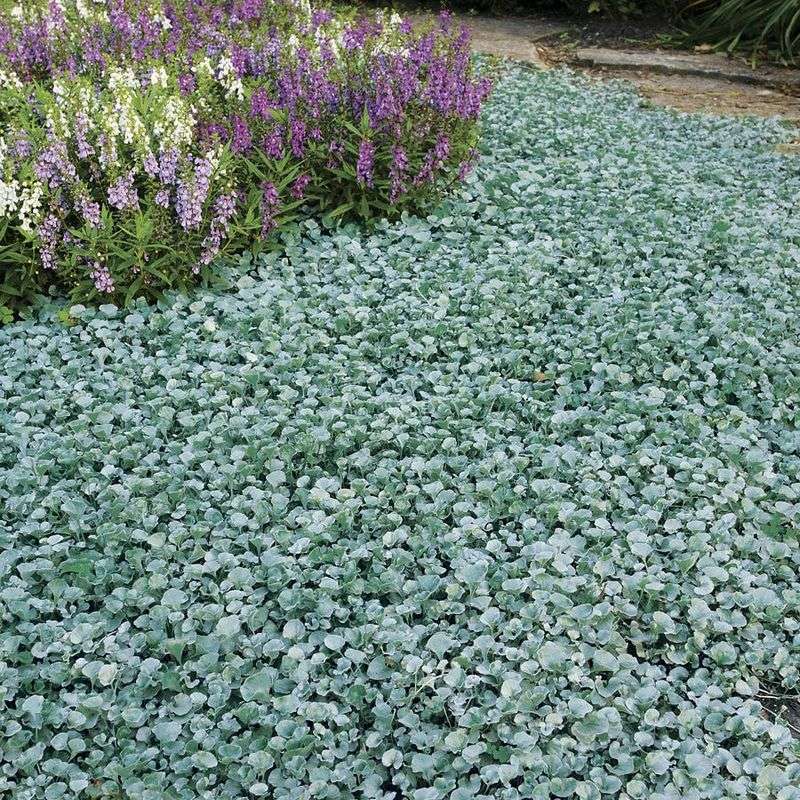
Walk across a patch of Dichondra and you will notice how soft and cushiony it feels underfoot.
This low-growing plant forms a dense, velvety mat of small, round leaves that stays green and lush through much of the year.
It has been a popular lawn alternative in California for decades.
Dichondra grows best in mild climates and prefers areas with some shade during the hottest part of the day. It works especially well in southern and central regions of California where summers are warm but not extreme.
In areas with intense heat, providing afternoon shade helps it stay healthy and green longer.
One of its standout features is how well it handles moderate foot traffic. Paths that see daily use but not heavy pounding are where Dichondra performs best.
It recovers steadily after being stepped on and fills in bare patches without spreading aggressively into garden beds or unwanted areas.
Watering consistently during the growing season keeps it looking full and vibrant. It does not need frequent mowing, but a light trim once or twice a season helps maintain an even, tidy appearance.
Dichondra is also relatively easy to grow from seed, which makes starting a new patch affordable.
For shady spots where grass struggles, this soft, reliable groundcover offers a refreshing and practical green solution that holds up to everyday use.
4. Dwarf Mondo Grass Holding Up Between Stepping Stones
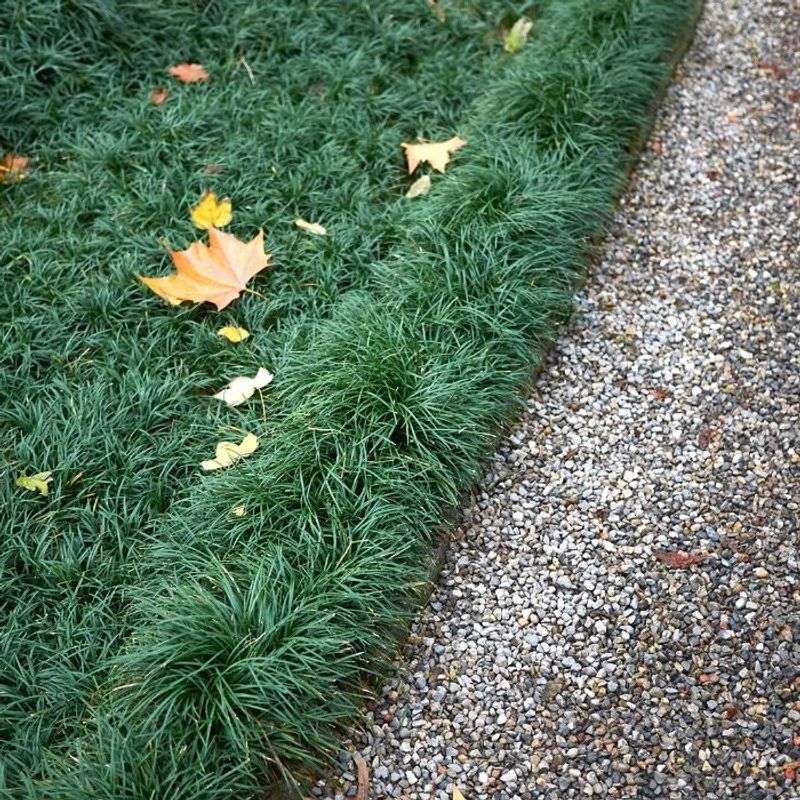
Tucked between stepping stones, Dwarf Mondo Grass looks like it was always meant to be there.
Its thin, dark green blades grow in tight, neat clumps that fill gaps perfectly without spreading out of control.
It gives any path a clean, polished look that requires very little maintenance to keep up.
This plant is not a true grass, but it behaves like one in many ways. It tolerates shade better than most groundcovers, making it a top pick for paths that run under trees or along the shady side of a house.
In northern regions of our state, it stays green even through cooler winters, offering year-round color without much fuss.
Foot traffic between stones does not bother it much, especially when people step on the stones rather than directly on the plant. Even when it does get stepped on occasionally, it bounces back well.
The clumping habit keeps it tidy and prevents it from overtaking surrounding plants or garden beds.
Watering needs are moderate. Once established, Dwarf Mondo Grass tolerates dry spells better than many other shade-loving plants.
It grows slowly, so patience is needed at first, but the long-term result is worth it. Planting plugs about six inches apart speeds up coverage.
For shaded stone paths that need a reliable, low-care filler, this compact plant delivers a consistently attractive and sturdy result year after year.
5. Ajuga Covering Shady Walkways With Bold Color
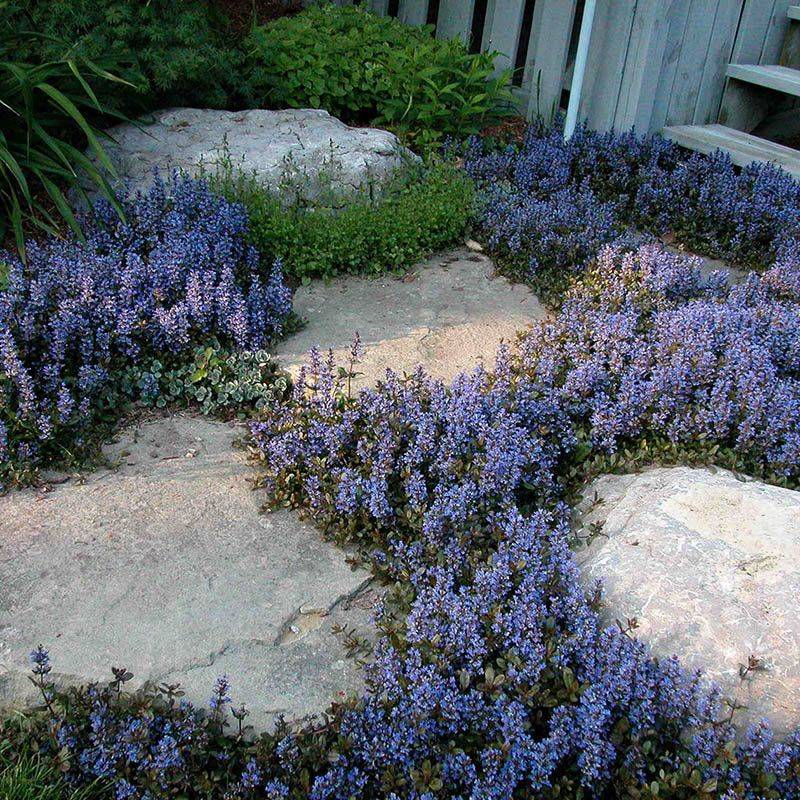
Bold, colorful, and surprisingly tough, Ajuga is a groundcover that earns its place in any shaded walkway.
Also called Bugleweed, it spreads quickly through stolons and forms a thick mat of leaves that can range from deep purple to bronze to green, depending on the variety. The color alone makes it stand out in any yard.
In spring, tall spikes of bright blue or purple flowers shoot up from the foliage, attracting bees and other pollinators. After the blooms fade, the striking leaf color carries the visual interest through the rest of the year.
It performs well under trees, along fences, and in spots where sunlight is limited but foot traffic is regular.
Ajuga handles moderate foot traffic well, especially in areas where the soil stays consistently moist.
It does not do as well in dry, compacted ground, so adding compost before planting makes a real difference.
Good drainage is also important, as soggy soil can cause crown rot over time.
Spacing plants about one foot apart gives them room to fill in naturally within a single growing season. Once established, Ajuga needs very little attention.
Trim back any withered flower spikes after blooming to keep it looking tidy. For shaded paths where most plants struggle, Ajuga brings unexpected beauty and reliable ground coverage that holds up through regular daily use without missing a beat.
6. Blue Star Creeper Softening Walkways Underfoot
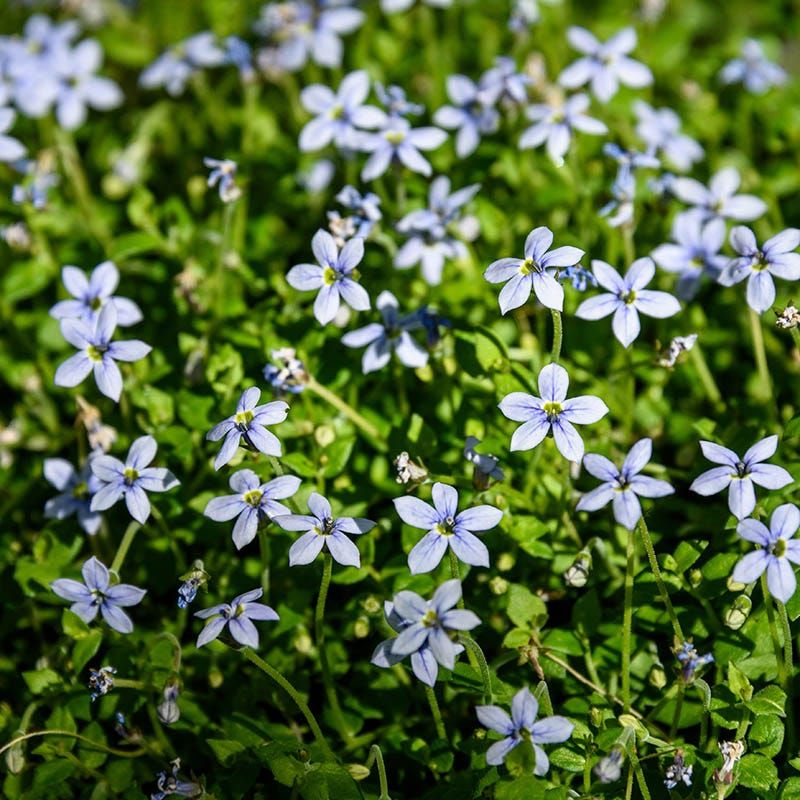
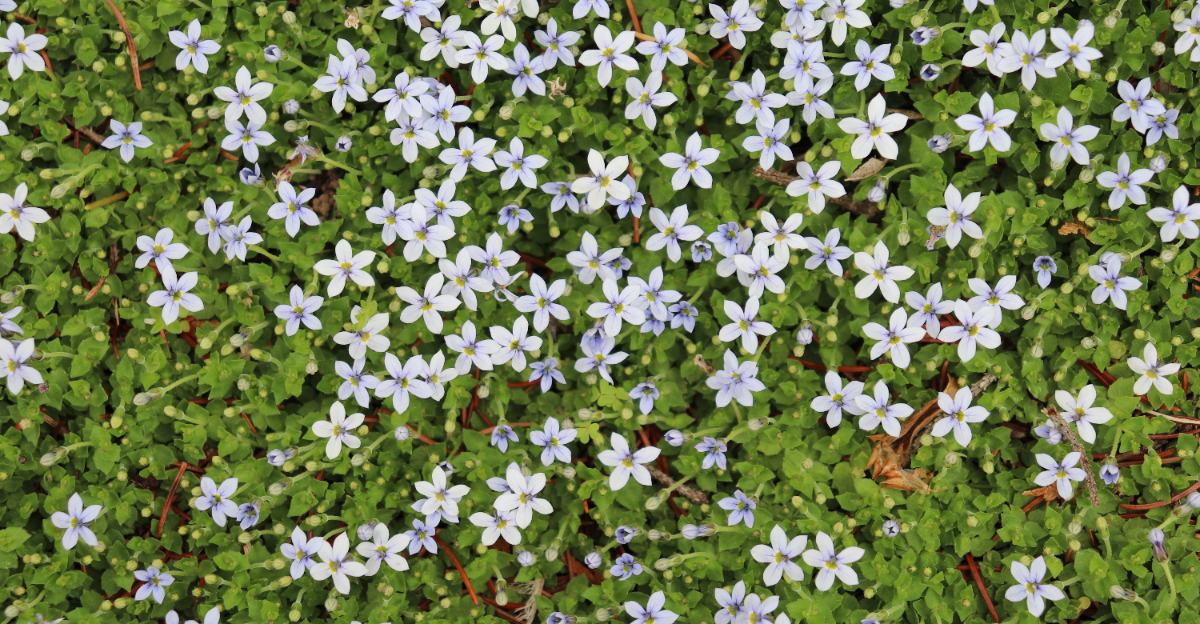
Stepping onto a path lined with Blue Star Creeper feels unexpectedly delightful. The tiny, star-shaped blue flowers sit just above a carpet of fine, bright green foliage, creating a soft and whimsical look that dresses up even the plainest walkway.
It is one of those plants that makes people stop and take a second look.
Known botanically as Isotoma fluviatilis or Laurentia fluviatilis, it thrives in mild climates and performs especially well in coastal and inland areas of California. It prefers full sun to partial shade and grows best when watered regularly.
During hot, dry summers, some afternoon shade helps keep it from burning out.
Between pavers and stepping stones, Blue Star Creeper is practically unbeatable. It stays low, rarely exceeding two inches in height, and fills gaps tightly without lifting or cracking stone surfaces.
Foot traffic does not seem to phase it much, and it recovers quickly after being compressed underfoot. Regular watering during dry months keeps it dense and healthy.
Planting plugs or small starts about six to eight inches apart gives it room to spread naturally. Within one season, most gaps will be filled with soft, flowering foliage.
It does spread, so occasional trimming along edges prevents it from creeping into garden beds.
For anyone wanting a path that looks like it belongs in a cottage garden, Blue Star Creeper brings that charm effortlessly and reliably.
7. Roman Chamomile Releasing Scent With Every Step
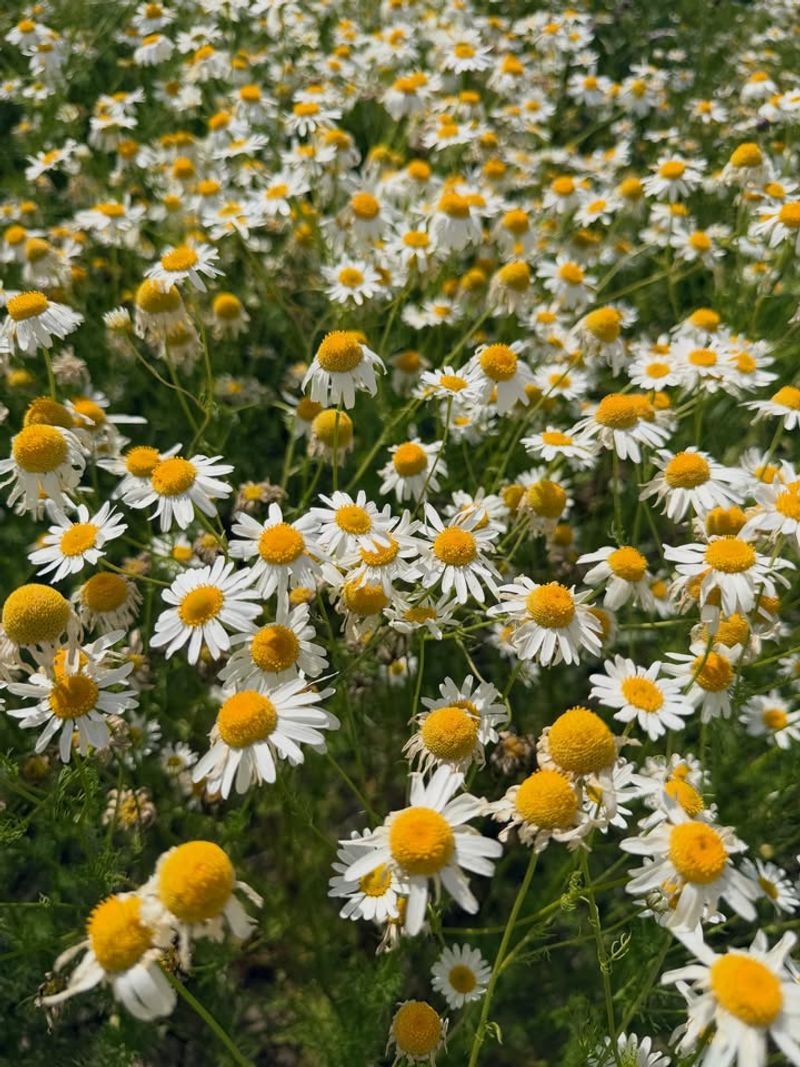
Few experiences in a garden are as pleasant as walking across a patch of Roman Chamomile and catching that sweet, apple-like scent rising up with every step.
This low-growing perennial has been used in gardens for centuries, and for good reason. It is aromatic, attractive, and more durable than it looks.
Roman Chamomile, or Chamaemelum nobile, grows in a feathery mat of fine, bright green foliage. Small white daisy-like flowers appear in summer and add a cheerful touch to any path or open area.
It stays low, usually under four inches tall, making it easy to walk across without tripping or stumbling.
It prefers full sun and well-drained soil. In our state, it performs well in areas with mild summers and cool winters, particularly in coastal zones and higher elevation gardens.
During peak summer heat, it may go a bit dormant but typically rebounds once temperatures ease up again.
The non-flowering variety called Treneague is especially popular for path use because it stays even lower and denser than the standard type.
Either way, both handle light to moderate foot traffic well and recover nicely after being compressed.
Watering deeply but infrequently encourages strong roots that help the plant stay resilient under pressure.
For gardeners who want their paths to do more than just look good, Roman Chamomile adds a sensory experience that turns an ordinary walk into something genuinely memorable and refreshing.
8. Silver Carpet Staying Neat On Hot California Paths
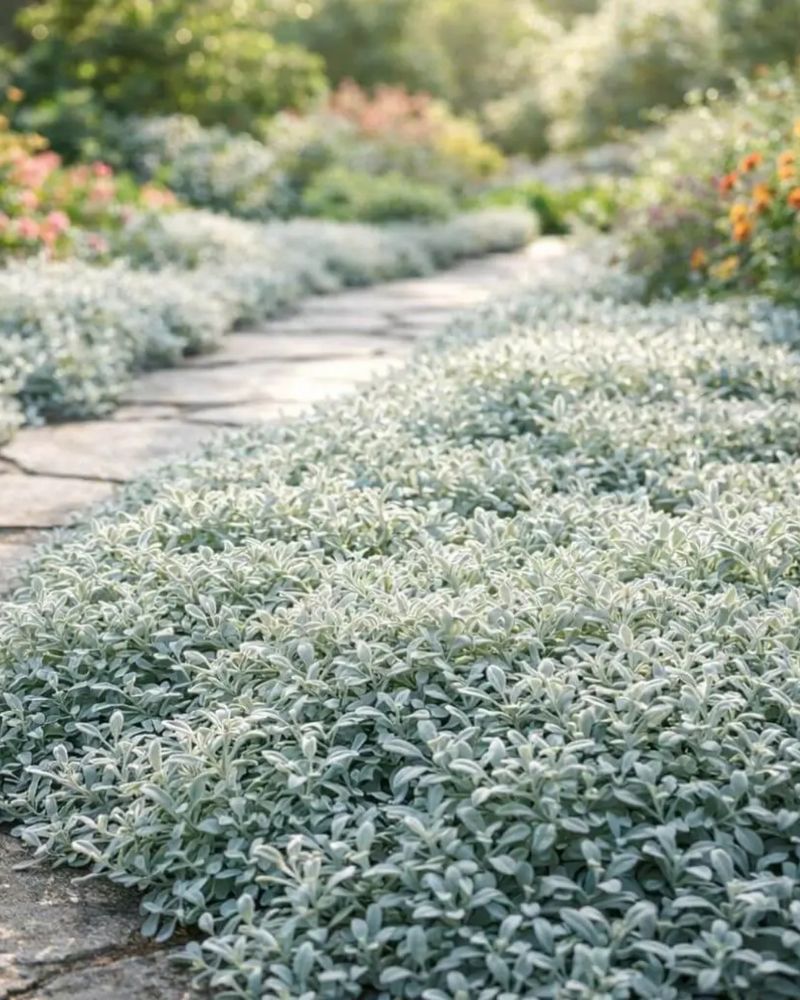
Hot, dry paths need a groundcover that will not give up when temperatures climb. Silver Carpet, known scientifically as Dymondia margaretae, is a South African native that has become a favorite in water-wise gardens across the state.
Its silvery-green leaves form such a tight, even mat that it almost looks like it was installed rather than grown.
The leaves are narrow and curl slightly at the edges, revealing a white, woolly underside that gives the plant its silvery appearance. In summer, small yellow daisy-like flowers appear just above the foliage, adding a subtle pop of color.
The overall look is clean, tidy, and well-suited to modern or drought-tolerant garden styles.
Silver Carpet thrives in full sun and handles heat and drought remarkably well once it is fully established. It grows slowly at first, but patience pays off.
Over time, it spreads into a dense, weed-suppressing mat that rarely needs trimming or extra care.
Foot traffic does not stress it out, and it holds its shape even on paths that see use every single day.
Planting it in well-drained soil is essential. It struggles in heavy clay or areas with poor drainage, so amending the soil before planting makes a big difference.
Spacing plugs about twelve inches apart gives each plant room to spread naturally. For sun-baked paths where most plants give up, Silver Carpet keeps going strong all season long.