Why Lemon Balm Deserves A Spot In Every Texas Garden
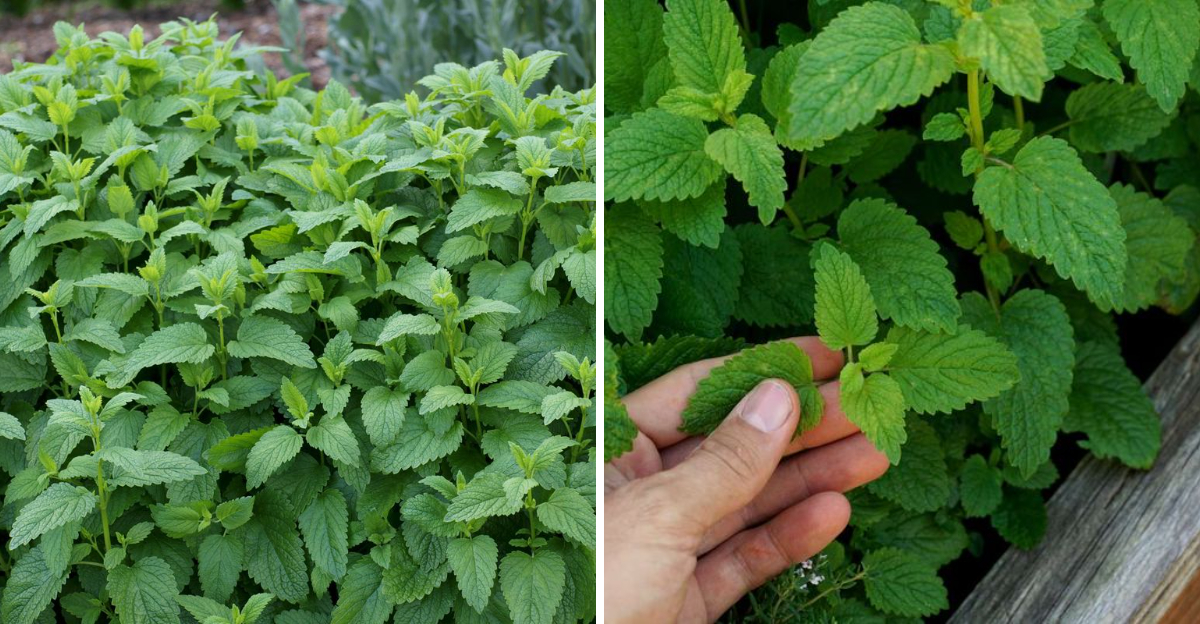
Lemon balm doesn’t get nearly the attention it deserves. Walk into most Texas garden centers and it’s easy to overlook, sitting quietly on the shelf while showier plants grab all the attention.
But gardeners who know lemon balm know something the rest are missing. This unassuming little herb is one of the most useful and rewarding plants you can grow in a Texas garden.
It does a lot more than smell amazing, though it absolutely does that too. Lemon balm attracts pollinators, helps repel unwanted insects, supports mental wellness, and has a long history of medicinal and culinary uses that make it genuinely practical in everyday life.
It’s also surprisingly heat tolerant, thrives through the Texas growing season, and comes back reliably year after year.
Whether you’re an experienced gardener or just getting started, lemon balm is the kind of plant that quickly earns a permanent spot. Here’s exactly why it belongs in your Texas garden.
1. Natural Pollinator Magnet
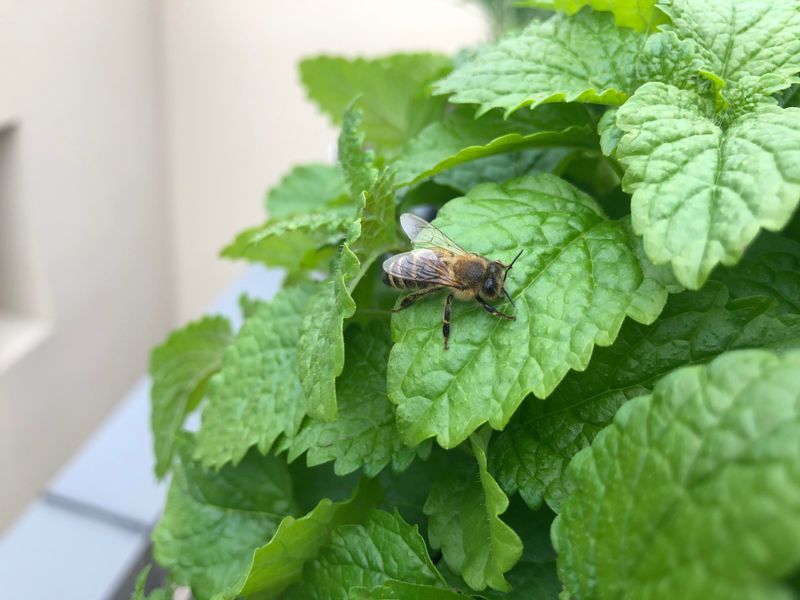
Walk past a blooming lemon balm plant on a warm Texas morning, and you will almost always hear it before you see it. The gentle hum of bees working the tiny white flowers is a sure sign that something special is happening.
Lemon balm is an absolute favorite among pollinators, and that is great news for every gardener.
Bees, butterflies, and other beneficial insects are drawn to lemon balm like a magnet. The plant produces clusters of small, nectar-rich flowers that pollinators simply cannot resist.
Honeybees in particular love it, and beekeepers have used lemon balm for centuries to attract swarms to new hives. The name “melissa,” which is lemon balm’s botanical name, actually comes from the Greek word for honeybee.
When pollinators visit your lemon balm, they do not stop there. They move on to your tomatoes, squash, peppers, and fruit trees, helping those plants produce more food.
More pollinators in your garden means better harvests and healthier plants all around. In Texas, where summer heat can stress garden plants, every bit of pollination help matters.
Planting lemon balm near your vegetable beds or fruit trees is a smart, natural strategy. You do not need to spray anything or do any extra work.
Just let the plant bloom, and the pollinators will come. Even a single lemon balm plant can make a noticeable difference in how busy and productive your garden becomes.
It is one of the easiest ways to support the ecosystem right in your own backyard, and it costs almost nothing to maintain once it is established.
2. Easy To Grow In Texas Heat
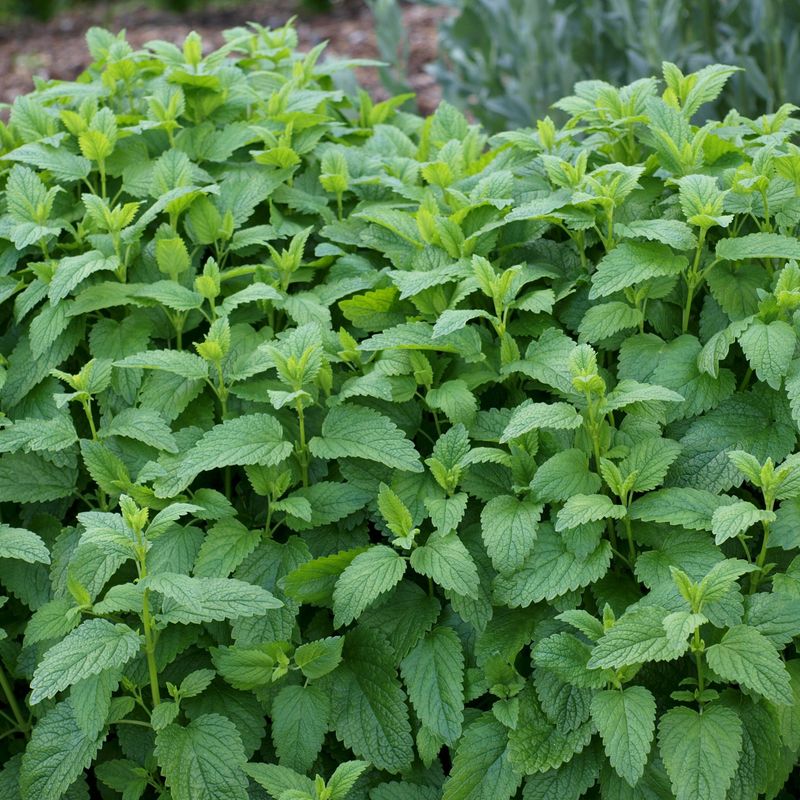
Some plants throw a fit the moment Texas summer temperatures climb past 90 degrees. Lemon balm is not one of them.
Once it gets settled in the ground, this plant is surprisingly tough and handles heat, humidity, and even short dry spells without much fuss. Gardeners who have struggled with finicky herbs will find lemon balm to be a breath of fresh air.
Lemon balm grows well in full sun to partial shade, which gives you a lot of flexibility when choosing where to plant it. It is not picky about soil either.
Your Texas Garden Changes Every Week. Your Plan Should Too.
Gardening in Texas changes quickly throughout the season. Every Friday you’ll receive a simple weekly plan showing exactly what to plant, prune, fertilize, harvest, and protect so you never miss the right timing.
Sandy soil, clay soil, or anything in between will work just fine as long as drainage is decent. In Texas, where soil types vary widely from region to region, that kind of adaptability is a huge advantage.
Watering needs are low once the plant is established. During the first few weeks after planting, give it regular water to help the roots settle in.
After that, lemon balm can handle periods of dryness without losing its vigor. A little mulch around the base helps keep moisture in and roots cool during the hottest months.
Starting from seed is easy, but buying a small transplant from a local nursery will get you results faster. You can also grow lemon balm from cuttings if a neighbor or friend already has a plant.
Within a single growing season, one small transplant can grow into a full, bushy clump. For beginner gardeners or anyone who wants reliable results without a lot of effort, lemon balm is one of the most forgiving herbs you will ever grow in a Texas garden.
3. Fragrant And Culinary Uses
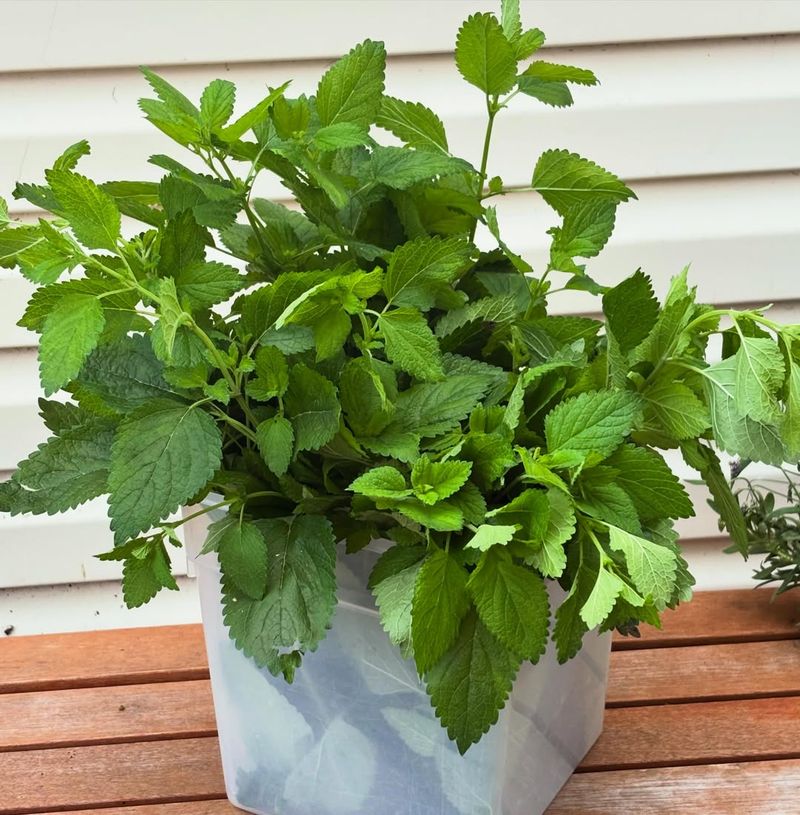
Rub a lemon balm leaf between your fingers and you will get an instant burst of fresh, citrusy scent that smells like lemon drops. That wonderful aroma is not just pleasant to sniff.
It is actually useful in the kitchen in more ways than most people realize. Lemon balm has been flavoring food and drinks for hundreds of years, and it is just as popular today.
Fresh lemon balm leaves are a natural fit for herbal teas. Just steep a handful of fresh leaves in hot water for a few minutes, add a little honey, and you have a soothing, delicious drink that is completely homemade.
It also works beautifully in cold drinks. Toss a few sprigs into a pitcher of lemonade or iced water for a refreshing twist that guests always love.
In the kitchen, lemon balm adds bright flavor to salads, fruit bowls, and sauces. Chop the leaves finely and mix them into salad dressings for a subtle lemony zing.
The herb pairs especially well with chicken, fish, and fresh vegetables. You can also use it in desserts like ice cream, sorbet, or lemon cake to add a natural herbal note without being overpowering.
Drying lemon balm is simple too. Hang small bunches upside down in a warm, dry spot for about a week, and the leaves will be ready to crumble into teas or spice blends.
Growing your own means you always have fresh flavor on hand without spending money at the grocery store. For anyone who loves cooking with fresh ingredients, lemon balm is a herb that earns its garden space every single season.
4. Natural Pest Repellent
Nobody enjoys swatting mosquitoes while trying to enjoy their garden. Luckily, lemon balm has a natural secret weapon packed right into its leaves.
The strong citronella-like scent that makes the herb smell so good to humans is something mosquitoes and many other insects want nothing to do with. Planting lemon balm near your outdoor seating area or garden beds can help keep those pests at bay.
Studies have actually shown that lemon balm contains compounds like citronellal and geraniol that have mosquito-repelling properties. Crushing a few leaves and rubbing them gently on your skin can offer a mild, natural barrier when you are working outside.
It is not a replacement for strong repellent when you need serious protection, but for a quick, natural option while gardening, it works surprisingly well.
As a companion plant, lemon balm does double duty in the vegetable garden. Its strong fragrance confuses and deters pests like aphids, gnats, and squash bugs that might otherwise target your vegetables.
Planting it near tomatoes, peppers, or squash creates a natural barrier that helps protect those crops without any chemicals. That means fewer pest problems and healthier food for your family.
Lemon balm also attracts predatory insects like lacewings and hoverflies, which feed on common garden pests. So while it is pushing harmful bugs away with its scent, it is also calling in reinforcements from the good guys.
For Texas gardeners dealing with warm-season pest pressure, having a plant that works this hard on multiple fronts is a serious advantage. It is one of those rare plants that earns its spot just by existing in your garden.
5. Medicinal And Wellness Benefits
Long before modern medicine, people relied on plants to help them feel better. Lemon balm has been used as a healing herb for over 2,000 years, and its wellness reputation has held up remarkably well over time.
Ancient Greeks and Romans used it to calm the nerves, soothe stomach troubles, and promote restful sleep. Today, herbalists and home gardeners still turn to it for many of the same reasons.
One of the most popular uses for lemon balm is in calming teas. Brewing a cup of lemon balm tea in the evening is a simple, pleasant ritual that many people find genuinely relaxing.
Research suggests that lemon balm may help reduce feelings of anxiety and promote better sleep, especially when combined with other calming herbs like valerian or chamomile. For anyone dealing with everyday stress, that is worth knowing.
Lemon balm also has a long history of use for digestive support. Drinking lemon balm tea after a meal may help ease bloating, gas, and general stomach discomfort.
Some studies suggest it has mild antiviral properties as well, and lemon balm extract is commonly found in cold sore creams available at pharmacies. Growing your own means you have a fresh, ready supply whenever you need it.
Harvesting lemon balm for home use is easy. Cut stems just before the plant flowers for the highest concentration of beneficial oils.
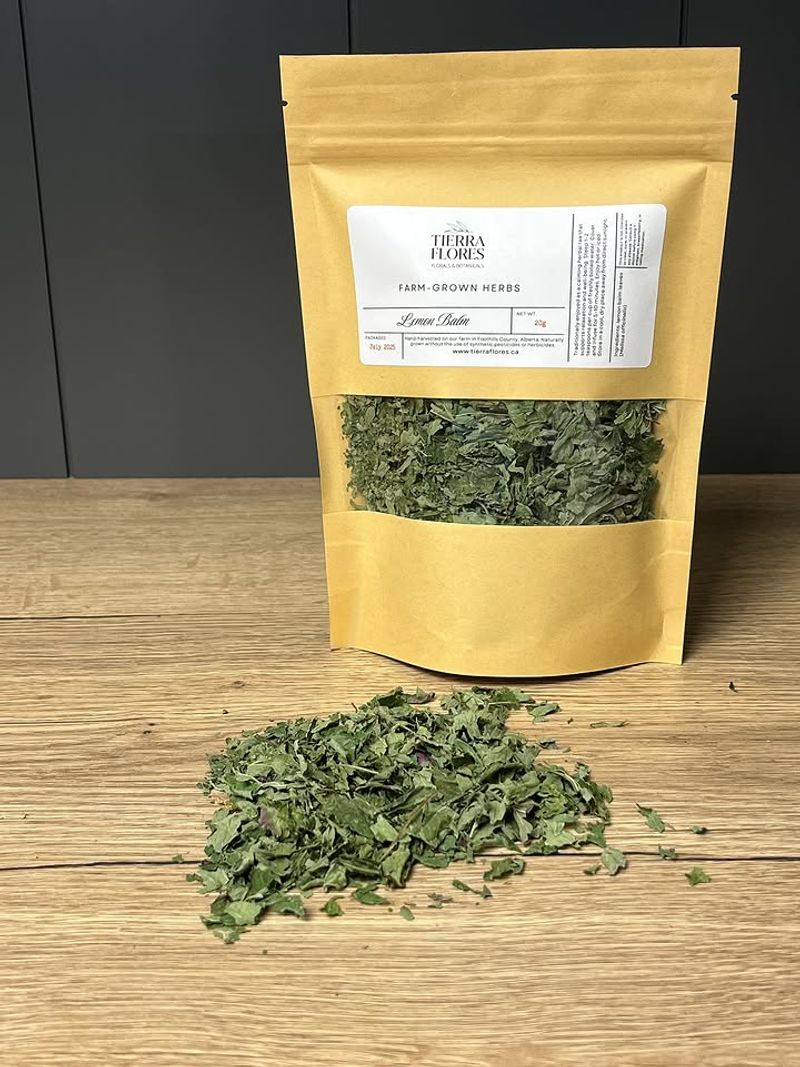
You can use leaves fresh in teas or dry them for later use. Dried lemon balm stores well in an airtight jar for up to a year.
For Texas gardeners interested in natural wellness, having this versatile herb growing just steps from the kitchen door is a genuinely rewarding experience.
6. Versatile Garden Companion
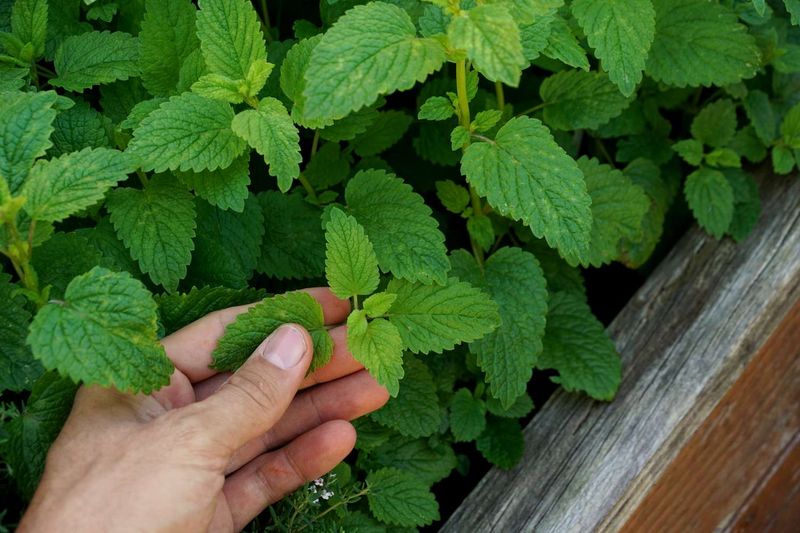
Some plants are one-trick ponies. Lemon balm is not. Whether you have a sprawling backyard garden, a small raised bed, or just a sunny spot on a patio, lemon balm finds a way to fit right in and contribute.
Few herbs offer this level of flexibility across so many different garden styles and spaces, which makes it a genuinely smart choice for Texas gardeners of all experience levels.
In the ground, lemon balm works beautifully as a border plant. Its bushy, mounding shape fills in gaps nicely and adds lush green texture between flowering plants or along garden edges.
Planted among roses or lavender, it adds contrast and helps suppress weeds by filling space quickly. In a pollinator garden, it serves as an anchor plant that keeps beneficial insects coming back all season long.
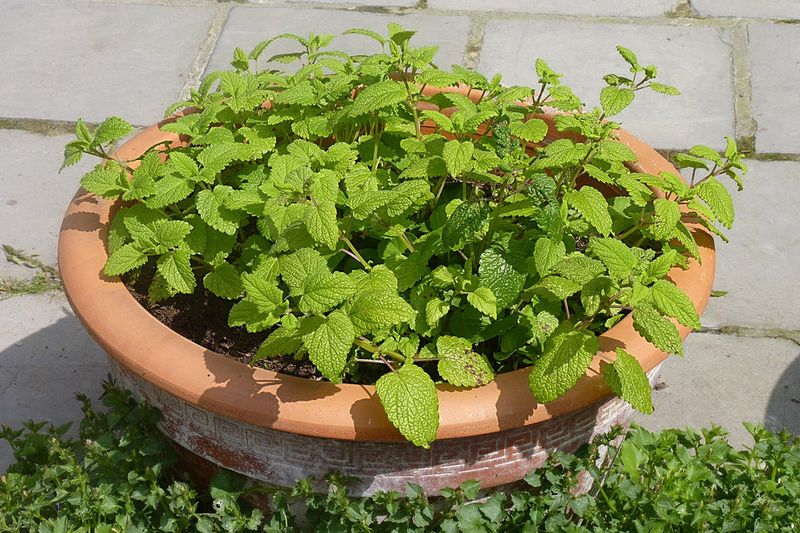
Container growing is another great option, especially for gardeners with limited space or who want to control the plant’s spread. Lemon balm grows happily in pots on patios, balconies, or near doorways where you can brush the leaves and enjoy the scent as you pass by.
A medium-sized pot with good drainage is all it needs to thrive through a Texas growing season.
One thing to know is that lemon balm can spread enthusiastically if left unchecked. It spreads by self-seeding and underground runners.
Regular pruning and deadheading the flowers before seeds form keeps it tidy and manageable. Cutting it back hard after the first flush of growth actually encourages bushier, more compact plants.
With just a little attention, lemon balm stays exactly where you want it and continues rewarding you with fresh leaves, beautiful foliage, and a garden full of life.