This Is What Ohio Gardeners Should Plant In August For A Fall Harvest
August feels like the wrong end of the Ohio growing season to be starting anything new. The summer garden is winding down, the heat has made its point, and fall seems like something to wait for rather than prepare for right now.
That thinking costs a real harvest. Ohio has enough warm weeks left in August to take several vegetables from seed to table before frost arrives.
Not everything. Not tomatoes or peppers chasing a season they cannot finish.
Specific crops that move fast, tolerate the transition into cooler temperatures, and actually perform better when they mature in fall rather than summer heat. The gardeners who show up to October with full harvest baskets started something in August.
Not in September when the window had already narrowed. Not next year with better planning.
Right now, with whatever space is available and whatever seeds are on hand.
1. Beets Build Sweet Roots As Temperatures Drop
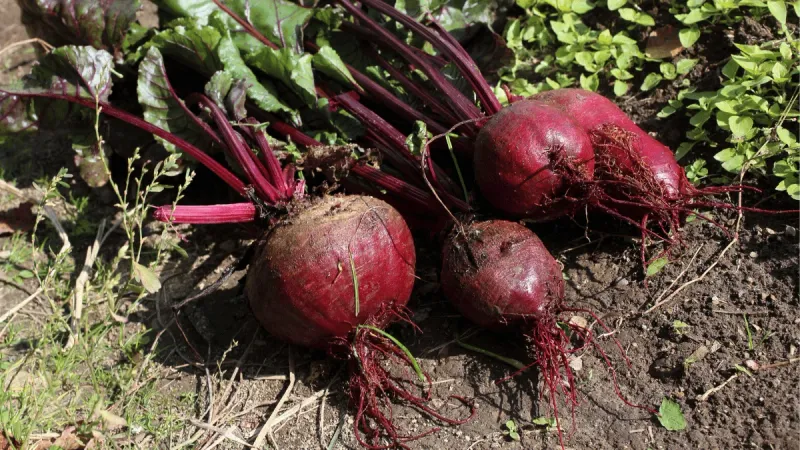
Beets are one of the most rewarding vegetables to grow for fall because they give you two harvests in one planting. The leafy tops can be snipped and eaten while the roots are still developing.
Most beet varieties mature in 50 to 70 days, so planting in early to mid-August gives Ohio gardeners a realistic shot at full-size roots before a typical October frost.
Each rough, corky beet seed unit actually contains more than one seed inside it. That means your seedlings will come up in clusters and need to be thinned.
Thin them to about 3 to 4 inches apart once they reach a couple of inches tall. Leaving them crowded will result in small, misshapen roots that are harder to cook with.
Plant seeds about half an inch deep in loose, well-drained soil. Keep the seedbed consistently moist during germination, which usually takes 7 to 14 days.
Beets prefer soil that is not too compacted. Cooler fall temperatures can improve the flavor of the roots as starches slowly convert, but that outcome depends on variety and conditions.
Late August sowings may only produce usable greens or small roots rather than full-size beets, so earlier planting is the safer bet for a complete harvest.
2. Carrots Use Late Summer Soil For Fall Growth
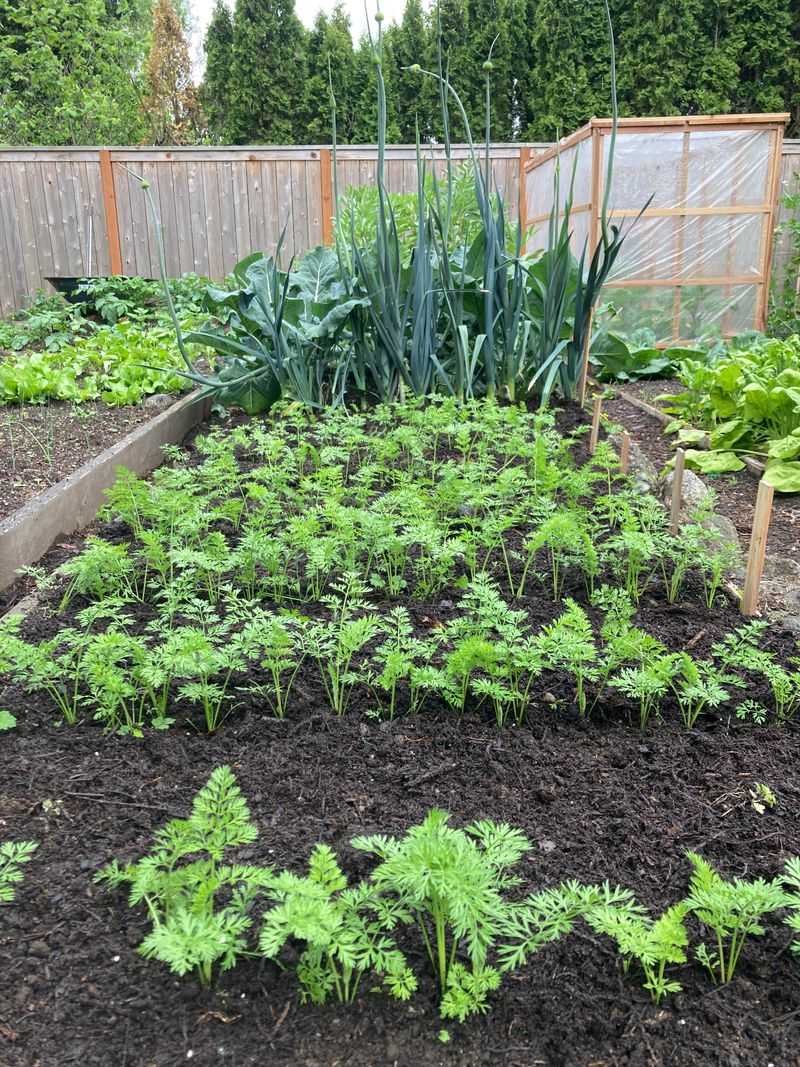
Slow and steady wins the race with carrots. They typically need 65 to 80 days to reach full size, which means early August is really the sweet spot for planting in most parts of Ohio.
Waiting until late August puts you at risk of running out of growing season before the roots size up properly.
Carrot seeds are tiny and need to be planted shallowly, about a quarter-inch deep. Spacing seeds about 2 inches apart in rows 12 inches wide works well, and you can thin them to 3 inches once the tops are a few inches tall.
The seedbed must stay consistently moist because carrot seeds are slow to germinate, often taking 10 to 21 days. A dry surface will stop germination completely.
Some gardeners lay a light board or burlap over the row until sprouts appear, which helps hold moisture in the soil surface. Remove the cover as soon as you see green.
Your Ohio Garden Changes Every Week. Your Plan Should Too.
Gardening in Ohio changes quickly throughout the season. Every Friday you’ll receive a simple weekly plan showing exactly what to plant, prune, fertilize, harvest, and protect so you never miss the right timing.
Avoid planting in compacted, rocky, or waterlogged soil since it causes forked or stunted roots. Quick-maturing varieties in the 65-day range give you the best odds in a shortened season.
Late sowings may not reach full size before cold weather arrives, so plan your timing carefully and check your local frost date before planting.
3. Radishes Race From Seed To Harvest
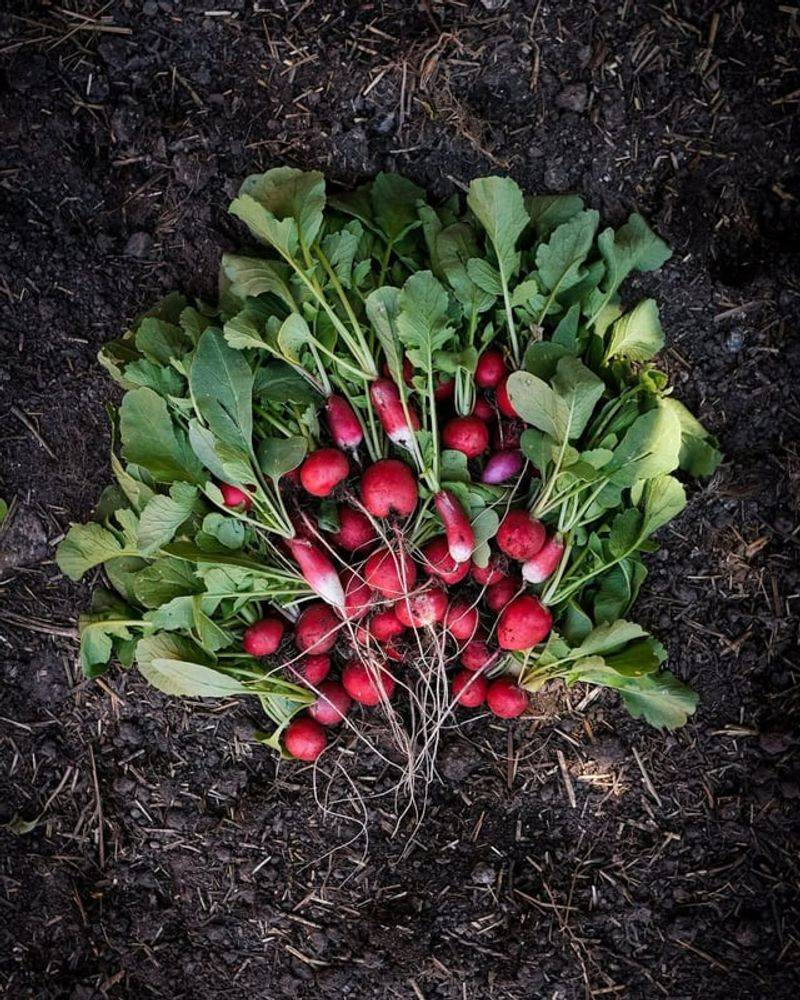
Few vegetables move from seed to table as fast as a radish. Many common varieties mature in just 22 to 30 days, which makes them one of the most flexible crops you can plant throughout August.
That speed also makes them forgiving if you get a late start in the season.
High summer heat is the main enemy of a good radish. Temperatures above 80 degrees Fahrenheit can cause the roots to become pithy, extra spicy, or push the plant into early flowering before a proper root forms.
If you are planting in early August and your area is still hot, waiting a week or two for cooler soil can make a real difference in root quality.
Plant seeds about half an inch deep and thin seedlings to 2 inches apart. Crowding is a common mistake that leads to all tops and no roots.
Succession sowing every 10 to 14 days stretches your harvest window across several weeks. Pull radishes promptly when they reach the right size.
Roots left in the ground too long become pithy and tough, losing much of their appeal. Not all varieties mature at the same speed, so read your seed packet carefully and plan your succession plantings around those specific numbers for the best results.
4. Turnips Deliver Tender Roots And Leafy Tops
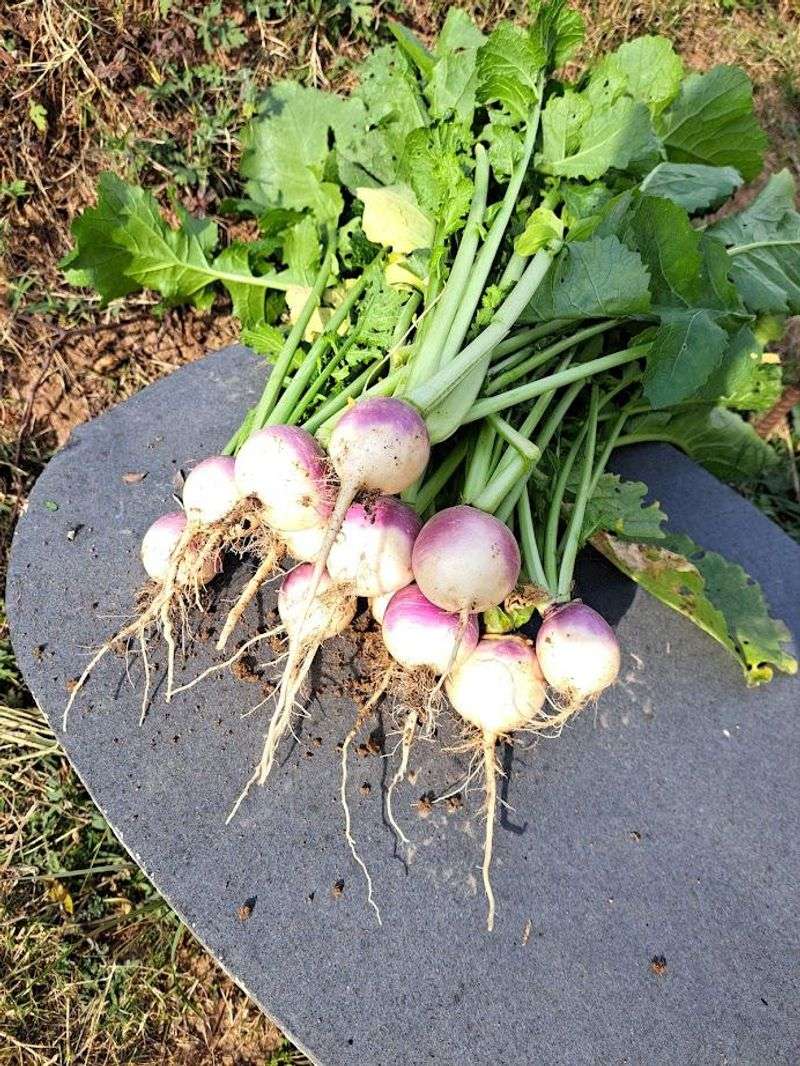
Turnips are one of the most productive plants you can grow for a fall harvest. A single planting gives you two usable crops: the leafy greens and the swollen root.
Most turnip varieties mature in 35 to 60 days, making mid-August a solid planting window across much of the state.
Sow seeds about a quarter to half an inch deep in rows about 12 inches apart. Thin seedlings to 4 to 6 inches once they are established.
Crowded plants will produce smaller roots that are harder to use in cooking. You can harvest the young leaves at 4 to 6 inches tall without pulling the plant, but avoid removing so many leaves that root growth slows down.
Varieties grown mainly for greens tend to be different from those bred for large roots, so choose your variety based on what you plan to eat.
Cooler fall temperatures may improve the mildness and texture of turnip roots, though results vary by variety and growing conditions.
Keep the soil moist but not waterlogged during the growing period. A realistic harvest window for mid-August plantings in Ohio falls somewhere between late September and mid-October, depending on your local frost date.
Planting too late may give you only small roots or mostly greens before cold weather moves in.
5. Leaf Lettuce Thrives As Summer Heat Fades
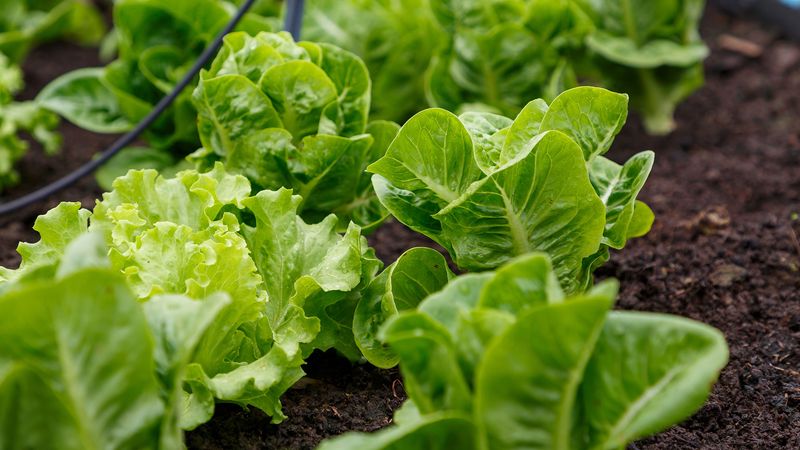
Loose-leaf lettuce is one of the most practical crops for a fall garden because it matures faster than full heading types. Many varieties are ready to harvest in 45 to 60 days, and you can start picking outer leaves even earlier with a cut-and-come-again approach.
That flexibility gives you more room to work with as the season shortens.
Hot soil is the main barrier to success with late summer lettuce planting. Soil temperatures above 80 degrees Fahrenheit can sharply reduce germination rates.
If your garden soil is still very warm in early August, waiting until the second half of the month often produces better results. Shading the seedbed with a light row cover or a piece of shade cloth can help lower soil temperature enough to improve germination.
Keep the bed consistently moist since dry conditions make the problem worse.
Plant seeds about an eighth of an inch deep and thin seedlings to 6 to 8 inches apart. Consistent moisture supports tender, mild growth, but saturated soil creates root problems and disease pressure.
If enough growing time remains before your first frost, succession sowing every two weeks keeps fresh lettuce coming. Lettuce can handle light frost, but a hard freeze without protection will damage or destroy the plants.
Using a row cover on cold nights extends the harvest window by a few weeks.
6. Spinach Brings Fresh Greens To Cool Days
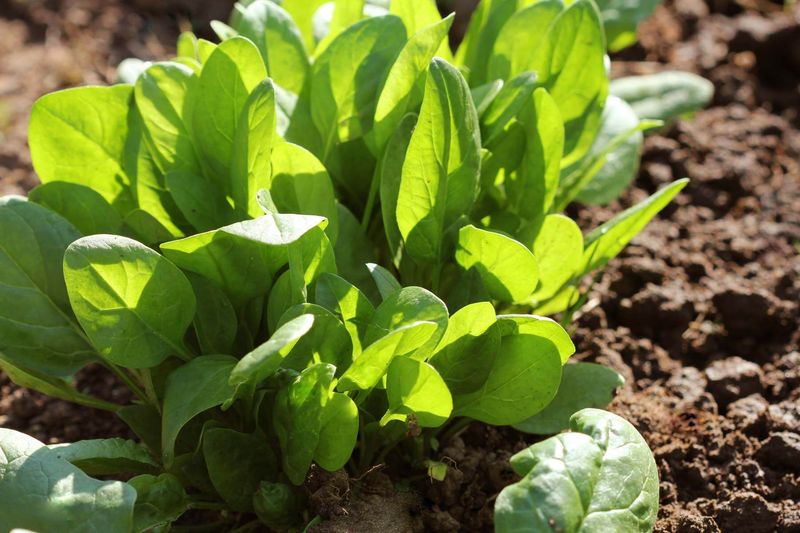
Spinach loves cool weather, but getting it started in August takes some planning. Soil temperatures above 75 degrees Fahrenheit can reduce germination noticeably, and early August soil in Ohio often exceeds that threshold.
Waiting until the second half of August, when nights begin to cool, tends to produce more reliable results in most parts of the state.
Plant seeds about half an inch deep and aim for about 2 to 3 inches between seeds in the row. Thin plants to about 4 to 6 inches apart once they have a few true leaves.
Keep the seedbed moist during germination, which usually takes 7 to 14 days under favorable conditions. Dry soil slows germination and stresses young plants that are already dealing with late-season heat.
Spinach grows more slowly as days shorten and temperatures drop, so do not expect the same fast growth you might see in a spring planting.
The good side of that slow pace is that spinach handles light frost quite well, often surviving temperatures down to the mid-20s Fahrenheit with some protection.
A hard freeze is a different situation and can cause serious damage without a row cover in place. Some late plantings may not produce a large harvest in fall but can overwinter and resume growth in early spring, giving you a bonus harvest when the season turns.
7. Kale Keeps Producing Through Light Frost
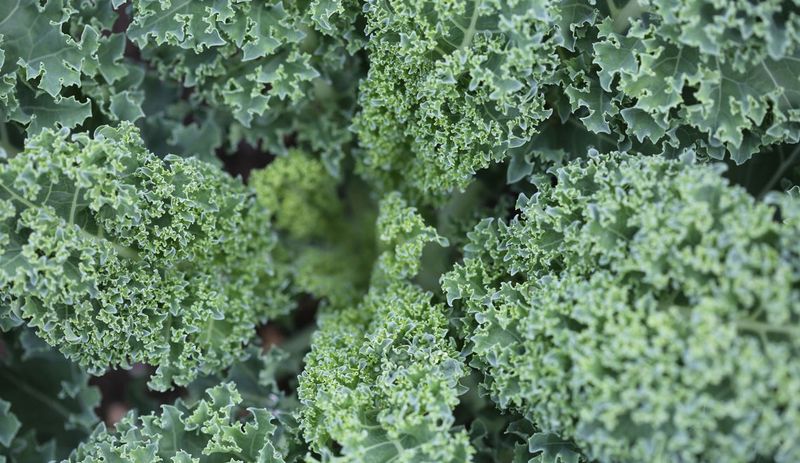
Kale has earned a reputation as one of the toughest leafy greens you can grow, and for good reason. Established plants handle light frost without much trouble and often keep producing well into November in central and southern Ohio.
Getting plants started at the right time in August is the key to having something substantial to harvest before temperatures drop hard.
You can direct sow kale seed in early to mid-August or install healthy transplants during the same window. Direct seeding works well when you have enough growing days left.
Transplants give you a head start and are a smart choice if you are planting in the second half of August. Spacing depends on how you plan to harvest.
Plants grown for baby leaves can be set 6 to 8 inches apart. Plants grown to full size need 12 to 18 inches of space between them.
Young kale seedlings still need consistent water and some protection from intense late-summer heat, even though mature plants are tough. Caterpillars from cabbage white butterflies are a common pest on kale in Ohio.
Checking plants regularly and removing larvae by hand is a practical first step. If additional control becomes necessary, correctly identify the pest and follow all label directions on any approved product.
Kale planted in early August can realistically produce harvestable leaves from late September onward.
8. Broccoli Transplants Set Up An Autumn Harvest
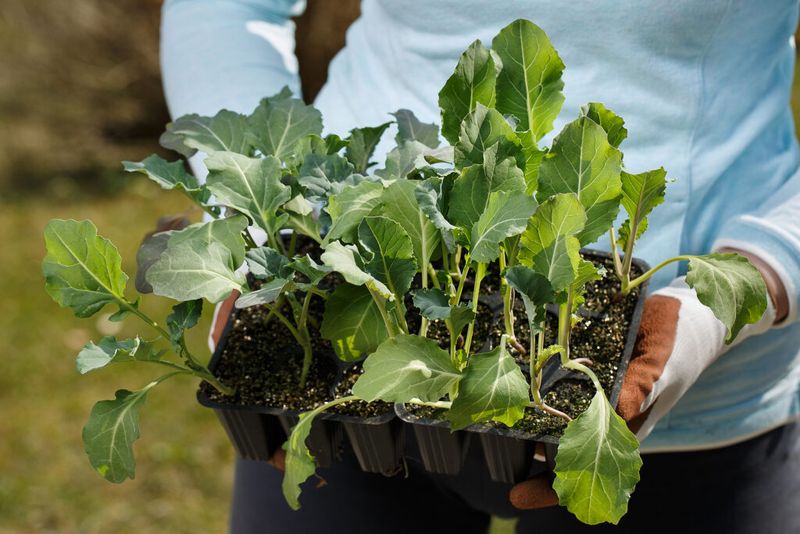
Broccoli is one crop where starting from transplants is the practical choice for a fall harvest. Sowing broccoli seed directly outdoors in August is usually too late for a dependable head to form before frost arrives in most of Ohio.
Transplants that are 4 to 6 weeks old give you a meaningful head start on the season.
Install transplants in early August, spacing them 18 inches apart in rows about 24 inches wide. Broccoli needs full sun and consistent moisture at the root zone.
Water the transplants thoroughly at planting and keep the soil moist but not soggy as they settle in. Heat is a real stressor for newly installed transplants.
Planting during a cooler stretch of days, or in the late afternoon, helps reduce transplant shock and gives roots time to establish before the next warm spell.
Head development can be affected by high temperatures, so do not expect large heads from transplants installed during a heat wave. Most broccoli varieties mature in 60 to 80 days from transplant, so early August planting targets a harvest in October.
After the main head is cut, side shoots often continue to develop and can extend your harvest by several weeks. The number of side shoots varies by variety, so check your seed packet for details.
Match your transplant timing to your local frost calendar to set realistic expectations for harvest size and timing.