The Ohio Native Tree That Works Better Than A Redbud In Tight Front Yards
Redbuds are stunning and nobody is arguing otherwise. That cloud of pink in early spring turns heads every single time.
But in a tight Ohio front yard, a redbud can outgrow its welcome faster than most homeowners anticipate, and what seemed like a perfect fit at the nursery becomes a pruning problem within a few years.
Scale matters in a small front yard, and redbuds are not always honest about where they are headed.
There is an Ohio native tree that fits tighter spaces more naturally, delivers real seasonal interest, and does not spend its adolescence trying to swallow your walkway or block your windows. It is not as famous as the redbud, which is mostly just a marketing problem.
For front yards where every foot counts, the right tree makes an enormous difference. This one deserves a much longer look than it typically gets.
1. Choose Serviceberry When Redbud Spreads Too Wide
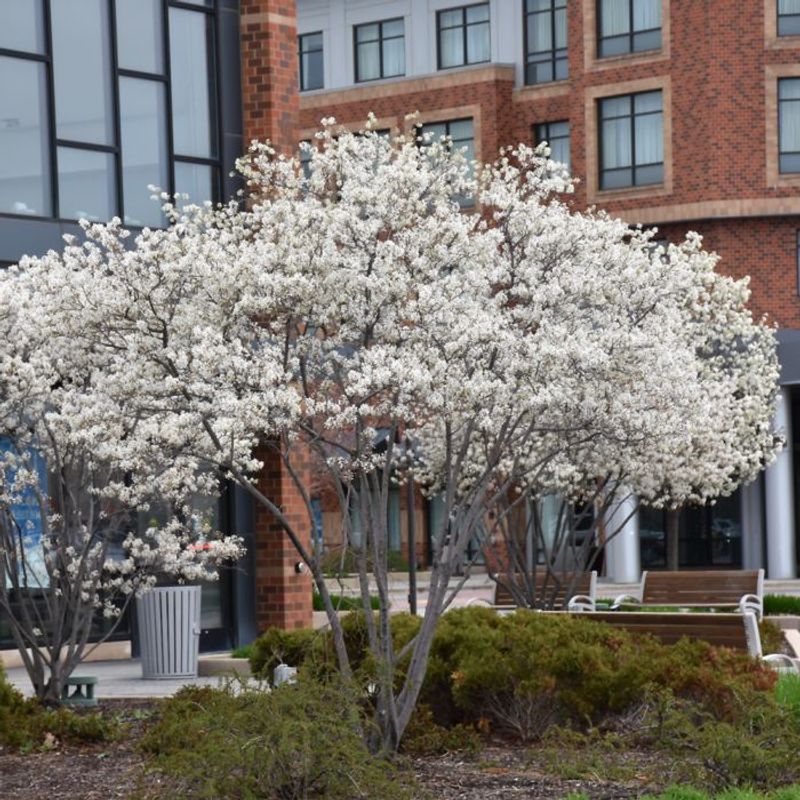
A narrow strip of lawn can make even a pretty spring tree feel too wide after a few seasons. Eastern redbud, Cercis canadensis, is genuinely valuable as a native tree, and its early pink flowers are one of the season’s most cheerful sights.
The problem is not the flowers. The problem is the spread.
Mature redbuds can reach 25 to 30 feet wide in good conditions. In a small front yard, that canopy can eventually hang over the sidewalk, crowd the porch, or brush against the house.
Pruning helps, but it can change the natural shape that made the tree appealing in the first place.
Serviceberry, Amelanchier species, tends to grow with a narrower profile in many front-yard settings. Several selections stay under 15 to 20 feet wide at maturity, which makes them easier to fit near walkways and driveways without constant correction.
Both trees are native to this state, and both have real seasonal value. The difference is mostly about scale.
For tight yards where width is the limiting factor, serviceberry often fits more gracefully than a redbud that has outgrown its welcome.
2. Use A Smaller Native Tree Near Walkways
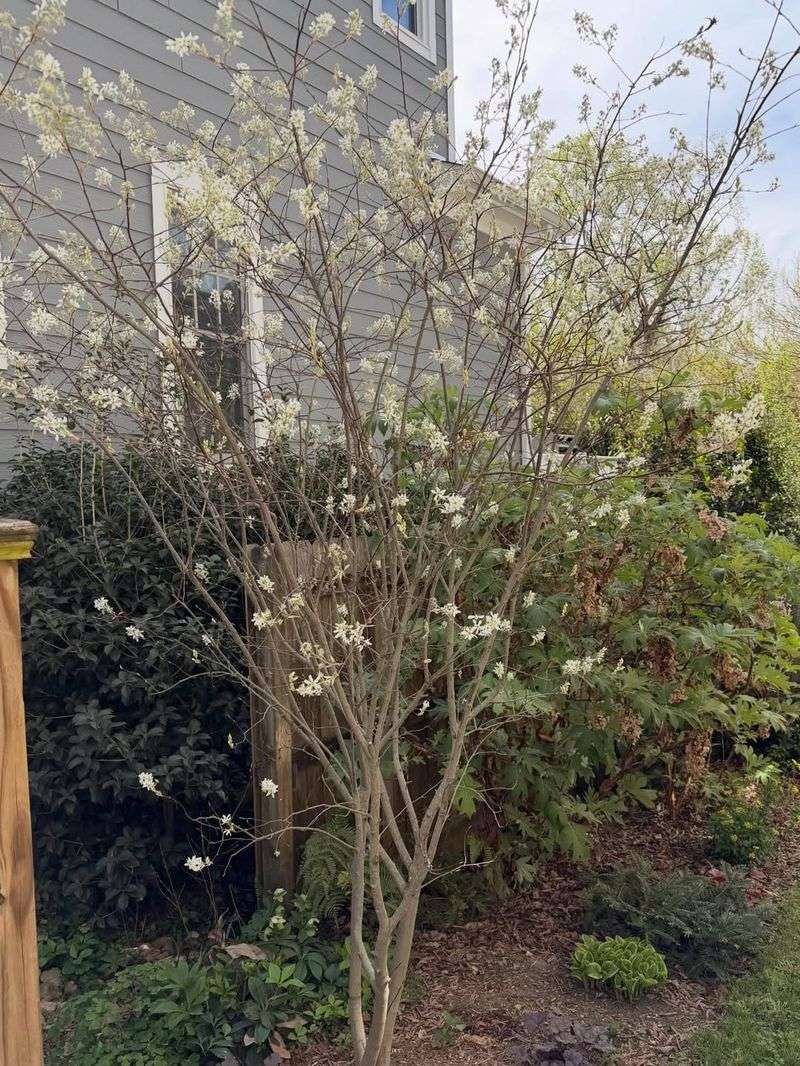
Ohio front yards near busy sidewalks and short driveways have a specific planting problem. Any tree that spreads too wide too fast becomes a daily obstacle rather than a seasonal pleasure.
Branches catch umbrellas, leaves pile up on the pavement, and roots can eventually lift concrete if the tree is planted too close.
Serviceberry handles these tight spots with more ease than many spring-flowering trees. Its growth habit, especially in upright or clumping forms, allows it to soften the front yard without stretching into every walking path.
Near porch steps or a narrow planting bed between the sidewalk and the house, that restrained spread genuinely matters.
Choosing a smaller native tree for these spots also supports local pollinators and birds without the maintenance overhead of a large canopy.
Serviceberry blooms early in spring, often before most insects have fully emerged, but its flowers still attract early bees.
The fruit that follows gives birds a reliable food source through early summer. For a tight front yard where every foot of space counts, a well-placed serviceberry can do a lot of seasonal work without feeling like it is taking over the whole yard.
Your Ohio Garden Changes Every Week. Your Plan Should Too.
Gardening in Ohio changes quickly throughout the season. Every Friday you’ll receive a simple weekly plan showing exactly what to plant, prune, fertilize, harvest, and protect so you never miss the right timing.
3. Pick Spring Flowers Without A Bulky Canopy
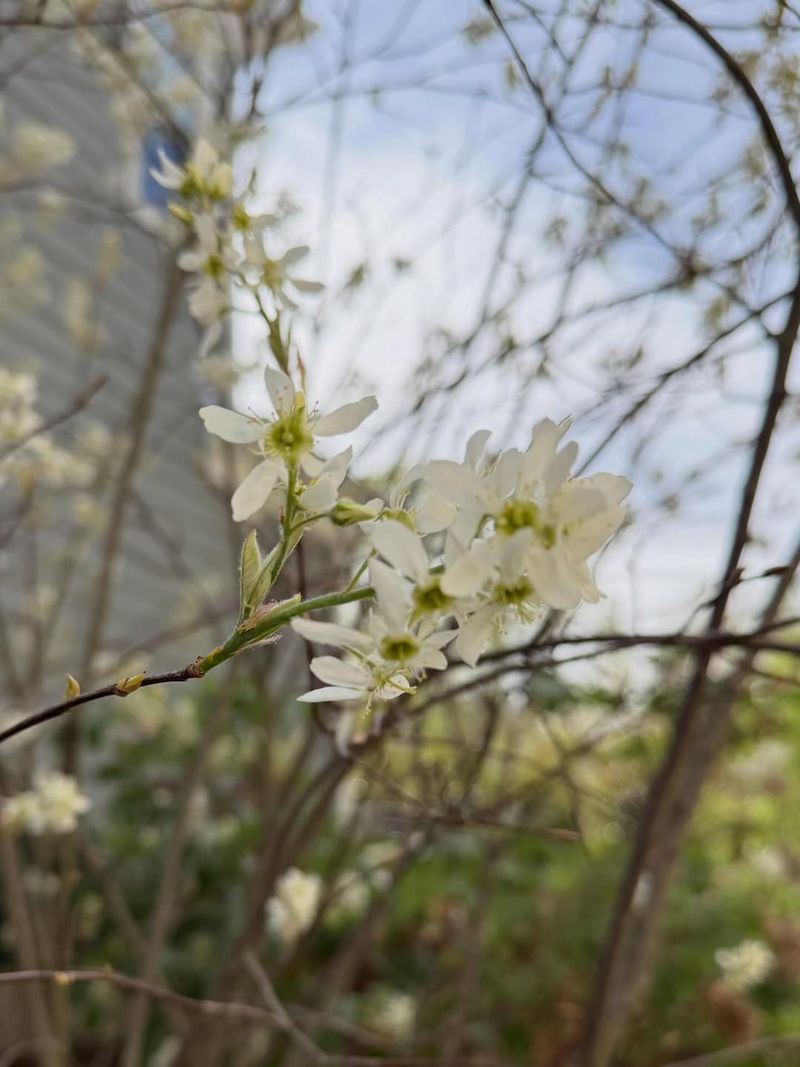
Spring bloom season creates real pressure on front-yard plant choices. Homeowners want flowers, and they want them early.
Redbud delivers that with its rosy-pink clusters, but the tree that produces those flowers also comes with a wide, spreading canopy that fills in fast over several seasons.
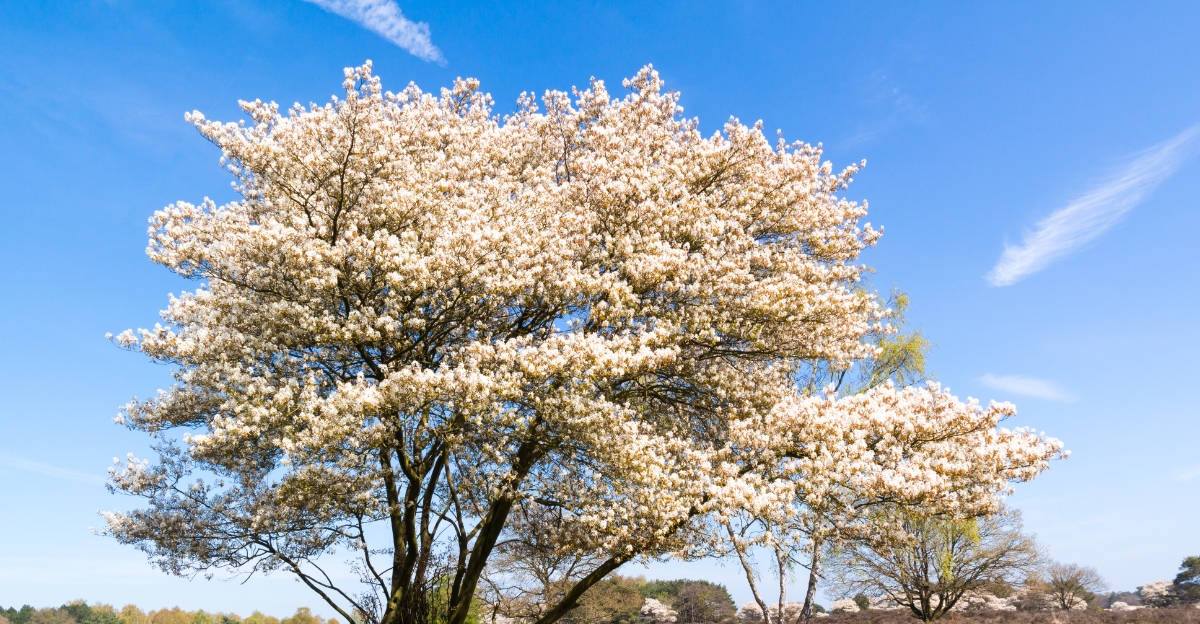
Serviceberry offers white flowers in early spring, usually appearing right around the time forsythia fades and before most other trees have leafed out fully.
The blooms are delicate rather than showy, but they stand out clearly against bare branches and early spring skies.
The visual effect is airy rather than dense, which suits a compact yard well.
The overall plant stays lighter in feel than a broad redbud in a small space. Serviceberry does not have the same bold horizontal spread, so the front yard does not feel overwhelmed during the growing season.
Bloom time is relatively short, typically one to two weeks depending on weather and species. That is honest and worth knowing before planting.
But the combination of early white flowers, a manageable canopy, and strong seasonal follow-through makes serviceberry a practical spring-blooming choice for yards where a redbud would eventually feel oversized.
4. Add Bird-Friendly Fruit Without Losing Front Yard Space
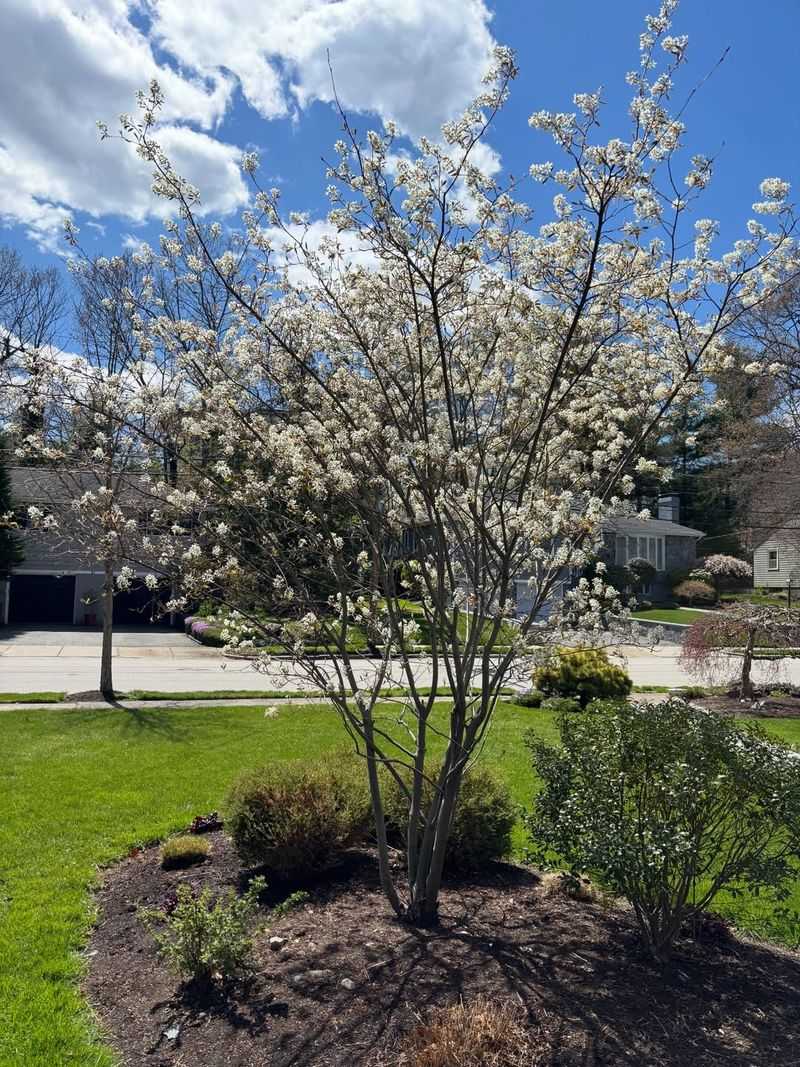
Watch a serviceberry in early summer and you may notice something happening fast. The small fruits ripen from green to red to deep purple over a few weeks, and birds often find them before most homeowners even realize the berries are ready.
Cedar waxwings, robins, and catbirds are among the species that seek out serviceberry fruit in regional gardens.
That wildlife value comes without requiring a large tree footprint. Serviceberry can produce fruit as a multi-stemmed large shrub or as a small trained tree, depending on the species and how it is managed.
Either form fits into a tight front yard more comfortably than a wide-canopied tree that also happens to fruit heavily.
Fruiting does vary. Weather during bloom time, pollinator activity, the specific Amelanchier species or selection, and how quickly birds arrive all affect how much fruit you actually see in a given year.
Some years the crop is generous. Other years birds strip the branches so fast it looks like nothing ever fruited.
That variability is normal and worth expecting. Planting serviceberry for birds means accepting that the fruit may not last long, but the wildlife activity it brings to the front yard is genuinely rewarding to watch.
5. Count On Fall Color After Spring Flowers Fade
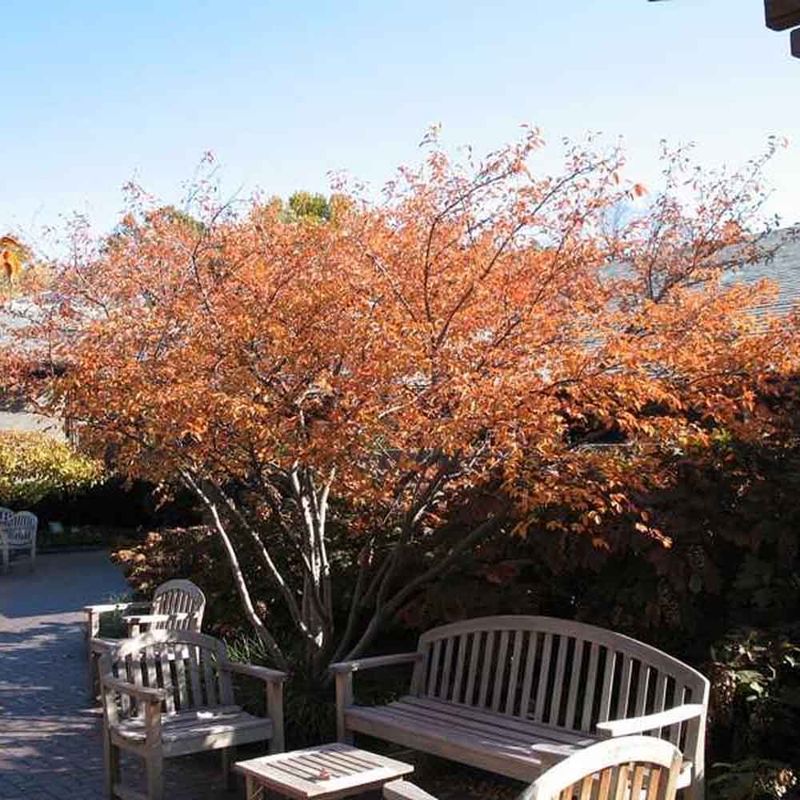
Spring gets most of the attention in front-yard planting conversations, but fall is when a tree either earns its space or just stands there looking tired. Serviceberry tends to earn it.
The foliage turns shades of orange, red, and sometimes yellow in autumn, giving the front yard a second season of real visual interest.
Redbud also offers decent fall color in many years, so this is not a case where one tree clearly wins over the other. The difference is more about the full seasonal package relative to the space each tree occupies.
A serviceberry that stays narrow and upright delivers spring flowers, summer fruit, and fall color without ever feeling like it has taken over the yard.
Fall color intensity can vary with the species, the specific plant, and annual weather patterns. Dry summers followed by cool fall nights tend to produce the best color on many native trees, including serviceberry.
Wet or unusually warm falls may mute the display. Gardeners who want reliable fall color should look for Amelanchier selections that are noted for strong autumn performance.
Local nurseries or university extension resources can help identify which species and cultivars tend to color up well in this region’s climate.
6. Train Serviceberry As A Small Tree Or Multi Stem Shrub
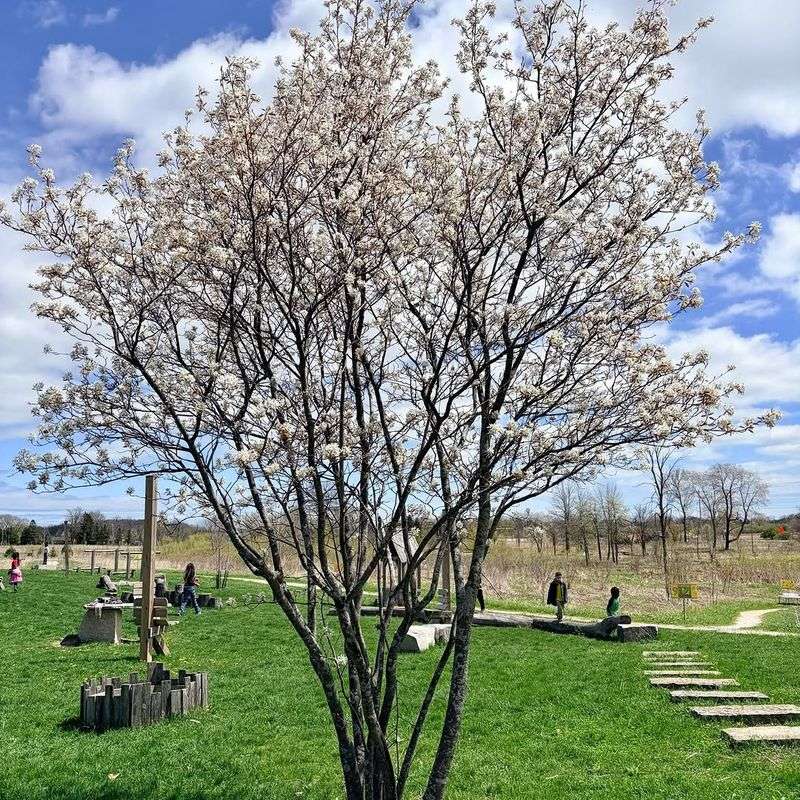
One of the more practical things about serviceberry is that it does not lock you into a single form.
Depending on the species and how you manage it at planting and in the first few years, you can grow it as a single-trunk small tree or as a multi-stemmed clumping shrub.
That flexibility is genuinely useful in front yards where different spots call for different shapes.
A single-leader tree form gives a cleaner, more formal look near a front entry or along a narrow planting bed. A multi-stem form feels more relaxed and naturalistic, which works well at a property corner or in a mixed border.
The key is deciding on the form you want before or at the time of purchase, because correcting an established plant takes more effort than starting with the right structure.
When buying, ask the nursery whether the plant has been trained to a single trunk or left to develop multiple stems. Some Amelanchier species naturally tend toward one form more than the other.
Pruning to maintain your chosen form should happen in late winter or early spring before new growth begins, according to general guidance from university extension sources.
Removing competing leaders early keeps the structure clean without heavy cuts later.
7. Give Roots And Branches Room Before Planting
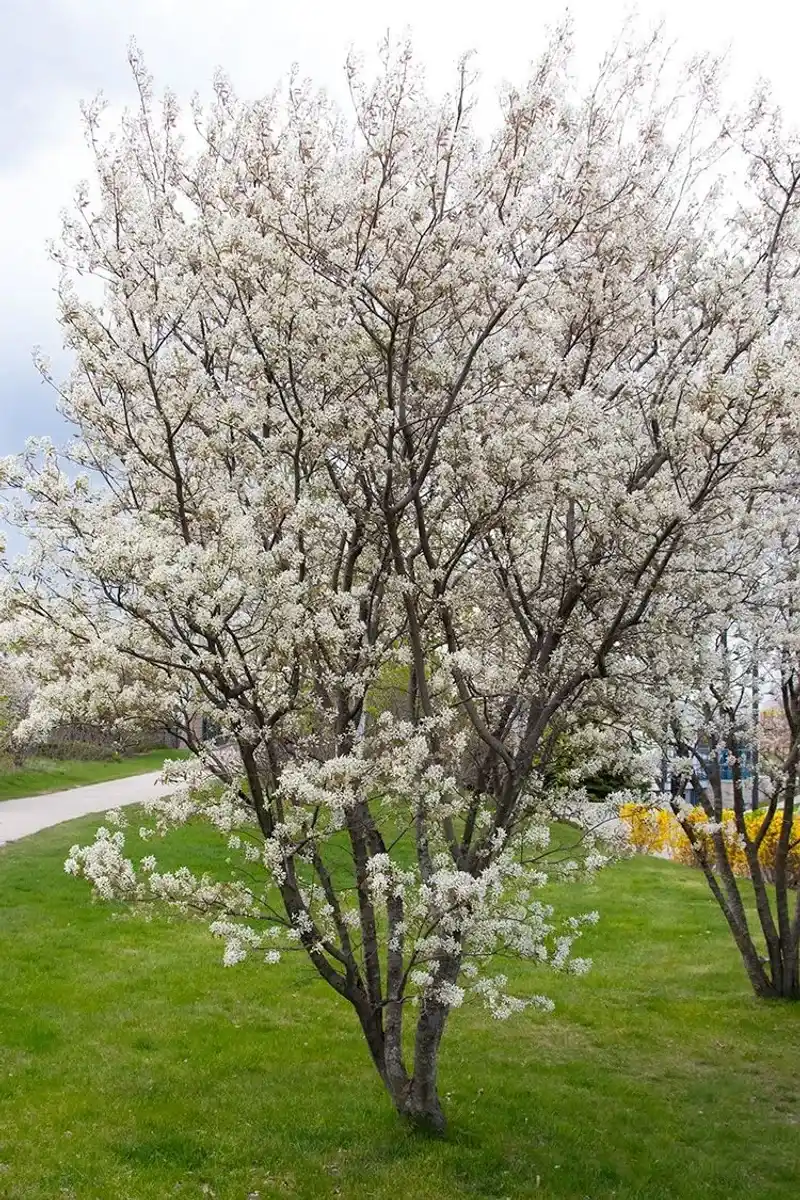
Planting a small tree near the front of a house feels straightforward until a few years pass and the roots start pushing toward the foundation or the branches begin scraping the porch roof.
Even trees labeled as small need real planning before they go in the ground.
Serviceberry is no exception.
General guidance from university extension sources suggests keeping trees away from foundations, sidewalks, and driveways based on the mature canopy width of the species.
For serviceberry, that often means planting at least 6 to 10 feet from a foundation wall and keeping a safe distance from sidewalk edges to reduce root pressure on pavement over time.
Utility lines overhead are another consideration that is easy to overlook until the tree is already established.
Checking the expected mature height and spread of the specific Amelanchier species or cultivar you are planting is the most important step before digging. Species and selections within this genus vary more than many Ohio gardeners expect.
Some stay under 10 feet tall. Others can reach 20 to 25 feet at maturity.
Reading the plant tag carefully, consulting the nursery, or looking up the cultivar through a reliable extension source will help you place the tree where it can grow without creating problems for the structures around it.
8. Choose The Right Serviceberry For Your Site
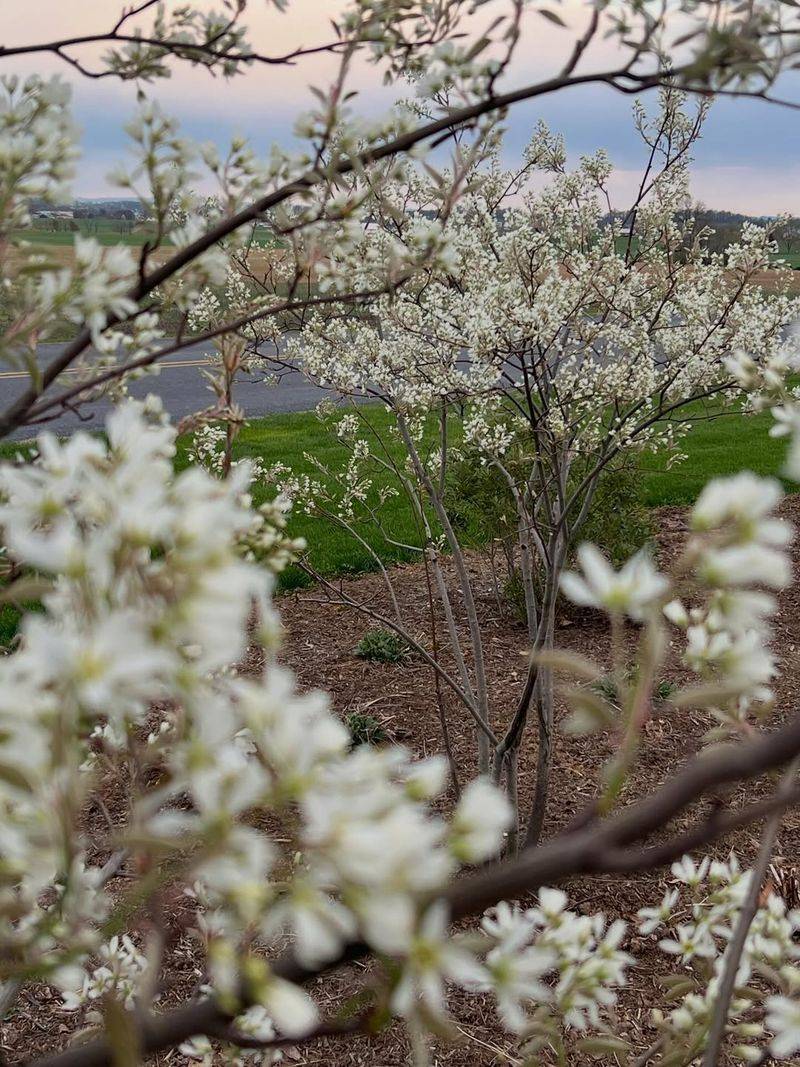
Not all serviceberries are the same size, and that matters a lot before you buy. Amelanchier is a genus that includes several species and named cultivars, and they can range from low shrubs to upright small trees depending on which one you choose.
Picking the wrong species for a tight front yard can create the same crowding problem you were trying to avoid by not planting a redbud.
Amelanchier canadensis, Amelanchier laevis, and Amelanchier x grandiflora are among the species and hybrids commonly available at regional nurseries.
Cultivars like Autumn Brilliance and Ballerina are often noted for their form and fall color, but mature sizes still vary, so checking specific cultivar data is worth the extra step.
Full sun to part shade is the general light range given for serviceberry, but soil drainage and moisture also affect how well a plant performs over time.
Asking your local nursery which serviceberry selections have done well in your soil type and light conditions is one of the most reliable ways to narrow the choice.
OSU Extension resources and ODNR plant lists can also point you toward species that are well-suited to conditions across this state.
Matching the right plant to the right spot from the start saves years of frustration and gives your front yard its best chance at lasting seasonal interest.