This Native Virginia Groundcover Is Quietly Replacing Front Lawns
Your lawn in Virginia is quietly losing ground. You mow, water, and fertilize weekly with nothing to show. Weekends disappear fast into chores that never seem to end.
Meanwhile, a quiet native plant waits nearby, unnoticed. Something low, soft, and strikingly green is spreading through Virginia. Nothing about it demands strong chemicals from your hands.
Cost drops fast once your mowing disappears from view. Roots dig deep, crowding out persistent weeds fast. Texture mimics manicured turf while your effort quietly disappears.
Shade doesn’t trouble it, and drought barely slows it. Rain barely matters when your roots run this deep.
Foot traffic leaves it standing tall, steady and unfazed. Neighbors keep noticing, comparing notes, and quietly switching sides.
Comparisons spread faster online than the plant itself does. Questions about its identity, cost, and care keep surfacing, and the answers are worth knowing.
Answers exist, and they will surprise you completely. Everything you know about lawns is about to change.
A Native Groundcover Quietly Replacing Traditional Lawns
Walk past the right front yard and you might do a double-take. Something looks like grass, but it flows softer, grows lower, and nobody seems to be mowing it.
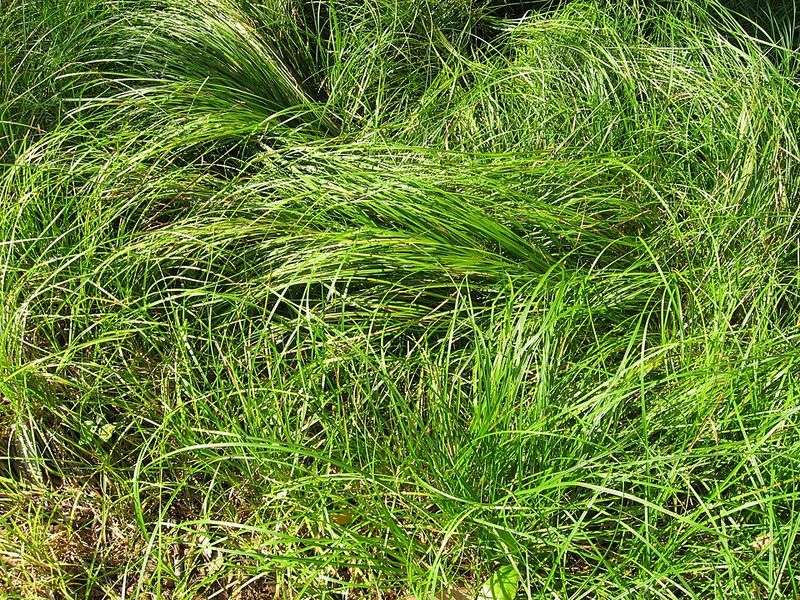
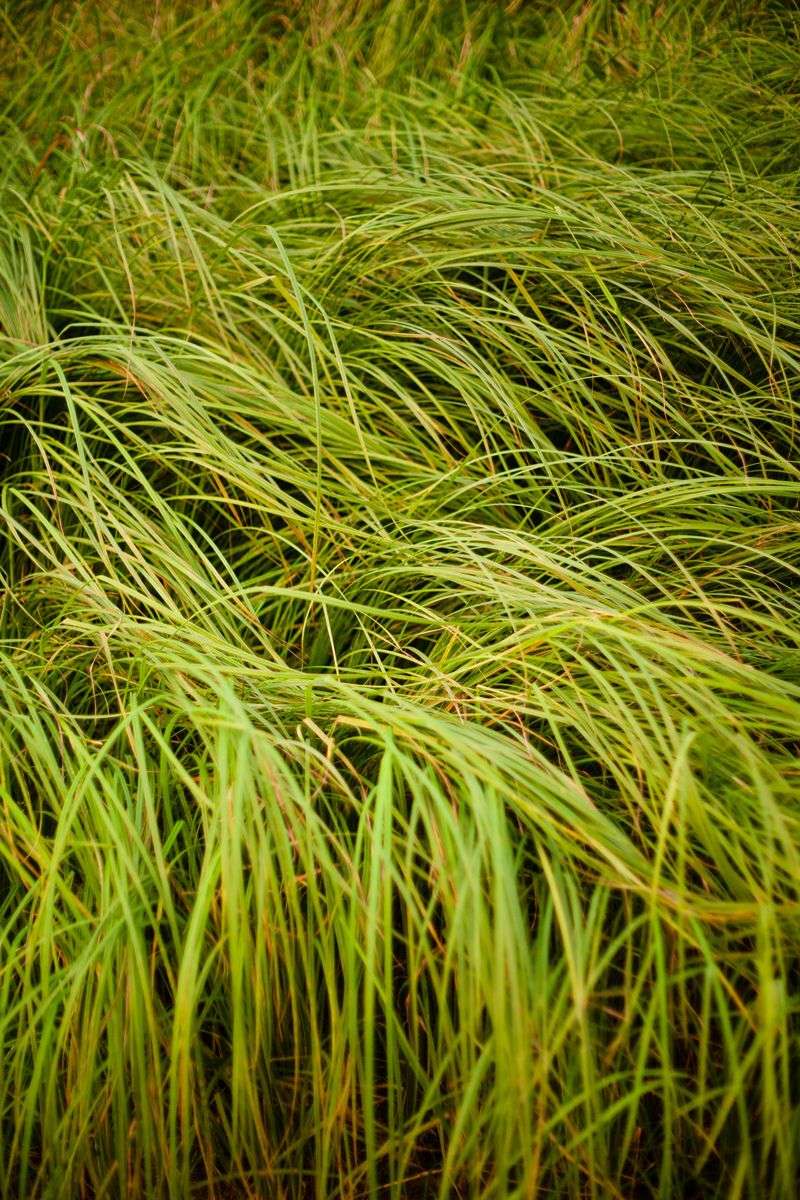
That plant is Pennsylvania Sedge, and it is quietly taking over lawns from Virginia to New England. Carex pensylvanica, its botanical name, is a low, spreading native sedge that colonizes slowly by rhizomes.
It creates a dense, carpet-like cover that typically stays around four to eight inches tall without any cutting. Homeowners who are tired of feeding, watering, and babying traditional turf are making the switch in big numbers.
The shift is not just about convenience. Native groundcovers support local ecosystems in ways that imported grass simply cannot match.
Pennsylvania Sedge feeds native insects, shelters ground-nesting birds, and improves soil health over time. Turf grass, by contrast, offers comparatively limited ecological value and often requires more chemical inputs to maintain.
Front yards are some of the most visible spaces in any neighborhood. Choosing a native plant there sends a message and starts conversations with curious neighbors.
Once established, a Pennsylvania Sedge lawn looks intentional, polished, and alive in a way that monoculture turf never quite achieves.
This native Virginia groundcover is not a passing trend; it reflects a broader shift in how homeowners approach front-yard landscaping.
Why This Plant Thrives Where Grass Struggles
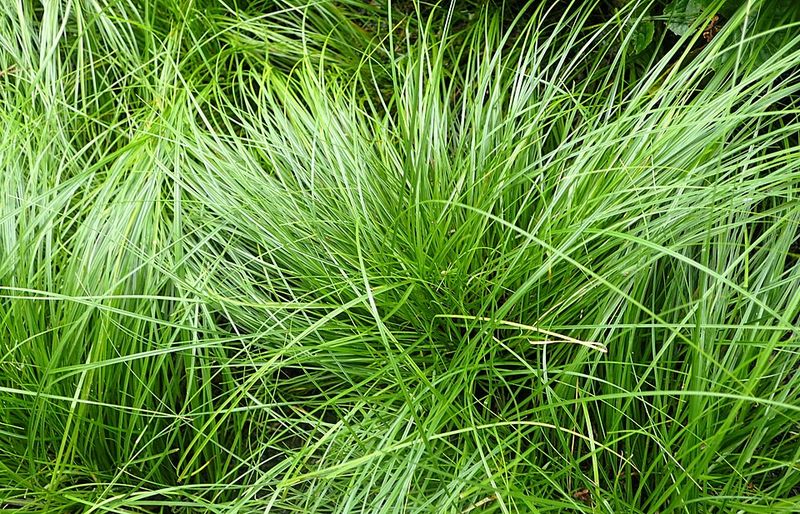
Grass struggles in shade. Most homeowners are familiar with this challenge after years of patchy brown spots under trees. Pennsylvania Sedge, on the other hand, was born for exactly those conditions.
This plant evolved under the canopy of eastern deciduous forests. It is hardwired to handle low light, dry soil, and root competition from large trees.
Turf grass needs at least six hours of direct sun to stay healthy. Pennsylvania Sedge can tolerate significantly less light than traditional turf grass.
That difference is enormous for anyone dealing with mature oaks, maples, or elms in their yard. Those trees create the kind of tough growing zones where grass simply gives up.
Your Virginia Garden Changes Every Week. Your Plan Should Too.
Gardening in Virginia changes quickly throughout the season. Every Friday you’ll receive a simple weekly plan showing exactly what to plant, prune, fertilize, harvest, and protect so you never miss the right timing.
Beyond shade, this sedge handles drought surprisingly well once it roots in. Its deep, fibrous root system pulls moisture from lower soil layers that shallow turf roots cannot reach.
Clay-heavy soils, sandy patches, and slightly acidic ground are all conditions it handles without complaint. Most grass cultivars would yellow and thin out under the same circumstances.
Slopes and erosion-prone areas are another place where this plant outperforms turf. Its spreading rhizomes knit the soil together and hold it firmly in place during heavy rains.
Where grass has historically struggled, Pennsylvania Sedge tends to perform well. Planting it in your toughest spots is not giving up; it is finally playing smart.
What Makes It Ideal For Hot, Sunny Front Yards
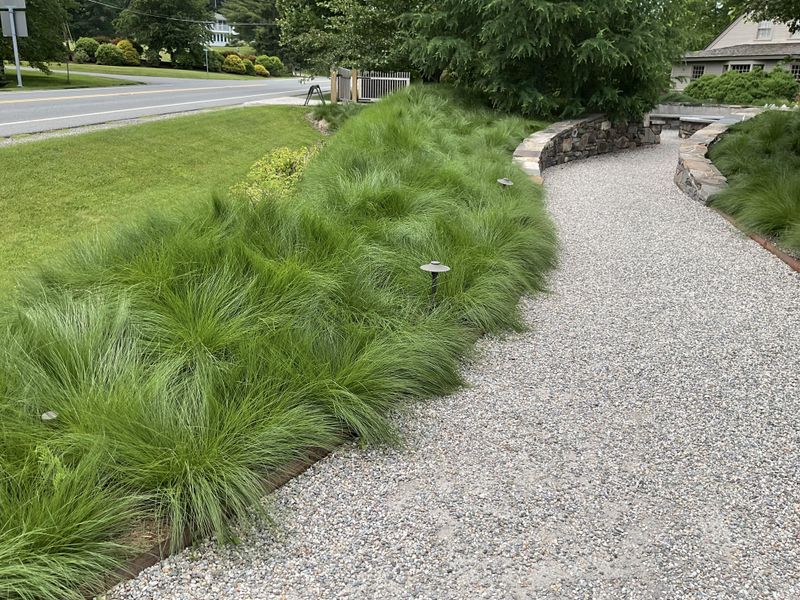
Shade tolerance gets most of the attention, but Pennsylvania Sedge handles sunny spots better than people expect. In the right soil with decent moisture during establishment, it performs well in open, sun-drenched front yards.
The key is managing that first season carefully. Young plants need consistent watering until their root systems anchor deep enough to access stored soil moisture on their own.
Once established, they pull back dramatically on water needs. A mature Pennsylvania Sedge planting can often survive on rainfall alone in most mid-Atlantic climates.
Hot afternoons in July and August are where traditional lawns turn brown and crispy. This sedge may go slightly dormant during peak heat, but it bounces back quickly when temperatures ease.
That resilience means fewer emergency waterings and lower utility bills during summer. For homeowners in areas with water restrictions, that flexibility is a serious practical advantage.
Pairing Pennsylvania Sedge with native flowering plants also boosts its performance in sunny areas. Plants like wild ginger or native ferns near the border help retain soil moisture around the sedge.
The fine texture of its blades catches morning light beautifully, giving a front yard a soft, almost meadow-like appearance. Neighbors often stop and ask what it is before they even realize it replaced the lawn.
Sun does not have to be the enemy of a sedge lawn. With the right setup, this native Virginia groundcover holds its own from spring straight through fall.
Planting And Establishing Your Groundcover Lawn
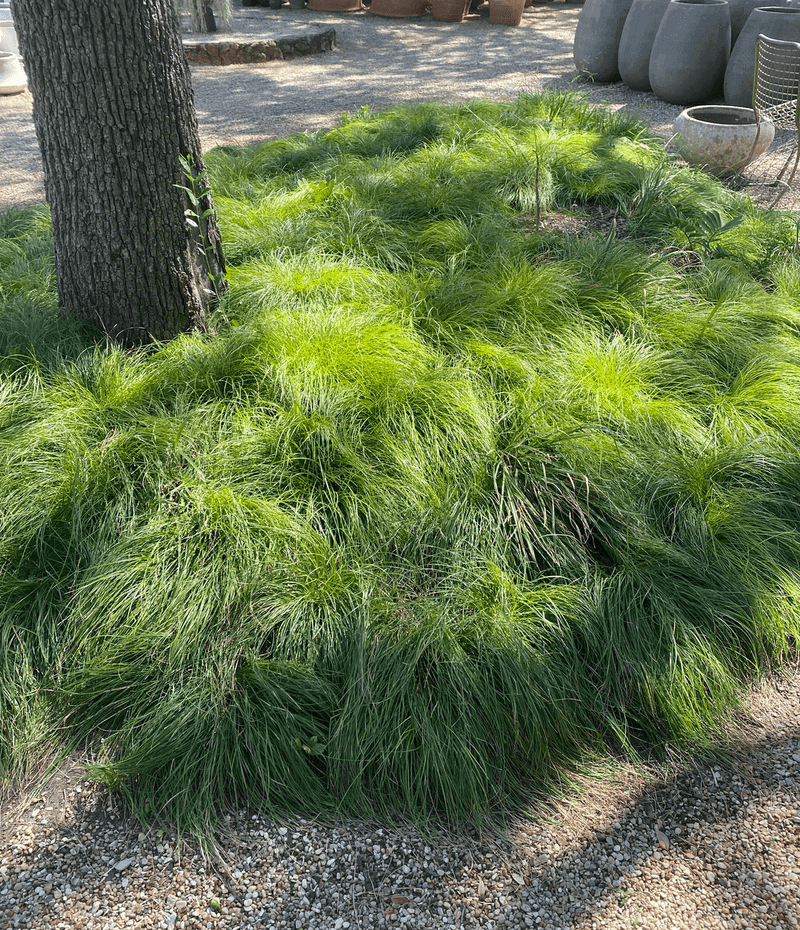
Starting a Pennsylvania Sedge lawn feels intimidating until you realize how forgiving the process actually is. The hardest part is usually just committing to removing the old turf first.
Sheet mulching is the easiest method for most homeowners. Lay cardboard over existing grass, wet it thoroughly, then cover with two to three inches of compost.
Wait four to six weeks, then plant your sedge plugs directly through the decomposing cardboard layer. The cardboard smothers the old lawn while feeding your new planting from below.
Spacing plugs about six to eight inches apart gives the fastest coverage in one to two seasons. Wider spacing works too, but expect a longer wait before the plants knit together.
Fall is the best planting window in most mid-Atlantic regions. Cooler temperatures reduce stress on young plants, and autumn rains do a lot of the watering work for you.
Spring planting also works well if you can keep up with watering through the first hot stretch. Avoid planting in midsummer unless you have irrigation in place and extra time to monitor moisture.
Mulching lightly between plugs during the first season helps retain moisture and suppresses weeds while the sedge fills in. Pull any aggressive weeds by hand during this period.
Establishment takes patience, but the payoff is real. By year two, most plantings look full, intentional, and genuinely beautiful without a single bag of fertilizer needed.
Maintenance Compared to a Traditional Grass Lawn
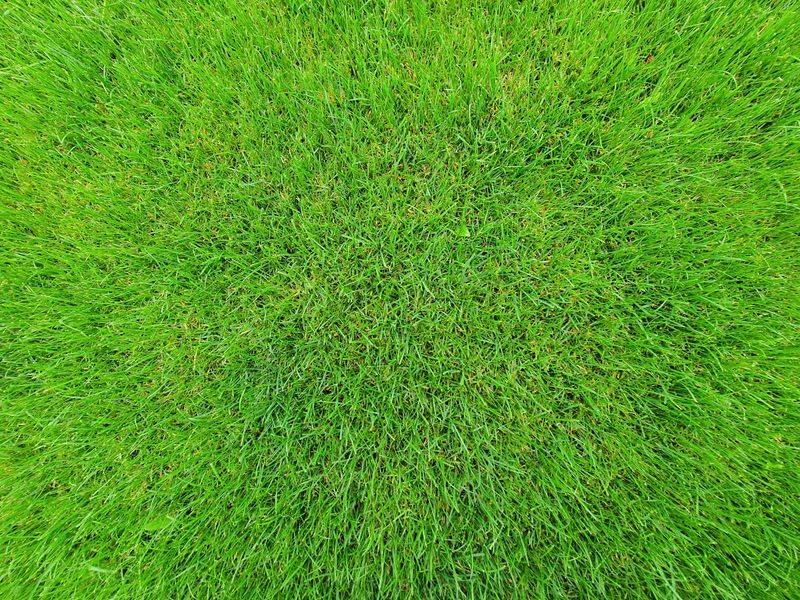
The difference becomes clear when you compare the numbers side by side. A traditional lawn demands mowing every five to seven days from April through October.
Pennsylvania Sedge needs cutting once, maybe twice, per year. A quick trim in early spring knocks back any winter-worn tips and freshens the look before new growth pushes through.
That difference alone saves the average homeowner dozens of hours each season. Add in minimal fertilizing, minimal herbicide applications, and near-zero irrigation once established, and the savings stack up fast.
Traditional turf grass in the mid-Atlantic region can require significant weekly watering throughout the summer months, depending on rainfall and soil type. Pennsylvania Sedge uses a fraction of that amount after its first year in the ground.
Weed pressure is real during the establishment phase, but it drops sharply once the sedge forms a dense mat. Thick coverage leaves little room for opportunistic weeds to grab hold.
No thatch buildup means no dethatching equipment rental and no fall aeration appointments. The root system naturally cycles organic matter back into the soil without any help.
Pest and disease problems are also rare. This plant evolved alongside local insects and soil organisms, so it tends to show greater natural resilience than many imported grass cultivars.
Switching to Pennsylvania Sedge does not mean accepting a messy yard. It means trading exhausting upkeep for a lawn that actually works with your life instead of against it.
Where To Source It And What To Expect The First Year
Finding Pennsylvania Sedge used to require a specialty native plant nursery and some serious searching. That has become easier in recent years as demand for native plants has grown.
Many local independent garden centers now stock it seasonally, especially in spring and fall. Native plant sales hosted by conservation groups and botanical gardens are another excellent source.
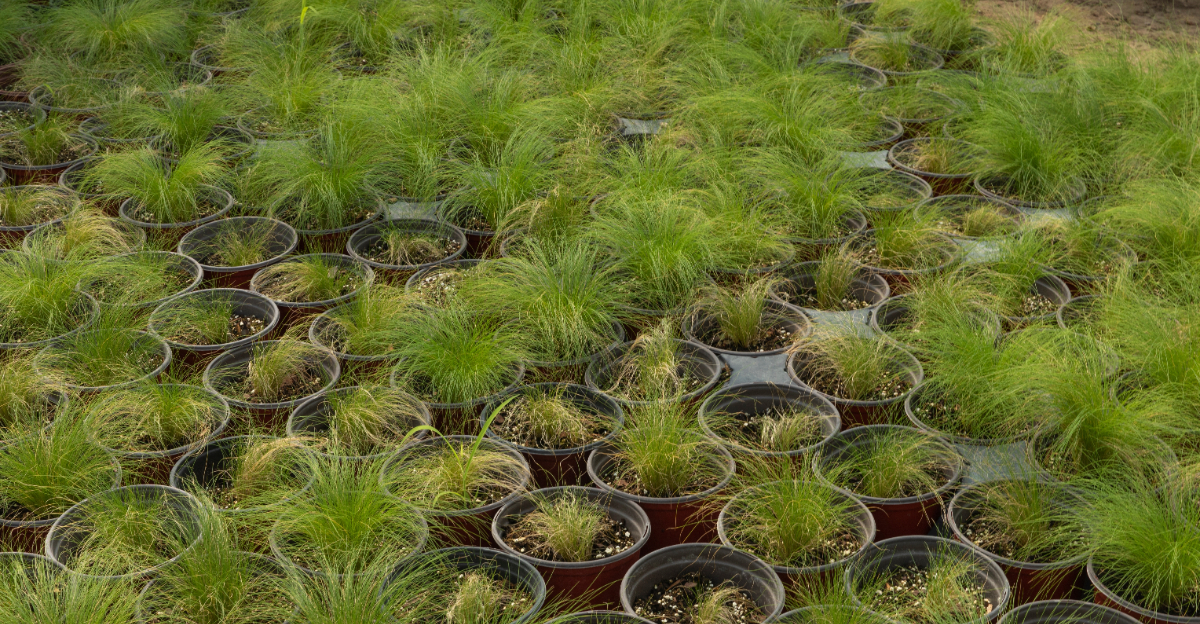
Online native plant retailers ship plugs directly to your door, often in bulk trays. Pricing varies by source, but plugs are typically sold in the low dollars per plant, with bulk orders bringing the per-plug cost down.
Buying in bulk for larger areas usually brings the per-plug cost down noticeably.
The first year will test your patience more than your skills. Plants focus almost entirely on root development during this period, so above-ground growth looks slow and unimpressive.
Do not panic if your plugs look sparse or yellowish during summer of year one. That is normal behavior as the plant shifts energy underground to build its foundation.
Water consistently during dry stretches in that first season, roughly one inch per week if rain does not deliver. Pull weeds by hand rather than using any chemical sprays near young plants.
By spring of year two, most plantings transform almost overnight into lush, connected ground cover. This native groundcover reflects a broader shift toward native, low-maintenance planting.